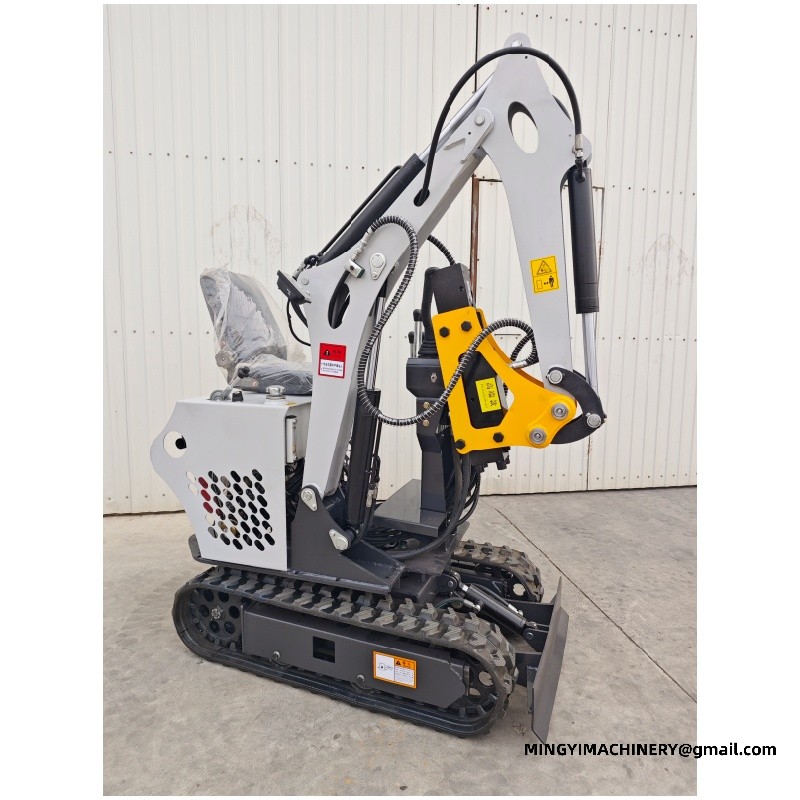
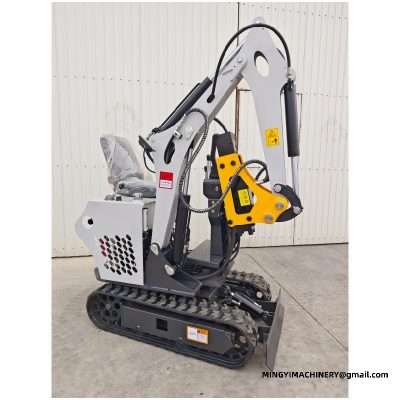
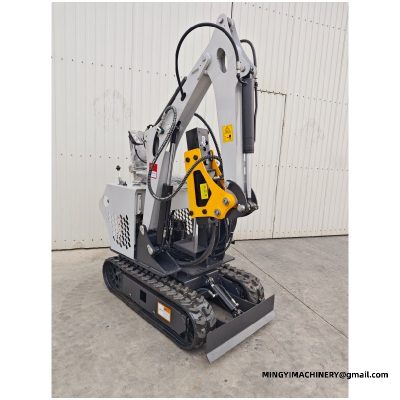
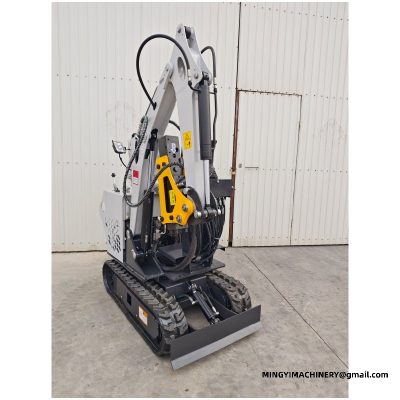
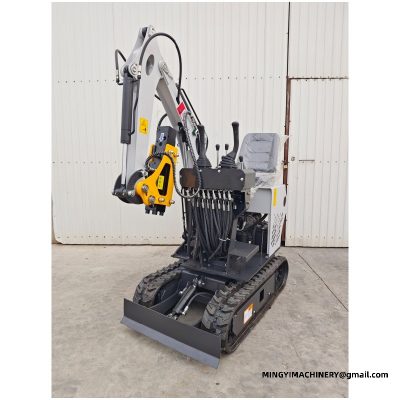
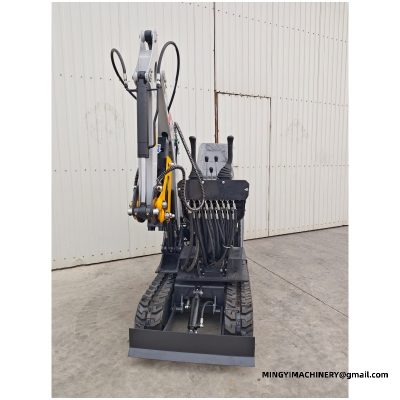
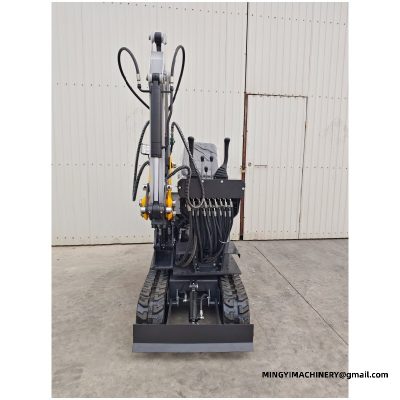
Buying a mini excavator from the factory that builds it shortens the distance between what a buyer needs and what a buyer receives. MINGYI sells its machines directly from the works, with each excavator produced against the specification agreed in the ordering conversation.
A factory purchase replaces the stock list with the build sheet: engine option, cab format, tracks, boom and hydraulics are chosen by the buyer with the works, then assembled, checked and shipped as one machine.
What buying from the works changes
The buyer speaks with the people who schedule and build the machine, so specification questions get production answers rather than catalogue answers. Where a request cannot be met, it is met with a clear statement at ordering rather than a surprise at delivery.
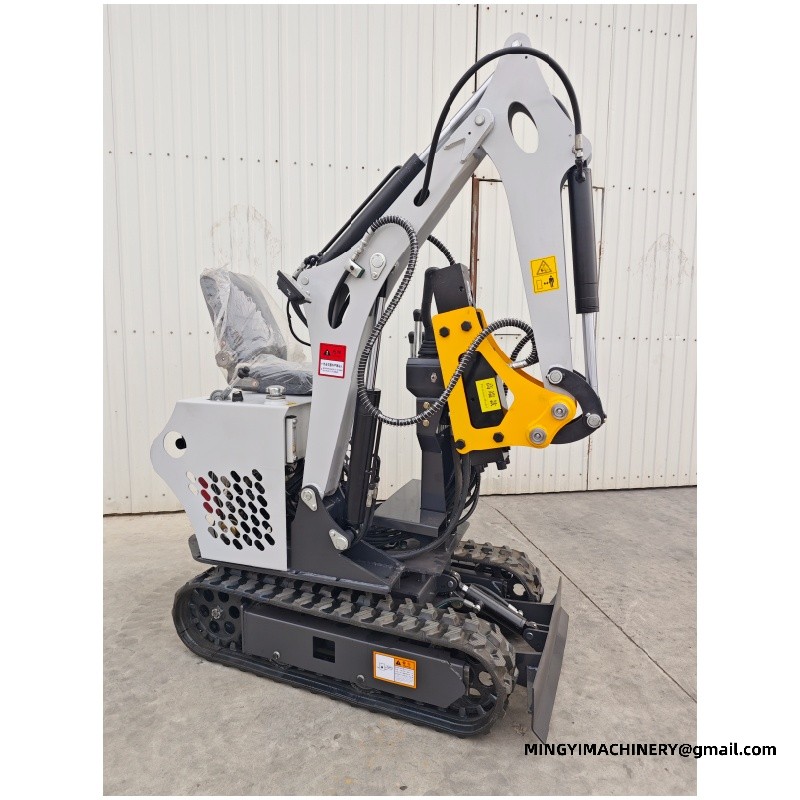
Because each machine is built to its order, the specification travels with the unit: the build record, the spare parts and the service information all describe the excavator the buyer receives. Fleet buyers find this consistency holds across repeat orders on the same sheet.
The steps of a factory order
The process starts with the duty statement and ends with a shipped machine: specification agreed, production scheduled against the buyer's plan, build completed and checked, and the unit dispatched with its documentation.
Buyers should state their destination market early, since the engine and its emission configuration are fixed at the ordering stage. Everything else on the sheet, from the coupler standard to the cab heating, follows the same discipline.
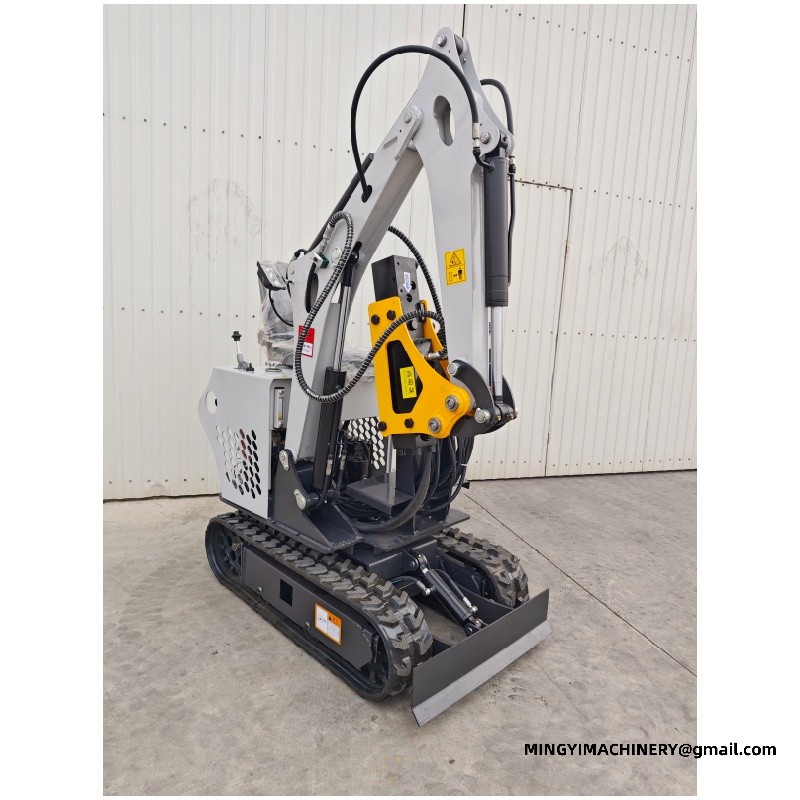
A factory sale is a built sale: one conversation, one sheet, one machine. Start it with the work description, and the works takes care of the rest.
Orchard, vineyard and farm use of mini excavator for sale from the factory Orchard and vineyard work is carried out between rows. The excavator with a narrow chassis and a swing boom works down the row without damaging the trees, which is the reason a full-size machine is not used at all. Ditching, fertilising and drainage on farmland suit this class of machine because the work is spread over a large area in short bursts. The machine travels behind a pickup and works where it stops. Engine options behind mini excavator for sale from the factory Two buyers can order the same a machine of this size and receive different engines. The decision is rarely about peak power; it is about which parts counter is closest to the site and which engine the local mechanic already knows. Engine choice is also an emissions and documentation question for some markets. Listing the available units with the unit in daily use enquiry lets the factory confirm what can be supplied and documented for the destination country. Landscaping and ground care with mini excavator for sale from the factory Grass cutting heads, rakes and tillers extend the equipment on site into ground care. The same carrier that digs a border in spring can cut and clear the same area later in the season. On soft landscape work the surface is the constraint. The machine itself on rubber tracks crosses turf without stripping it, which is why the same jobs are not given to a wheeled machine. Lifting and material handling with a mini excavator for sale from the factory Stability changes with reach. A load the model in question handles close in becomes a different proposition at full extension, so the working radius belongs in the plan before the lift rather than during it. Ground condition under the machine is part of every lift. Soft or uneven support is the common factor in handling incidents, and checking it takes less time than recovering the machine in that duty that has settled. Interior and light demolition with mini excavator for sale from the factory Interior demolition is an access and a weight question. The unit on the job that fits through a doorway and works on a suspended floor does jobs that would otherwise be done by hand or by a larger machine that cannot enter. Breaking out a floor slab, a wall footing or a concrete step is routine work for a machine built for the work with a breaker. The machine is small enough to work inside and heavy enough to run the tool at a practical rate. Working a mini excavator for sale from the factory through the seasons Weather decides which days are productive. Rain turns some ground unusable and cold changes how the equipment in service starts and warms up, so planning the wet months around maintenance is more useful than planning around output. Heat and dust are as limiting as rain. Air intake condition and cooling cleanliness decide how the excavator behaves in a dry season, and both are checked in a minute rather than repaired later. Road and paving work for this class of machine Road repair generates short, interrupted jobs - a patch, a drainage connection, a kerb line. The unit in daily use is economical here because it travels on a small trailer and starts working minutes after arriving. Breaking out a failed slab and backfilling the same hole in one visit is normal work for a machine of this size. The breaker and the bucket come off the same coupler, so the road is reopened the same day. Quick coupler practice on the equipment on site A quick coupler is the single option that changes how a machine is used day to day. Fitted to the machine itself, it turns an attachment change from a two-person workshop job into a task the operator does alone in minutes. For a fleet that shares attachments between machines, a common coupler standard matters more than the coupler brand. The model in question that picks up the same tools as the larger machines keeps the rack usable across the yard. Canopy or enclosed cab on the machine in that duty A canopy keeps the machine light and the operator aware of the surroundings, which suits short jobs in warm weather. A fully enclosed cab is specified where rain, dust or cold are part of the working year, and it can be added to the unit on the job as a retrofit rather than only at build time. The cab decision follows the climate and the hours. Operators working a full shift in a machine built for the work benefit from a sealed cab with wipers and heating; operators stepping on and off every few minutes usually prefer the canopy for the visibility and the quick exit. Parts, service and support for the equipment in service Support after delivery is a parts question. Wearing items for the excavator - filters, belts, track components, bucket teeth and pins - are the items a buyer should plan to hold before the first service interval. Remote support is handled by video. This class of machine fault can often be diagnosed on a walk-around call with the panel open, which is faster than waiting for a visit and avoids shipping a part that is not needed. Working the unit in daily use in confined spaces Confined sites are decided by dimensions. Overall width, tail swing and the space needed to work the arm are what let a machine of this size operate inside a building, between walls or in a courtyard. Clearance above matters as much as around. Door heights, pipework and overhead services set the limit for the equipment on site indoors, and measuring them first avoids a machine that arrives and cannot be used. Specification data for the machine itself Buyers comparing the model in question usually start from four numbers - weight, digging depth, reach and transport width - because those are the ones that decide whether the machine can be delivered and whether it can do the job once it is there. Every value shown is as built for the machine in that duty; options such as cab, side swing or a telescopic undercarriage change the transport dimensions and are confirmed at order stage. A swing boom lets the machine dig parallel to its tracks without repositioning, which is what makes trenching beside a wall or a fence practical. On the unit on the job this is often the option that decides whether a job is possible at all. Detachable boom sections are used where transport length matters. A machine built for the work that has to travel on a standard trailer can be built so the arm comes off for the road and goes back on at the site.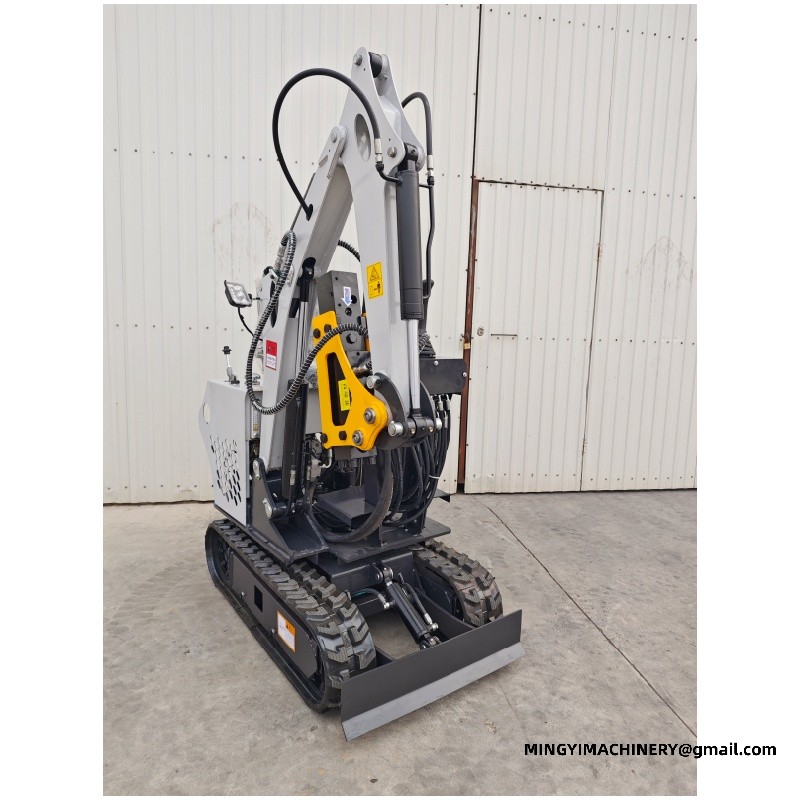
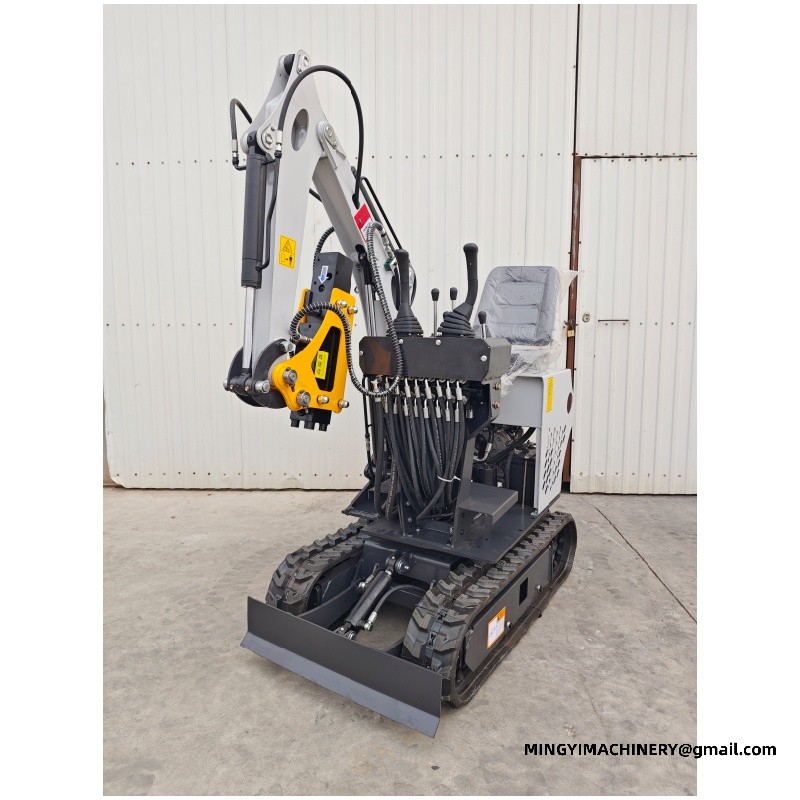
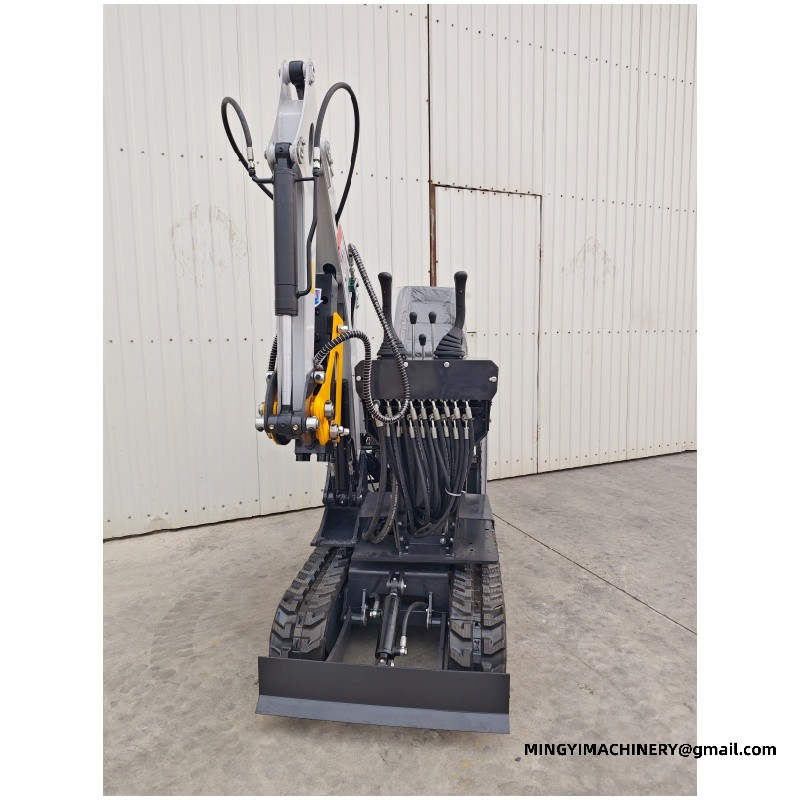
Reference specification — mini excavator range 15W 20-1W 30-2W 25L Operating weight 1400 kg (3086.47 lb) 1800 kg (3968.32 lb) 2700 kg (5952.48 lb) 2200 kg (4850.17 lb) Transport size (L×W×H) 2200 × 930 × 2250 mm 2550 × 1100 × 2200 mm 3000 × 1100 × 2700 mm 3000 × 1300 × 2700 mm Max digging depth 1630 mm (64.17 in) 1800 mm (70.87 in) 2200 mm (86.61 in) 2300 mm (90.55 in) Max digging height 2750 mm (108.27 in) 2820 mm (111.02 in) 3000 mm (118.11 in) 3100 mm (122.05 in) Max dumping height 1960 mm (77.17 in) 2050 mm (80.71 in) 2000 mm (78.74 in) 2050 mm (80.71 in) Max digging radius 2900 mm (114.17 in) 3050 mm (120.08 in) 3800 mm (149.61 in) 3900 mm (153.54 in) Max digging distance 2100 mm (82.68 in) 2300 mm (90.55 in) 3050 mm (120.08 in) 3100 mm (125.05 in) Minimum turning radius 1300 mm (51.18 in) 1450 mm (57.09 in) 1750 mm (68.9 in) 1800 mm (70.87 in) Travel speed 3 km/h (1.86 mph) 5 km/h (3.11 mph) 7 km/h (4.35 mph) 7 km/h (4.35 mph) Gradeability 30° 30° 30° 30° Fuel consumption 1-1.3 L/h (0.264—0.343 gal) 2-3 L/h (0.528—0.793 gal) 2-3 L/h (0.528—0.793 gal) 2-3 L/h (0.528—0.793 gal) Fuel tank capacity 10 L (2.64 gal) 16 L (4.23 gal) 16 L (4.23 gal) 16 L (4.23 gal) Hydraulic oil tank 16 L (4.23 gal) 18 L (4.76 gal) 20 L (5.28 gal) 18 L (4.76 gal) Dozer blade lift height 180 mm (7.09 in) 180 mm (7.09 in) 230 mm (9.06 in) 230 mm (9.06 in) Dozer blade drop depth 210 mm (8.27 in) 210 mm (8.27 in) 280 mm (11.02 in) 280 mm (11.02 in)
Q. What is the equipment in service?
A. Dealer, importer and fleet buyers judge a factory by what follows the machine - packing, documentation, parts - and the programme sets out how that works. Mixed-model orders and staged deliveries are routine for dealer and importer programmes, with documents and inspection arranged with the order. MINGYI builds the 08, 12 and 18 models covering the 0.8 to 6 tonne class, and the excavator is where that range meets sale from the factory.
Q. How are machines packed and shipped?
A. Complete units travel in containers on timber cradles; CKD packing parts the machine for volume. Documents, marks and routing follow the order, and the destination port decides the packing plan.
Q. Does MINGYI supply attachments with the machine?
A. Yes - buckets, breakers, augers, rakes and the rest of the working set ship with the carrier, matched to the hydraulic flow and the coupler. For sale from the factory the package is confirmed on the build sheet, so machine and tools arrive together and start work together.
Wear items and spares worth holding for this class of machine
The parts that stop a machine are rarely the parts that are hardest to find. Filters, belts, seals and the ground engaging tools on the unit in daily use are easy to hold and slow to replace, which is why they belong on the shelf rather than on an order.
Documents that travel with a machine of this size
A clear parts book saves more time than any other document. When the equipment on site needs a replacement, the illustration and the part number are what turn a phone call into a shipment instead of a description.
E-mail : sales@mingycn.com
LINE ( ID ): mingyicn
Water, mud and recovery planning for mini excavator for sale from the factory
Water is the enemy of bearings, electrical connectors and anything that is supposed to be sealed, and it rarely announces where it got in.
Wading to the hub, the track frame or the axle line is a limit rather than a target, and it is printed in the manual for a reason.
Related pages
micro hydraulic excavator for indoor work · compact earth digger · Earthmoving Wheel Loader: Boom Geometry and Breakout Behaviour · Mini Excavators









