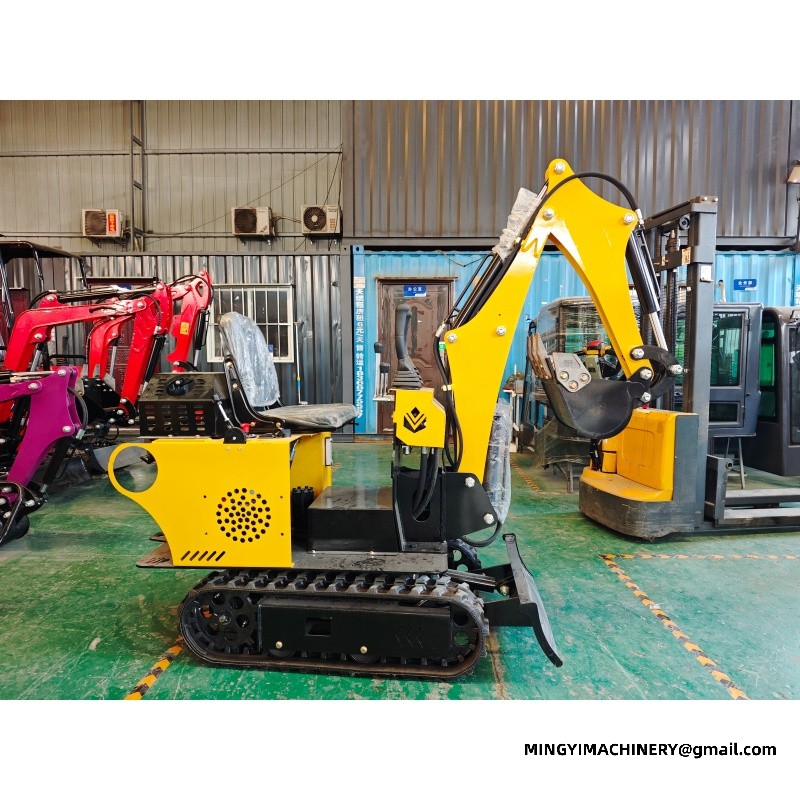
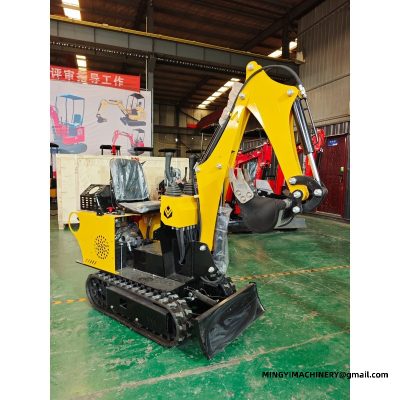
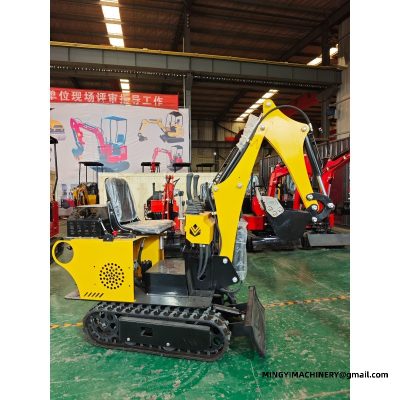
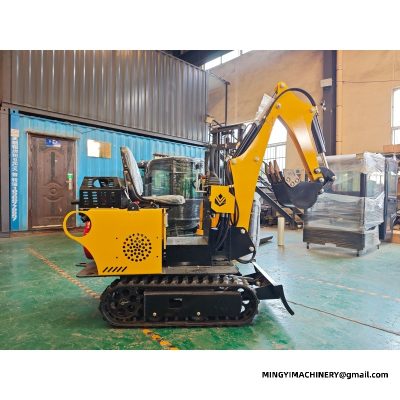
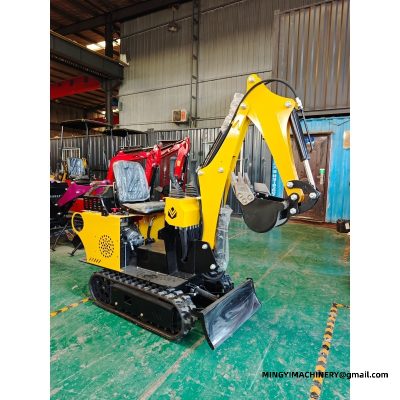
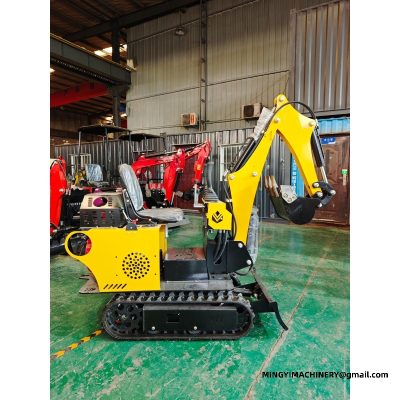
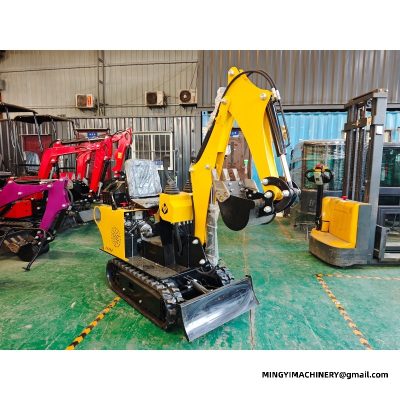
A machine that works every day is judged by different standards from an occasional hire: it has to start, dig and load without fuss, be checked and serviced quickly, and survive being used rather than admired. Practicality is the specification.
MINGYI builds mini excavators for this owner operator duty, with accessible service points, straightforward controls and components chosen for durability. The specification for a daily machine leans towards parts availability and simple maintenance.
A working day with a daily duty machine
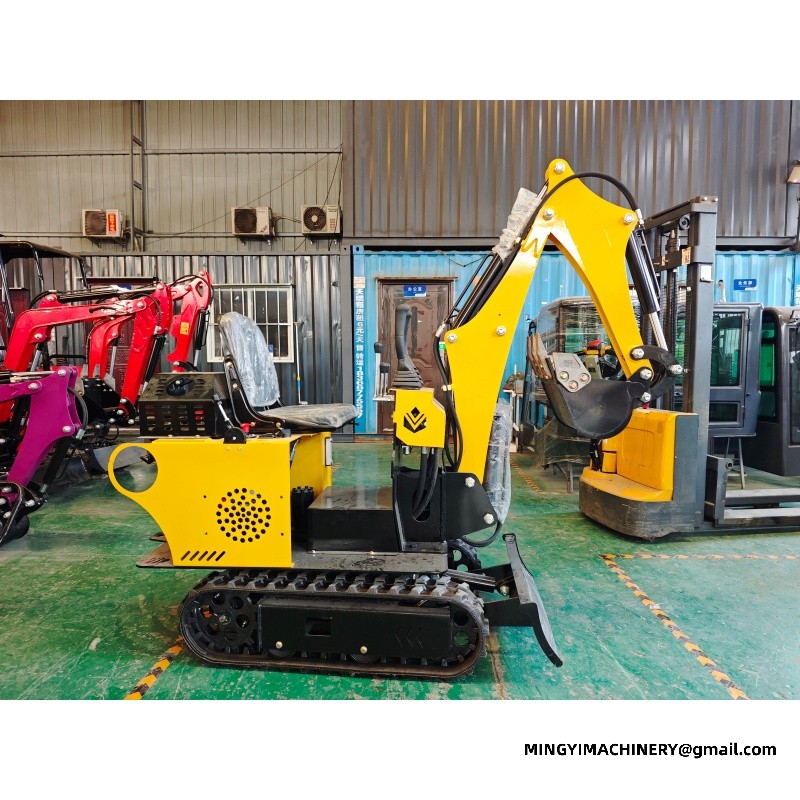
The day starts with a walkaround: fluids, tracks, pins and hoses checked before the first start. From there the work varies, trenching in the morning, loading and grading after lunch, a trailer load home at the end of the day.
Machines used daily show their quality in small things: gauges that can be read from the seat, grease points reached without crawling, and a cab layout that does not punish a long shift. None of it is glamorous; all of it decides whether the day goes well.
Keeping a daily machine reliable
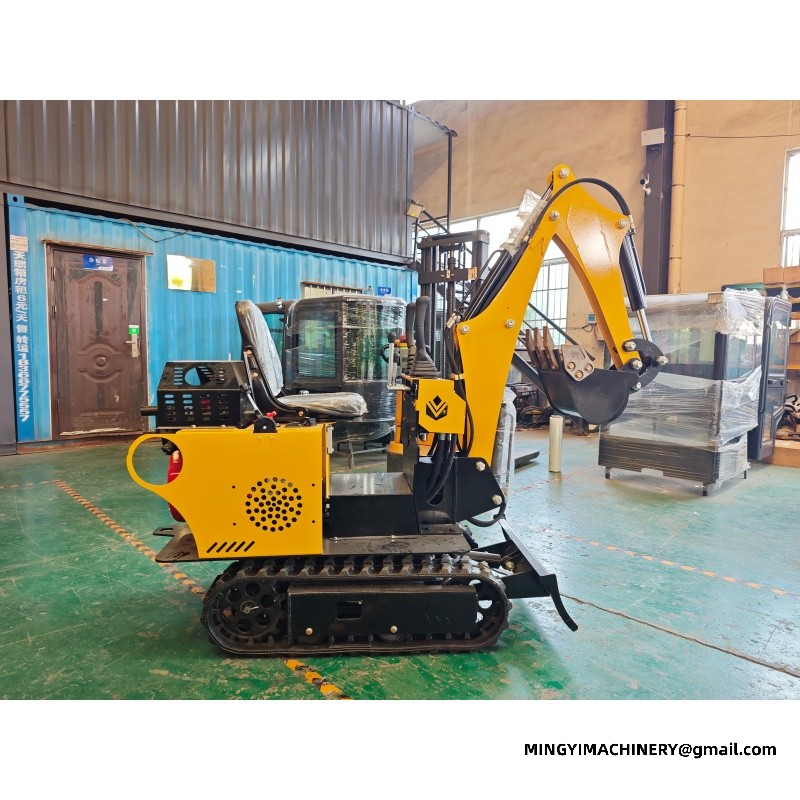
Reliability on a daily duty machine is mostly habit: services on schedule, filters changed rather than stretched, and wear items inspected before they fail rather than after. The service information supplied with the machine sets out the intervals.
Choosing a widely supported engine keeps downtime short when something does need a part; Kubota D902 and YANMAR units sit in the range for exactly that reason, with Changchai and Laidong options where their networks serve better. A spares bundle ordered with the machine keeps the shelf stocked.
A daily machine is a tool, and tools are judged on their worst day. MINGYI specifies for steady work and quick servicing, so the digger that leaves here keeps earning through the seasons after it arrives.
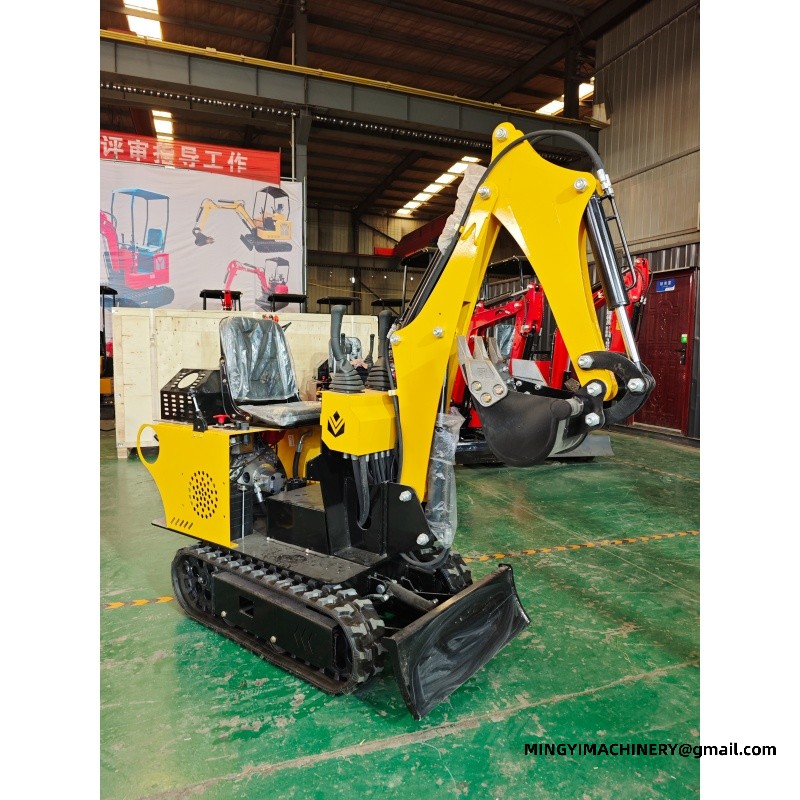
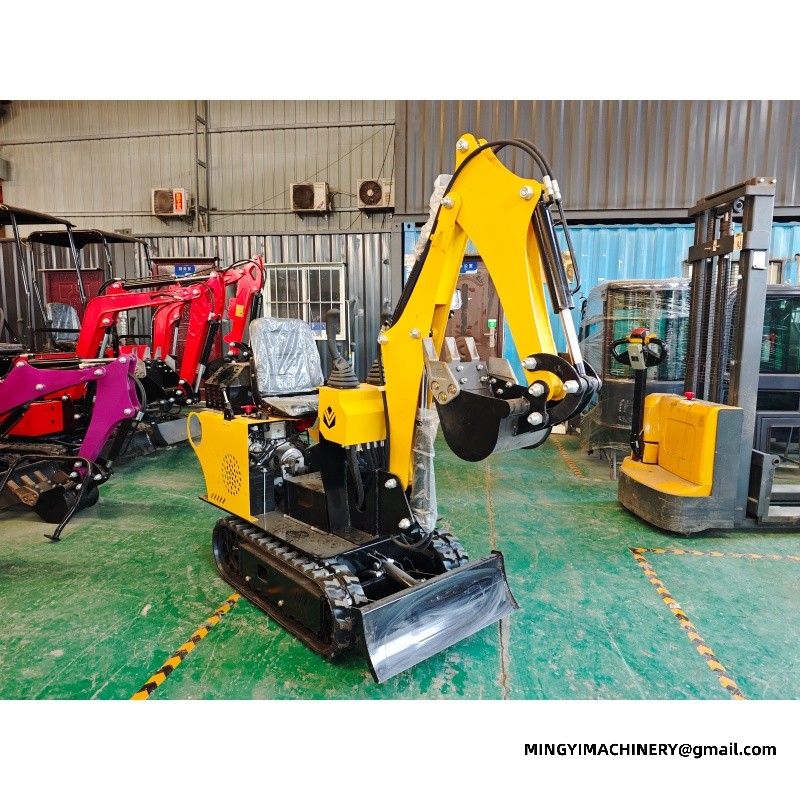
Quick coupler practice on practical mini excavator for daily use Couplers are specified early because they affect the arm and the hydraulic kit. Adding one to the excavator after delivery means new pins, new hoses and a fitment session; adding it at build time is a line on the sheet. For a fleet that shares attachments between machines, a common coupler standard matters more than the coupler brand. This class of machine that picks up the same tools as the larger machines keeps the rack usable across the yard. Getting practical mini excavator for daily use through a narrow gap The first question on most job lists is whether the machine can reach the work at all. The unit in daily use is chosen against the narrowest point on the route - a garden gate, a doorway, a gap between two walls - because a machine that arrives and then cannot pass loses a day, not an hour. Access decides the machine before output does. With a machine of this size the limiting dimension is usually the widest point on the way in, so measuring the gate, the corridor and the turning space first saves a wasted delivery and a second visit. Running practical mini excavator for daily use in a rental fleet Rental fleets buy for utilisation, not for a single job. The equipment on site with a quick coupler and a common attachment standard is hired more often because it suits more of the calls that come in. Fleet buyers also weigh transport. The machine itself that a customer can tow on a normal licence and a standard trailer is a hire that does not need a delivery truck, which changes how often it goes out. Hydraulic circuits on a practical mini excavator for daily use Flow and pressure are matched to the tool, not to the machine size. Asking for the attachment list first means the model in question leaves the factory with circuits that suit the heaviest tool the buyer intends to run. Hydraulic specification is easier to settle at build time than to correct later. The machine in that duty delivered without auxiliary lines can still dig, but every additional tool becomes a retrofit project. Interior and light demolition with practical mini excavator for daily use Interior demolition is an access and a weight question. The unit on the job that fits through a doorway and works on a suspended floor does jobs that would otherwise be done by hand or by a larger machine that cannot enter. Breaking out a floor slab, a wall footing or a concrete step is routine work for a machine built for the work with a breaker. The machine is small enough to work inside and heavy enough to run the tool at a practical rate. Lifting and material handling with a practical mini excavator for daily use Stability changes with reach. A load the equipment in service handles close in becomes a different proposition at full extension, so the working radius belongs in the plan before the lift rather than during it. Ground condition under the machine is part of every lift. Soft or uneven support is the common factor in handling incidents, and checking it takes less time than recovering the excavator that has settled. Orchard, vineyard and farm use of this class of machine Ditching, fertilising and drainage on farmland suit the unit in daily use because the work is spread over a large area in short bursts. The machine travels behind a pickup and works where it stops. Farms also use a machine of this size for general maintenance - clearing a watercourse, repairing a track, loading a spreader. One carrier with a few attachments covers most of the jobs that would otherwise wait for a contractor. What owners should plan for beyond the equipment on site Purchase decision is the visible part of the effort. Fuel, filters, tracks or tyres, the operator and the transport between sites are the items that decide what the machine itself actually demands over a few seasons, and they are worth listing before the order. Downtime is the hidden line item. The model in question waiting on a part earns nothing while it stands, so parts availability and service access belong in the plan as much as fuel does. Matching the machine in that duty to ground conditions Soft ground is a flotation problem, not a power problem. The unit on the job on wide rubber tracks crosses lawn, sand and cultivated soil that would stop a narrower machine or a wheeled unit of the same capacity. Hard and abrasive ground reverses the specification. On rock, demolition rubble or sharp gravel, steel tracks with rubber blocks on a machine built for the work survive conditions that cut a rubber belt quickly. Trenching work with the equipment in service Trench quality depends on the bucket width and the operator, not on machine size. The excavator with a narrow bucket and a swing boom cuts a clean run along a boundary without disturbing the ground either side of it. Depth control matters more on service work than speed. This class of machine working beside live services is chosen because it can be placed precisely and stopped instantly, which is what the job actually requires. Noise, dust and working near occupied buildings Enclosure and machine condition both reduce noise. The unit in daily use with intact panels, sound mounts and a maintained exhaust is measurably quieter than the same machine with loose guards, and the difference matters on restricted sites. Dust control is often part of the same conversation. Water, timing and work sequence reduce what leaves the site, and agreeing them in advance keeps a machine of this size working rather than stopped after a complaint. Specification data for the equipment on site Where the machine itself is being specified for a job list, the table below gives the factory figures that matter most: what the machine weighs, how deep and how far it works, and what it measures on a trailer. These are the reference figures for the model in question. MINGYI confirms the final build sheet, including engine and attachment choices, against the destination and the job list before production. Two buyers can order the same the unit on the job and receive different engines. The decision is rarely about peak power; it is about which parts counter is closest to the site and which engine the local mechanic already knows. Engine choice is also an emissions and documentation question for some markets. Listing the available units with the machine in that duty enquiry lets the factory confirm what can be supplied and documented for the destination country.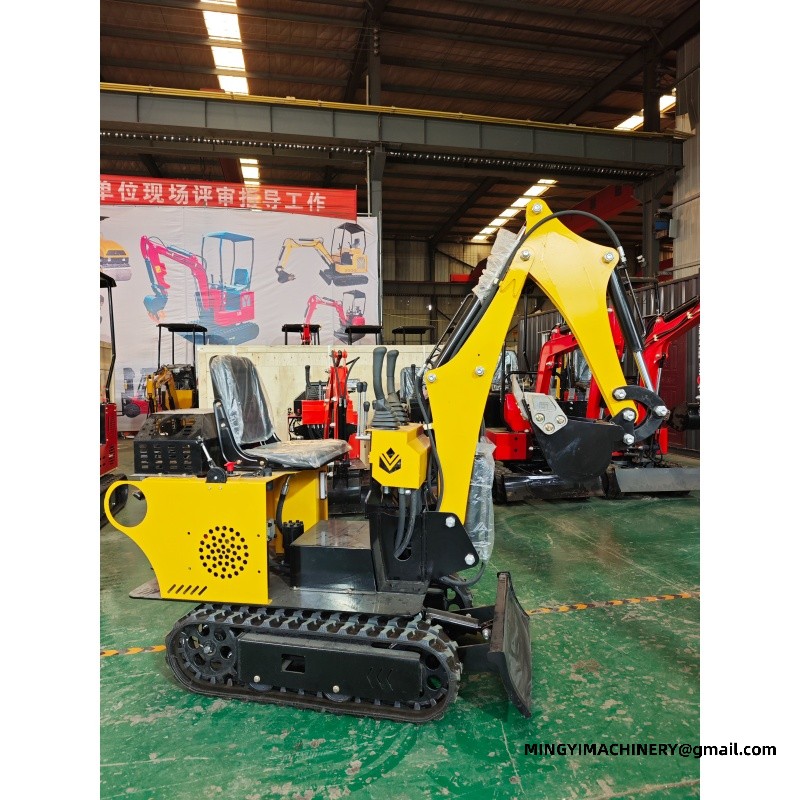
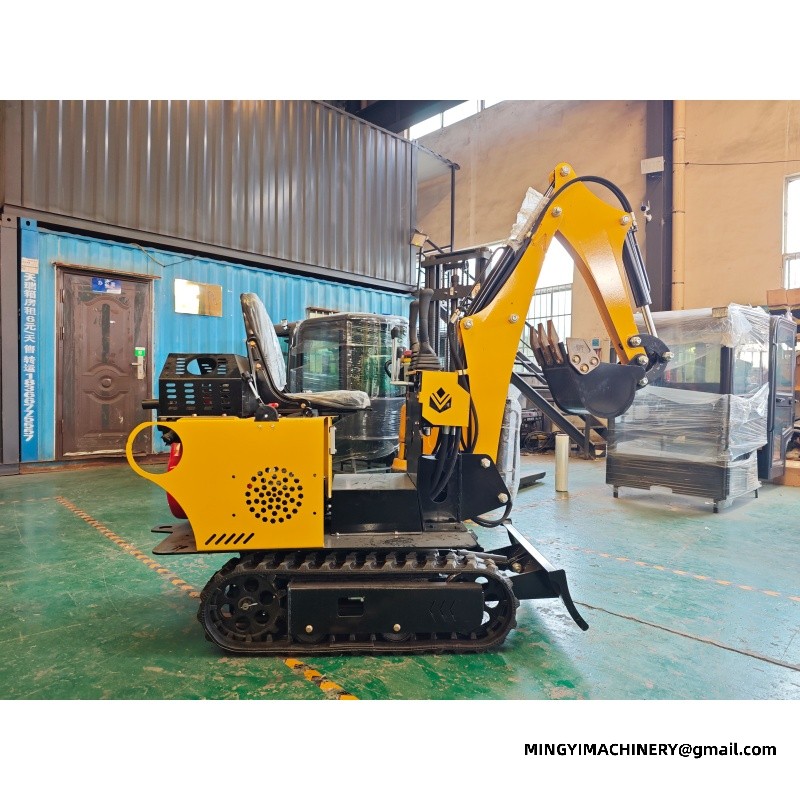
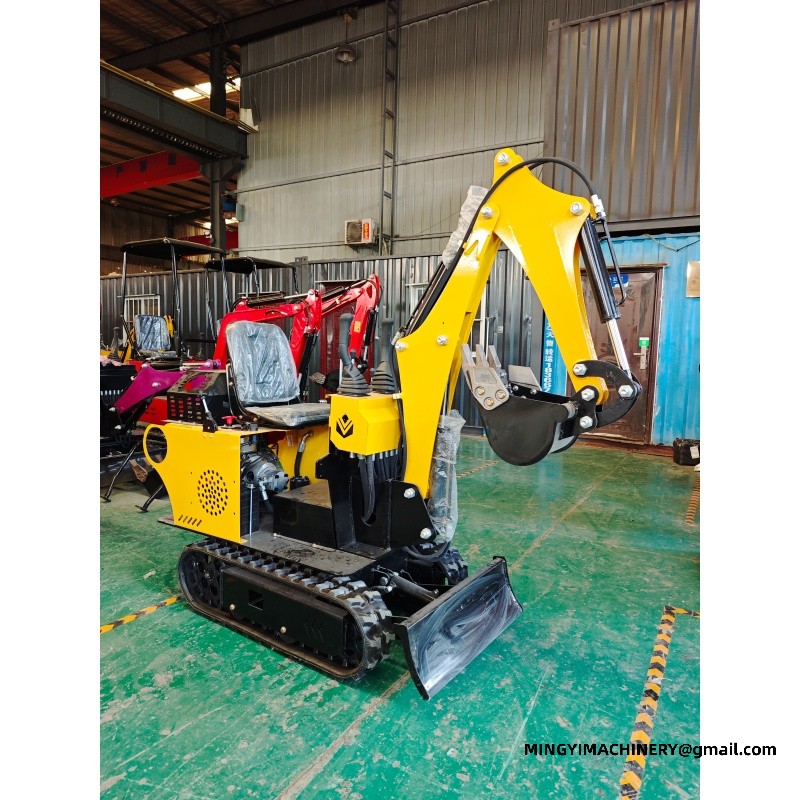
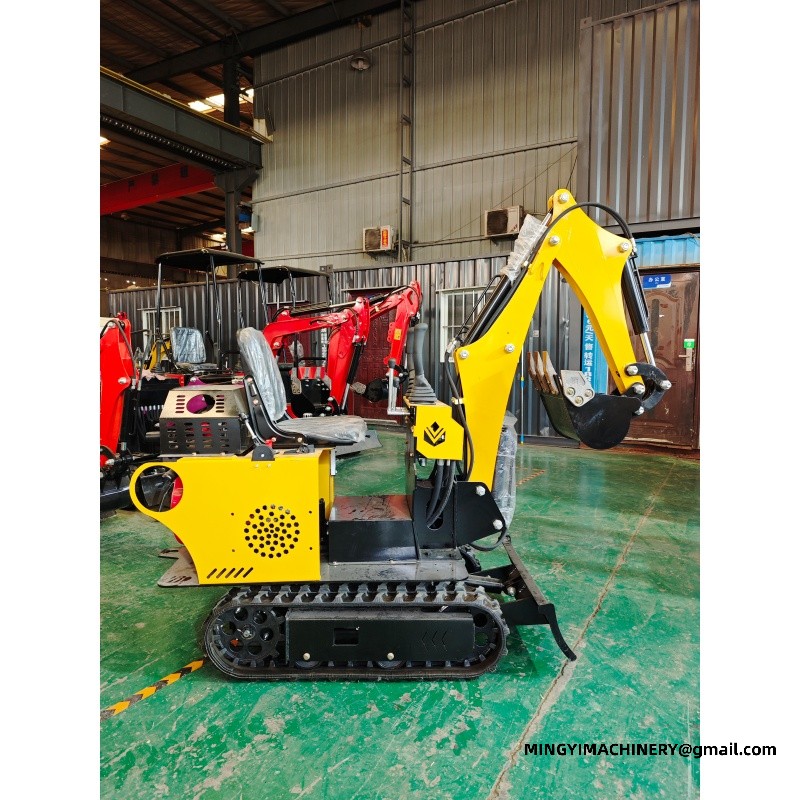
Reference specification — mini excavator range 09W 12W 30-1W 30-2W Operating weight 1100 kg (2425.08 lb) 1200 kg (2645.55 lb) 2900 kg (6393.41 lb) 2700 kg (5952.48 lb) Transport size (L×W×H) 1800 × 750 × 1970 mm 2200 × 930 × 2250 mm 3000 × 1250 × 2780 mm 3000 × 1100 × 2700 mm Max digging depth 1250 mm (49.21 in) 1630 mm (64.17 in) 2200 mm (86.61 in) 2200 mm (86.61 in) Max digging height 2800 mm (110.24 in) 2750 mm (108.27 in) 3400 mm (133.86 in) 3000 mm (118.11 in) Max dumping height 1700 mm (66.93 in) 1960 mm (77.17 in) 2400 mm (94.49 in) 2000 mm (78.74 in) Max digging radius 2570 mm (101.18 in) 2900 mm (114.17 in) 4000 mm (157.48 in) 3800 mm (149.61 in) Max digging distance 1869 mm (73.58 in) 2100 mm (82.68 in) 2800 mm (110.24 in) 3050 mm (120.08 in) Minimum turning radius 1000 mm (39.37 in) 1300 mm (51.18 in) 2000 mm (78.74 in) 1750 mm (68.9 in) Travel speed 3 km/h (1.86 mph) 3 km/h (1.86 mph) 5 km/h (3.11 mph) 7 km/h (4.35 mph) Gradeability 30° 30° 30° 30° Fuel consumption 1-1.3 L/h (0.264—0.343 gal) 1-1.3 L/h (0.264—0.343 gal) 2-3 L/h (0.528—0.793 gal) 2-3 L/h (0.528—0.793 gal) Fuel tank capacity 8 L (2.11 gal) 10 L (2.64 gal) 16 L (4.23 gal) 16 L (4.23 gal) Hydraulic oil tank 16 L (4.23 gal) 16 L (4.23 gal) 20 L (5.28 gal) 20 L (5.28 gal) Dozer blade lift height 180 mm (7.09 in) 180 mm (7.09 in) 420 mm (16.54 in) 230 mm (9.06 in) Dozer blade drop depth 210 mm (8.27 in) 210 mm (8.27 in) 210 mm (8.27 in) 280 mm (11.02 in)
Q. Who chooses a machine built for the work?
A. Compact excavators win work by being there: small enough to reach the job, strong enough to finish it. Tracks, cab and attachments are options across the range, so the core decision is simply where the machine must fit. Read the equipment in service together with the engine, track and attachment pages: jobs around daily use are decided by how those choices line up, not by any single number on the sheet.
Q. What can I expect from a compact excavator in a normal week?
A. Trenching one day, loading and grading the next, fence posts and drainage through the rest - one machine, one trailer, one operator, and the attachment set specifications the work.
Q. How do I get a specification?
A. Send the model, the destination and the attachment list by email or LINE - the channels listed just below this section. The reply covers the specification, lead time, packing and freight in one document, with the daily use build sheet attached.
Hot, humid and dusty conditions around the excavator
Humidity attacks the parts that are not used. Storage in a damp climate means this class of machine needs the exposed metal protected and the machine run regularly, because standing still does more damage than working.
Handover and getting familiar with the unit in daily use
The first day with a new machine sets the pattern for the next five years. Handover for a machine of this size covers the control layout, the daily check points and the limits the operator needs to know before the first real load is lifted or carried.
E-mail : sales@mingycn.com
LINE ( ID ): mingyicn
Night work and lighting on practical mini excavator for daily use
Work lamps should cover the working area and the travel path separately, since a beam set for loading usually leaves the route dark.
A lighting check belongs at the start of every night shift, together with a look at the warning beacon and the brake lights.
Related pages
durable crawler small digging machine · portable lightweight household digger · Wheel Loader Manufacturer China: Range, Builds and Export Terms · Mini Excavators









