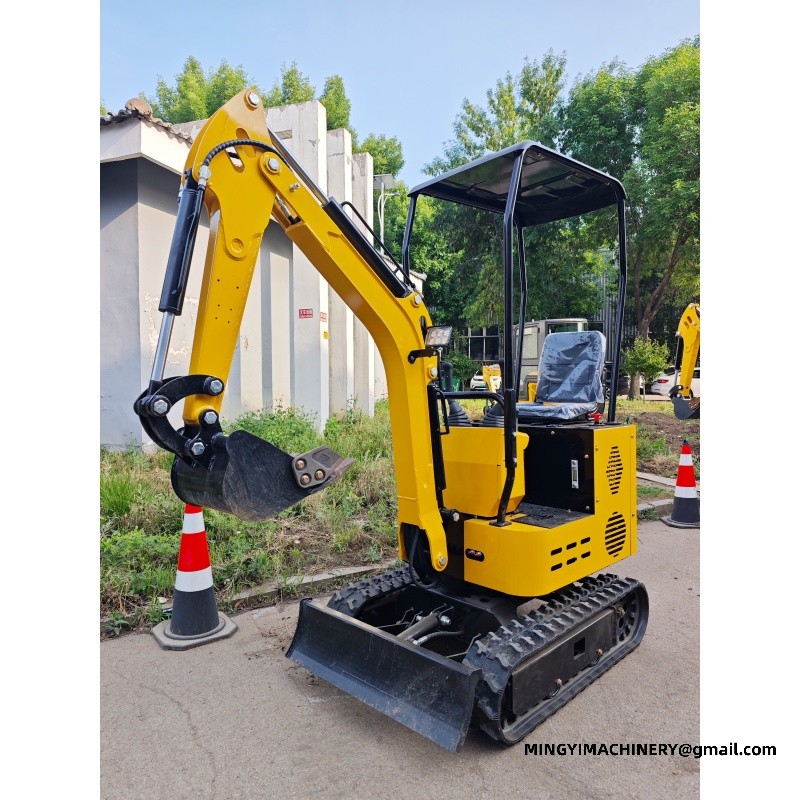
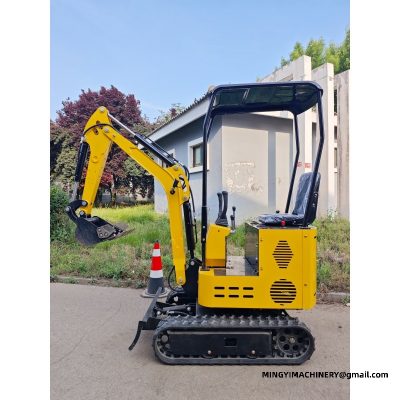
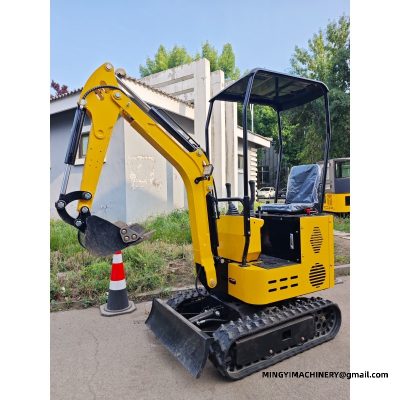
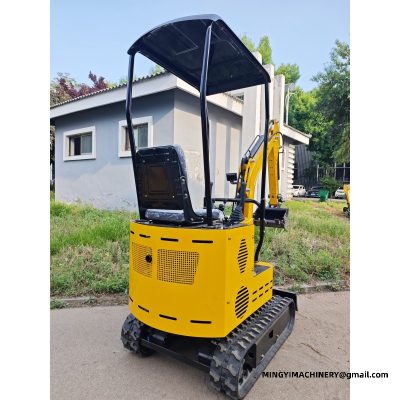
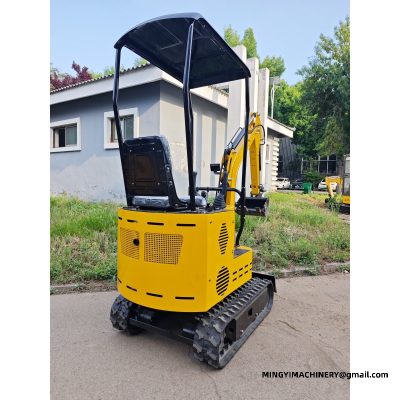
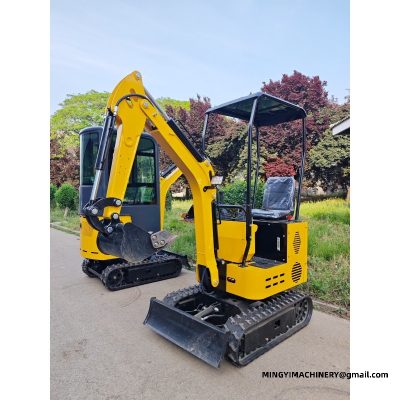
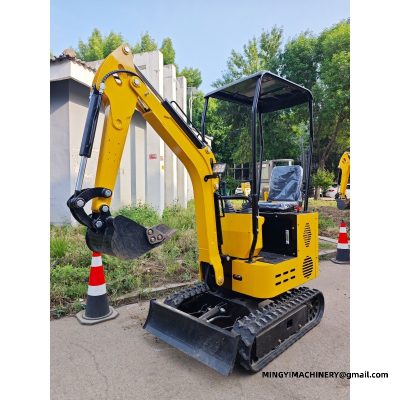
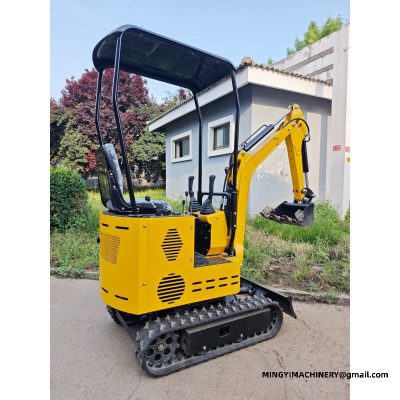
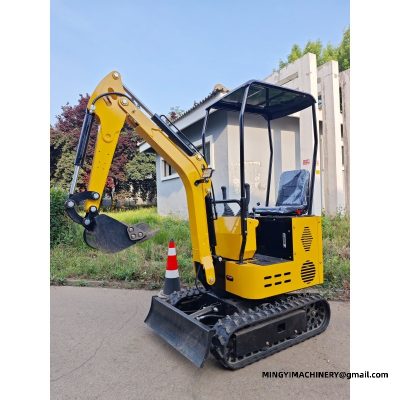
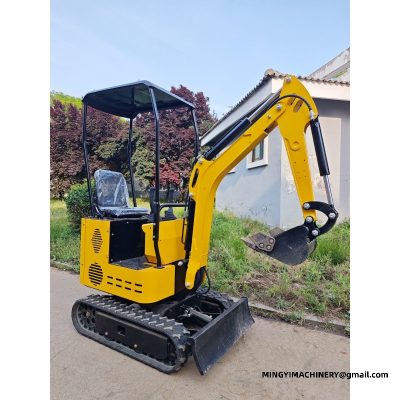
Backyard work rarely stays in one lane: one project can call for digging, drilling, lifting, mowing and tilling before it is finished. A multipurpose mini excavator with a quick coupler and a set of attachments covers all of it from one carrier stored in one place.
MINGYI builds these machines to order and supplies the attachment set matched to the carrier in one shipment. The hydraulics and coupler are specified so every tool on the list runs properly from the first weekend.
Backyard jobs covered from one carrier
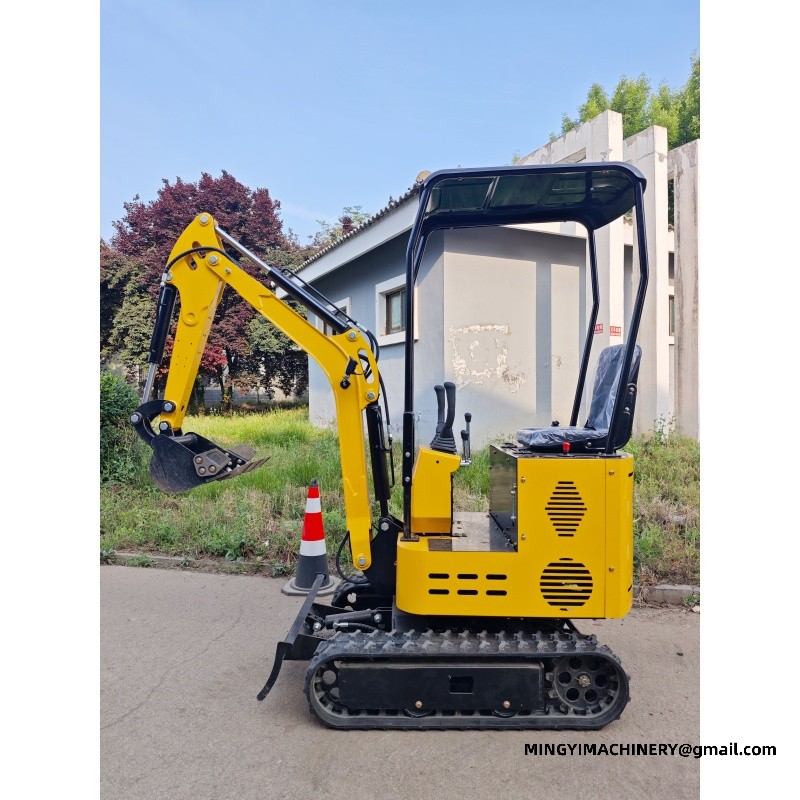
Across a year of property maintenance the machine digs footings for a wall, augers fence post holes, grades a shed base, tills a vegetable patch, mows banks a mower cannot reach and lifts materials a barrow cannot safely carry. Each change of tool is a coupler cycle, not a new hire.
The economy is simple: one carrier, one trailer, one maintenance schedule, and tools that would otherwise mean several machines or a hand-worked weekend. Storage stays realistic, since attachments pack smaller than the machines they replace.
Making the most of a multipurpose machine
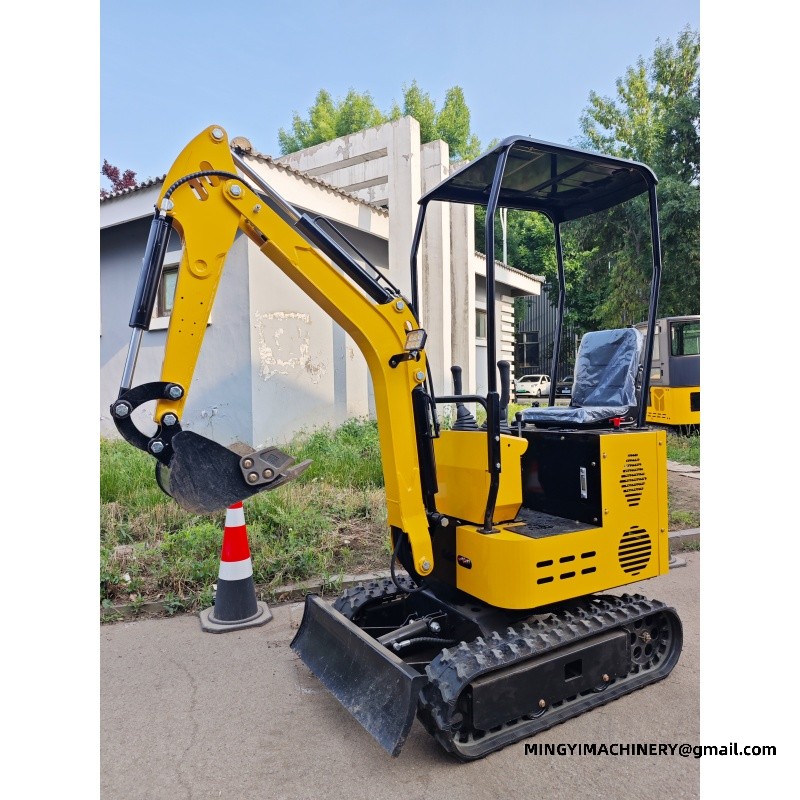
The coupler choice comes first: a hydraulic quick coupler changes tools without leaving the seat, while a mechanical coupler keeps the specification and effort simpler. Bucket widths, auger sizes and a thumb round out the usual list.
Ordering all attachments with the machine avoids compatibility questions, since the hydraulic circuit is set up for the full set. The specification is recorded against the carrier, so tools added in later seasons match the same build.
One multipurpose machine replaces a shed full of single-use equipment. MINGYI works through the tool list with each buyer, so the backyard machine that arrives covers the whole round of jobs a property generates.
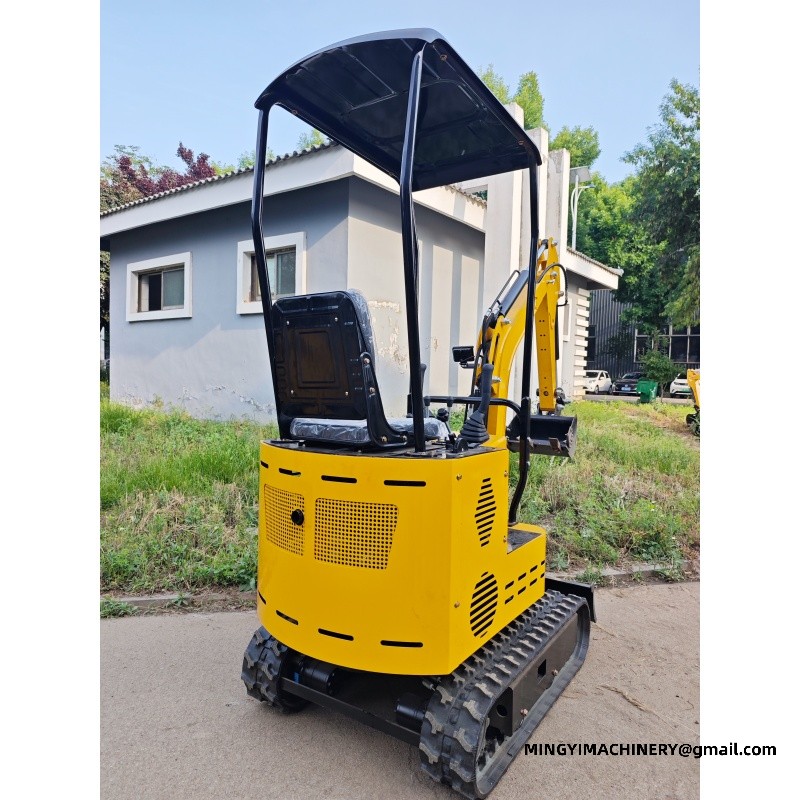
Trailering and moving multipurpose backyard mini excavator Transport weight and width decide whether a machine needs a specialist haulier. The excavator sized to travel on a standard plant trailer behind a suitable vehicle moves with the crew rather than on a scheduled low loader. Detachable components reduce transport length. This class of machine built with a removable arm section or a folding step fits a shorter trailer and may avoid an oversize movement permit. Running multipurpose backyard mini excavator in a rental fleet Rental fleets buy for utilisation, not for a single job. The unit in daily use with a quick coupler and a common attachment standard is hired more often because it suits more of the calls that come in. The specification that rents best is usually the simplest one to explain at the counter. A machine of this size with rubber tracks, a canopy and a coupler covers the majority of weekend and short-term hires. Attachments that turn multipurpose backyard mini excavator into several machines The base machine is a carrier; the tool on the end of the arm decides the task. The equipment on site fitted with a toothed bucket digs, and the same machine with a breaker, an auger or a grab does work that would otherwise need a second unit on site. Attachment lists are best written before delivery. Specifying the machine itself with the tools the job list needs avoids the work and delay of adding hydraulics later, and a quick coupler makes the swap a few minutes instead of a workshop job. Noise, dust and working near occupied buildings Work near housing or occupied premises brings constraints that open sites do not. Start times, exhaust condition and how often the model in question needs to reverse are the practical limits that neighbours notice. Dust control is often part of the same conversation. Water, timing and work sequence reduce what leaves the site, and agreeing them in advance keeps the machine in that duty working rather than stopped after a complaint. Hiring versus owning a multipurpose backyard mini excavator The choice follows the hours. Work that fills a few weeks a year is usually better hired, while the unit on the job that would be on site most weeks starts to justify ownership once the transport and booking time is counted. Ownership brings obligations that hiring does not. Storage, servicing, insurance and an operator are the items to set against the hire rate before deciding which way a machine built for the work should be supplied. What owners should plan for beyond the multipurpose backyard mini excavator The useful comparison is demand per working hour, not demand per machine. The equipment in service that works more hours a year spreads its standing takes over more output, which is why utilisation usually matters more than the invoice figure. Downtime is the hidden line item. The excavator waiting on a part earns nothing while it stands, so parts availability and service access belong in the plan as much as fuel does. Operator technique for this class of machine The second habit is tool discipline. Running the unit in daily use with the right bucket width for the trench means less spoil, less reinstatement and a cleaner job than a wide bucket and a lot of trimming. Stability is the third. A machine of this size working across the tracks rather than over the corners keeps the machine steady and the undercarriage loaded evenly, which shows up as track life at the end of the season. Interior and light demolition with the equipment on site Breaking out a floor slab, a wall footing or a concrete step is routine work for the machine itself with a breaker. The machine is small enough to work inside and heavy enough to run the tool at a practical rate. Dust, debris clearance and floor loading all argue for a compact machine indoors. The model in question spreads its weight over a wider track footprint than a wheeled machine of similar capacity. Engine options behind the machine in that duty Power unit selection is settled against the service network the buyer already uses. MINGYI offers Kubota D722, Kubota D902, YANMAR, Changchai, Laidong, Runtong, YARMAX, Youpu 2V80 and Youpu 195, so a fleet running one brand of engine can keep the same filters, the same parts supplier and the same mechanic. Engine choice is also an emissions and documentation question for some markets. Listing the available units with the unit on the job enquiry lets the factory confirm what can be supplied and documented for the destination country. Matching a machine built for the work to ground conditions Hard and abrasive ground reverses the specification. On rock, demolition rubble or sharp gravel, steel tracks with rubber blocks on the equipment in service survive conditions that cut a rubber belt quickly. Mixed sites are common and argue for a compromise specification. Most buyers choose rubber for the excavator and accept the wear, unless the majority of the work is on material that will damage it. Daily checks and maintenance on this class of machine Daily maintenance on the unit in daily use is a short list: engine oil level, coolant, track tension, hydraulic oil level and a look at the hoses. Ten minutes at the start of the shift prevents most of the failures that stop a machine. Greasing is the second item. The slew ring, the boom and arm pins and the bucket linkage on a machine of this size take grease daily in dusty work, and the intervals shorten further when the machine is used in water or mud. Working the equipment on site through the seasons Seasonal planning smooths the workload. Machines that are busy for a few months and idle for the rest benefit from a service slot in the quiet period, and the machine itself prepared in the off-season starts the busy months reliably. Heat and dust are as limiting as rain. Air intake condition and cooling cleanliness decide how the model in question behaves in a dry season, and both are checked in a minute rather than repaired later. Specification data for the machine in that duty Where the unit on the job is being specified for a job list, the table below gives the factory figures that matter most: what the machine weighs, how deep and how far it works, and what it measures on a trailer. Every value shown is as built for a machine built for the work; options such as cab, side swing or a telescopic undercarriage change the transport dimensions and are confirmed at order stage. The first question on most job lists is whether the machine can reach the work at all. The equipment in service is chosen against the narrowest point on the route - a garden gate, a doorway, a gap between two walls - because a machine that arrives and then cannot pass loses a day, not an hour. Contractors who buy the excavator normally have one job in mind that nothing else reaches. The purchase order follows the access measurement, not the other way round, and the build sheet is then settled around it.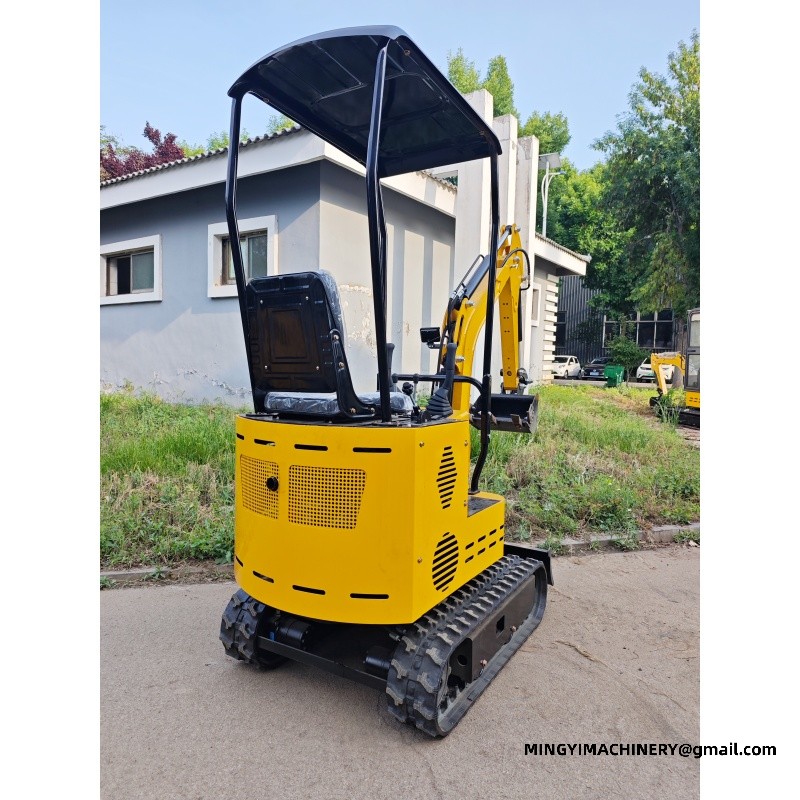
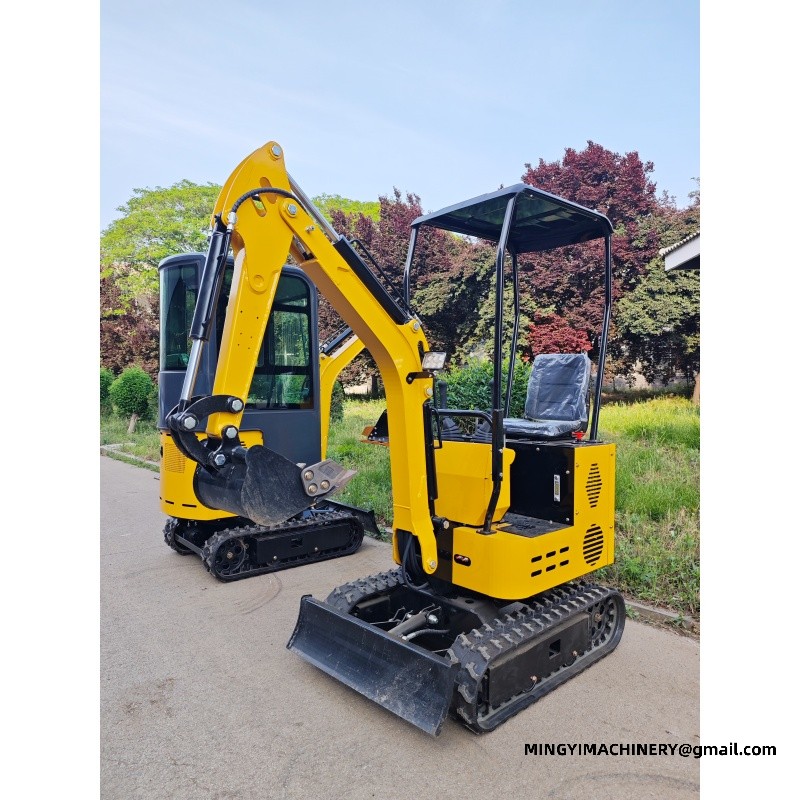
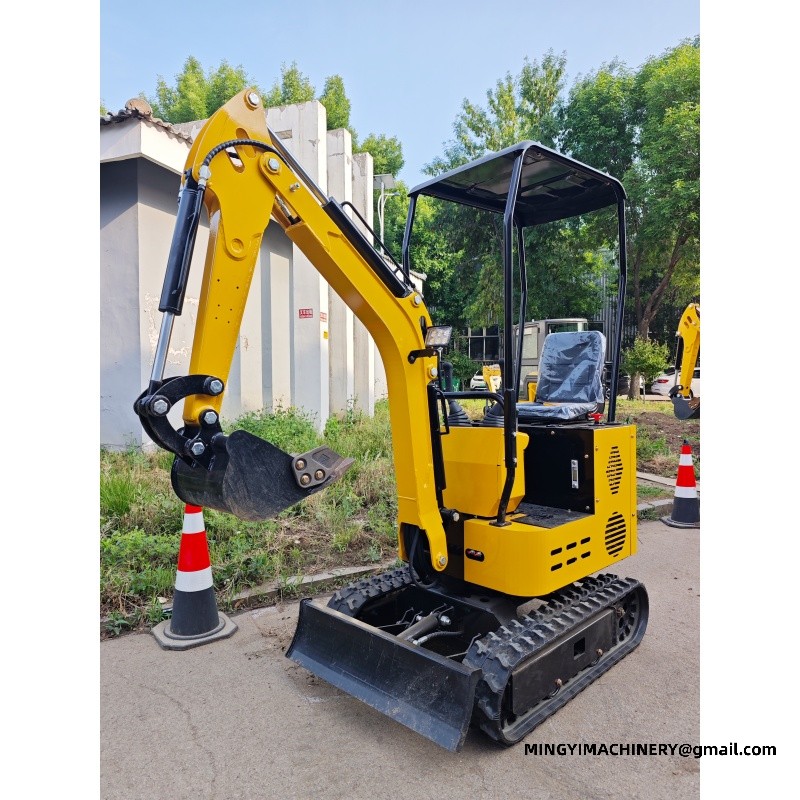
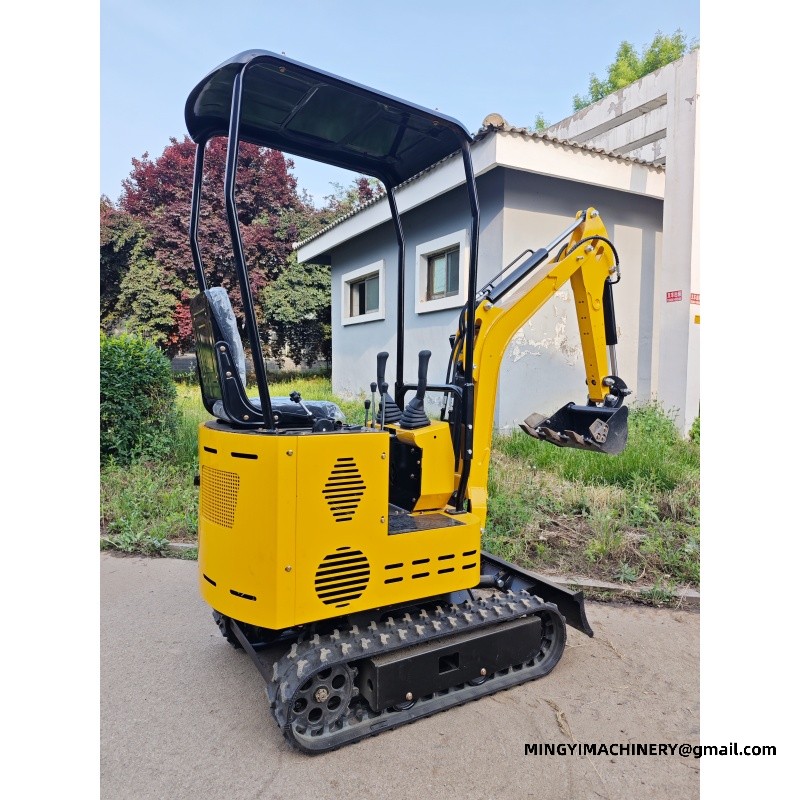
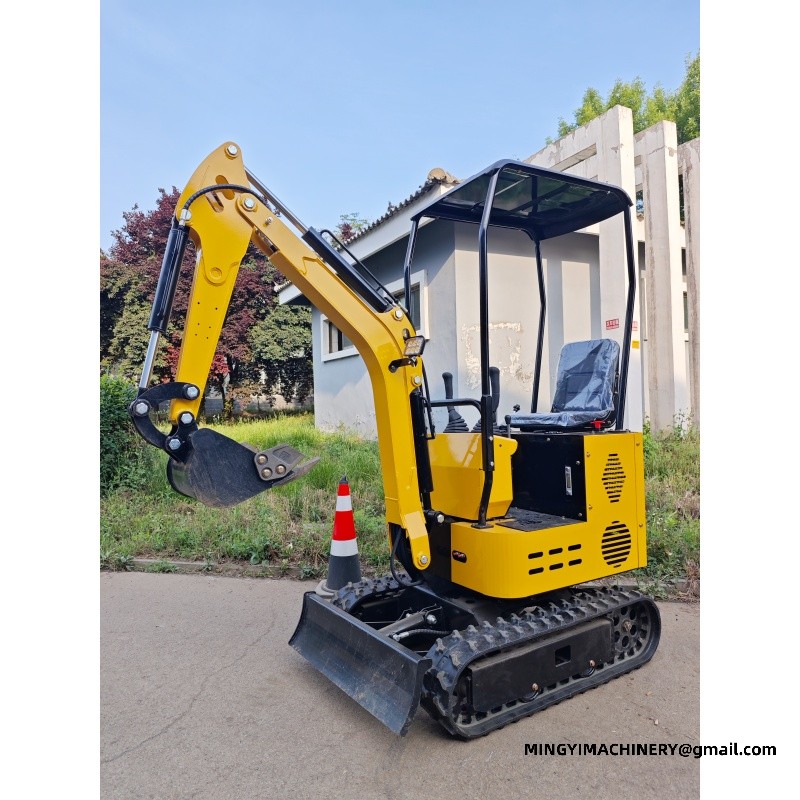
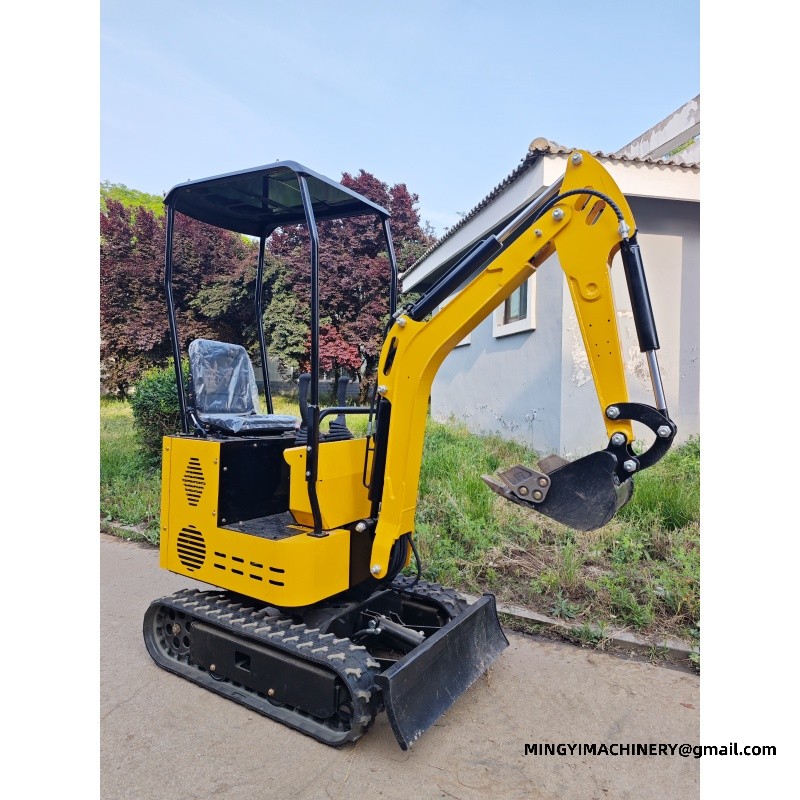
Reference specification — mini excavator range 15W 20-3W 30-2W 15L Operating weight 1400 kg (3086.47 lb) 1900 kg (4188.78 lb) 2700 kg (5952.48 lb) 1400 kg (3086.47 lb) Transport size (L×W×H) 2200 × 930 × 2250 mm 2550 × 1100 × 2200 mm 3000 × 1100 × 2700 mm 2200 × 930 × 2250 mm Max digging depth 1630 mm (64.17 in) 1800 mm (70.87 in) 2200 mm (86.61 in) 1700 mm (66.93 in) Max digging height 2750 mm (108.27 in) 2820 mm (111.02 in) 3000 mm (118.11 in) 2750 mm (108.27 in) Max dumping height 1960 mm (77.17 in) 2050 mm (80.71 in) 2000 mm (78.74 in) 1960 mm (77.17 in) Max digging radius 2900 mm (114.17 in) 3050 mm (120.08 in) 3800 mm (149.61 in) 2900 mm (114.17 in) Max digging distance 2100 mm (82.68 in) 2300 mm (90.55 in) 3050 mm (120.08 in) 2300 mm (90.55 in) Minimum turning radius 1300 mm (51.18 in) 1450 mm (57.09 in) 1750 mm (68.9 in) 1450 mm (57.09 in) Travel speed 3 km/h (1.86 mph) 5 km/h (3.11 mph) 7 km/h (4.35 mph) 3 km/h (1.86 mph) Gradeability 30° 30° 30° 30° Fuel consumption 1-1.3 L/h (0.264—0.343 gal) 2-3 L/h (0.528—0.793 gal) 2-3 L/h (0.528—0.793 gal) 1-1.3 L/h (0.264—0.343 gal) Fuel tank capacity 10 L (2.64 gal) 16 L (4.23 gal) 16 L (4.23 gal) 10 L (2.64 gal) Hydraulic oil tank 16 L (4.23 gal) 18 L (4.76 gal) 20 L (5.28 gal) 16 L (4.23 gal) Dozer blade lift height 180 mm (7.09 in) 180 mm (7.09 in) 230 mm (9.06 in) 180 mm (7.09 in) Dozer blade drop depth 210 mm (8.27 in) 210 mm (8.27 in) 280 mm (11.02 in) 210 mm (8.27 in)
Q. What is this class of machine used for?
A. The whole point of the smallest classes is presence - a digging machine that reaches work nothing bigger can enter. Inside a basement or behind a boundary the machine digs footings, breaks floors and grades the sub-base at rates hand work cannot touch. Read the unit in daily use together with the engine, track and attachment pages: jobs around multipurpose backyard are decided by how those choices line up, not by any single number on the sheet.
Q. What can such a small digger actually do?
A. More than its size suggests: inside a basement or behind a boundary it digs footings, breaks floors and grades the sub-base at rates hand digging cannot touch. The limit is reach and lift, not willingness.
Q. What about colours and branding?
A. OEM colours and decals are part of the build: private-label machines carry the buyer brand on the standard MINGYI platform, and the multipurpose backyard order confirms colours, marks and documents before production starts.
Handover and getting familiar with a machine of this size
A good handover covers the awkward cases, not just the easy ones. Starting the equipment on site on a slope, turning in a confined space and recovering from soft ground are the situations an operator should meet first with someone beside them.
A second operator for the machine itself
Training is simpler than repair. An hour spent with a new operator on the model in question, covering the limits and the awkward cases, is the least lengthy hour in the whole ownership.
E-mail : sales@mingycn.com
LINE ( ID ): mingyicn
Related pages
movable compact construction digger · small crawler excavator for trenching · Wheel Loader Manufacturer: Five Figures to Ask For · Mini Excavators









