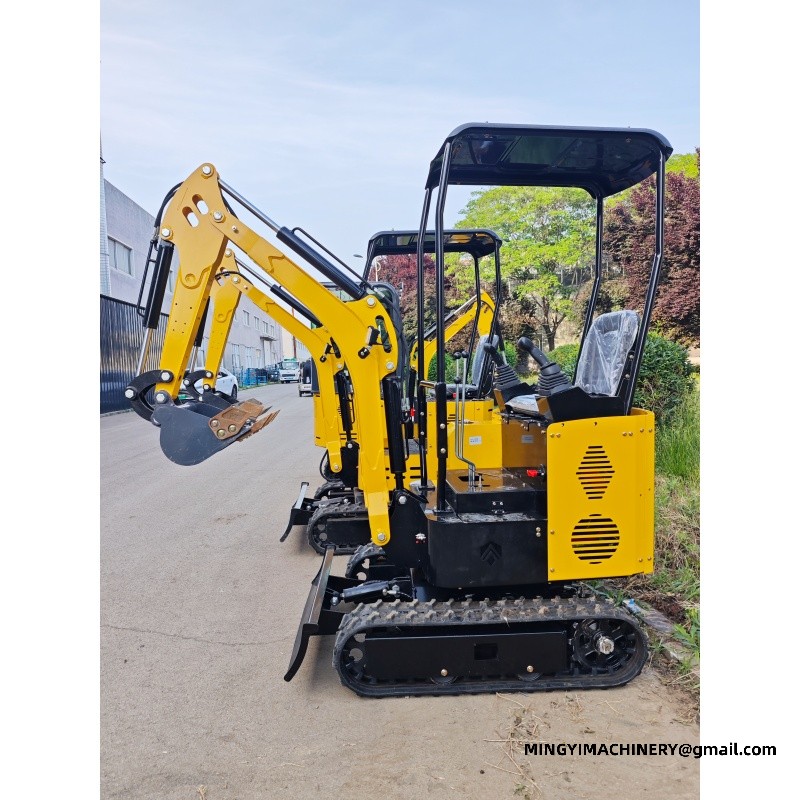
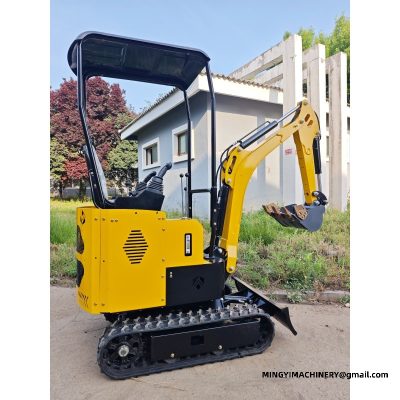
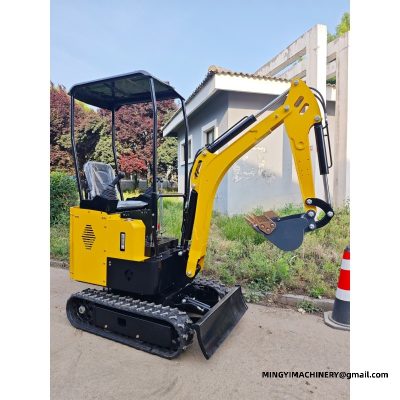
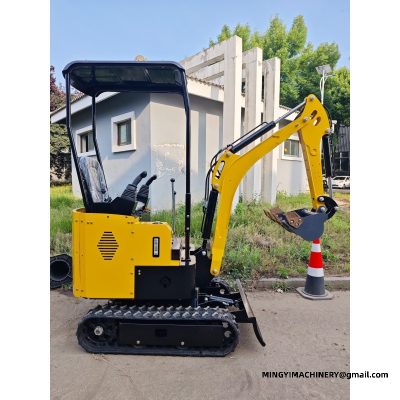
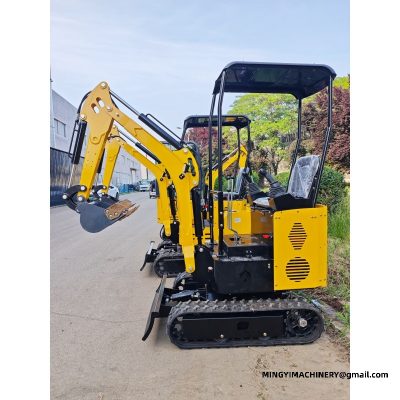
For a small contractor the calculation is straightforward: the machine has to be paid for by the work it wins, and it has to stay working. That puts the emphasis on a sensible specification rather than on the largest or the most heavily equipped unit.
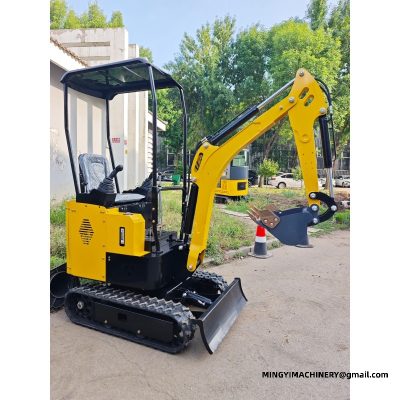
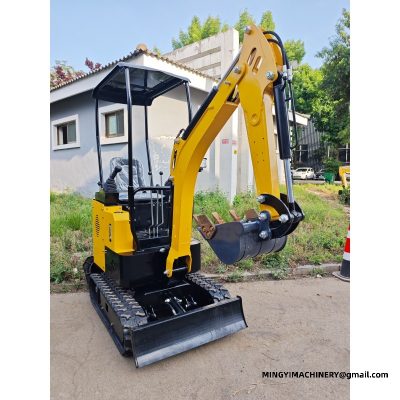
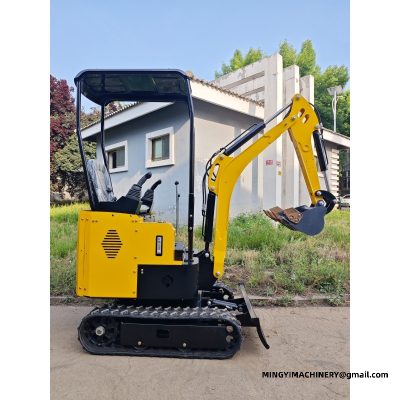
MINGYI builds compact crawler excavators to order, which allows a machine to be specified around the work a contractor actually does. Unnecessary options are left off, and the attachments that will genuinely be used are supplied with the unit.
Keeping the specification simple
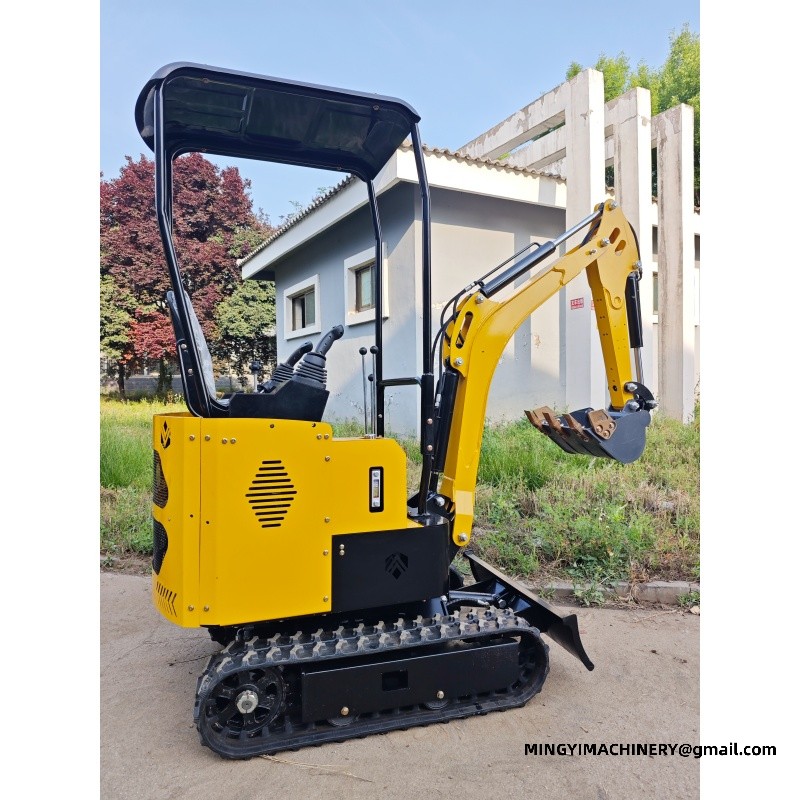
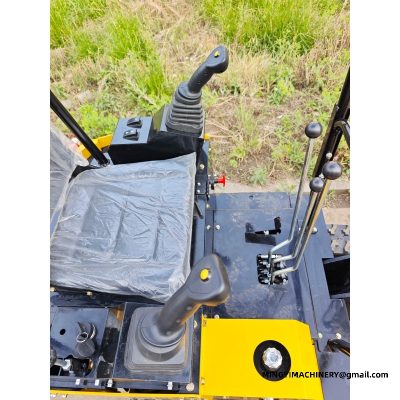
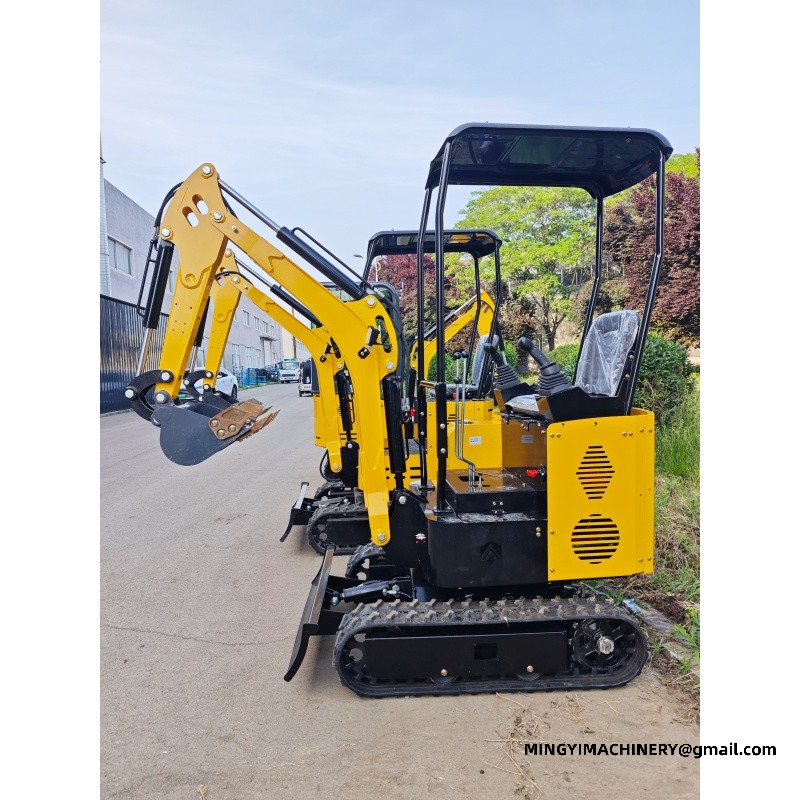
The effort of a compact excavator is driven by size, engine choice, cab form, track type and the attachment package. Fixing the smallest class that will do the work keeps the purchase proportionate, and choosing a canopy instead of a cab removes weight and complication where the climate allows it.
Attachments are where a specification can quietly grow. A buyer who lists the duties the machine will actually perform, then orders only those tools, avoids paying for equipment that sits unused in the yard.
Where the saving actually comes from
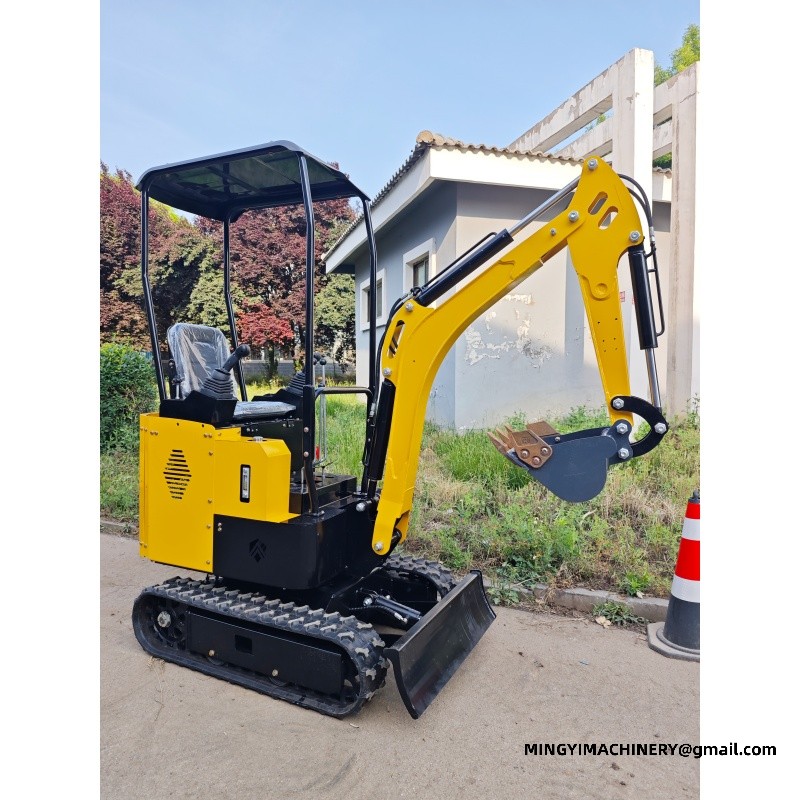
The larger part of the saving comes from the specification rather than from the machine. Buying the class that fits the access and the digging, and adding a quick coupler so one carrier can do several jobs, reduces the number of units a contractor needs.
Running demands follow the same logic. A machine sized to its work uses less fuel, wears its tracks more slowly and is easier to transport, and spare parts are supplied with the unit rather than ordered separately later.
practicality in this class is a question of fit rather than specification alone. A compact excavator ordered at the right size, with the attachments its work requires, earns its place on a small fleet sooner than an oversized machine bought with the same plan.
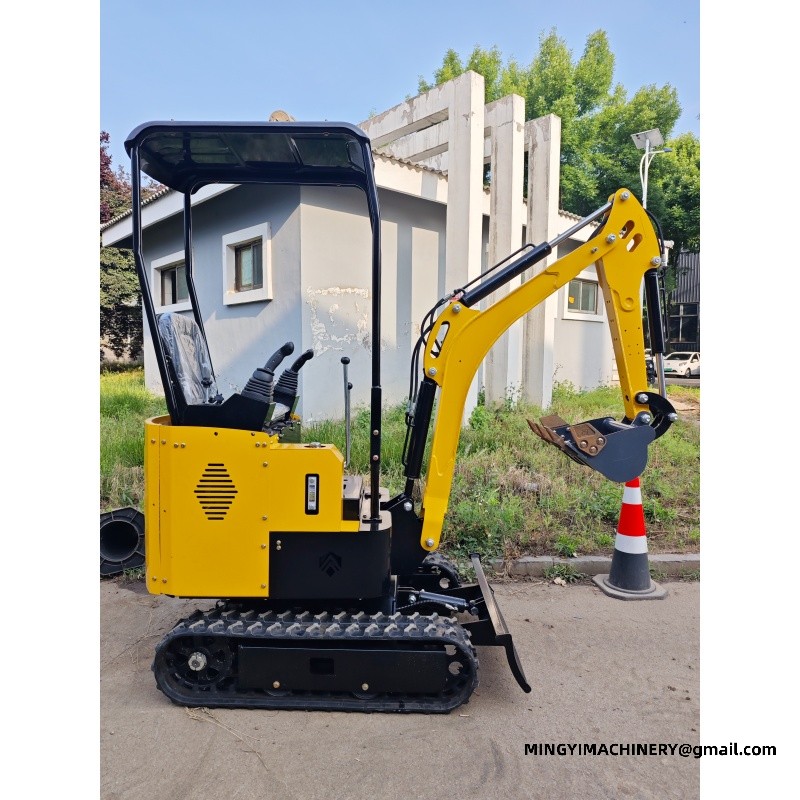
Road and paving work for practical mini excavator for contractors Patching and reinstatement favour a machine that can work in a lane closure. The excavator occupies less road than a full-size excavator, which reduces the traffic management needed and the length of the closure. Breaking out a failed slab and backfilling the same hole in one visit is normal work for this class of machine. The breaker and the bucket come off the same coupler, so the road is reopened the same day. Daily checks and maintenance on practical mini excavator for contractors Daily maintenance on the unit in daily use is a short list: engine oil level, coolant, track tension, hydraulic oil level and a look at the hoses. Ten minutes at the start of the shift prevents most of the failures that stop a machine. Track tension is the item most often neglected. A machine of this size run with slack tracks wears the undercarriage and can throw a track on a turn; run too tight, the same components wear from the other direction. Lifting and material handling with a practical mini excavator for contractors Lifting with a machine built to dig needs a plan. The load, the radius and the ground under the machine itself all matter, and the safe figure is the one on the chart rather than the one that looks possible. Ground condition under the machine is part of every lift. Soft or uneven support is the common factor in handling incidents, and checking it takes less time than recovering the equipment on site that has settled. Interior and light demolition with practical mini excavator for contractors Interior demolition is an access and a weight question. The model in question that fits through a doorway and works on a suspended floor does jobs that would otherwise be done by hand or by a larger machine that cannot enter. Dust, debris clearance and floor loading all argue for a compact machine indoors. The machine in that duty spreads its weight over a wider track footprint than a wheeled machine of similar capacity. Trailering and moving practical mini excavator for contractors Transport weight and width decide whether a machine needs a specialist haulier. The unit on the job sized to travel on a standard plant trailer behind a suitable vehicle moves with the crew rather than on a scheduled low loader. Detachable components reduce transport length. A machine built for the work built with a removable arm section or a folding step fits a shorter trailer and may avoid an oversize movement permit. Attachments that turn practical mini excavator for contractors into several machines Attachment lists are best written before delivery. Specifying the equipment in service with the tools the job list needs avoids the work and delay of adding hydraulics later, and a quick coupler makes the swap a few minutes instead of a workshop job. Most of the daily variety on the excavator comes from the attachment rack rather than from the machine itself. Bucket, breaker, auger, ripper, rake and grab cover the large majority of the work a contractor will see. Hiring versus owning this class of machine The choice follows the hours. Work that fills a few weeks a year is usually better hired, while the unit in daily use that would be on site most weeks starts to justify ownership once the transport and booking time is counted. Availability is part of the decision. Owning a machine of this size means it is there on the day the ground is ready; hiring means competing for the same machine at the same time as everyone else in the season. Working on slopes and uneven ground with the equipment on site Ground that looks level often is not. The machine itself crossing a filled trench, a soft edge or a hidden void behaves differently from one on undisturbed ground, and those are the places worth walking before driving. Planning the direction of travel helps. Working so that the model in question is stable under load and not required to turn on a slope is a decision made before the job starts, not a correction made during it. Working near live services with the machine in that duty Digging near water, gas and cable is a precision job. The unit on the job is used here because the operator can work in short controlled cuts and because the machine can be positioned without driving over the run being exposed. The risk on utility work is not machine power but machine placement. A machine built for the work that fits the working width leaves the surrounding ground undisturbed, which keeps the trench stable and the reinstatement small. Working the equipment in service through the seasons Seasonal planning smooths the workload. Machines that are busy for a few months and idle for the rest benefit from a service slot in the quiet period, and the excavator prepared in the off-season starts the busy months reliably. Heat and dust are as limiting as rain. Air intake condition and cooling cleanliness decide how this class of machine behaves in a dry season, and both are checked in a minute rather than repaired later. Canopy or enclosed cab on the unit in daily use The cab decision follows the climate and the hours. Operators working a full shift in a machine of this size benefit from a sealed cab with wipers and heating; operators stepping on and off every few minutes usually prefer the canopy for the visibility and the quick exit. Enclosure also changes noise and dust exposure. A sealed cab on the equipment on site keeps dust out on dry sites and lets the machine work through weather that would otherwise stop a canopy machine for the day. Specification data for the machine itself Where the model in question is being specified for a job list, the table below gives the factory figures that matter most: what the machine weighs, how deep and how far it works, and what it measures on a trailer. These are the reference figures for the machine in that duty. MINGYI confirms the final build sheet, including engine and attachment choices, against the destination and the job list before production. Buyers who skip this step either over-buy or under-buy. The unit on the job specified only from machine size tends to arrive without the coupler, the circuits or the track type the work actually needs. Useful information to send with an enquiry includes working width, required digging depth, ground conditions and the attachment set. Those four items let the factory specify a machine built for the work that fits rather than a generic build.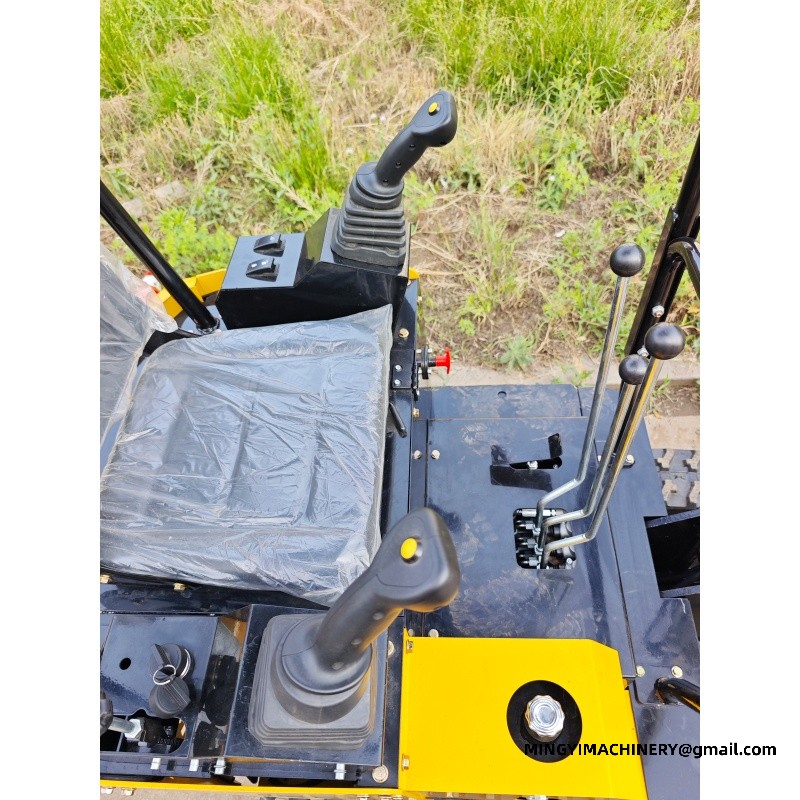
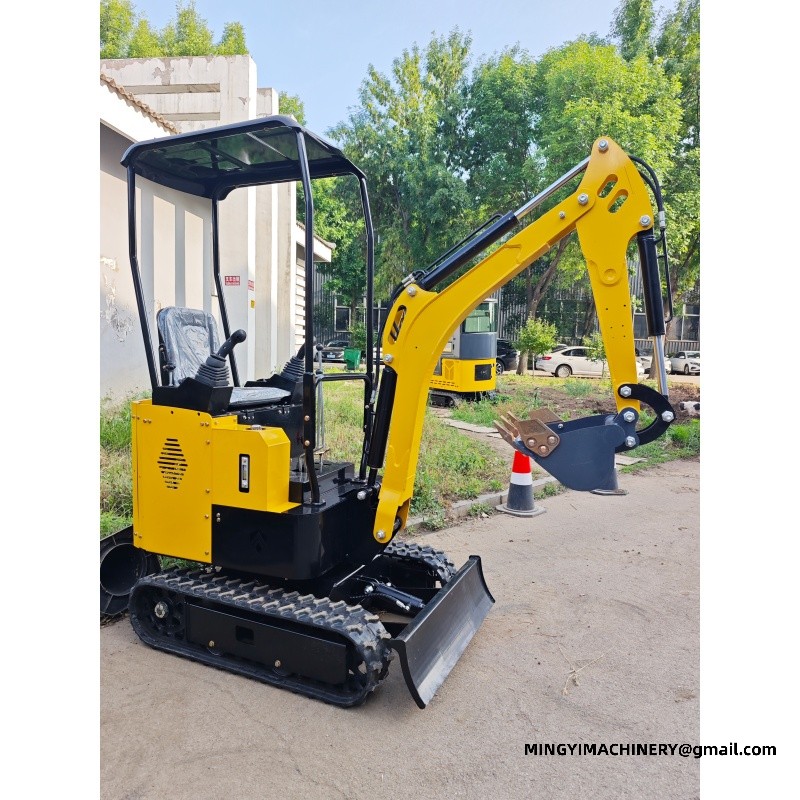
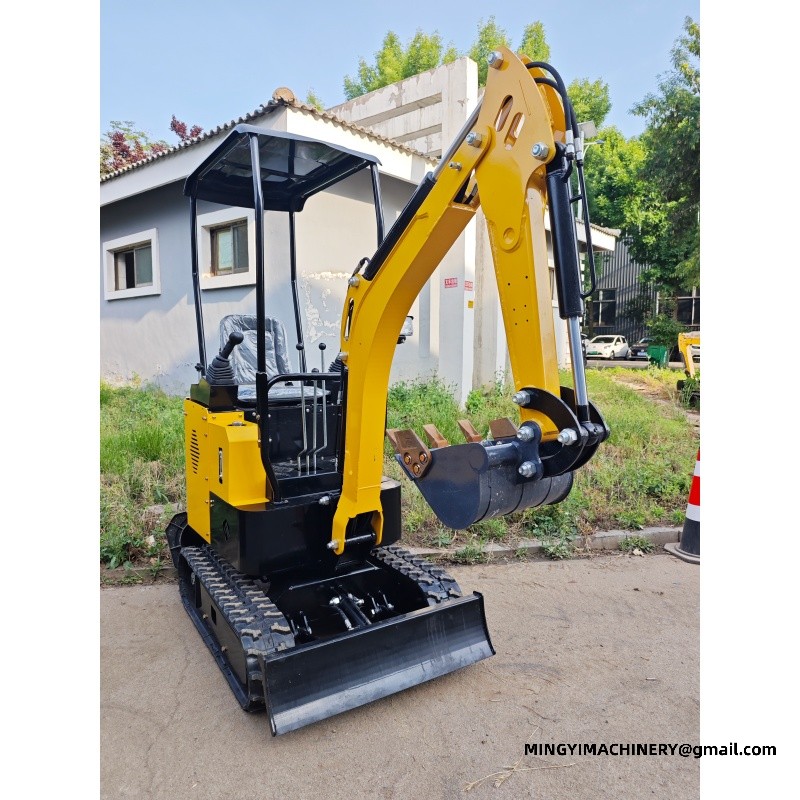
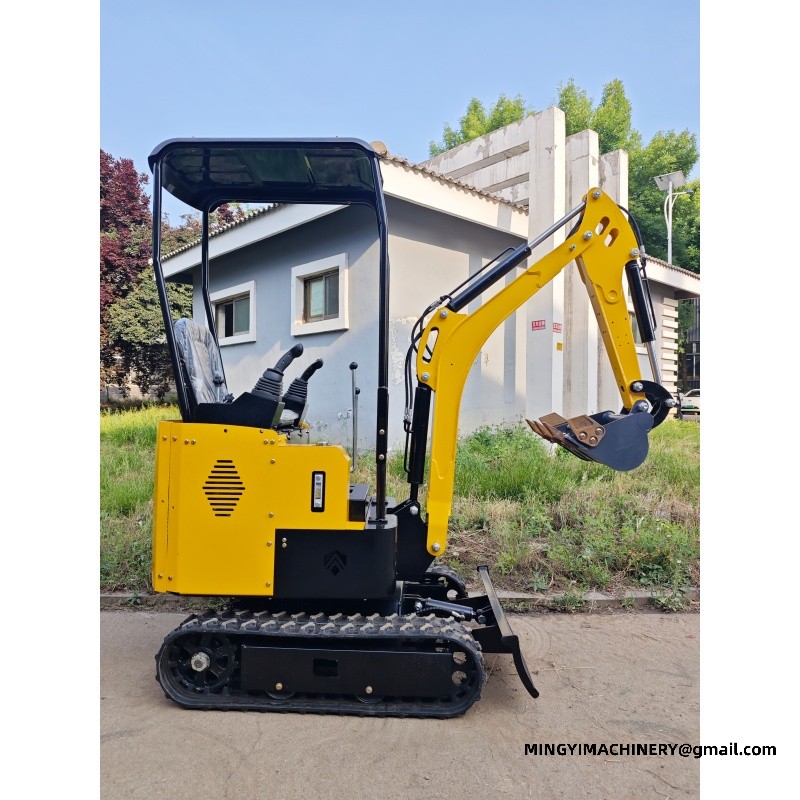
Reference specification — mini excavator range 12W 15W 20-1WL 15L Operating weight 1200 kg (2645.55 lb) 1400 kg (3086.47 lb) 1900 kg (4188.78 lb) 1400 kg (3086.47 lb) Transport size (L×W×H) 2200 × 930 × 2250 mm 2200 × 930 × 2250 mm 2550 × 1100 × 2200 mm 2200 × 930 × 2250 mm Max digging depth 1630 mm (64.17 in) 1630 mm (64.17 in) 1800 mm (70.87 in) 1700 mm (66.93 in) Max digging height 2750 mm (108.27 in) 2750 mm (108.27 in) 2820 mm (111.02 in) 2750 mm (108.27 in) Max dumping height 1960 mm (77.17 in) 1960 mm (77.17 in) 2050 mm (80.71 in) 1960 mm (77.17 in) Max digging radius 2900 mm (114.17 in) 2900 mm (114.17 in) 3050 mm (120.08 in) 2900 mm (114.17 in) Max digging distance 2100 mm (82.68 in) 2100 mm (82.68 in) 2300 mm (90.55 in) 2300 mm (90.55 in) Minimum turning radius 1300 mm (51.18 in) 1300 mm (51.18 in) 1450 mm (57.09 in) 1450 mm (57.09 in) Travel speed 3 km/h (1.86 mph) 3 km/h (1.86 mph) 5 km/h (3.11 mph) 3 km/h (1.86 mph) Gradeability 30° 30° 30° 30° Fuel consumption 1-1.3 L/h (0.264—0.343 gal) 1-1.3 L/h (0.264—0.343 gal) 2-3 L/h (0.528—0.793 gal) 1-1.3 L/h (0.264—0.343 gal) Fuel tank capacity 10 L (2.64 gal) 10 L (2.64 gal) 16 L (4.23 gal) 10 L (2.64 gal) Hydraulic oil tank 16 L (4.23 gal) 16 L (4.23 gal) 18 L (4.76 gal) 16 L (4.23 gal) Dozer blade lift height 180 mm (7.09 in) 180 mm (7.09 in) 180 mm (7.09 in) 180 mm (7.09 in) Dozer blade drop depth 210 mm (8.27 in) 210 mm (8.27 in) 210 mm (8.27 in) 210 mm (8.27 in)
Q. Who uses the equipment in service?
A. The compact class exists for the jobs in between - too much for hand tools, too tight or too short for a full-size machine. Trenching on Monday, loading and grading through the week, fence posts and drainage to finish - the attachment set specifications the work. MINGYI builds the 08, 12 and 18 models covering the 0.8 to 6 tonne class, and the excavator is where that range meets contractors.
Q. What can I expect from a compact excavator in a normal week?
A. Trenching one day, loading and grading the next, fence posts and drainage through the rest - one machine, one trailer, one operator, and the attachment set specifications the work.
Q. What about colours and branding?
A. OEM colours and decals are part of the build: private-label machines carry the buyer brand on the standard MINGYI platform, and the contractors order confirms colours, marks and documents before production starts.
Fuel, oil and fluid quality for this class of machine
Contamination is easier to prevent than to cure. Keeping the filler caps sealed, the funnels clean and the containers closed around the unit in daily use is unglamorous work that shows up as reliability later.
Wear items and spares worth holding for a machine of this size
Holding spares is about downtime rather than the shelf itself. The question for the equipment on site is not how large the part is but how long the machine sits while it is found, and a small shelf answers that better than a fast courier.
Documents that travel with the machine itself
The machine is only half of what arrives. The parts book, the service schedule and the declarations that come with the model in question are what let the owner register, insure and maintain it without a second round of emails.
E-mail : sales@mingycn.com
LINE ( ID ): mingyicn
Related pages
high torque small crawler digger · comfort cab mini crawler excavator · Heavy Duty Wheel Loader: Frame Steel, Cylinders and Cooling · Mini Excavators









