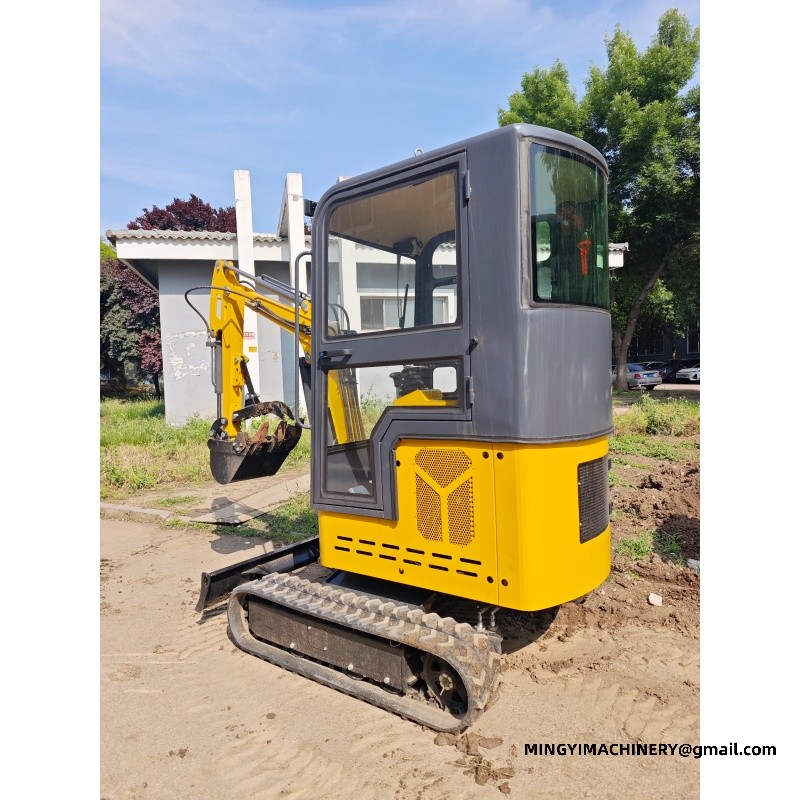
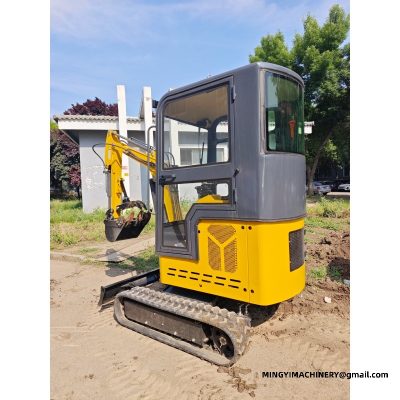
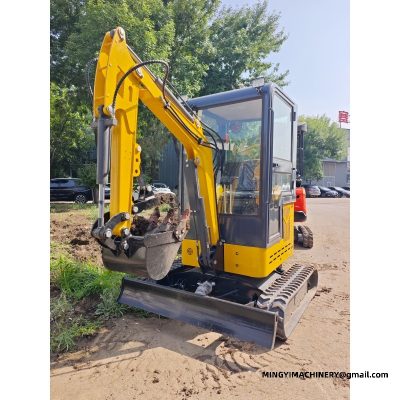
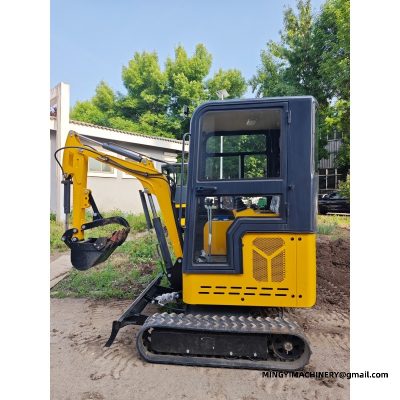
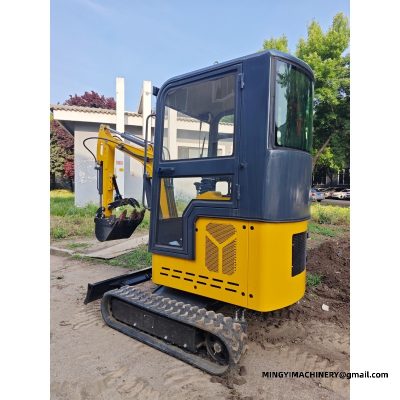
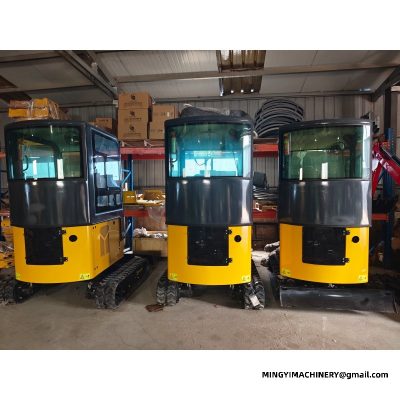
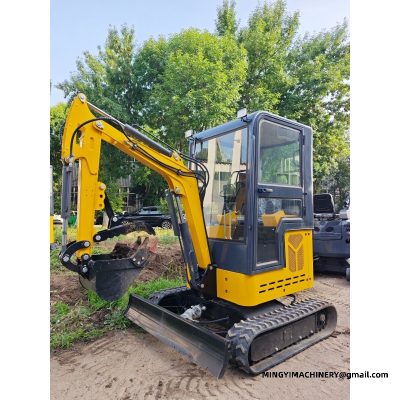
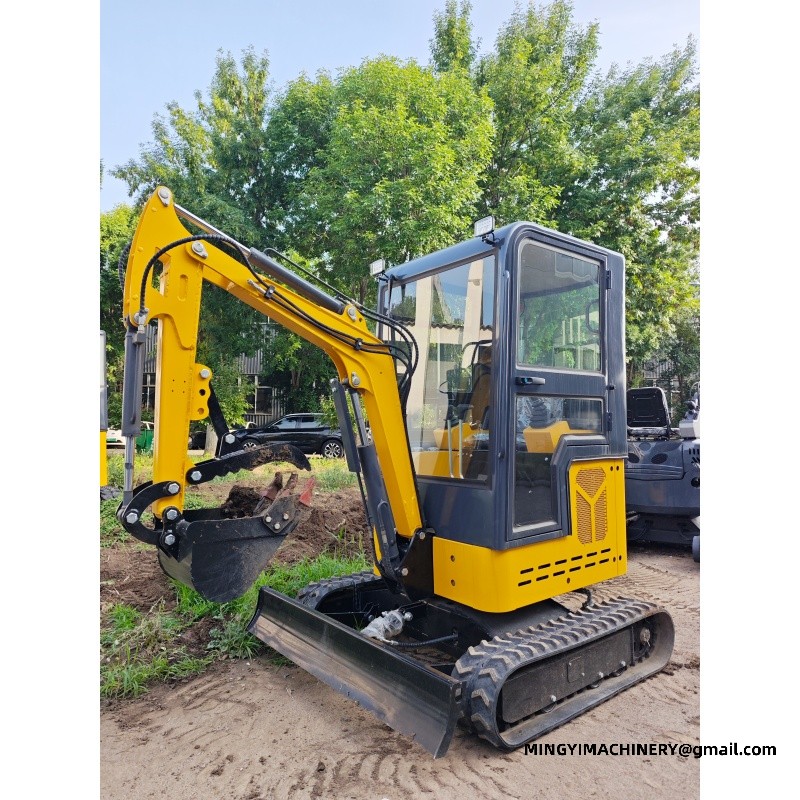
Digging with a machine that cannot slew a full circle means repositioning the tracks for every change of face. The MINGYI the excavators turn the complete circle above the undercarriage, so the working position stays while the digging direction changes.
That rotation is what lets one compact unit trench, load and place material around itself without travelling. On confined sites the difference between a full rotation machine and a limited one shows up directly in the day's output.
What full rotation changes in the working day
Loading a barrow or truck parked beside the trench, alternating between digging faces and following a curving line all rely on the upper structure swinging freely. The operator keeps the tracks planted and works the full circle around the carrier.
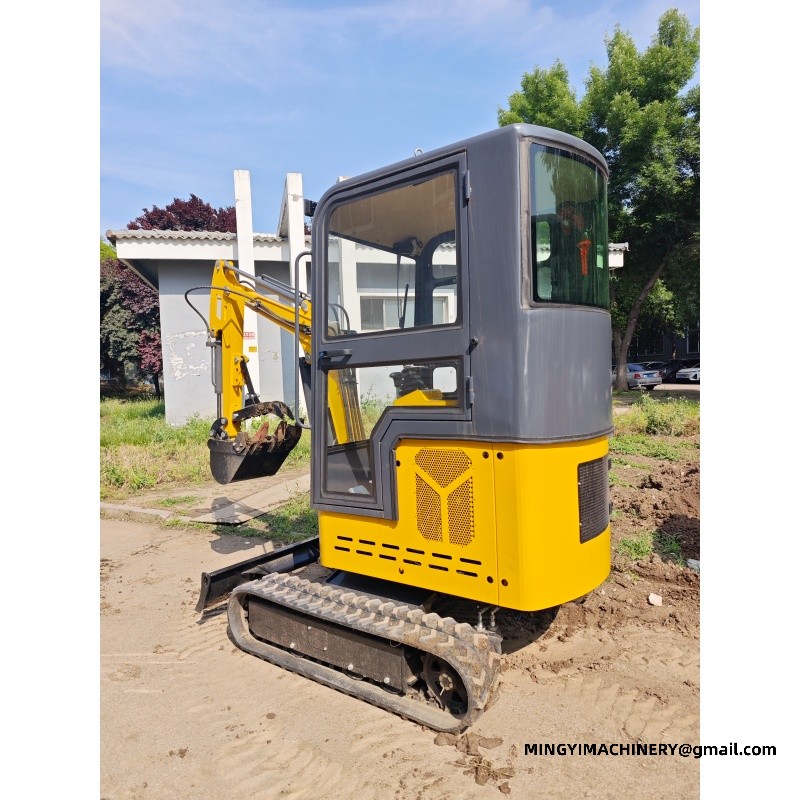
In yard, greenhouse and roadside work, the machine digs, swings to the spoil point and returns without the track movement that churns soft ground. Fewer repositioning moves also mean less surface repair when the job ends.
Ordering a full rotation unit
Full rotation is standard across the MINGYI compact range, and the buyer's decisions sit with the machine class, track type and attachment package confirmed at the ordering stage. The configuration is recorded against the machine for parts support.
Buyers who work against walls and boundaries often add the zero tail option so the rotation happens within the track footprint. The tool set, buckets, auger and breaker where needed, is fixed with the same order so the coupler matches throughout.
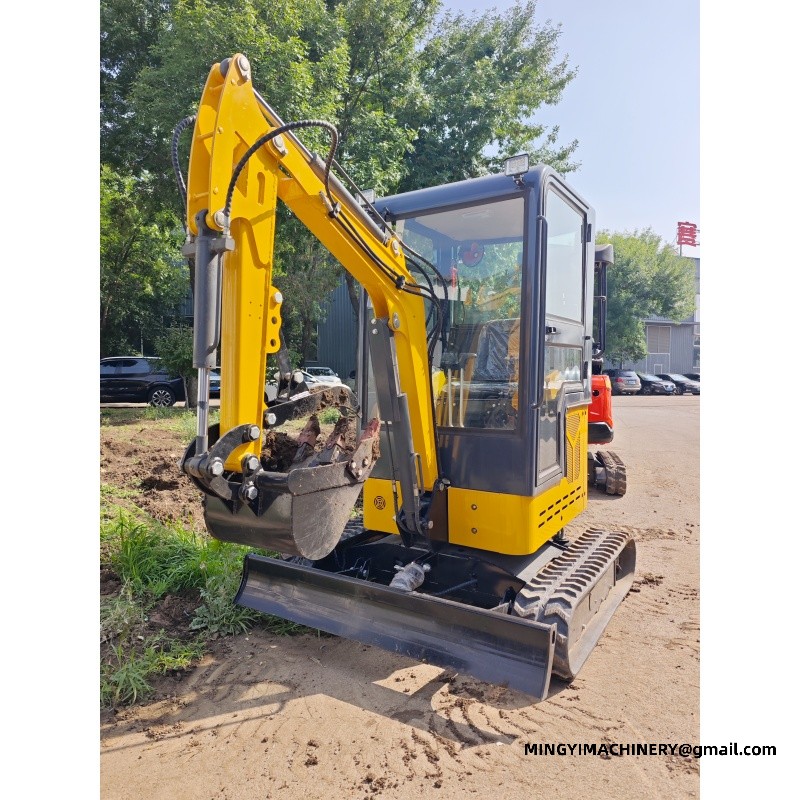
Full rotation is the quiet feature that decides how a mini digging machine behaves on a confined site. MINGYI builds each unit to order and confirms the rotation envelope with the buyer's site conditions at the ordering stage.
Canopy or enclosed cab on a full rotation mini digging machine A canopy keeps the machine light and the operator aware of the surroundings, which suits short jobs in warm weather. A fully enclosed cab is specified where rain, dust or cold are part of the working year, and it can be added to this class of machine as a retrofit rather than only at build time. Enclosure also changes noise and dust exposure. A sealed cab on the unit in daily use keeps dust out on dry sites and lets the machine work through weather that would otherwise stop a canopy machine for the day. Track choice for full rotation mini digging machine Undercarriage selection is a ground question, not a preference question. A machine of this size running on finished paving needs rubber; the same machine on demolition rubble or rock wears rubber quickly, so steel with rubber blocks becomes the better answer over a full season. Track type changes what the machine can cross and what it leaves behind. Buyers specify rubber for lawns, driveways and municipal work, and steel with rubber blocks for sites where sharp material would cut a rubber belt in a week. Road and paving work for full rotation mini digging machine Road repair generates short, interrupted jobs - a patch, a drainage connection, a kerb line. The equipment on site is economical here because it travels on a small trailer and starts working minutes after arriving. Patching and reinstatement favour a machine that can work in a lane closure. The machine itself occupies less road than a full-size excavator, which reduces the traffic management needed and the length of the closure. Export packing and shipping of full rotation mini digging machine Export documentation, decals and paint are settled before packing. Asking for them with the machine in that duty order avoids a second handling session and keeps the machine on the booked vessel. Buyers who import regularly plan the spare parts with the machine. The model in question ordered with a wearing-parts kit arrives ready to work rather than ready to wait for the first service interval. Noise, dust and working near occupied buildings Work near housing or occupied premises brings constraints that open sites do not. Start times, exhaust condition and how often the unit on the job needs to reverse are the practical limits that neighbours notice. Dust control is often part of the same conversation. Water, timing and work sequence reduce what leaves the site, and agreeing them in advance keeps a machine built for the work working rather than stopped after a complaint. Parts, service and support for full rotation mini digging machine Support after delivery is a parts question. Wearing items for the equipment in service - filters, belts, track components, bucket teeth and pins - are the items a buyer should plan to hold before the first service interval. Remote support is handled by video. The excavator fault can often be diagnosed on a walk-around call with the panel open, which is faster than waiting for a visit and avoids shipping a part that is not needed. Orchard, vineyard and farm use of this class of machine Orchard and vineyard work is carried out between rows. The unit in daily use with a narrow chassis and a swing boom works down the row without damaging the trees, which is the reason a full-size machine is not used at all. Ditching, fertilising and drainage on farmland suit a machine of this size because the work is spread over a large area in short bursts. The machine travels behind a pickup and works where it stops. Quick coupler practice on the equipment on site A quick coupler is the single option that changes how a machine is used day to day. Fitted to the machine itself, it turns an attachment change from a two-person workshop job into a task the operator does alone in minutes. Couplers are specified early because they affect the arm and the hydraulic kit. Adding one to the model in question after delivery means new pins, new hoses and a fitment session; adding it at build time is a line on the sheet. Municipal and public works with the machine in that duty Drainage repair, tree planting, footway reconstruction and cemetery work are all within the range of the unit on the job. The jobs are small individually and continuous across the year. Noise and surface protection matter on public work. A machine built for the work on rubber tracks across paving, with a sealed cab for the operator, suits the conditions better than a larger tracked machine. Trailering and moving the equipment in service Loading practice matters as much as the numbers. The excavator is driven up ramps under its own power with the boom lowered and the tracks aligned, and secured at the points the manufacturer specifies. Detachable components reduce transport length. This class of machine built with a removable arm section or a folding step fits a shorter trailer and may avoid an oversize movement permit. Running the unit in daily use in a rental fleet Rental fleets buy for utilisation, not for a single job. A machine of this size with a quick coupler and a common attachment standard is hired more often because it suits more of the calls that come in. The specification that rents best is usually the simplest one to explain at the counter. The equipment on site with rubber tracks, a canopy and a coupler covers the majority of weekend and short-term hires. Acceptance checks when the machine itself arrives Delivery day is the best time to find a problem. Checking the specification against the order, the fluid levels, the fasteners and any transport damage while the machine in that duty is still on the trailer is faster than claiming later. Documentation should arrive with the machine. Parts list, service schedule and any certificates for the model in question are what the workshop needs later, and they are much easier to obtain at delivery than in month six. Specification data for the unit on the job Where a machine built for the work is being specified for a job list, the table below gives the factory figures that matter most: what the machine weighs, how deep and how far it works, and what it measures on a trailer. These are the reference figures for the equipment in service. MINGYI confirms the final build sheet, including engine and attachment choices, against the destination and the job list before production. Slope work is a stability question before it is a traction question. Knowing the gradient the excavator is rated for, and working across rather than straight up where the ground allows, removes most of the risk. Planning the direction of travel helps. Working so that the this class of machine is stable under load and not required to turn on a slope is a decision made before the job starts, not a correction made during it.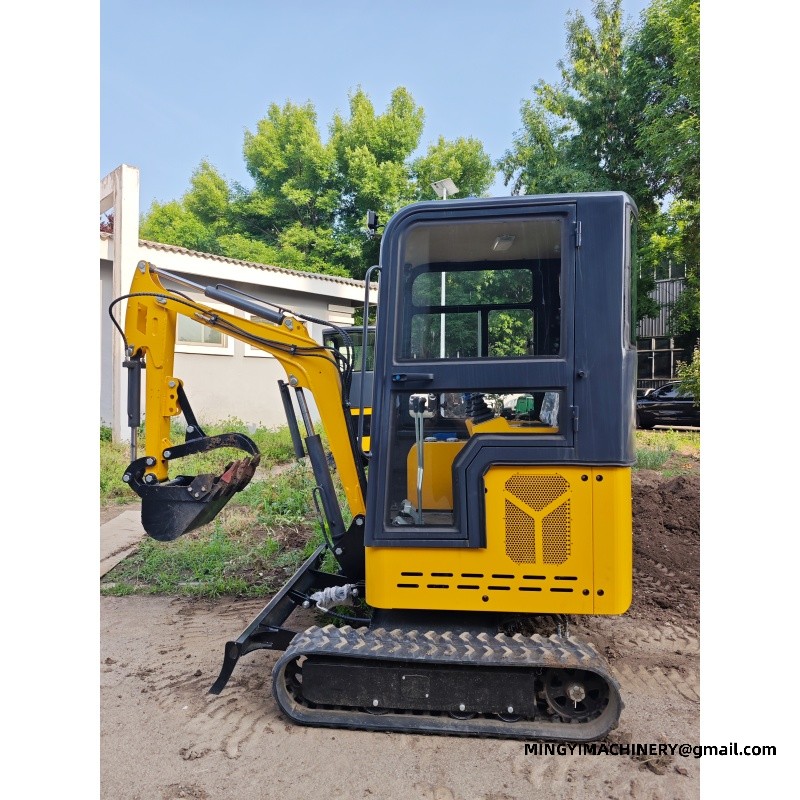
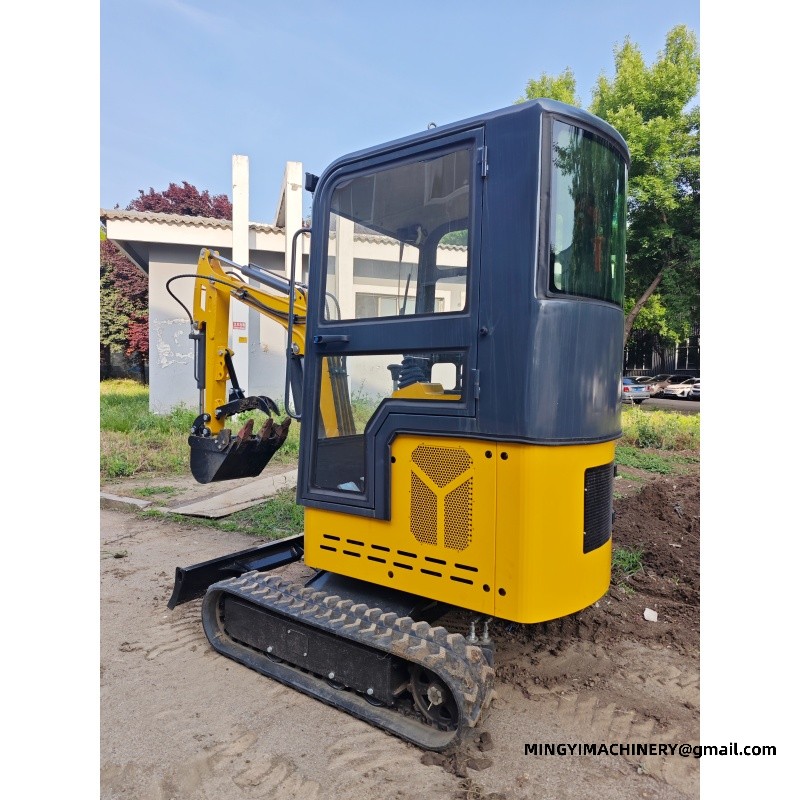
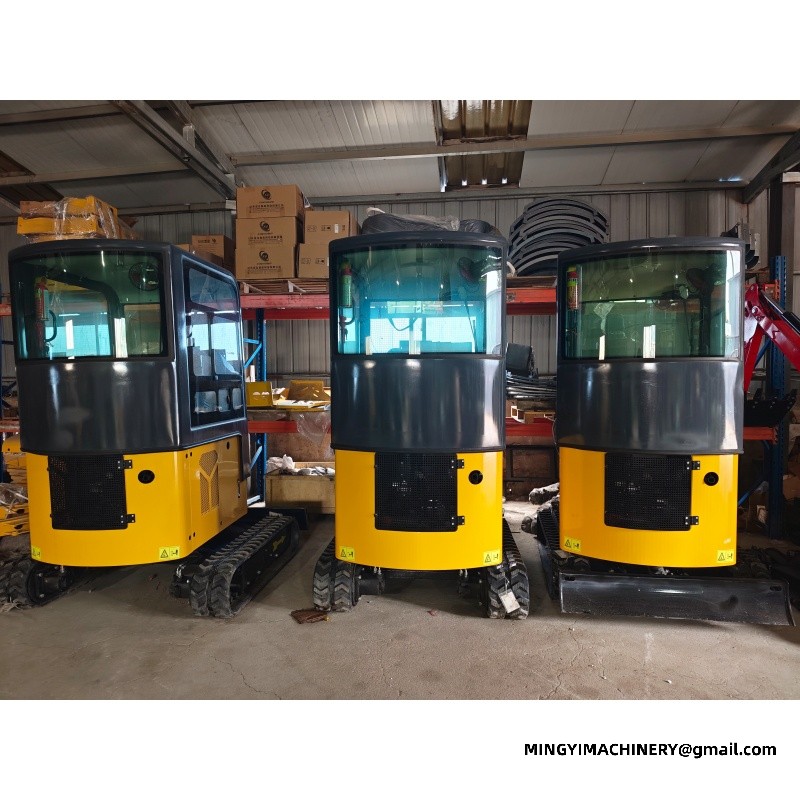
Reference specification — mini excavator range 13W 20-3W 12L 20-2L Operating weight 1300 kg (2866.01 lb) 1900 kg (4188.78 lb) 1200 kg (2645.55 lb) 1900 kg (4188.78 lb) Transport size (L×W×H) 2200 × 930 × 2250 mm 2550 × 1100 × 2200 mm 2200 × 930 × 2250 mm 2600 × 1300 × 2344 mm Max digging depth 1630 mm (64.17 in) 1800 mm (70.87 in) 1700 mm (66.93 in) 2100 mm (82.68 in) Max digging height 2750 mm (108.27 in) 2820 mm (111.02 in) 2600 mm (102.36 in) 2880 mm (113.39 in) Max dumping height 1960 mm (77.17 in) 2050 mm (80.71 in) 1800 mm (70.87 in) 2100 mm (82.68 in) Max digging radius 2900 mm (114.17 in) 3050 mm (120.08 in) 2900 mm (114.17 in) 3215 mm (126.57 in) Max digging distance 2100 mm (82.68 in) 2300 mm (90.55 in) 2300 mm (90.55 in) 2460 mm (96.85 in) Minimum turning radius 1300 mm (51.18 in) 1450 mm (57.09 in) 1450 mm (57.09 in) 1587 mm (62.48 in) Travel speed 3 km/h (1.86 mph) 5 km/h (3.11 mph) 3 km/h (1.86 mph) 5 km/h (3.11 mph) Gradeability 30° 30° 30° 30° Fuel consumption 1-1.3 L/h (0.264—0.343 gal) 2-3 L/h (0.528—0.793 gal) 1-1.3 L/h (0.264—0.343 gal) 2-3 L/h (0.528—0.793 gal) Fuel tank capacity 10 L (2.64 gal) 16 L (4.23 gal) 10 L (2.64 gal) 16 L (4.23 gal) Hydraulic oil tank 16 L (4.23 gal) 18 L (4.76 gal) 16 L (4.23 gal) 18 L (4.76 gal) Dozer blade lift height 180 mm (7.09 in) 180 mm (7.09 in) 180 mm (7.09 in) 180 mm (7.09 in) Dozer blade drop depth 210 mm (8.27 in) 210 mm (8.27 in) 210 mm (8.27 in) 210 mm (8.27 in)
Q. What is the unit in daily use used for?
A. Pilot controls, load sensing and high-flow circuits decide whether a small machine digs like a big one - smooth, precise and quick on the return pass. Electric-drive options suit indoor and emission-sensitive sites where a diesel is the wrong answer. For full rotation digging applications the practical route is to send the job list to the factory and let the build sheet answer it - which is exactly what this page invites.
Q. Do I need the high-flow option?
A. Only if the attachment list asks for it: breakers, mulching heads and larger augers drink more than a standard circuit serves. Match the circuit to the tools before the build, not after.
Q. What support follows the sale?
A. Spare-part kits, wear items and service documentation ship with the programme, and the parts team works from the serial plate to match components exactly. Warranty and support terms for the full rotation digging order are confirmed in writing before the machine leaves.
Handover and getting familiar with a machine of this size
A good handover covers the awkward cases, not just the easy ones. Starting the equipment on site on a slope, turning in a confined space and recovering from soft ground are the situations an operator should meet first with someone beside them.
Wear items and spares worth holding for the machine itself
Wear items are predictable once the machine has settled in. After the first service interval the pattern on the model in question is visible, and the parts that were replaced become the parts that are kept.
E-mail : sales@mingycn.com
LINE ( ID ): mingyicn
Related pages
mini excavator kubota d902 engine · small household excavator for soil digging · Loader Machine for Construction: 0.4 m3 or 0.65 m3 Bucket · Mini Excavators









