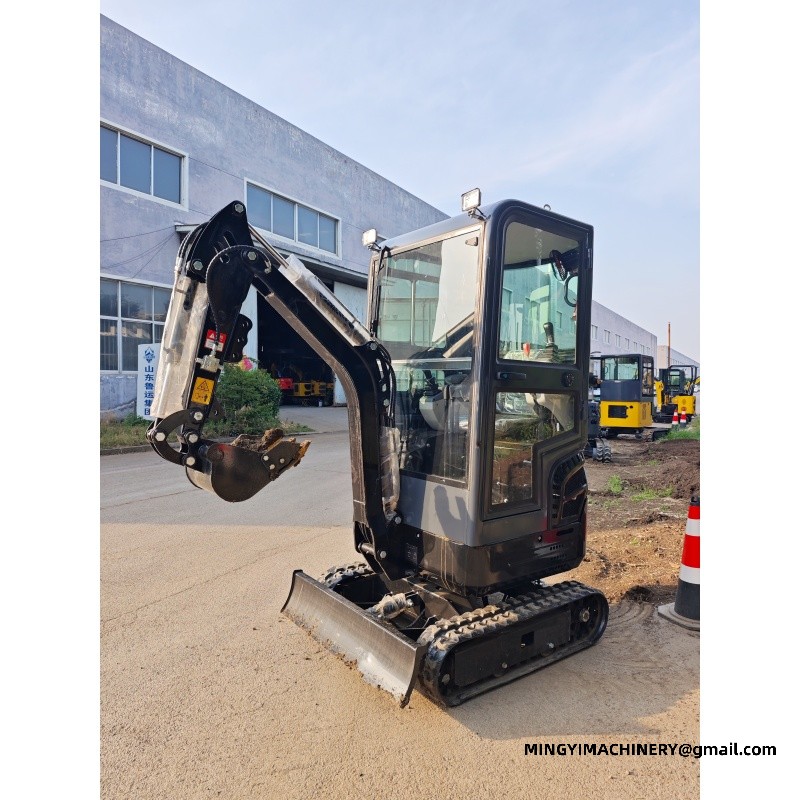
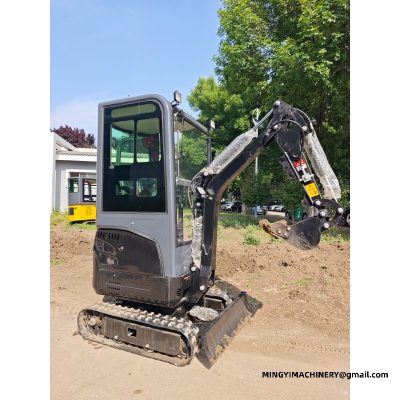
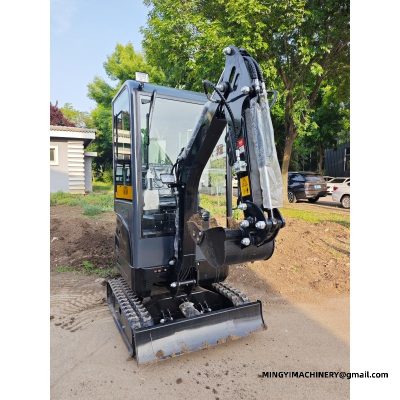
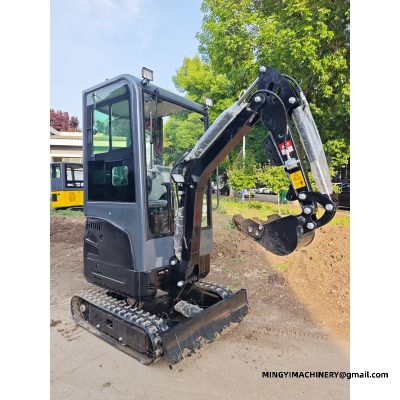
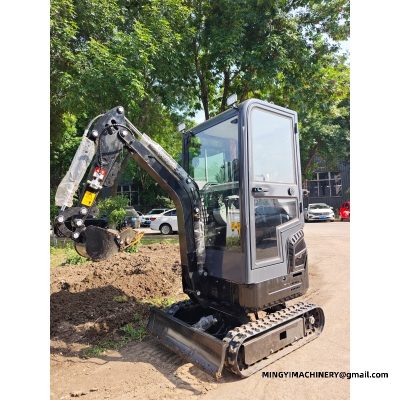
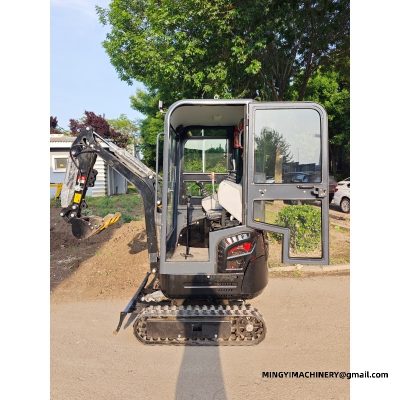
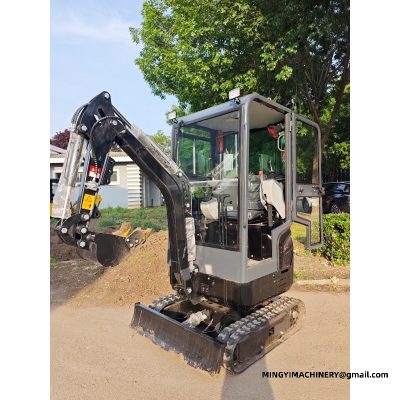
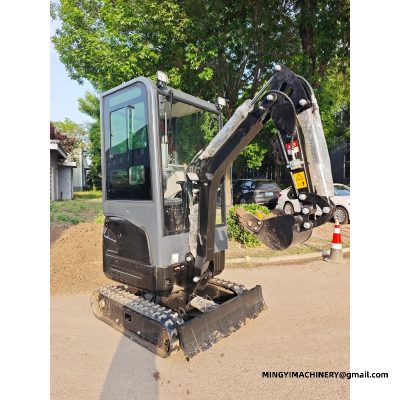
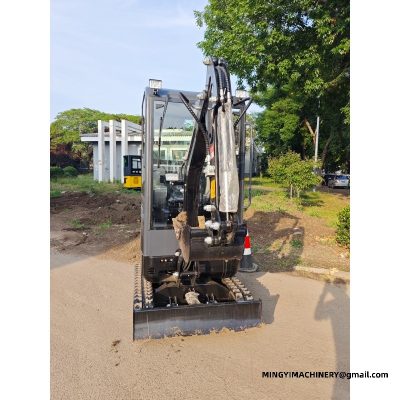
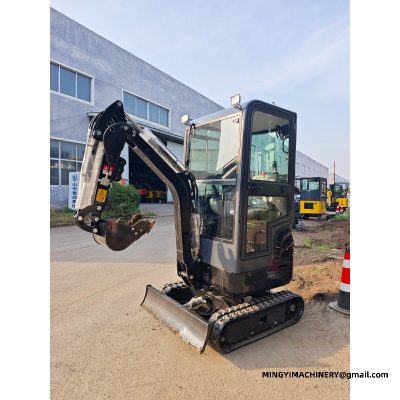
A construction crew needs an excavator that keeps up with the programme rather than waiting for plant hire. Footings, service connections, backfilling and the odd unexpected breaker job all land on the crew that is already on site. MINGYI builds small excavators for crews working that way.
The specification is anchored in the 1 to 3.5 tonnes class for most crews, with the attachment list chosen so one machine can follow the job from groundwork to finishing. This page sets out the crew working pattern and the build that supports it.
Following the build programme
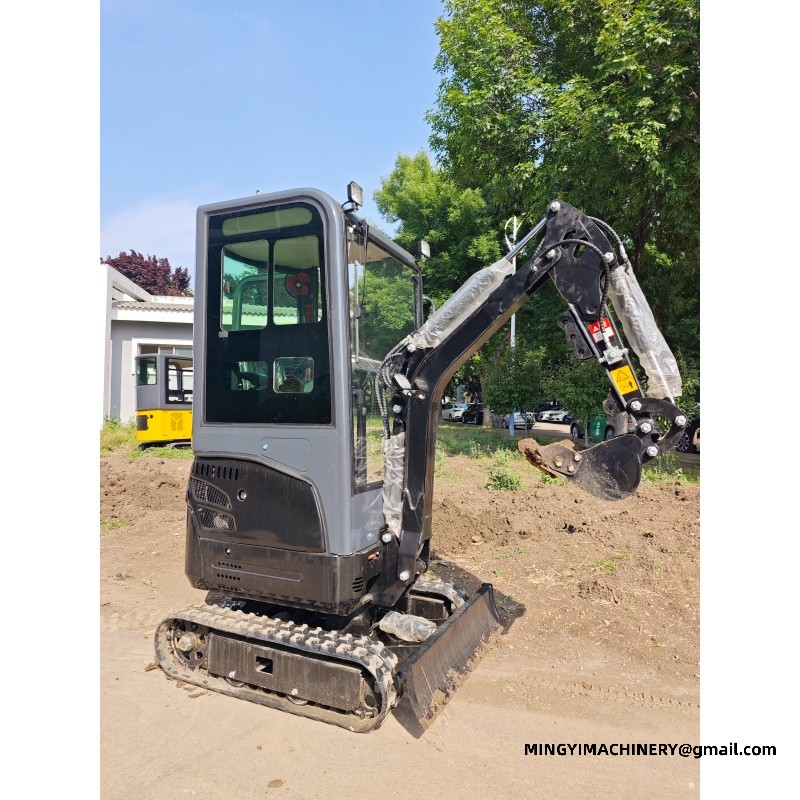
In the groundwork phase the machine cuts footing and foundation trenches, digs the service runs and levels the sub base. When the structure rises, it trenches for the incoming water and power, backfills around the walls and compacts the fill with a compaction wheel.
Toward the finish it grades the surrounds, digs the drainage for paved areas and lifts materials with a thumb bucket or front fork where a second pair of hands is short. Between phases it travels to the next plot behind the crew vehicle.
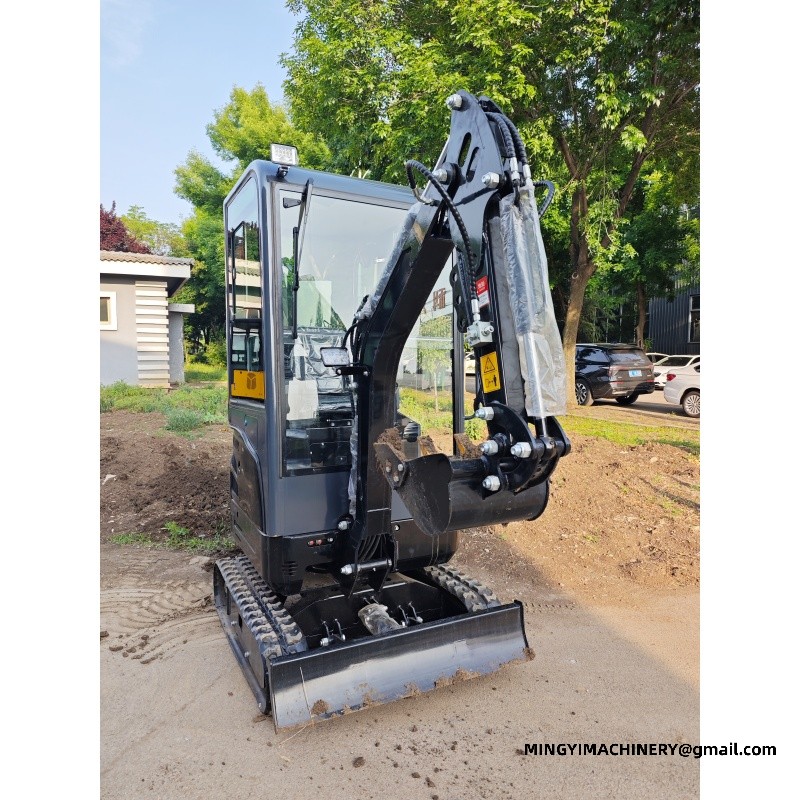
The crew machine specification
Ruggedness under daily use is the first consideration, so the coupler, hose protection and track choice are selected for a full working week rather than occasional use. Rubber tracks suit developed sites, with steel tracks with rubber blocks for the crews that spend the winter on soft ground.
The engine installation, cab or canopy arrangement and bucket set are confirmed at the ordering stage against the crew workload. The specification is recorded against the machine, keeping parts and later attachment orders matched to the same unit.
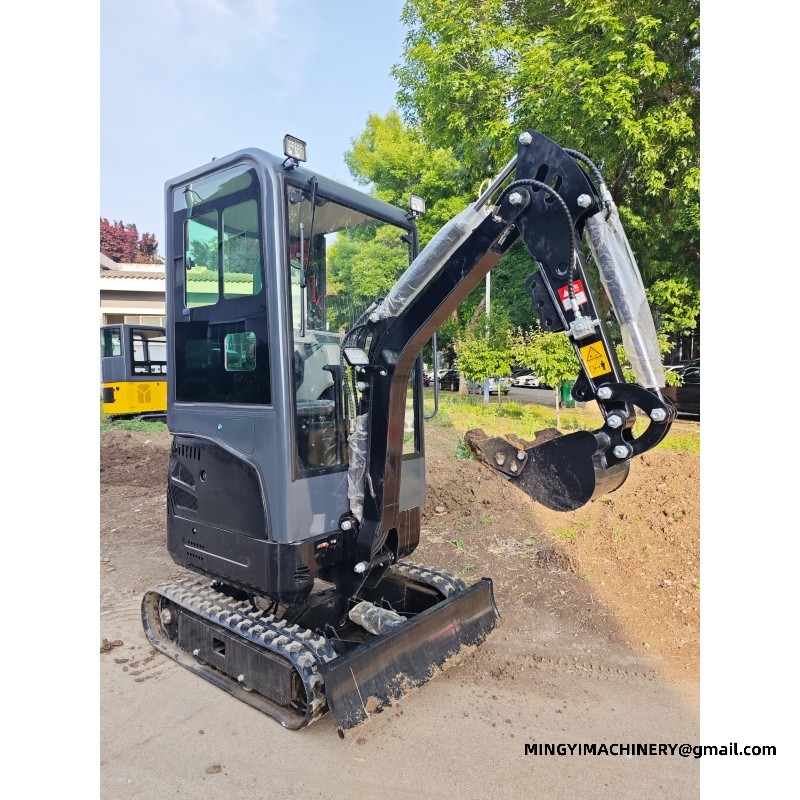
Describe the phases of your programme and the tasks the crew covers itself, and the construction configuration will be planned from that list. Mingyi Machinery supplies each machine with the spare parts and documentation to keep it on the programme.
Landscaping and ground care with small excavator for construction crews Landscape contractors use the excavator for planting holes, pond excavation, grading and retaining work. The machine is light enough to cross finished lawn and narrow enough to work between established trees. Grass cutting heads, rakes and tillers extend this class of machine into ground care. The same carrier that digs a border in spring can cut and clear the same area later in the season. Working on slopes and uneven ground with small excavator for construction crews Slope work is a stability question before it is a traction question. Knowing the gradient the unit in daily use is rated for, and working across rather than straight up where the ground allows, removes most of the risk. Planning the direction of travel helps. Working so that the a machine of this size is stable under load and not required to turn on a slope is a decision made before the job starts, not a correction made during it. Specifying small excavator for construction crews against a job list The practical way to specify is to write the job list first: the narrowest access, the deepest trench, the heaviest tool and the surfaces the machine must cross. The equipment on site is then matched to those four numbers. Buyers who skip this step either over-buy or under-buy. The machine itself specified only from machine size tends to arrive without the coupler, the circuits or the track type the work actually needs. Trailering and moving small excavator for construction crews Transport weight and width decide whether a machine needs a specialist haulier. The model in question sized to travel on a standard plant trailer behind a suitable vehicle moves with the crew rather than on a scheduled low loader. Detachable components reduce transport length. The machine in that duty built with a removable arm section or a folding step fits a shorter trailer and may avoid an oversize movement permit. What owners should plan for beyond the small excavator for construction crews Purchase decision is the visible part of the effort. Fuel, filters, tracks or tyres, the operator and the transport between sites are the items that decide what the unit on the job actually demands over a few seasons, and they are worth listing before the order. The useful comparison is demand per working hour, not demand per machine. A machine built for the work that works more hours a year spreads its standing takes over more output, which is why utilisation usually matters more than the invoice figure. Hydraulic circuits on a small excavator for construction crews Auxiliary hydraulic lines are what let a machine drive a tool rather than only a bucket. The equipment in service specified with the right circuits and flow runs a breaker or an auger without an add-on power pack bolted to the frame. Flow and pressure are matched to the tool, not to the machine size. Asking for the attachment list first means the excavator leaves the factory with circuits that suit the heaviest tool the buyer intends to run. Engine options behind this class of machine Power unit selection is settled against the service network the buyer already uses. MINGYI offers Kubota D722, Kubota D902, YANMAR, Changchai, Laidong, Runtong, YARMAX, Youpu 2V80 and Youpu 195, so a fleet running one brand of engine can keep the same filters, the same parts supplier and the same mechanic. Engine choice is also an emissions and documentation question for some markets. Listing the available units with the unit in daily use enquiry lets the factory confirm what can be supplied and documented for the destination country. Lifting and material handling with a machine of this size Stability changes with reach. A load the equipment on site handles close in becomes a different proposition at full extension, so the working radius belongs in the plan before the lift rather than during it. Ground condition under the machine is part of every lift. Soft or uneven support is the common factor in handling incidents, and checking it takes less time than recovering the machine itself that has settled. Parts, service and support for the model in question Support after delivery is a parts question. Wearing items for the machine in that duty - filters, belts, track components, bucket teeth and pins - are the items a buyer should plan to hold before the first service interval. Engine parts availability usually drives the engine choice. The unit on the job built with an engine the local network already carries is serviced from stock rather than from an international order. Working near live services with a machine built for the work The risk on utility work is not machine power but machine placement. The equipment in service that fits the working width leaves the surrounding ground undisturbed, which keeps the trench stable and the reinstatement small. Utility crews specify the excavator with a narrow bucket and good visibility for exactly this reason: the machine has to stop at the service, not at the edge of the operator's view. Operator technique for this class of machine Output on a compact machine comes from placement rather than power. An experienced operator keeps the unit in daily use working inside the swing arc, positions once and digs a full run instead of repositioning for every bucket. Stability is the third. A machine of this size working across the tracks rather than over the corners keeps the machine steady and the undercarriage loaded evenly, which shows up as track life at the end of the season. Specification data for the equipment on site The figures below are the factory figures for the models most often matched to the machine itself. They are the numbers to check against the site: the depth the work needs, the reach from one position, and the width of the narrowest point on the route in. These are the reference figures for the model in question. MINGYI confirms the final build sheet, including engine and attachment choices, against the destination and the job list before production. Delivery day is the best time to find a problem. Checking the specification against the order, the fluid levels, the fasteners and any transport damage while the unit on the job is still on the trailer is faster than claiming later. Documentation should arrive with the machine. Parts list, service schedule and any certificates for the machine in that duty are what the workshop needs later, and they are much easier to obtain at delivery than in month six.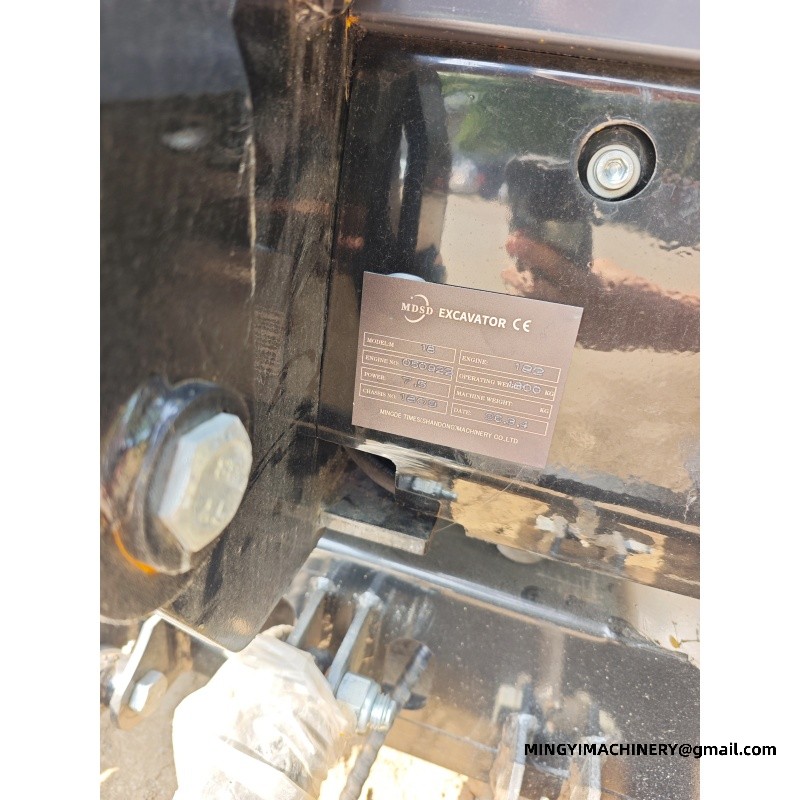
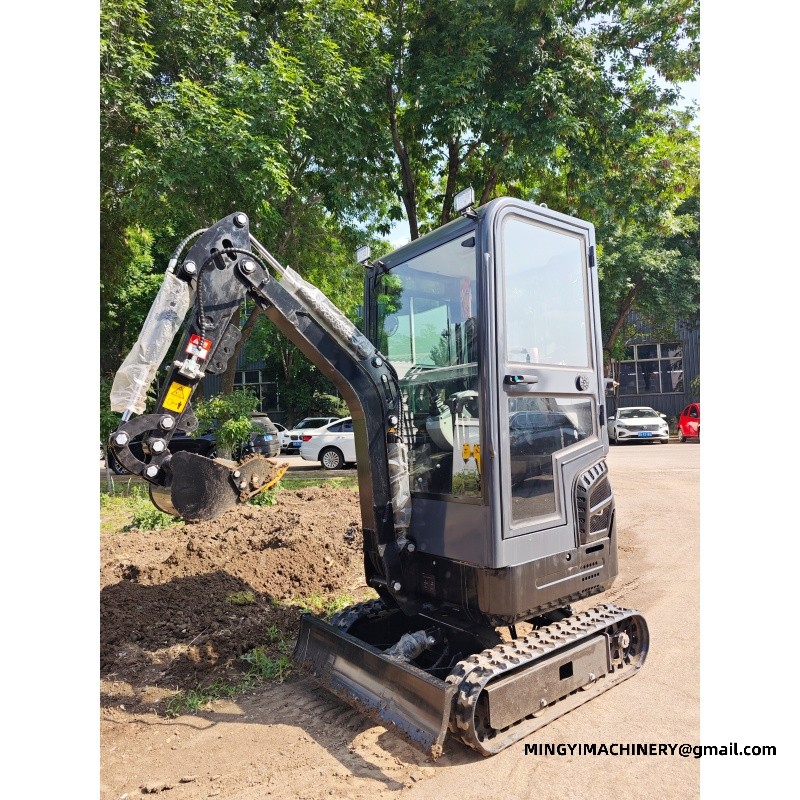
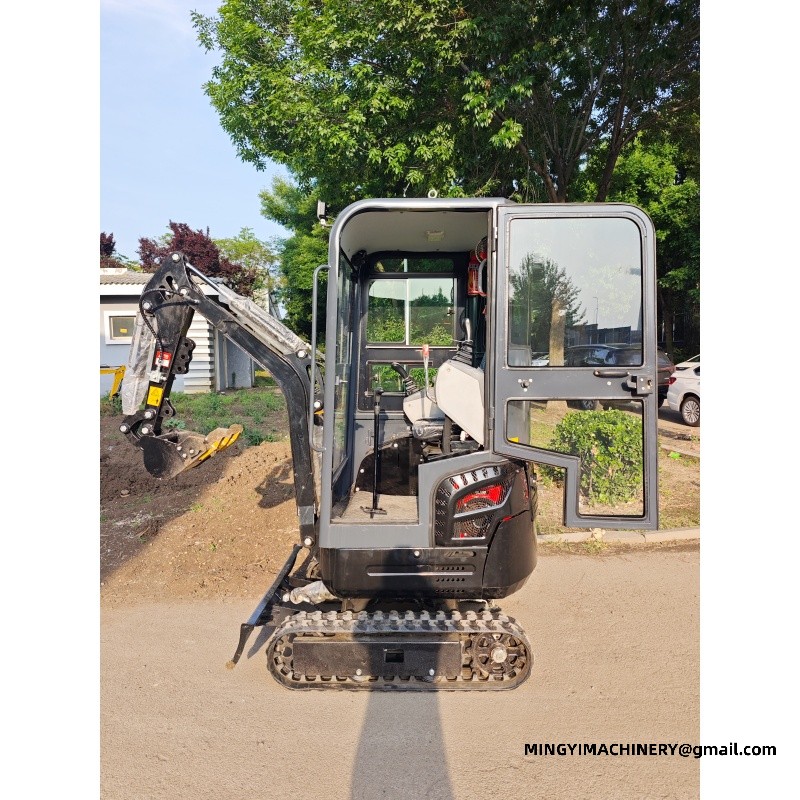
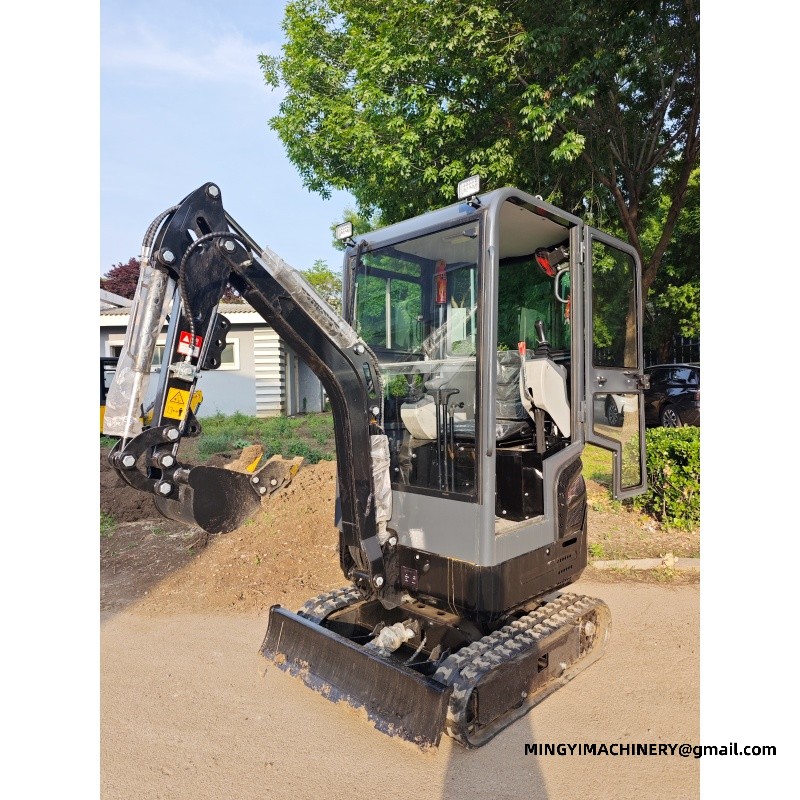
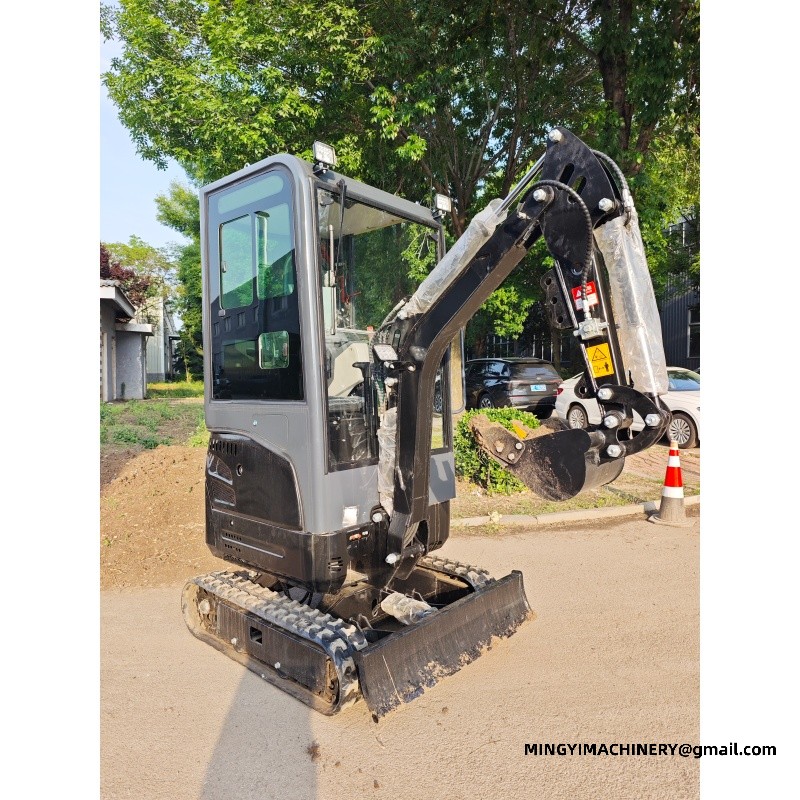
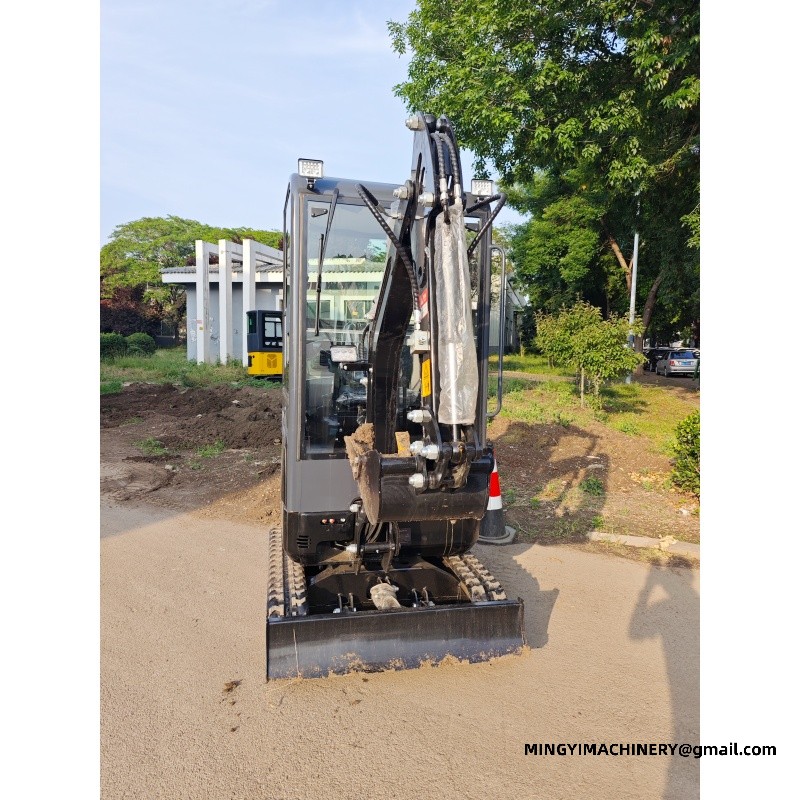
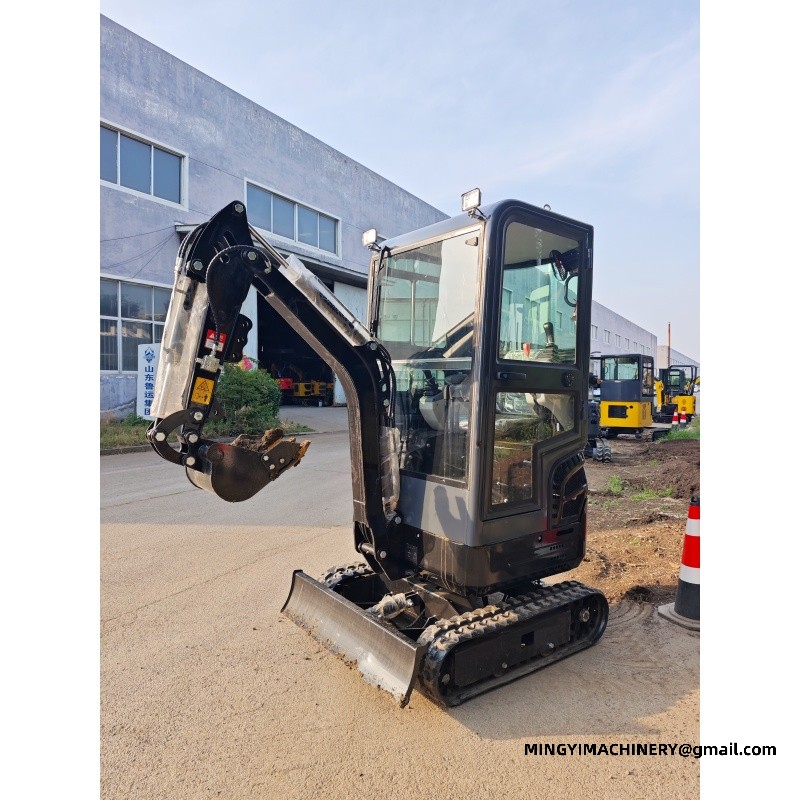
Reference specification — mini excavator range 12W 15L 20-2L 25L Operating weight 1200 kg (2645.55 lb) 1400 kg (3086.47 lb) 1900 kg (4188.78 lb) 2200 kg (4850.17 lb) Transport size (L×W×H) 2200 × 930 × 2250 mm 2200 × 930 × 2250 mm 2600 × 1300 × 2344 mm 3000 × 1300 × 2700 mm Max digging depth 1630 mm (64.17 in) 1700 mm (66.93 in) 2100 mm (82.68 in) 2300 mm (90.55 in) Max digging height 2750 mm (108.27 in) 2750 mm (108.27 in) 2880 mm (113.39 in) 3100 mm (122.05 in) Max dumping height 1960 mm (77.17 in) 1960 mm (77.17 in) 2100 mm (82.68 in) 2050 mm (80.71 in) Max digging radius 2900 mm (114.17 in) 2900 mm (114.17 in) 3215 mm (126.57 in) 3900 mm (153.54 in) Max digging distance 2100 mm (82.68 in) 2300 mm (90.55 in) 2460 mm (96.85 in) 3100 mm (125.05 in) Minimum turning radius 1300 mm (51.18 in) 1450 mm (57.09 in) 1587 mm (62.48 in) 1800 mm (70.87 in) Travel speed 3 km/h (1.86 mph) 3 km/h (1.86 mph) 5 km/h (3.11 mph) 7 km/h (4.35 mph) Gradeability 30° 30° 30° 30° Fuel consumption 1-1.3 L/h (0.264—0.343 gal) 1-1.3 L/h (0.264—0.343 gal) 2-3 L/h (0.528—0.793 gal) 2-3 L/h (0.528—0.793 gal) Fuel tank capacity 10 L (2.64 gal) 10 L (2.64 gal) 16 L (4.23 gal) 16 L (4.23 gal) Hydraulic oil tank 16 L (4.23 gal) 16 L (4.23 gal) 18 L (4.76 gal) 18 L (4.76 gal) Dozer blade lift height 180 mm (7.09 in) 180 mm (7.09 in) 180 mm (7.09 in) 230 mm (9.06 in) Dozer blade drop depth 210 mm (8.27 in) 210 mm (8.27 in) 210 mm (8.27 in) 280 mm (11.02 in)
Q. Who uses the machine built for the work?
A. Compact excavators win work by being there: small enough to reach the job, strong enough to finish it. Tracks, cab and attachments are options across the range, so the core decision is simply where the machine must fit. Read the equipment in service together with the engine, track and attachment pages: jobs around construction crews are decided by how those choices line up, not by any single number on the sheet.
Q. How do I choose the right machine for mixed work?
A. List the jobs in a normal month, find the narrowest access and the deepest dig, then size the machine to both. Send the list to the factory by email or LINE and the recommendation comes back matched to the work, not to the stock.
Q. How do I get a specification?
A. Send the model, the destination and the attachment list by email or LINE - the channels listed just below this section. The reply covers the specification, lead time, packing and freight in one document, with the construction crews build sheet attached.
Pre-delivery inspection before the excavator leaves the shop
The last hour before packing is the best time to find a fault. Running this class of machine through its full working cycle, checking for leaks under load and confirming that the controls match the specification avoids a conversation across time zones later.
Wear items and spares worth holding for the unit in daily use
Holding spares is about downtime rather than the shelf itself. The question for a machine of this size is not how large the part is but how long the machine sits while it is found, and a small shelf answers that better than a fast courier.
Keeping a service record for the equipment on site
The record should follow the machine, not the owner. When the machine itself changes hands the service history travels with it, and a complete folder is often the difference between a quick sale and a long one.
E-mail : sales@mingycn.com
LINE ( ID ): mingyicn
Related pages
mini digger for wetland mud digging · compact excavator for house foundations · China Wheel Loader Factory: Builds, QC and Export Loading · Mini Excavators









