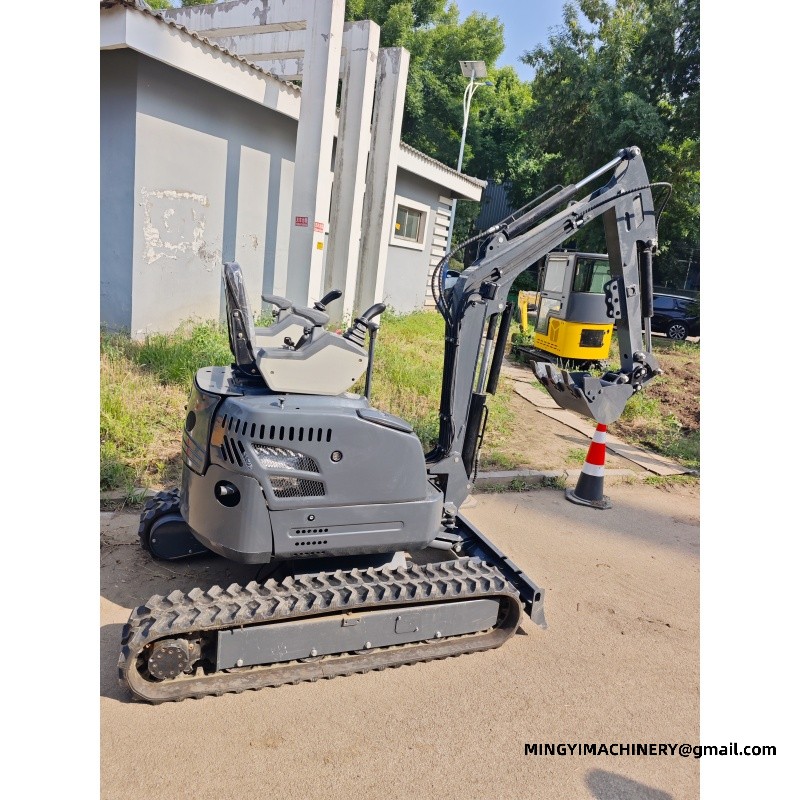
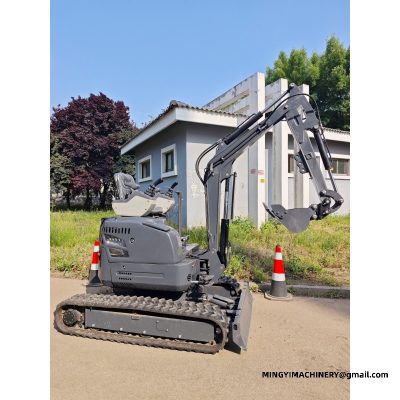
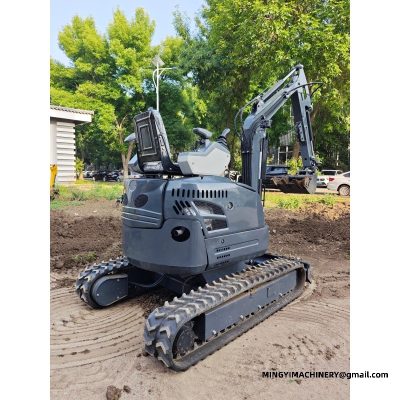
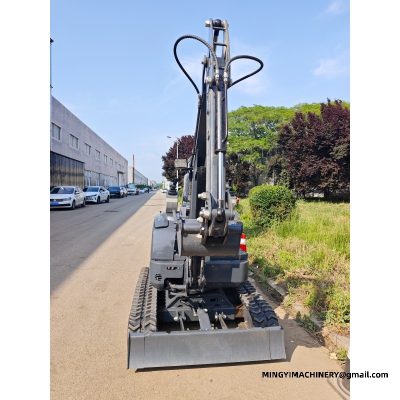
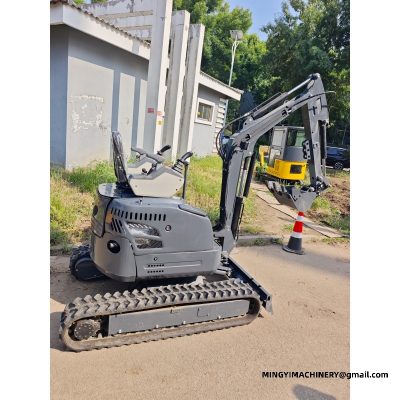
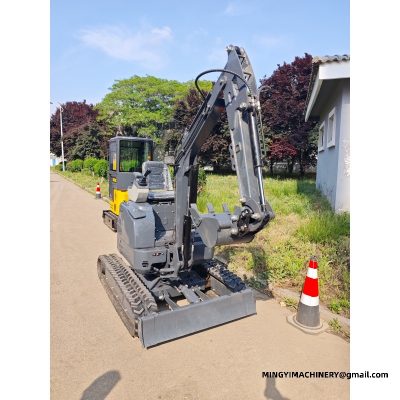
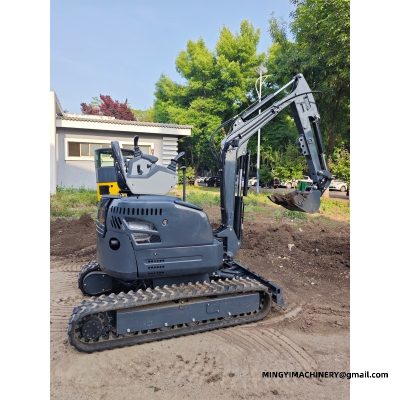
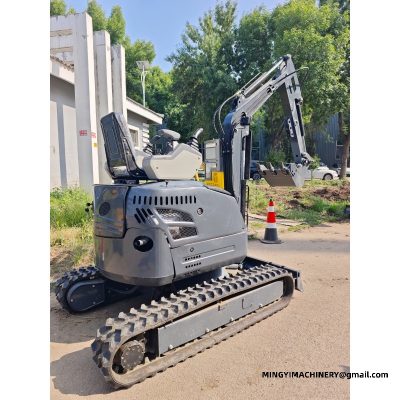
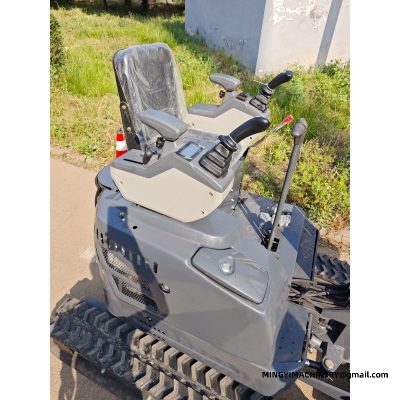
Soft, wet ground punishes a machine that was not set up for it. On wetland, marsh allowances and mud, the carrier has to spread its weight and grip without digging itself in, or every pass makes the ground worse.
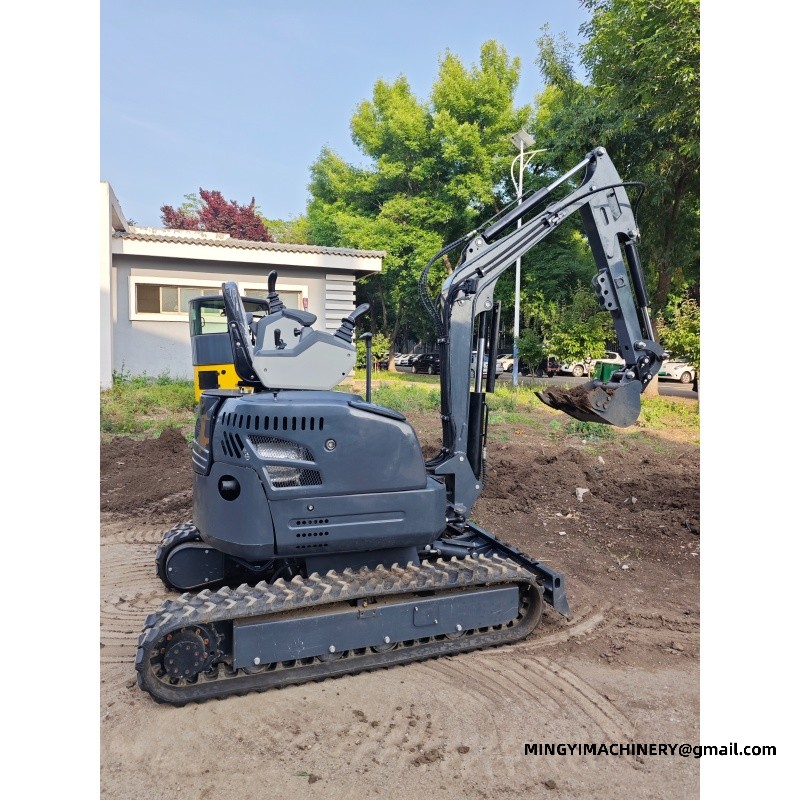
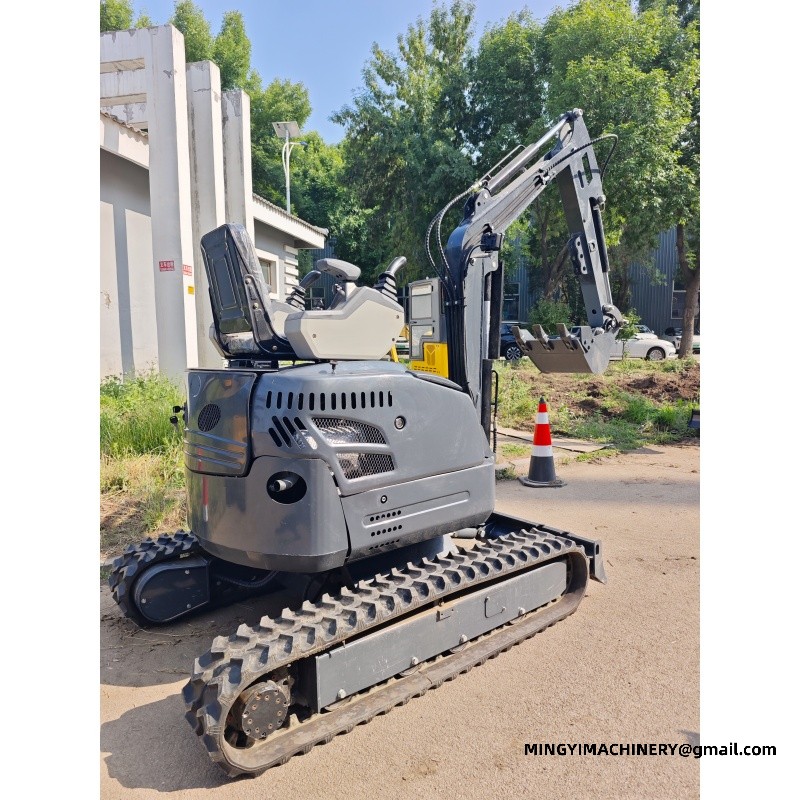
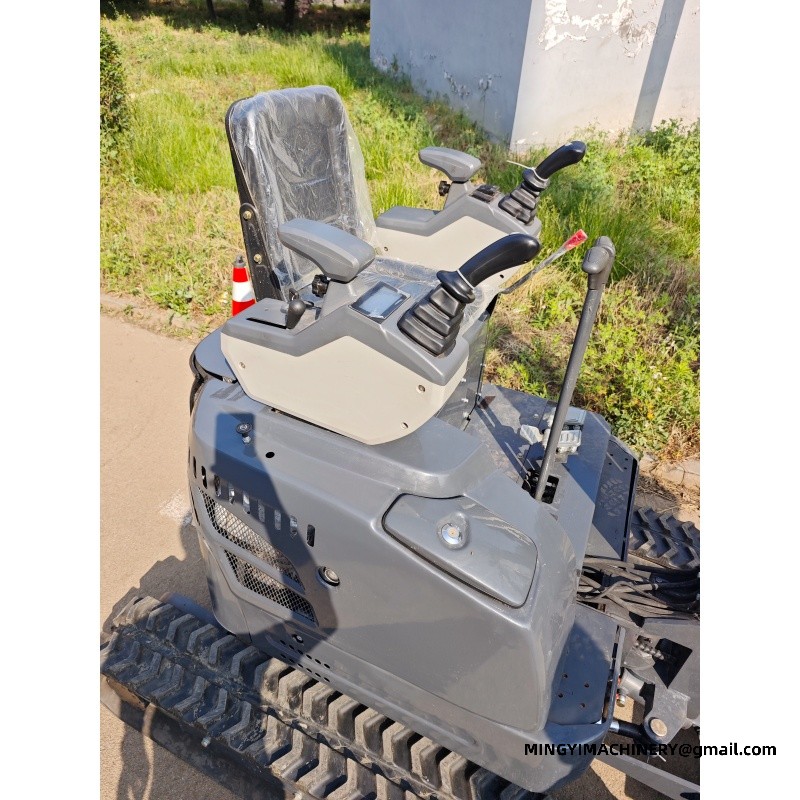
MINGYI mini crawler excavators can be specified for that kind of ground. The track type and the machine class are chosen together at ordering so the unit suits the soft conditions it will work in.
Working soft ground without sinking
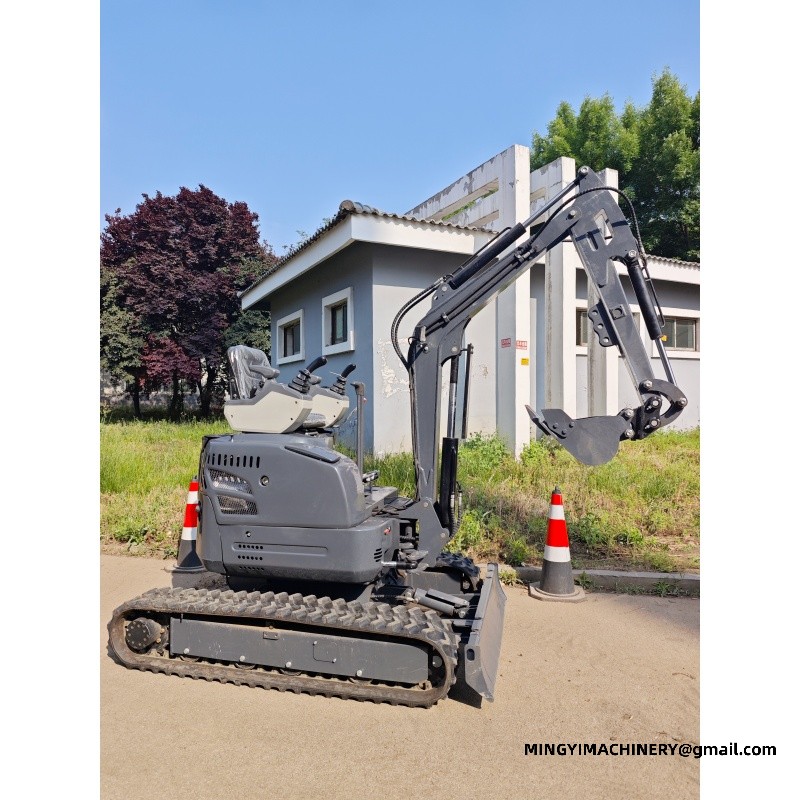
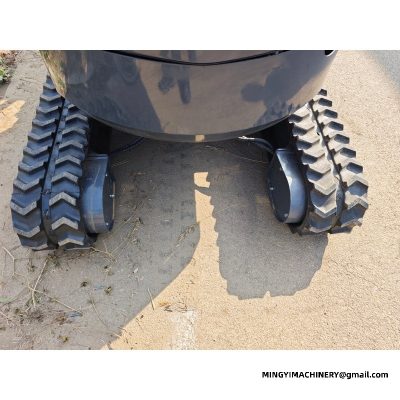
The risk on wet ground is that the machine buries its own tracks and then cannot move. A wider track bearing and a lighter class reduce the pressure the carrier puts on the surface.
Working from a firm edge and reaching out with the boom is often the practical method, since the machine stays on solid ground while the attachment does the cutting. That limits how far it has to travel on the mud.
Tracks and attachments for wetland work
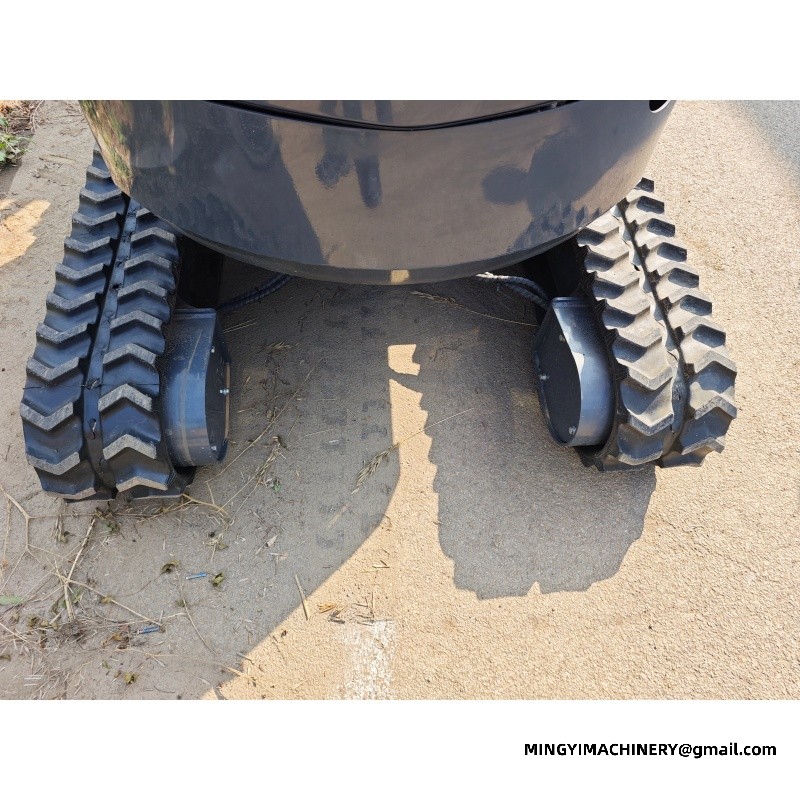
Rubber tracks spread the load and are used where the machine must cross a drier strip to reach the water. Steel tracks with rubber blocks suit firmer wetland where grip matters more than flotation.
A bucket clears silt and vegetation from the channel, and a grabber handles the cut growth. Both are matched to the carrier so the machine can work the allowance in a single pass.
Machine class, track type and attachments should be settled before a machine is ordered for wetland ground. Getting those right first is what lets the carrier work soft ground without burying its own tracks.
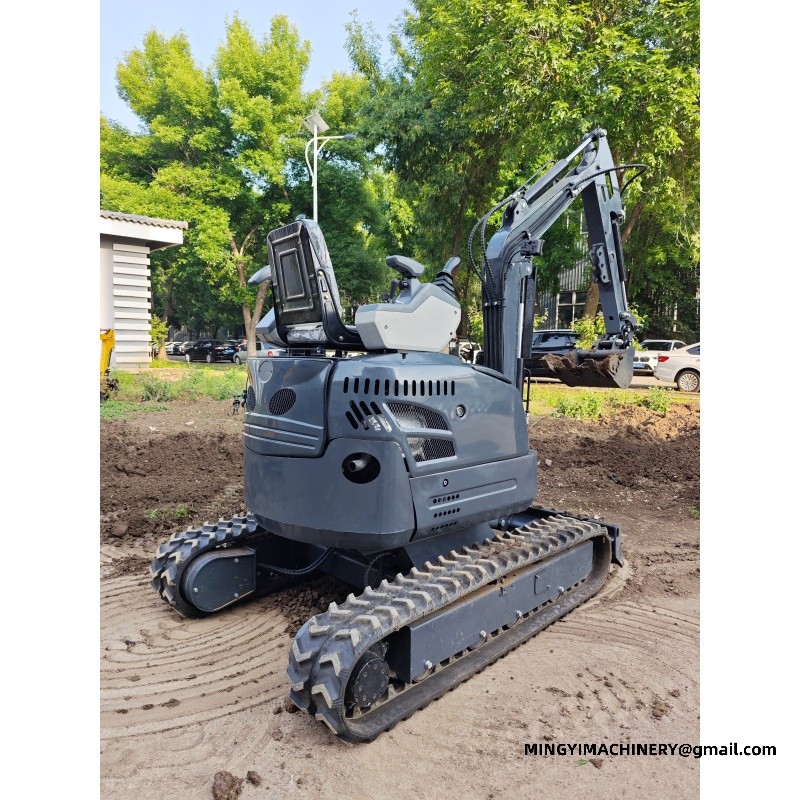
Operator technique for mini digger for wetland mud digging The second habit is tool discipline. Running the excavator with the right bucket width for the trench means less spoil, less reinstatement and a cleaner job than a wide bucket and a lot of trimming. Stability is the third. This class of machine working across the tracks rather than over the corners keeps the machine steady and the undercarriage loaded evenly, which shows up as track life at the end of the season. Export packing and shipping of mini digger for wetland mud digging Export documentation, decals and paint are settled before packing. Asking for them with the machine of this size order avoids a second handling session and keeps the machine on the booked vessel. Buyers who import regularly plan the spare parts with the machine. The unit in daily use ordered with a wearing-parts kit arrives ready to work rather than ready to wait for the first service interval. Municipal and public works with mini digger for wetland mud digging Drainage repair, tree planting, footway reconstruction and cemetery work are all within the range of the equipment on site. The jobs are small individually and continuous across the year. Noise and surface protection matter on public work. The machine itself on rubber tracks across paving, with a sealed cab for the operator, suits the conditions better than a larger tracked machine. What owners should plan for beyond the mini digger for wetland mud digging The useful comparison is demand per working hour, not demand per machine. The model in question that works more hours a year spreads its standing takes over more output, which is why utilisation usually matters more than the invoice figure. Downtime is the hidden line item. The machine in that duty waiting on a part earns nothing while it stands, so parts availability and service access belong in the plan as much as fuel does. Orchard, vineyard and farm use of mini digger for wetland mud digging Orchard and vineyard work is carried out between rows. The unit on the job with a narrow chassis and a swing boom works down the row without damaging the trees, which is the reason a full-size machine is not used at all. Farms also use a machine built for the work for general maintenance - clearing a watercourse, repairing a track, loading a spreader. One carrier with a few attachments covers most of the jobs that would otherwise wait for a contractor. Hydraulic circuits on a mini digger for wetland mud digging Auxiliary hydraulic lines are what let a machine drive a tool rather than only a bucket. The equipment in service specified with the right circuits and flow runs a breaker or an auger without an add-on power pack bolted to the frame. Hydraulic specification is easier to settle at build time than to correct later. The excavator delivered without auxiliary lines can still dig, but every additional tool becomes a retrofit project. Attachments that turn this class of machine into several machines The base machine is a carrier; the tool on the end of the arm decides the task. The unit in daily use fitted with a toothed bucket digs, and the same machine with a breaker, an auger or a grab does work that would otherwise need a second unit on site. Attachment lists are best written before delivery. Specifying a machine of this size with the tools the job list needs avoids the work and delay of adding hydraulics later, and a quick coupler makes the swap a few minutes instead of a workshop job. Quick coupler practice on the equipment on site A quick coupler is the single option that changes how a machine is used day to day. Fitted to the machine itself, it turns an attachment change from a two-person workshop job into a task the operator does alone in minutes. Couplers are specified early because they affect the arm and the hydraulic kit. Adding one to the model in question after delivery means new pins, new hoses and a fitment session; adding it at build time is a line on the sheet. Working the machine in that duty in confined spaces Confined sites are decided by dimensions. Overall width, tail swing and the space needed to work the arm are what let the unit on the job operate inside a building, between walls or in a courtyard. Ventilation is the other indoor constraint. Running a machine built for the work inside a closed structure needs air movement, and that is a planning item rather than something to discover after the first hour. OEM and fleet customisation of the equipment in service Distributors and rental fleets usually need the machine to look like theirs. Paint, decals, seat colour and attachment branding can be specified on the excavator at build time rather than applied after import. Documentation can be prepared to suit the importer. Manuals, parts books and decal sets for this class of machine can be supplied with the buyer's own branding where the order size justifies it. Matching the unit in daily use to ground conditions Hard and abrasive ground reverses the specification. On rock, demolition rubble or sharp gravel, steel tracks with rubber blocks on a machine of this size survive conditions that cut a rubber belt quickly. Mixed sites are common and argue for a compromise specification. Most buyers choose rubber for the equipment on site and accept the wear, unless the majority of the work is on material that will damage it. Specification data for the machine itself Buyers comparing the model in question usually start from four numbers - weight, digging depth, reach and transport width - because those are the ones that decide whether the machine can be delivered and whether it can do the job once it is there. These are the reference figures for the machine in that duty. MINGYI confirms the final build sheet, including engine and attachment choices, against the destination and the job list before production. Digging near water, gas and cable is a precision job. The unit on the job is used here because the operator can work in short controlled cuts and because the machine can be positioned without driving over the run being exposed. Utility crews specify a machine built for the work with a narrow bucket and good visibility for exactly this reason: the machine has to stop at the service, not at the edge of the operator's view.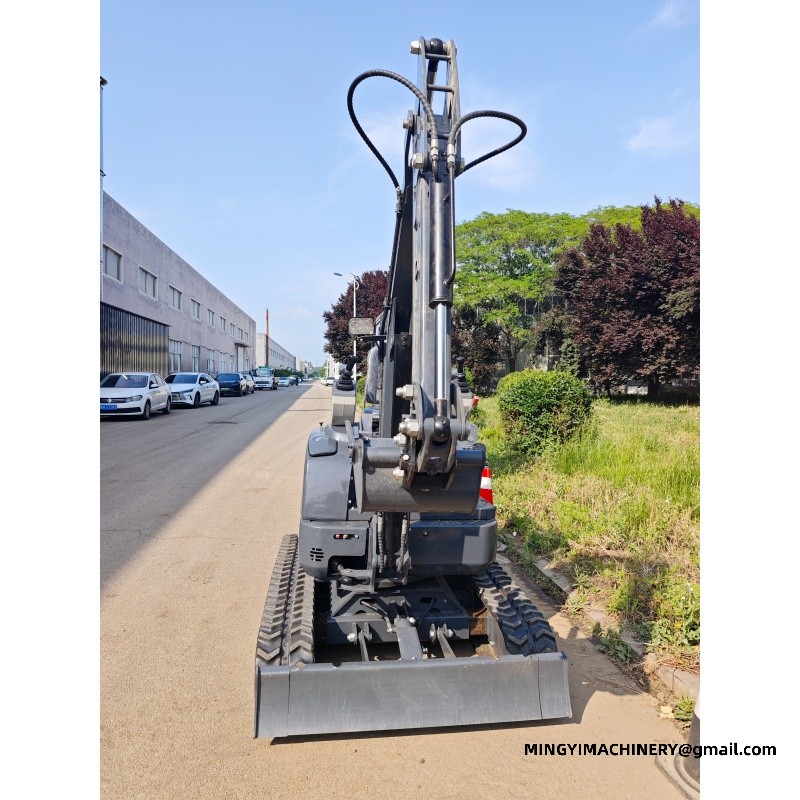
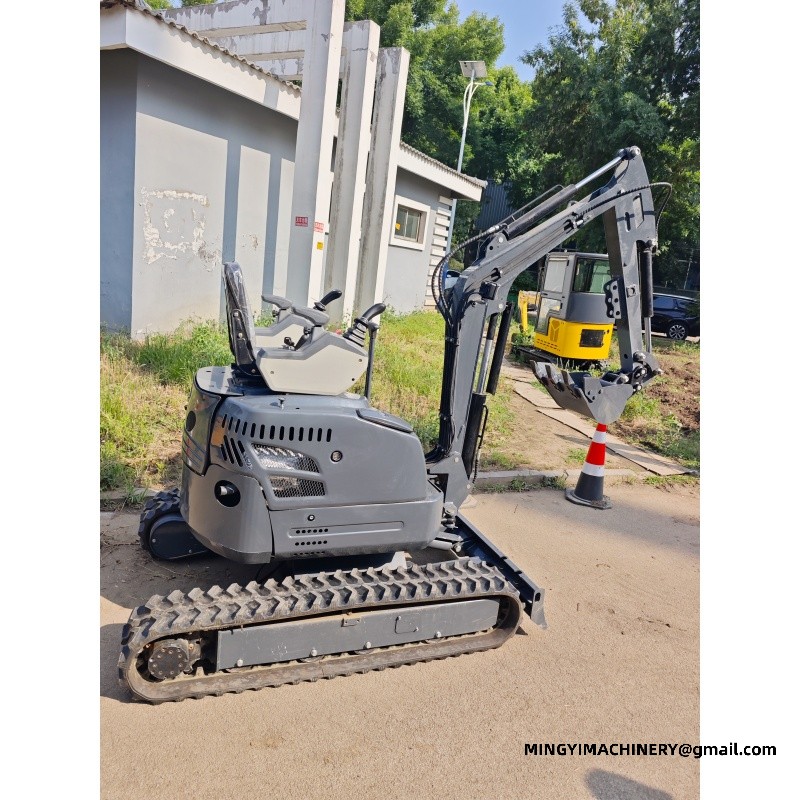
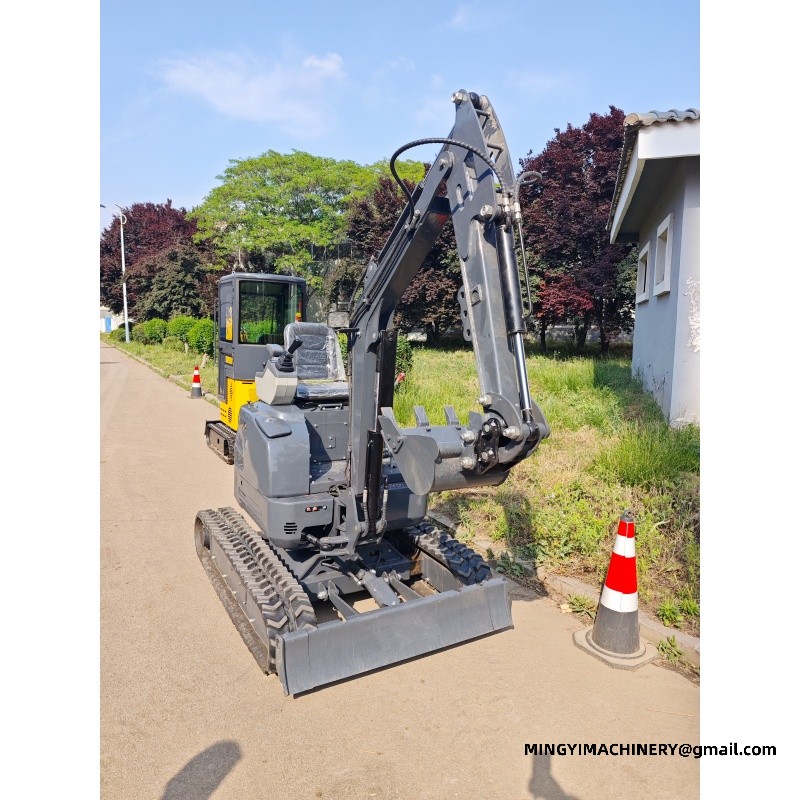
Reference specification — mini excavator range 09W 12W 25L 30-2L Operating weight 1100 kg (2425.08 lb) 1200 kg (2645.55 lb) 2200 kg (4850.17 lb) 2400 kg (5291 lb) Transport size (L×W×H) 1800 × 750 × 1970 mm 2200 × 930 × 2250 mm 3000 × 1300 × 2700 mm 2800 × 1500 × 2500 mm Max digging depth 1250 mm (49.21 in) 1630 mm (64.17 in) 2300 mm (90.55 in) 2200 mm (86.61 in) Max digging height 2800 mm (110.24 in) 2750 mm (108.27 in) 3100 mm (122.05 in) 2900 mm (114.17 in) Max dumping height 1700 mm (66.93 in) 1960 mm (77.17 in) 2050 mm (80.71 in) 2100 mm (82.68 in) Max digging radius 2570 mm (101.18 in) 2900 mm (114.17 in) 3900 mm (153.54 in) 3330 mm (131.1 in) Max digging distance 1869 mm (73.58 in) 2100 mm (82.68 in) 3100 mm (125.05 in) 2700 mm (106.3 in) Minimum turning radius 1000 mm (39.37 in) 1300 mm (51.18 in) 1800 mm (70.87 in) 1555 mm (61.22 in) Travel speed 3 km/h (1.86 mph) 3 km/h (1.86 mph) 7 km/h (4.35 mph) 7 km/h (4.35 mph) Gradeability 30° 30° 30° 30° Fuel consumption 1-1.3 L/h (0.264—0.343 gal) 1-1.3 L/h (0.264—0.343 gal) 2-3 L/h (0.528—0.793 gal) 2-3 L/h (0.528—0.793 gal) Fuel tank capacity 8 L (2.11 gal) 10 L (2.64 gal) 16 L (4.23 gal) 16 L (4.23 gal) Hydraulic oil tank 16 L (4.23 gal) 16 L (4.23 gal) 18 L (4.76 gal) 18 L (4.76 gal) Dozer blade lift height 180 mm (7.09 in) 180 mm (7.09 in) 230 mm (9.06 in) 230 mm (9.06 in) Dozer blade drop depth 210 mm (8.27 in) 210 mm (8.27 in) 280 mm (11.02 in) 280 mm (11.02 in)
Q. Who chooses the equipment in service?
A. On difficult ground the undercarriage does the earning - spreading the load, holding the slope and keeping the slew steady while the bucket digs. Widen the shoes, keep the slew slow and work from mats when the ground is truly wet. Read the excavator together with the engine, track and attachment pages: jobs around wetland mud digging are decided by how those choices line up, not by any single number on the sheet.
Q. What about slopes and hillsides?
A. Bench the machine level, dig across the fall rather than down it and let the boom reach the steep sections. A low centre of gravity and steel tracks buy the grip; the operator buys the safety by never slewing a load downhill.
Q. How do I get a specification?
A. Send the model, the destination and the attachment list by email or LINE - the channels listed just below this section. The reply covers the specification, lead time, packing and freight in one document, with the wetland mud digging build sheet attached.
Reading the early symptoms on this class of machine
Temperature and pressure are the two things worth watching. The unit in daily use that runs hotter than it used to, or whose pressure has drifted, is reporting a problem that is still simple to fix.
Keeping a service record for a machine of this size
Patterns show up in the record before they show up in the machine. Rising oil consumption or a filter that keeps blocking on the equipment on site is obvious on paper long before it becomes a failure on site.
Storage and long idle periods for the machine itself
Standing still is harder on a machine than working. Preparing the model in question for a long idle period means clean fluids, a charged battery and protection for the exposed surfaces, because neglect is not the same as rest.
E-mail : sales@mingycn.com
LINE ( ID ): mingyicn
Heat and hydraulic temperature in mini digger for wetland mud digging
Oil that runs hotter than the design range loses its film strength, and the first symptom is usually slower, softer movement rather than a leak.
Continuous high-flow work in high ambient temperature is where a duty cycle helps, because a short pause every hour cools the system more than a long stop at midday.
Oil analysis is more useful than a calendar, because it shows what is actually in the system rather than what should be.
Related pages
compact excavator for house foundations · mini crawler digger for park greening · Heavy Duty Wheel Loader: Cross-Members, Hinge Steel and Duty · Mini Excavators









