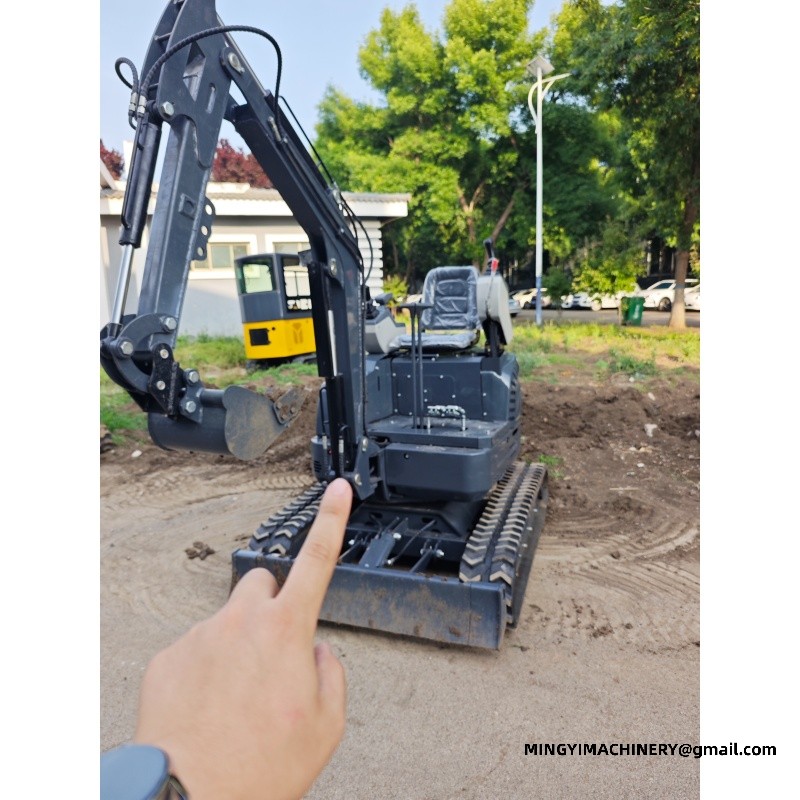
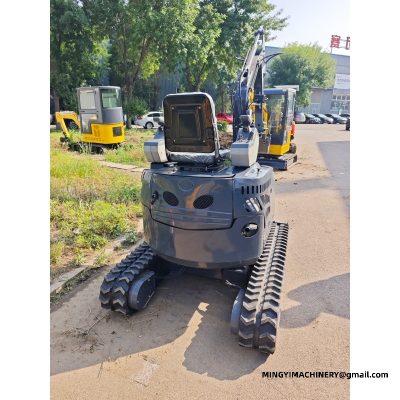
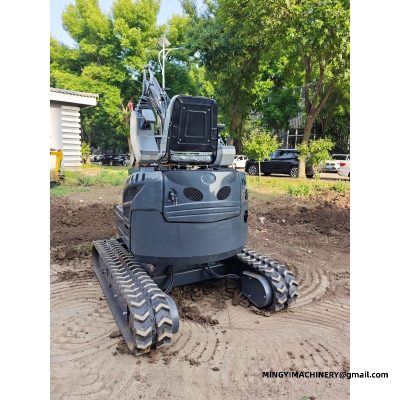
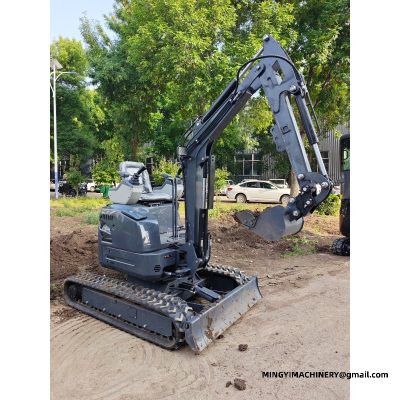
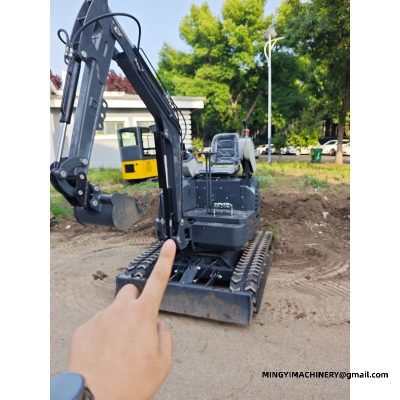
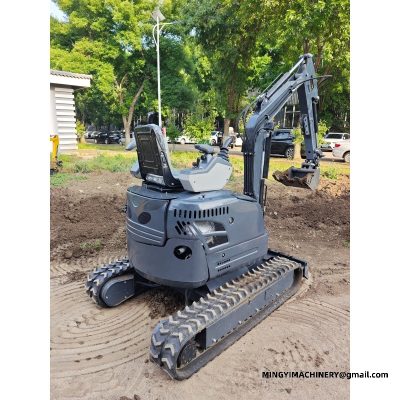
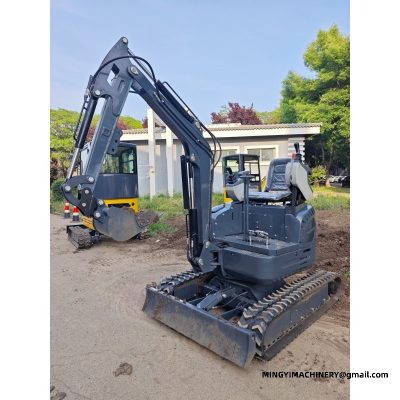
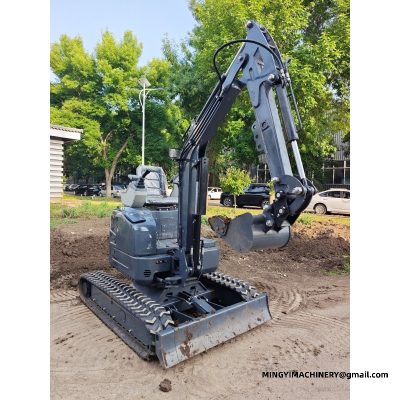
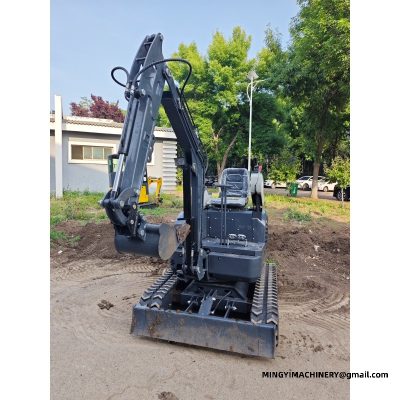
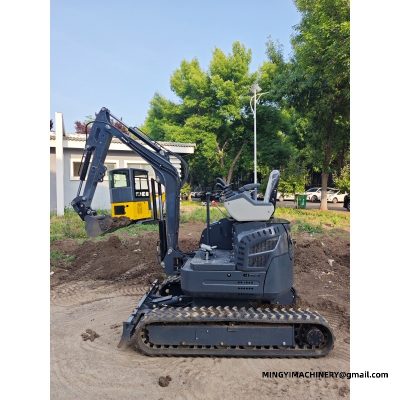
A compact digger works by transferring bucket force into the ground, and that force travels through the frame and undercarriage. The MINGYI the excavator is built with the structure to keep that transfer stable through the digging cycle.
The frame and track chassis carry the load paths from boom to ground, which shows up as steadier cutting, less rocking on the slew ring and predictable behaviour when the bucket meets hard material. The build is configured to the buyer's duty at the ordering stage.
Why frame rigidity matters in the digging cycle
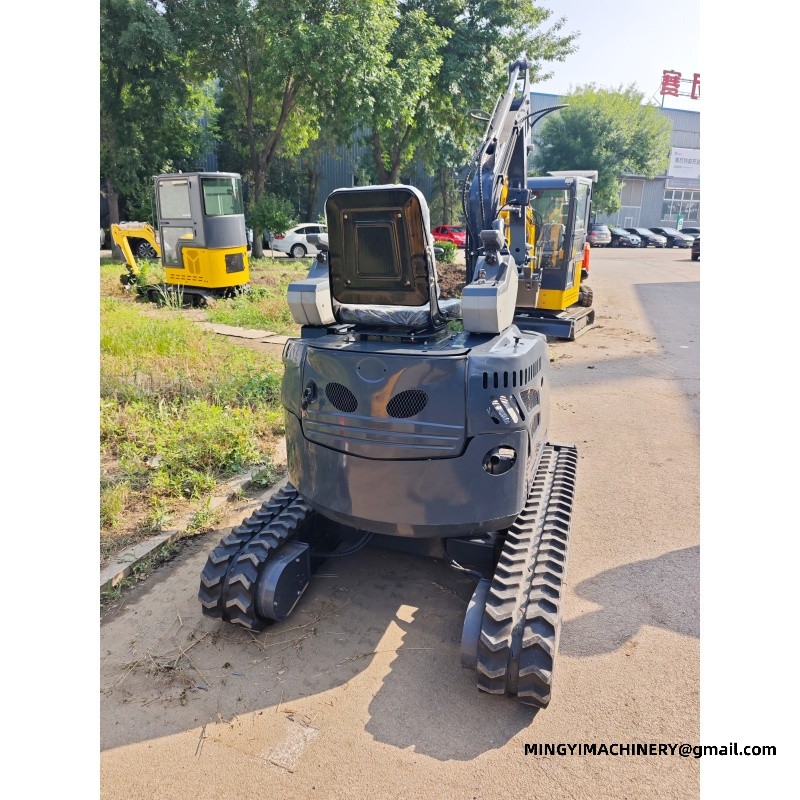
When the breaker or ripper meets concrete and rock, a flexible chassis absorbs energy that should go into the tool. A solid frame keeps the reaction in the working link, which steadies the machine and reduces the stress on the operator.
On grading and lifting work, the same rigidity keeps the boom from wandering as the load moves, which matters for trench finishing and material placement. The track and roller assemblies are mounted to take these loads over long service.
Ordering a solid frame unit from MINGYI
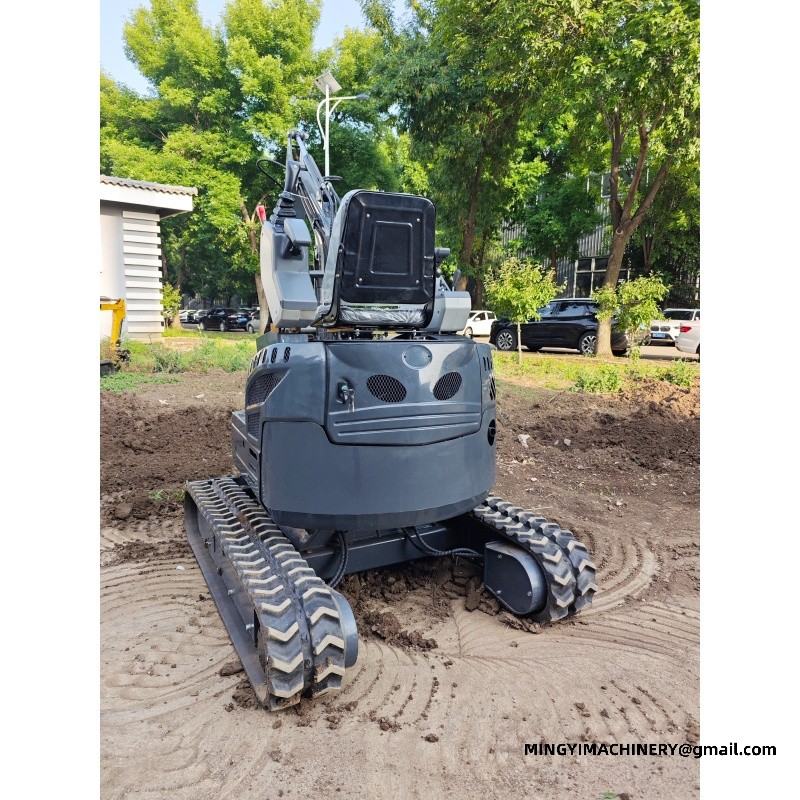
Buyers confirm the machine class, engine option and track type at the ordering stage, and the full configuration is recorded against the machine. Heavy duty users such as demolition and rock crews usually pair the frame with steel tracks with rubber blocks.
The attachment package is fixed with the same order, typically buckets, a breaker and a ripper for hard ground. Service information and the routine spares travel with the machine so the frame and running gear stay maintained on schedule.
Frame strength is the part of a small digger that decides how it behaves after the first hard season. MINGYI reviews the duty with the buyer and builds the machine to hold up under that work.
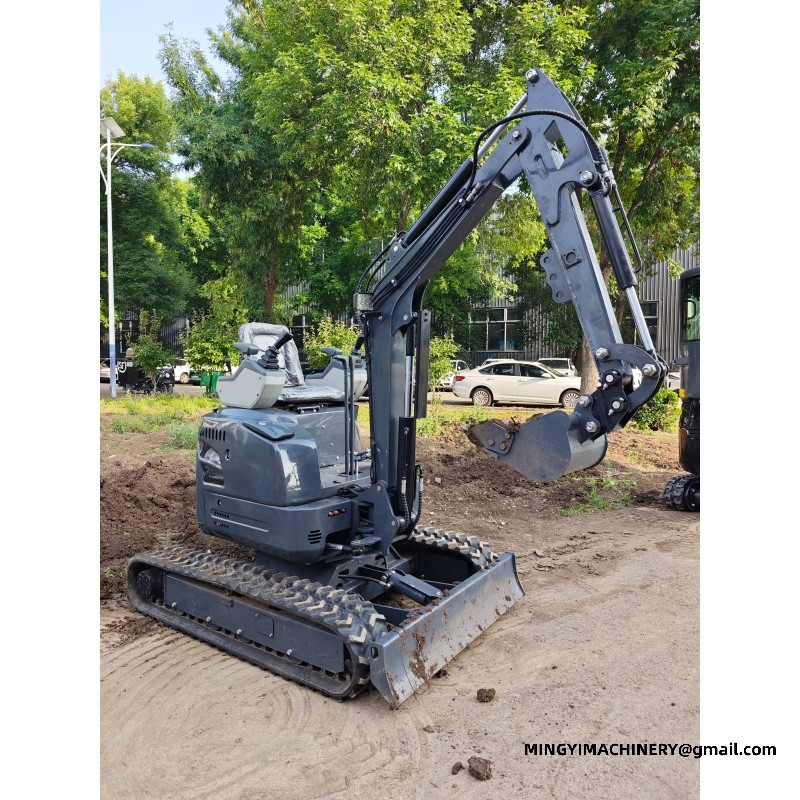
Boom configuration for solid frame small digger Extended and offset boom configurations change reach and working range. This class of machine with a longer arm reaches further but lifts less at full extension, so the specification is set against the deepest and furthest point on the job list. Detachable boom sections are used where transport length matters. The unit in daily use that has to travel on a standard trailer can be built so the arm comes off for the road and goes back on at the site. Working a solid frame small digger through the seasons Weather decides which days are productive. Rain turns some ground unusable and cold changes how a machine of this size starts and warms up, so planning the wet months around maintenance is more useful than planning around output. Heat and dust are as limiting as rain. Air intake condition and cooling cleanliness decide how the equipment on site behaves in a dry season, and both are checked in a minute rather than repaired later. Operator technique for solid frame small digger Output on a compact machine comes from placement rather than power. An experienced operator keeps the machine itself working inside the swing arc, positions once and digs a full run instead of repositioning for every bucket. Stability is the third. The model in question working across the tracks rather than over the corners keeps the machine steady and the undercarriage loaded evenly, which shows up as track life at the end of the season. Running solid frame small digger in a rental fleet Rental fleets buy for utilisation, not for a single job. The machine in that duty with a quick coupler and a common attachment standard is hired more often because it suits more of the calls that come in. Fleet buyers also weigh transport. The unit on the job that a customer can tow on a normal licence and a standard trailer is a hire that does not need a delivery truck, which changes how often it goes out. Landscaping and ground care with solid frame small digger Landscape contractors use a machine built for the work for planting holes, pond excavation, grading and retaining work. The machine is light enough to cross finished lawn and narrow enough to work between established trees. Grass cutting heads, rakes and tillers extend the equipment in service into ground care. The same carrier that digs a border in spring can cut and clear the same area later in the season. Working near live services with solid frame small digger The risk on utility work is not machine power but machine placement. The excavator that fits the working width leaves the surrounding ground undisturbed, which keeps the trench stable and the reinstatement small. Utility crews specify this class of machine with a narrow bucket and good visibility for exactly this reason: the machine has to stop at the service, not at the edge of the operator's view. Lifting and material handling with the unit in daily use Lifting with a machine built to dig needs a plan. The load, the radius and the ground under the equipment on site all matter, and the safe figure is the one on the chart rather than the one that looks possible. Stability changes with reach. A load a machine of this size handles close in becomes a different proposition at full extension, so the working radius belongs in the plan before the lift rather than during it. Acceptance checks when the machine itself arrives A function check before the machine goes to work is worth the hour. Running through the controls, the travel and the attachment circuit on the model in question confirms it is set up as specified and ready for the site. Documentation should arrive with the machine. Parts list, service schedule and any certificates for the machine in that duty are what the workshop needs later, and they are much easier to obtain at delivery than in month six. Matching the unit on the job to ground conditions Soft ground is a flotation problem, not a power problem. A machine built for the work on wide rubber tracks crosses lawn, sand and cultivated soil that would stop a narrower machine or a wheeled unit of the same capacity. Mixed sites are common and argue for a compromise specification. Most buyers choose rubber for the equipment in service and accept the wear, unless the majority of the work is on material that will damage it. Noise, dust and working near occupied buildings Work near housing or occupied premises brings constraints that open sites do not. Start times, exhaust condition and how often the excavator needs to reverse are the practical limits that neighbours notice. Dust control is often part of the same conversation. Water, timing and work sequence reduce what leaves the site, and agreeing them in advance keeps this class of machine working rather than stopped after a complaint. Trailering and moving the unit in daily use Loading practice matters as much as the numbers. A machine of this size is driven up ramps under its own power with the boom lowered and the tracks aligned, and secured at the points the manufacturer specifies. Detachable components reduce transport length. The equipment on site built with a removable arm section or a folding step fits a shorter trailer and may avoid an oversize movement permit. Parts, service and support for the machine itself Support after delivery is a parts question. Wearing items for the model in question - filters, belts, track components, bucket teeth and pins - are the items a buyer should plan to hold before the first service interval. Engine parts availability usually drives the engine choice. The machine in that duty built with an engine the local network already carries is serviced from stock rather than from an international order. Specification data for the unit on the job Where a machine built for the work is being specified for a job list, the table below gives the factory figures that matter most: what the machine weighs, how deep and how far it works, and what it measures on a trailer. Figures are factory figures and are confirmed on the build sheet for the equipment in service. Where a job sits between two models, the larger machine usually takes less time than the smaller one spends on rework. Service trenches are the most common reason the excavator is hired. Water, sewage, cable and gas runs are narrow, shallow and often close to existing services, which is exactly the work a full-size machine cannot do safely. Trench quality depends on the bucket width and the operator, not on machine size. This class of machine with a narrow bucket and a swing boom cuts a clean run along a boundary without disturbing the ground either side of it.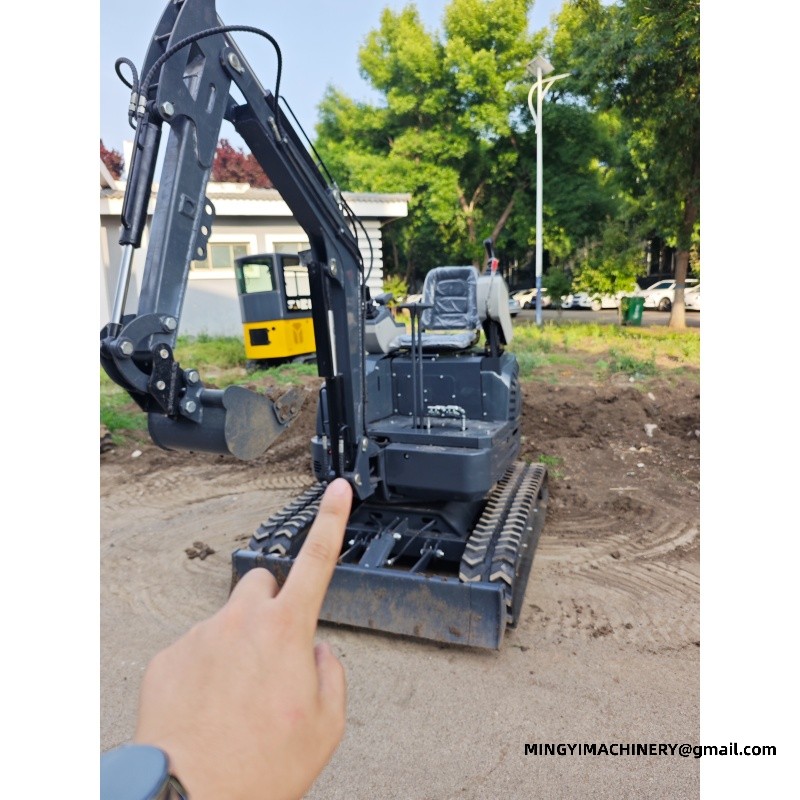
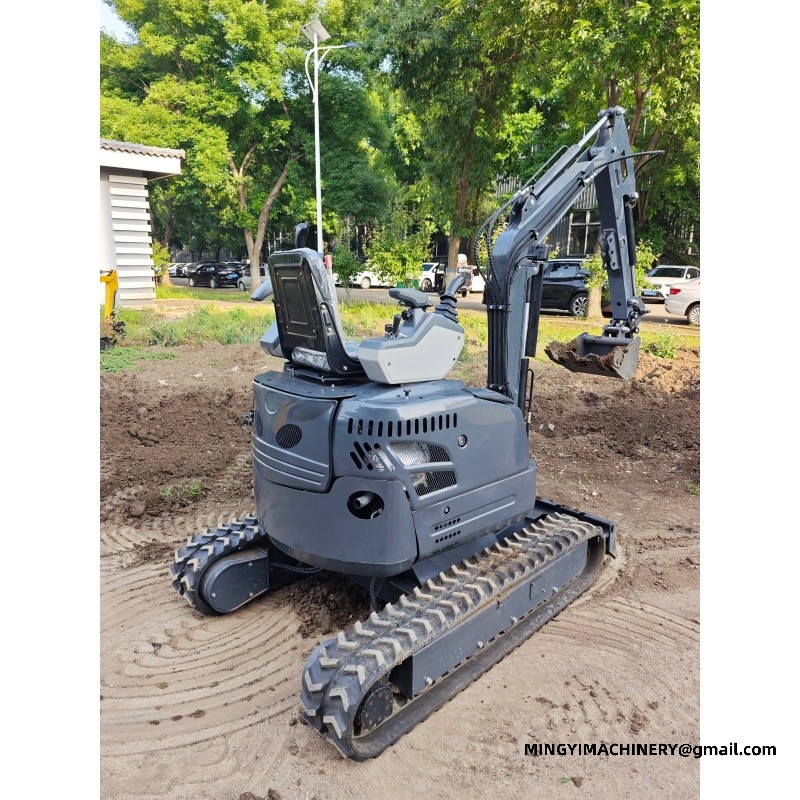
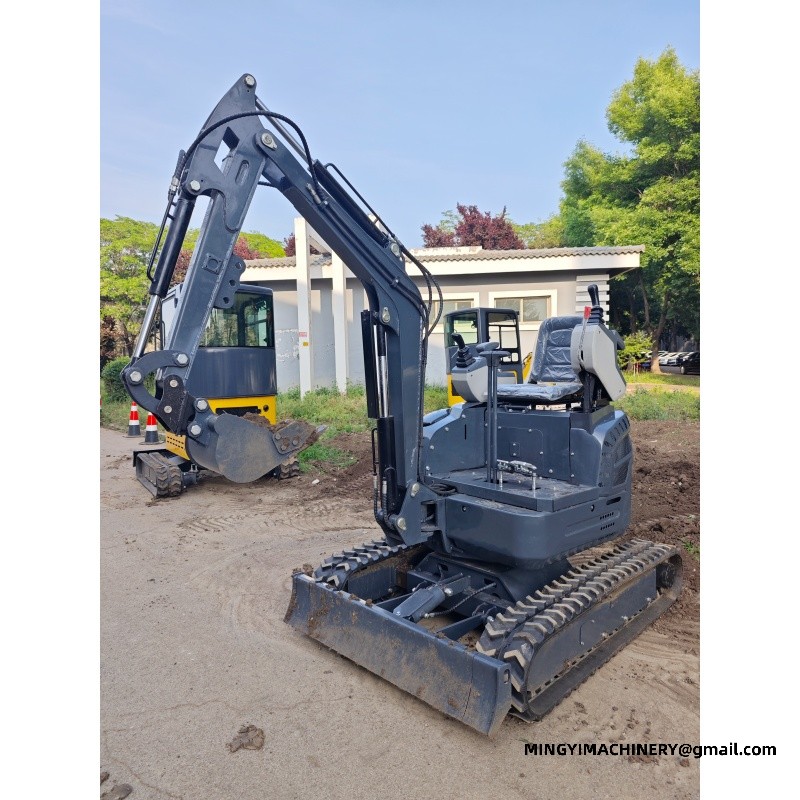
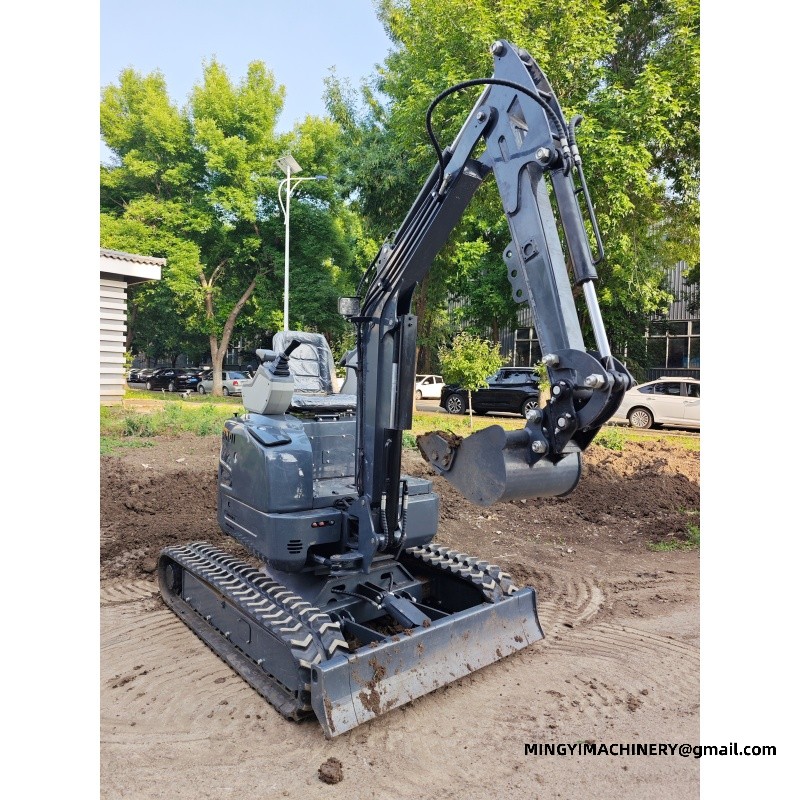
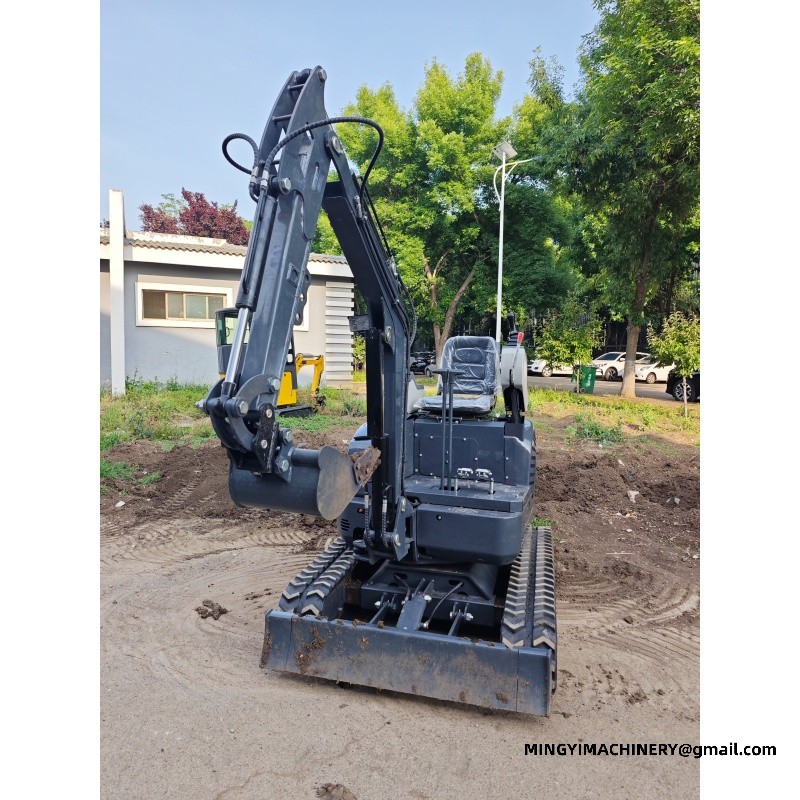
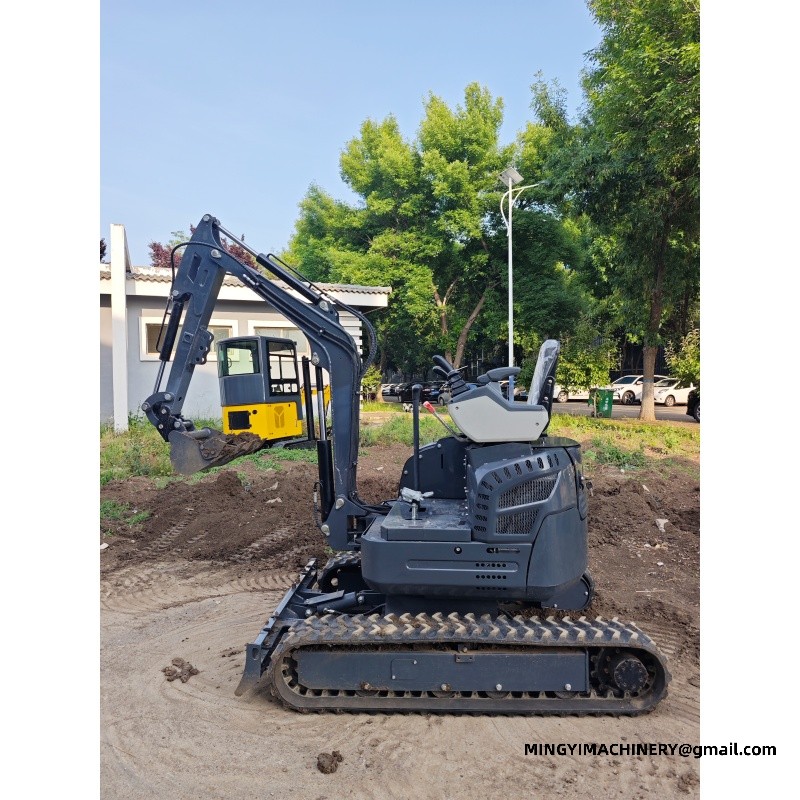
Reference specification — mini excavator range 09W 13W 20-1WL 20-3W Operating weight 1100 kg (2425.08 lb) 1300 kg (2866.01 lb) 1900 kg (4188.78 lb) 1900 kg (4188.78 lb) Transport size (L×W×H) 1800 × 750 × 1970 mm 2200 × 930 × 2250 mm 2550 × 1100 × 2200 mm 2550 × 1100 × 2200 mm Max digging depth 1250 mm (49.21 in) 1630 mm (64.17 in) 1800 mm (70.87 in) 1800 mm (70.87 in) Max digging height 2800 mm (110.24 in) 2750 mm (108.27 in) 2820 mm (111.02 in) 2820 mm (111.02 in) Max dumping height 1700 mm (66.93 in) 1960 mm (77.17 in) 2050 mm (80.71 in) 2050 mm (80.71 in) Max digging radius 2570 mm (101.18 in) 2900 mm (114.17 in) 3050 mm (120.08 in) 3050 mm (120.08 in) Max digging distance 1869 mm (73.58 in) 2100 mm (82.68 in) 2300 mm (90.55 in) 2300 mm (90.55 in) Minimum turning radius 1000 mm (39.37 in) 1300 mm (51.18 in) 1450 mm (57.09 in) 1450 mm (57.09 in) Travel speed 3 km/h (1.86 mph) 3 km/h (1.86 mph) 5 km/h (3.11 mph) 5 km/h (3.11 mph) Gradeability 30° 30° 30° 30° Fuel consumption 1-1.3 L/h (0.264—0.343 gal) 1-1.3 L/h (0.264—0.343 gal) 2-3 L/h (0.528—0.793 gal) 2-3 L/h (0.528—0.793 gal) Fuel tank capacity 8 L (2.11 gal) 10 L (2.64 gal) 16 L (4.23 gal) 16 L (4.23 gal) Hydraulic oil tank 16 L (4.23 gal) 16 L (4.23 gal) 18 L (4.76 gal) 18 L (4.76 gal) Dozer blade lift height 180 mm (7.09 in) 180 mm (7.09 in) 180 mm (7.09 in) 180 mm (7.09 in) Dozer blade drop depth 210 mm (8.27 in) 210 mm (8.27 in) 210 mm (8.27 in) 210 mm (8.27 in)
Q. What is the unit in daily use used for?
A. Inside the 0.8 to 6 tonne class MINGYI builds as the 08, 12 and 18 models lives most of the site, farm and rental work in the world. Tracks, cabs and attachments are common across the range, so the size decision is mostly about where the machine must fit and what it must lift. Read a machine of this size together with the engine, track and attachment pages: jobs around solid frame are decided by how those choices line up, not by any single number on the sheet.
Q. What changes between the size classes?
A. Reach, lift and stability grow with the class; doorways and trailer weight limits close. The smallest classes trade reach for access, the largest trade access for full-size work rates, and tracks, cabs and attachments stay common across the range.
Q. What about colours and branding?
A. OEM colours and decals are part of the build: private-label machines carry the buyer brand on the standard MINGYI platform, and the solid frame order confirms colours, marks and documents before production starts.
Documents that travel with the equipment on site
A clear parts book saves more time than any other document. When the machine itself needs a replacement, the illustration and the part number are what turn a phone call into a shipment instead of a description.
Cold weather and winter care for the model in question
Cold exposes weak batteries, thick oil and water in the fuel. Preparing the machine in that duty for winter means the right grade of oil, a battery in good condition and fuel that will not wax in the tank overnight.
E-mail : sales@mingycn.com
LINE ( ID ): mingyicn
Related pages
mini excavator for daily digging · low noise small excavator · Payloader Machine: What the Name Covers and How to Specify One · Mini Excavators









