Moving a tree is a job of timing and care. The root ball has to stay intact, the trunk has to be held upright, and the planting hole has to be ready before the tree leaves the ground. A compact excavator with a thumb can lift and hold a root ball while the operator prepares the new position.
MINGYI builds compact excavators with hydraulic thumbs for landscape and nursery work. The thumb and bucket are chosen together at ordering, so the machine can grip a root ball or a wrapped trunk without crushing it.
Handling trees and root balls with a thumb
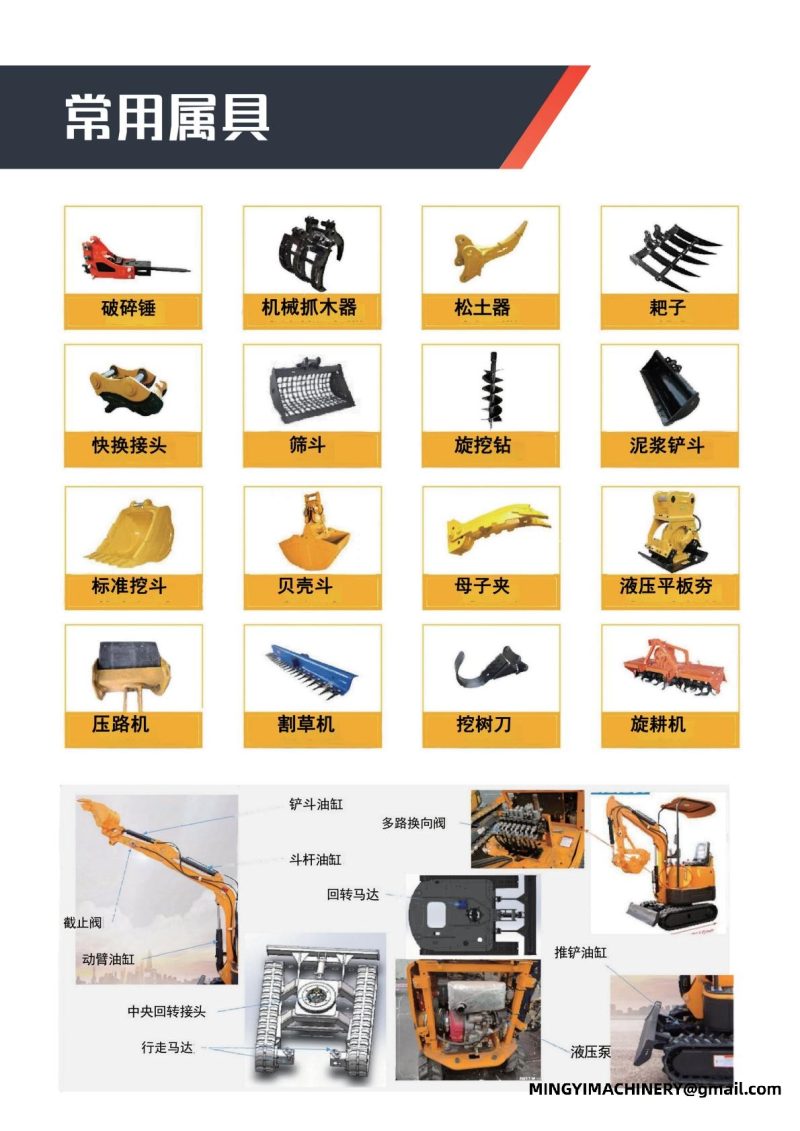
The thumb closes against the bucket to form a grab. Used carefully, that grip supports a root ball through lifting and placing without the machine having to hook or sling the tree, which reduces the risk of damage to the bark.
Small trees and shrubs can be lifted whole with the surrounding soil, then set straight into a pre-dug pit. Having the excavator cut the pit first means the tree spends as little time out of the ground as possible.
Working around existing planting and surfaces
Nurseries and established gardens leave little room to manoeuvre. A compact machine with rubber tracks can work between beds and along paths without rutting the ground or compacting soil around the roots that stay in place.
Where the machine must pass close to planting, a swing boom lets the operator keep the tracks clear and reach the pit from one side. Buyers should confirm thumb type and bucket width when the order is placed.
A thumb-equipped compact excavator handles trees the way a planting job needs, carefully and without a second machine. MINGYI builds these machines to order.
Road and paving work for tree moving mini excavator with thumb Road repair generates short, interrupted jobs - a patch, a drainage connection, a kerb line. The excavator is economical here because it travels on a small trailer and starts working minutes after arriving. Patching and reinstatement favour a machine that can work in a lane closure. This class of machine occupies less road than a full-size excavator, which reduces the traffic management needed and the length of the closure. Trenching work with tree moving mini excavator with thumb Trench quality depends on the bucket width and the operator, not on machine size. The unit in daily use with a narrow bucket and a swing boom cuts a clean run along a boundary without disturbing the ground either side of it. Depth control matters more on service work than speed. A machine of this size working beside live services is chosen because it can be placed precisely and stopped instantly, which is what the job actually requires. Lifting and material handling with a tree moving mini excavator with thumb Lifting with a machine built to dig needs a plan. The load, the radius and the ground under the machine itself all matter, and the safe figure is the one on the chart rather than the one that looks possible. Stability changes with reach. A load the equipment on site handles close in becomes a different proposition at full extension, so the working radius belongs in the plan before the lift rather than during it. Working on slopes and uneven ground with tree moving mini excavator with thumb Ground that looks level often is not. The model in question crossing a filled trench, a soft edge or a hidden void behaves differently from one on undisturbed ground, and those are the places worth walking before driving. Planning the direction of travel helps. Working so that the machine in that duty is stable under load and not required to turn on a slope is a decision made before the job starts, not a correction made during it. Working a tree moving mini excavator with thumb through the seasons Weather decides which days are productive. Rain turns some ground unusable and cold changes how the unit on the job starts and warms up, so planning the wet months around maintenance is more useful than planning around output. Seasonal planning smooths the workload. Machines that are busy for a few months and idle for the rest benefit from a service slot in the quiet period, and a machine built for the work prepared in the off-season starts the busy months reliably. Attachments that turn tree moving mini excavator with thumb into several machines The base machine is a carrier; the tool on the end of the arm decides the task. The equipment in service fitted with a toothed bucket digs, and the same machine with a breaker, an auger or a grab does work that would otherwise need a second unit on site. Attachment lists are best written before delivery. Specifying the excavator with the tools the job list needs avoids the work and delay of adding hydraulics later, and a quick coupler makes the swap a few minutes instead of a workshop job. Specifying this class of machine against a job list Buyers who skip this step either over-buy or under-buy. The unit in daily use specified only from machine size tends to arrive without the coupler, the circuits or the track type the work actually needs. Useful information to send with an enquiry includes working width, required digging depth, ground conditions and the attachment set. Those four items let the factory specify a machine of this size that fits rather than a generic build. Hiring versus owning the equipment on site The choice follows the hours. Work that fills a few weeks a year is usually better hired, while the machine itself that would be on site most weeks starts to justify ownership once the transport and booking time is counted. Availability is part of the decision. Owning the model in question means it is there on the day the ground is ready; hiring means competing for the same machine at the same time as everyone else in the season. Working near live services with the machine in that duty Digging near water, gas and cable is a precision job. The unit on the job is used here because the operator can work in short controlled cuts and because the machine can be positioned without driving over the run being exposed. The risk on utility work is not machine power but machine placement. A machine built for the work that fits the working width leaves the surrounding ground undisturbed, which keeps the trench stable and the reinstatement small. Matching the equipment in service to ground conditions Soft ground is a flotation problem, not a power problem. The excavator on wide rubber tracks crosses lawn, sand and cultivated soil that would stop a narrower machine or a wheeled unit of the same capacity. Hard and abrasive ground reverses the specification. On rock, demolition rubble or sharp gravel, steel tracks with rubber blocks on this class of machine survive conditions that cut a rubber belt quickly. Working the unit in daily use in confined spaces Clearance above matters as much as around. Door heights, pipework and overhead services set the limit for a machine of this size indoors, and measuring them first avoids a machine that arrives and cannot be used. Ventilation is the other indoor constraint. Running the equipment on site inside a closed structure needs air movement, and that is a planning item rather than something to discover after the first hour. Specification data for the machine itself The figures below are the factory figures for the models most often matched to the model in question. They are the numbers to check against the site: the depth the work needs, the reach from one position, and the width of the narrowest point on the route in. Figures are factory figures and are confirmed on the build sheet for the machine in that duty. Where a job sits between two models, the larger machine usually takes less time than the smaller one spends on rework. The first question on most job lists is whether the machine can reach the work at all. The unit on the job is chosen against the narrowest point on the route - a garden gate, a doorway, a gap between two walls - because a machine that arrives and then cannot pass loses a day, not an hour. Contractors who buy a machine built for the work normally have one job in mind that nothing else reaches. The purchase order follows the access measurement, not the other way round, and the build sheet is then settled around it.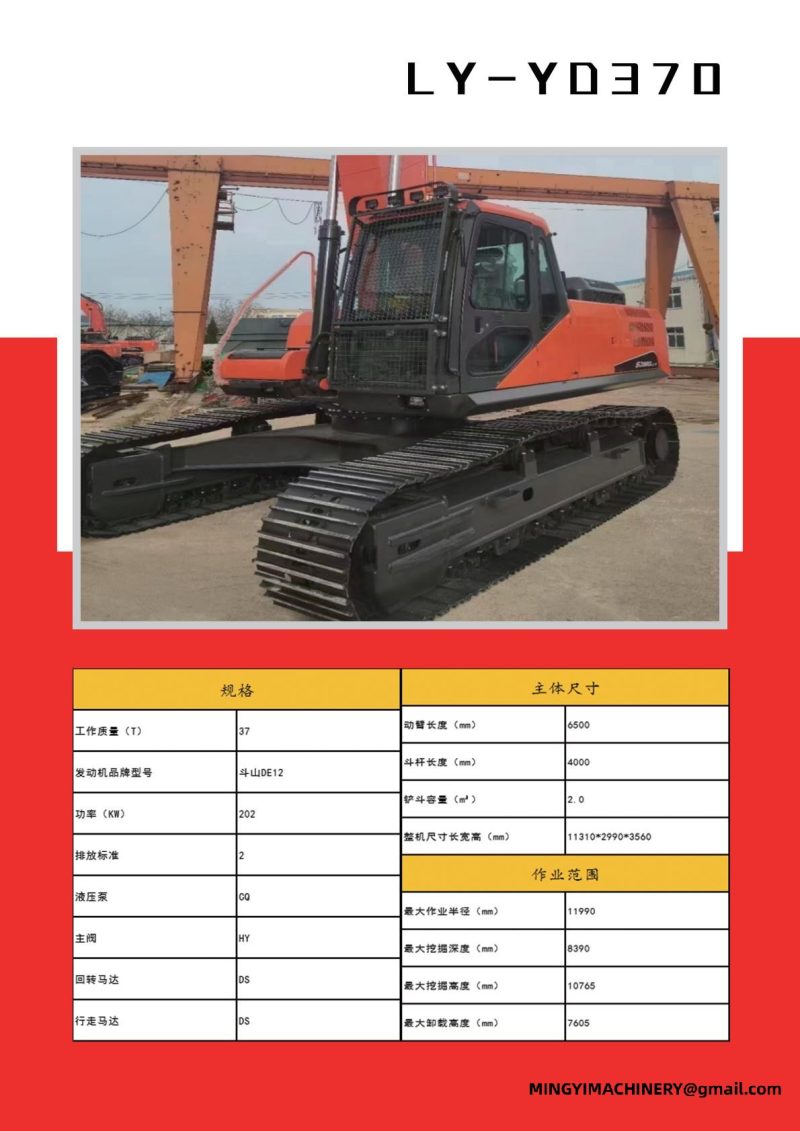
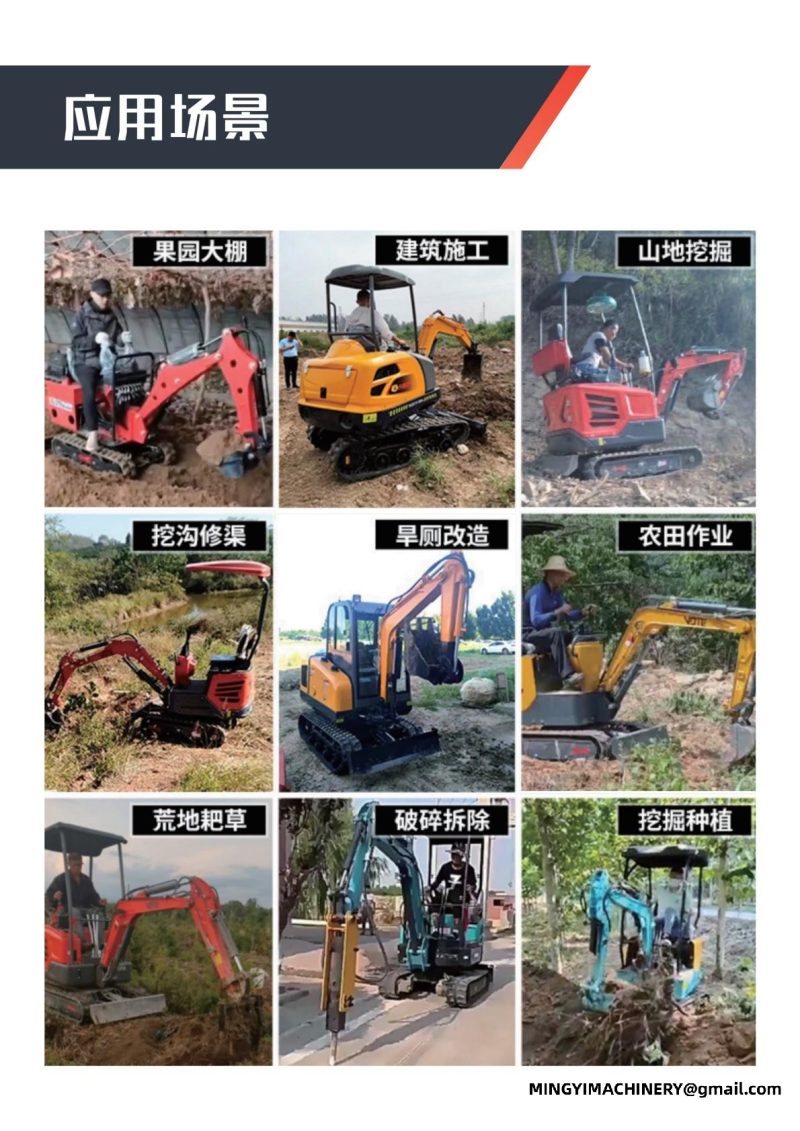
Reference specification — mini excavator range 09W 12W 12L 15L Operating weight 1100 kg (2425.08 lb) 1200 kg (2645.55 lb) 1200 kg (2645.55 lb) 1400 kg (3086.47 lb) Transport size (L×W×H) 1800 × 750 × 1970 mm 2200 × 930 × 2250 mm 2200 × 930 × 2250 mm 2200 × 930 × 2250 mm Max digging depth 1250 mm (49.21 in) 1630 mm (64.17 in) 1700 mm (66.93 in) 1700 mm (66.93 in) Max digging height 2800 mm (110.24 in) 2750 mm (108.27 in) 2600 mm (102.36 in) 2750 mm (108.27 in) Max dumping height 1700 mm (66.93 in) 1960 mm (77.17 in) 1800 mm (70.87 in) 1960 mm (77.17 in) Max digging radius 2570 mm (101.18 in) 2900 mm (114.17 in) 2900 mm (114.17 in) 2900 mm (114.17 in) Max digging distance 1869 mm (73.58 in) 2100 mm (82.68 in) 2300 mm (90.55 in) 2300 mm (90.55 in) Minimum turning radius 1000 mm (39.37 in) 1300 mm (51.18 in) 1450 mm (57.09 in) 1450 mm (57.09 in) Travel speed 3 km/h (1.86 mph) 3 km/h (1.86 mph) 3 km/h (1.86 mph) 3 km/h (1.86 mph) Gradeability 30° 30° 30° 30° Fuel consumption 1-1.3 L/h (0.264—0.343 gal) 1-1.3 L/h (0.264—0.343 gal) 1-1.3 L/h (0.264—0.343 gal) 1-1.3 L/h (0.264—0.343 gal) Fuel tank capacity 8 L (2.11 gal) 10 L (2.64 gal) 10 L (2.64 gal) 10 L (2.64 gal) Hydraulic oil tank 16 L (4.23 gal) 16 L (4.23 gal) 16 L (4.23 gal) 16 L (4.23 gal) Dozer blade lift height 180 mm (7.09 in) 180 mm (7.09 in) 180 mm (7.09 in) 180 mm (7.09 in) Dozer blade drop depth 210 mm (8.27 in) 210 mm (8.27 in) 210 mm (8.27 in) 210 mm (8.27 in)
Q. What is the equipment in service used for?
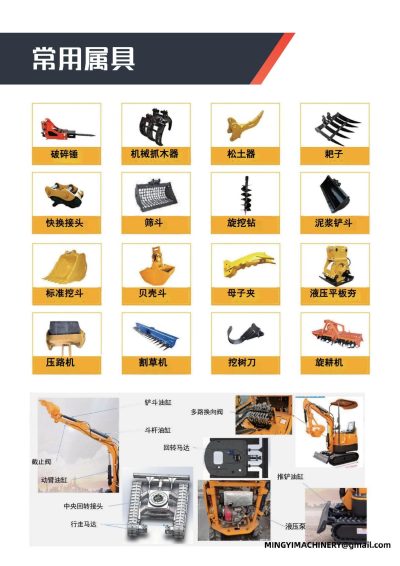
A. An attachment widens the range of jobs a single compact excavator can specification and win, which is why the working set matters as much as the base machine. A digger that only digs competes with shovels; a digger with the right working set competes for whole jobs. MINGYI builds the 08, 12 and 18 models covering the 0.8 to 6 tonne class, and the excavator is where that range meets thumb.
Q. How do I know which attachment my machine can run?
A. Compare the carrier hydraulic flow with what the attachment asks for, and the lifting moment with what it weighs at full reach. Lower-flow carriers still run buckets, rakes and mechanical tools; hungry attachments call for the high-flow option, and MINGYI confirms the pairing before the order ships.
Q. Does MINGYI supply attachments with the machine?
A. Yes - buckets, breakers, augers, rakes and the rest of the working set ship with the carrier, matched to the hydraulic flow and the coupler. For thumb the package is confirmed on the build sheet, so machine and tools arrive together and start work together.
Documents that travel with this class of machine
A clear parts book saves more time than any other document. When the unit in daily use needs a replacement, the illustration and the part number are what turn a phone call into a shipment instead of a description.
Moving a machine of this size between sites
Securing the load is not optional. Lashing the equipment on site at the points intended for it, checking the tension before the vehicle moves and rechecking after the first kilometres is standard practice rather than extra care.
E-mail : sales@mingycn.com
LINE ( ID ): mingyicn
Wear limits and replacement points on tree moving mini excavator with thumb
Every wearing part has a measurable point where it should come off rather than be watched, and that point is published by the manufacturer.
Related pages
refurbished mini excavator · pilot operated mini excavator · Compact Wheel Loader: Choosing Between the Two Entry Builds · Mini Excavators









