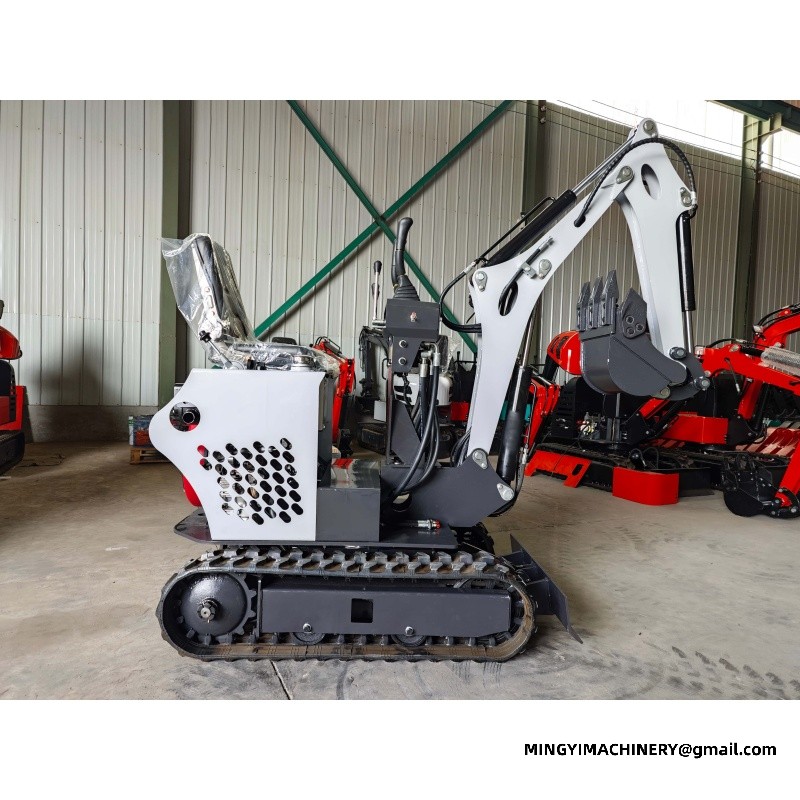
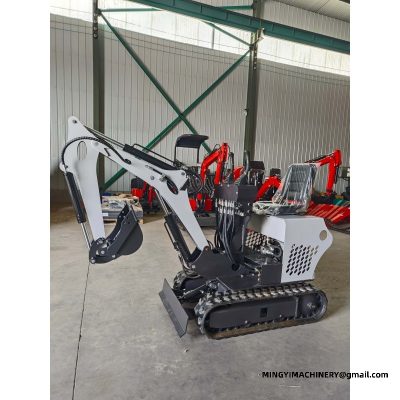
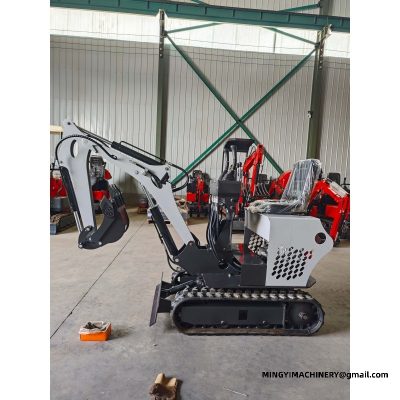
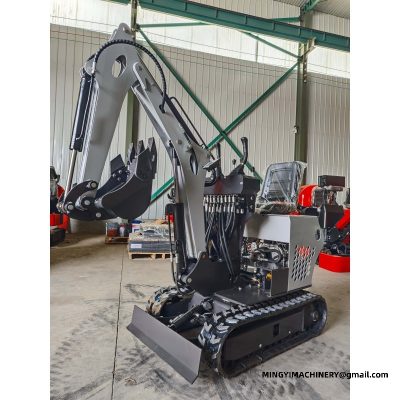
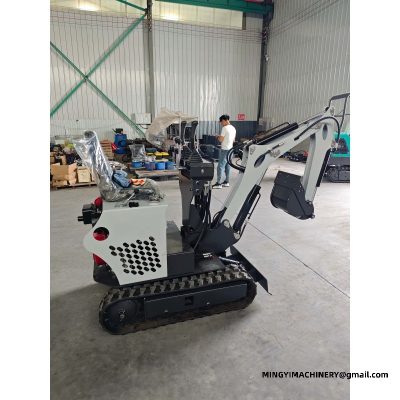
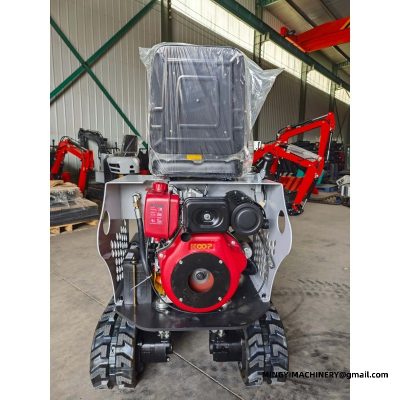
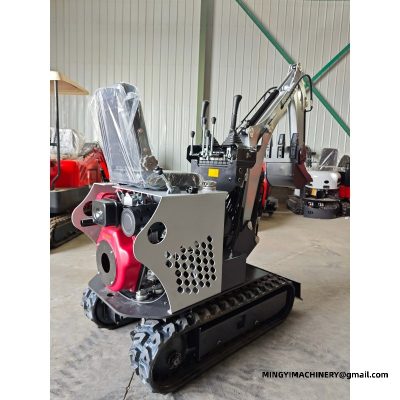
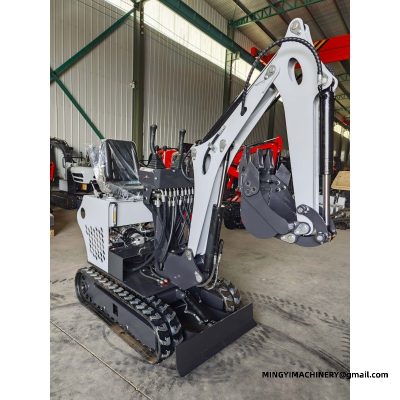
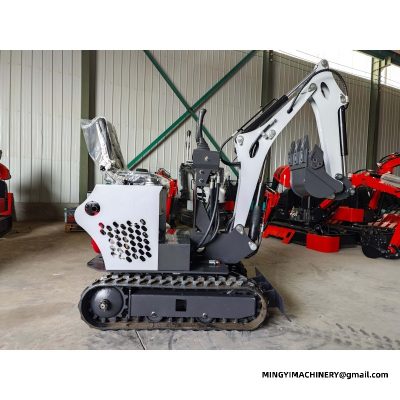
Small jobs pay the same invoices as large ones, they just pay them faster and closer together. A mini excavator sized for small jobs, from the MINGYI range, keeps a crew productive on work that would strand a bigger machine: short trenches, single foundations and repair digs.
Machines in the smaller classes of the 0.8 to 6 tonne range move between sites on ordinary transport and set up where a full-size excavator could not stand. For trades whose work arrives in small packages, that mobility decides whether they specification or decline.
Small jobs where a mini excavator fits
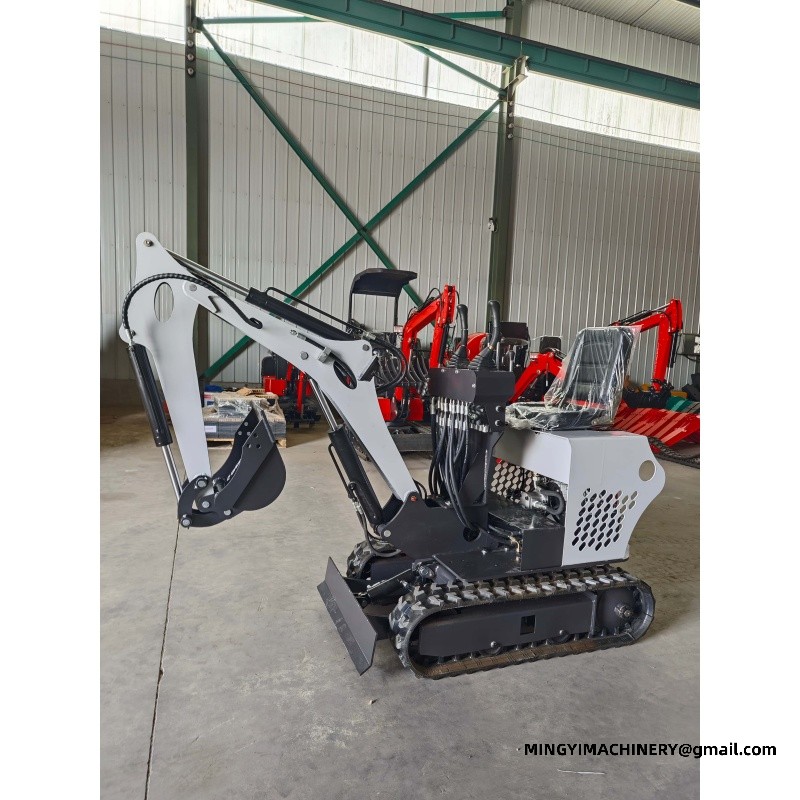
The list runs long: service connections to single properties, footing digs for extensions, pool and pond shaping, fence lines, tree planting and the digging half of landscaping contracts. Each job is short, so travel and setup matter more than digging force.
A machine one person can trailer, unload and put to work within minutes suits this rhythm. The smaller MINGYI classes are built around exactly that pattern of frequent, short deployments.
Equipping the machine for short-notice work
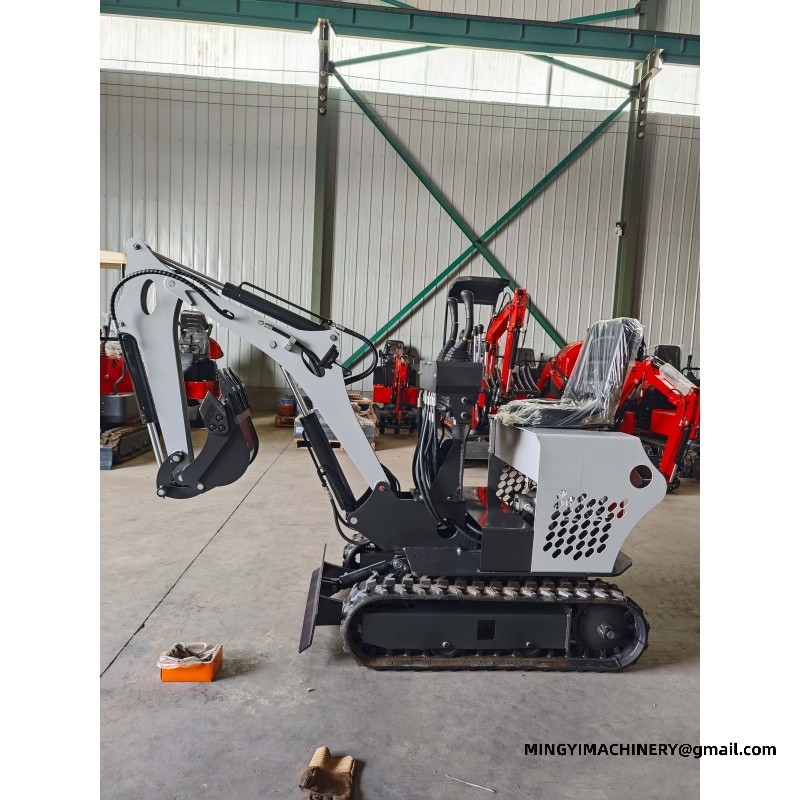
Small jobs arrive without site data, so versatility wins: a quick coupler, a sensible bucket set and one or two powered attachments such as an auger or breaker cover most specifications. Rubber tracks keep the machine welcome on driveways and lawns.
Buyers should describe the spread of work they specification for, and the build is configured accordingly, with engine option, cab format and hydraulic feed recorded against the machine. Spare parts ship with each unit so short jobs are not extended waiting on consumables.
The right machine for small jobs is the one that arrives quickly, works cleanly and leaves without a trace. Specify for that rhythm, and the small-job market stays worthwhile.
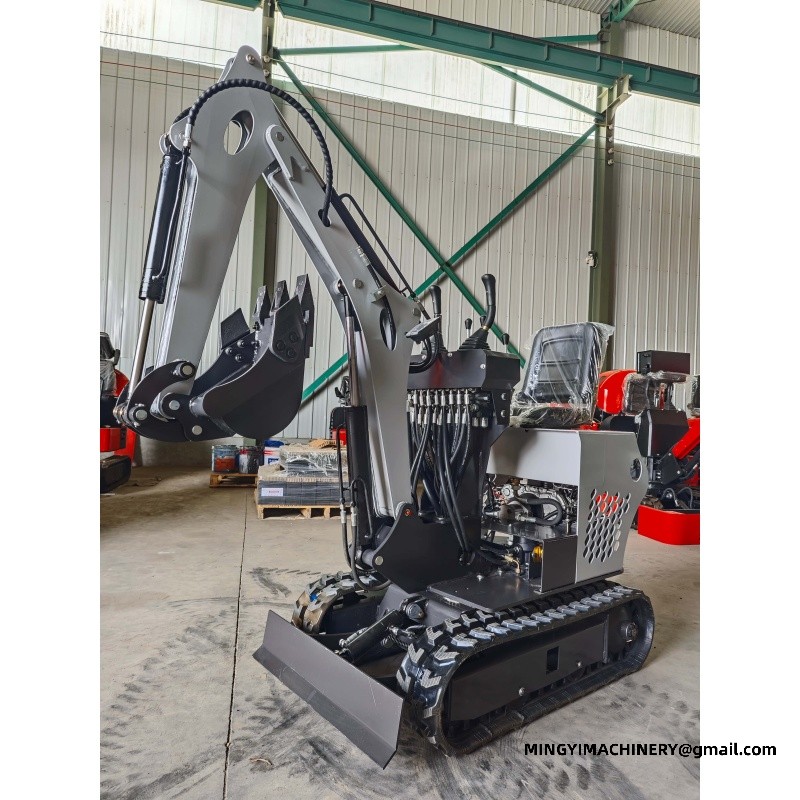
Track choice for mini excavator for small jobs Rubber tracks suit paved and landscaped ground because they spread the machine weight and leave the surface intact. Steel tracks with rubber blocks are specified where the ground is rougher or the working day is longer, and the choice can be made per machine rather than accepted as a factory default. Undercarriage selection is a ground question, not a preference question. The excavator running on finished paving needs rubber; the same machine on demolition rubble or rock wears rubber quickly, so steel with rubber blocks becomes the better answer over a full season. Landscaping and ground care with mini excavator for small jobs Landscape contractors use this class of machine for planting holes, pond excavation, grading and retaining work. The machine is light enough to cross finished lawn and narrow enough to work between established trees. Grass cutting heads, rakes and tillers extend the unit in daily use into ground care. The same carrier that digs a border in spring can cut and clear the same area later in the season. Canopy or enclosed cab on a mini excavator for small jobs A canopy keeps the machine light and the operator aware of the surroundings, which suits short jobs in warm weather. A fully enclosed cab is specified where rain, dust or cold are part of the working year, and it can be added to a machine of this size as a retrofit rather than only at build time. Enclosure also changes noise and dust exposure. A sealed cab on the equipment on site keeps dust out on dry sites and lets the machine work through weather that would otherwise stop a canopy machine for the day. Acceptance checks when a mini excavator for small jobs arrives A function check before the machine goes to work is worth the hour. Running through the controls, the travel and the attachment circuit on the machine itself confirms it is set up as specified and ready for the site. Documentation should arrive with the machine. Parts list, service schedule and any certificates for the model in question are what the workshop needs later, and they are much easier to obtain at delivery than in month six. Road and paving work for mini excavator for small jobs Road repair generates short, interrupted jobs - a patch, a drainage connection, a kerb line. The machine in that duty is economical here because it travels on a small trailer and starts working minutes after arriving. Patching and reinstatement favour a machine that can work in a lane closure. The unit on the job occupies less road than a full-size excavator, which reduces the traffic management needed and the length of the closure. Trenching work with mini excavator for small jobs Service trenches are the most common reason a machine built for the work is hired. Water, sewage, cable and gas runs are narrow, shallow and often close to existing services, which is exactly the work a full-size machine cannot do safely. Depth control matters more on service work than speed. The equipment in service working beside live services is chosen because it can be placed precisely and stopped instantly, which is what the job actually requires. Hydraulic circuits on the excavator Auxiliary hydraulic lines are what let a machine drive a tool rather than only a bucket. This class of machine specified with the right circuits and flow runs a breaker or an auger without an add-on power pack bolted to the frame. Hydraulic specification is easier to settle at build time than to correct later. The unit in daily use delivered without auxiliary lines can still dig, but every additional tool becomes a retrofit project. Working a machine of this size in confined spaces Confined sites are decided by dimensions. Overall width, tail swing and the space needed to work the arm are what let the equipment on site operate inside a building, between walls or in a courtyard. Ventilation is the other indoor constraint. Running the machine itself inside a closed structure needs air movement, and that is a planning item rather than something to discover after the first hour. Orchard, vineyard and farm use of the model in question Orchard and vineyard work is carried out between rows. The machine in that duty with a narrow chassis and a swing boom works down the row without damaging the trees, which is the reason a full-size machine is not used at all. Farms also use the unit on the job for general maintenance - clearing a watercourse, repairing a track, loading a spreader. One carrier with a few attachments covers most of the jobs that would otherwise wait for a contractor. Lifting and material handling with a machine built for the work Lifting with a machine built to dig needs a plan. The load, the radius and the ground under the excavator all matter, and the safe figure is the one on the chart rather than the one that looks possible. Stability changes with reach. A load the equipment in service handles close in becomes a different proposition at full extension, so the working radius belongs in the plan before the lift rather than during it. Attachments that turn this class of machine into several machines The base machine is a carrier; the tool on the end of the arm decides the task. The unit in daily use fitted with a toothed bucket digs, and the same machine with a breaker, an auger or a grab does work that would otherwise need a second unit on site. Attachment lists are best written before delivery. Specifying a machine of this size with the tools the job list needs avoids the work and delay of adding hydraulics later, and a quick coupler makes the swap a few minutes instead of a workshop job. Specification data for the equipment on site Where the machine itself is being specified for a job list, the table below gives the factory figures that matter most: what the machine weighs, how deep and how far it works, and what it measures on a trailer. Figures are factory figures and are confirmed on the build sheet for the model in question. Where a job sits between two models, the larger machine usually takes less time than the smaller one spends on rework. Breaking out a floor slab, a wall footing or a concrete step is routine work for the machine in that duty with a breaker. The machine is small enough to work inside and heavy enough to run the tool at a practical rate. Dust, debris clearance and floor loading all argue for a compact machine indoors. The unit on the job spreads its weight over a wider track footprint than a wheeled machine of similar capacity.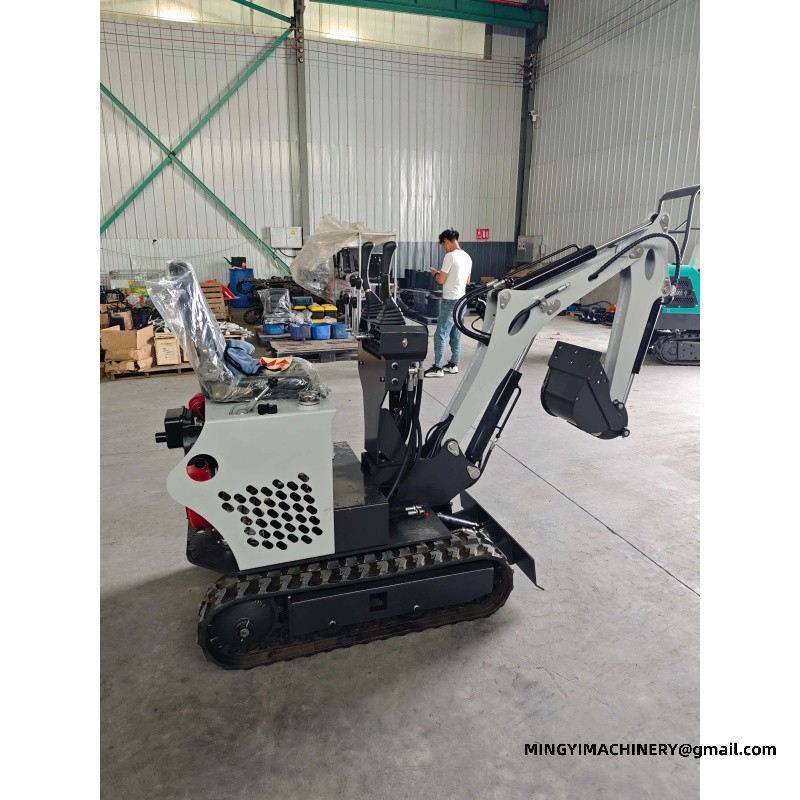
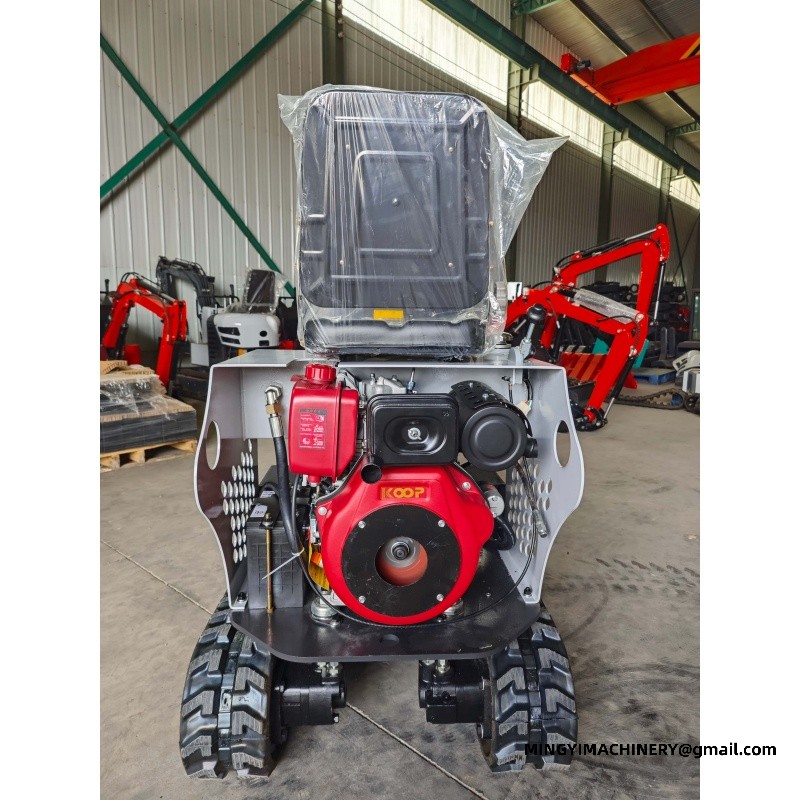
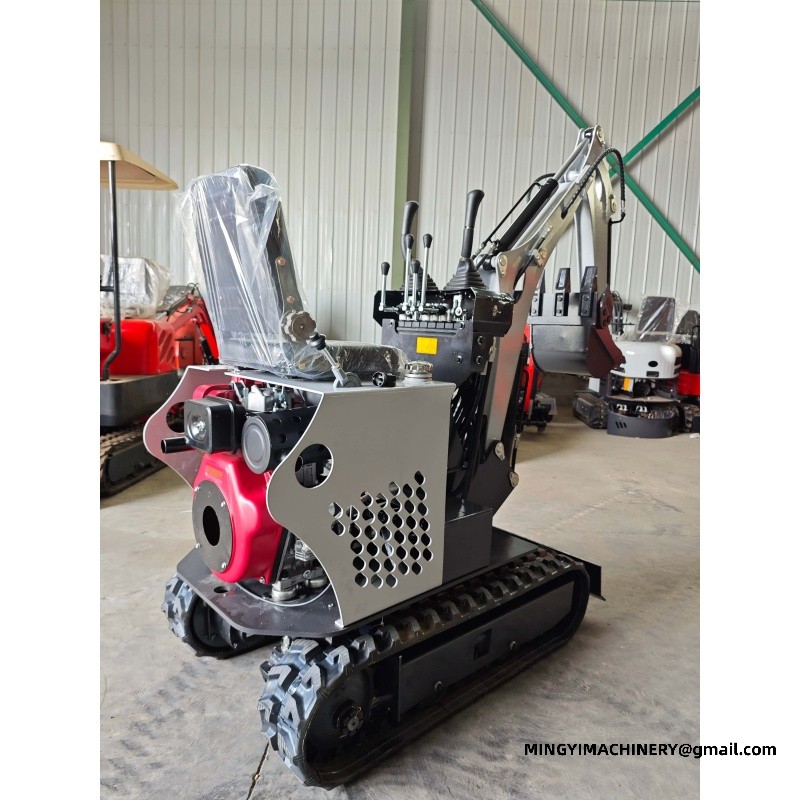
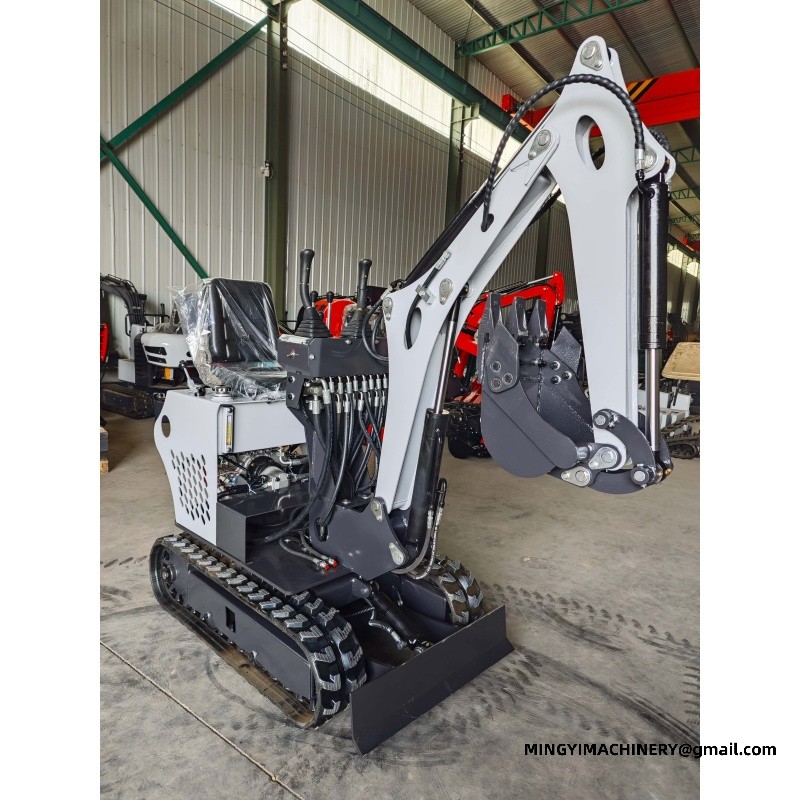
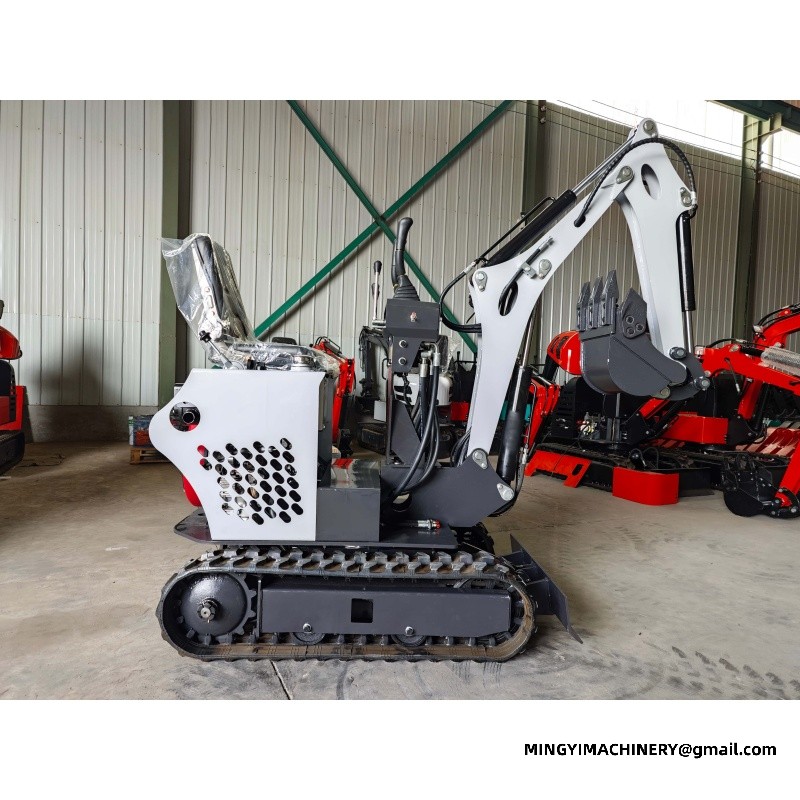
Reference specification — mini excavator range 12W 15W 30-2W 30-2L Operating weight 1200 kg (2645.55 lb) 1400 kg (3086.47 lb) 2700 kg (5952.48 lb) 2400 kg (5291 lb) Transport size (L×W×H) 2200 × 930 × 2250 mm 2200 × 930 × 2250 mm 3000 × 1100 × 2700 mm 2800 × 1500 × 2500 mm Max digging depth 1630 mm (64.17 in) 1630 mm (64.17 in) 2200 mm (86.61 in) 2200 mm (86.61 in) Max digging height 2750 mm (108.27 in) 2750 mm (108.27 in) 3000 mm (118.11 in) 2900 mm (114.17 in) Max dumping height 1960 mm (77.17 in) 1960 mm (77.17 in) 2000 mm (78.74 in) 2100 mm (82.68 in) Max digging radius 2900 mm (114.17 in) 2900 mm (114.17 in) 3800 mm (149.61 in) 3330 mm (131.1 in) Max digging distance 2100 mm (82.68 in) 2100 mm (82.68 in) 3050 mm (120.08 in) 2700 mm (106.3 in) Minimum turning radius 1300 mm (51.18 in) 1300 mm (51.18 in) 1750 mm (68.9 in) 1555 mm (61.22 in) Travel speed 3 km/h (1.86 mph) 3 km/h (1.86 mph) 7 km/h (4.35 mph) 7 km/h (4.35 mph) Gradeability 30° 30° 30° 30° Fuel consumption 1-1.3 L/h (0.264—0.343 gal) 1-1.3 L/h (0.264—0.343 gal) 2-3 L/h (0.528—0.793 gal) 2-3 L/h (0.528—0.793 gal) Fuel tank capacity 10 L (2.64 gal) 10 L (2.64 gal) 16 L (4.23 gal) 16 L (4.23 gal) Hydraulic oil tank 16 L (4.23 gal) 16 L (4.23 gal) 20 L (5.28 gal) 18 L (4.76 gal) Dozer blade lift height 180 mm (7.09 in) 180 mm (7.09 in) 230 mm (9.06 in) 230 mm (9.06 in) Dozer blade drop depth 210 mm (8.27 in) 210 mm (8.27 in) 280 mm (11.02 in) 280 mm (11.02 in)
Q. What are the machine built for the work?
A. One machine, one trailer, one operator and a full week of varied work is the whole idea behind the compact excavator class. The limit is reach and lift, not willingness: within its envelope the compact machine holds a full-size work rate. The equipment in service is one of the pages buyers land on when comparing machines for small jobs, and the factory treats it as a specification conversation rather than a catalogue line.
Q. What can I expect from a compact excavator in a normal week?
A. Trenching one day, loading and grading the next, fence posts and drainage through the rest - one machine, one trailer, one operator, and the attachment set specifications the work.
Q. What support follows the sale?
A. Spare-part kits, wear items and service documentation ship with the programme, and the parts team works from the serial plate to match components exactly. Warranty and support terms for the small jobs order are confirmed in writing before the machine leaves.
Fuel, oil and fluid quality for the excavator
Contamination is easier to prevent than to cure. Keeping the filler caps sealed, the funnels clean and the containers closed around this class of machine is unglamorous work that shows up as reliability later.
Handover and getting familiar with the unit in daily use
Operators who come from a different machine need a short conversion. The controls on a machine of this size follow the usual pattern, but the response, the sightlines and the stopping distance are learned by doing rather than by reading.
E-mail : sales@mingycn.com
LINE ( ID ): mingyicn
Fire prevention and emergency steps for mini excavator for small jobs
Most machine fires start with heat, oil and a dry screen of debris, and the first defence is a clean engine bay.
Everyone on site should know how to shut the machine down quickly, including from outside the cab.
After any thermal event, the wiring loom and the hoses are inspected before the machine returns to work.
Related pages
mini excavator for everyday farm jobs · mini excavator for landscape contractors · Payloader Machine: What the Name Covers and How to Specify One · Mini Excavators









