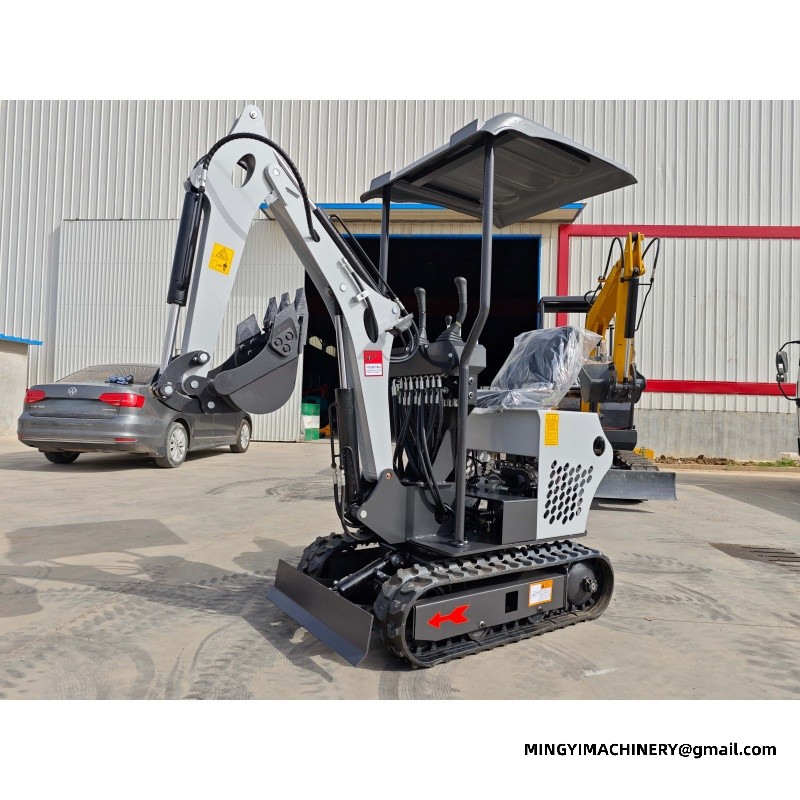
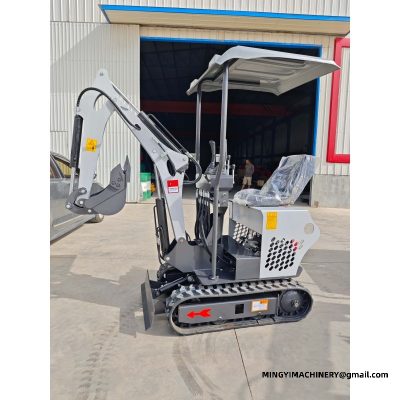
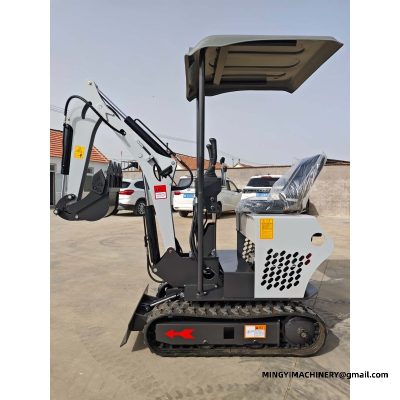
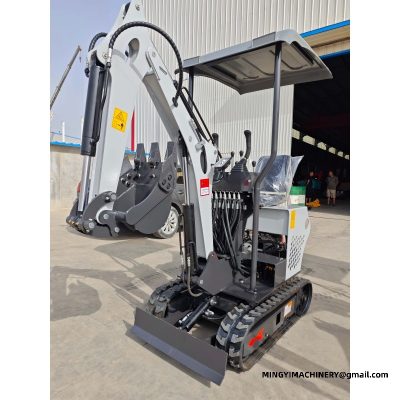
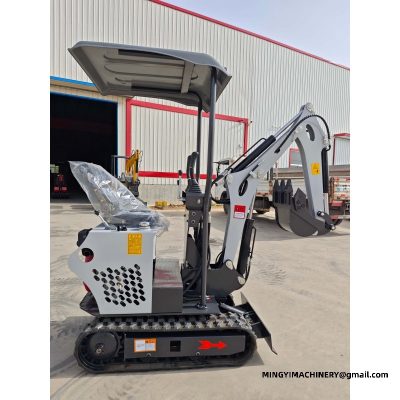
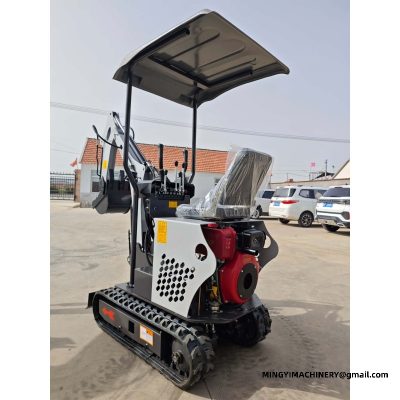
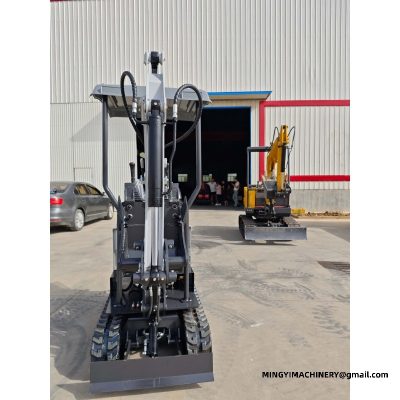
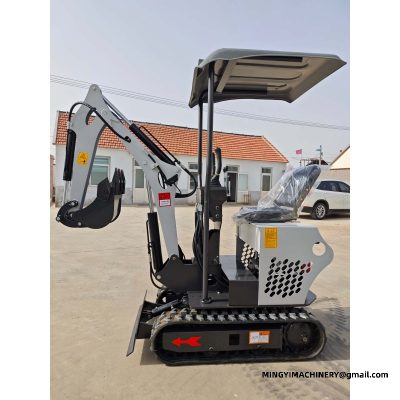
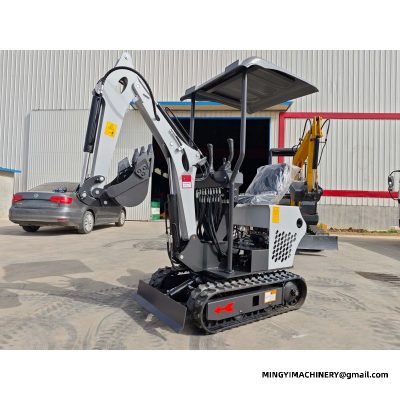
A contracting business buys compact excavators to keep crews productive on jobs too small for a full-size machine and too frequent to hire for. The machine has to travel well between sites, start reliably and accept a range of attachments without a workshop visit between jobs.
MINGYI builds compact crawler excavators to order, which suits contractors who run a mixed workload. Rather than buying a machine fixed to one attachment, a contractor can specify a coupler and a set of tools covering the trades the business carries out.
Running a mini excavator across several trades
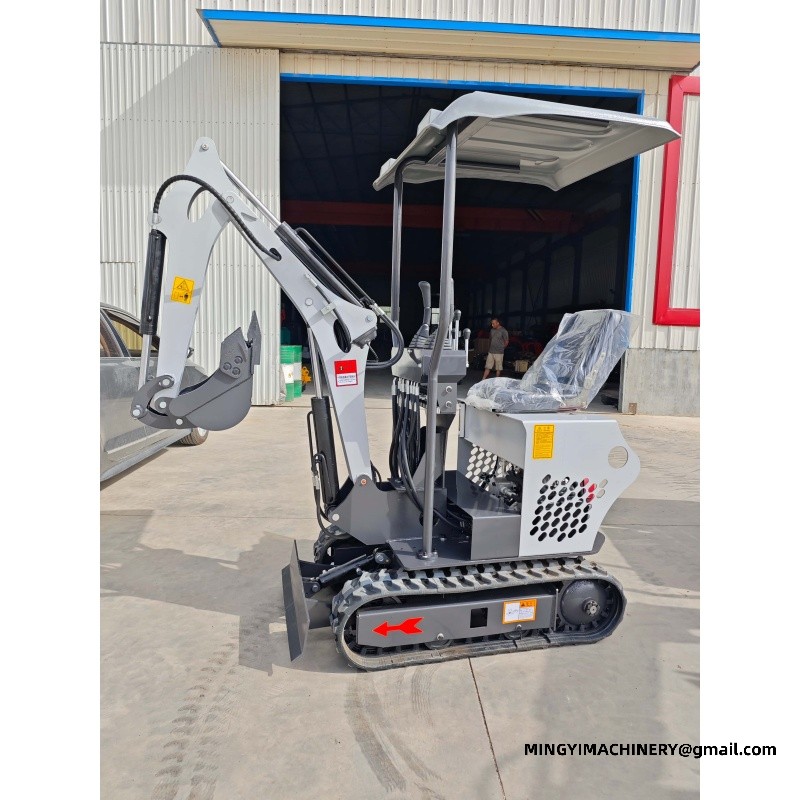
A compact machine earns its place by its reach across tasks. One unit may cut a drainage trench in the morning, break out a path in the afternoon and drill post holes later in the week, with only a coupler change between.
That flexibility places demands on the hydraulic package, because the machine has to drive a breaker and an auger as well as a bucket. Buying a unit sized for the heaviest attachment in the set keeps it inside its design.
Specifying a compact excavator for a contracting fleet
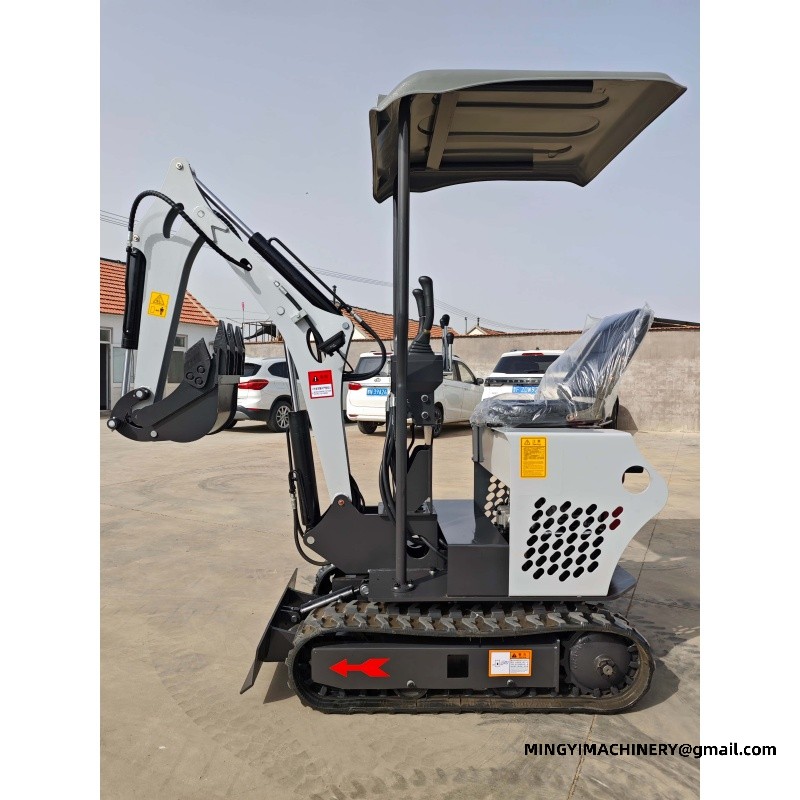
Contractors usually care about commonality, so operators can move between machines and stores carry one set of parts. Ordering several units to the same specification, with the same coupler and attachment set, is simpler to support than a mixed fleet.
Track type is chosen against the work the fleet handles most often. Rubber tracks suit domestic and landscaping contracts, while steel tracks with rubber blocks are specified where ground conditions are rougher and grip is the limiting factor.
For a contracting business, a mini excavator is judged on how many jobs it can be sent to and how little time it loses to tool changes. A machine ordered with the coupler and attachments already agreed stays on the programme.
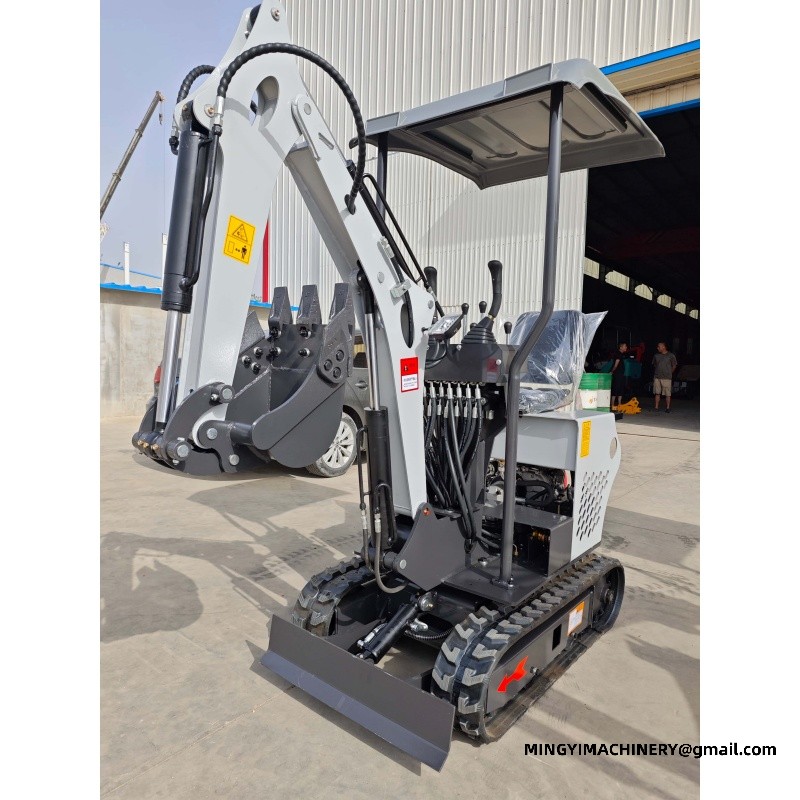
Export packing and shipping of mini excavator for general contractors Machines leave the factory prepared for container or flat rack shipment. The excavator is normally shipped with the attachment set and the spare parts list agreed in advance so the container is planned once. Export documentation, decals and paint are settled before packing. Asking for them with the this class of machine order avoids a second handling session and keeps the machine on the booked vessel. Hiring versus owning a mini excavator for general contractors The choice follows the hours. Work that fills a few weeks a year is usually better hired, while the unit in daily use that would be on site most weeks starts to justify ownership once the transport and booking time is counted. Availability is part of the decision. Owning a machine of this size means it is there on the day the ground is ready; hiring means competing for the same machine at the same time as everyone else in the season. Landscaping and ground care with mini excavator for general contractors Landscape contractors use the equipment on site for planting holes, pond excavation, grading and retaining work. The machine is light enough to cross finished lawn and narrow enough to work between established trees. On soft landscape work the surface is the constraint. The machine itself on rubber tracks crosses turf without stripping it, which is why the same jobs are not given to a wheeled machine. Operator technique for mini excavator for general contractors The second habit is tool discipline. Running the model in question with the right bucket width for the trench means less spoil, less reinstatement and a cleaner job than a wide bucket and a lot of trimming. Stability is the third. The machine in that duty working across the tracks rather than over the corners keeps the machine steady and the undercarriage loaded evenly, which shows up as track life at the end of the season. Matching mini excavator for general contractors to ground conditions Hard and abrasive ground reverses the specification. On rock, demolition rubble or sharp gravel, steel tracks with rubber blocks on the unit on the job survive conditions that cut a rubber belt quickly. Mixed sites are common and argue for a compromise specification. Most buyers choose rubber for a machine built for the work and accept the wear, unless the majority of the work is on material that will damage it. Trailering and moving mini excavator for general contractors Transport weight and width decide whether a machine needs a specialist haulier. The equipment in service sized to travel on a standard plant trailer behind a suitable vehicle moves with the crew rather than on a scheduled low loader. Detachable components reduce transport length. The excavator built with a removable arm section or a folding step fits a shorter trailer and may avoid an oversize movement permit. Noise, dust and working near occupied buildings Enclosure and machine condition both reduce noise. This class of machine with intact panels, sound mounts and a maintained exhaust is measurably quieter than the same machine with loose guards, and the difference matters on restricted sites. Dust control is often part of the same conversation. Water, timing and work sequence reduce what leaves the site, and agreeing them in advance keeps the unit in daily use working rather than stopped after a complaint. Interior and light demolition with a machine of this size Breaking out a floor slab, a wall footing or a concrete step is routine work for the equipment on site with a breaker. The machine is small enough to work inside and heavy enough to run the tool at a practical rate. Dust, debris clearance and floor loading all argue for a compact machine indoors. The machine itself spreads its weight over a wider track footprint than a wheeled machine of similar capacity. Working the model in question in confined spaces Clearance above matters as much as around. Door heights, pipework and overhead services set the limit for the machine in that duty indoors, and measuring them first avoids a machine that arrives and cannot be used. Ventilation is the other indoor constraint. Running the unit on the job inside a closed structure needs air movement, and that is a planning item rather than something to discover after the first hour. Parts, service and support for a machine built for the work Engine parts availability usually drives the engine choice. The equipment in service built with an engine the local network already carries is serviced from stock rather than from an international order. Remote support is handled by video. The excavator fault can often be diagnosed on a walk-around call with the panel open, which is faster than waiting for a visit and avoids shipping a part that is not needed. OEM and fleet customisation of this class of machine Customisation also covers the specification sheet. A fleet buyer may want every machine of this size delivered with the same coupler, the same engine and the same tool kit so training and parts stock stay simple. Documentation can be prepared to suit the importer. Manuals, parts books and decal sets for the unit in daily use can be supplied with the buyer's own branding where the order size justifies it. Municipal and public works with the equipment on site Municipal crews work on streets, footpaths and parks where the public is present. The machine itself is specified because it occupies little space, works inside a small exclusion zone and can be moved on a standard trailer. Drainage repair, tree planting, footway reconstruction and cemetery work are all within the range of the model in question. The jobs are small individually and continuous across the year. Specification data for the machine in that duty Where the unit on the job is being specified for a job list, the table below gives the factory figures that matter most: what the machine weighs, how deep and how far it works, and what it measures on a trailer. Every value shown is as built for a machine built for the work; options such as cab, side swing or a telescopic undercarriage change the transport dimensions and are confirmed at order stage. Digging near water, gas and cable is a precision job. The equipment in service is used here because the operator can work in short controlled cuts and because the machine can be positioned without driving over the run being exposed. Utility crews specify the excavator with a narrow bucket and good visibility for exactly this reason: the machine has to stop at the service, not at the edge of the operator's view.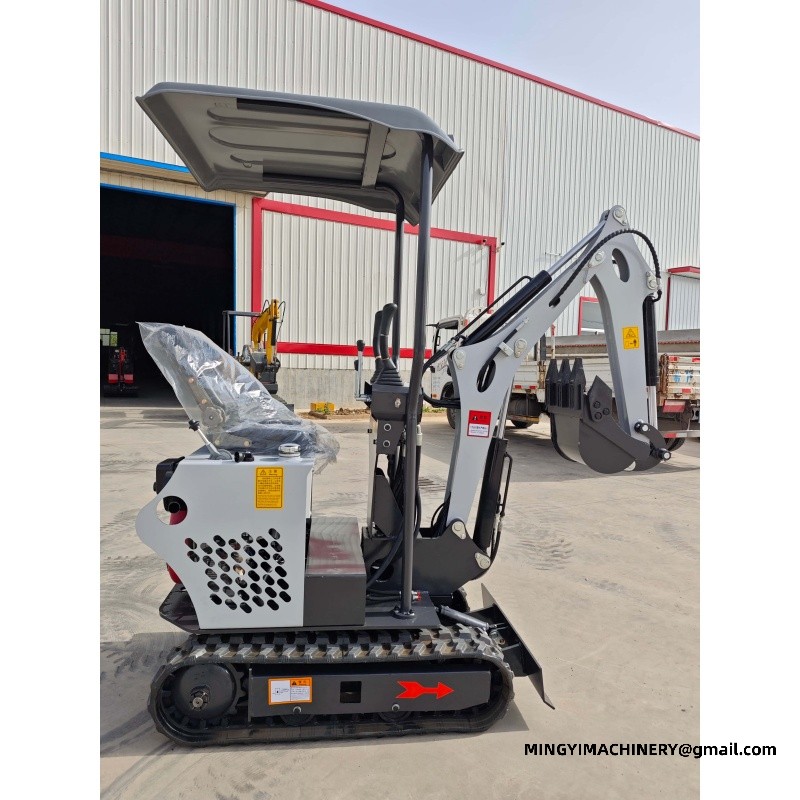
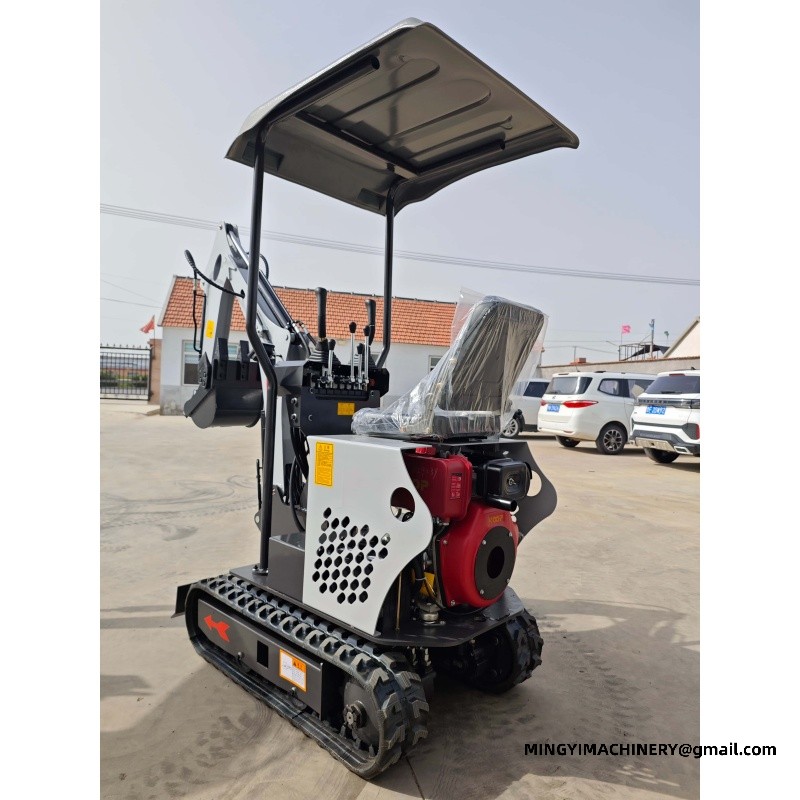
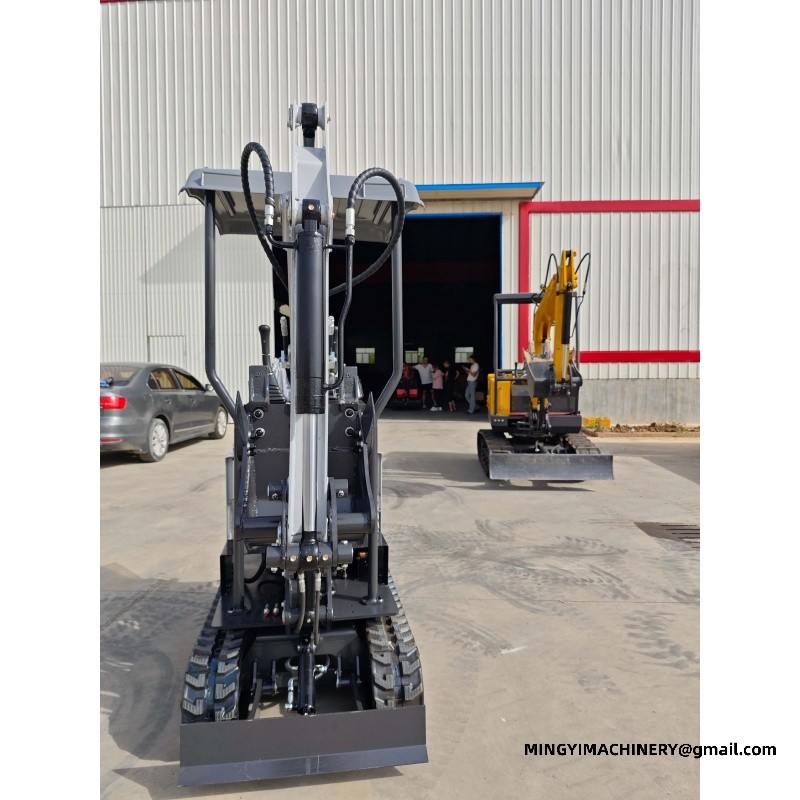
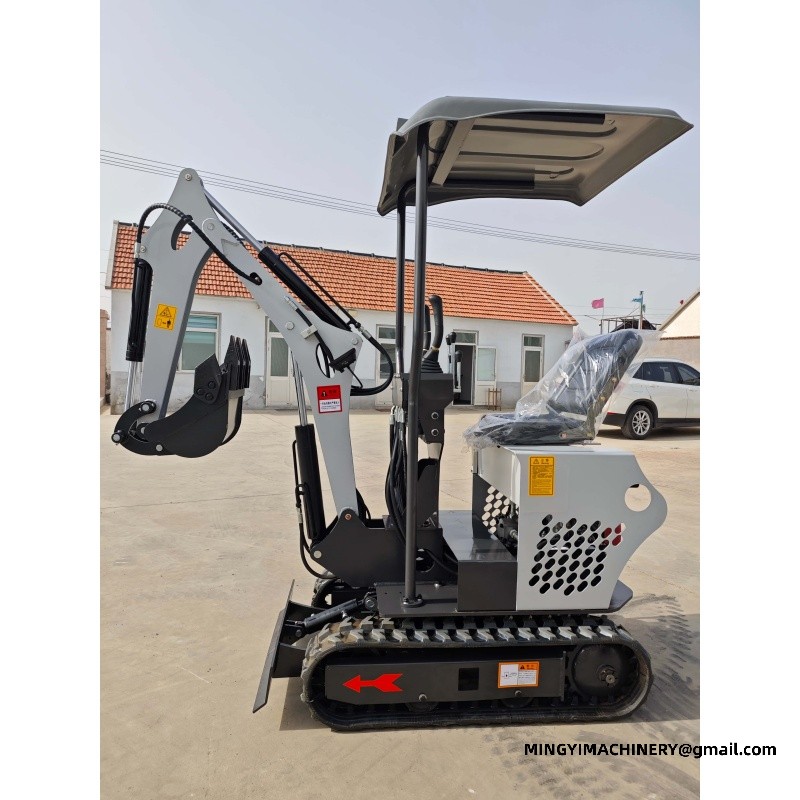
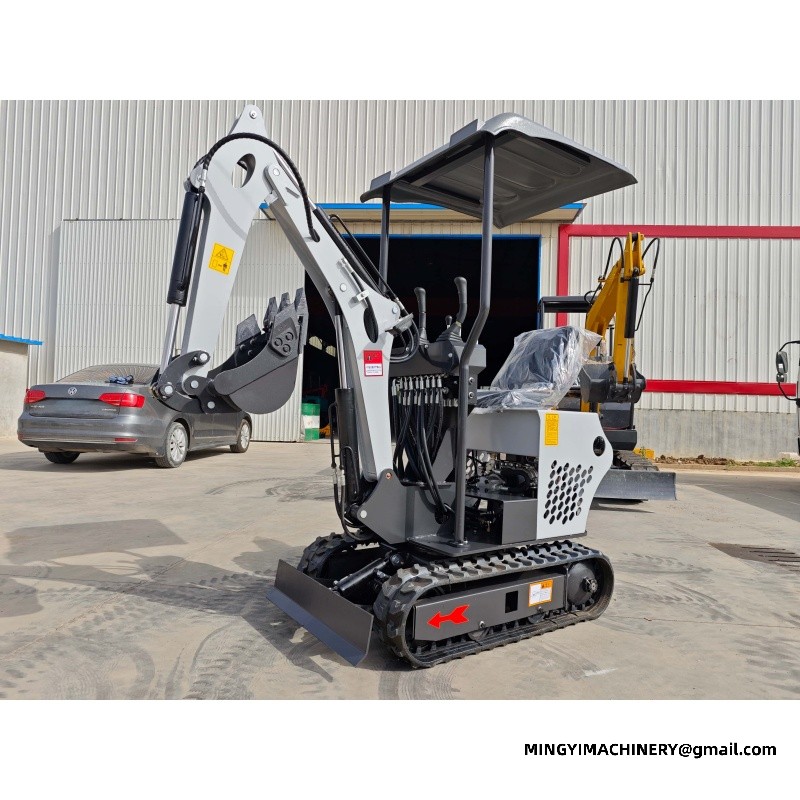
Reference specification — mini excavator range 20-1WL 30-1W 30-2W 30-2L Operating weight 1900 kg (4188.78 lb) 2900 kg (6393.41 lb) 2700 kg (5952.48 lb) 2400 kg (5291 lb) Transport size (L×W×H) 2550 × 1100 × 2200 mm 3000 × 1250 × 2780 mm 3000 × 1100 × 2700 mm 2800 × 1500 × 2500 mm Max digging depth 1800 mm (70.87 in) 2200 mm (86.61 in) 2200 mm (86.61 in) 2200 mm (86.61 in) Max digging height 2820 mm (111.02 in) 3400 mm (133.86 in) 3000 mm (118.11 in) 2900 mm (114.17 in) Max dumping height 2050 mm (80.71 in) 2400 mm (94.49 in) 2000 mm (78.74 in) 2100 mm (82.68 in) Max digging radius 3050 mm (120.08 in) 4000 mm (157.48 in) 3800 mm (149.61 in) 3330 mm (131.1 in) Max digging distance 2300 mm (90.55 in) 2800 mm (110.24 in) 3050 mm (120.08 in) 2700 mm (106.3 in) Minimum turning radius 1450 mm (57.09 in) 2000 mm (78.74 in) 1750 mm (68.9 in) 1555 mm (61.22 in) Travel speed 5 km/h (3.11 mph) 5 km/h (3.11 mph) 7 km/h (4.35 mph) 7 km/h (4.35 mph) Gradeability 30° 30° 30° 30° Fuel consumption 2-3 L/h (0.528—0.793 gal) 2-3 L/h (0.528—0.793 gal) 2-3 L/h (0.528—0.793 gal) 2-3 L/h (0.528—0.793 gal) Fuel tank capacity 16 L (4.23 gal) 16 L (4.23 gal) 16 L (4.23 gal) 16 L (4.23 gal) Hydraulic oil tank 18 L (4.76 gal) 20 L (5.28 gal) 20 L (5.28 gal) 18 L (4.76 gal) Dozer blade lift height 180 mm (7.09 in) 420 mm (16.54 in) 230 mm (9.06 in) 230 mm (9.06 in) Dozer blade drop depth 210 mm (8.27 in) 210 mm (8.27 in) 280 mm (11.02 in) 280 mm (11.02 in)
Q. What are the class of machine?
A. The compact class exists for the jobs in between - too much for hand tools, too tight or too short for a full-size machine. Trenching on Monday, loading and grading through the week, fence posts and drainage to finish - the attachment set specifications the work. The unit in daily use is one of the pages buyers land on when comparing machines for general contractors, and the factory treats it as a specification conversation rather than a catalogue line.
Q. What can I expect from a compact excavator in a normal week?
A. Trenching one day, loading and grading the next, fence posts and drainage through the rest - one machine, one trailer, one operator, and the attachment set specifications the work.
Q. Can I see the machine before it ships?
A. Inspection is arranged at the factory, in person or by a scheduled video walk-around - the same session covers paint, decals and attachment fitment for the general contractors specification, so the machine inspected is the machine that ships.
Keeping a service record for a machine of this size
A written record is worth more than a good memory. Dates, hours and the parts fitted on the equipment on site turn a guess about the next service into a fact, and they are the first thing a buyer asks to see.
Packing, loading and shipment of the machine itself
How a machine travels decides how it starts on arrival. Securing the model in question against movement, protecting the exposed cylinders and keeping the battery and fluids in the right state for the voyage all belong to the packing list.
E-mail : sales@mingycn.com
LINE ( ID ): mingyicn
Electrical system and battery care on mini excavator for general contractors
Most electrical faults are connection faults, and a corroded earth strap or a loose terminal produces symptoms that look like a failed component.
Battery condition follows the charging system, so the belt, the connections and the electrolyte are checked together rather than separately.
Related pages
mini excavator for tropical sites · mini excavator for the africa market · Wheel Loader Factory China: 21 Builds, Three Frame Tiers · Mini Excavators









