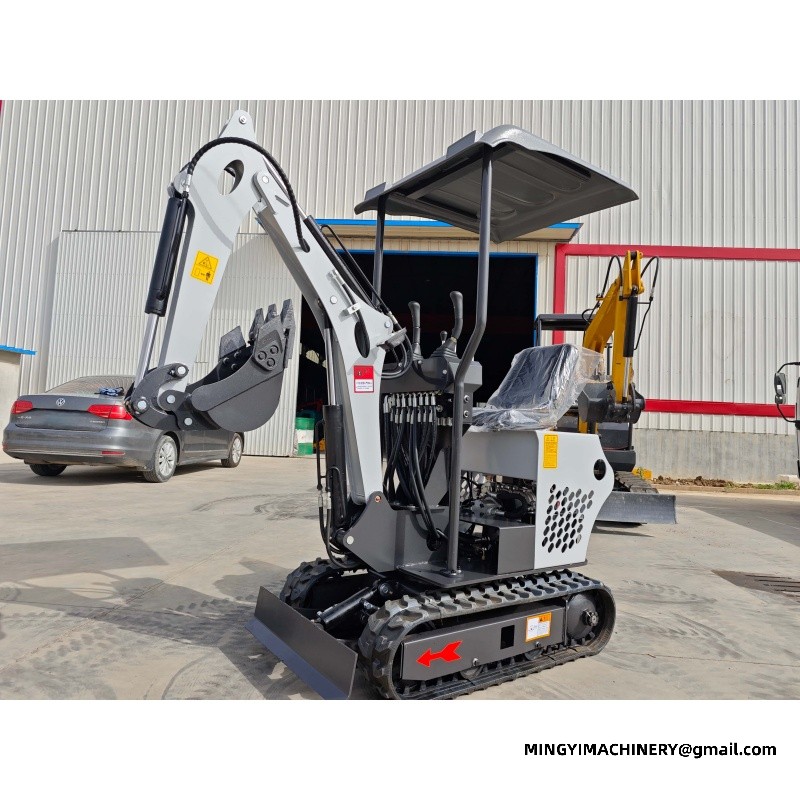
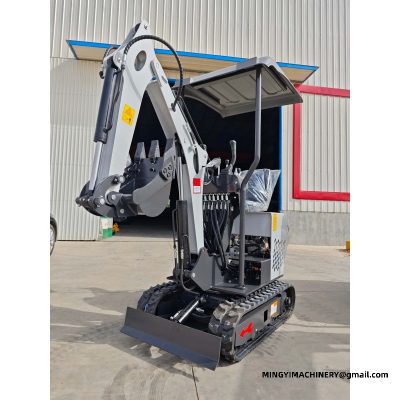
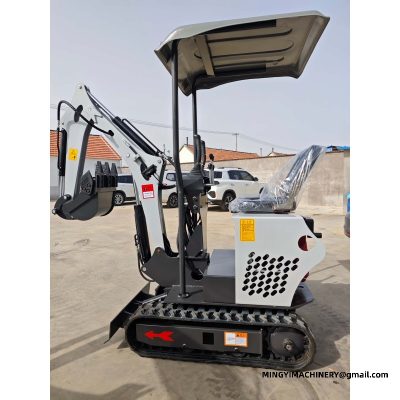
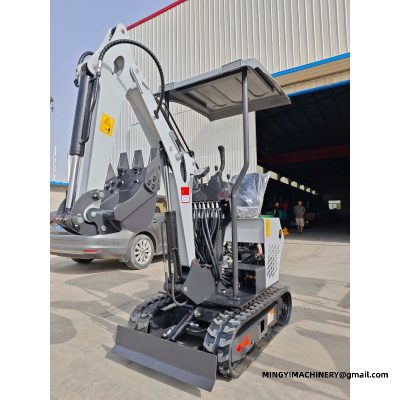
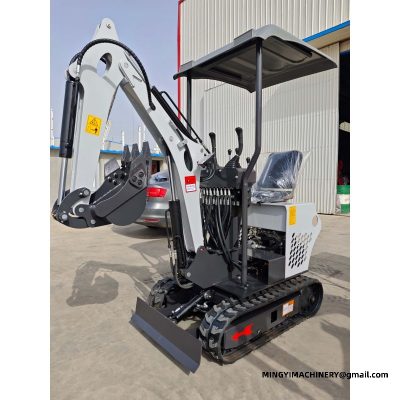
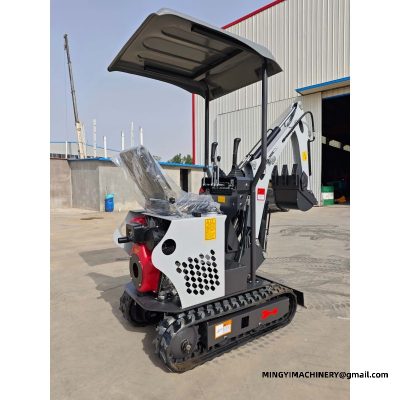
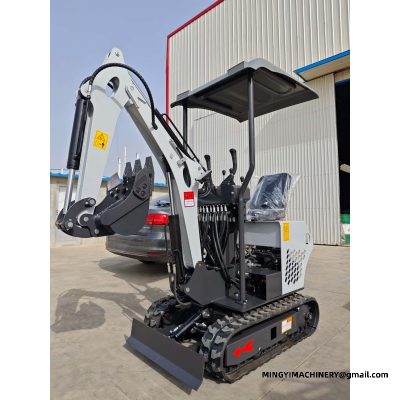
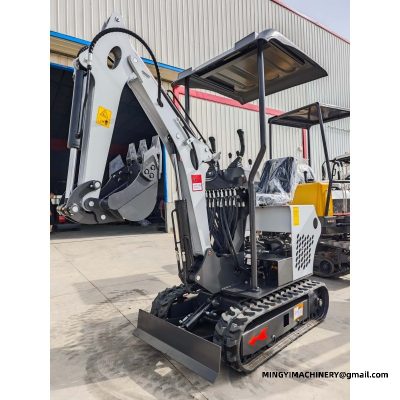
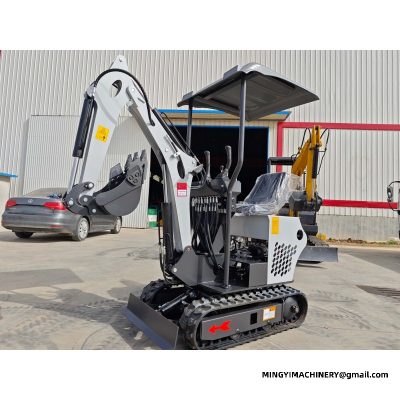
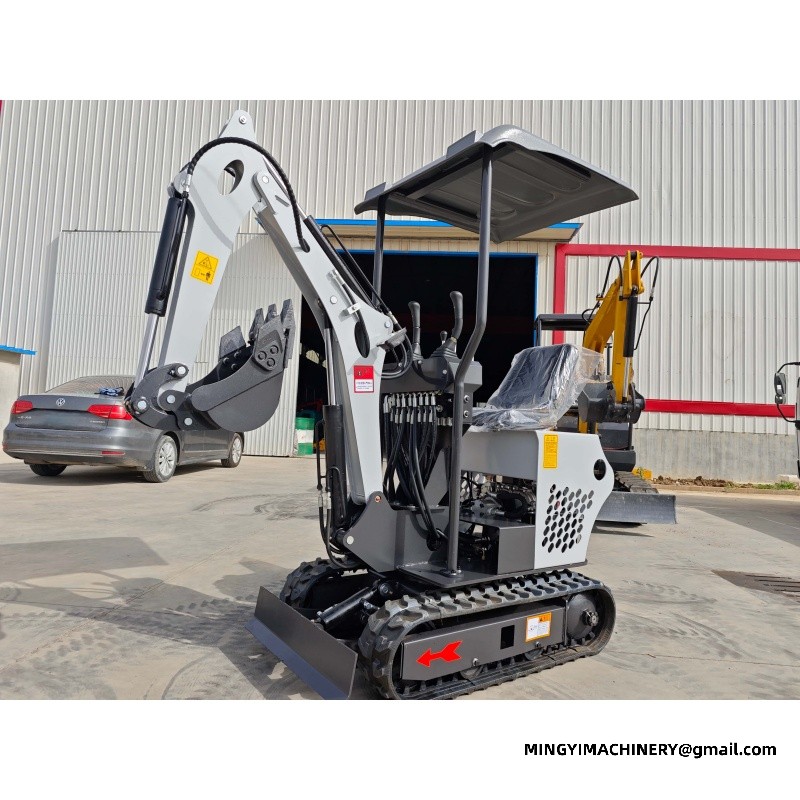
Mini excavators exported to Latin America work across a wide range of conditions, from tropical lowland to cooler highland areas, and buyers there often need a machine that is simple to service with parts that can be sourced locally. MINGYI builds compact excavators with this in mind.
The machines are built to order and shipped as part of a normal export process, with the configuration settled around the local ground and the kind of work the buyer does.
Matching a mini excavator to Latin American sites
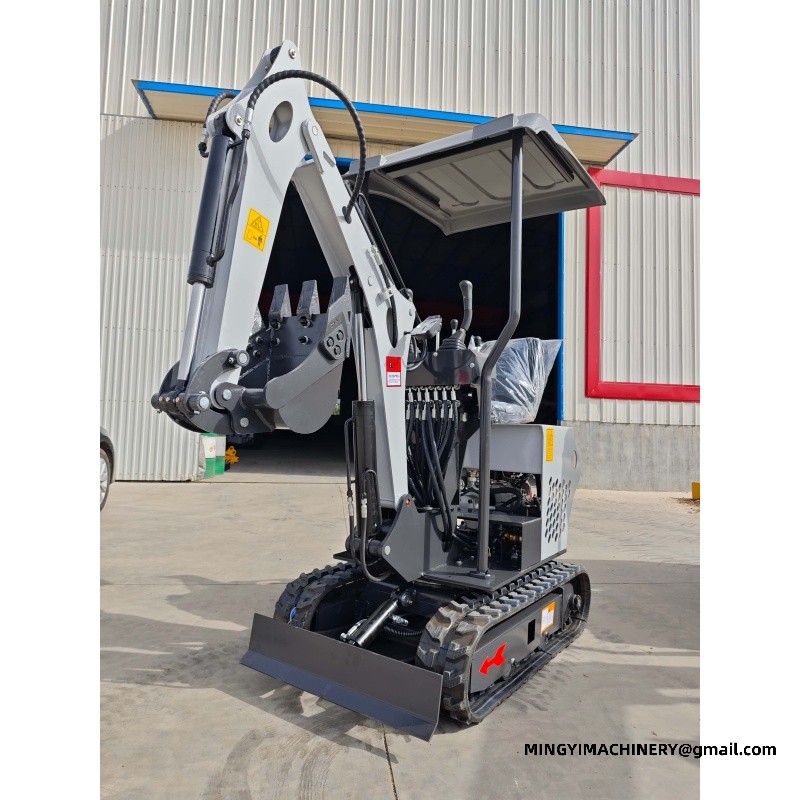
Work ranges from urban utilities and road maintenance to farm and orchard jobs, so the machine has to balance compact size with enough reach for the task. Buyers usually confirm the digging depth and the working width before anything else.
Ground and climate differ greatly between regions, so track choice and engine selection are settled for the local conditions. Rubber tracks suit finished surfaces and soft ground, while steel tracks with rubber blocks are chosen for harder or more abrasive sites.
Service and parts for exported machines
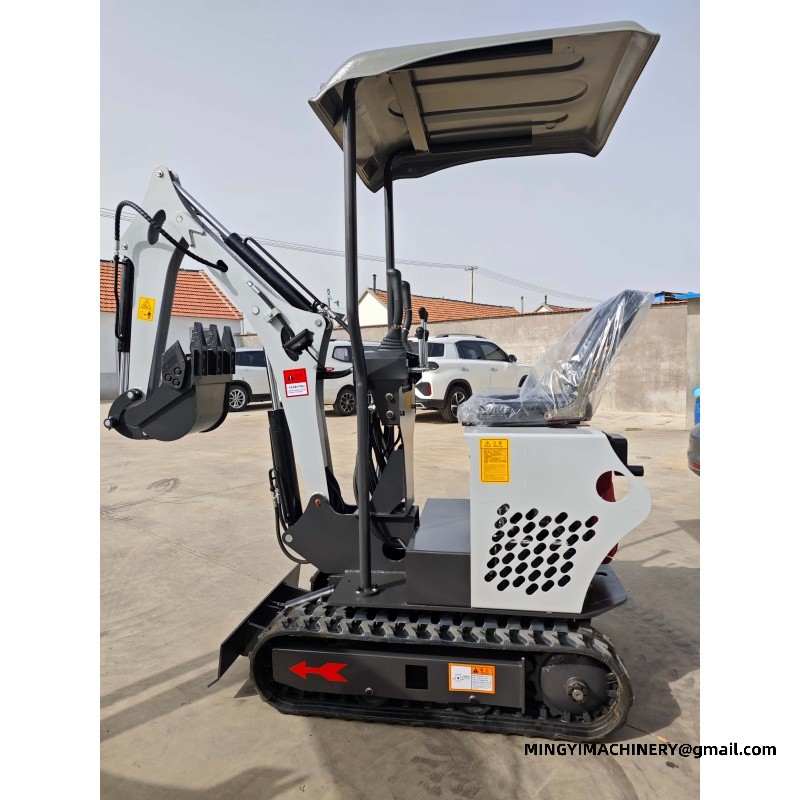
Machines far from the factory depend on local servicing, so buyers often ask for a configuration built around diesel engines and wearing parts that are widely available. Spare parts and service information are supplied with each unit.
Because the excavators are built to order, a buyer can set the diesel engine within the range offered, including Kubota D722, Kubota D902, YANMAR, Changchai, Laidong, Runtong, YARMAX, Youpu 2V80 and Youpu 195, to match what is available in the region.
A Latin America enquiry should set out the country, the ground, the work and the engine preference, and MINGYI will confirm the build, the tracks and the shipping arrangements.
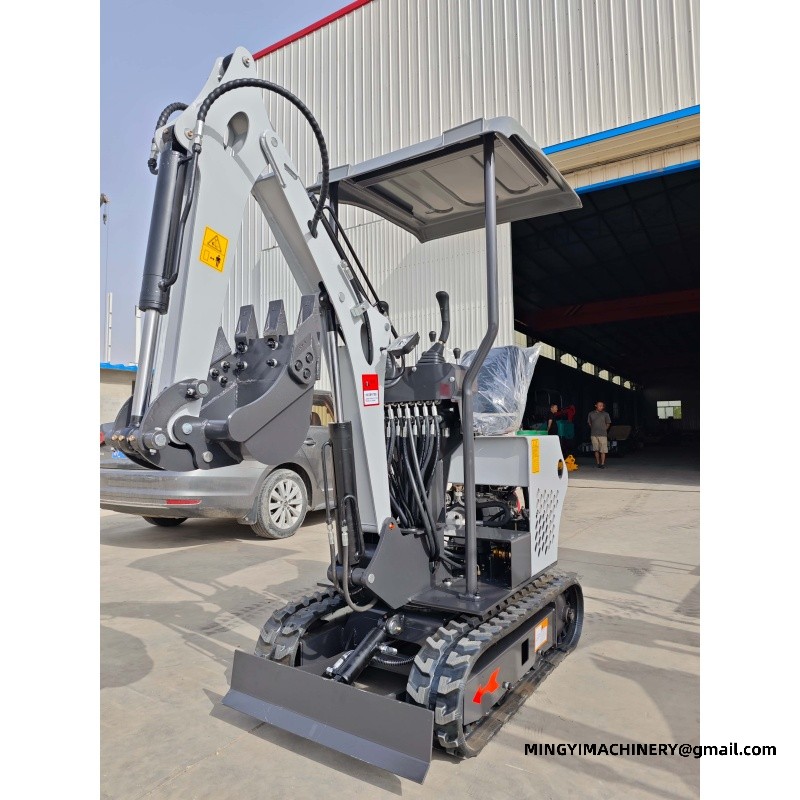
Working near live services with mini excavator for tropical sites Digging near water, gas and cable is a precision job. The excavator is used here because the operator can work in short controlled cuts and because the machine can be positioned without driving over the run being exposed. The risk on utility work is not machine power but machine placement. This class of machine that fits the working width leaves the surrounding ground undisturbed, which keeps the trench stable and the reinstatement small. Acceptance checks when a mini excavator for tropical sites arrives Delivery day is the best time to find a problem. Checking the specification against the order, the fluid levels, the fasteners and any transport damage while the machine of this size is still on the trailer is faster than claiming later. A function check before the machine goes to work is worth the hour. Running through the controls, the travel and the attachment circuit on the unit in daily use confirms it is set up as specified and ready for the site. Running mini excavator for tropical sites in a rental fleet The specification that rents best is usually the simplest one to explain at the counter. The equipment on site with rubber tracks, a canopy and a coupler covers the majority of weekend and short-term hires. Fleet buyers also weigh transport. The machine itself that a customer can tow on a normal licence and a standard trailer is a hire that does not need a delivery truck, which changes how often it goes out. Matching mini excavator for tropical sites to ground conditions Soft ground is a flotation problem, not a power problem. The model in question on wide rubber tracks crosses lawn, sand and cultivated soil that would stop a narrower machine or a wheeled unit of the same capacity. Hard and abrasive ground reverses the specification. On rock, demolition rubble or sharp gravel, steel tracks with rubber blocks on the machine in that duty survive conditions that cut a rubber belt quickly. Interior and light demolition with mini excavator for tropical sites Interior demolition is an access and a weight question. The unit on the job that fits through a doorway and works on a suspended floor does jobs that would otherwise be done by hand or by a larger machine that cannot enter. Dust, debris clearance and floor loading all argue for a compact machine indoors. A machine built for the work spreads its weight over a wider track footprint than a wheeled machine of similar capacity. Daily checks and maintenance on mini excavator for tropical sites Daily maintenance on the equipment in service is a short list: engine oil level, coolant, track tension, hydraulic oil level and a look at the hoses. Ten minutes at the start of the shift prevents most of the failures that stop a machine. Track tension is the item most often neglected. The excavator run with slack tracks wears the undercarriage and can throw a track on a turn; run too tight, the same components wear from the other direction. Canopy or enclosed cab on this class of machine The cab decision follows the climate and the hours. Operators working a full shift in the unit in daily use benefit from a sealed cab with wipers and heating; operators stepping on and off every few minutes usually prefer the canopy for the visibility and the quick exit. Enclosure also changes noise and dust exposure. A sealed cab on a machine of this size keeps dust out on dry sites and lets the machine work through weather that would otherwise stop a canopy machine for the day. Lifting and material handling with the equipment on site Lifting with a machine built to dig needs a plan. The load, the radius and the ground under the model in question all matter, and the safe figure is the one on the chart rather than the one that looks possible. Ground condition under the machine is part of every lift. Soft or uneven support is the common factor in handling incidents, and checking it takes less time than recovering the machine itself that has settled. Hydraulic circuits on the machine in that duty Flow and pressure are matched to the tool, not to the machine size. Asking for the attachment list first means the unit on the job leaves the factory with circuits that suit the heaviest tool the buyer intends to run. Hydraulic specification is easier to settle at build time than to correct later. A machine built for the work delivered without auxiliary lines can still dig, but every additional tool becomes a retrofit project. Boom configuration for the equipment in service A swing boom lets the machine dig parallel to its tracks without repositioning, which is what makes trenching beside a wall or a fence practical. On the excavator this is often the option that decides whether a job is possible at all. Extended and offset boom configurations change reach and working range. This class of machine with a longer arm reaches further but lifts less at full extension, so the specification is set against the deepest and furthest point on the job list. What owners should plan for beyond the unit in daily use Purchase decision is the visible part of the effort. Fuel, filters, tracks or tyres, the operator and the transport between sites are the items that decide what a machine of this size actually demands over a few seasons, and they are worth listing before the order. Downtime is the hidden line item. The equipment on site waiting on a part earns nothing while it stands, so parts availability and service access belong in the plan as much as fuel does. Specification data for the machine itself The figures below are the factory figures for the models most often matched to the model in question. They are the numbers to check against the site: the depth the work needs, the reach from one position, and the width of the narrowest point on the route in. Every value shown is as built for the machine in that duty; options such as cab, side swing or a telescopic undercarriage change the transport dimensions and are confirmed at order stage. Trench quality depends on the bucket width and the operator, not on machine size. The unit on the job with a narrow bucket and a swing boom cuts a clean run along a boundary without disturbing the ground either side of it. Depth control matters more on service work than speed. A machine built for the work working beside live services is chosen because it can be placed precisely and stopped instantly, which is what the job actually requires.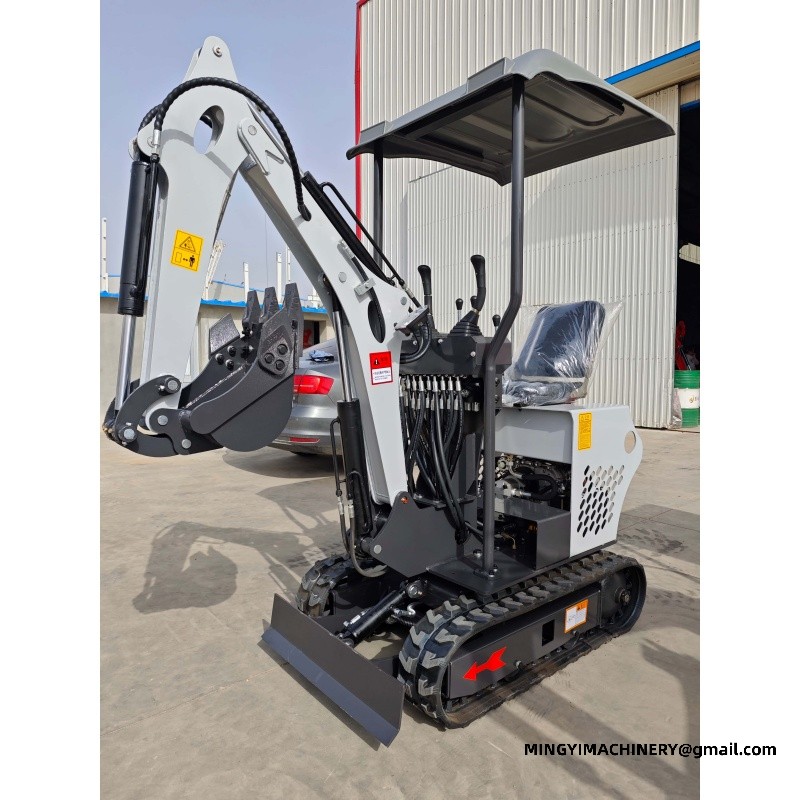
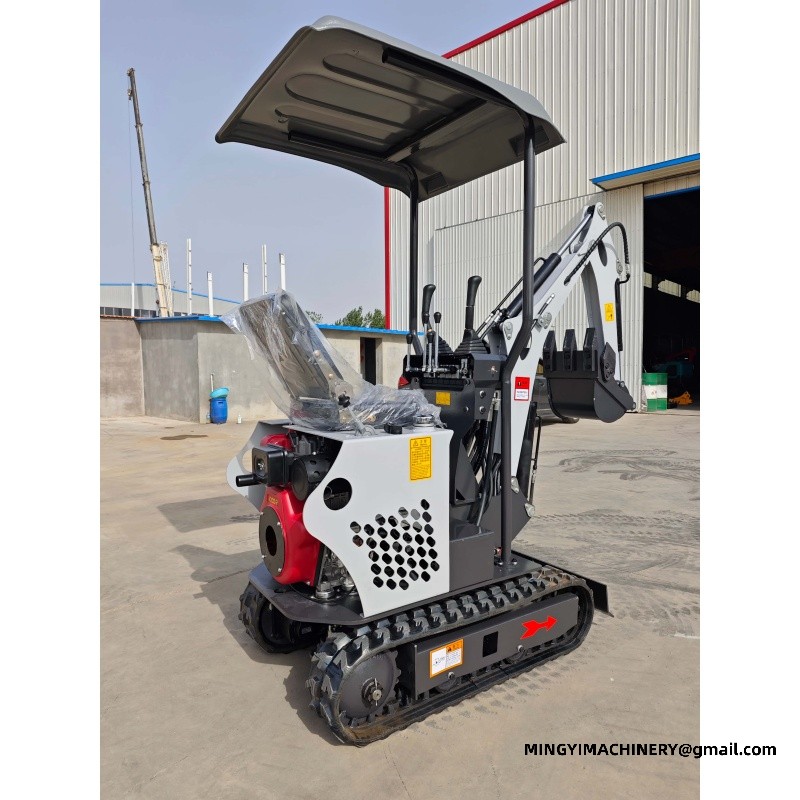
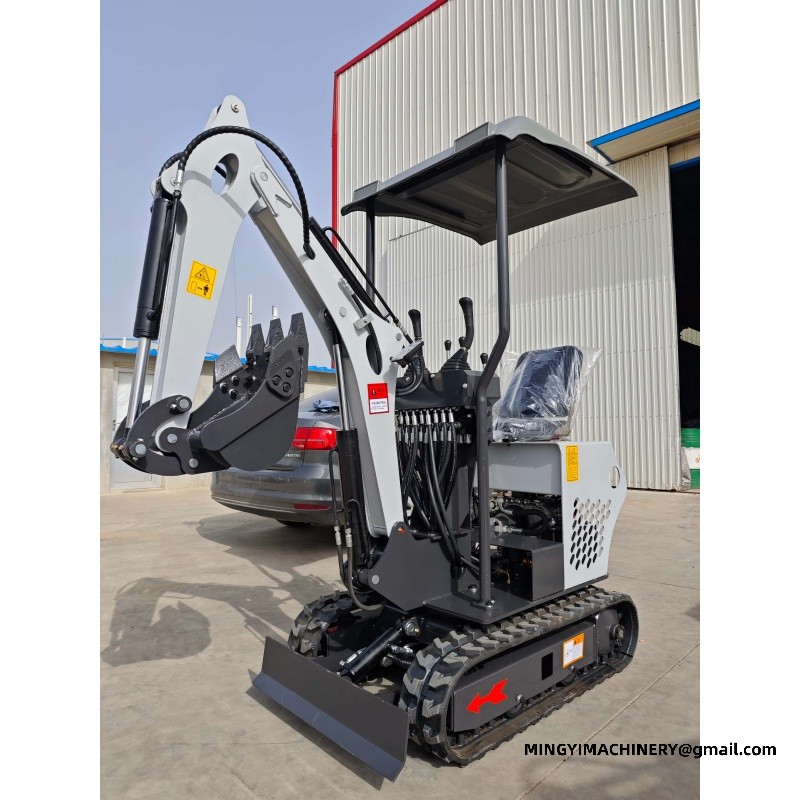
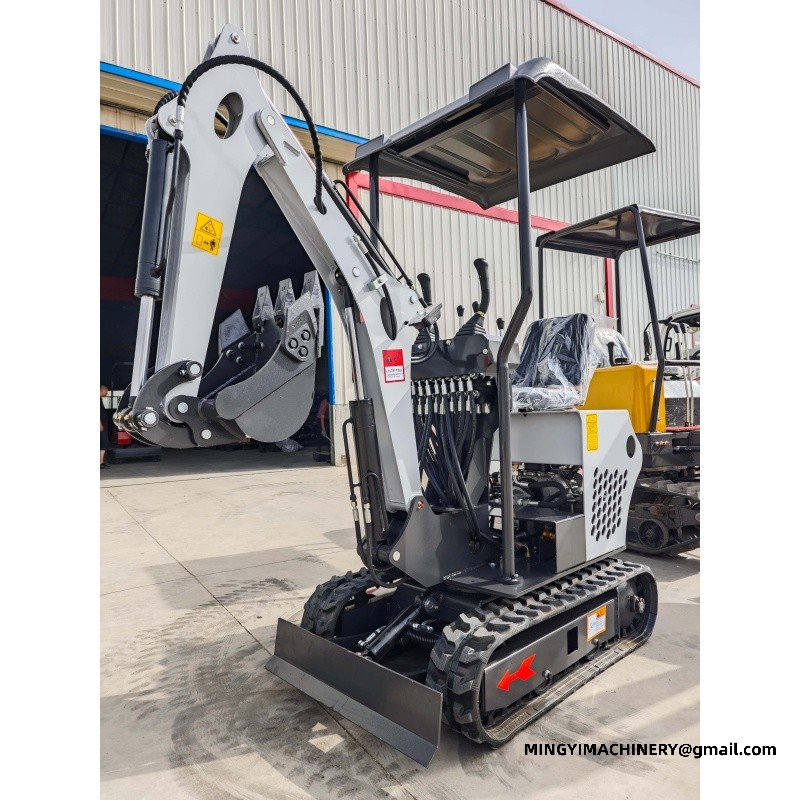
Reference specification — mini excavator range 13W 30-1W 30-2W 15L Operating weight 1300 kg (2866.01 lb) 2900 kg (6393.41 lb) 2700 kg (5952.48 lb) 1400 kg (3086.47 lb) Transport size (L×W×H) 2200 × 930 × 2250 mm 3000 × 1250 × 2780 mm 3000 × 1100 × 2700 mm 2200 × 930 × 2250 mm Max digging depth 1630 mm (64.17 in) 2200 mm (86.61 in) 2200 mm (86.61 in) 1700 mm (66.93 in) Max digging height 2750 mm (108.27 in) 3400 mm (133.86 in) 3000 mm (118.11 in) 2750 mm (108.27 in) Max dumping height 1960 mm (77.17 in) 2400 mm (94.49 in) 2000 mm (78.74 in) 1960 mm (77.17 in) Max digging radius 2900 mm (114.17 in) 4000 mm (157.48 in) 3800 mm (149.61 in) 2900 mm (114.17 in) Max digging distance 2100 mm (82.68 in) 2800 mm (110.24 in) 3050 mm (120.08 in) 2300 mm (90.55 in) Minimum turning radius 1300 mm (51.18 in) 2000 mm (78.74 in) 1750 mm (68.9 in) 1450 mm (57.09 in) Travel speed 3 km/h (1.86 mph) 5 km/h (3.11 mph) 7 km/h (4.35 mph) 3 km/h (1.86 mph) Gradeability 30° 30° 30° 30° Fuel consumption 1-1.3 L/h (0.264—0.343 gal) 2-3 L/h (0.528—0.793 gal) 2-3 L/h (0.528—0.793 gal) 1-1.3 L/h (0.264—0.343 gal) Fuel tank capacity 10 L (2.64 gal) 16 L (4.23 gal) 16 L (4.23 gal) 10 L (2.64 gal) Hydraulic oil tank 16 L (4.23 gal) 20 L (5.28 gal) 20 L (5.28 gal) 16 L (4.23 gal) Dozer blade lift height 180 mm (7.09 in) 420 mm (16.54 in) 230 mm (9.06 in) 180 mm (7.09 in) Dozer blade drop depth 210 mm (8.27 in) 210 mm (8.27 in) 280 mm (11.02 in) 210 mm (8.27 in)
Q. What are the equipment in service?
A. The compact class exists for the jobs in between - too much for hand tools, too tight or too short for a full-size machine. Trenching on Monday, loading and grading through the week, fence posts and drainage to finish - the attachment set specifications the work. Read the excavator together with the engine, track and attachment pages: jobs around tropical sites are decided by how those choices line up, not by any single number on the sheet.
Q. How do I choose the right machine for mixed work?
A. List the jobs in a normal month, find the narrowest access and the deepest dig, then size the machine to both. Send the list to the factory by email or LINE and the recommendation comes back matched to the work, not to the stock.
Q. Can I see the machine before it ships?
A. Inspection is arranged at the factory, in person or by a scheduled video walk-around - the same session covers paint, decals and attachment fitment for the tropical sites specification, so the machine inspected is the machine that ships.
Hot, humid and dusty conditions around this class of machine
Heat and dust shorten service intervals rather than machine life. In these conditions the filters on the unit in daily use need attention more often, and the cooling surfaces need to be kept clear to hold the working temperature.
Storage and long idle periods for a machine of this size
Standing still is harder on a machine than working. Preparing the equipment on site for a long idle period means clean fluids, a charged battery and protection for the exposed surfaces, because neglect is not the same as rest.
E-mail : sales@mingycn.com
LINE ( ID ): mingyicn
Slope working and stability with mini excavator for tropical sites
Turning on a side slope is where most instability starts, so the route and the turning points are chosen before the first load is moved.
Ground that looks firm after a dry week can carry a different load after rain, and that difference is worth a walk-over each morning.
Related pages
mini excavator for the africa market · mini excavator for middle east projects · Wheel Loader Supplier: Choosing Builds for Your Market · Mini Excavators









