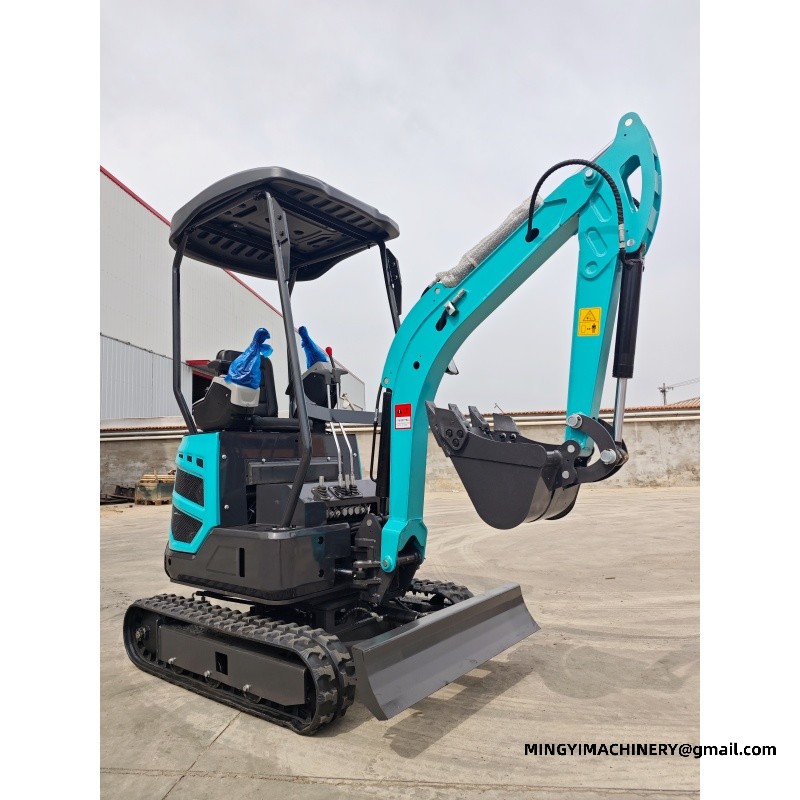
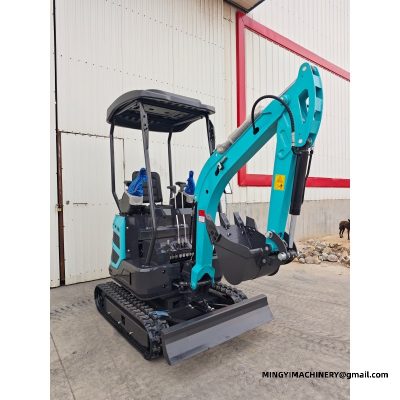
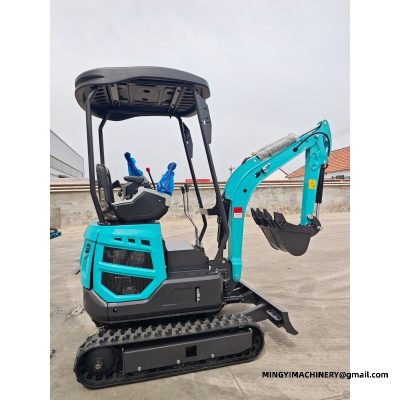
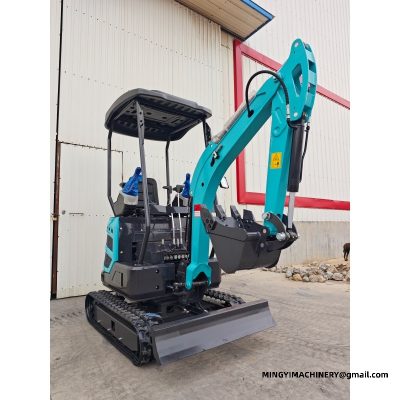
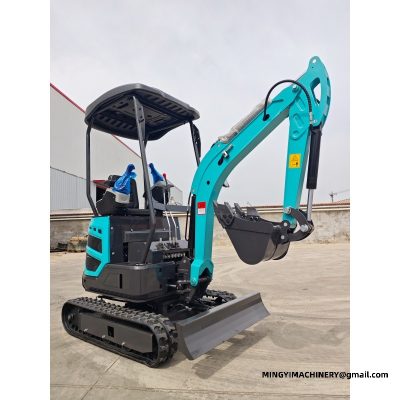
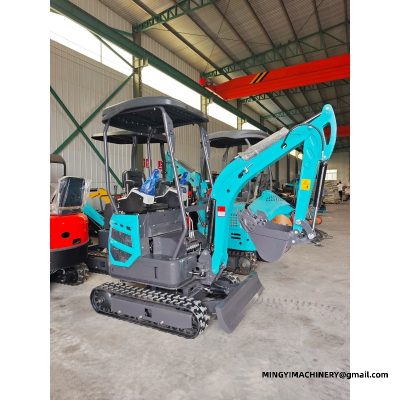
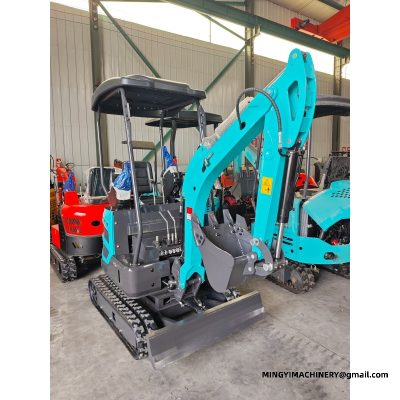
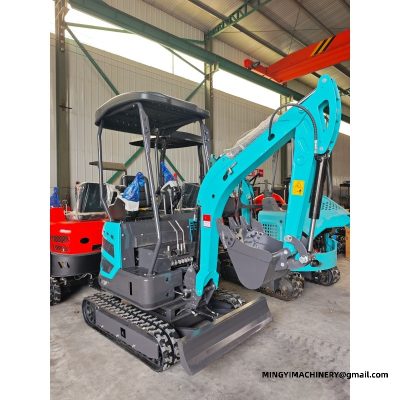
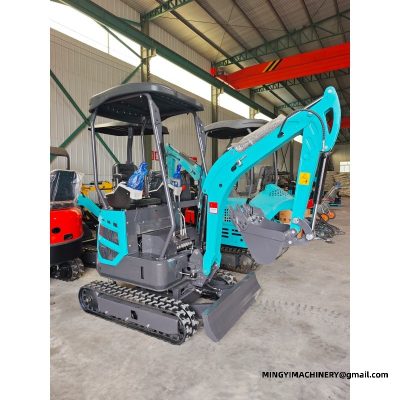
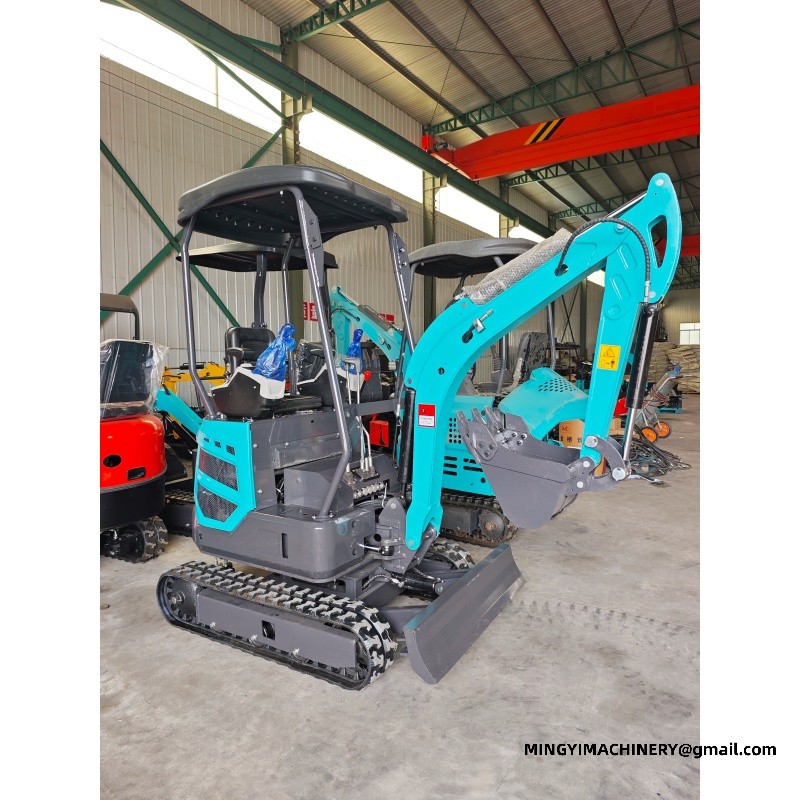
Built with heavy-gauge steel side panels and cast-iron counterweights, protecting the internal engine components from impact on rugged demolition sites.
A compact machine that is worked hard on rough ground needs a structure that holds its shape. Where the carrier is used for breaking, loading and constant travel, the frame and body have to carry the load without flexing.
MINGYI builds heavy duty mini crawler excavators with a cast iron body for that kind of duty. The machine is specified at ordering, so the structure, the engine and the attachments are set for the work it will do.
What a heavy duty build adds on tough sites
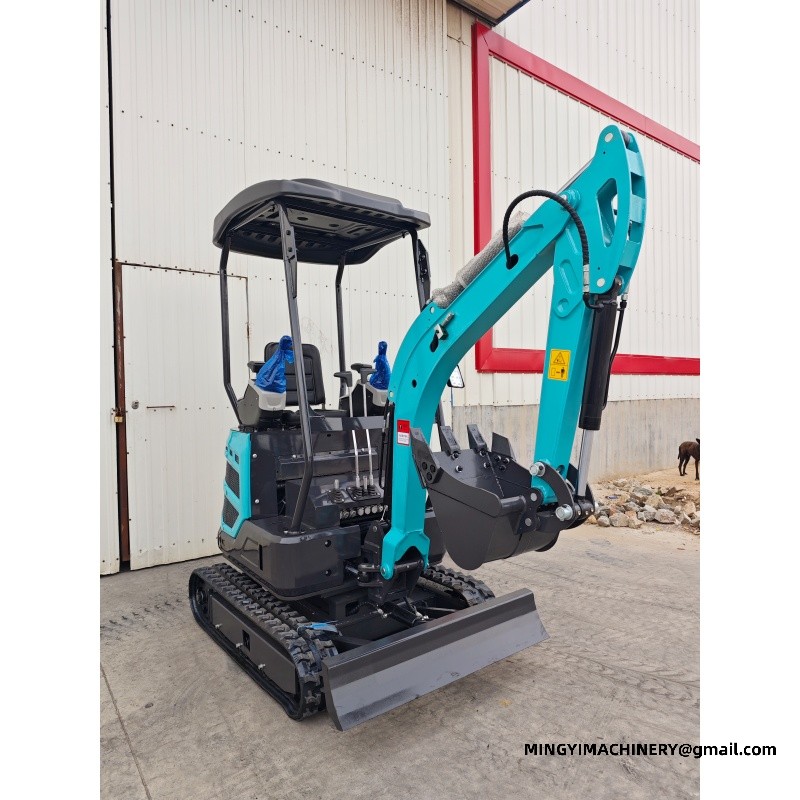
A cast iron body resists the shock loads that come with breaking and with moving over rock. That matters where the machine is used for repeated impact rather than light digging.
The extra mass also helps the carrier stay planted under a heavy attachment. Steadier footing gives the operator more control when a breaker hammer or crusher hammer is in use.
Specifying a heavy duty compact machine
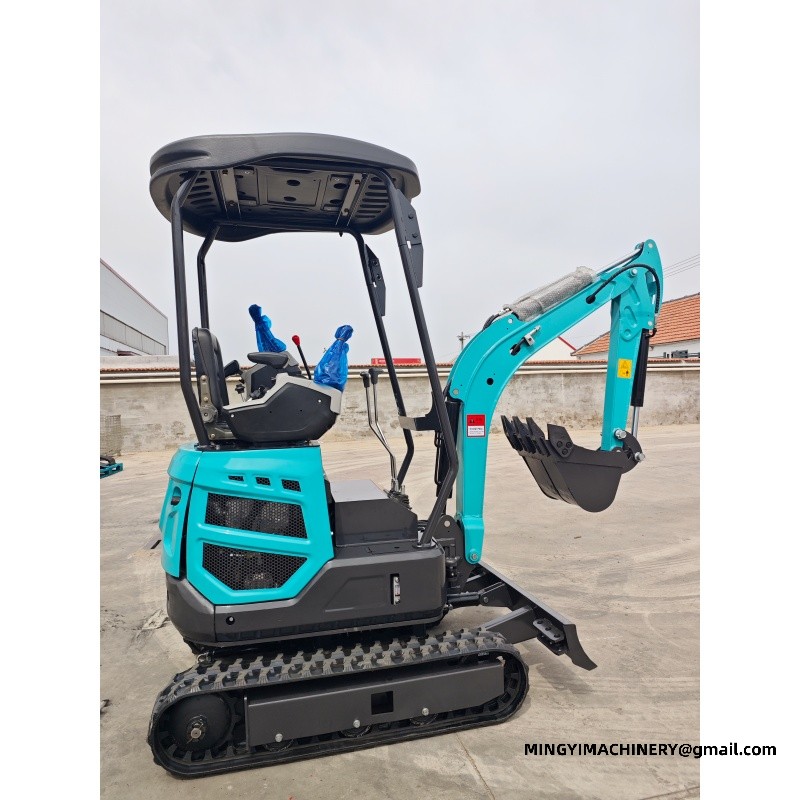
The working weight is fixed first, since it sets how much attachment the machine can carry. The tracks and the coupler are then chosen to suit the ground and the tool range.
A durable frame is only useful if the rest of the machine keeps pace, so the engine and the hydraulic system are matched to the class at build. Service information is supplied for the fitted units.
Machine class, track type and attachments are the points to confirm before a heavy duty order is placed. Agreeing them at the start is what keeps the structure, the engine and the tools in step with the duty.
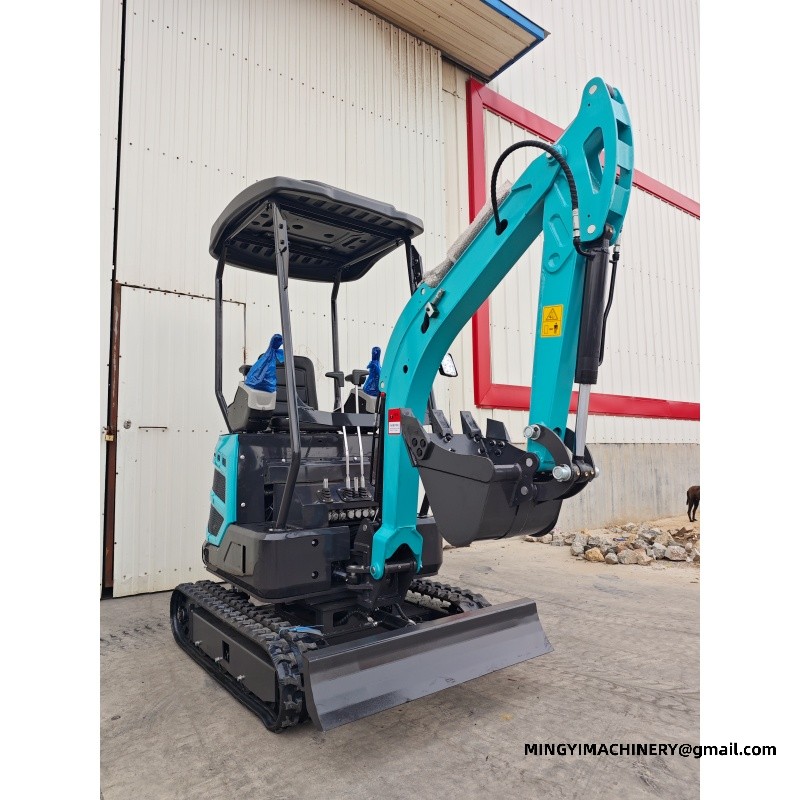
Daily checks and maintenance on heavy duty cast iron mini excavator Track tension is the item most often neglected. The excavator run with slack tracks wears the undercarriage and can throw a track on a turn; run too tight, the same components wear from the other direction. Greasing is the second item. The slew ring, the boom and arm pins and the bucket linkage on this class of machine take grease daily in dusty work, and the intervals shorten further when the machine is used in water or mud. Specifying heavy duty cast iron mini excavator against a job list The practical way to specify is to write the job list first: the narrowest access, the deepest trench, the heaviest tool and the surfaces the machine must cross. The unit in daily use is then matched to those four numbers. Useful information to send with an enquiry includes working width, required digging depth, ground conditions and the attachment set. Those four items let the factory specify a machine of this size that fits rather than a generic build. Getting heavy duty cast iron mini excavator through a narrow gap The first question on most job lists is whether the machine can reach the work at all. The equipment on site is chosen against the narrowest point on the route - a garden gate, a doorway, a gap between two walls - because a machine that arrives and then cannot pass loses a day, not an hour. Contractors who buy the machine itself normally have one job in mind that nothing else reaches. The purchase order follows the access measurement, not the other way round, and the build sheet is then settled around it. Parts, service and support for heavy duty cast iron mini excavator Support after delivery is a parts question. Wearing items for the model in question - filters, belts, track components, bucket teeth and pins - are the items a buyer should plan to hold before the first service interval. Remote support is handled by video. The machine in that duty fault can often be diagnosed on a walk-around call with the panel open, which is faster than waiting for a visit and avoids shipping a part that is not needed. Orchard, vineyard and farm use of heavy duty cast iron mini excavator Orchard and vineyard work is carried out between rows. The unit on the job with a narrow chassis and a swing boom works down the row without damaging the trees, which is the reason a full-size machine is not used at all. Ditching, fertilising and drainage on farmland suit a machine built for the work because the work is spread over a large area in short bursts. The machine travels behind a pickup and works where it stops. Municipal and public works with heavy duty cast iron mini excavator Municipal crews work on streets, footpaths and parks where the public is present. The equipment in service is specified because it occupies little space, works inside a small exclusion zone and can be moved on a standard trailer. Noise and surface protection matter on public work. The excavator on rubber tracks across paving, with a sealed cab for the operator, suits the conditions better than a larger tracked machine. Engine options behind this class of machine Two buyers can order the same a machine of this size and receive different engines. The decision is rarely about peak power; it is about which parts counter is closest to the site and which engine the local mechanic already knows. Engine choice is also an emissions and documentation question for some markets. Listing the available units with the unit in daily use enquiry lets the factory confirm what can be supplied and documented for the destination country. Trenching work with the equipment on site Service trenches are the most common reason the machine itself is hired. Water, sewage, cable and gas runs are narrow, shallow and often close to existing services, which is exactly the work a full-size machine cannot do safely. Trench quality depends on the bucket width and the operator, not on machine size. The model in question with a narrow bucket and a swing boom cuts a clean run along a boundary without disturbing the ground either side of it. Hiring versus owning the machine in that duty The choice follows the hours. Work that fills a few weeks a year is usually better hired, while the unit on the job that would be on site most weeks starts to justify ownership once the transport and booking time is counted. Ownership brings obligations that hiring does not. Storage, servicing, insurance and an operator are the items to set against the hire rate before deciding which way a machine built for the work should be supplied. Canopy or enclosed cab on the equipment in service A canopy keeps the machine light and the operator aware of the surroundings, which suits short jobs in warm weather. A fully enclosed cab is specified where rain, dust or cold are part of the working year, and it can be added to the excavator as a retrofit rather than only at build time. The cab decision follows the climate and the hours. Operators working a full shift in this class of machine benefit from a sealed cab with wipers and heating; operators stepping on and off every few minutes usually prefer the canopy for the visibility and the quick exit. Specification data for the unit in daily use Buyers comparing a machine of this size usually start from four numbers - weight, digging depth, reach and transport width - because those are the ones that decide whether the machine can be delivered and whether it can do the job once it is there. Figures are factory figures and are confirmed on the build sheet for the equipment on site. Where a job sits between two models, the larger machine usually takes less time than the smaller one spends on rework. Output on a compact machine comes from placement rather than power. An experienced operator keeps the machine itself working inside the swing arc, positions once and digs a full run instead of repositioning for every bucket. Stability is the third. The model in question working across the tracks rather than over the corners keeps the machine steady and the undercarriage loaded evenly, which shows up as track life at the end of the season.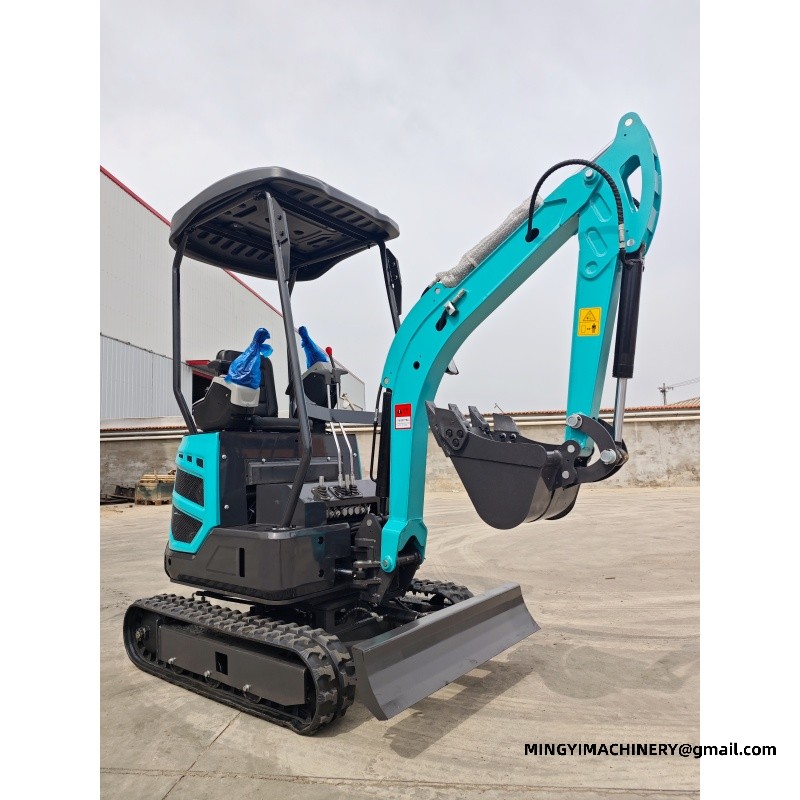
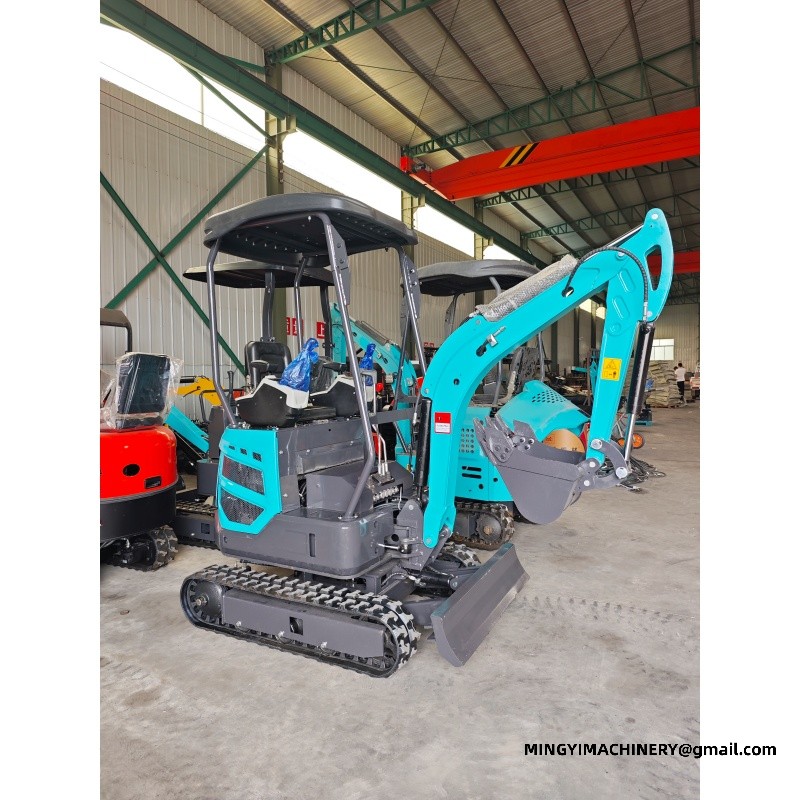
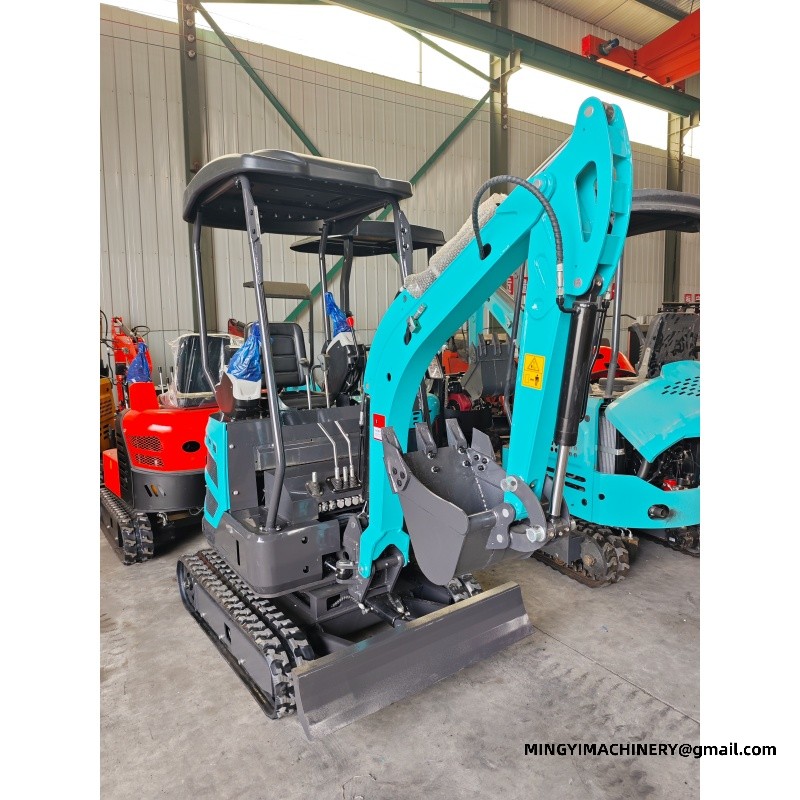
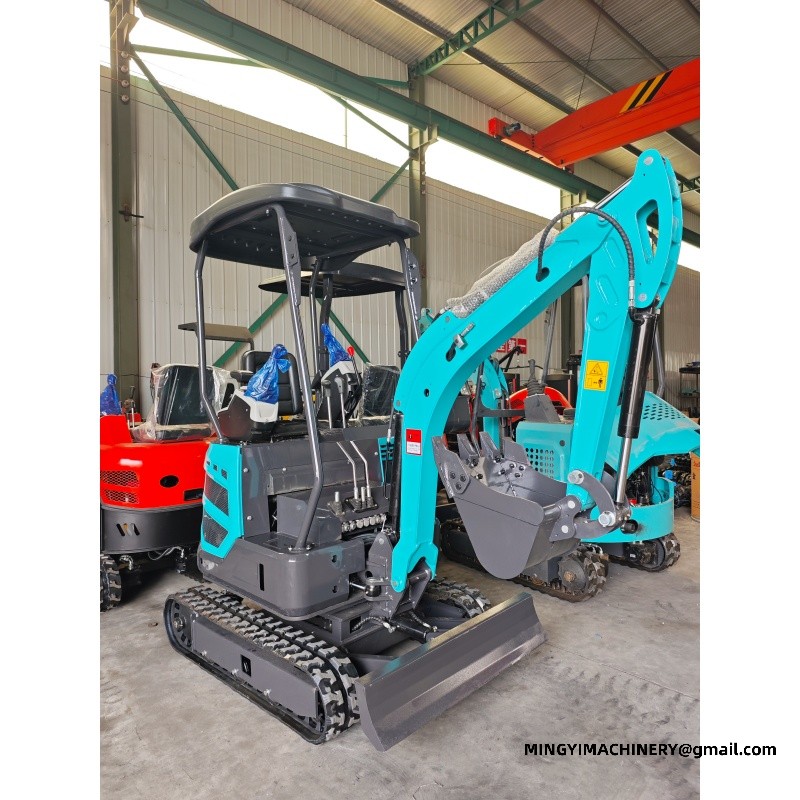
Reference specification — mini excavator range 09W 30-1W 09L 20-2L Operating weight 1100 kg (2425.08 lb) 2900 kg (6393.41 lb) 1100 kg (2425.08 lb) 1900 kg (4188.78 lb) Transport size (L×W×H) 1800 × 750 × 1970 mm 3000 × 1250 × 2780 mm 2300 × 720 × 1870 mm 2600 × 1300 × 2344 mm Max digging depth 1250 mm (49.21 in) 2200 mm (86.61 in) 1400 mm (55.12 in) 2100 mm (82.68 in) Max digging height 2800 mm (110.24 in) 3400 mm (133.86 in) 2800 mm (110.24 in) 2880 mm (113.39 in) Max dumping height 1700 mm (66.93 in) 2400 mm (94.49 in) 1880 mm (74.02 in) 2100 mm (82.68 in) Max digging radius 2570 mm (101.18 in) 4000 mm (157.48 in) 2490 mm (98.03 in) 3215 mm (126.57 in) Max digging distance 1869 mm (73.58 in) 2800 mm (110.24 in) 2000 mm (78.74 in) 2460 mm (96.85 in) Minimum turning radius 1000 mm (39.37 in) 2000 mm (78.74 in) 1400 mm (55.12 in) 1587 mm (62.48 in) Travel speed 3 km/h (1.86 mph) 5 km/h (3.11 mph) 3 km/h (1.86 mph) 5 km/h (3.11 mph) Gradeability 30° 30° 30° 30° Fuel consumption 1-1.3 L/h (0.264—0.343 gal) 2-3 L/h (0.528—0.793 gal) 1-1.3 L/h (0.264—0.343 gal) 2-3 L/h (0.528—0.793 gal) Fuel tank capacity 8 L (2.11 gal) 16 L (4.23 gal) 8 L (2.11 gal) 16 L (4.23 gal) Hydraulic oil tank 16 L (4.23 gal) 20 L (5.28 gal) 16 L (4.23 gal) 18 L (4.76 gal) Dozer blade lift height 180 mm (7.09 in) 420 mm (16.54 in) 180 mm (7.09 in) 180 mm (7.09 in) Dozer blade drop depth 210 mm (8.27 in) 210 mm (8.27 in) 210 mm (8.27 in) 210 mm (8.27 in)
Q. What is the machine in that duty?
A. Size class is the first buying decision: the smallest machines walk through a doorway, the largest compact models hold a full-size work rate. A machine that passes the narrowest gap on the job list and still swings the bucket the trench needs is the right size - nothing more complicated than that. The unit on the job is one of the pages buyers land on when comparing machines for heavy duty cast iron, and the factory treats it as a specification conversation rather than a catalogue line.
Q. Which size should I start with?
A. From access and trench width: the machine must pass the narrowest gap on your jobs and swing the bucket the trench needs. The 0.8 to 6 tonne class MINGYI builds as the 08, 12 and 18 models covers most of that ground, and the class pages set out the trade-offs.
Q. Can I see the machine before it ships?
A. Inspection is arranged at the factory, in person or by a scheduled video walk-around - the same session covers paint, decals and attachment fitment for the heavy duty cast iron specification, so the machine inspected is the machine that ships.
Hot, humid and dusty conditions around a machine built for the work
Humidity attacks the parts that are not used. Storage in a damp climate means the equipment in service needs the exposed metal protected and the machine run regularly, because standing still does more damage than working.
Commissioning the excavator on site
Transport shakes things loose. A short check of this class of machine after the crate is opened, covering the same points the pre-delivery inspection covered, is the most useful insurance available on delivery day.
Fuel, oil and fluid quality for the unit in daily use
Most engine trouble starts with what went into the tank. Clean fuel, stored properly and filtered before it reaches a machine of this size, prevents more downtime than any other single habit an owner can adopt.
E-mail : sales@mingycn.com
LINE ( ID ): mingyicn
Nameplate, serial number and documents for heavy duty cast iron mini excavator
Engine, pump and axle numbers are recorded separately, because a machine can carry a different build of each within one model year.
Keeping the documents with the machine sounds obvious and is often ignored, while a folder in the cab survives changes of operator and of site.
Import paperwork, the declaration of conformity and the operator manual are the three items most often asked for after delivery.
Related pages
mini excavator with easy service access · mini excavator for containerized export · Wheel Loader for Mining: Radiator Cores and Hub Reduction Axles · Mini Excavators









