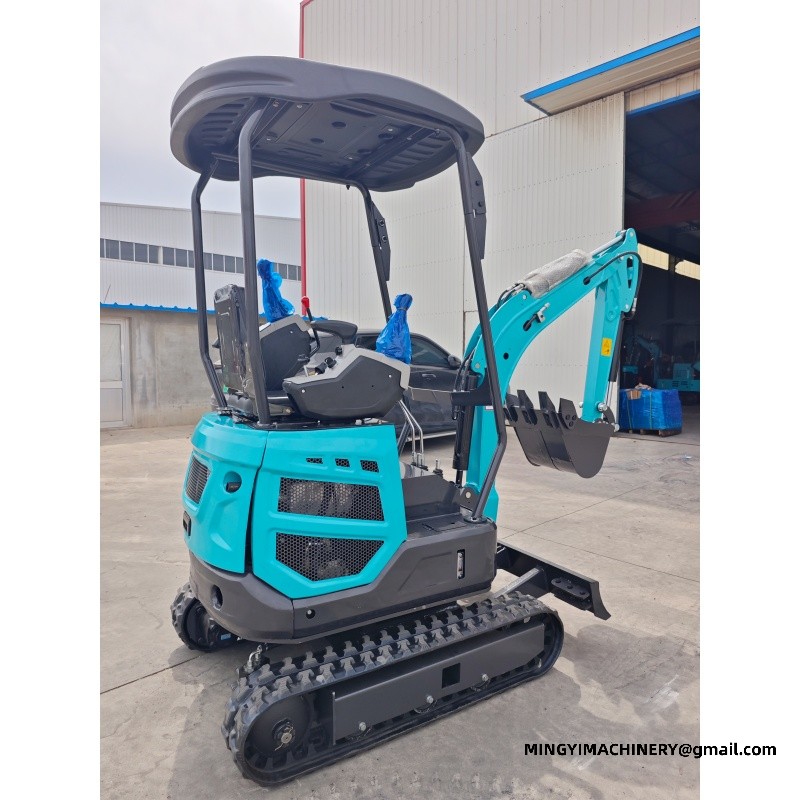
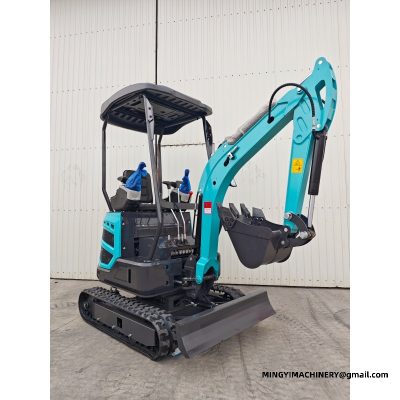
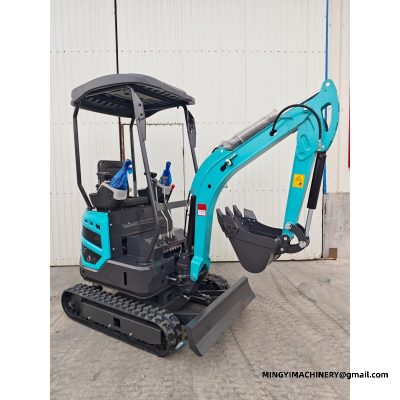
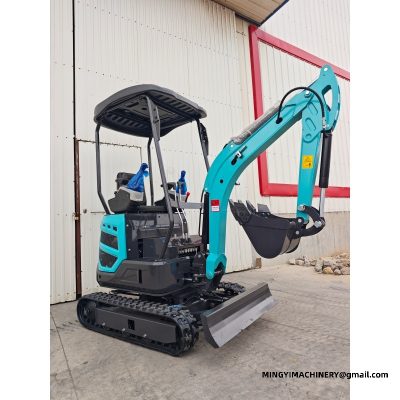
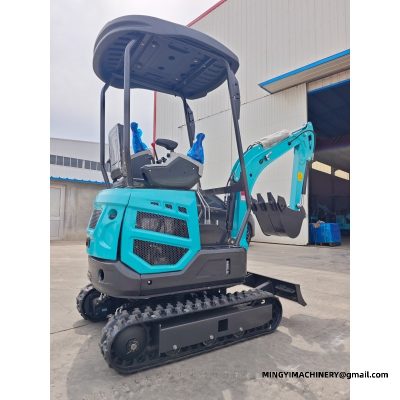
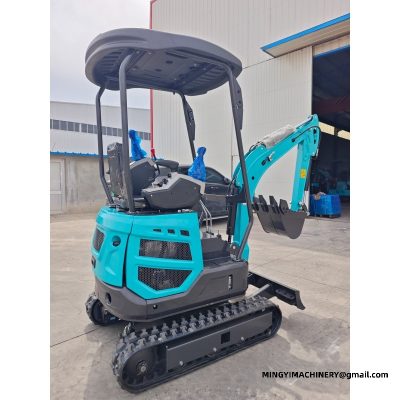
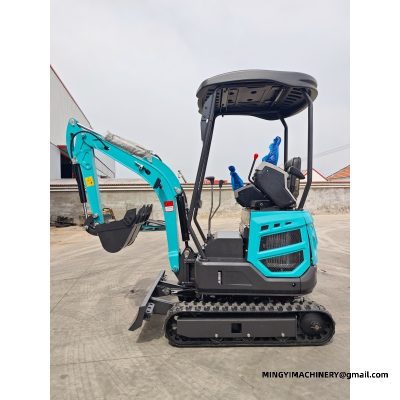
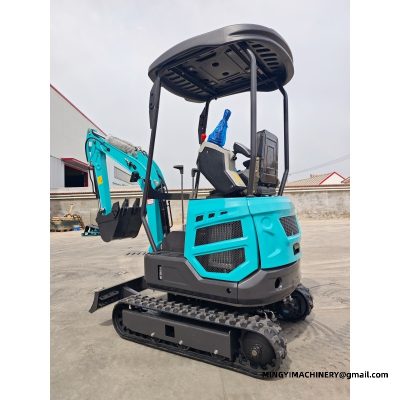
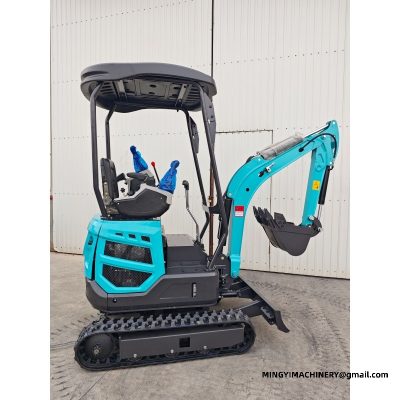
Backed by industry-leading export logistics. We offer secure container strapping and protective anti-rust coatings to ensure your machine arrives in pristine condition.
Compact excavators usually travel to their owners by container. That means the machine has to be prepared for the journey as well as for work: the boom folded, loose attachments secured, and the specification documented so the machine is clear at both ends of the trip.
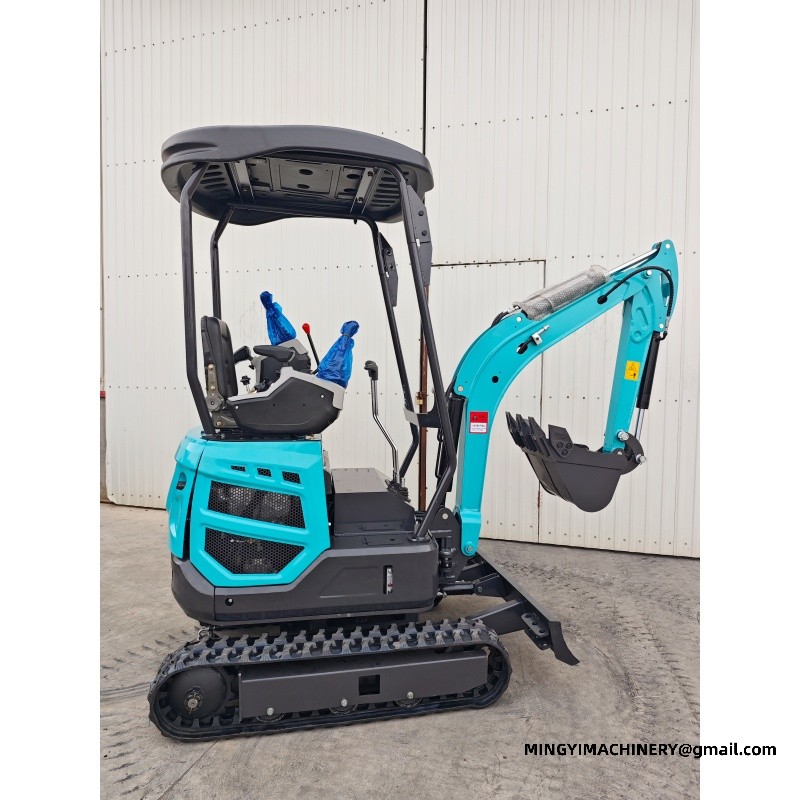
MINGYI builds compact excavators to order for export buyers and prepares them for container shipment. The configuration is agreed in writing before production so the machine that is built is the machine that was ordered.
Preparing a compact excavator for container shipment
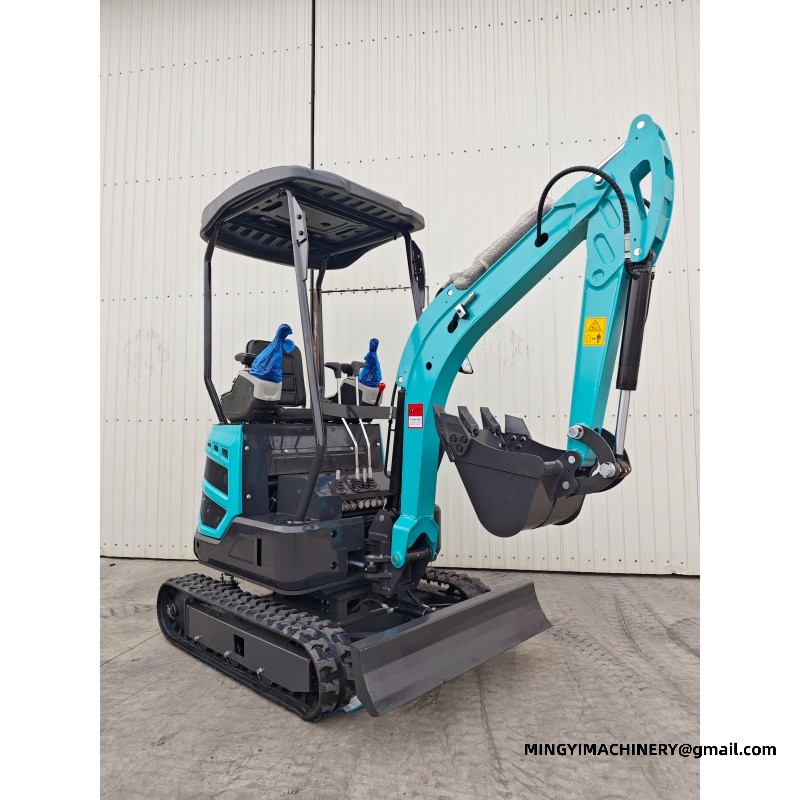
Loading a machine into a container is a controlled operation. The excavator is normally positioned with the boom and dipper folded, the tracks aligned, and any removable parts packed so nothing shifts during transit.
Attachments that are not fitted to the machine are usually packed separately inside the container. Buyers should confirm what is mounted and what is crated, so nothing is treated as missing on arrival.
Order confirmation and export packing details
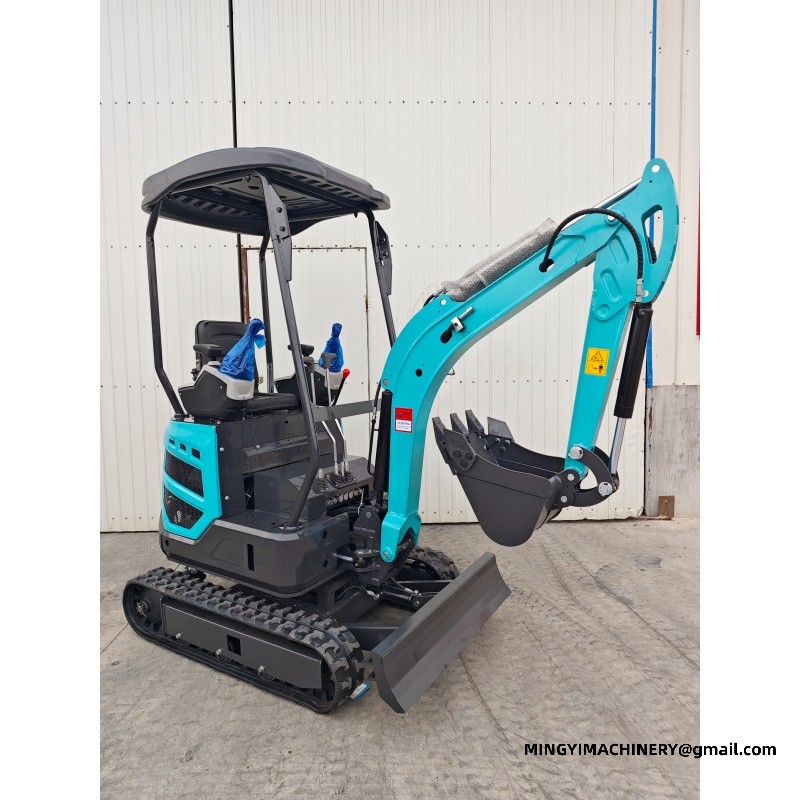
The order document is the reference for the whole shipment. Model, specification, colour, attachment list and the operator station should all be recorded against the unit before production begins.
Documentation travels with the machine so the buyer can clear it and put it to work. Service information and spare parts are supplied with the excavator, which helps the machine start earning without delay.
Exporting a compact excavator is mainly a matter of agreeing the specification and preparing the machine properly. MINGYI builds these excavators to order for container shipment.
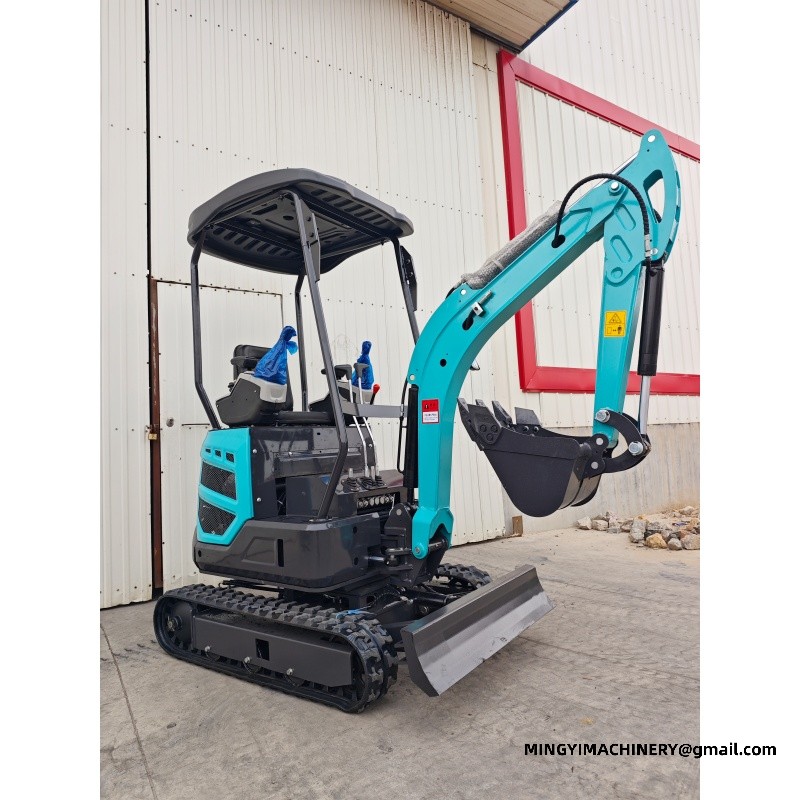
Orchard, vineyard and farm use of mini excavator for containerized export Orchard and vineyard work is carried out between rows. The excavator with a narrow chassis and a swing boom works down the row without damaging the trees, which is the reason a full-size machine is not used at all. Farms also use this class of machine for general maintenance - clearing a watercourse, repairing a track, loading a spreader. One carrier with a few attachments covers most of the jobs that would otherwise wait for a contractor. Landscaping and ground care with mini excavator for containerized export Landscape contractors use the unit in daily use for planting holes, pond excavation, grading and retaining work. The machine is light enough to cross finished lawn and narrow enough to work between established trees. On soft landscape work the surface is the constraint. A machine of this size on rubber tracks crosses turf without stripping it, which is why the same jobs are not given to a wheeled machine. Municipal and public works with mini excavator for containerized export Municipal crews work on streets, footpaths and parks where the public is present. The equipment on site is specified because it occupies little space, works inside a small exclusion zone and can be moved on a standard trailer. Drainage repair, tree planting, footway reconstruction and cemetery work are all within the range of the machine itself. The jobs are small individually and continuous across the year. Export packing and shipping of mini excavator for containerized export Machines leave the factory prepared for container or flat rack shipment. The model in question is normally shipped with the attachment set and the spare parts list agreed in advance so the container is planned once. Export documentation, decals and paint are settled before packing. Asking for them with the machine in that duty order avoids a second handling session and keeps the machine on the booked vessel. Quick coupler practice on mini excavator for containerized export Couplers are specified early because they affect the arm and the hydraulic kit. Adding one to the unit on the job after delivery means new pins, new hoses and a fitment session; adding it at build time is a line on the sheet. For a fleet that shares attachments between machines, a common coupler standard matters more than the coupler brand. A machine built for the work that picks up the same tools as the larger machines keeps the rack usable across the yard. Engine options behind mini excavator for containerized export Power unit selection is settled against the service network the buyer already uses. MINGYI offers Kubota D722, Kubota D902, YANMAR, Changchai, Laidong, Runtong, YARMAX, Youpu 2V80 and Youpu 195, so a fleet running one brand of engine can keep the same filters, the same parts supplier and the same mechanic. Two buyers can order the same the equipment in service and receive different engines. The decision is rarely about peak power; it is about which parts counter is closest to the site and which engine the local mechanic already knows. Track choice for the excavator Rubber tracks suit paved and landscaped ground because they spread the machine weight and leave the surface intact. Steel tracks with rubber blocks are specified where the ground is rougher or the working day is longer, and the choice can be made per machine rather than accepted as a factory default. Track type changes what the machine can cross and what it leaves behind. Buyers specify rubber for lawns, driveways and municipal work, and steel with rubber blocks for sites where sharp material would cut a rubber belt in a week. Working this class of machine through the seasons Weather decides which days are productive. Rain turns some ground unusable and cold changes how the unit in daily use starts and warms up, so planning the wet months around maintenance is more useful than planning around output. Seasonal planning smooths the workload. Machines that are busy for a few months and idle for the rest benefit from a service slot in the quiet period, and a machine of this size prepared in the off-season starts the busy months reliably. Matching the equipment on site to ground conditions Hard and abrasive ground reverses the specification. On rock, demolition rubble or sharp gravel, steel tracks with rubber blocks on the machine itself survive conditions that cut a rubber belt quickly. Mixed sites are common and argue for a compromise specification. Most buyers choose rubber for the model in question and accept the wear, unless the majority of the work is on material that will damage it. Acceptance checks when the machine in that duty arrives Delivery day is the best time to find a problem. Checking the specification against the order, the fluid levels, the fasteners and any transport damage while the machine built for the work is still on the trailer is faster than claiming later. A function check before the machine goes to work is worth the hour. Running through the controls, the travel and the attachment circuit on the unit on the job confirms it is set up as specified and ready for the site. Trailering and moving the equipment in service Transport weight and width decide whether a machine needs a specialist haulier. The excavator sized to travel on a standard plant trailer behind a suitable vehicle moves with the crew rather than on a scheduled low loader. Loading practice matters as much as the numbers. This class of machine is driven up ramps under its own power with the boom lowered and the tracks aligned, and secured at the points the manufacturer specifies. Specification data for the unit in daily use The figures below are the factory figures for the models most often matched to a machine of this size. They are the numbers to check against the site: the depth the work needs, the reach from one position, and the width of the narrowest point on the route in. Figures are factory figures and are confirmed on the build sheet for the equipment on site. Where a job sits between two models, the larger machine usually takes less time than the smaller one spends on rework. The cab decision follows the climate and the hours. Operators working a full shift in the machine itself benefit from a sealed cab with wipers and heating; operators stepping on and off every few minutes usually prefer the canopy for the visibility and the quick exit. Enclosure also changes noise and dust exposure. A sealed cab on the model in question keeps dust out on dry sites and lets the machine work through weather that would otherwise stop a canopy machine for the day.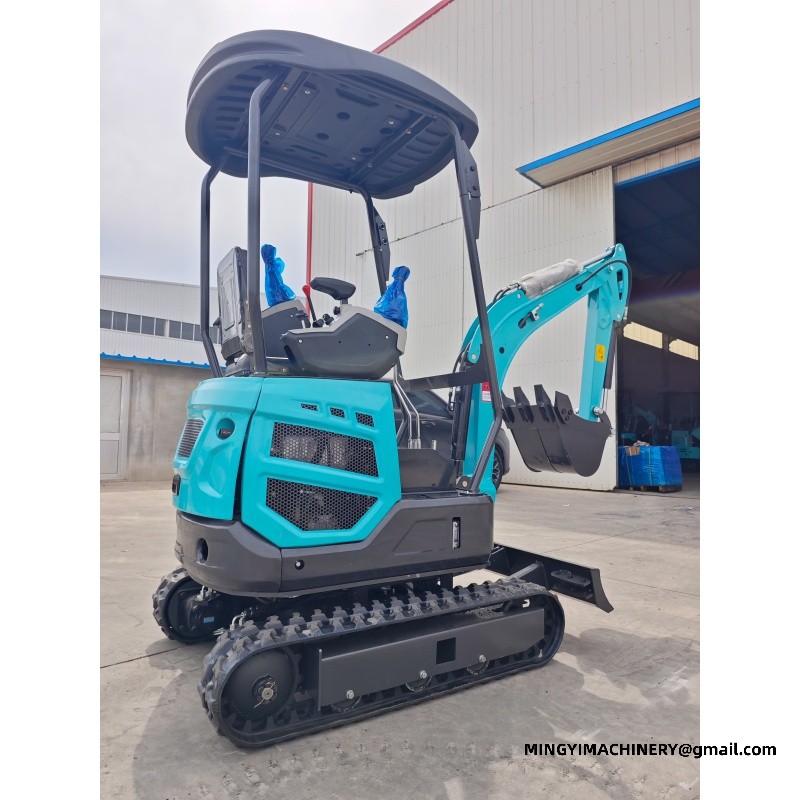
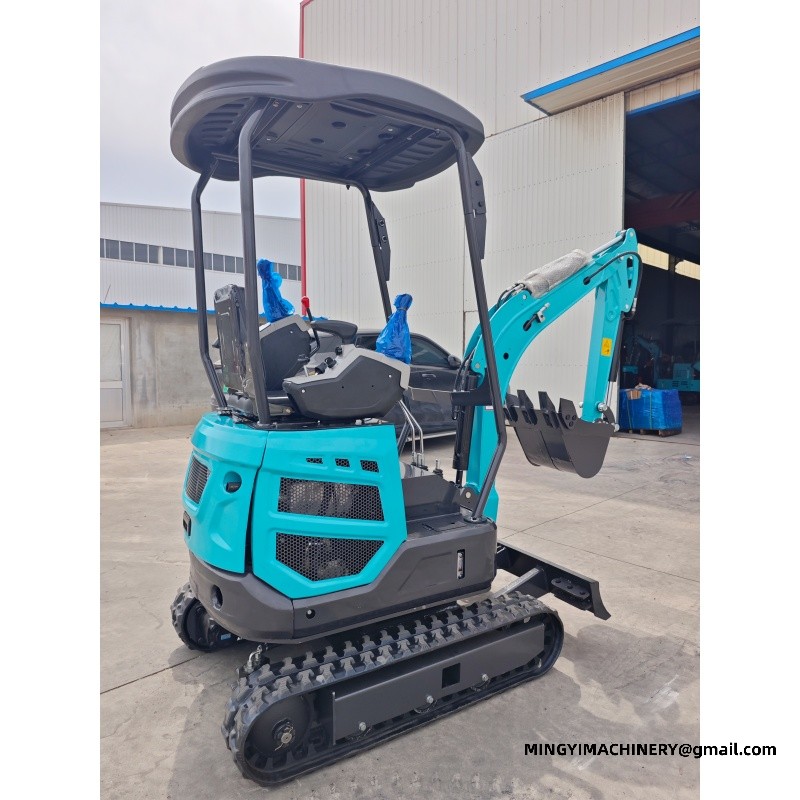
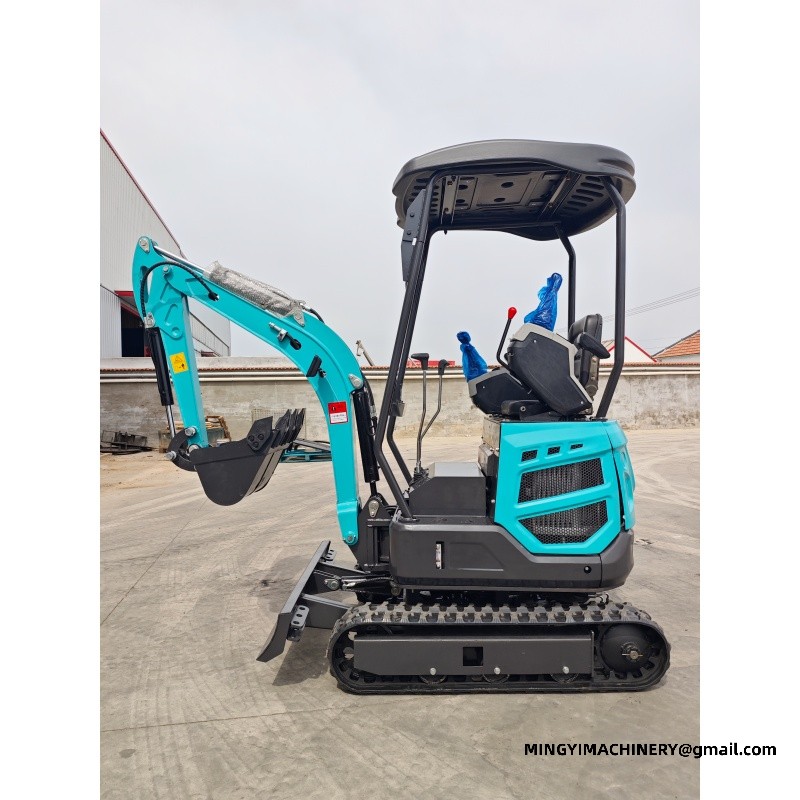
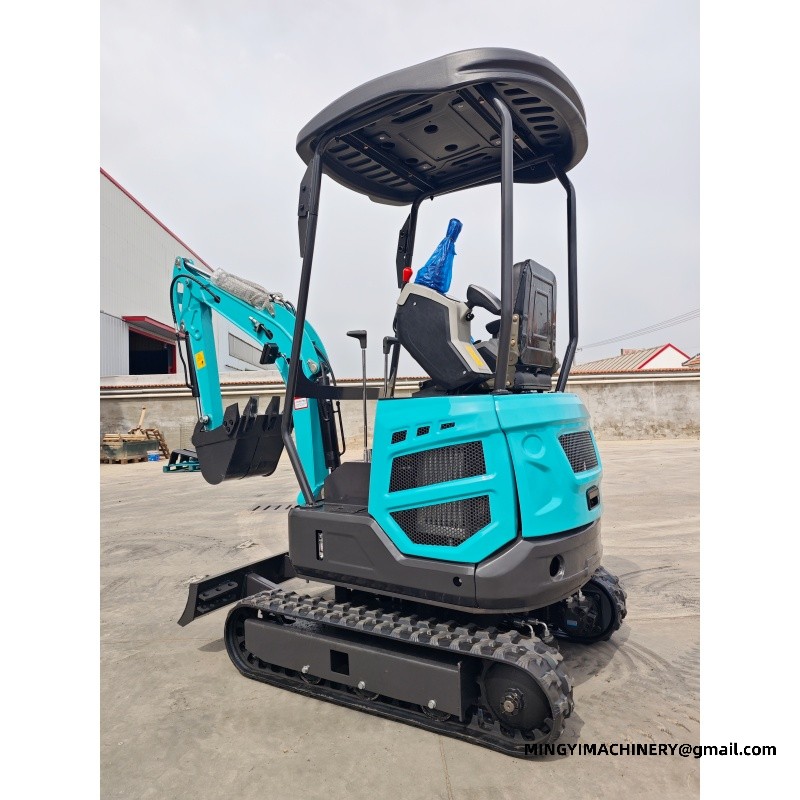
Reference specification — mini excavator range 13W 09L 12L 15L Operating weight 1300 kg (2866.01 lb) 1100 kg (2425.08 lb) 1200 kg (2645.55 lb) 1400 kg (3086.47 lb) Transport size (L×W×H) 2200 × 930 × 2250 mm 2300 × 720 × 1870 mm 2200 × 930 × 2250 mm 2200 × 930 × 2250 mm Max digging depth 1630 mm (64.17 in) 1400 mm (55.12 in) 1700 mm (66.93 in) 1700 mm (66.93 in) Max digging height 2750 mm (108.27 in) 2800 mm (110.24 in) 2600 mm (102.36 in) 2750 mm (108.27 in) Max dumping height 1960 mm (77.17 in) 1880 mm (74.02 in) 1800 mm (70.87 in) 1960 mm (77.17 in) Max digging radius 2900 mm (114.17 in) 2490 mm (98.03 in) 2900 mm (114.17 in) 2900 mm (114.17 in) Max digging distance 2100 mm (82.68 in) 2000 mm (78.74 in) 2300 mm (90.55 in) 2300 mm (90.55 in) Minimum turning radius 1300 mm (51.18 in) 1400 mm (55.12 in) 1450 mm (57.09 in) 1450 mm (57.09 in) Travel speed 3 km/h (1.86 mph) 3 km/h (1.86 mph) 3 km/h (1.86 mph) 3 km/h (1.86 mph) Gradeability 30° 30° 30° 30° Fuel consumption 1-1.3 L/h (0.264—0.343 gal) 1-1.3 L/h (0.264—0.343 gal) 1-1.3 L/h (0.264—0.343 gal) 1-1.3 L/h (0.264—0.343 gal) Fuel tank capacity 10 L (2.64 gal) 8 L (2.11 gal) 10 L (2.64 gal) 10 L (2.64 gal) Hydraulic oil tank 16 L (4.23 gal) 16 L (4.23 gal) 16 L (4.23 gal) 16 L (4.23 gal) Dozer blade lift height 180 mm (7.09 in) 180 mm (7.09 in) 180 mm (7.09 in) 180 mm (7.09 in) Dozer blade drop depth 210 mm (8.27 in) 210 mm (8.27 in) 210 mm (8.27 in) 210 mm (8.27 in)
Q. What is the machine in that duty?
A. Dealer, importer and fleet buyers judge a factory by what follows the machine - packing, documentation, parts - and the programme sets out how that works. OEM and ODM build options cover colour, decals, engine choice, cab layout and attachment packages, confirmed on the build sheet before production. For containerized export applications the practical route is to send the job list to the factory and let the build sheet answer it - which is exactly what this page invites.
Q. How are machines packed and shipped?
A. Complete units travel in containers on timber cradles; CKD packing parts the machine for volume. Documents, marks and routing follow the order, and the destination port decides the packing plan.
Q. What support follows the sale?
A. Spare-part kits, wear items and service documentation ship with the programme, and the parts team works from the serial plate to match components exactly. Warranty and support terms for the containerized export order are confirmed in writing before the machine leaves.
Later additions and retrofits on the unit on the job
Later changes are easier when they were anticipated. Asking for the extra hydraulic circuit or the heavier mounting plate on a machine built for the work at build time adds little and leaves the option open.
Pre-delivery inspection before the equipment in service leaves the shop
What the customer sees on arrival is decided before departure. The walk-around given to the excavator covers the same points the operator will check on day one, so there are no surprises when the crate is opened at the destination.
Wear items and spares worth holding for this class of machine
Holding spares is about downtime rather than the shelf itself. The question for the unit in daily use is not how large the part is but how long the machine sits while it is found, and a small shelf answers that better than a fast courier.
E-mail : sales@mingycn.com
LINE ( ID ): mingyicn
Nameplate, serial number and documents for mini excavator for containerized export
The serial plate is how the right parts book, the right manual and the right service bulletin are found, and it is worth photographing on delivery.
Engine, pump and axle numbers are recorded separately, because a machine can carry a different build of each within one model year.
Related pages
brush mulching mini excavator head · skeleton bucket mini excavator · Wheel Loader for Construction Site: Board Heights and Turn Space · Mini Excavators









