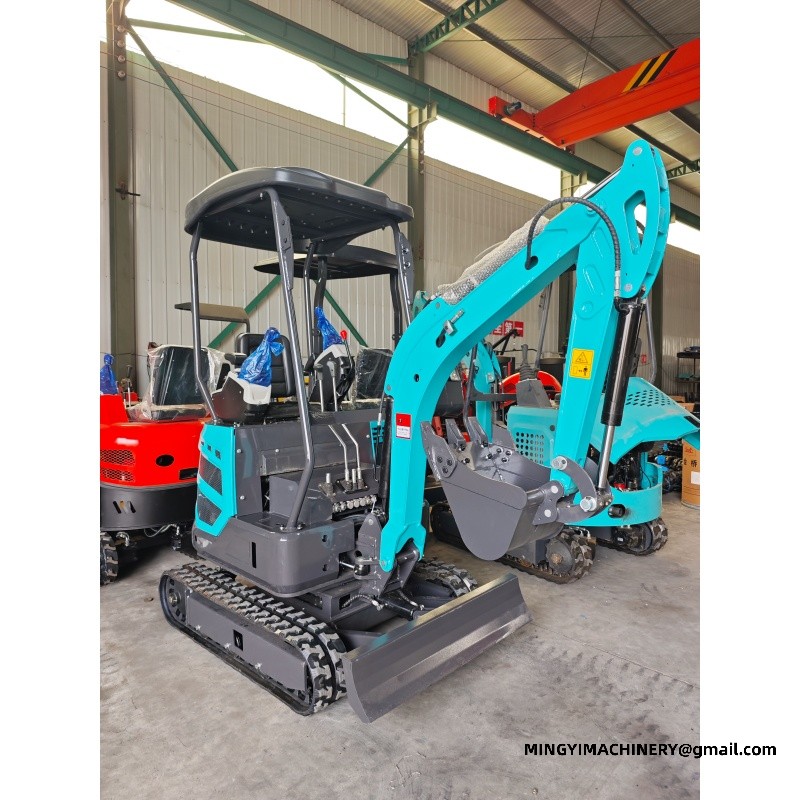
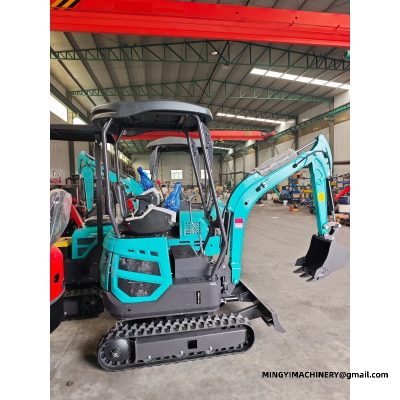
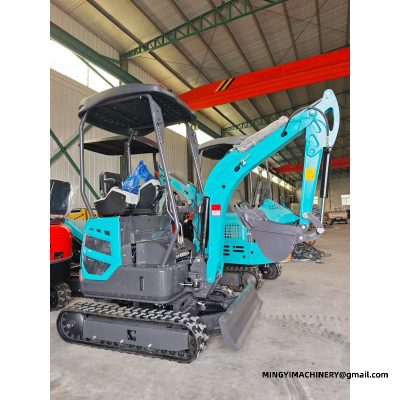
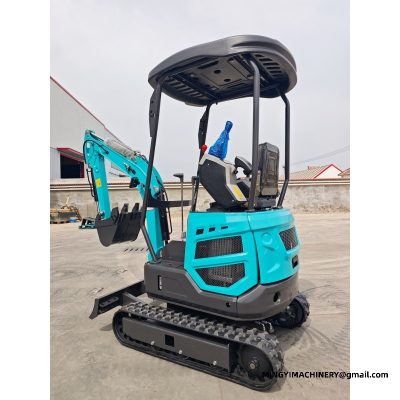
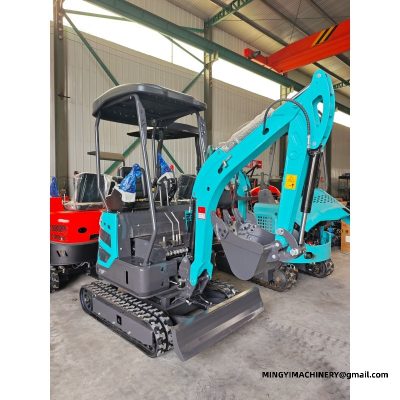
Features a slotted skeleton or sieve bucket. Allows operators to easily separate rocks, bricks, and heavy debris from topsoil, maximizing material recycling on site.
A skeleton bucket lets a mini excavator separate fine material from coarse as it digs. The open structure allows soil and small stone to fall through while larger rock and debris stay in the bucket.
MINGYI supplies skeleton buckets for its compact crawler excavators, matched to the machine and its coupler so the attachment can be used on the arm it was specified for.
Screening and separating with a skeleton bucket
The bucket does its work by letting material pass through. When it is filled and lifted the finer soil drops out and the larger pieces remain, so the operator can screen a load as part of the digging cycle instead of on a separate machine.
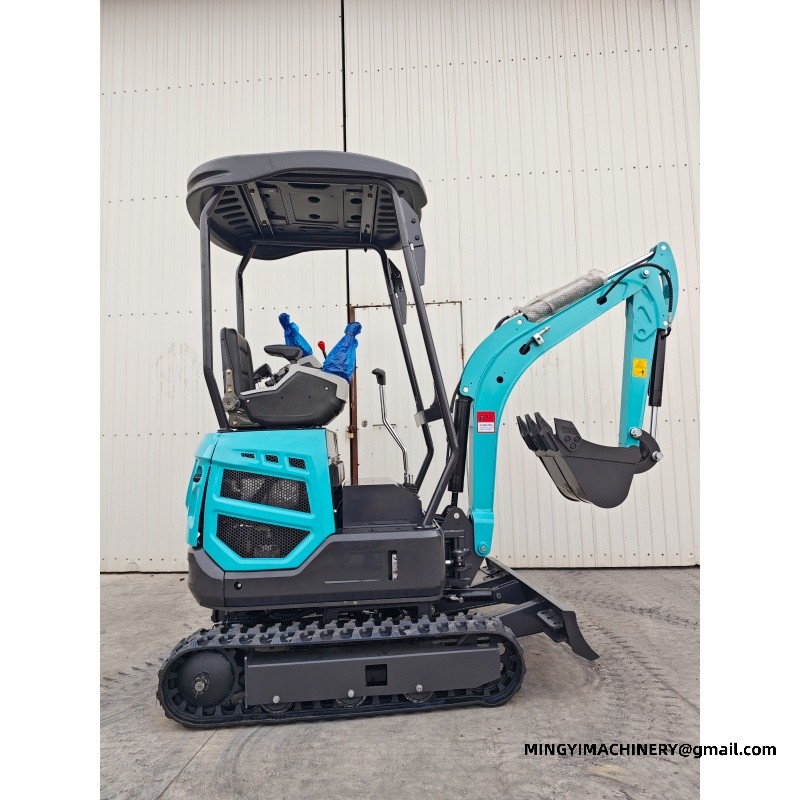
That is useful where material will be reused. Separating stone from soil on site lets the soil go back into a bed or a trench while the stone is set aside, which reduces the amount of material that has to be handled twice.
Dealing with wet or sticky spoil
A skeleton bucket performs differently depending on the ground. In dry, free running soil it screens well, but in wet clay the openings can clog, and the operator may have to shake the bucket to clear it.
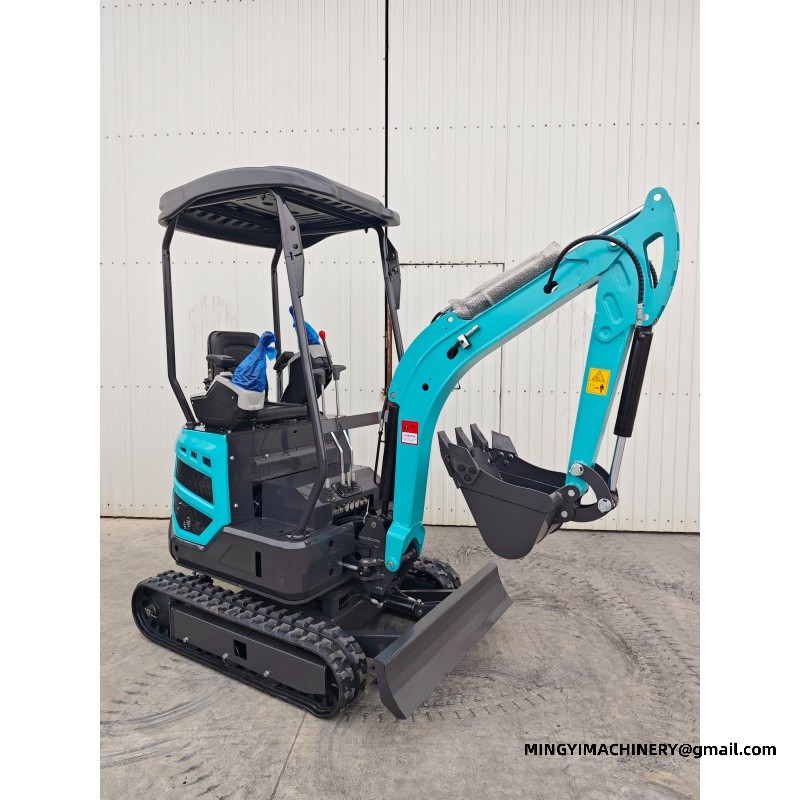
Choosing the opening size follows the material. A wider gap passes more soil but holds back more of the smaller stone, so the size is picked to suit what the site needs separated.
A skeleton bucket is bought for the material it has to sort. Where soil and stone have to be divided on site, the attachment turns the excavator into a screening machine without a second unit.
Export packing and shipping of skeleton bucket mini excavator Machines leave the factory prepared for container or flat rack shipment. The excavator is normally shipped with the attachment set and the spare parts list agreed in advance so the container is planned once. Buyers who import regularly plan the spare parts with the machine. This class of machine ordered with a wearing-parts kit arrives ready to work rather than ready to wait for the first service interval. Noise, dust and working near occupied buildings Work near housing or occupied premises brings constraints that open sites do not. Start times, exhaust condition and how often the unit in daily use needs to reverse are the practical limits that neighbours notice. Enclosure and machine condition both reduce noise. A machine of this size with intact panels, sound mounts and a maintained exhaust is measurably quieter than the same machine with loose guards, and the difference matters on restricted sites. Working a skeleton bucket mini excavator in confined spaces Confined sites are decided by dimensions. Overall width, tail swing and the space needed to work the arm are what let the equipment on site operate inside a building, between walls or in a courtyard. Clearance above matters as much as around. Door heights, pipework and overhead services set the limit for the machine itself indoors, and measuring them first avoids a machine that arrives and cannot be used. Working a skeleton bucket mini excavator through the seasons Weather decides which days are productive. Rain turns some ground unusable and cold changes how the model in question starts and warms up, so planning the wet months around maintenance is more useful than planning around output. Heat and dust are as limiting as rain. Air intake condition and cooling cleanliness decide how the machine in that duty behaves in a dry season, and both are checked in a minute rather than repaired later. Interior and light demolition with skeleton bucket mini excavator Interior demolition is an access and a weight question. The unit on the job that fits through a doorway and works on a suspended floor does jobs that would otherwise be done by hand or by a larger machine that cannot enter. Breaking out a floor slab, a wall footing or a concrete step is routine work for a machine built for the work with a breaker. The machine is small enough to work inside and heavy enough to run the tool at a practical rate. Engine options behind skeleton bucket mini excavator Two buyers can order the same the excavator and receive different engines. The decision is rarely about peak power; it is about which parts counter is closest to the site and which engine the local mechanic already knows. Engine choice is also an emissions and documentation question for some markets. Listing the available units with the equipment in service enquiry lets the factory confirm what can be supplied and documented for the destination country. Lifting and material handling with this class of machine Stability changes with reach. A load the unit in daily use handles close in becomes a different proposition at full extension, so the working radius belongs in the plan before the lift rather than during it. Ground condition under the machine is part of every lift. Soft or uneven support is the common factor in handling incidents, and checking it takes less time than recovering a machine of this size that has settled. Hiring versus owning the equipment on site Availability is part of the decision. Owning the machine itself means it is there on the day the ground is ready; hiring means competing for the same machine at the same time as everyone else in the season. Ownership brings obligations that hiring does not. Storage, servicing, insurance and an operator are the items to set against the hire rate before deciding which way the model in question should be supplied. Track choice for the machine in that duty Undercarriage selection is a ground question, not a preference question. The unit on the job running on finished paving needs rubber; the same machine on demolition rubble or rock wears rubber quickly, so steel with rubber blocks becomes the better answer over a full season. Track type changes what the machine can cross and what it leaves behind. Buyers specify rubber for lawns, driveways and municipal work, and steel with rubber blocks for sites where sharp material would cut a rubber belt in a week. Attachments that turn a machine built for the work into several machines The base machine is a carrier; the tool on the end of the arm decides the task. The equipment in service fitted with a toothed bucket digs, and the same machine with a breaker, an auger or a grab does work that would otherwise need a second unit on site. Most of the daily variety on the excavator comes from the attachment rack rather than from the machine itself. Bucket, breaker, auger, ripper, rake and grab cover the large majority of the work a contractor will see. Working on slopes and uneven ground with this class of machine Slope work is a stability question before it is a traction question. Knowing the gradient the unit in daily use is rated for, and working across rather than straight up where the ground allows, removes most of the risk. Planning the direction of travel helps. Working so that the a machine of this size is stable under load and not required to turn on a slope is a decision made before the job starts, not a correction made during it. Quick coupler practice on the equipment on site A quick coupler is the single option that changes how a machine is used day to day. Fitted to the machine itself, it turns an attachment change from a two-person workshop job into a task the operator does alone in minutes. For a fleet that shares attachments between machines, a common coupler standard matters more than the coupler brand. The model in question that picks up the same tools as the larger machines keeps the rack usable across the yard. Specification data for the machine in that duty Where the unit on the job is being specified for a job list, the table below gives the factory figures that matter most: what the machine weighs, how deep and how far it works, and what it measures on a trailer. Figures are factory figures and are confirmed on the build sheet for a machine built for the work. Where a job sits between two models, the larger machine usually takes less time than the smaller one spends on rework. A canopy keeps the machine light and the operator aware of the surroundings, which suits short jobs in warm weather. A fully enclosed cab is specified where rain, dust or cold are part of the working year, and it can be added to the equipment in service as a retrofit rather than only at build time. The cab decision follows the climate and the hours. Operators working a full shift in the excavator benefit from a sealed cab with wipers and heating; operators stepping on and off every few minutes usually prefer the canopy for the visibility and the quick exit.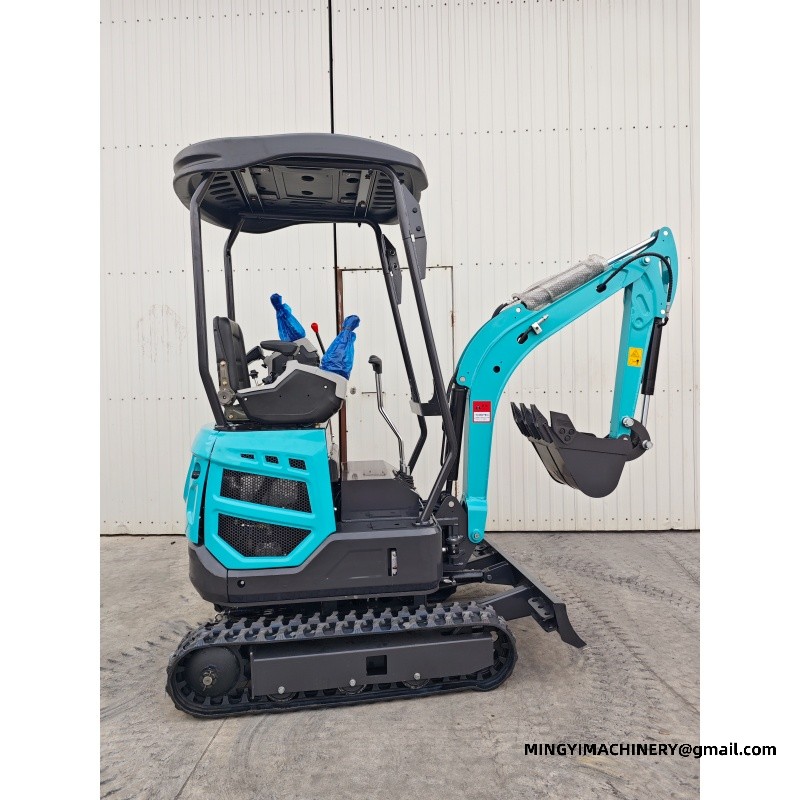
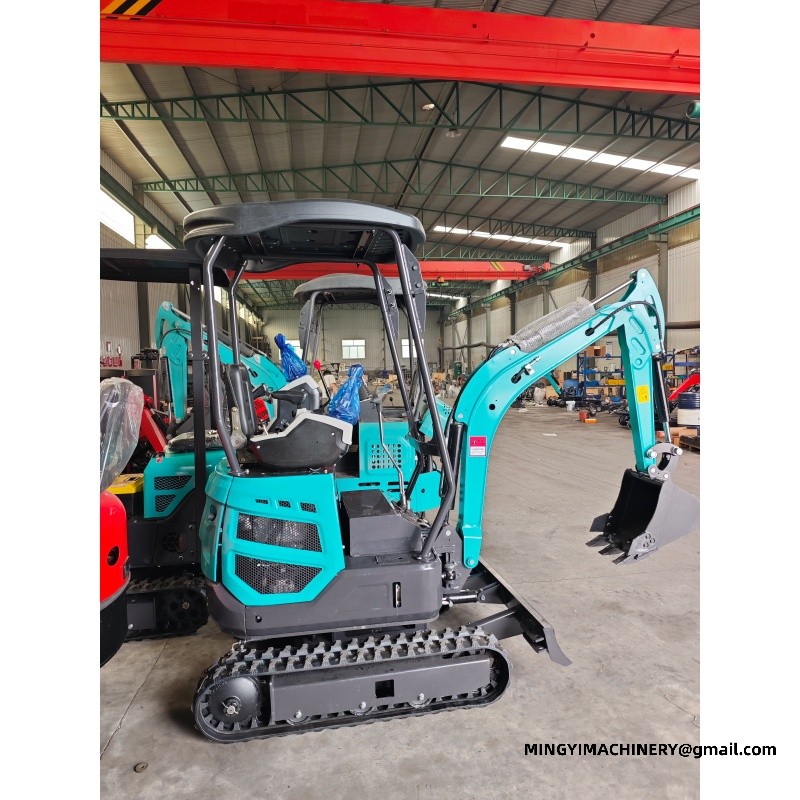
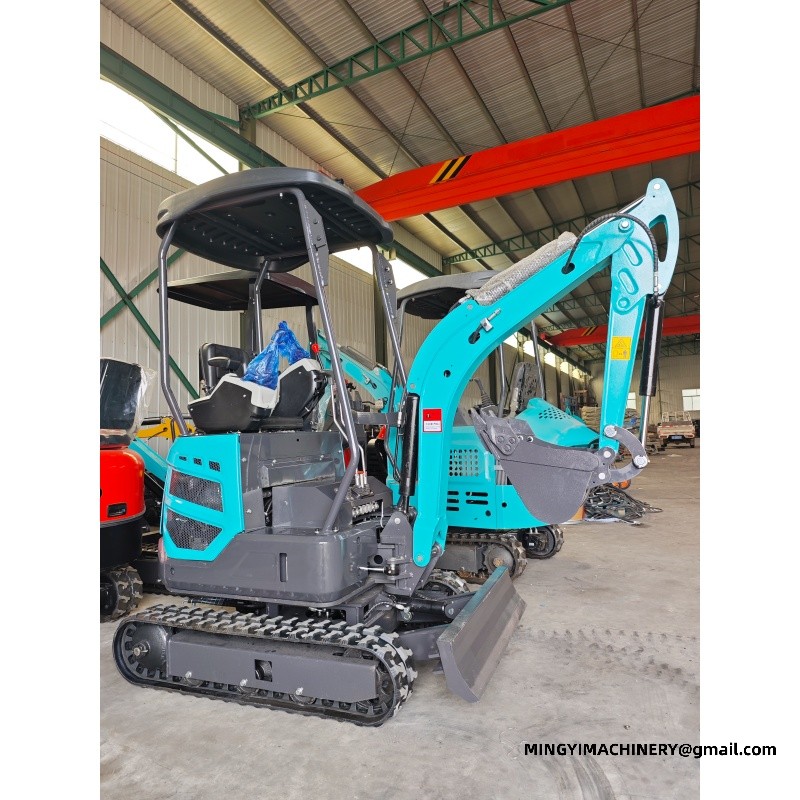
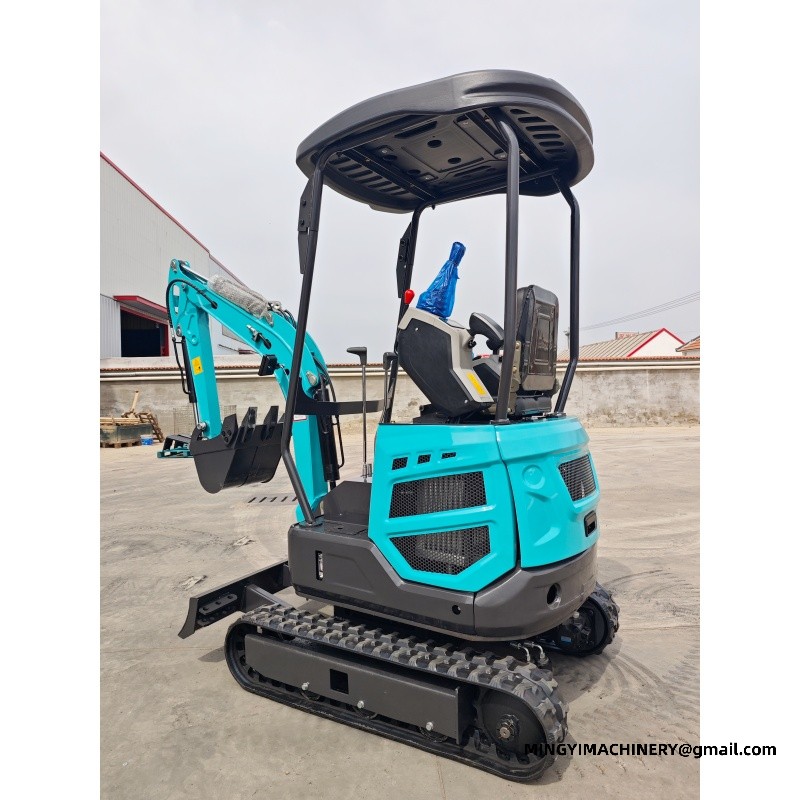
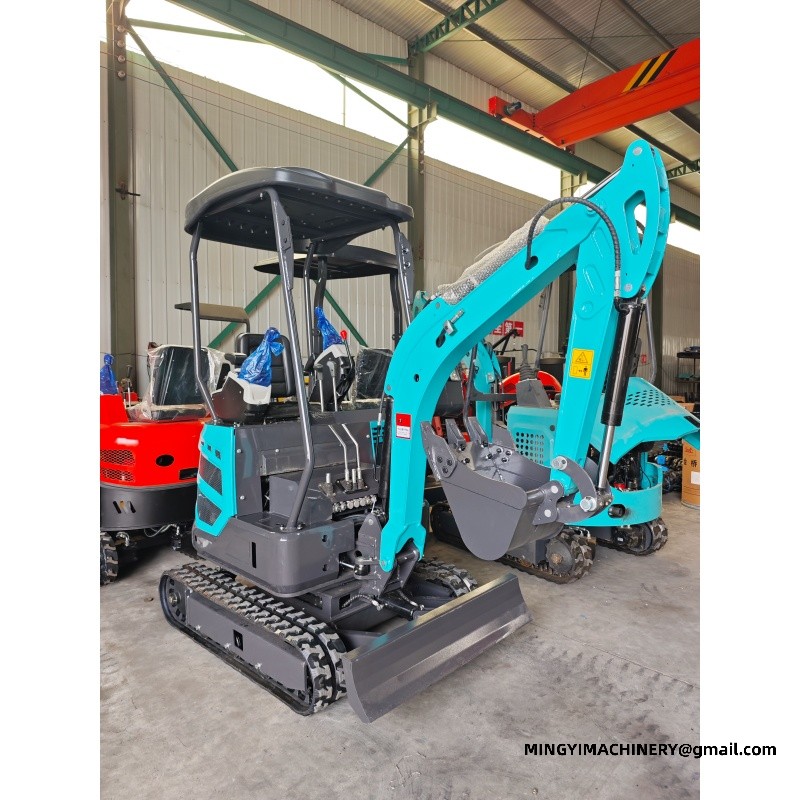
Reference specification — mini excavator range 15W 15L 20-2L 25L Operating weight 1400 kg (3086.47 lb) 1400 kg (3086.47 lb) 1900 kg (4188.78 lb) 2200 kg (4850.17 lb) Transport size (L×W×H) 2200 × 930 × 2250 mm 2200 × 930 × 2250 mm 2600 × 1300 × 2344 mm 3000 × 1300 × 2700 mm Max digging depth 1630 mm (64.17 in) 1700 mm (66.93 in) 2100 mm (82.68 in) 2300 mm (90.55 in) Max digging height 2750 mm (108.27 in) 2750 mm (108.27 in) 2880 mm (113.39 in) 3100 mm (122.05 in) Max dumping height 1960 mm (77.17 in) 1960 mm (77.17 in) 2100 mm (82.68 in) 2050 mm (80.71 in) Max digging radius 2900 mm (114.17 in) 2900 mm (114.17 in) 3215 mm (126.57 in) 3900 mm (153.54 in) Max digging distance 2100 mm (82.68 in) 2300 mm (90.55 in) 2460 mm (96.85 in) 3100 mm (125.05 in) Minimum turning radius 1300 mm (51.18 in) 1450 mm (57.09 in) 1587 mm (62.48 in) 1800 mm (70.87 in) Travel speed 3 km/h (1.86 mph) 3 km/h (1.86 mph) 5 km/h (3.11 mph) 7 km/h (4.35 mph) Gradeability 30° 30° 30° 30° Fuel consumption 1-1.3 L/h (0.264—0.343 gal) 1-1.3 L/h (0.264—0.343 gal) 2-3 L/h (0.528—0.793 gal) 2-3 L/h (0.528—0.793 gal) Fuel tank capacity 10 L (2.64 gal) 10 L (2.64 gal) 16 L (4.23 gal) 16 L (4.23 gal) Hydraulic oil tank 16 L (4.23 gal) 16 L (4.23 gal) 18 L (4.76 gal) 18 L (4.76 gal) Dozer blade lift height 180 mm (7.09 in) 180 mm (7.09 in) 180 mm (7.09 in) 230 mm (9.06 in) Dozer blade drop depth 210 mm (8.27 in) 210 mm (8.27 in) 210 mm (8.27 in) 280 mm (11.02 in)
Q. What is this class of machine used for?
A. Attachments turn one carrier into several machines: dig on Monday, grade, lift, mow or drill on Tuesday without the machine leaving site. A digger that only digs competes with shovels; a digger with the right working set competes for whole jobs. For skeleton bucket applications the practical route is to send the job list to the factory and let the build sheet answer it - which is exactly what this page invites.
Q. How do I know which attachment my machine can run?
A. Compare the carrier hydraulic flow with what the attachment asks for, and the lifting moment with what it weighs at full reach. Lower-flow carriers still run buckets, rakes and mechanical tools; hungry attachments call for the high-flow option, and MINGYI confirms the pairing before the order ships.
Q. How do I get a specification?
A. Send the model, the destination and the attachment list by email or LINE - the channels listed just below this section. The reply covers the specification, lead time, packing and freight in one document, with the skeleton bucket build sheet attached.
Reading the early symptoms on the unit in daily use
Temperature and pressure are the two things worth watching. A machine of this size that runs hotter than it used to, or whose pressure has drifted, is reporting a problem that is still simple to fix.
Packing, loading and shipment of the equipment on site
The paperwork matters as much as the packing. Serial numbers, dimensions and weights recorded for the machine itself at loading are the same figures the destination needs, and a mismatch here loses more days than the voyage itself.
E-mail : sales@mingycn.com
LINE ( ID ): mingyicn
Related pages
crawler mini excavator for daily work · lightweight mini digger for backyards · Wheel Loader for Aggregate Yard: Dust, Fines and Heavy Builds · Mini Excavators









