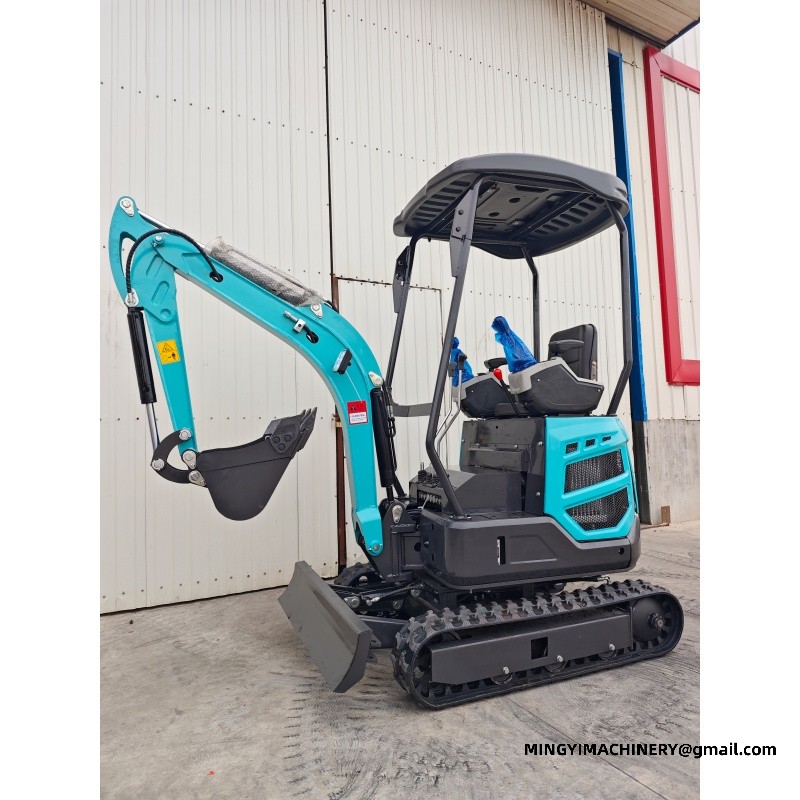
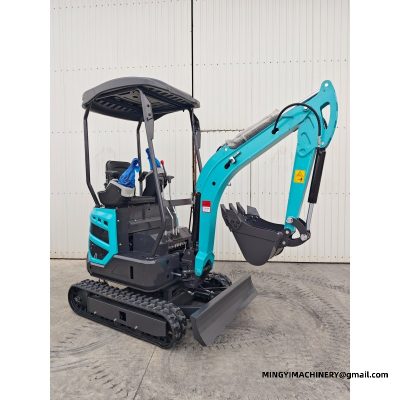
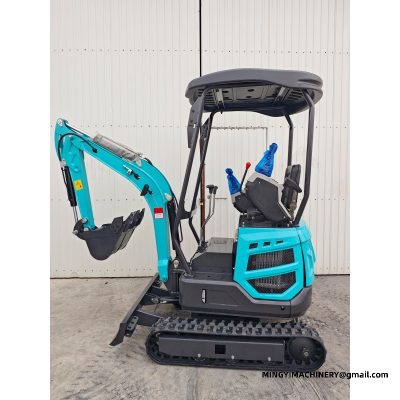
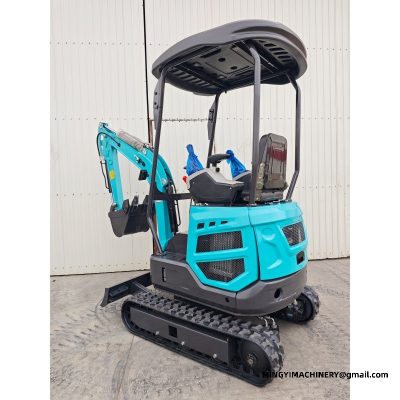
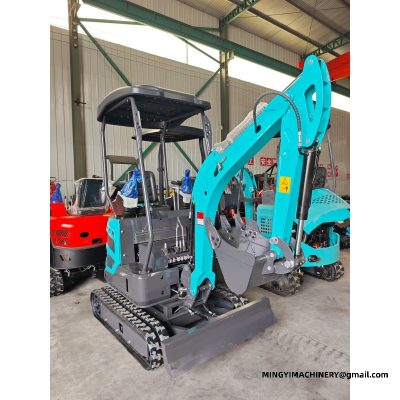
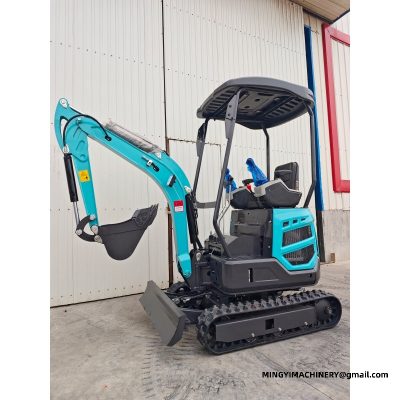
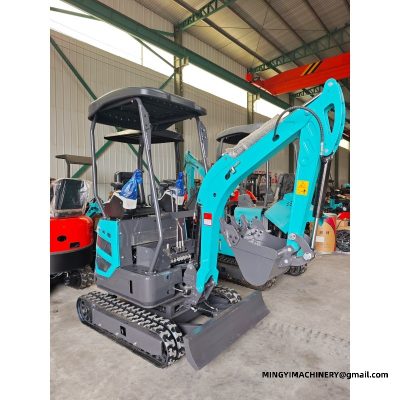
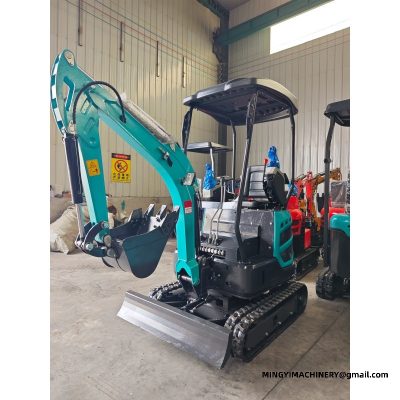
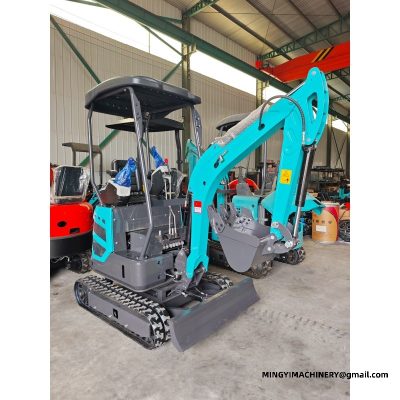
Equipped with a high-performance hydraulic flail mower attachment. Perfect for clearing thick brush, managing roadside vegetation, and maintaining steep embankments.
Scrub and heavy brush are not mown, they are mulched. A mulching head grinds woody growth into a layer of chips that stays on the ground, which is why it is used where stumps and tangled stems make cutting impractical.
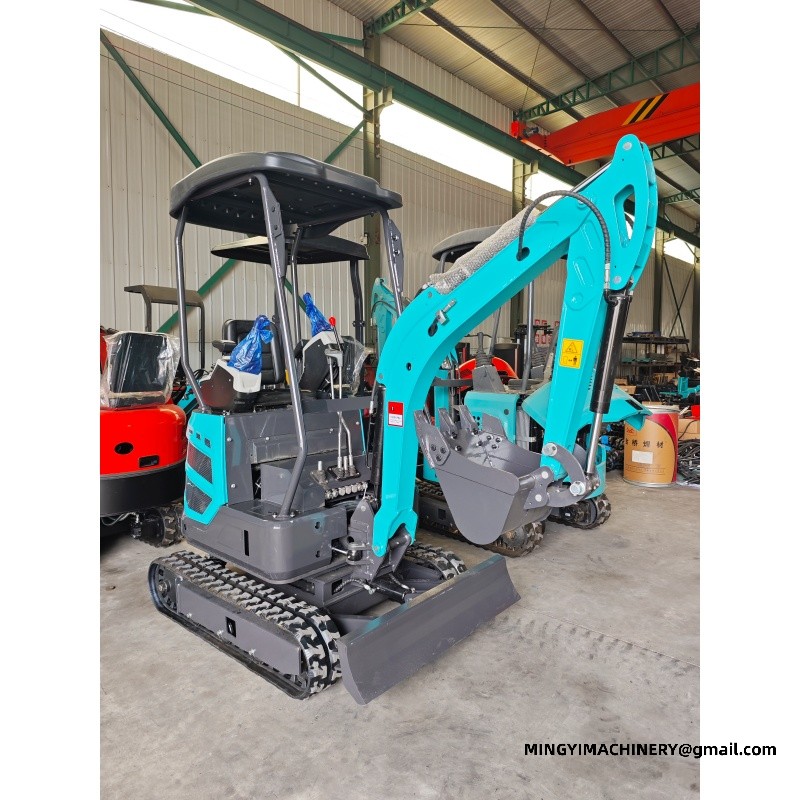
MINGYI builds compact excavators to order for this duty, matching the hydraulic flow to the head. The head, the coupler and the undercarriage are agreed together so the machine arrives ready to work.
Mulching scrub and heavy brush
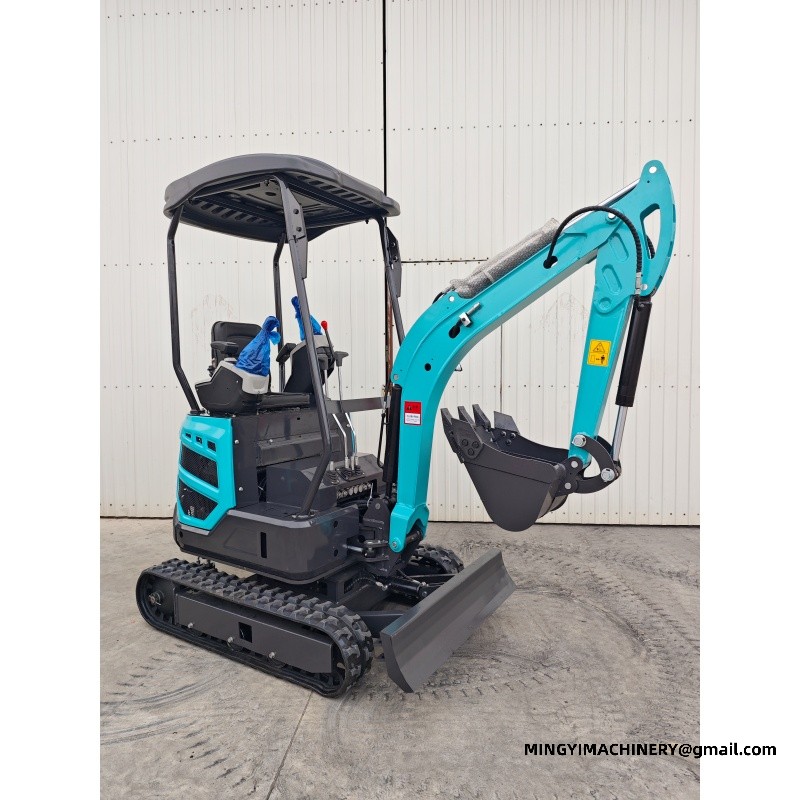
A mulching head takes stems and turns them into mulch rather than leaving them to be carried off. On overgrown ground that saves a second operation, because there is nothing to collect and burn or haul away.
The work is slower than mowing, and the head has to be fed at a rate the machine can sustain. Keeping the stems below the cutting limit and letting the head clear before advancing is what keeps the rotor turning steadily.
Matching a mulching head to stem size
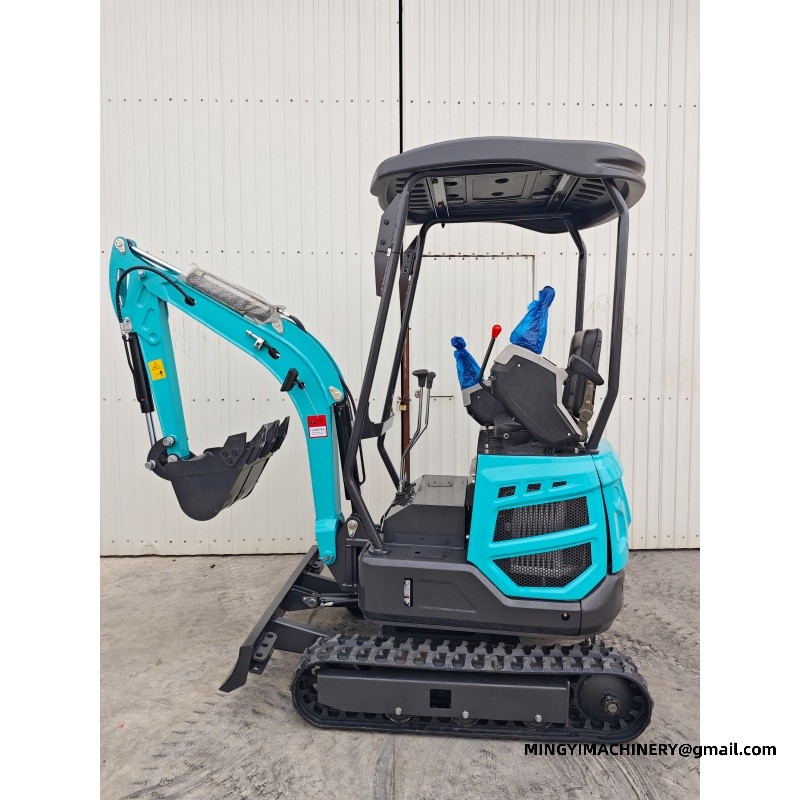
Heads differ in what they will accept, so the growth on the site decides the choice. Light brush and saplings are handled differently from dense scrub with heavier stems, and the machine has to be able to hold rotor speed under load.
Because the load is steady rather than intermittent, hydraulic flow matters more than peak power. A load sensing system keeps the rotor turning as the engine load rises, and the attachment is recorded against the machine that carries it.
Mulching suits sites that are overgrown rather than simply long. A compact excavator fitted with a mulching head clears that ground in one pass and leaves the chips behind as cover.
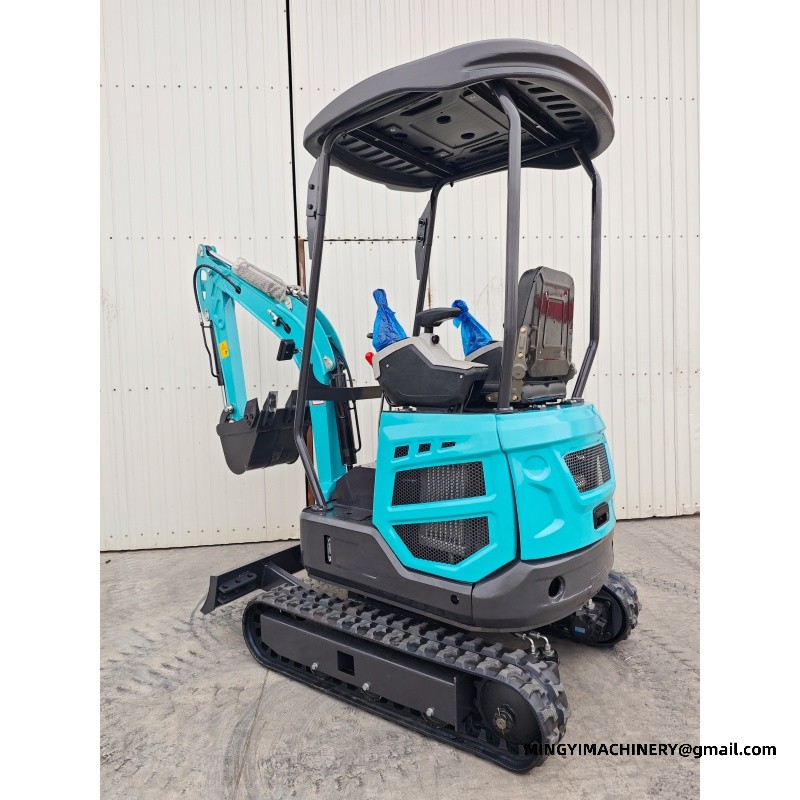
Daily checks and maintenance on brush mulching mini excavator head Daily maintenance on the excavator is a short list: engine oil level, coolant, track tension, hydraulic oil level and a look at the hoses. Ten minutes at the start of the shift prevents most of the failures that stop a machine. Track tension is the item most often neglected. This class of machine run with slack tracks wears the undercarriage and can throw a track on a turn; run too tight, the same components wear from the other direction. Parts, service and support for brush mulching mini excavator head Engine parts availability usually drives the engine choice. The unit in daily use built with an engine the local network already carries is serviced from stock rather than from an international order. Remote support is handled by video. A machine of this size fault can often be diagnosed on a walk-around call with the panel open, which is faster than waiting for a visit and avoids shipping a part that is not needed. Hydraulic circuits on a brush mulching mini excavator head Flow and pressure are matched to the tool, not to the machine size. Asking for the attachment list first means the equipment on site leaves the factory with circuits that suit the heaviest tool the buyer intends to run. Hydraulic specification is easier to settle at build time than to correct later. The machine itself delivered without auxiliary lines can still dig, but every additional tool becomes a retrofit project. Operator technique for brush mulching mini excavator head Output on a compact machine comes from placement rather than power. An experienced operator keeps the model in question working inside the swing arc, positions once and digs a full run instead of repositioning for every bucket. The second habit is tool discipline. Running the machine in that duty with the right bucket width for the trench means less spoil, less reinstatement and a cleaner job than a wide bucket and a lot of trimming. Road and paving work for brush mulching mini excavator head Patching and reinstatement favour a machine that can work in a lane closure. The unit on the job occupies less road than a full-size excavator, which reduces the traffic management needed and the length of the closure. Breaking out a failed slab and backfilling the same hole in one visit is normal work for a machine built for the work. The breaker and the bucket come off the same coupler, so the road is reopened the same day. Getting brush mulching mini excavator head through a narrow gap Access decides the machine before output does. With the equipment in service the limiting dimension is usually the widest point on the way in, so measuring the gate, the corridor and the turning space first saves a wasted delivery and a second visit. Contractors who buy the excavator normally have one job in mind that nothing else reaches. The purchase order follows the access measurement, not the other way round, and the build sheet is then settled around it. Attachments that turn this class of machine into several machines Attachment lists are best written before delivery. Specifying the unit in daily use with the tools the job list needs avoids the work and delay of adding hydraulics later, and a quick coupler makes the swap a few minutes instead of a workshop job. Most of the daily variety on a machine of this size comes from the attachment rack rather than from the machine itself. Bucket, breaker, auger, ripper, rake and grab cover the large majority of the work a contractor will see. Noise, dust and working near occupied buildings Enclosure and machine condition both reduce noise. The equipment on site with intact panels, sound mounts and a maintained exhaust is measurably quieter than the same machine with loose guards, and the difference matters on restricted sites. Dust control is often part of the same conversation. Water, timing and work sequence reduce what leaves the site, and agreeing them in advance keeps the machine itself working rather than stopped after a complaint. What owners should plan for beyond the model in question Purchase decision is the visible part of the effort. Fuel, filters, tracks or tyres, the operator and the transport between sites are the items that decide what the machine in that duty actually demands over a few seasons, and they are worth listing before the order. Downtime is the hidden line item. The unit on the job waiting on a part earns nothing while it stands, so parts availability and service access belong in the plan as much as fuel does. Hiring versus owning a machine built for the work The choice follows the hours. Work that fills a few weeks a year is usually better hired, while the equipment in service that would be on site most weeks starts to justify ownership once the transport and booking time is counted. Availability is part of the decision. Owning the excavator means it is there on the day the ground is ready; hiring means competing for the same machine at the same time as everyone else in the season. Lifting and material handling with this class of machine Lifting with a machine built to dig needs a plan. The load, the radius and the ground under the machine of this size all matter, and the safe figure is the one on the chart rather than the one that looks possible. Ground condition under the machine is part of every lift. Soft or uneven support is the common factor in handling incidents, and checking it takes less time than recovering the unit in daily use that has settled. Specification data for the equipment on site Buyers comparing the machine itself usually start from four numbers - weight, digging depth, reach and transport width - because those are the ones that decide whether the machine can be delivered and whether it can do the job once it is there. Figures are factory figures and are confirmed on the build sheet for the model in question. Where a job sits between two models, the larger machine usually takes less time than the smaller one spends on rework. Distributors and rental fleets usually need the machine to look like theirs. Paint, decals, seat colour and attachment branding can be specified on the machine in that duty at build time rather than applied after import. Customisation also covers the specification sheet. A fleet buyer may want every unit on the job delivered with the same coupler, the same engine and the same tool kit so training and parts stock stay simple.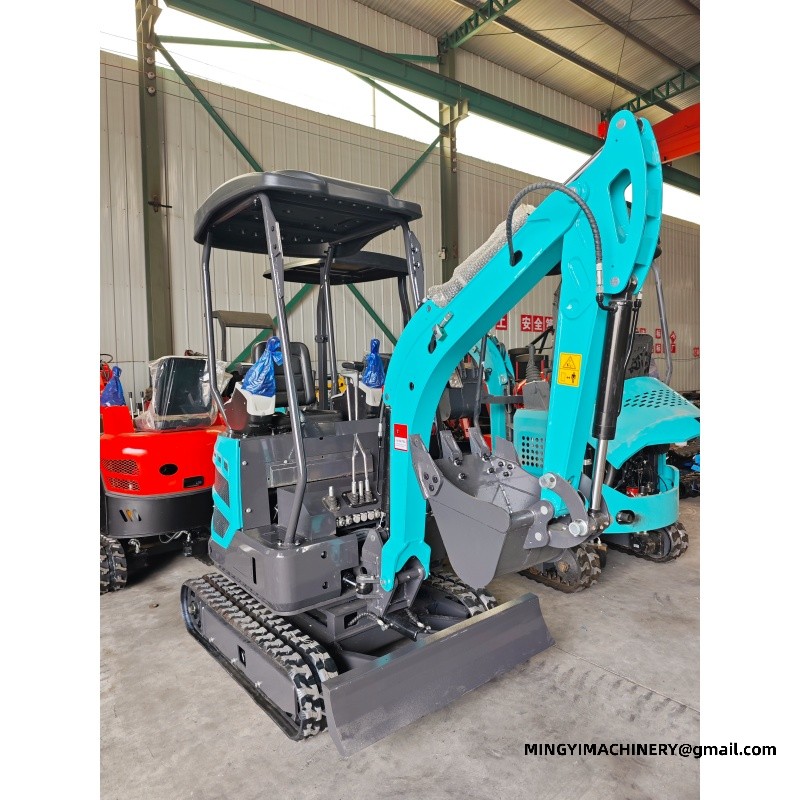
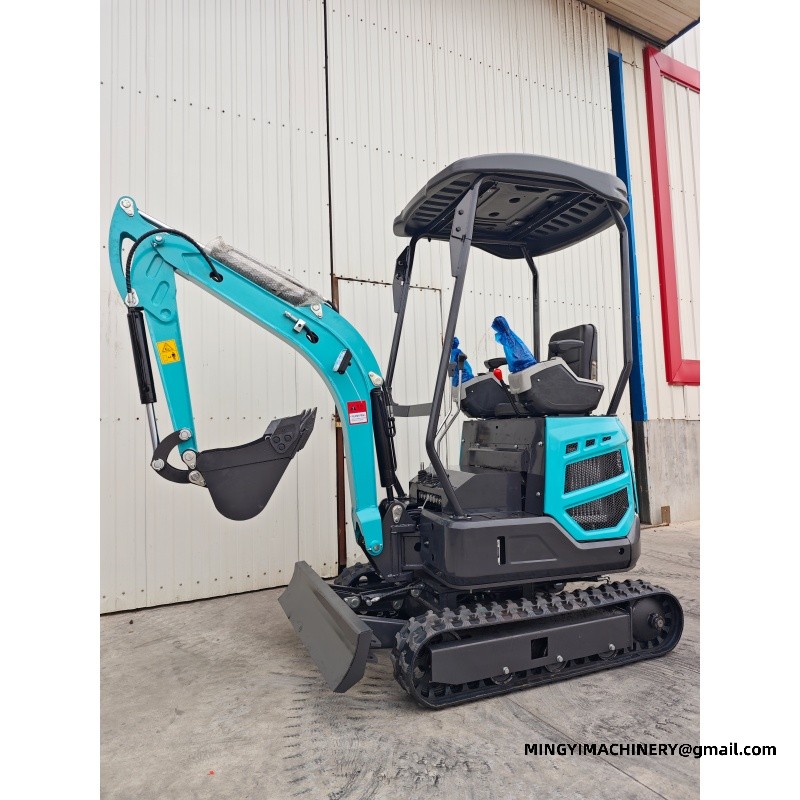
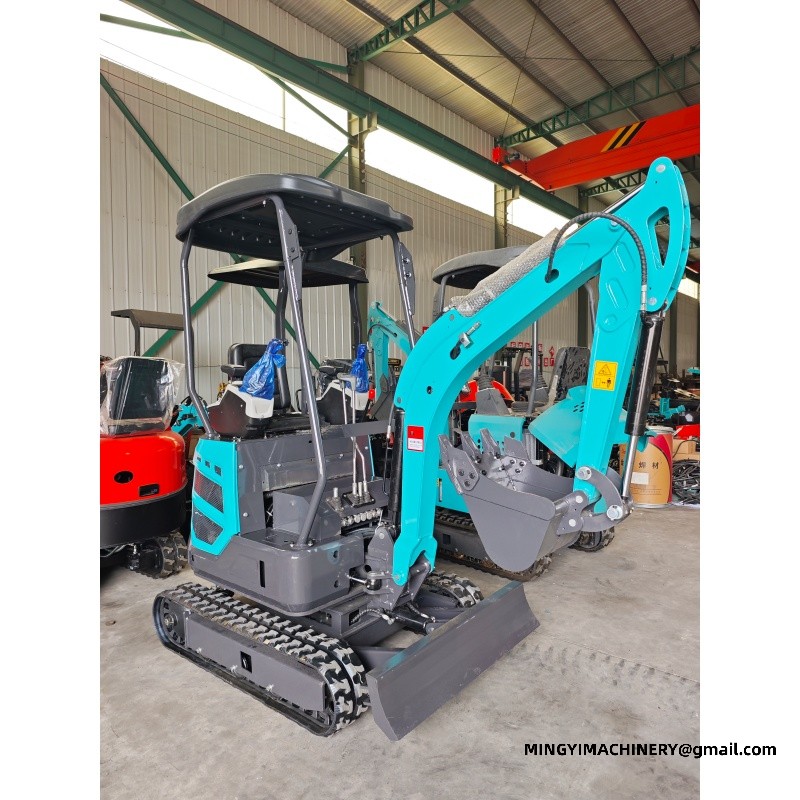
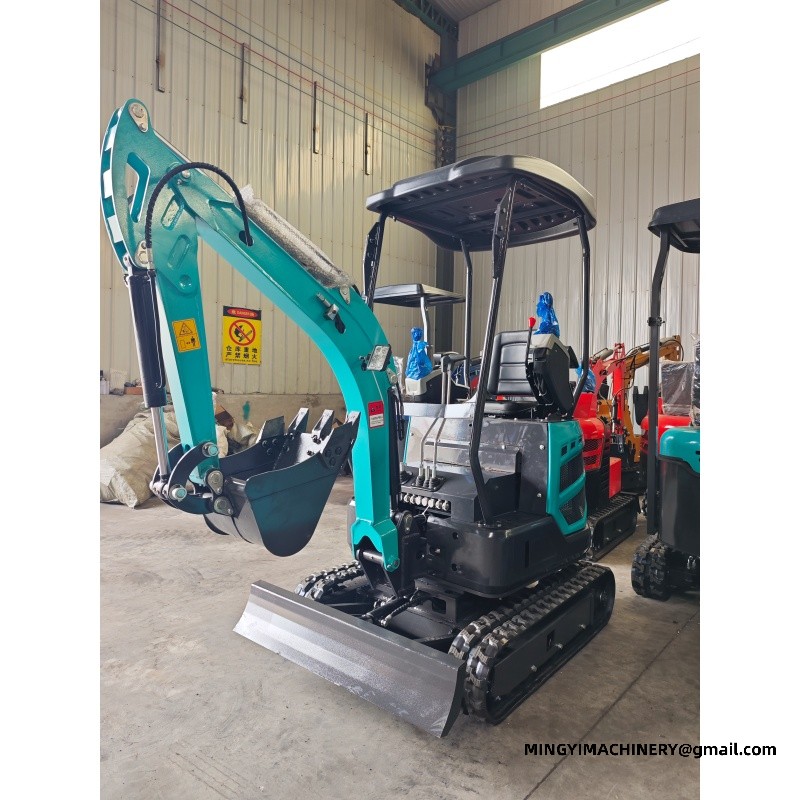
Reference specification — mini excavator range 12W 30-2W 09L 20-2L Operating weight 1200 kg (2645.55 lb) 2700 kg (5952.48 lb) 1100 kg (2425.08 lb) 1900 kg (4188.78 lb) Transport size (L×W×H) 2200 × 930 × 2250 mm 3000 × 1100 × 2700 mm 2300 × 720 × 1870 mm 2600 × 1300 × 2344 mm Max digging depth 1630 mm (64.17 in) 2200 mm (86.61 in) 1400 mm (55.12 in) 2100 mm (82.68 in) Max digging height 2750 mm (108.27 in) 3000 mm (118.11 in) 2800 mm (110.24 in) 2880 mm (113.39 in) Max dumping height 1960 mm (77.17 in) 2000 mm (78.74 in) 1880 mm (74.02 in) 2100 mm (82.68 in) Max digging radius 2900 mm (114.17 in) 3800 mm (149.61 in) 2490 mm (98.03 in) 3215 mm (126.57 in) Max digging distance 2100 mm (82.68 in) 3050 mm (120.08 in) 2000 mm (78.74 in) 2460 mm (96.85 in) Minimum turning radius 1300 mm (51.18 in) 1750 mm (68.9 in) 1400 mm (55.12 in) 1587 mm (62.48 in) Travel speed 3 km/h (1.86 mph) 7 km/h (4.35 mph) 3 km/h (1.86 mph) 5 km/h (3.11 mph) Gradeability 30° 30° 30° 30° Fuel consumption 1-1.3 L/h (0.264—0.343 gal) 2-3 L/h (0.528—0.793 gal) 1-1.3 L/h (0.264—0.343 gal) 2-3 L/h (0.528—0.793 gal) Fuel tank capacity 10 L (2.64 gal) 16 L (4.23 gal) 8 L (2.11 gal) 16 L (4.23 gal) Hydraulic oil tank 16 L (4.23 gal) 20 L (5.28 gal) 16 L (4.23 gal) 18 L (4.76 gal) Dozer blade lift height 180 mm (7.09 in) 230 mm (9.06 in) 180 mm (7.09 in) 180 mm (7.09 in) Dozer blade drop depth 210 mm (8.27 in) 280 mm (11.02 in) 210 mm (8.27 in) 210 mm (8.27 in)
Q. What is a machine built for the work used for?
A. An attachment widens the range of jobs a single compact excavator can specification and win, which is why the working set matters as much as the base machine. Every attachment on this page runs on the same carrier the machine ships with, matched to its hydraulic flow and coupler. For brush mulching head applications the practical route is to send the job list to the factory and let the build sheet answer it - which is exactly what this page invites.
Q. How is the attachment fitted and swapped?
A. Through the quick coupler on the dipper: seat the tool, lock it, plug the hydraulics where the design needs them. Mechanical attachments need no lines at all, so a bucket-to-rake change is a minute job at the trench edge.
Q. Does MINGYI supply attachments with the machine?
A. Yes - buckets, breakers, augers, rakes and the rest of the working set ship with the carrier, matched to the hydraulic flow and the coupler. For brush mulching head the package is confirmed on the build sheet, so machine and tools arrive together and start work together.
Planning the season around the equipment in service
Workload is rarely even across the year, and the machine should be specified for the busy weeks. The excavator sized only for the average month will be the limiting factor exactly when the work is worth the most.
Reading the early symptoms on this class of machine
Machines rarely fail without warning. A change in sound, a slower function or a new leak on the unit in daily use is the machine saying something early, and listening then takes a fraction of the time that waiting does.
Wear items and spares worth holding for a machine of this size
A spares list should follow the duty cycle. The equipment on site working every day in abrasive dust consumes filters and cutting edges far faster than the same machine used once a week, and the shelf should be stocked for the harder case.
E-mail : sales@mingycn.com
LINE ( ID ): mingyicn
Related pages
skeleton bucket mini excavator · crawler mini excavator for daily work · Wheel Loader for Material Handling: Forks, Grapples and Circuits · Mini Excavators









