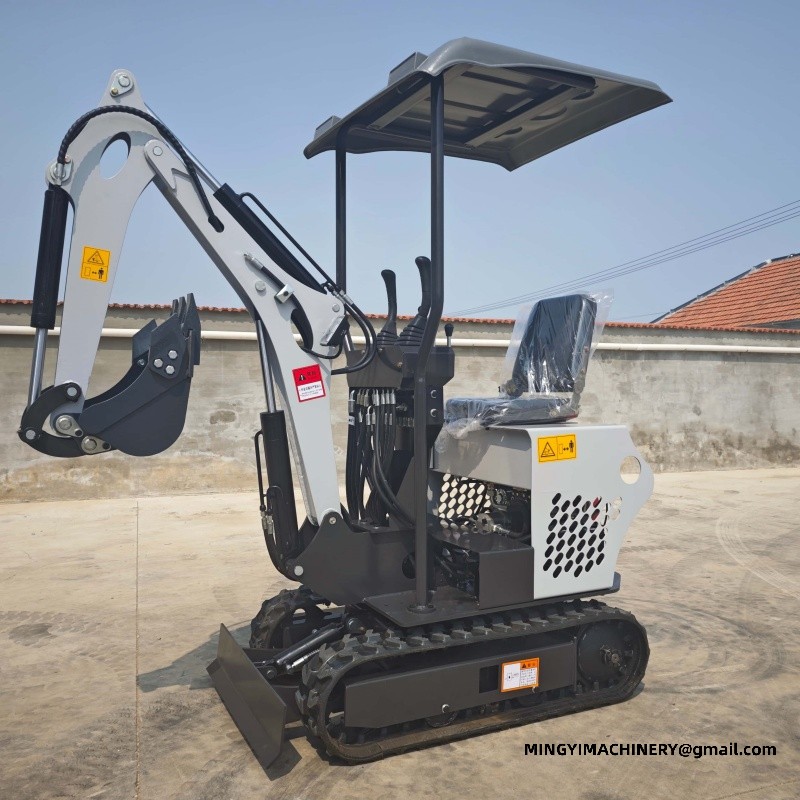
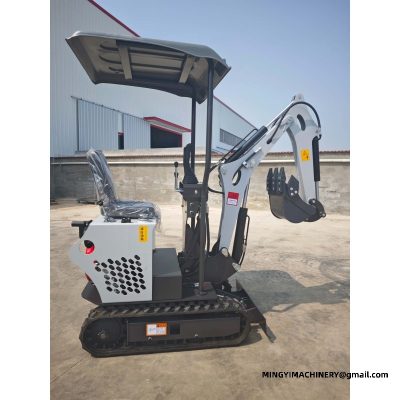
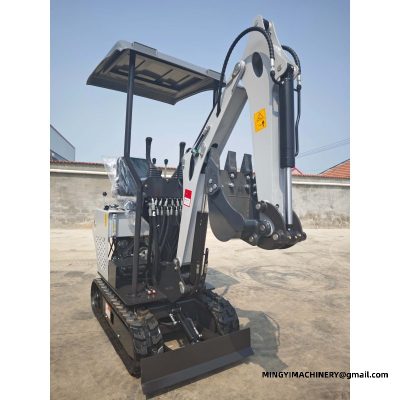
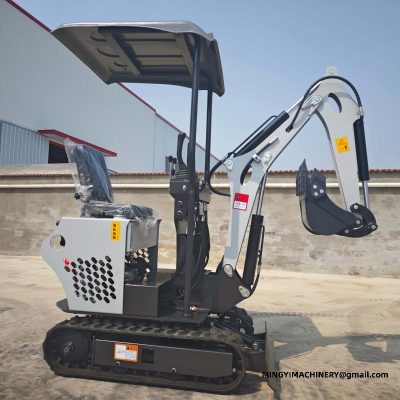
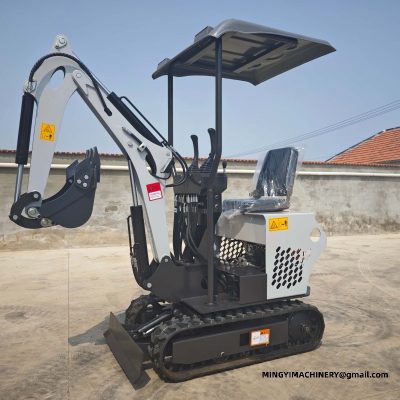
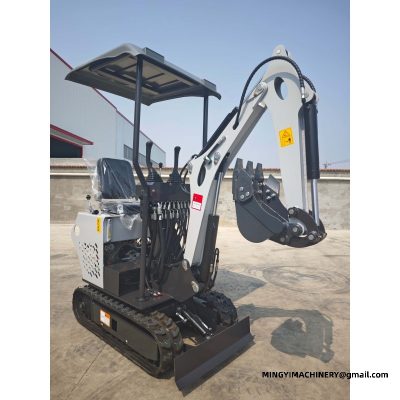
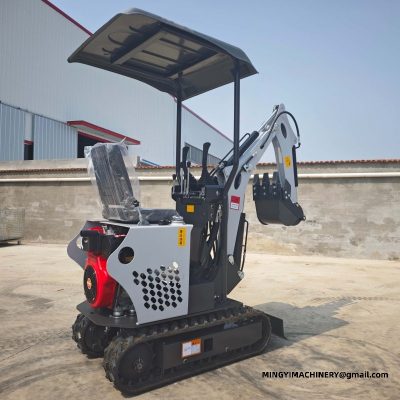
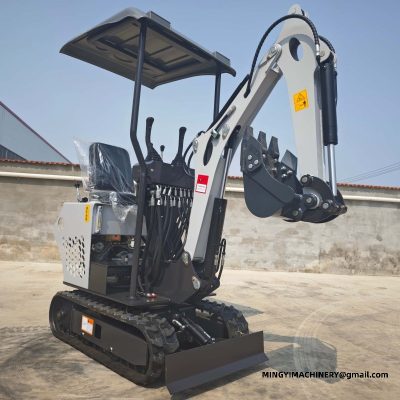
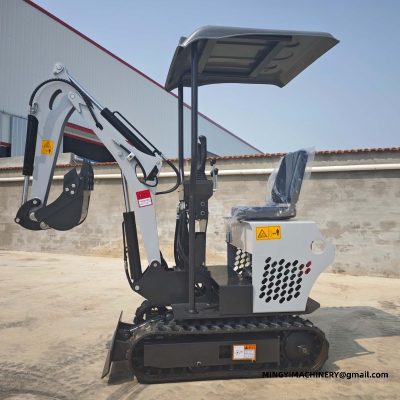
European buyers place particular demands on a compact excavator: surfaces are often finished, access through old villages and gardens is tight, and the working culture expects a machine that is careful where it puts its tracks. MINGYI supplies machines for the European market with those expectations built into the specification.
This page covers how a machine is configured for European working conditions and what buyers from the region should raise when ordering.
Working conditions the specification answers
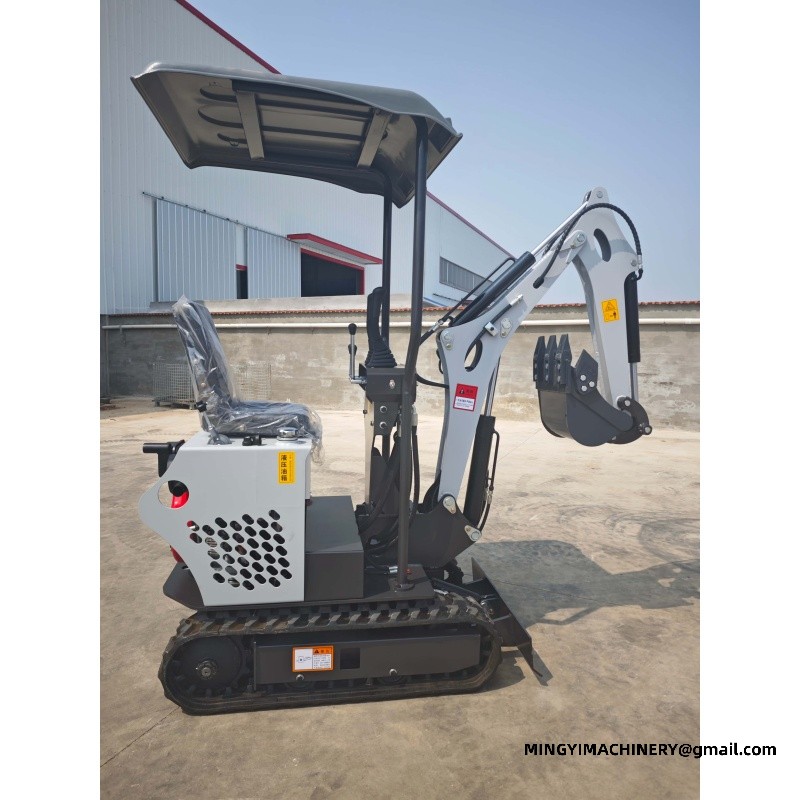
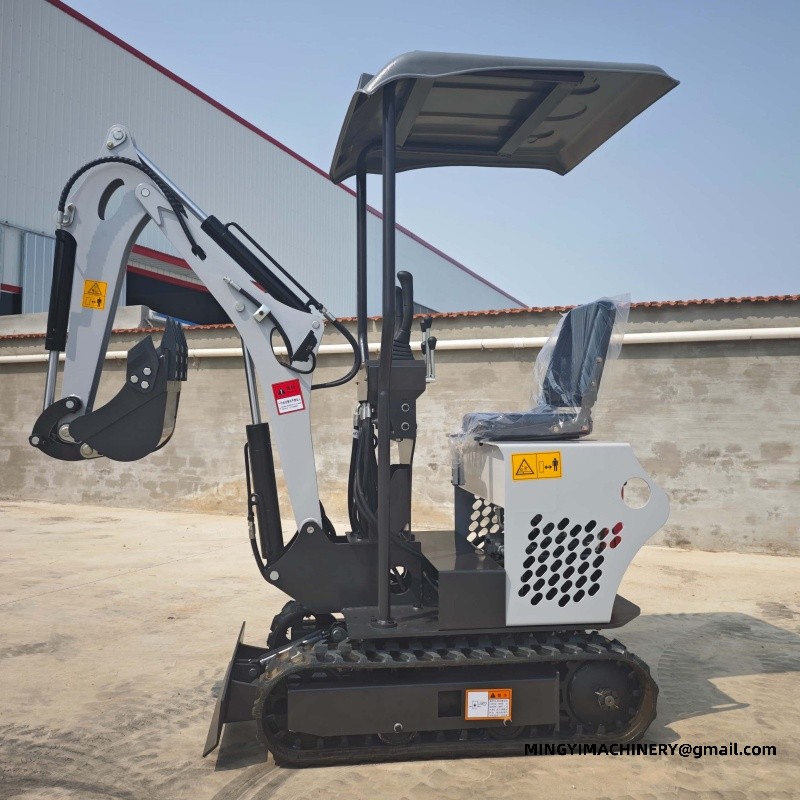
European sites are frequently small: rear garden access between buildings, courtyard renovations, vineyard rows and orchard terraces. The compact classes within the 1 to 3.5 tonnes range, with retractable undercarriage and short tail swing, pass through gaps that keep larger plant on the road.
The surface is usually finished and expected to stay that way. Rubber tracks are the standard choice, and landscaping duties such as pond digging, tree planting and hedge line trenching sit alongside the construction work the same machine performs.
Ordering for the region
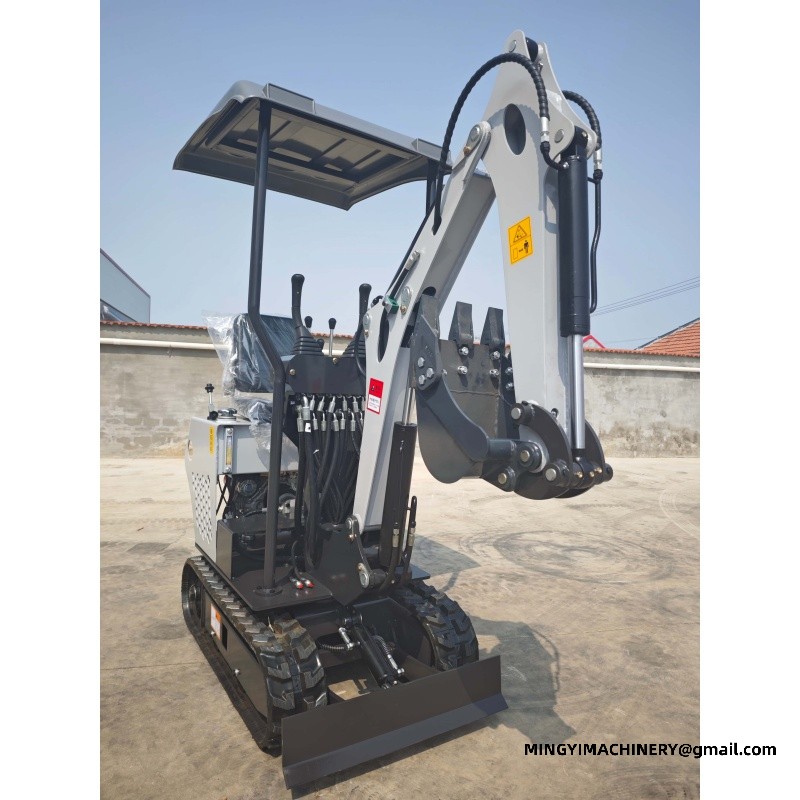
Engine selection is a key conversation for European buyers, with Kubota and YANMAR installations commonly requested in the compact classes. Emission requirements for the destination market are confirmed at the ordering stage and recorded against the build.
The cab arrangement, attachments and track specification are agreed at the same time. Buyers should describe their transport setup, since a machine that travels on a trailer behind a van has to stay within the lower end of the 0.8 to 6 tonnes range.
Describe the sites you work on and the access limits you face, and the specification for the European market will be built from those details. Mingyi Machinery ships each machine with the spare parts and documentation needed in the field.
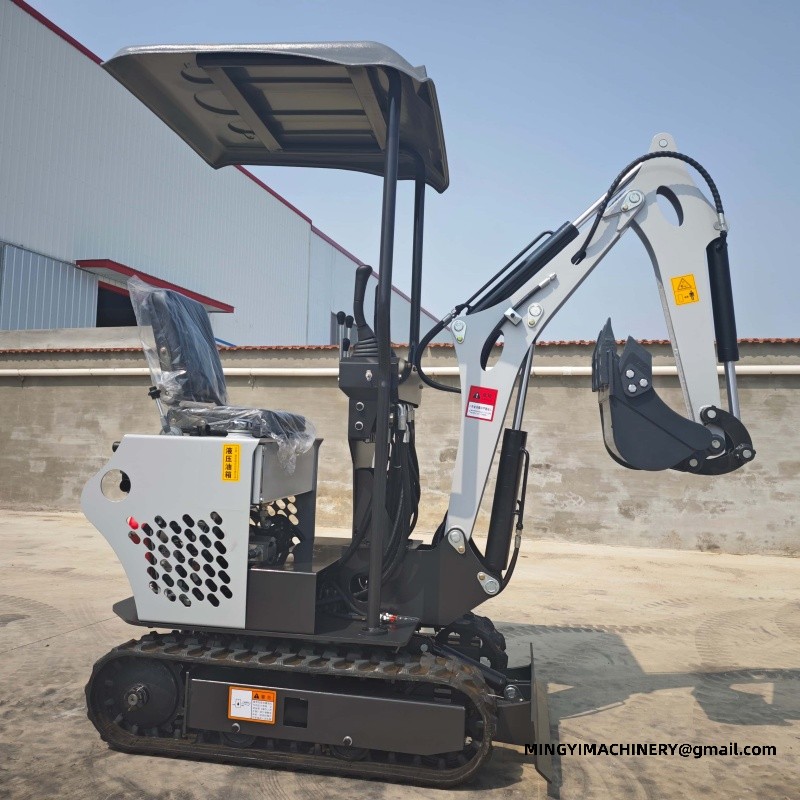
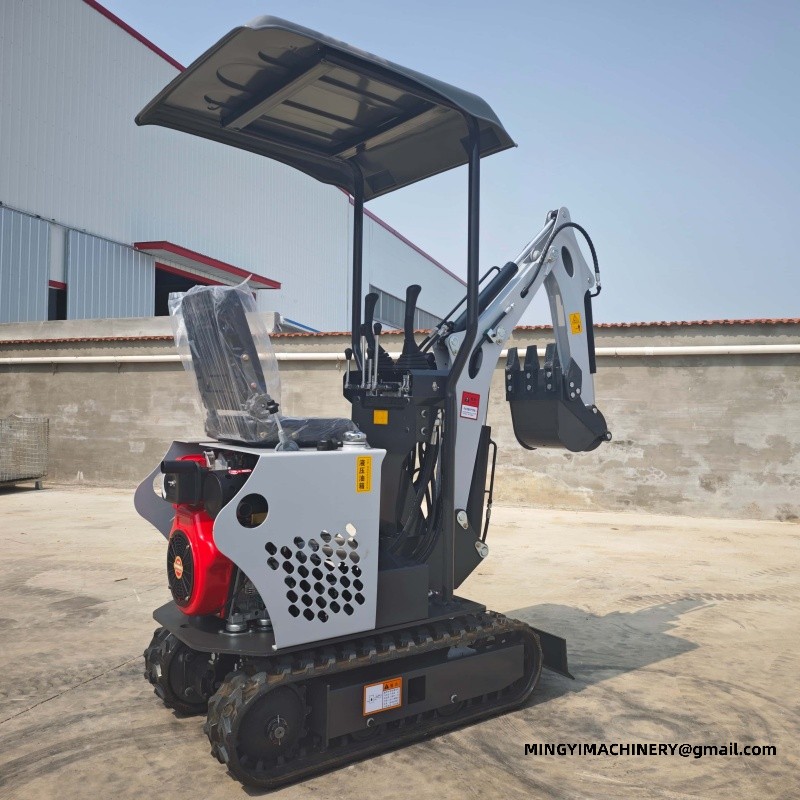
Acceptance checks when a mini excavator for european conditions arrives Delivery day is the best time to find a problem. Checking the specification against the order, the fluid levels, the fasteners and any transport damage while the class of machine is still on the trailer is faster than claiming later. A function check before the machine goes to work is worth the hour. Running through the controls, the travel and the attachment circuit on the excavator confirms it is set up as specified and ready for the site. Trailering and moving mini excavator for european conditions Loading practice matters as much as the numbers. The unit in daily use is driven up ramps under its own power with the boom lowered and the tracks aligned, and secured at the points the manufacturer specifies. Detachable components reduce transport length. A machine of this size built with a removable arm section or a folding step fits a shorter trailer and may avoid an oversize movement permit. Working on slopes and uneven ground with mini excavator for european conditions Ground that looks level often is not. The equipment on site crossing a filled trench, a soft edge or a hidden void behaves differently from one on undisturbed ground, and those are the places worth walking before driving. Planning the direction of travel helps. Working so that the machine itself is stable under load and not required to turn on a slope is a decision made before the job starts, not a correction made during it. Hydraulic circuits on a mini excavator for european conditions Auxiliary hydraulic lines are what let a machine drive a tool rather than only a bucket. The model in question specified with the right circuits and flow runs a breaker or an auger without an add-on power pack bolted to the frame. Flow and pressure are matched to the tool, not to the machine size. Asking for the attachment list first means the machine in that duty leaves the factory with circuits that suit the heaviest tool the buyer intends to run. Canopy or enclosed cab on a mini excavator for european conditions The cab decision follows the climate and the hours. Operators working a full shift in the unit on the job benefit from a sealed cab with wipers and heating; operators stepping on and off every few minutes usually prefer the canopy for the visibility and the quick exit. Enclosure also changes noise and dust exposure. A sealed cab on a machine built for the work keeps dust out on dry sites and lets the machine work through weather that would otherwise stop a canopy machine for the day. Municipal and public works with mini excavator for european conditions Municipal crews work on streets, footpaths and parks where the public is present. The equipment in service is specified because it occupies little space, works inside a small exclusion zone and can be moved on a standard trailer. Drainage repair, tree planting, footway reconstruction and cemetery work are all within the range of the excavator. The jobs are small individually and continuous across the year. Working this class of machine through the seasons Weather decides which days are productive. Rain turns some ground unusable and cold changes how the unit in daily use starts and warms up, so planning the wet months around maintenance is more useful than planning around output. Seasonal planning smooths the workload. Machines that are busy for a few months and idle for the rest benefit from a service slot in the quiet period, and a machine of this size prepared in the off-season starts the busy months reliably. Working the equipment on site in confined spaces Clearance above matters as much as around. Door heights, pipework and overhead services set the limit for the machine itself indoors, and measuring them first avoids a machine that arrives and cannot be used. Ventilation is the other indoor constraint. Running the model in question inside a closed structure needs air movement, and that is a planning item rather than something to discover after the first hour. Matching the machine in that duty to ground conditions Soft ground is a flotation problem, not a power problem. The unit on the job on wide rubber tracks crosses lawn, sand and cultivated soil that would stop a narrower machine or a wheeled unit of the same capacity. Mixed sites are common and argue for a compromise specification. Most buyers choose rubber for a machine built for the work and accept the wear, unless the majority of the work is on material that will damage it. Noise, dust and working near occupied buildings Enclosure and machine condition both reduce noise. The equipment in service with intact panels, sound mounts and a maintained exhaust is measurably quieter than the same machine with loose guards, and the difference matters on restricted sites. Dust control is often part of the same conversation. Water, timing and work sequence reduce what leaves the site, and agreeing them in advance keeps the excavator working rather than stopped after a complaint. Orchard, vineyard and farm use of this class of machine Orchard and vineyard work is carried out between rows. The unit in daily use with a narrow chassis and a swing boom works down the row without damaging the trees, which is the reason a full-size machine is not used at all. Ditching, fertilising and drainage on farmland suit a machine of this size because the work is spread over a large area in short bursts. The machine travels behind a pickup and works where it stops. Landscaping and ground care with the equipment on site Landscape contractors use the machine itself for planting holes, pond excavation, grading and retaining work. The machine is light enough to cross finished lawn and narrow enough to work between established trees. On soft landscape work the surface is the constraint. The model in question on rubber tracks crosses turf without stripping it, which is why the same jobs are not given to a wheeled machine. Specification data for the machine in that duty Where the unit on the job is being specified for a job list, the table below gives the factory figures that matter most: what the machine weighs, how deep and how far it works, and what it measures on a trailer. These are the reference figures for a machine built for the work. MINGYI confirms the final build sheet, including engine and attachment choices, against the destination and the job list before production. Power unit selection is settled against the service network the buyer already uses. MINGYI offers Kubota D722, Kubota D902, YANMAR, Changchai, Laidong, Runtong, YARMAX, Youpu 2V80 and Youpu 195, so a fleet running one brand of engine can keep the same filters, the same parts supplier and the same mechanic. Two buyers can order the same the equipment in service and receive different engines. The decision is rarely about peak power; it is about which parts counter is closest to the site and which engine the local mechanic already knows.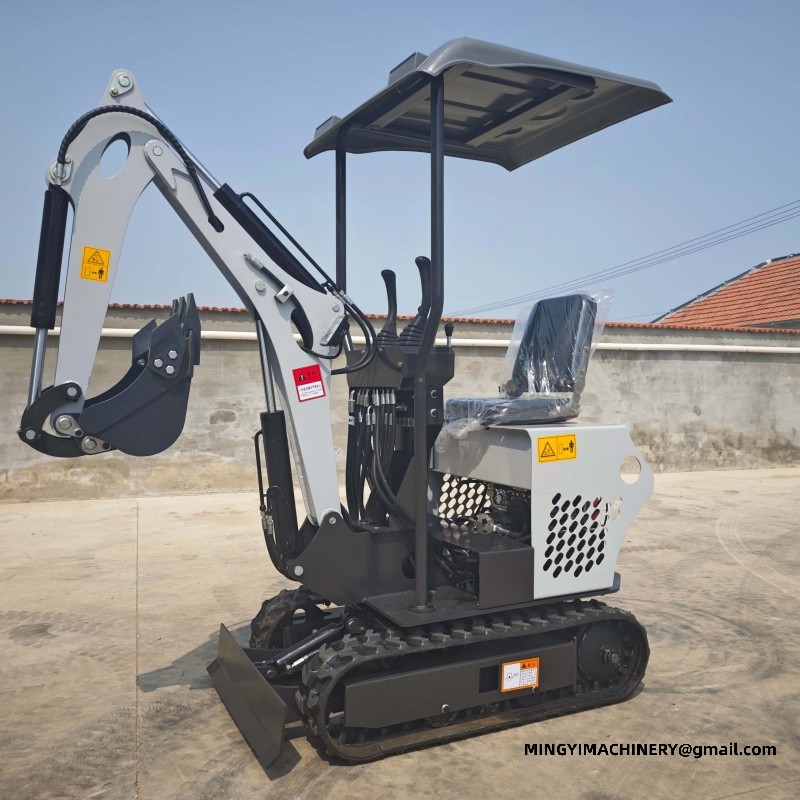
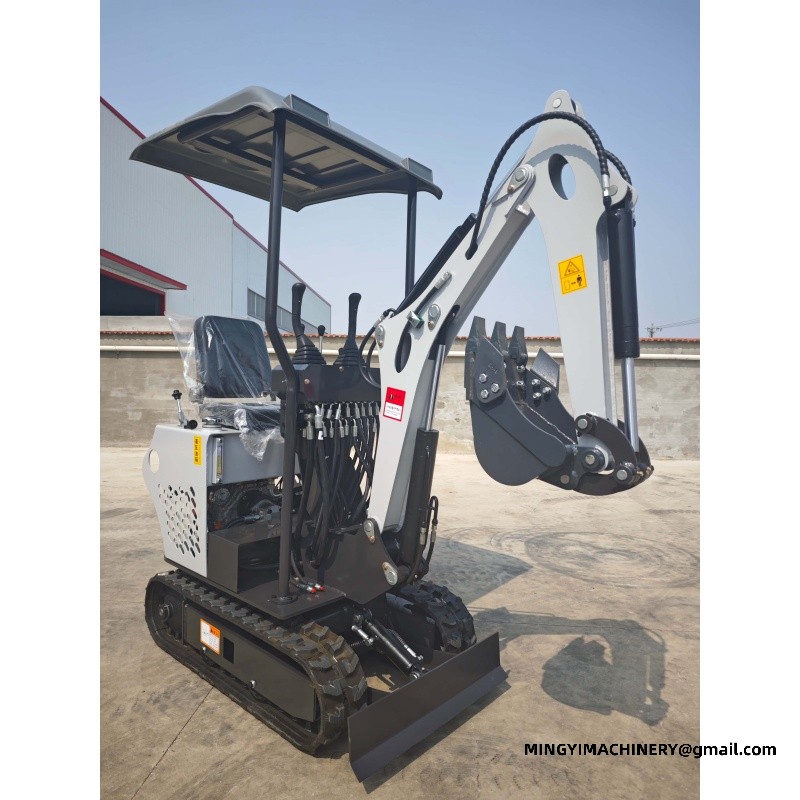
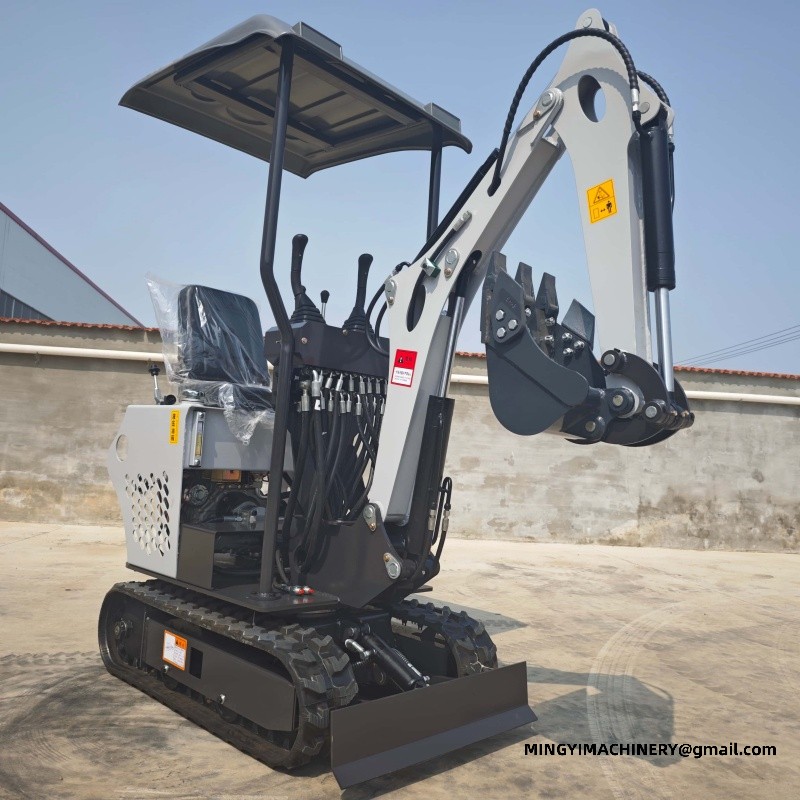
Reference specification — mini excavator range 15W 30-1W 25L 30-2L Operating weight 1400 kg (3086.47 lb) 2900 kg (6393.41 lb) 2200 kg (4850.17 lb) 2400 kg (5291 lb) Transport size (L×W×H) 2200 × 930 × 2250 mm 3000 × 1250 × 2780 mm 3000 × 1300 × 2700 mm 2800 × 1500 × 2500 mm Max digging depth 1630 mm (64.17 in) 2200 mm (86.61 in) 2300 mm (90.55 in) 2200 mm (86.61 in) Max digging height 2750 mm (108.27 in) 3400 mm (133.86 in) 3100 mm (122.05 in) 2900 mm (114.17 in) Max dumping height 1960 mm (77.17 in) 2400 mm (94.49 in) 2050 mm (80.71 in) 2100 mm (82.68 in) Max digging radius 2900 mm (114.17 in) 4000 mm (157.48 in) 3900 mm (153.54 in) 3330 mm (131.1 in) Max digging distance 2100 mm (82.68 in) 2800 mm (110.24 in) 3100 mm (125.05 in) 2700 mm (106.3 in) Minimum turning radius 1300 mm (51.18 in) 2000 mm (78.74 in) 1800 mm (70.87 in) 1555 mm (61.22 in) Travel speed 3 km/h (1.86 mph) 5 km/h (3.11 mph) 7 km/h (4.35 mph) 7 km/h (4.35 mph) Gradeability 30° 30° 30° 30° Fuel consumption 1-1.3 L/h (0.264—0.343 gal) 2-3 L/h (0.528—0.793 gal) 2-3 L/h (0.528—0.793 gal) 2-3 L/h (0.528—0.793 gal) Fuel tank capacity 10 L (2.64 gal) 16 L (4.23 gal) 16 L (4.23 gal) 16 L (4.23 gal) Hydraulic oil tank 16 L (4.23 gal) 20 L (5.28 gal) 18 L (4.76 gal) 18 L (4.76 gal) Dozer blade lift height 180 mm (7.09 in) 420 mm (16.54 in) 230 mm (9.06 in) 230 mm (9.06 in) Dozer blade drop depth 210 mm (8.27 in) 210 mm (8.27 in) 280 mm (11.02 in) 280 mm (11.02 in)
Q. Who uses the excavator?
A. Dealer, importer and fleet buyers judge a factory by what follows the machine - packing, documentation, parts - and the programme sets out how that works. Mixed-model orders and staged deliveries are routine for dealer and importer programmes, with documents and inspection arranged with the order. Read this class of machine together with the engine, track and attachment pages: jobs around european conditions are decided by how those choices line up, not by any single number on the sheet.
Q. How do I start an order?
A. Send the models, quantities and destination by email or LINE. The factory replies with lead time, packing and freight terms in one specification, and documentation and inspection are arranged at the same time so the shipment and the paperwork travel together.
Q. How do I get a specification?
A. Send the model, the destination and the attachment list by email or LINE - the channels listed just below this section. The reply covers the specification, lead time, packing and freight in one document, with the european conditions build sheet attached.
Moving the unit in daily use between sites
Loading is where most damage happens. Ramps, angle of approach and the condition of the ground under them matter more than the machine when a machine of this size is being loaded, and a careful driver is worth more than a fast one.
A second operator for the equipment on site
Training is simpler than repair. An hour spent with a new operator on the machine itself, covering the limits and the awkward cases, is the least lengthy hour in the whole ownership.
E-mail : sales@mingycn.com
LINE ( ID ): mingyicn
Related pages
mini excavator distributor support · mini excavator private label · Front Wheel Loader: Reading Boom, Hinge and Axle Specifications · Mini Excavators









