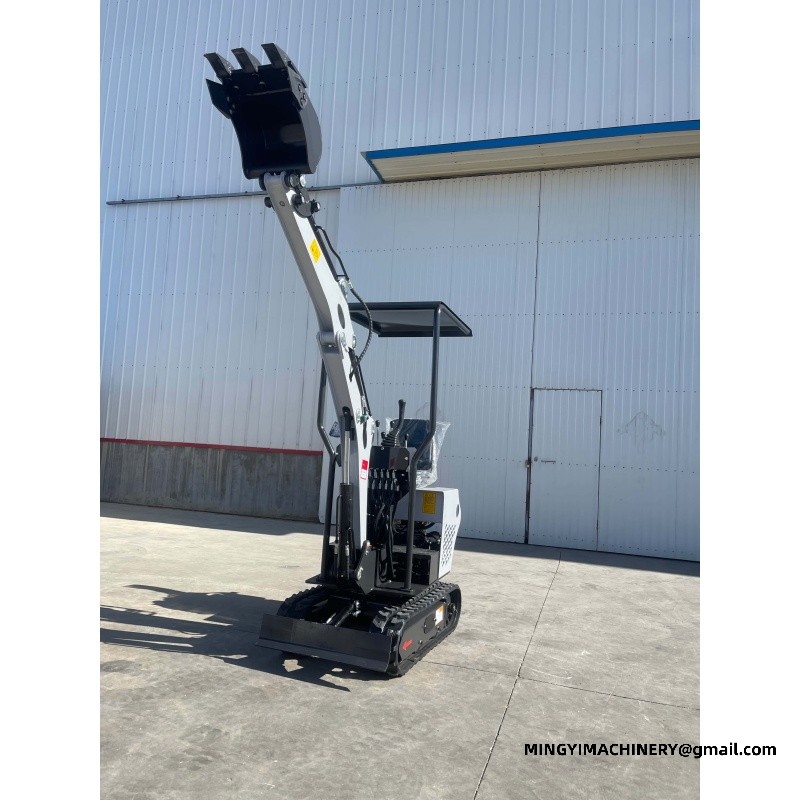
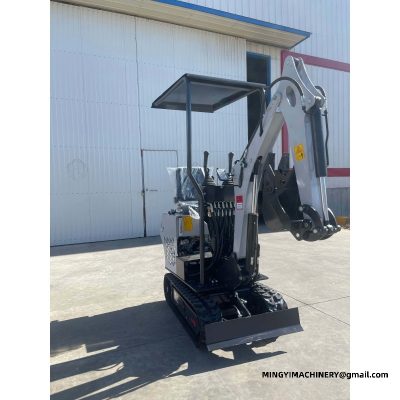
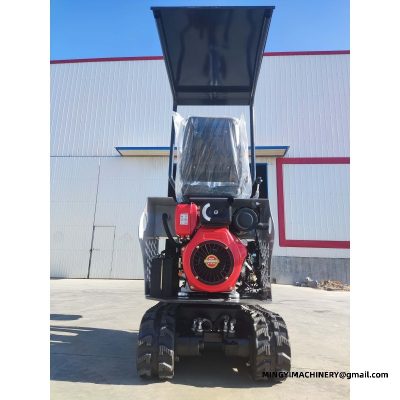
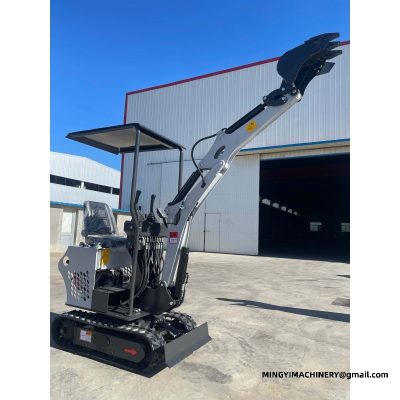
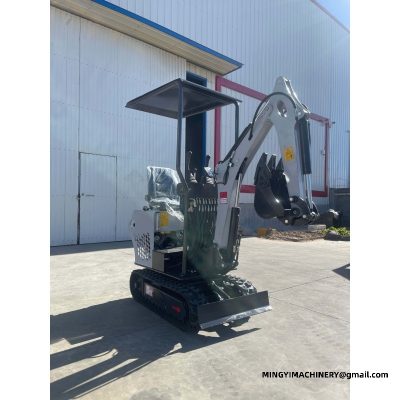
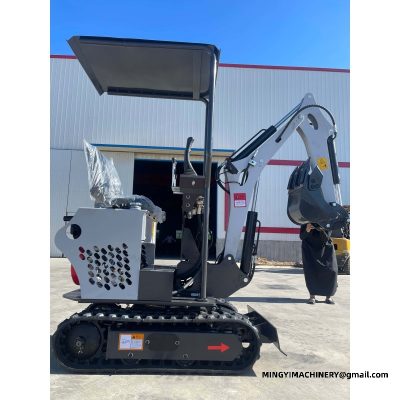
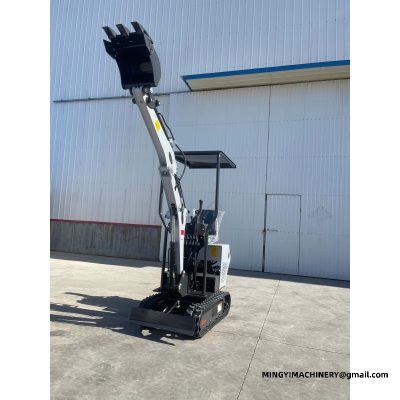
Fleets, dealers and contractors buying several machines at once have priorities beyond the spec sheet: consistency across units, a single parts holding, and machines any operator can step onto and run. A bulk order is a supply decision as much as a machine decision.
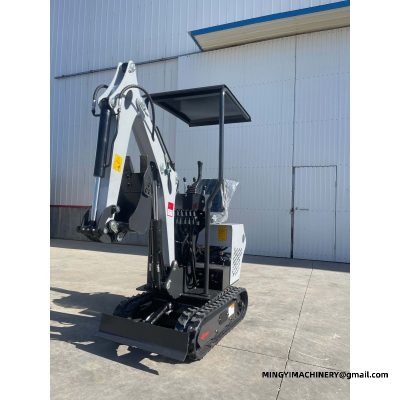
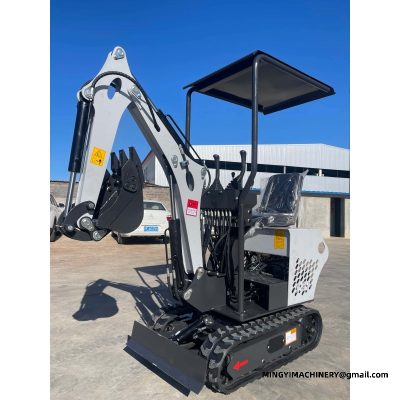
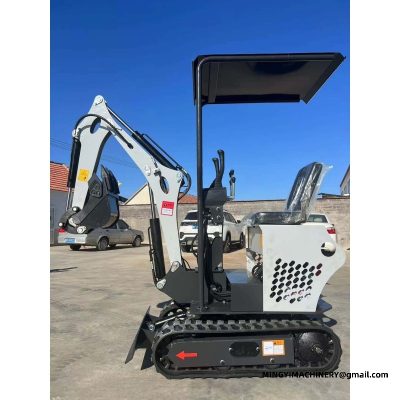
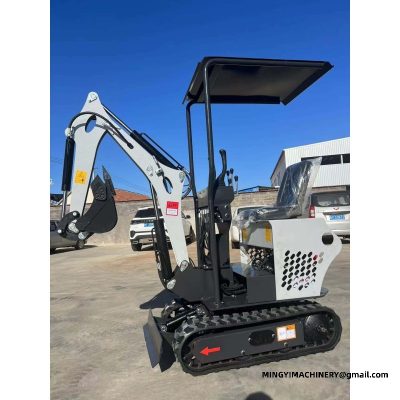
MINGYI produces mini excavators to order, so a multi unit purchase is built as a matched batch across the range. Each machine carries its recorded specification, and the batch can mix sizes so one delivery covers several job profiles.
Why fleets order mini excavators in batches
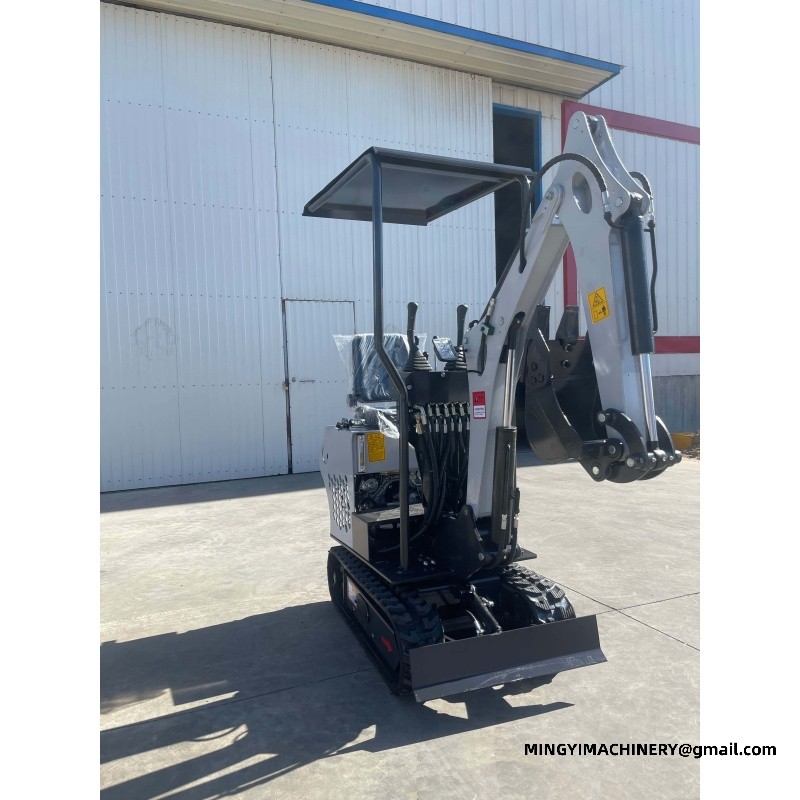
Identical controls and layouts across a batch cut training time and let operators move between machines without relearning hand positions. A common parts list for filters, pins and undercarriage items keeps the stores simple.
A mixed batch often makes more sense than a single class: the smallest units handle access work indoors and in gardens, while the larger classes carry the trenching and loading. Ordering together means the whole set ships as one coordinated batch.
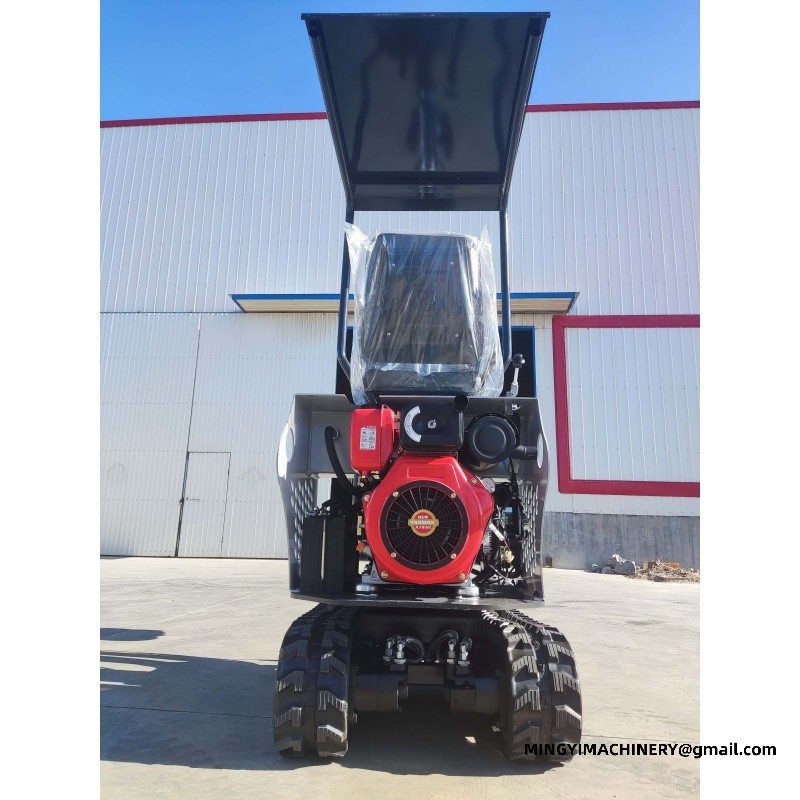
How a bulk order is handled
The specification is agreed machine by machine, covering engine choice, tracks, cab type and attachment set, and then recorded against each unit before production. Wear parts and filters can be added so the fleet starts work with its first service items on the shelf.
Packing is planned around container loading, with the batch split and secured for sea freight to the destination port. Buyers should state which attachments travel fitted and which boxed, so nothing arrives in the wrong place.
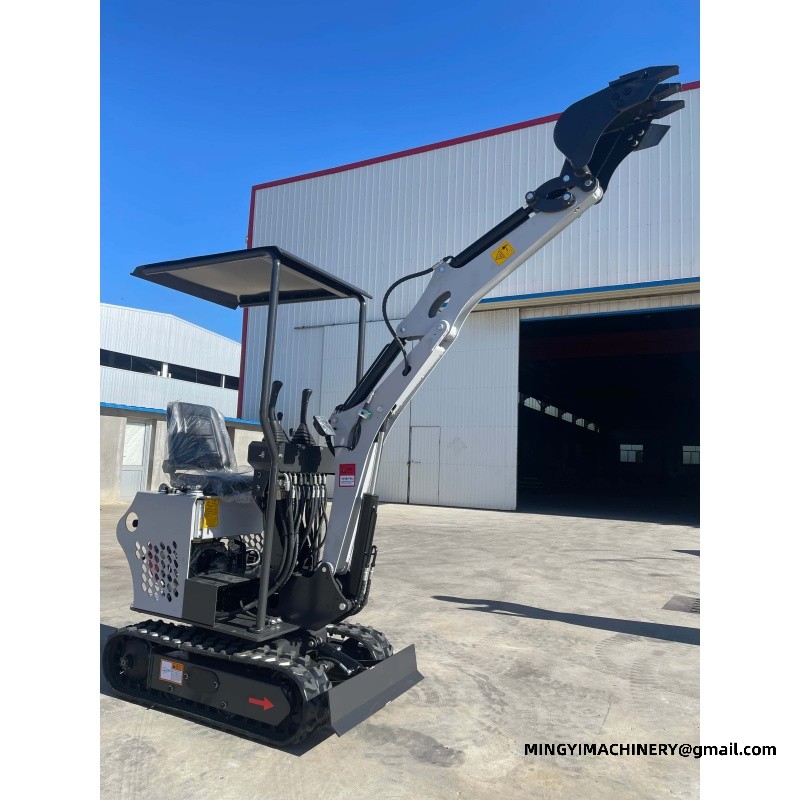
A bulk purchase works well when the whole fleet is treated as one project. MINGYI works through the unit mix, specification and packing plan with the buyer before the batch enters production, so every machine arrives ready for its assigned work.
Attachments that turn mini excavator supply for fleets into several machines Attachment lists are best written before delivery. Specifying the excavator with the tools the job list needs avoids the work and delay of adding hydraulics later, and a quick coupler makes the swap a few minutes instead of a workshop job. Most of the daily variety on this class of machine comes from the attachment rack rather than from the machine itself. Bucket, breaker, auger, ripper, rake and grab cover the large majority of the work a contractor will see. Parts, service and support for mini excavator supply for fleets Engine parts availability usually drives the engine choice. The unit in daily use built with an engine the local network already carries is serviced from stock rather than from an international order. Remote support is handled by video. A machine of this size fault can often be diagnosed on a walk-around call with the panel open, which is faster than waiting for a visit and avoids shipping a part that is not needed. Trailering and moving mini excavator supply for fleets Transport weight and width decide whether a machine needs a specialist haulier. The equipment on site sized to travel on a standard plant trailer behind a suitable vehicle moves with the crew rather than on a scheduled low loader. Loading practice matters as much as the numbers. The machine itself is driven up ramps under its own power with the boom lowered and the tracks aligned, and secured at the points the manufacturer specifies. Working on slopes and uneven ground with mini excavator supply for fleets Ground that looks level often is not. The model in question crossing a filled trench, a soft edge or a hidden void behaves differently from one on undisturbed ground, and those are the places worth walking before driving. Planning the direction of travel helps. Working so that the machine in that duty is stable under load and not required to turn on a slope is a decision made before the job starts, not a correction made during it. Hiring versus owning a mini excavator supply for fleets The choice follows the hours. Work that fills a few weeks a year is usually better hired, while the unit on the job that would be on site most weeks starts to justify ownership once the transport and booking time is counted. Availability is part of the decision. Owning a machine built for the work means it is there on the day the ground is ready; hiring means competing for the same machine at the same time as everyone else in the season. Engine options behind mini excavator supply for fleets Power unit selection is settled against the service network the buyer already uses. MINGYI offers Kubota D722, Kubota D902, YANMAR, Changchai, Laidong, Runtong, YARMAX, Youpu 2V80 and Youpu 195, so a fleet running one brand of engine can keep the same filters, the same parts supplier and the same mechanic. Two buyers can order the same the equipment in service and receive different engines. The decision is rarely about peak power; it is about which parts counter is closest to the site and which engine the local mechanic already knows. Road and paving work for the excavator Patching and reinstatement favour a machine that can work in a lane closure. This class of machine occupies less road than a full-size excavator, which reduces the traffic management needed and the length of the closure. Breaking out a failed slab and backfilling the same hole in one visit is normal work for the unit in daily use. The breaker and the bucket come off the same coupler, so the road is reopened the same day. OEM and fleet customisation of a machine of this size Customisation also covers the specification sheet. A fleet buyer may want every machine itself delivered with the same coupler, the same engine and the same tool kit so training and parts stock stay simple. Documentation can be prepared to suit the importer. Manuals, parts books and decal sets for the equipment on site can be supplied with the buyer's own branding where the order size justifies it. Specifying the model in question against a job list Buyers who skip this step either over-buy or under-buy. The machine in that duty specified only from machine size tends to arrive without the coupler, the circuits or the track type the work actually needs. Useful information to send with an enquiry includes working width, required digging depth, ground conditions and the attachment set. Those four items let the factory specify the unit on the job that fits rather than a generic build. Noise, dust and working near occupied buildings Enclosure and machine condition both reduce noise. A machine built for the work with intact panels, sound mounts and a maintained exhaust is measurably quieter than the same machine with loose guards, and the difference matters on restricted sites. Dust control is often part of the same conversation. Water, timing and work sequence reduce what leaves the site, and agreeing them in advance keeps the equipment in service working rather than stopped after a complaint. Working the excavator through the seasons Weather decides which days are productive. Rain turns some ground unusable and cold changes how this class of machine starts and warms up, so planning the wet months around maintenance is more useful than planning around output. Seasonal planning smooths the workload. Machines that are busy for a few months and idle for the rest benefit from a service slot in the quiet period, and the unit in daily use prepared in the off-season starts the busy months reliably. Specification data for a machine of this size The figures below are the factory figures for the models most often matched to the equipment on site. They are the numbers to check against the site: the depth the work needs, the reach from one position, and the width of the narrowest point on the route in. These are the reference figures for the machine itself. MINGYI confirms the final build sheet, including engine and attachment choices, against the destination and the job list before production. Purchase decision is the visible part of the effort. Fuel, filters, tracks or tyres, the operator and the transport between sites are the items that decide what the model in question actually demands over a few seasons, and they are worth listing before the order. Downtime is the hidden line item. The machine in that duty waiting on a part earns nothing while it stands, so parts availability and service access belong in the plan as much as fuel does.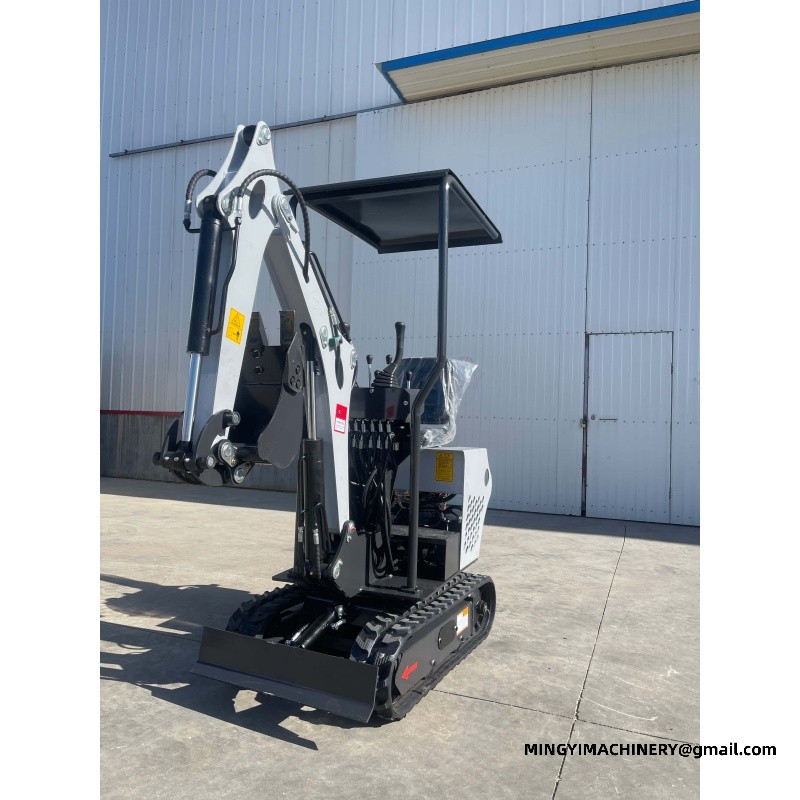
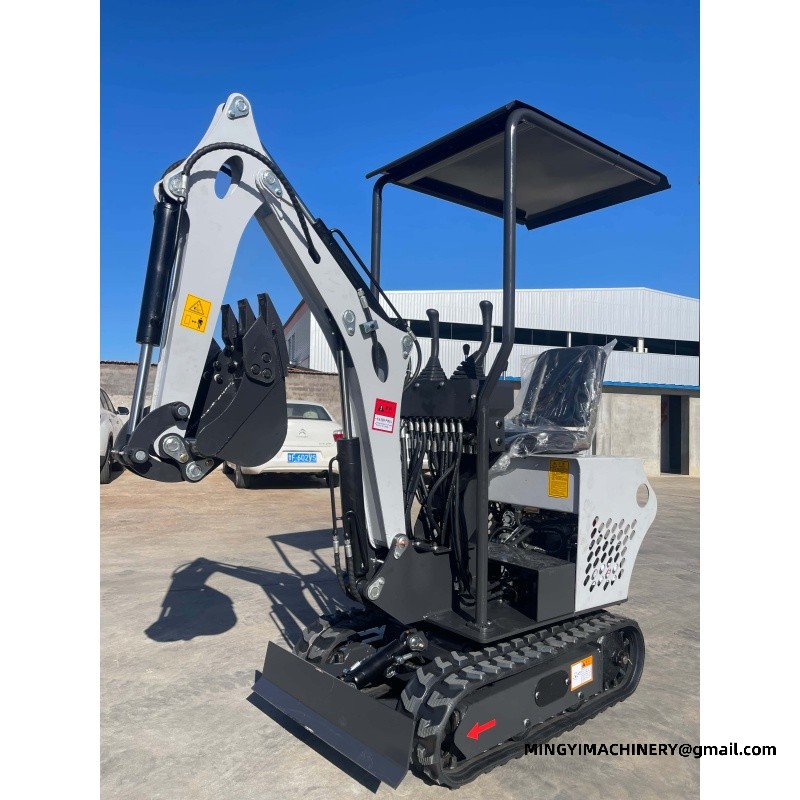
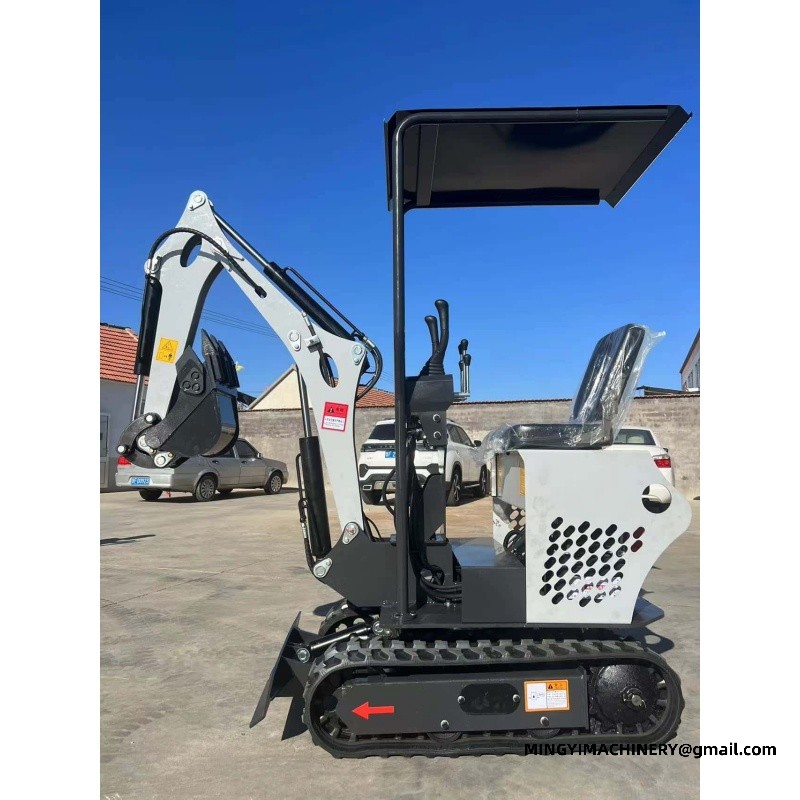
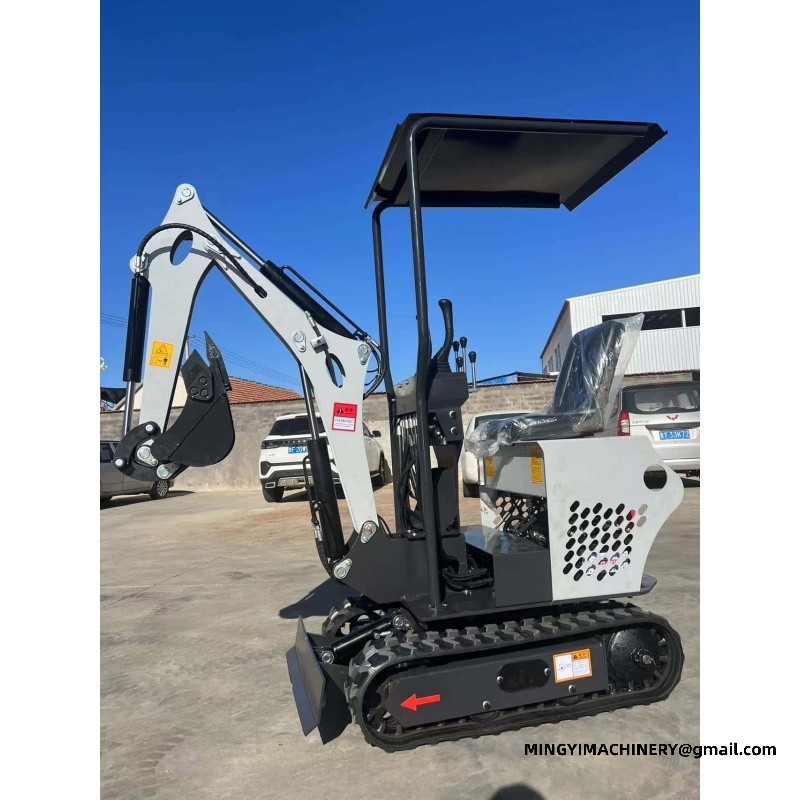
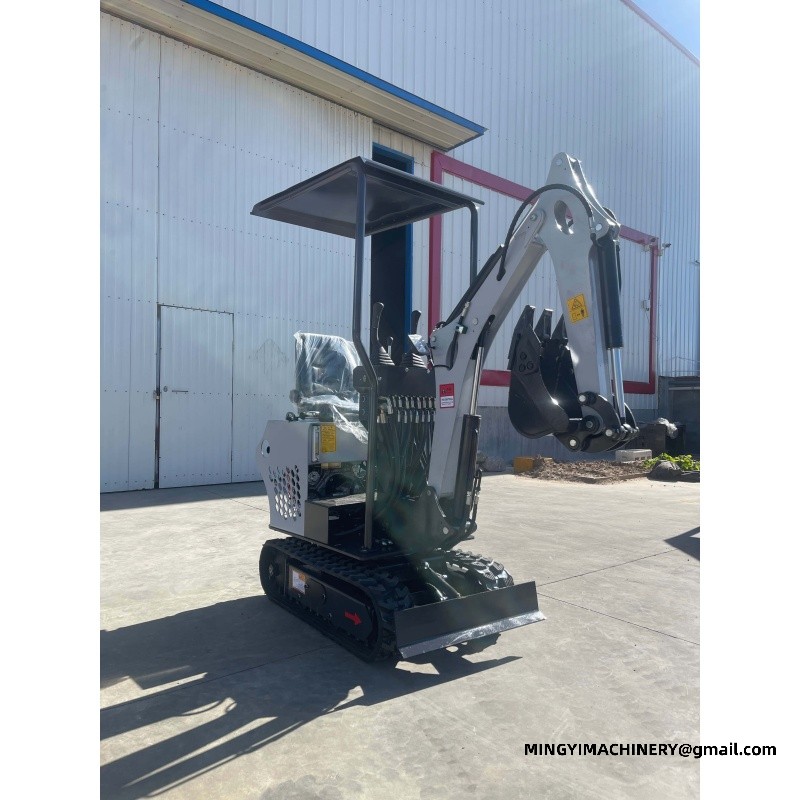
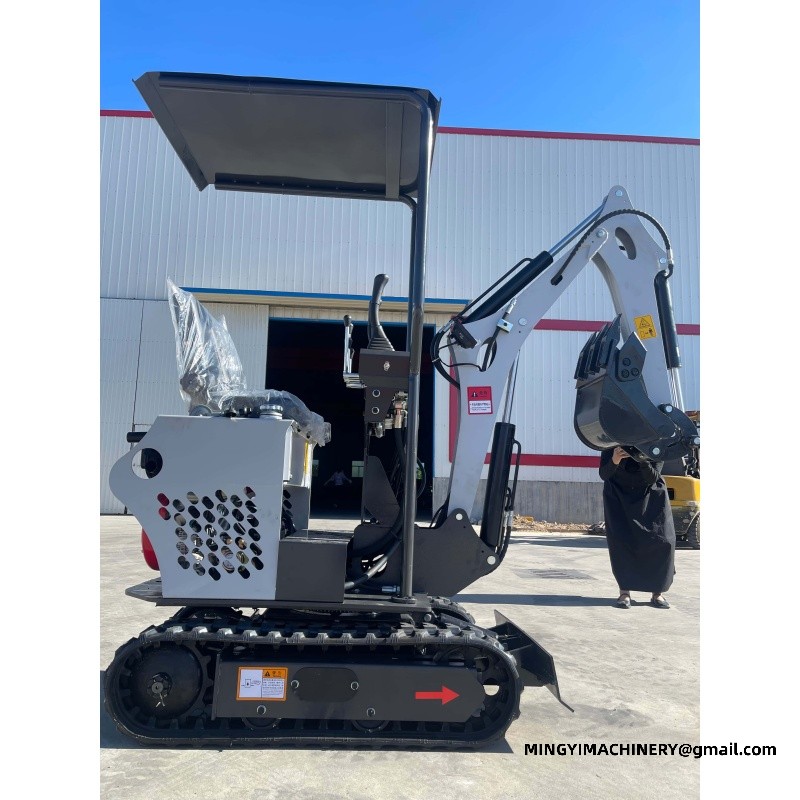
Reference specification — mini excavator range 12W 13W 20-1WL 30-1W Operating weight 1200 kg (2645.55 lb) 1300 kg (2866.01 lb) 1900 kg (4188.78 lb) 2900 kg (6393.41 lb) Transport size (L×W×H) 2200 × 930 × 2250 mm 2200 × 930 × 2250 mm 2550 × 1100 × 2200 mm 3000 × 1250 × 2780 mm Max digging depth 1630 mm (64.17 in) 1630 mm (64.17 in) 1800 mm (70.87 in) 2200 mm (86.61 in) Max digging height 2750 mm (108.27 in) 2750 mm (108.27 in) 2820 mm (111.02 in) 3400 mm (133.86 in) Max dumping height 1960 mm (77.17 in) 1960 mm (77.17 in) 2050 mm (80.71 in) 2400 mm (94.49 in) Max digging radius 2900 mm (114.17 in) 2900 mm (114.17 in) 3050 mm (120.08 in) 4000 mm (157.48 in) Max digging distance 2100 mm (82.68 in) 2100 mm (82.68 in) 2300 mm (90.55 in) 2800 mm (110.24 in) Minimum turning radius 1300 mm (51.18 in) 1300 mm (51.18 in) 1450 mm (57.09 in) 2000 mm (78.74 in) Travel speed 3 km/h (1.86 mph) 3 km/h (1.86 mph) 5 km/h (3.11 mph) 5 km/h (3.11 mph) Gradeability 30° 30° 30° 30° Fuel consumption 1-1.3 L/h (0.264—0.343 gal) 1-1.3 L/h (0.264—0.343 gal) 2-3 L/h (0.528—0.793 gal) 2-3 L/h (0.528—0.793 gal) Fuel tank capacity 10 L (2.64 gal) 10 L (2.64 gal) 16 L (4.23 gal) 16 L (4.23 gal) Hydraulic oil tank 16 L (4.23 gal) 16 L (4.23 gal) 18 L (4.76 gal) 20 L (5.28 gal) Dozer blade lift height 180 mm (7.09 in) 180 mm (7.09 in) 180 mm (7.09 in) 420 mm (16.54 in) Dozer blade drop depth 210 mm (8.27 in) 210 mm (8.27 in) 210 mm (8.27 in) 210 mm (8.27 in)
Q. Who uses the unit on the job?
A. Rental machines live hard lives: a new operator every week, varied sites and no tolerance for downtime between hires. Fleet buyers order to a specification the counter staff can hand over without a briefing. Read a machine built for the work together with the engine, track and attachment pages: jobs around fleets are decided by how those choices line up, not by any single number on the sheet.
Q. Do hire machines need a different specification?
A. Usually a tougher one: steel tracks or heavy-duty rubber, canopy or cab by climate, and the coupler every attachment in the yard fits. The build sheet for a fleet orders those details up front.
Q. What about colours and branding?
A. OEM colours and decals are part of the build: private-label machines carry the buyer brand on the standard MINGYI platform, and the fleets order confirms colours, marks and documents before production starts.
A second operator for the equipment in service
Different operators suit different work. The person who is quickest with the excavator on open ground is not always the one who is safest in a confined space, and having both available is a genuine advantage.
Moving this class of machine between sites
Travel time is not working time, and it should be planned as its own item. The hours spent moving the unit in daily use between jobs are hours not worked, and a trailer that matches the machine reduces them every single trip.
Planning the season around a machine of this size
Workload is rarely even across the year, and the machine should be specified for the busy weeks. The equipment on site sized only for the average month will be the limiting factor exactly when the work is worth the most.
E-mail : sales@mingycn.com
LINE ( ID ): mingyicn
Heat and hydraulic temperature in mini excavator supply for fleets
Oil that runs hotter than the design range loses its film strength, and the first symptom is usually slower, softer movement rather than a leak.
Cooling cores blocked with dust or seed husks are the common cause in summer, and cleaning them from the inside out works better than washing the face of the radiator.
Related pages
wholesale mini excavator supply · mini excavator odm factory · Wheel Loader for Construction Site: Board Heights and Turn Space · Mini Excavators









