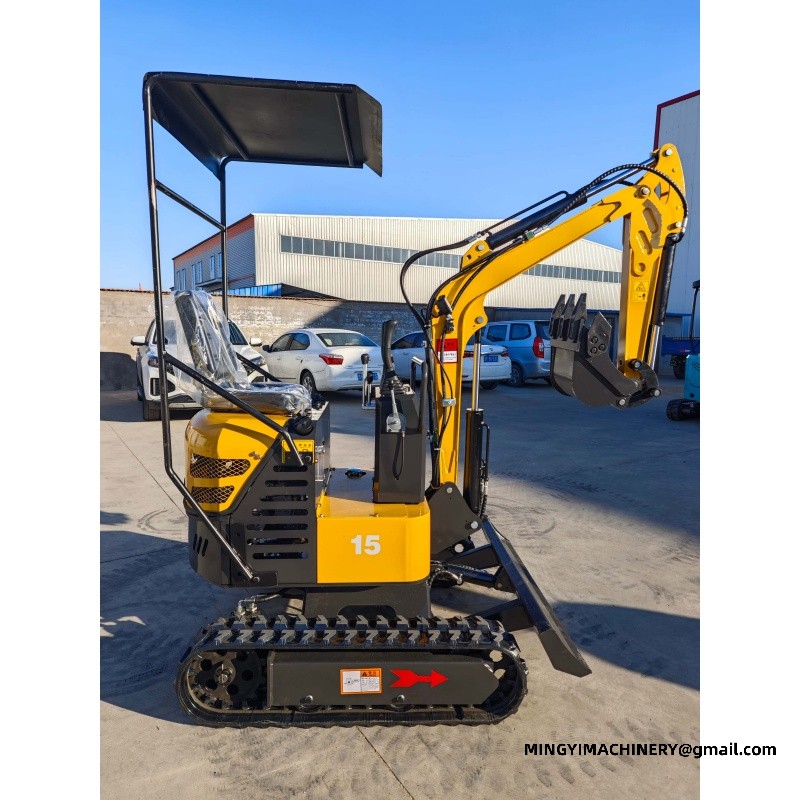
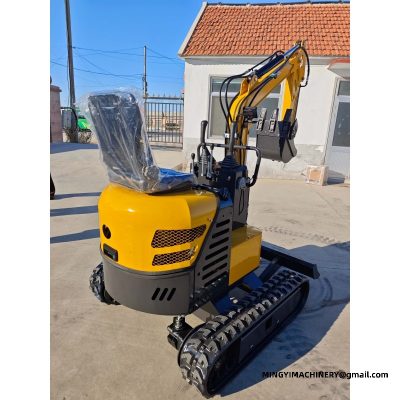
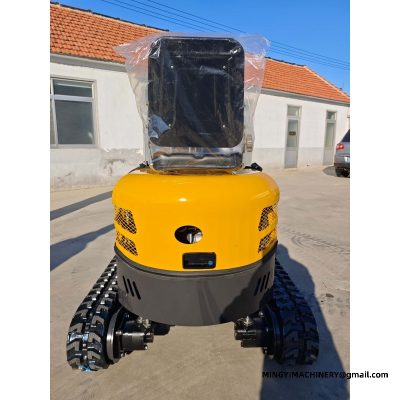
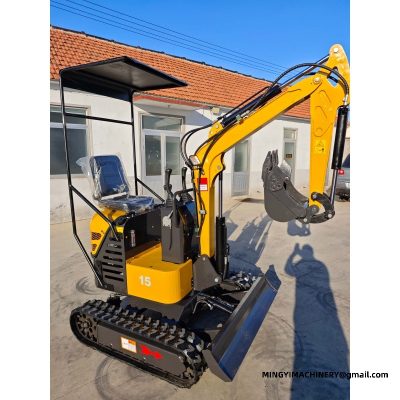
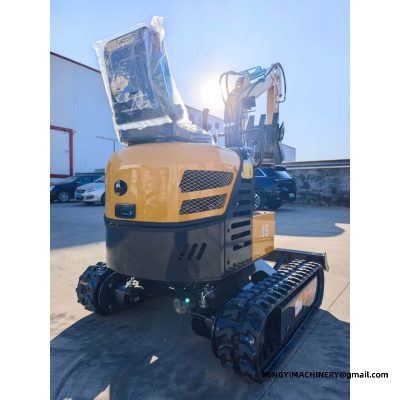
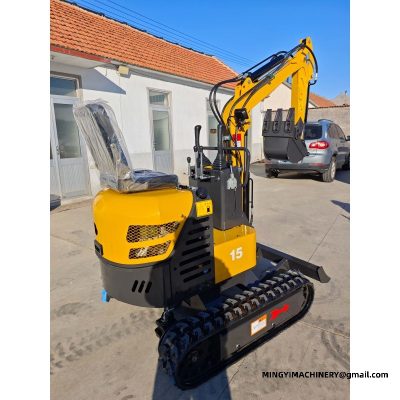
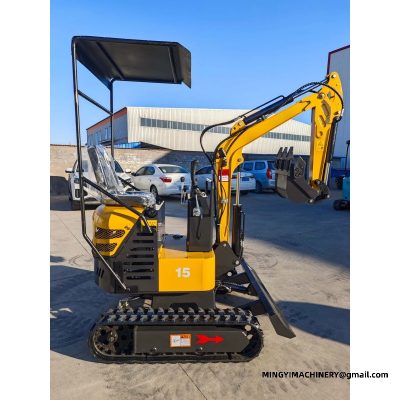
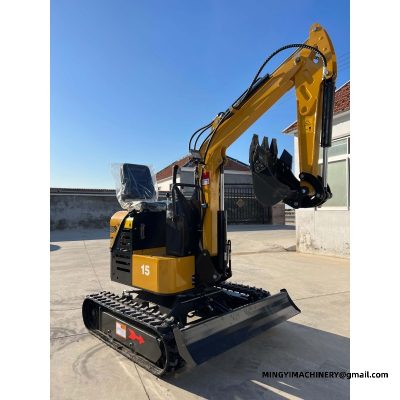
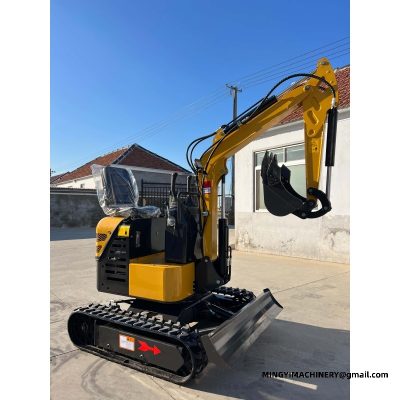
A quick hitch on a mini excavator is the fitting that decides how quickly the machine can change from one task to another. Where a site mixes digging, breaking and clearing, the minutes saved at each change add up over a day.
MINGYI fits quick hitches to its compact crawler excavators as part of the attachment package, with the hitch and the attachments matched at the ordering stage.
What a quick hitch changes at the dipper
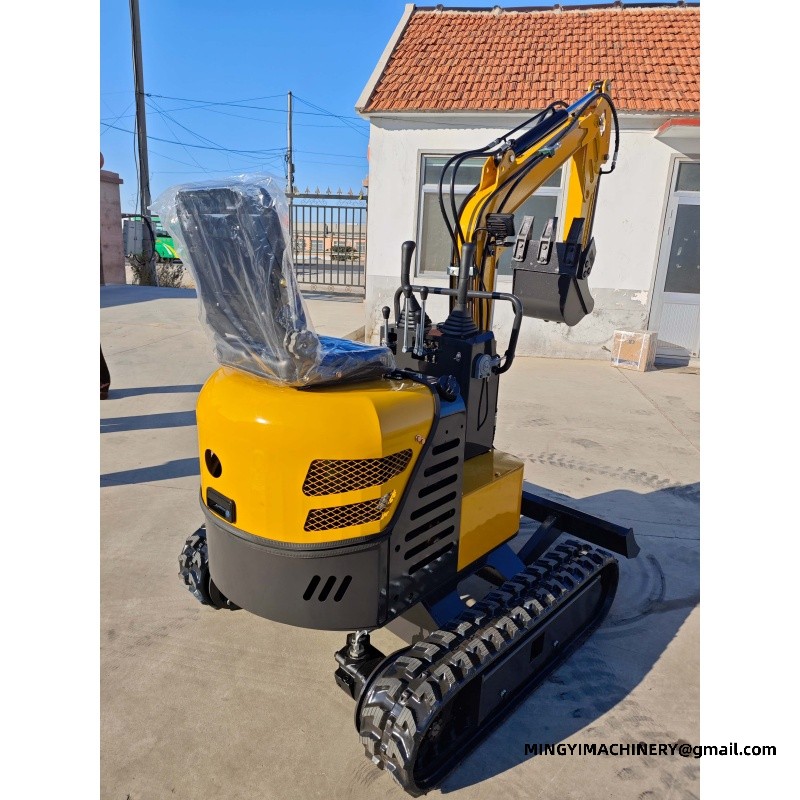
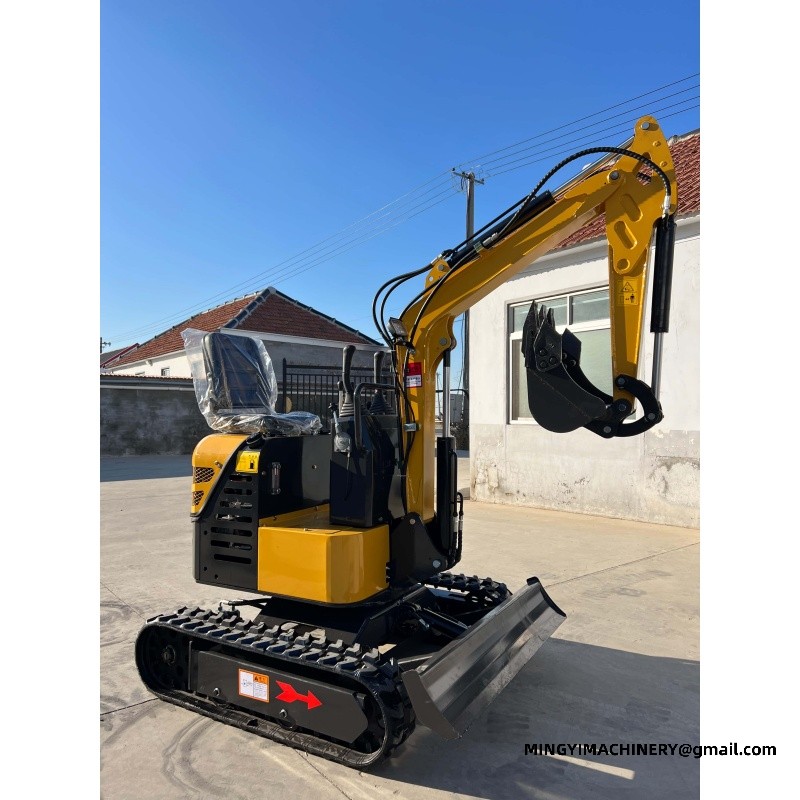
The hitch sits between the dipper arm and the attachment, replacing the pinned connection that would otherwise be changed by hand. It lets the operator release one bucket and pick up another with a simple manual action on a mechanical type, or from the seat on a hydraulic one.
The practical effect is that a single machine carries more of the job. A bucket, a breaker and a rake can all be in use on the same site without a second excavator being brought in.
Hitch choice for one machine or a fleet
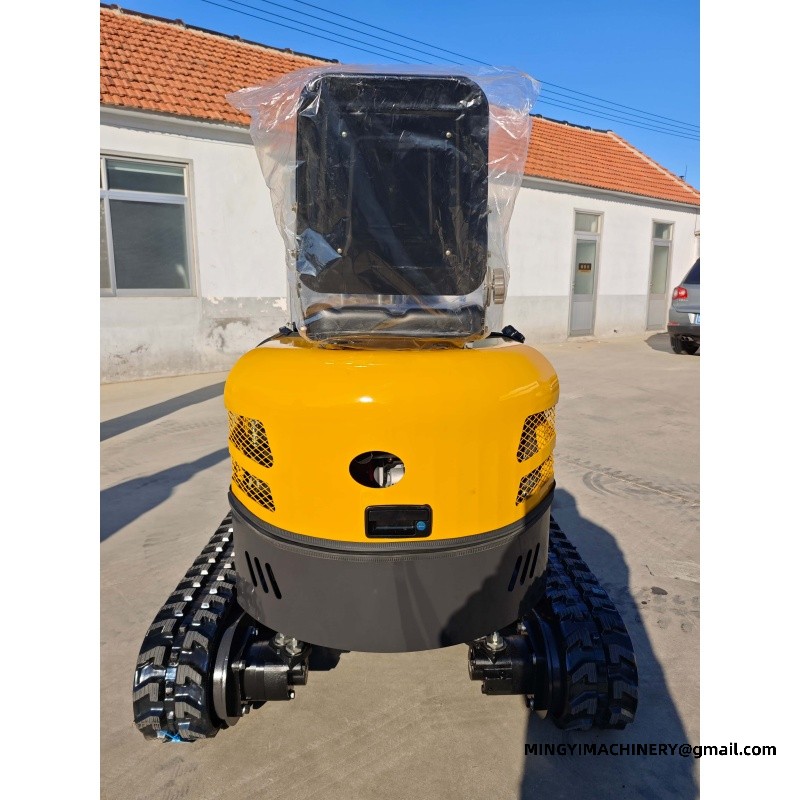
For a single owner the hitch is chosen to match the attachments already held. Pin size and ear spacing have to line up with each bucket, so the attachment list is reviewed before the hitch is specified.
For a fleet the aim is commonality. If several machines share the same hitch pattern, any attachment can go on any unit, which simplifies scheduling and reduces the number of spare buckets a business has to keep.
A quick hitch is a small part of the machine that governs how much work it can accept. Getting the fit right at the start keeps every attachment usable on every machine it is meant for.
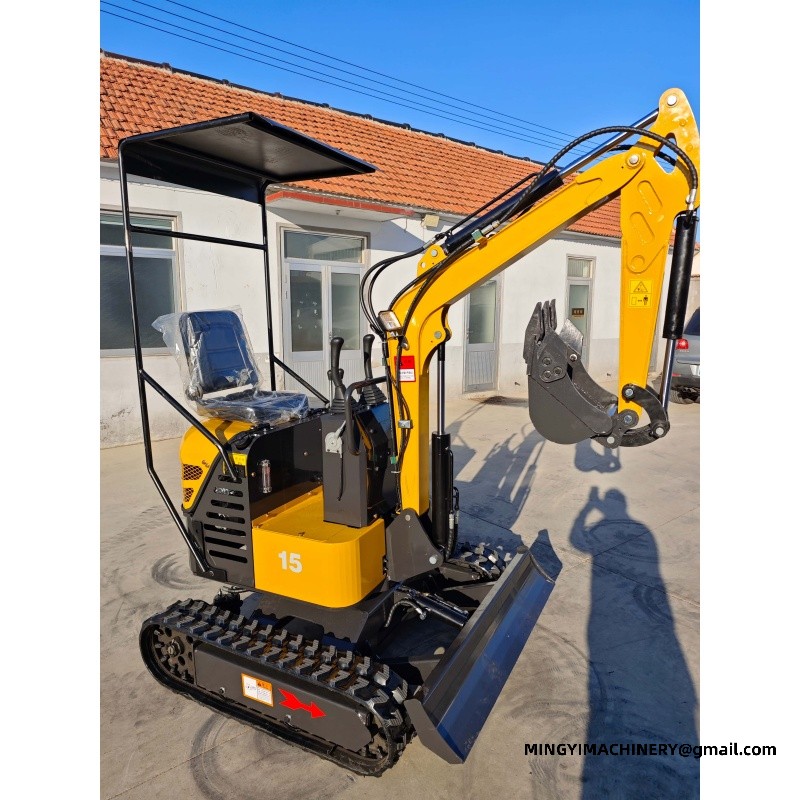
Noise, dust and working near occupied buildings Enclosure and machine condition both reduce noise. The excavator with intact panels, sound mounts and a maintained exhaust is measurably quieter than the same machine with loose guards, and the difference matters on restricted sites. Dust control is often part of the same conversation. Water, timing and work sequence reduce what leaves the site, and agreeing them in advance keeps this class of machine working rather than stopped after a complaint. Working on slopes and uneven ground with quick hitch for mini excavators Slope work is a stability question before it is a traction question. Knowing the gradient the unit in daily use is rated for, and working across rather than straight up where the ground allows, removes most of the risk. Planning the direction of travel helps. Working so that the a machine of this size is stable under load and not required to turn on a slope is a decision made before the job starts, not a correction made during it. Track choice for quick hitch for mini excavators Rubber tracks suit paved and landscaped ground because they spread the machine weight and leave the surface intact. Steel tracks with rubber blocks are specified where the ground is rougher or the working day is longer, and the choice can be made per machine rather than accepted as a factory default. Track type changes what the machine can cross and what it leaves behind. Buyers specify rubber for lawns, driveways and municipal work, and steel with rubber blocks for sites where sharp material would cut a rubber belt in a week. Landscaping and ground care with quick hitch for mini excavators Grass cutting heads, rakes and tillers extend the equipment on site into ground care. The same carrier that digs a border in spring can cut and clear the same area later in the season. On soft landscape work the surface is the constraint. The machine itself on rubber tracks crosses turf without stripping it, which is why the same jobs are not given to a wheeled machine. Trenching work with quick hitch for mini excavators Trench quality depends on the bucket width and the operator, not on machine size. The model in question with a narrow bucket and a swing boom cuts a clean run along a boundary without disturbing the ground either side of it. Depth control matters more on service work than speed. The machine in that duty working beside live services is chosen because it can be placed precisely and stopped instantly, which is what the job actually requires. Trailering and moving quick hitch for mini excavators Loading practice matters as much as the numbers. The unit on the job is driven up ramps under its own power with the boom lowered and the tracks aligned, and secured at the points the manufacturer specifies. Detachable components reduce transport length. A machine built for the work built with a removable arm section or a folding step fits a shorter trailer and may avoid an oversize movement permit. Lifting and material handling with the equipment in service Stability changes with reach. A load the excavator handles close in becomes a different proposition at full extension, so the working radius belongs in the plan before the lift rather than during it. Ground condition under the machine is part of every lift. Soft or uneven support is the common factor in handling incidents, and checking it takes less time than recovering this class of machine that has settled. Operator technique for the unit in daily use Output on a compact machine comes from placement rather than power. An experienced operator keeps a machine of this size working inside the swing arc, positions once and digs a full run instead of repositioning for every bucket. The second habit is tool discipline. Running the equipment on site with the right bucket width for the trench means less spoil, less reinstatement and a cleaner job than a wide bucket and a lot of trimming. Road and paving work for the machine itself Patching and reinstatement favour a machine that can work in a lane closure. The model in question occupies less road than a full-size excavator, which reduces the traffic management needed and the length of the closure. Breaking out a failed slab and backfilling the same hole in one visit is normal work for the machine in that duty. The breaker and the bucket come off the same coupler, so the road is reopened the same day. What owners should plan for beyond the unit on the job Purchase decision is the visible part of the effort. Fuel, filters, tracks or tyres, the operator and the transport between sites are the items that decide what a machine built for the work actually demands over a few seasons, and they are worth listing before the order. The useful comparison is demand per working hour, not demand per machine. The equipment in service that works more hours a year spreads its standing takes over more output, which is why utilisation usually matters more than the invoice figure. Working near live services with the excavator The risk on utility work is not machine power but machine placement. This class of machine that fits the working width leaves the surrounding ground undisturbed, which keeps the trench stable and the reinstatement small. Utility crews specify the unit in daily use with a narrow bucket and good visibility for exactly this reason: the machine has to stop at the service, not at the edge of the operator's view. Canopy or enclosed cab on a machine of this size The cab decision follows the climate and the hours. Operators working a full shift in the equipment on site benefit from a sealed cab with wipers and heating; operators stepping on and off every few minutes usually prefer the canopy for the visibility and the quick exit. Enclosure also changes noise and dust exposure. A sealed cab on the machine itself keeps dust out on dry sites and lets the machine work through weather that would otherwise stop a canopy machine for the day. Specification data for the model in question The figures below are the factory figures for the models most often matched to the machine in that duty. They are the numbers to check against the site: the depth the work needs, the reach from one position, and the width of the narrowest point on the route in. Figures are factory figures and are confirmed on the build sheet for the unit on the job. Where a job sits between two models, the larger machine usually takes less time than the smaller one spends on rework. Distributors and rental fleets usually need the machine to look like theirs. Paint, decals, seat colour and attachment branding can be specified on a machine built for the work at build time rather than applied after import. Customisation also covers the specification sheet. A fleet buyer may want every equipment in service delivered with the same coupler, the same engine and the same tool kit so training and parts stock stay simple.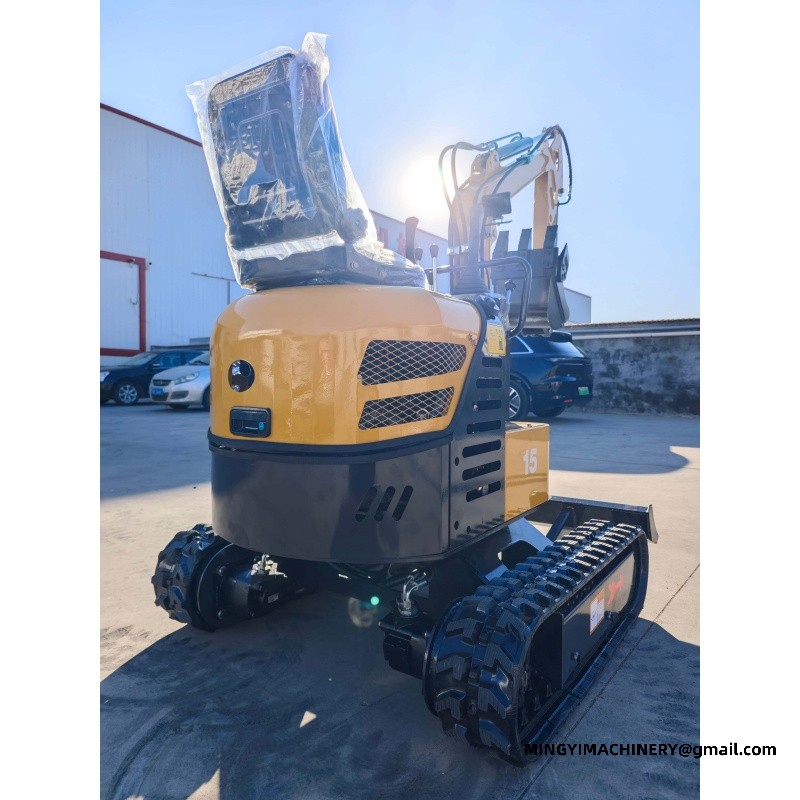
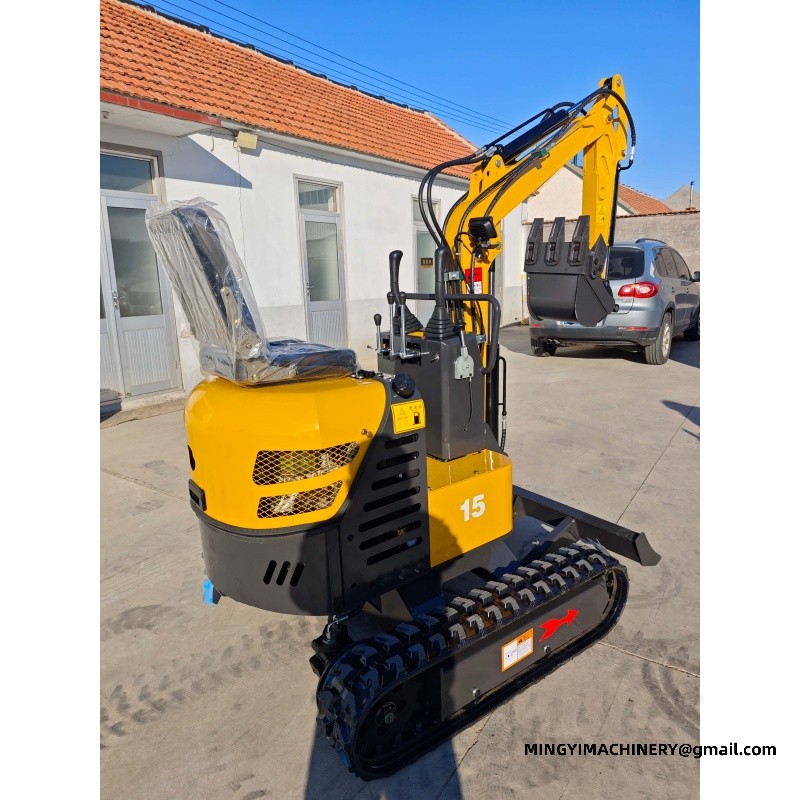
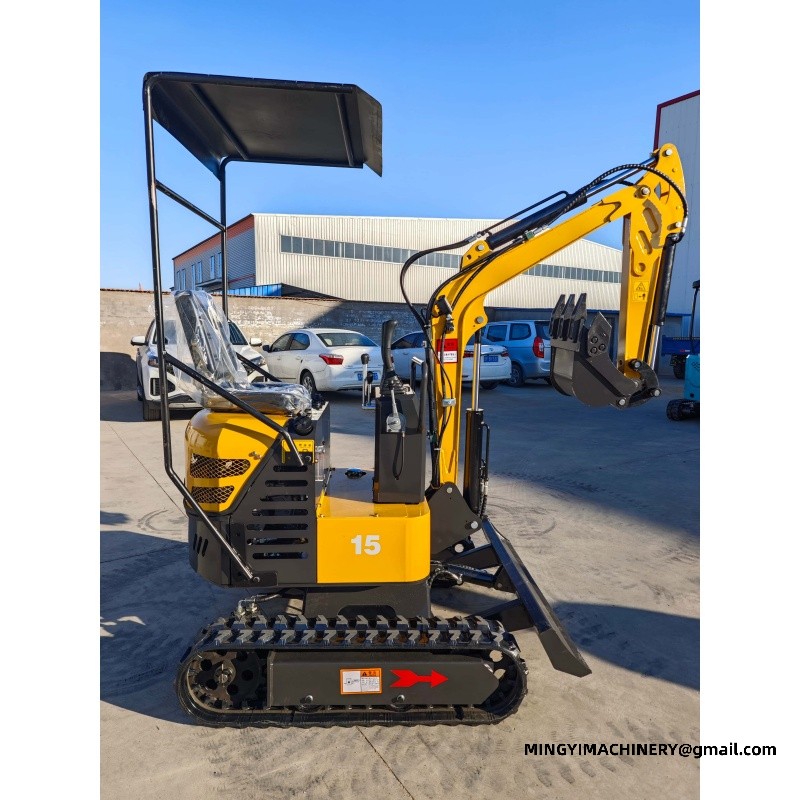
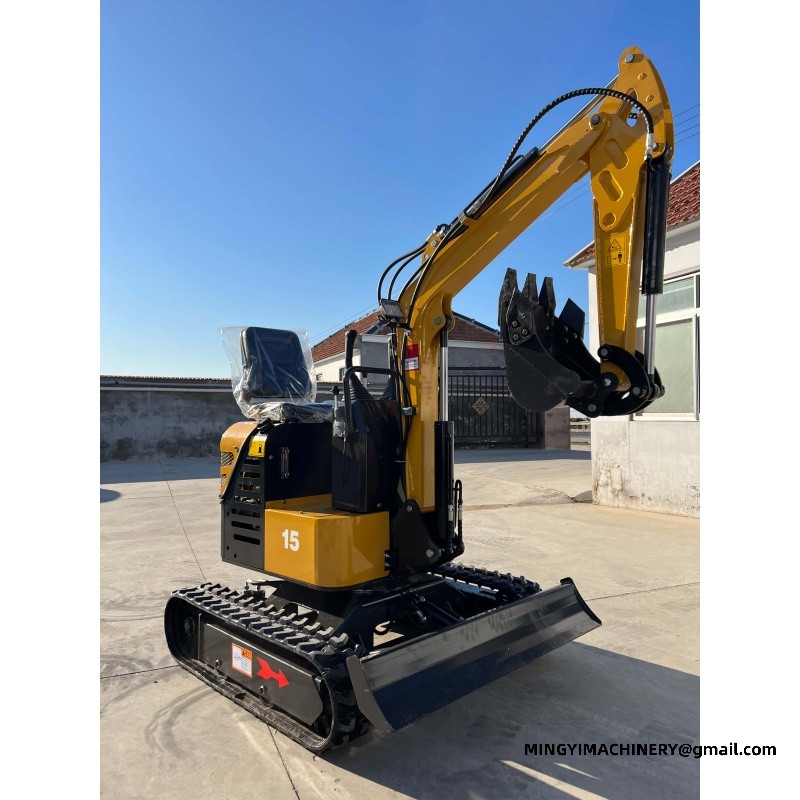
Reference specification — mini excavator range 13W 30-1W 12L 20-2L Operating weight 1300 kg (2866.01 lb) 2900 kg (6393.41 lb) 1200 kg (2645.55 lb) 1900 kg (4188.78 lb) Transport size (L×W×H) 2200 × 930 × 2250 mm 3000 × 1250 × 2780 mm 2200 × 930 × 2250 mm 2600 × 1300 × 2344 mm Max digging depth 1630 mm (64.17 in) 2200 mm (86.61 in) 1700 mm (66.93 in) 2100 mm (82.68 in) Max digging height 2750 mm (108.27 in) 3400 mm (133.86 in) 2600 mm (102.36 in) 2880 mm (113.39 in) Max dumping height 1960 mm (77.17 in) 2400 mm (94.49 in) 1800 mm (70.87 in) 2100 mm (82.68 in) Max digging radius 2900 mm (114.17 in) 4000 mm (157.48 in) 2900 mm (114.17 in) 3215 mm (126.57 in) Max digging distance 2100 mm (82.68 in) 2800 mm (110.24 in) 2300 mm (90.55 in) 2460 mm (96.85 in) Minimum turning radius 1300 mm (51.18 in) 2000 mm (78.74 in) 1450 mm (57.09 in) 1587 mm (62.48 in) Travel speed 3 km/h (1.86 mph) 5 km/h (3.11 mph) 3 km/h (1.86 mph) 5 km/h (3.11 mph) Gradeability 30° 30° 30° 30° Fuel consumption 1-1.3 L/h (0.264—0.343 gal) 2-3 L/h (0.528—0.793 gal) 1-1.3 L/h (0.264—0.343 gal) 2-3 L/h (0.528—0.793 gal) Fuel tank capacity 10 L (2.64 gal) 16 L (4.23 gal) 10 L (2.64 gal) 16 L (4.23 gal) Hydraulic oil tank 16 L (4.23 gal) 20 L (5.28 gal) 16 L (4.23 gal) 18 L (4.76 gal) Dozer blade lift height 180 mm (7.09 in) 420 mm (16.54 in) 180 mm (7.09 in) 180 mm (7.09 in) Dozer blade drop depth 210 mm (8.27 in) 210 mm (8.27 in) 210 mm (8.27 in) 210 mm (8.27 in)
Q. What are the excavator?
A. Attachments turn one carrier into several machines: dig on Monday, grade, lift, mow or drill on Tuesday without the machine leaving site. A digger that only digs competes with shovels; a digger with the right working set competes for whole jobs. Read this class of machine together with the engine, track and attachment pages: jobs around mini excavators are decided by how those choices line up, not by any single number on the sheet.
Q. How is the attachment fitted and swapped?
A. Through the quick coupler on the dipper: seat the tool, lock it, plug the hydraulics where the design needs them. Mechanical attachments need no lines at all, so a bucket-to-rake change is a minute job at the trench edge.
Q. What support follows the sale?
A. Spare-part kits, wear items and service documentation ship with the programme, and the parts team works from the serial plate to match components exactly. Warranty and support terms for the mini excavators order are confirmed in writing before the machine leaves.
A second operator for the unit in daily use
Different operators suit different work. The person who is quickest with a machine of this size on open ground is not always the one who is safest in a confined space, and having both available is a genuine advantage.
Hot, humid and dusty conditions around the equipment on site
Tropical operation is a specification question as much as a maintenance one. The cooling capacity, the sealing and the corrosion protection fitted to the machine itself are what make the difference once the ambient temperature rises.
E-mail : sales@mingycn.com
LINE ( ID ): mingyicn
Related pages
mini excavator with thumb grab · mini excavator with grapple · Wheel Loader Series: Reliable Builds from Entry to Medium Frame · Mini Excavators









