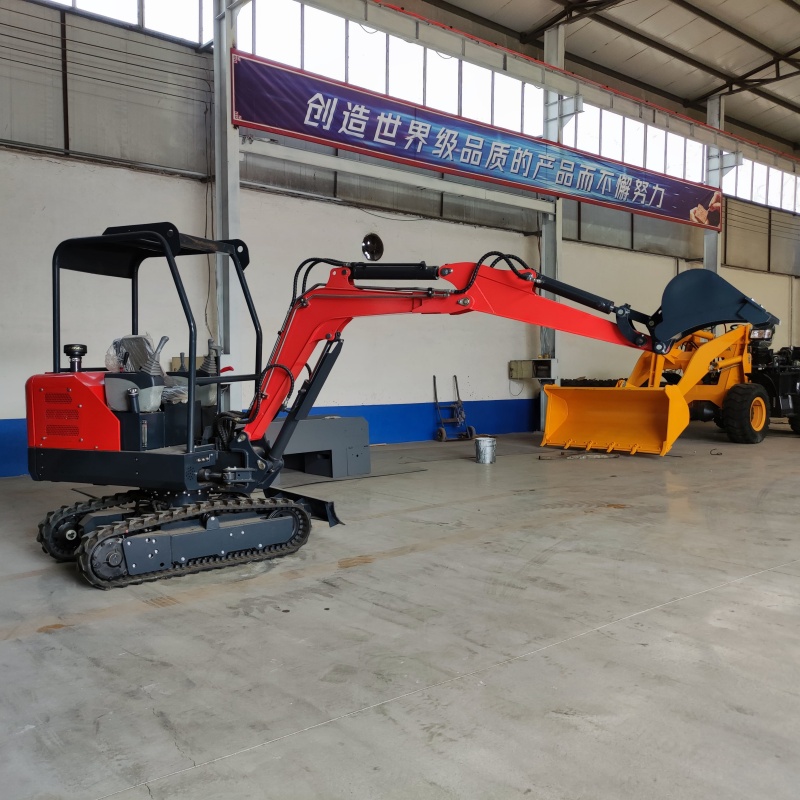
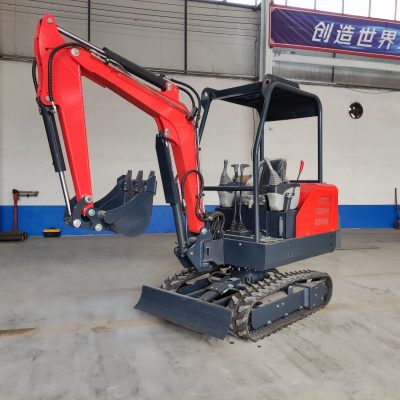
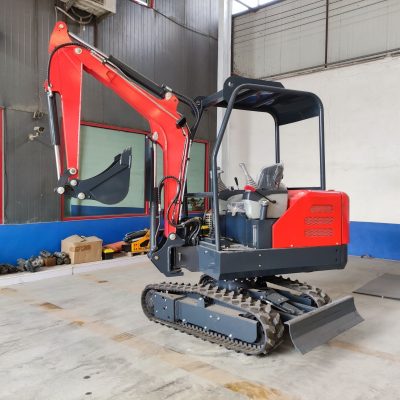
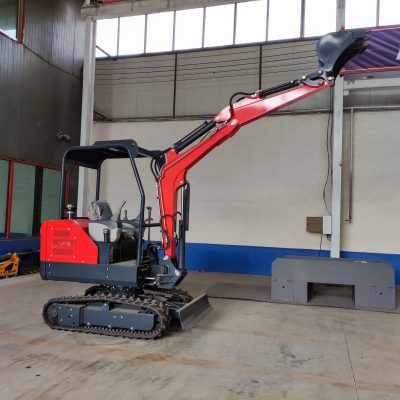
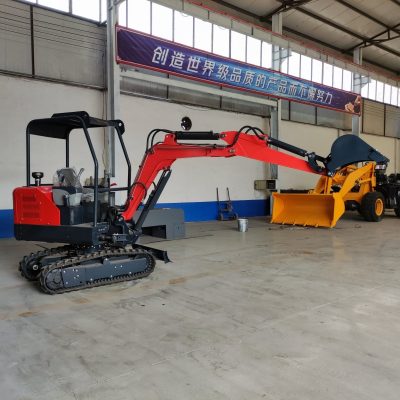
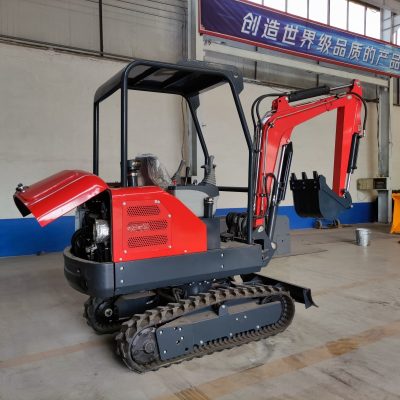
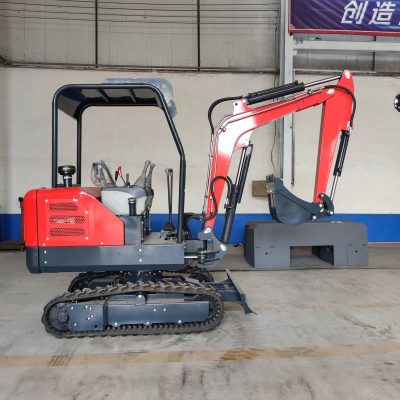
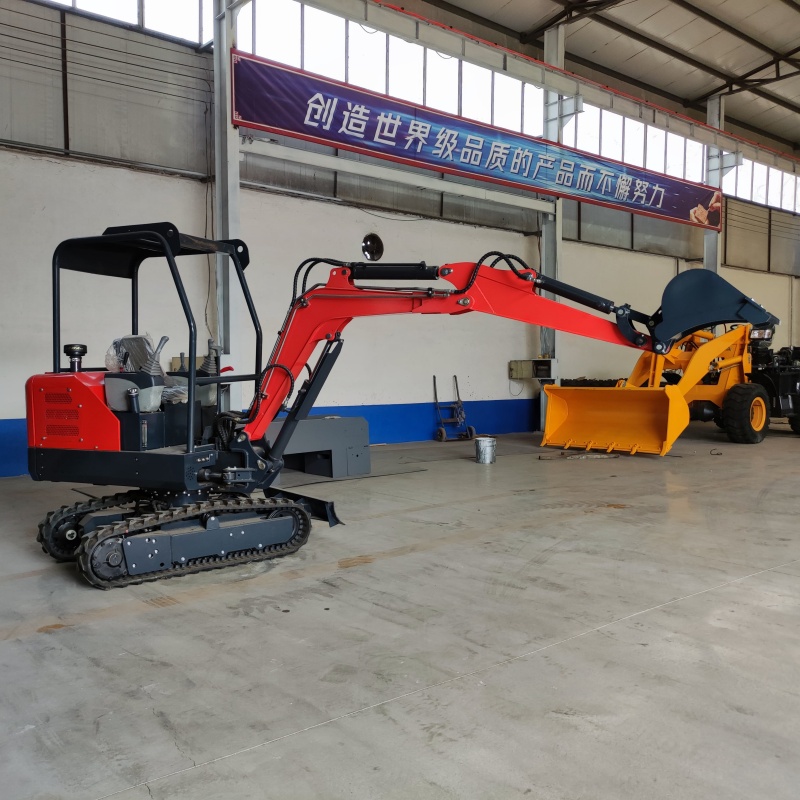
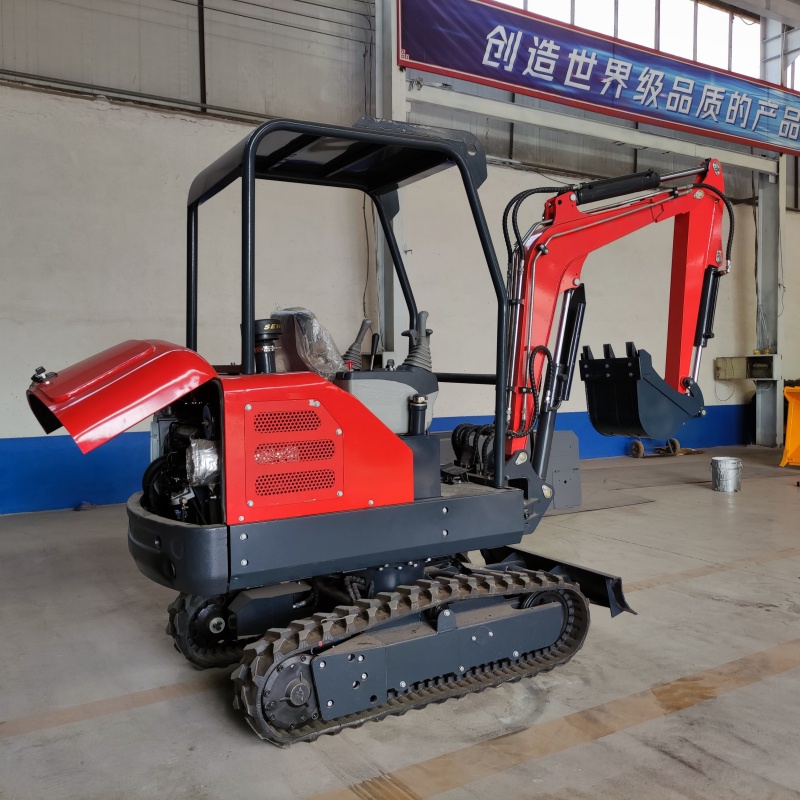
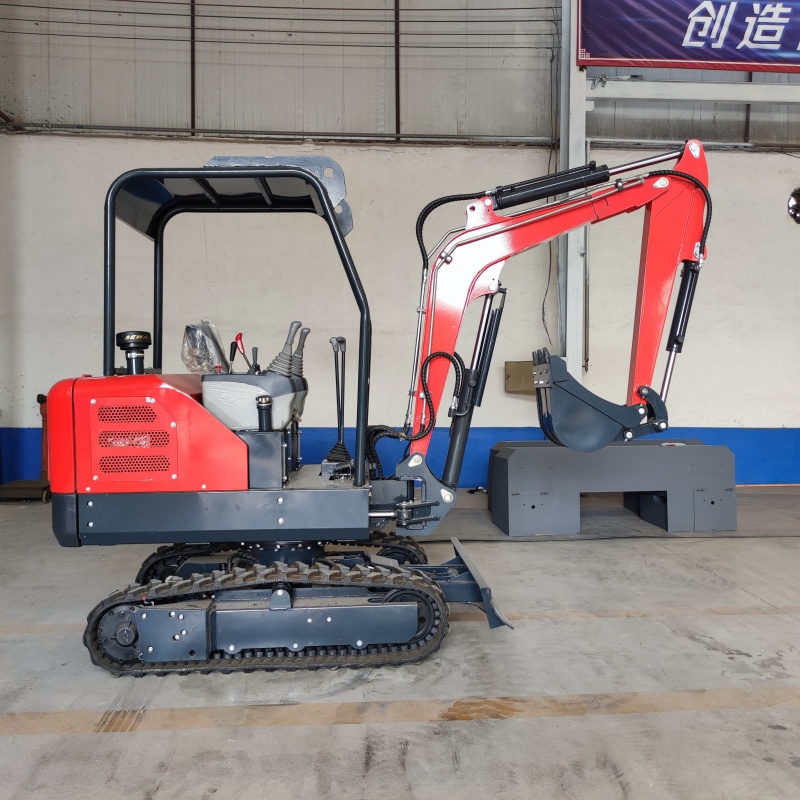
Road maintenance is rarely a single clean task. A carriageway repair may involve cutting out failed surfacing, opening a drainage run, trimming the shoulder and clearing spoil, and a three tonne crawler excavator can cover all of it from one position.
MINGYI builds this class to order, so a buyer can specify the undercarriage and attachment set against the work the machine will actually see. Steel tracks with rubber blocks are common here, combining grip on the formation with protection for a finished surface.
Working safely beside a live carriageway
When the machine works next to traffic, tail swing matters more than digging depth. A zero or short tail swing design keeps the rear of the unit inside the coned-off area, so the operator can turn without the counterweight crossing the running lane.
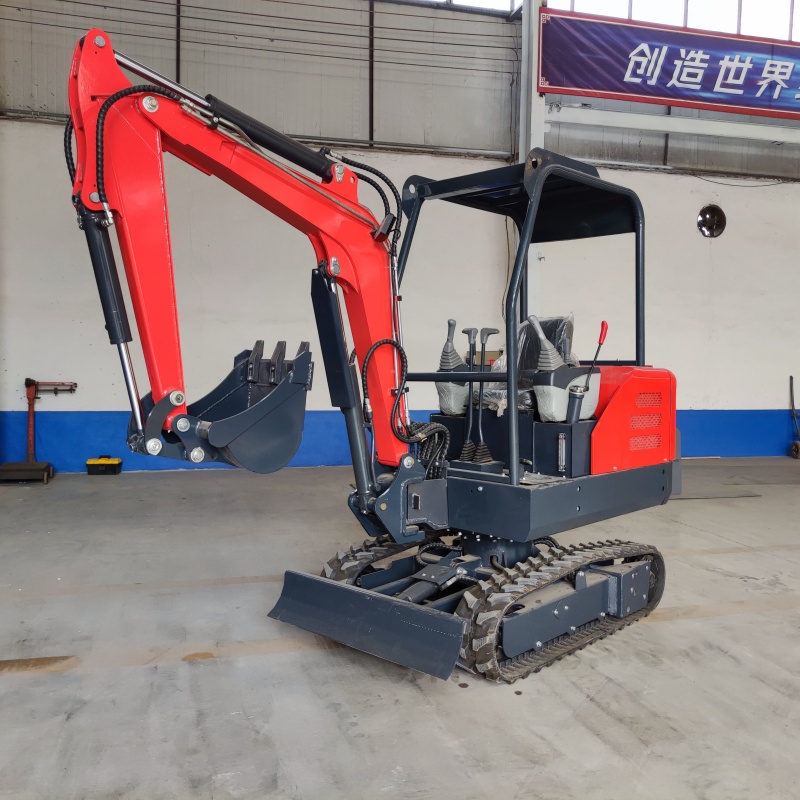
Holding level at a cut edge is the second concern. Because this class carries a longer track base than the smaller models, the machine stays steady when the bucket reaches out over a trench at the verge.
Road maintenance attachments for this class
A breaker hammer is the usual first attachment for patch repairs, with a tilting bucket to trim the excavation edges before new material is placed. A compaction wheel then finishes the reinstatement in the same visit.
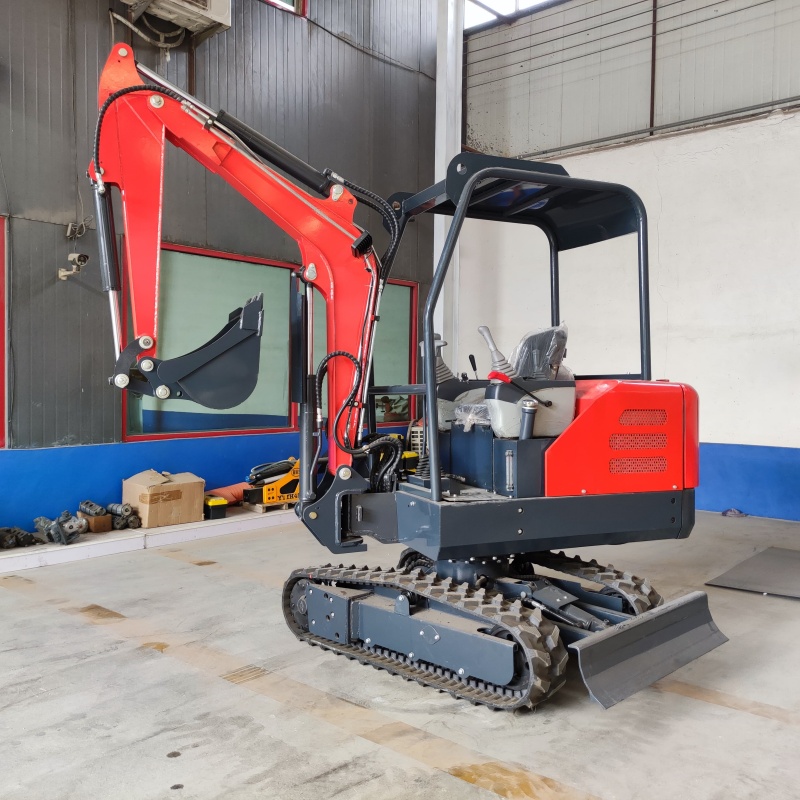
Drainage and ditching add a wider bucket and often a shell bucket for loose stone. A grass rake and a flail mower are useful on verge work, where the machine that cuts the ditch also manages the growth alongside it.
A three tonne excavator for road work is chosen for access, stability and attachment range rather than for the size of the bucket. Buyers who set out the repair tasks in advance can have the machine built to suit them, with the spares list agreed at the same time.
Working on slopes and uneven ground with three tonne excavator for road works Slope work is a stability question before it is a traction question. Knowing the gradient the excavator is rated for, and working across rather than straight up where the ground allows, removes most of the risk. Planning the direction of travel helps. Working so that the this class of machine is stable under load and not required to turn on a slope is a decision made before the job starts, not a correction made during it. Operator technique for three tonne excavator for road works Output on a compact machine comes from placement rather than power. An experienced operator keeps the unit in daily use working inside the swing arc, positions once and digs a full run instead of repositioning for every bucket. Stability is the third. A machine of this size working across the tracks rather than over the corners keeps the machine steady and the undercarriage loaded evenly, which shows up as track life at the end of the season. Working a three tonne excavator for road works in confined spaces Confined sites are decided by dimensions. Overall width, tail swing and the space needed to work the arm are what let the equipment on site operate inside a building, between walls or in a courtyard. Ventilation is the other indoor constraint. Running the machine itself inside a closed structure needs air movement, and that is a planning item rather than something to discover after the first hour. Specifying three tonne excavator for road works against a job list The practical way to specify is to write the job list first: the narrowest access, the deepest trench, the heaviest tool and the surfaces the machine must cross. The model in question is then matched to those four numbers. Useful information to send with an enquiry includes working width, required digging depth, ground conditions and the attachment set. Those four items let the factory specify the machine in that duty that fits rather than a generic build. Hydraulic circuits on a three tonne excavator for road works Auxiliary hydraulic lines are what let a machine drive a tool rather than only a bucket. The unit on the job specified with the right circuits and flow runs a breaker or an auger without an add-on power pack bolted to the frame. Hydraulic specification is easier to settle at build time than to correct later. A machine built for the work delivered without auxiliary lines can still dig, but every additional tool becomes a retrofit project. Trailering and moving three tonne excavator for road works Transport weight and width decide whether a machine needs a specialist haulier. The equipment in service sized to travel on a standard plant trailer behind a suitable vehicle moves with the crew rather than on a scheduled low loader. Detachable components reduce transport length. The excavator built with a removable arm section or a folding step fits a shorter trailer and may avoid an oversize movement permit. Attachments that turn this class of machine into several machines The base machine is a carrier; the tool on the end of the arm decides the task. The unit in daily use fitted with a toothed bucket digs, and the same machine with a breaker, an auger or a grab does work that would otherwise need a second unit on site. Most of the daily variety on a machine of this size comes from the attachment rack rather than from the machine itself. Bucket, breaker, auger, ripper, rake and grab cover the large majority of the work a contractor will see. Acceptance checks when the equipment on site arrives A function check before the machine goes to work is worth the hour. Running through the controls, the travel and the attachment circuit on the machine itself confirms it is set up as specified and ready for the site. Documentation should arrive with the machine. Parts list, service schedule and any certificates for the model in question are what the workshop needs later, and they are much easier to obtain at delivery than in month six. Working the machine in that duty through the seasons Seasonal planning smooths the workload. Machines that are busy for a few months and idle for the rest benefit from a service slot in the quiet period, and the unit on the job prepared in the off-season starts the busy months reliably. Heat and dust are as limiting as rain. Air intake condition and cooling cleanliness decide how a machine built for the work behaves in a dry season, and both are checked in a minute rather than repaired later. Lifting and material handling with the equipment in service Lifting with a machine built to dig needs a plan. The load, the radius and the ground under the class of machine all matter, and the safe figure is the one on the chart rather than the one that looks possible. Stability changes with reach. A load the excavator handles close in becomes a different proposition at full extension, so the working radius belongs in the plan before the lift rather than during it. Matching the unit in daily use to ground conditions Hard and abrasive ground reverses the specification. On rock, demolition rubble or sharp gravel, steel tracks with rubber blocks on a machine of this size survive conditions that cut a rubber belt quickly. Mixed sites are common and argue for a compromise specification. Most buyers choose rubber for the equipment on site and accept the wear, unless the majority of the work is on material that will damage it. Trenching work with the machine itself Service trenches are the most common reason the model in question is hired. Water, sewage, cable and gas runs are narrow, shallow and often close to existing services, which is exactly the work a full-size machine cannot do safely. Depth control matters more on service work than speed. The machine in that duty working beside live services is chosen because it can be placed precisely and stopped instantly, which is what the job actually requires. Noise, dust and working near occupied buildings Enclosure and machine condition both reduce noise. A Noise, dust and working near occupied buildings with intact panels, sound mounts and a maintained exhaust is measurably quieter than the same machine with loose guards, and the difference matters on restricted sites. Specification data for the unit on the job Buyers comparing a machine built for the work usually start from four numbers - weight, digging depth, reach and transport width - because those are the ones that decide whether the machine can be delivered and whether it can do the job once it is there. Every value shown is as built for the equipment in service; options such as cab, side swing or a telescopic undercarriage change the transport dimensions and are confirmed at order stage. Work near housing or occupied premises brings constraints that open sites do not. Start times, exhaust condition and how often the excavator needs to reverse are the practical limits that neighbours notice. Dust control is often part of the same conversation. Water, timing and work sequence reduce what leaves the site, and agreeing them in advance keeps this class of machine working rather than stopped after a complaint.
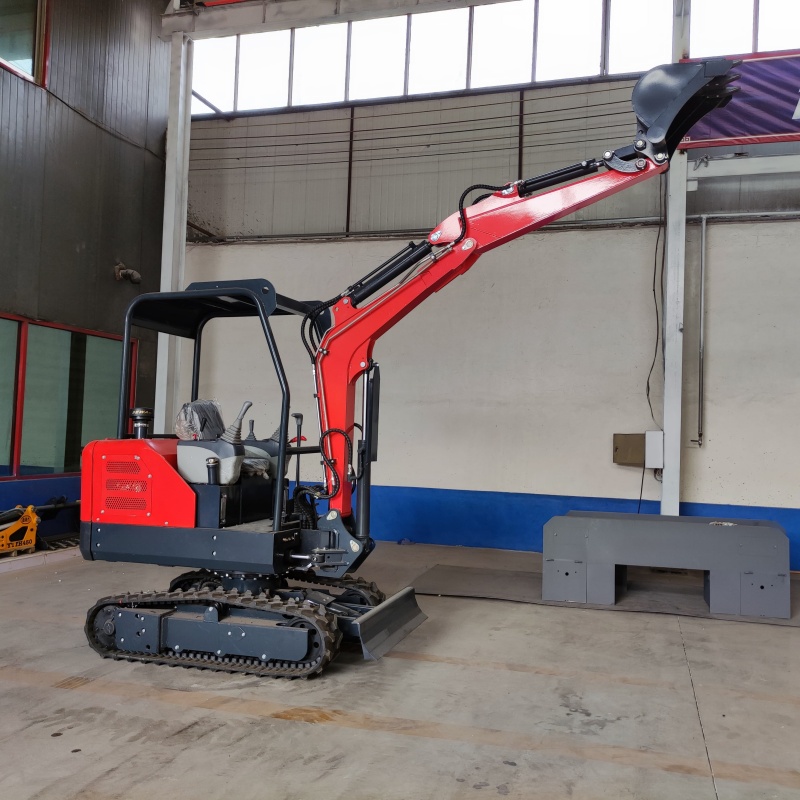
Reference specification — mini excavator range 09W 13W 30-2W 25L Operating weight 1100 kg (2425.08 lb) 1300 kg (2866.01 lb) 2700 kg (5952.48 lb) 2200 kg (4850.17 lb) Transport size (L×W×H) 1800 × 750 × 1970 mm 2200 × 930 × 2250 mm 3000 × 1100 × 2700 mm 3000 × 1300 × 2700 mm Max digging depth 1250 mm (49.21 in) 1630 mm (64.17 in) 2200 mm (86.61 in) 2300 mm (90.55 in) Max digging height 2800 mm (110.24 in) 2750 mm (108.27 in) 3000 mm (118.11 in) 3100 mm (122.05 in) Max dumping height 1700 mm (66.93 in) 1960 mm (77.17 in) 2000 mm (78.74 in) 2050 mm (80.71 in) Max digging radius 2570 mm (101.18 in) 2900 mm (114.17 in) 3800 mm (149.61 in) 3900 mm (153.54 in) Max digging distance 1869 mm (73.58 in) 2100 mm (82.68 in) 3050 mm (120.08 in) 3100 mm (125.05 in) Minimum turning radius 1000 mm (39.37 in) 1300 mm (51.18 in) 1750 mm (68.9 in) 1800 mm (70.87 in) Travel speed 3 km/h (1.86 mph) 3 km/h (1.86 mph) 7 km/h (4.35 mph) 7 km/h (4.35 mph) Gradeability 30° 30° 30° 30° Fuel consumption 1-1.3 L/h (0.264—0.343 gal) 1-1.3 L/h (0.264—0.343 gal) 2-3 L/h (0.528—0.793 gal) 2-3 L/h (0.528—0.793 gal) Fuel tank capacity 8 L (2.11 gal) 10 L (2.64 gal) 16 L (4.23 gal) 16 L (4.23 gal) Hydraulic oil tank 16 L (4.23 gal) 16 L (4.23 gal) 20 L (5.28 gal) 18 L (4.76 gal) Dozer blade lift height 180 mm (7.09 in) 180 mm (7.09 in) 230 mm (9.06 in) 230 mm (9.06 in) Dozer blade drop depth 210 mm (8.27 in) 210 mm (8.27 in) 280 mm (11.02 in) 280 mm (11.02 in)
Q. Who uses the unit in daily use?
A. Roadside and municipal jobs are small in size and large in number: kerbs, gutters, retaining walls, reinstatement after utility work. Reinstatement quality - the part the public judges - comes from the grading and compaction tools that run on the same carrier. MINGYI builds the 08, 12 and 18 models covering the 0.8 to 6 tonne class, and a machine of this size is where that range meets road works.
Q. What matters most on roadside work?
A. Stability at the trench edge and a boom that reaches the line while the carrier stays off the carriageway. Reinstatement quality - the part the public judges - comes from the grading and compaction tools running on the same carrier.
Q. What about colours and branding?
A. OEM colours and decals are part of the build: private-label machines carry the buyer brand on the standard MINGYI platform, and the road works order confirms colours, marks and documents before production starts.
Wear items and spares worth holding for the equipment on site
Holding spares is about downtime rather than the shelf itself. The question for the machine itself is not how large the part is but how long the machine sits while it is found, and a small shelf answers that better than a fast courier.
Packing, loading and shipment of the model in question
How a machine travels decides how it starts on arrival. Securing the machine in that duty against movement, protecting the exposed cylinders and keeping the battery and fluids in the right state for the voyage all belong to the packing list.
E-mail : sales@mingycn.com
LINE ( ID ): mingyicn
Related pages
small excavator for groundwork · engineering small excavator from china · Wheel Loader Series: Three Frame Tiers and 21 Documented Builds · Mini Excavators









