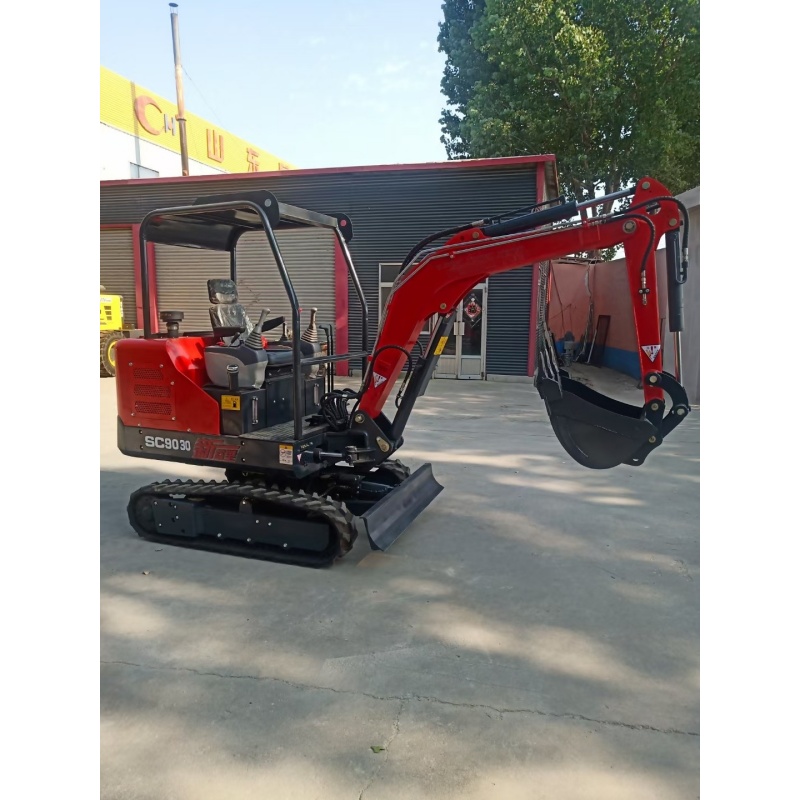
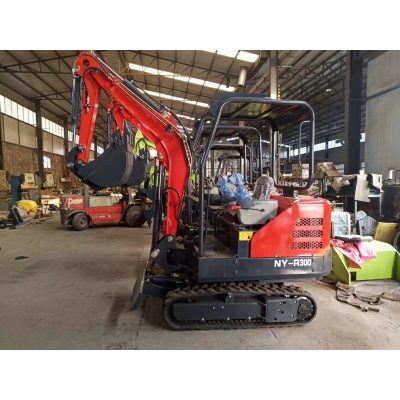
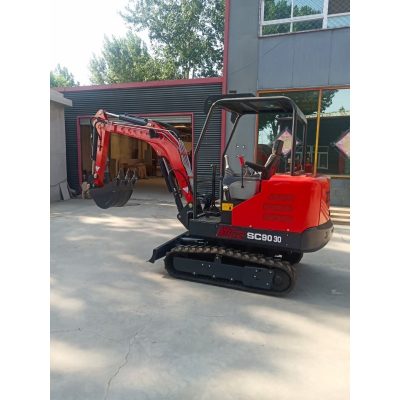
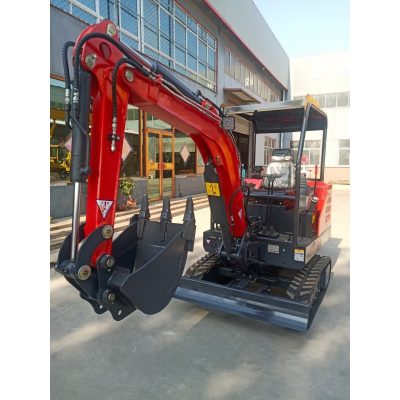
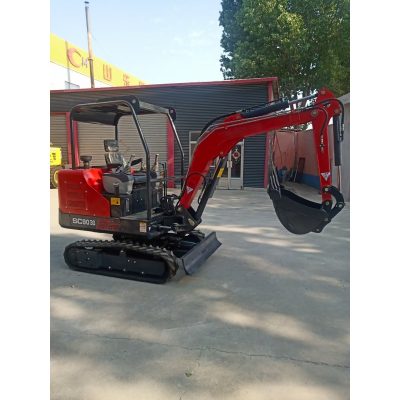
Buyers looking at Chinese compact excavators weigh two things at once: whether the build suits their work and whether the machine can be supported after it lands.
The MINGYI range is a compact crawler platform built to order, which means the specification is agreed before assembly rather than chosen from a fixed stock list.
What defines an engineering grade compact platform
The frame, the undercarriage and the boom are built as one matched assembly, so the attachment set the buyer names is reflected in the structure rather than added afterwards.
Track width, tail swing and boom type are decided together. That combination decides whether the machine suits civil work, landscaping or farm duties in the destination market.
Ordering a Chinese compact excavator for export
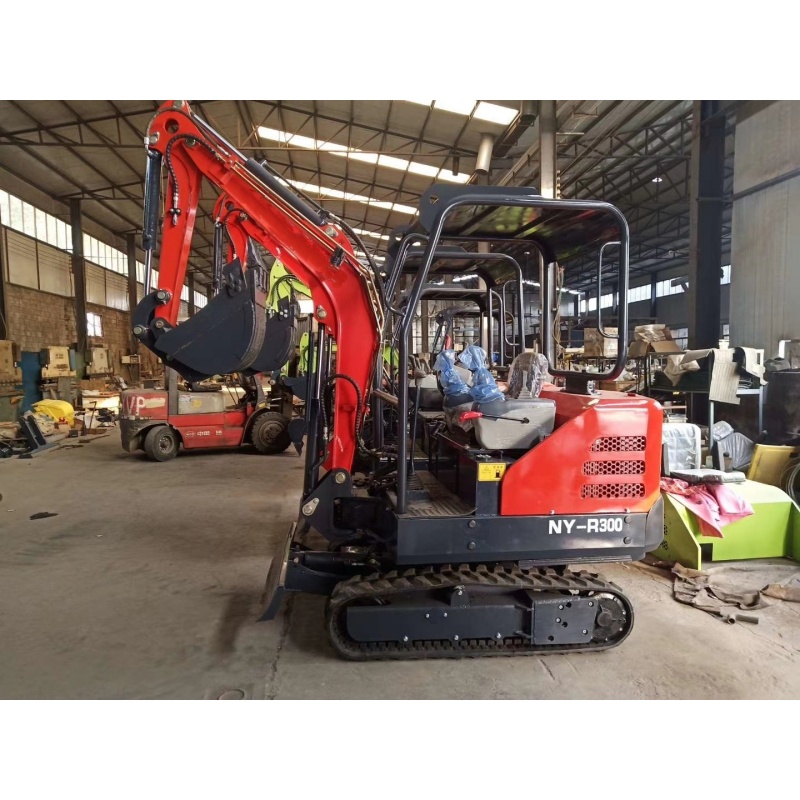
Units are built against a written specification and supplied with spare parts and service information, which is what an importer needs to keep a fleet running.
Engine choice runs across the Kubota, YANMAR, Changchai, Laidong and Runtong families, with YARMAX and the Youpu units covering the remainder of the range.
Importers generally confirm the engine, the track type and the attachment list first, because those three choices decide most of what the finished machine can do.
Hiring versus owning a engineering small excavator from china The choice follows the hours. Work that fills a few weeks a year is usually better hired, while the excavator that would be on site most weeks starts to justify ownership once the transport and booking time is counted. Availability is part of the decision. Owning this class of machine means it is there on the day the ground is ready; hiring means competing for the same machine at the same time as everyone else in the season. Boom configuration for engineering small excavator from china A swing boom lets the machine dig parallel to its tracks without repositioning, which is what makes trenching beside a wall or a fence practical. On the unit in daily use this is often the option that decides whether a job is possible at all. Extended and offset boom configurations change reach and working range. A machine of this size with a longer arm reaches further but lifts less at full extension, so the specification is set against the deepest and furthest point on the job list. Working on slopes and uneven ground with engineering small excavator from china Ground that looks level often is not. The equipment on site crossing a filled trench, a soft edge or a hidden void behaves differently from one on undisturbed ground, and those are the places worth walking before driving. Planning the direction of travel helps. Working so that the machine itself is stable under load and not required to turn on a slope is a decision made before the job starts, not a correction made during it. Getting engineering small excavator from china through a narrow gap Access decides the machine before output does. With the model in question the limiting dimension is usually the widest point on the way in, so measuring the gate, the corridor and the turning space first saves a wasted delivery and a second visit. Contractors who buy the machine in that duty normally have one job in mind that nothing else reaches. The purchase order follows the access measurement, not the other way round, and the build sheet is then settled around it. Parts, service and support for engineering small excavator from china Engine parts availability usually drives the engine choice. The unit on the job built with an engine the local network already carries is serviced from stock rather than from an international order. Remote support is handled by video. A machine built for the work fault can often be diagnosed on a walk-around call with the panel open, which is faster than waiting for a visit and avoids shipping a part that is not needed. Matching engineering small excavator from china to ground conditions Soft ground is a flotation problem, not a power problem. The equipment in service on wide rubber tracks crosses lawn, sand and cultivated soil that would stop a narrower machine or a wheeled unit of the same capacity. Hard and abrasive ground reverses the specification. On rock, demolition rubble or sharp gravel, steel tracks with rubber blocks on the excavator survive conditions that cut a rubber belt quickly. Municipal and public works with this class of machine Municipal crews work on streets, footpaths and parks where the public is present. The unit in daily use is specified because it occupies little space, works inside a small exclusion zone and can be moved on a standard trailer. Drainage repair, tree planting, footway reconstruction and cemetery work are all within the range of a machine of this size. The jobs are small individually and continuous across the year. Operator technique for the equipment on site Output on a compact machine comes from placement rather than power. An experienced operator keeps the machine itself working inside the swing arc, positions once and digs a full run instead of repositioning for every bucket. The second habit is tool discipline. Running the model in question with the right bucket width for the trench means less spoil, less reinstatement and a cleaner job than a wide bucket and a lot of trimming. Interior and light demolition with the machine in that duty Interior demolition is an access and a weight question. The unit on the job that fits through a doorway and works on a suspended floor does jobs that would otherwise be done by hand or by a larger machine that cannot enter. Dust, debris clearance and floor loading all argue for a compact machine indoors. A machine built for the work spreads its weight over a wider track footprint than a wheeled machine of similar capacity. Orchard, vineyard and farm use of the equipment in service Ditching, fertilising and drainage on farmland suit the excavator because the work is spread over a large area in short bursts. The machine travels behind a pickup and works where it stops. Farms also use this class of machine for general maintenance - clearing a watercourse, repairing a track, loading a spreader. One carrier with a few attachments covers most of the jobs that would otherwise wait for a contractor. Trailering and moving the unit in daily use Transport weight and width decide whether a machine needs a specialist haulier. A machine of this size sized to travel on a standard plant trailer behind a suitable vehicle moves with the crew rather than on a scheduled low loader. Loading practice matters as much as the numbers. The equipment on site is driven up ramps under its own power with the boom lowered and the tracks aligned, and secured at the points the manufacturer specifies. Noise, dust and working near occupied buildings Enclosure and machine condition both reduce noise. The machine itself with intact panels, sound mounts and a maintained exhaust is measurably quieter than the same machine with loose guards, and the difference matters on restricted sites. Dust control is often part of the same conversation. Water, timing and work sequence reduce what leaves the site, and agreeing them in advance keeps the model in question working rather than stopped after a complaint. Specifying the machine in that duty against a job list Buyers who skip this step either over-buy or under-buy. The unit on the job specified only from machine size tends to arrive without the coupler, the circuits or the track type the work actually needs. Useful information to send with an enquiry includes working width, required digging depth, ground conditions and the attachment set. Those four items let the factory specify a machine built for the work that fits rather than a generic build. Canopy or enclosed cab on the equipment in service A canopy keeps the machine light and the operator aware of the surroundings, which suits short jobs in warm weather. A fully enclosed cab is specified where rain, dust or cold are part of the working year, and it can be added to the excavator as a retrofit rather than only at build time. Specification data for this class of machine The figures below are the factory figures for the models most often matched to the unit in daily use. They are the numbers to check against the site: the depth the work needs, the reach from one position, and the width of the narrowest point on the route in. These are the reference figures for a machine of this size. MINGYI confirms the final build sheet, including engine and attachment choices, against the destination and the job list before production. The cab decision follows the climate and the hours. Operators working a full shift in the equipment on site benefit from a sealed cab with wipers and heating; operators stepping on and off every few minutes usually prefer the canopy for the visibility and the quick exit. Enclosure also changes noise and dust exposure. A sealed cab on the machine itself keeps dust out on dry sites and lets the machine work through weather that would otherwise stop a canopy machine for the day.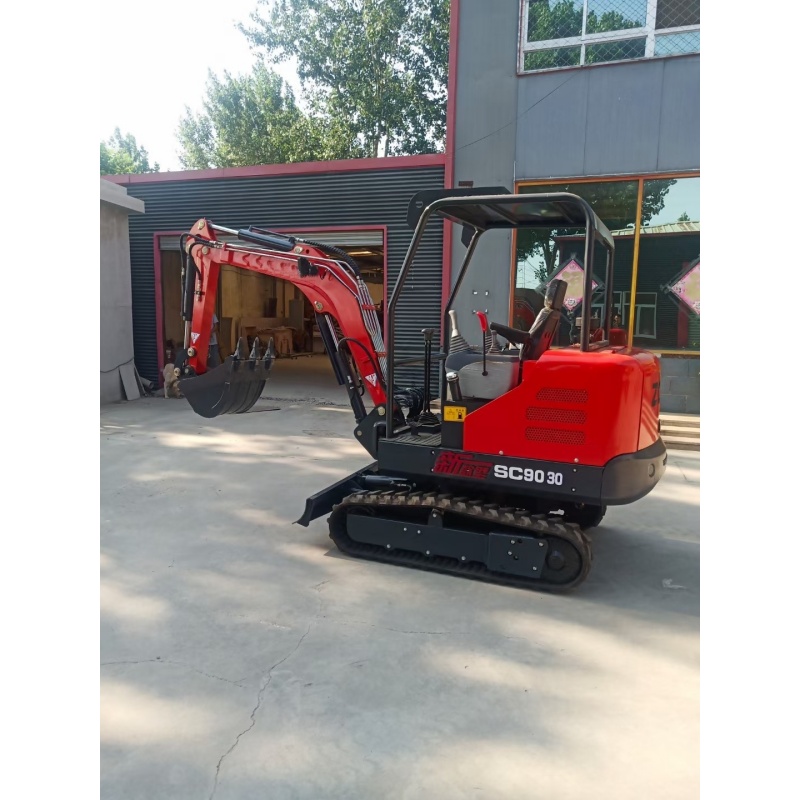
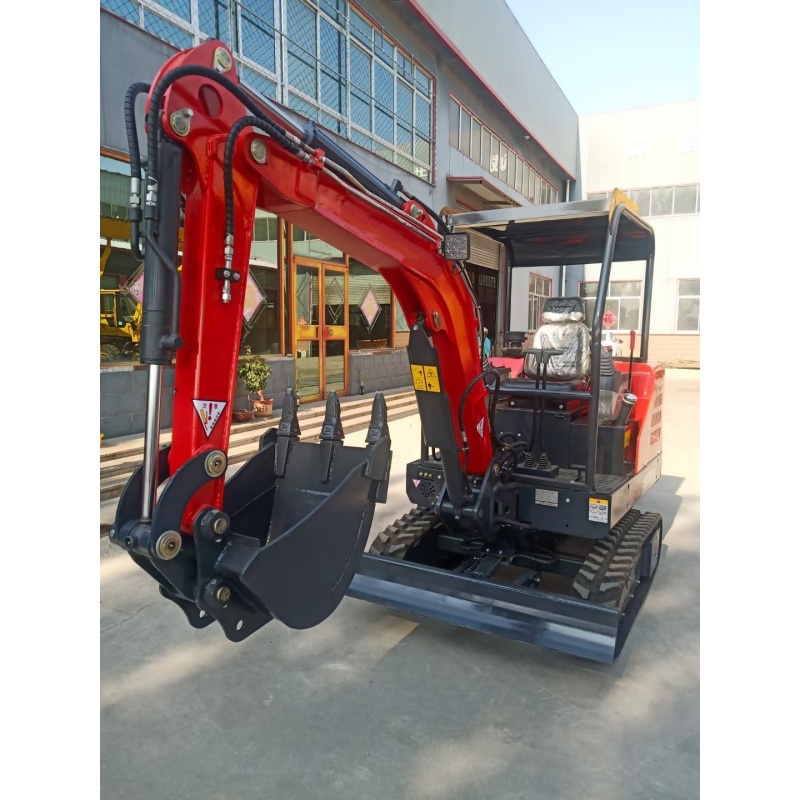
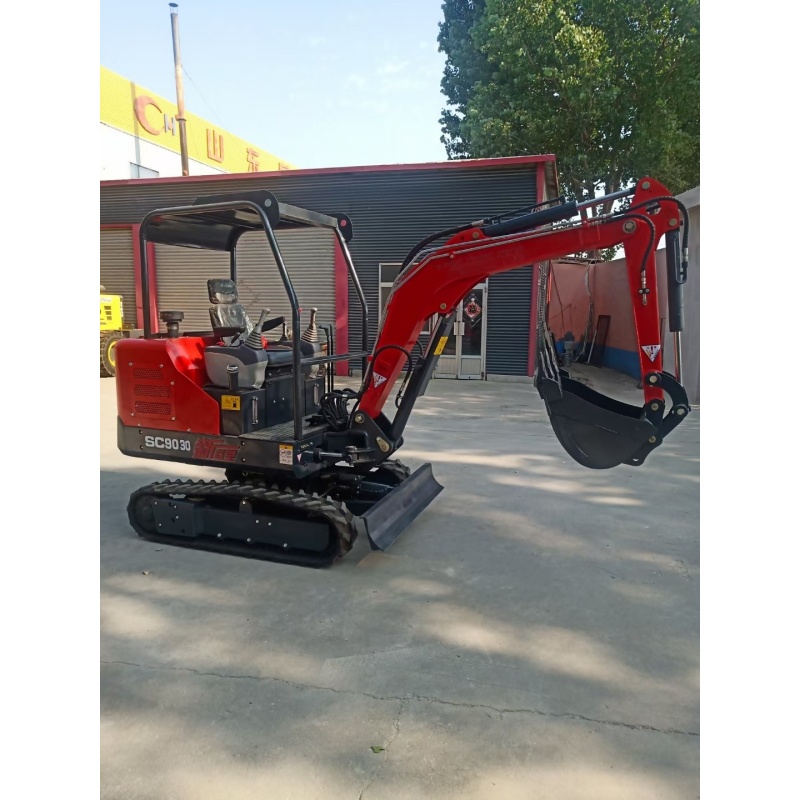
Reference specification — mini excavator range 13W 20-3W 30-1W 30-2W Operating weight 1300 kg (2866.01 lb) 1900 kg (4188.78 lb) 2900 kg (6393.41 lb) 2700 kg (5952.48 lb) Transport size (L×W×H) 2200 × 930 × 2250 mm 2550 × 1100 × 2200 mm 3000 × 1250 × 2780 mm 3000 × 1100 × 2700 mm Max digging depth 1630 mm (64.17 in) 1800 mm (70.87 in) 2200 mm (86.61 in) 2200 mm (86.61 in) Max digging height 2750 mm (108.27 in) 2820 mm (111.02 in) 3400 mm (133.86 in) 3000 mm (118.11 in) Max dumping height 1960 mm (77.17 in) 2050 mm (80.71 in) 2400 mm (94.49 in) 2000 mm (78.74 in) Max digging radius 2900 mm (114.17 in) 3050 mm (120.08 in) 4000 mm (157.48 in) 3800 mm (149.61 in) Max digging distance 2100 mm (82.68 in) 2300 mm (90.55 in) 2800 mm (110.24 in) 3050 mm (120.08 in) Minimum turning radius 1300 mm (51.18 in) 1450 mm (57.09 in) 2000 mm (78.74 in) 1750 mm (68.9 in) Travel speed 3 km/h (1.86 mph) 5 km/h (3.11 mph) 5 km/h (3.11 mph) 7 km/h (4.35 mph) Gradeability 30° 30° 30° 30° Fuel consumption 1-1.3 L/h (0.264—0.343 gal) 2-3 L/h (0.528—0.793 gal) 2-3 L/h (0.528—0.793 gal) 2-3 L/h (0.528—0.793 gal) Fuel tank capacity 10 L (2.64 gal) 16 L (4.23 gal) 16 L (4.23 gal) 16 L (4.23 gal) Hydraulic oil tank 16 L (4.23 gal) 18 L (4.76 gal) 20 L (5.28 gal) 20 L (5.28 gal) Dozer blade lift height 180 mm (7.09 in) 180 mm (7.09 in) 420 mm (16.54 in) 230 mm (9.06 in) Dozer blade drop depth 210 mm (8.27 in) 210 mm (8.27 in) 210 mm (8.27 in) 280 mm (11.02 in)
Q. What is the model in question?
A. The engine decides how a compact digger behaves all day: the power curve, the service intervals and the way it holds revs when the hydraulics load up. MINGYI assembles several engine options across the 08, 12 and 18 models so the machine can be matched to local fuel, parts supply and emission rules. The machine in that duty is one of the pages buyers land on when comparing machines for engineering, and the factory treats it as a specification conversation rather than a catalogue line.
Q. What keeps an engine healthy on a compact digger?
A. Clean fuel and honest service intervals. Compact machines run at high load in dusty places, so filters and oil do the heavy lifting - follow the manual schedule and watch the air filter on dry sites, and the engine outlives the rest of the machine.
Q. Does MINGYI supply attachments with the machine?
A. Yes - buckets, breakers, augers, rakes and the rest of the working set ship with the carrier, matched to the hydraulic flow and the coupler. For engineering the package is confirmed on the build sheet, so machine and tools arrive together and start work together.
Hot, humid and dusty conditions around the unit on the job
Heat and dust shorten service intervals rather than machine life. In these conditions the filters on a machine built for the work need attention more often, and the cooling surfaces need to be kept clear to hold the working temperature.
Commissioning the equipment in service on site
Commissioning is where the specification meets the ground. The settings chosen for the excavator are confirmed against the actual site, and the working pattern is adjusted before the machine is asked for a full day.
E-mail : sales@mingycn.com
LINE ( ID ): mingyicn
Related pages
rubber to steel track conversion · steel track replacement for mini diggers · Front End Loader: Frame Tiers, Attachments and Duty Selection · Mini Excavators









