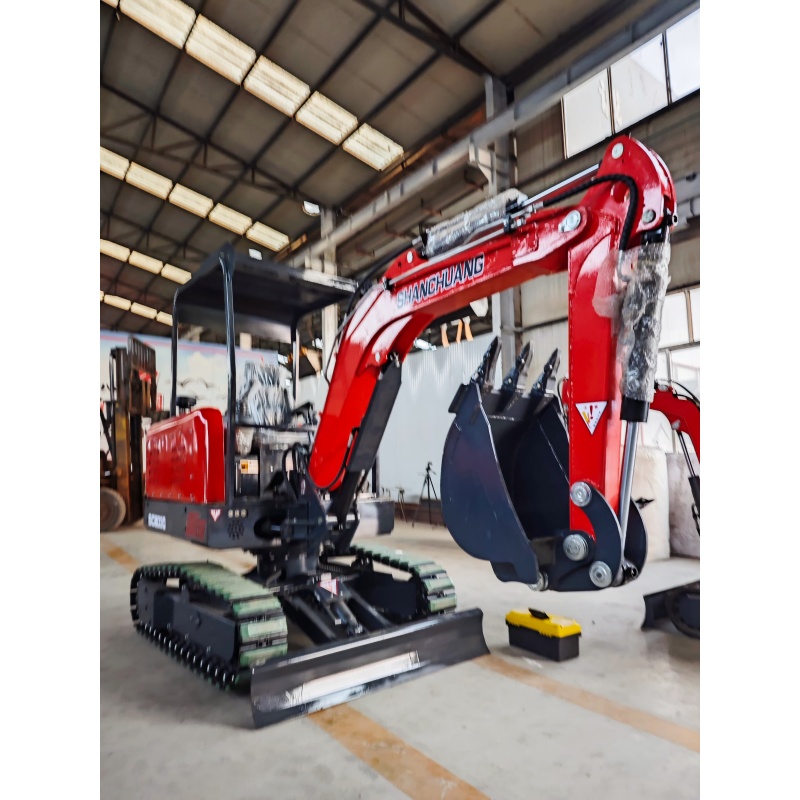
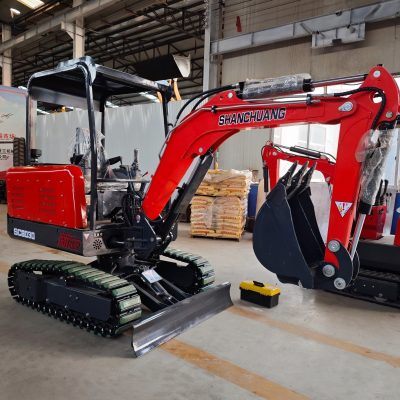
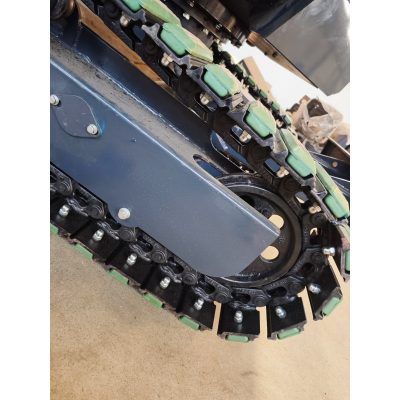
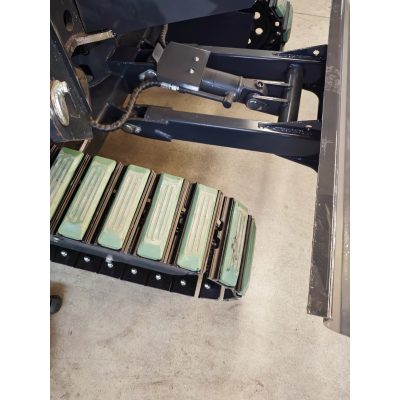
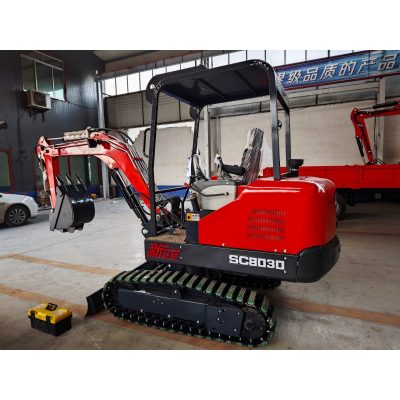
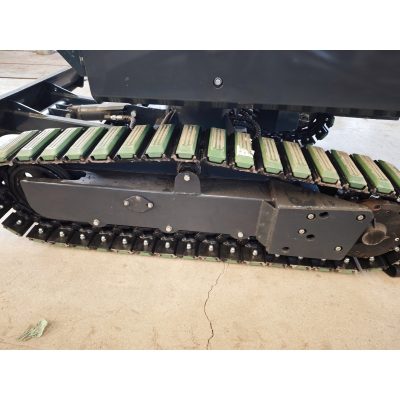
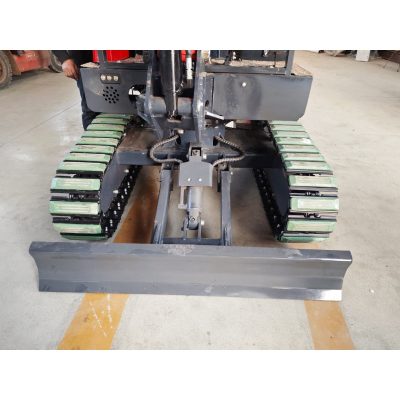
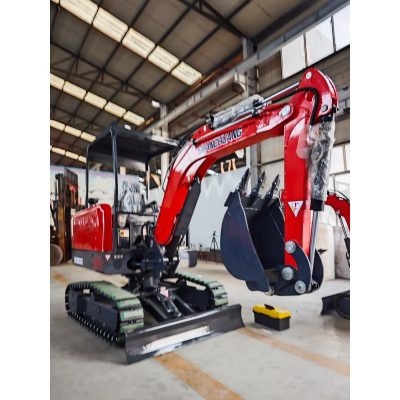
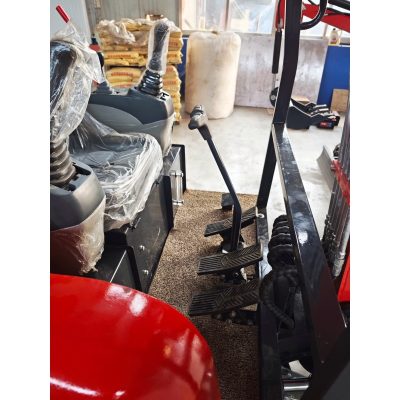
Tracks wear with use, and when a set reaches the end of its life the machine is out of service until it is replaced. A replacement set that matches the original pitch and width puts the carrier back to work with the least disruption.
MINGYI supplies replacement tracks and the carriers they fit. A buyer can order steel tracks with rubber blocks to replace rubber tracks, or the reverse, depending on the ground the machine will meet next.
Deciding between rubber and steel replacement tracks
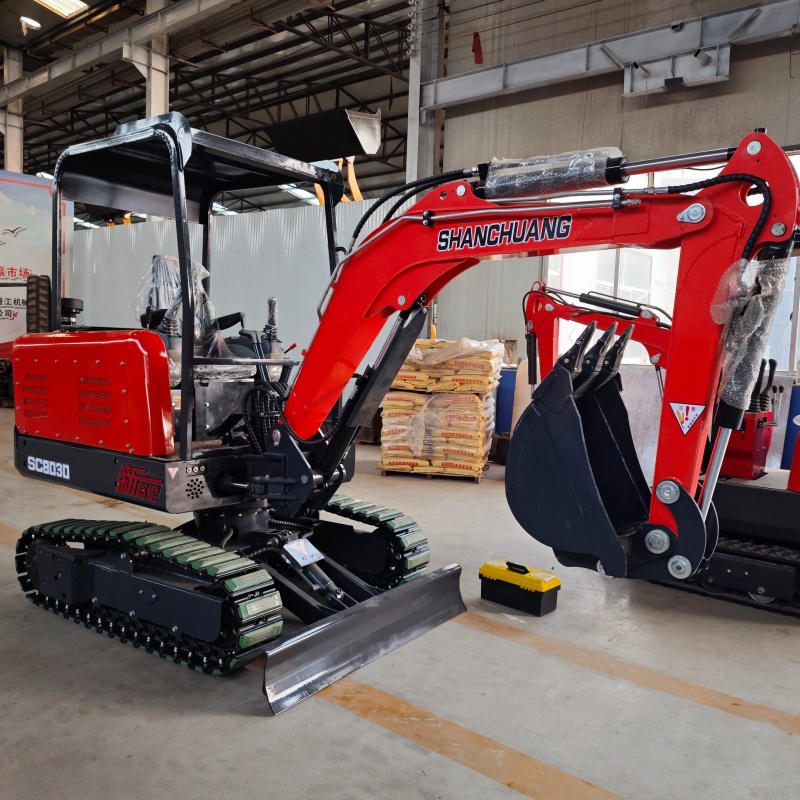
Rubber tracks are the default where the machine crosses paving, tarmac or lawns, since they mark less and run quieter in built-up areas. They suit a carrier that moves between residential plots on a regular route.
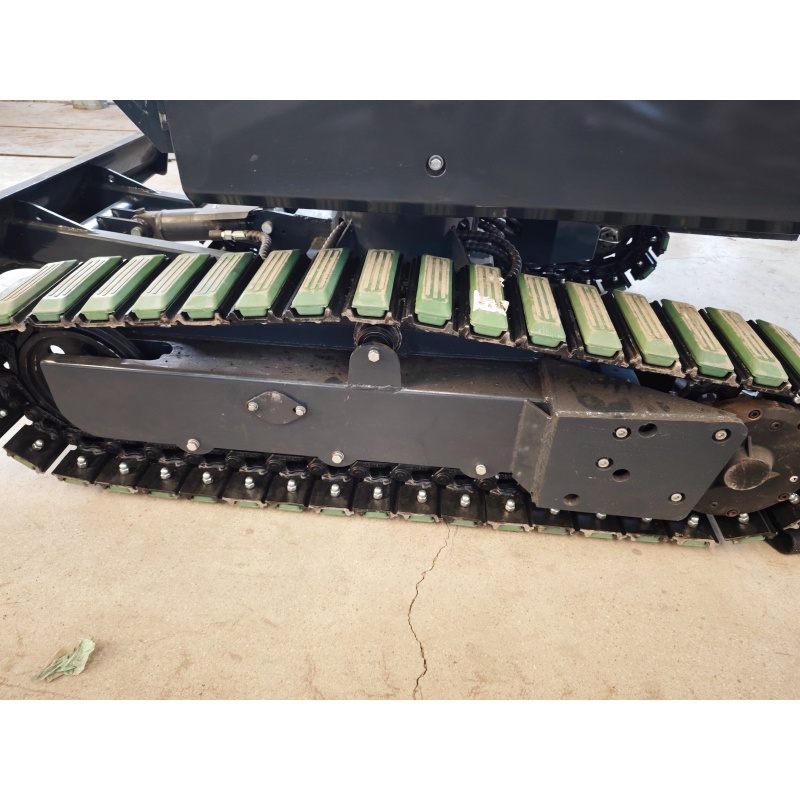
Steel tracks with rubber blocks are chosen for firmer, rougher ground where grip and durability matter more than surface protection. The rubber blocks soften the contact with hard surfaces while the steel body carries the load.
Fitting a replacement track set correctly
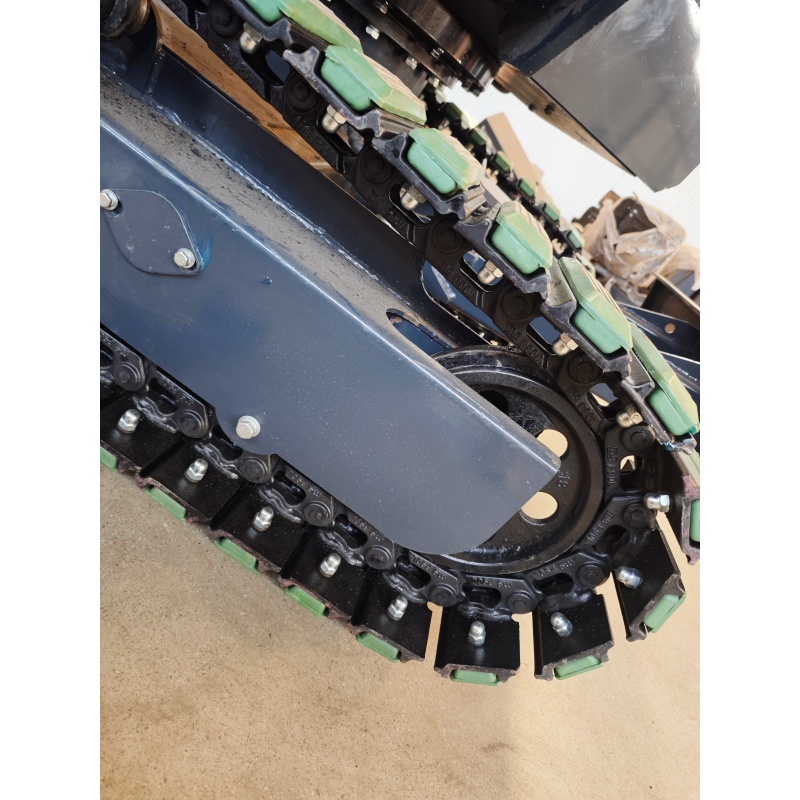
A track has to match the undercarriage of the machine, so the pitch and the width are confirmed against the carrier before ordering. A set that is close but not exact will run poorly and wear quickly.
The undercarriage should be checked at the same time the tracks are replaced, since worn rollers or sprockets will shorten the life of a new set. MINGYI supplies the parts that go with the machine record.
Model, track type and undercarriage condition are the details worth confirming when replacement tracks are ordered. Getting those right is what allows a worn machine to return to work without a second interruption.
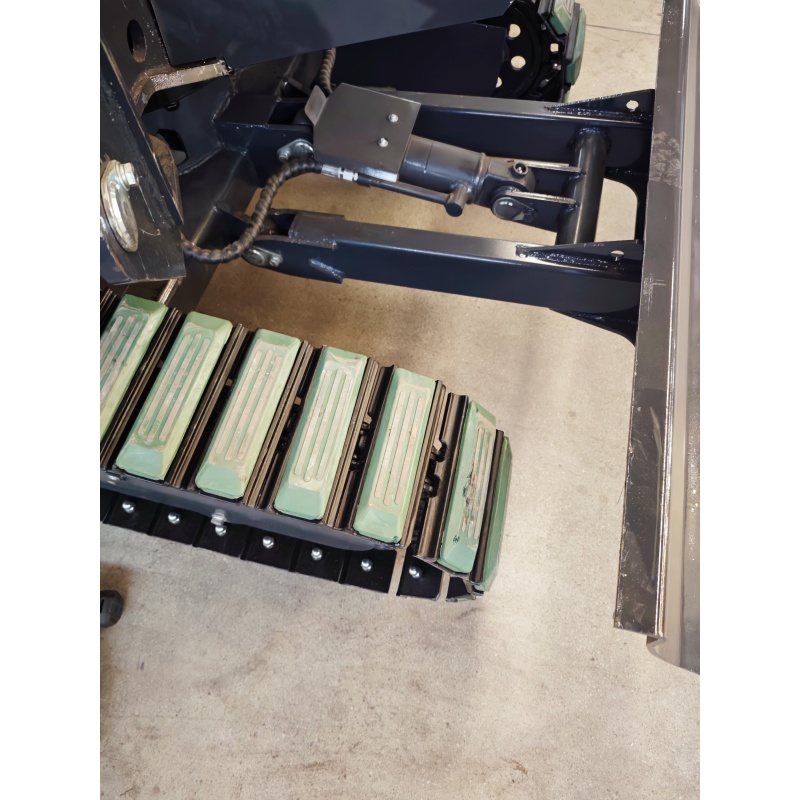
OEM and fleet customisation of steel track replacement for mini diggers Customisation also covers the specification sheet. A fleet buyer may want every this class of machine delivered with the same coupler, the same engine and the same tool kit so training and parts stock stay simple. Documentation can be prepared to suit the importer. Manuals, parts books and decal sets for the excavator can be supplied with the buyer's own branding where the order size justifies it. Track choice for steel track replacement for mini diggers Rubber tracks suit paved and landscaped ground because they spread the machine weight and leave the surface intact. Steel tracks with rubber blocks are specified where the ground is rougher or the working day is longer, and the choice can be made per machine rather than accepted as a factory default. Track type changes what the machine can cross and what it leaves behind. Buyers specify rubber for lawns, driveways and municipal work, and steel with rubber blocks for sites where sharp material would cut a rubber belt in a week. Quick coupler practice on steel track replacement for mini diggers A quick coupler is the single option that changes how a machine is used day to day. Fitted to the unit in daily use, it turns an attachment change from a two-person workshop job into a task the operator does alone in minutes. For a fleet that shares attachments between machines, a common coupler standard matters more than the coupler brand. A machine of this size that picks up the same tools as the larger machines keeps the rack usable across the yard. Engine options behind steel track replacement for mini diggers Two buyers can order the same the machine itself and receive different engines. The decision is rarely about peak power; it is about which parts counter is closest to the site and which engine the local mechanic already knows. Engine choice is also an emissions and documentation question for some markets. Listing the available units with the equipment on site enquiry lets the factory confirm what can be supplied and documented for the destination country. Attachments that turn steel track replacement for mini diggers into several machines Attachment lists are best written before delivery. Specifying the model in question with the tools the job list needs avoids the work and delay of adding hydraulics later, and a quick coupler makes the swap a few minutes instead of a workshop job. Most of the daily variety on the machine in that duty comes from the attachment rack rather than from the machine itself. Bucket, breaker, auger, ripper, rake and grab cover the large majority of the work a contractor will see. Noise, dust and working near occupied buildings Work near housing or occupied premises brings constraints that open sites do not. Start times, exhaust condition and how often the unit on the job needs to reverse are the practical limits that neighbours notice. Enclosure and machine condition both reduce noise. A machine built for the work with intact panels, sound mounts and a maintained exhaust is measurably quieter than the same machine with loose guards, and the difference matters on restricted sites. Hydraulic circuits on the equipment in service Auxiliary hydraulic lines are what let a machine drive a tool rather than only a bucket. The excavator specified with the right circuits and flow runs a breaker or an auger without an add-on power pack bolted to the frame. Flow and pressure are matched to the tool, not to the machine size. Asking for the attachment list first means this class of machine leaves the factory with circuits that suit the heaviest tool the buyer intends to run. Municipal and public works with the unit in daily use Municipal crews work on streets, footpaths and parks where the public is present. A machine of this size is specified because it occupies little space, works inside a small exclusion zone and can be moved on a standard trailer. Noise and surface protection matter on public work. The equipment on site on rubber tracks across paving, with a sealed cab for the operator, suits the conditions better than a larger tracked machine. Getting the machine itself through a narrow gap The first question on most job lists is whether the machine can reach the work at all. The model in question is chosen against the narrowest point on the route - a garden gate, a doorway, a gap between two walls - because a machine that arrives and then cannot pass loses a day, not an hour. Access decides the machine before output does. With the machine in that duty the limiting dimension is usually the widest point on the way in, so measuring the gate, the corridor and the turning space first saves a wasted delivery and a second visit. Running the unit on the job in a rental fleet The specification that rents best is usually the simplest one to explain at the counter. A machine built for the work with rubber tracks, a canopy and a coupler covers the majority of weekend and short-term hires. Fleet buyers also weigh transport. The equipment in service that a customer can tow on a normal licence and a standard trailer is a hire that does not need a delivery truck, which changes how often it goes out. Daily checks and maintenance on the excavator Service intervals exist because wear is predictable. Following the maker schedule on this class of machine takes far less time than repairing the damage that follows a missed oil change or a filter left in place past its life. Specification data for the unit in daily use Where a machine of this size is being specified for a job list, the table below gives the factory figures that matter most: what the machine weighs, how deep and how far it works, and what it measures on a trailer. These are the reference figures for the equipment on site. MINGYI confirms the final build sheet, including engine and attachment choices, against the destination and the job list before production. Daily maintenance on the machine itself is a short list: engine oil level, coolant, track tension, hydraulic oil level and a look at the hoses. Ten minutes at the start of the shift prevents most of the failures that stop a machine. Track tension is the item most often neglected. The model in question run with slack tracks wears the undercarriage and can throw a track on a turn; run too tight, the same components wear from the other direction.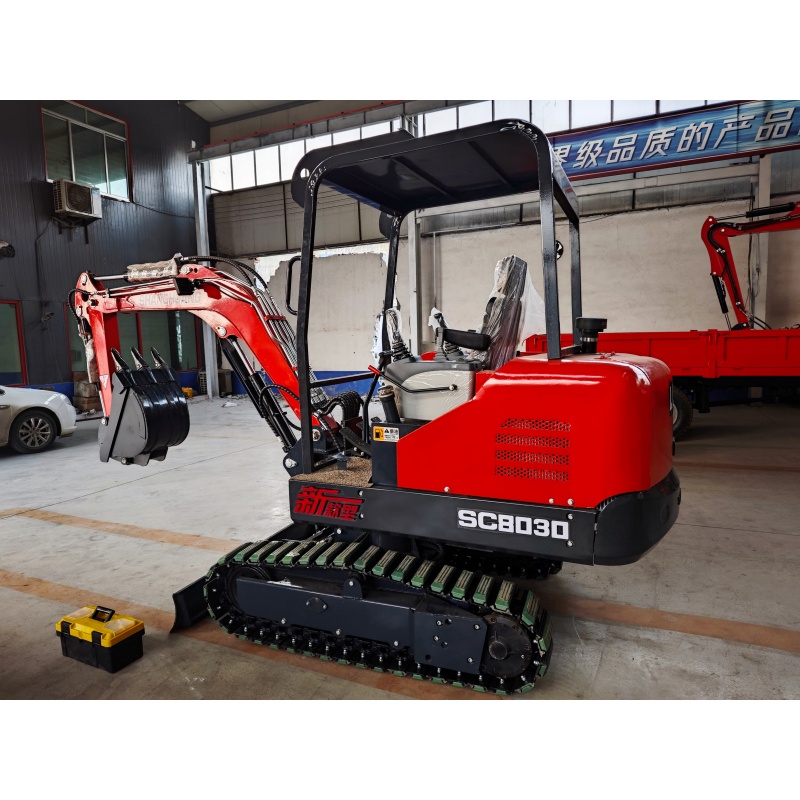
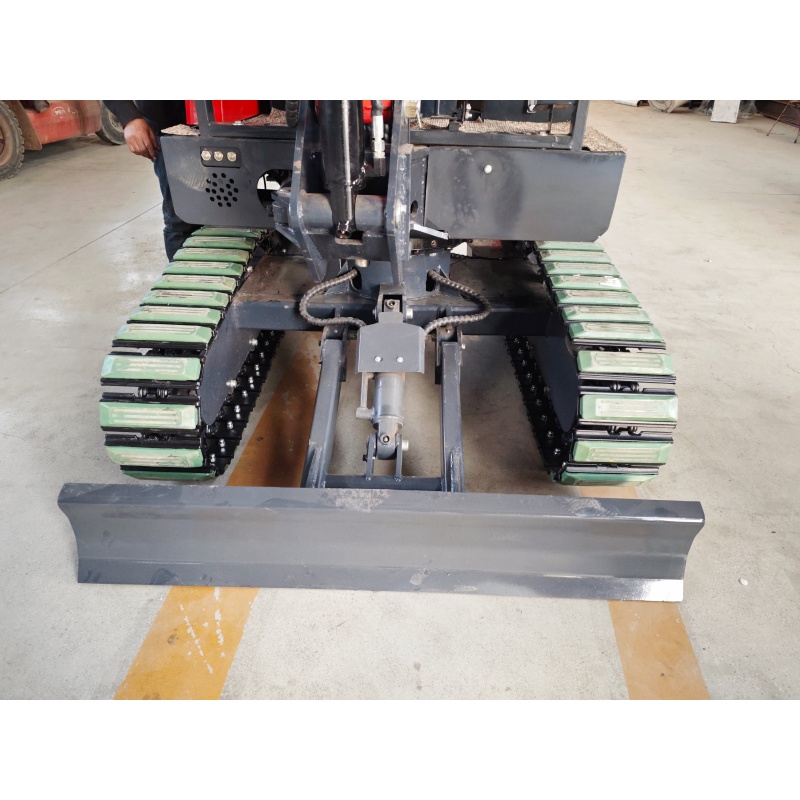
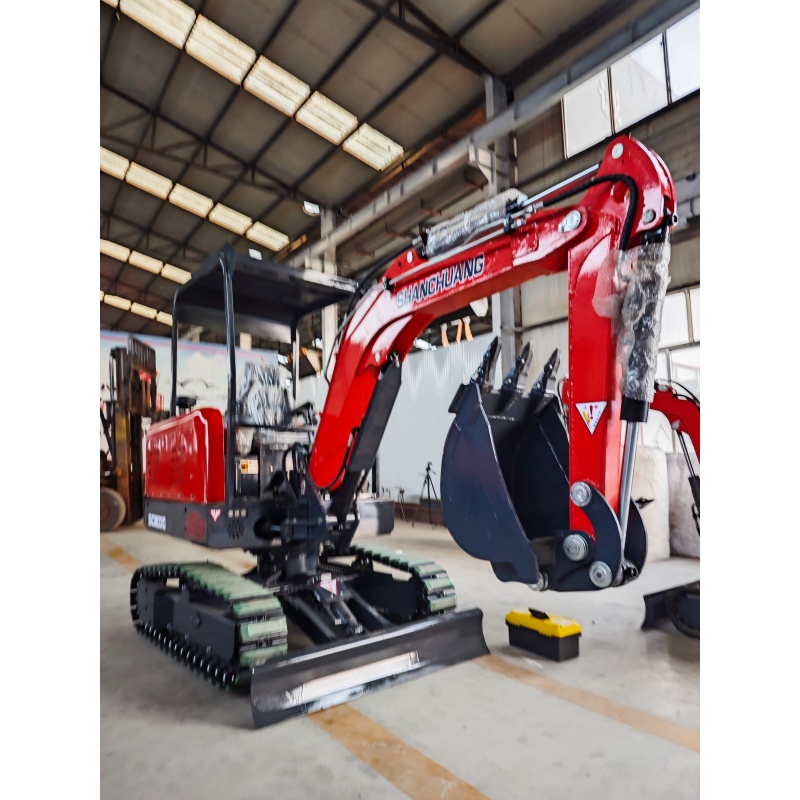
Reference specification — mini excavator range 20-1W 30-1W 15L 30-2L Operating weight 1800 kg (3968.32 lb) 2900 kg (6393.41 lb) 1400 kg (3086.47 lb) 2400 kg (5291 lb) Transport size (L×W×H) 2550 × 1100 × 2200 mm 3000 × 1250 × 2780 mm 2200 × 930 × 2250 mm 2800 × 1500 × 2500 mm Max digging depth 1800 mm (70.87 in) 2200 mm (86.61 in) 1700 mm (66.93 in) 2200 mm (86.61 in) Max digging height 2820 mm (111.02 in) 3400 mm (133.86 in) 2750 mm (108.27 in) 2900 mm (114.17 in) Max dumping height 2050 mm (80.71 in) 2400 mm (94.49 in) 1960 mm (77.17 in) 2100 mm (82.68 in) Max digging radius 3050 mm (120.08 in) 4000 mm (157.48 in) 2900 mm (114.17 in) 3330 mm (131.1 in) Max digging distance 2300 mm (90.55 in) 2800 mm (110.24 in) 2300 mm (90.55 in) 2700 mm (106.3 in) Minimum turning radius 1450 mm (57.09 in) 2000 mm (78.74 in) 1450 mm (57.09 in) 1555 mm (61.22 in) Travel speed 5 km/h (3.11 mph) 5 km/h (3.11 mph) 3 km/h (1.86 mph) 7 km/h (4.35 mph) Gradeability 30° 30° 30° 30° Fuel consumption 2-3 L/h (0.528—0.793 gal) 2-3 L/h (0.528—0.793 gal) 1-1.3 L/h (0.264—0.343 gal) 2-3 L/h (0.528—0.793 gal) Fuel tank capacity 16 L (4.23 gal) 16 L (4.23 gal) 10 L (2.64 gal) 16 L (4.23 gal) Hydraulic oil tank 18 L (4.76 gal) 20 L (5.28 gal) 16 L (4.23 gal) 18 L (4.76 gal) Dozer blade lift height 180 mm (7.09 in) 420 mm (16.54 in) 180 mm (7.09 in) 230 mm (9.06 in) Dozer blade drop depth 210 mm (8.27 in) 210 mm (8.27 in) 210 mm (8.27 in) 280 mm (11.02 in)
Q. Who uses the machine in that duty?
A. Track type sets ground pressure, grip and how the site looks when the machine leaves - the trade-off between rubber and steel is what the track decision comes down to. Rubber ages from sunlight as much as from work; steel wears from abrasion - the right call depends on what the machine stands on all day. MINGYI builds the 08, 12 and 18 models covering the 0.8 to 6 tonne class, and the unit on the job is where that range meets mini diggers.
Q. How much maintenance do tracks need?
A. A daily tension check and a walk-around for stones, wire and debris wrapped in the idlers. Keep the tension right and the undercarriage - the most lengthy part of a compact digger - lasts the machine out.
Q. Does MINGYI supply attachments with the machine?
A. Yes - buckets, breakers, augers, rakes and the rest of the working set ship with the carrier, matched to the hydraulic flow and the coupler. For mini diggers the package is confirmed on the build sheet, so machine and tools arrive together and start work together.
Packing, loading and shipment of a machine built for the work
The paperwork matters as much as the packing. Serial numbers, dimensions and weights recorded for the equipment in service at loading are the same figures the destination needs, and a mismatch here loses more days than the voyage itself.
Moving the excavator between sites
A machine that works on one site still has to reach the next. The overall dimensions and the operating weight of this class of machine decide what trailer or truck is needed, and that decision belongs before the job is booked.
Wear items and spares worth holding for the unit in daily use
The parts that stop a machine are rarely the parts that are hardest to find. Filters, belts, seals and the ground engaging tools on a machine of this size are easy to hold and slow to replace, which is why they belong on the shelf rather than on an order.
E-mail : sales@mingycn.com
LINE ( ID ): mingyicn
Related pages
medium crawler excavator · steel track for small excavators · Compact Wheel Loader: Access, Track Width and Small-Frame Builds · Mini Excavators









