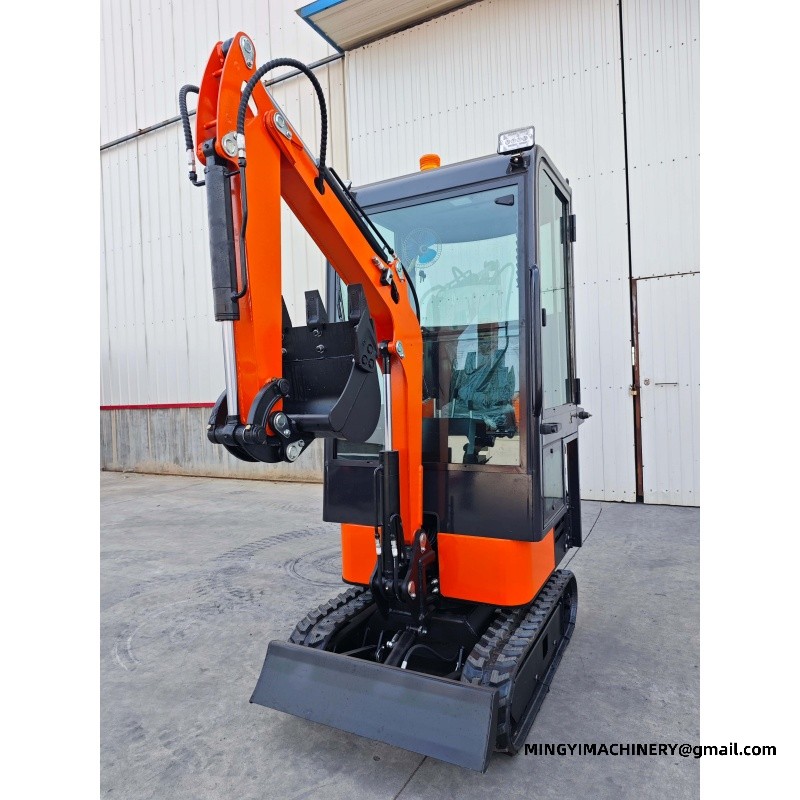
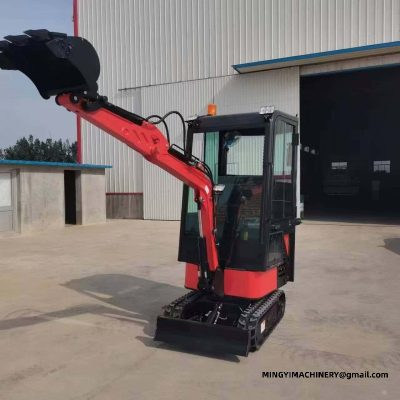
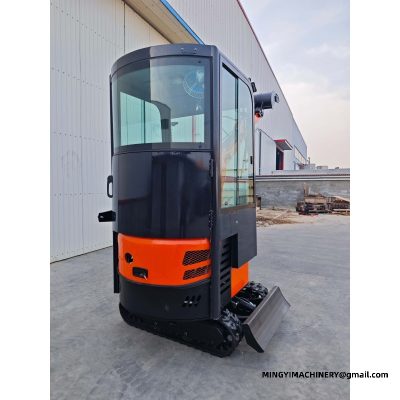
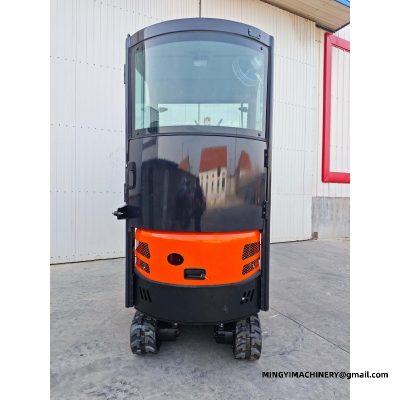
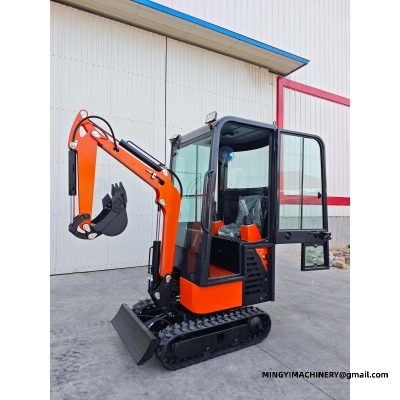
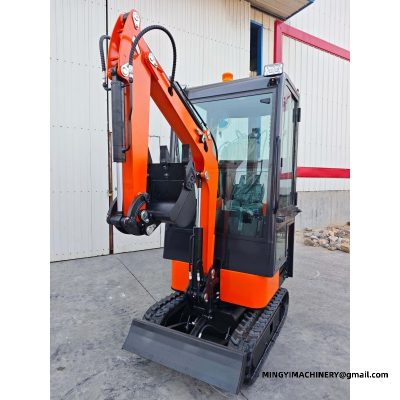
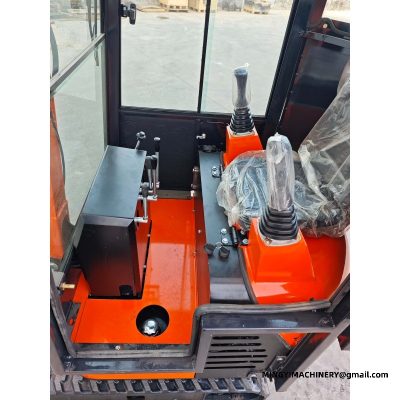
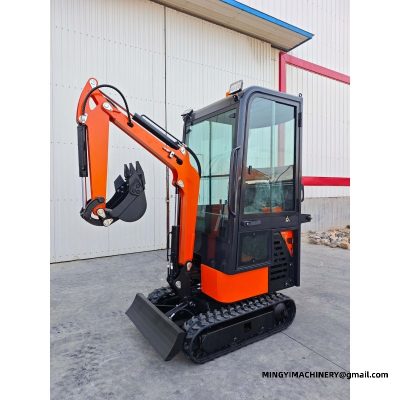
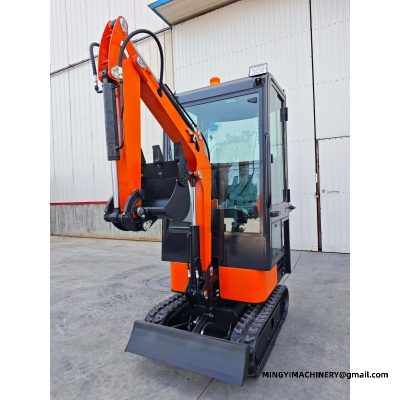
YANMAR is one of the diesel engines offered on the MINGYI compact crawler range, and it is usually requested where the brand is already known in the local market.
The engine is fixed at the ordering stage, so the machine is assembled around the chosen unit rather than adapted later.
Why buyers ask for a YANMAR engine
A familiar engine brand shortens the time a machine spends waiting for parts. Where a workshop already services YANMAR units, an owner can keep the excavator working without new tooling or training.
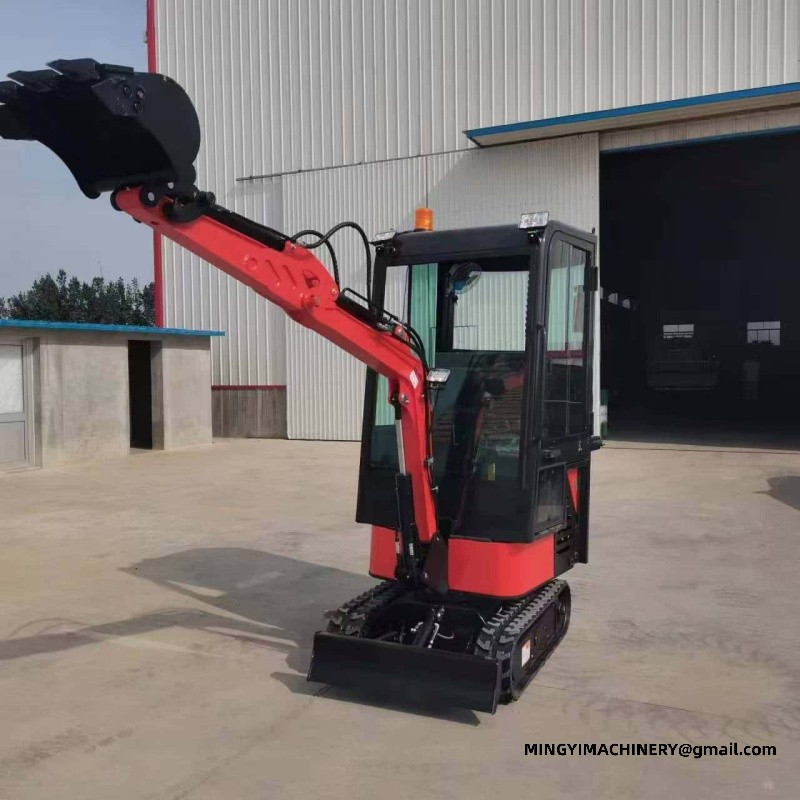
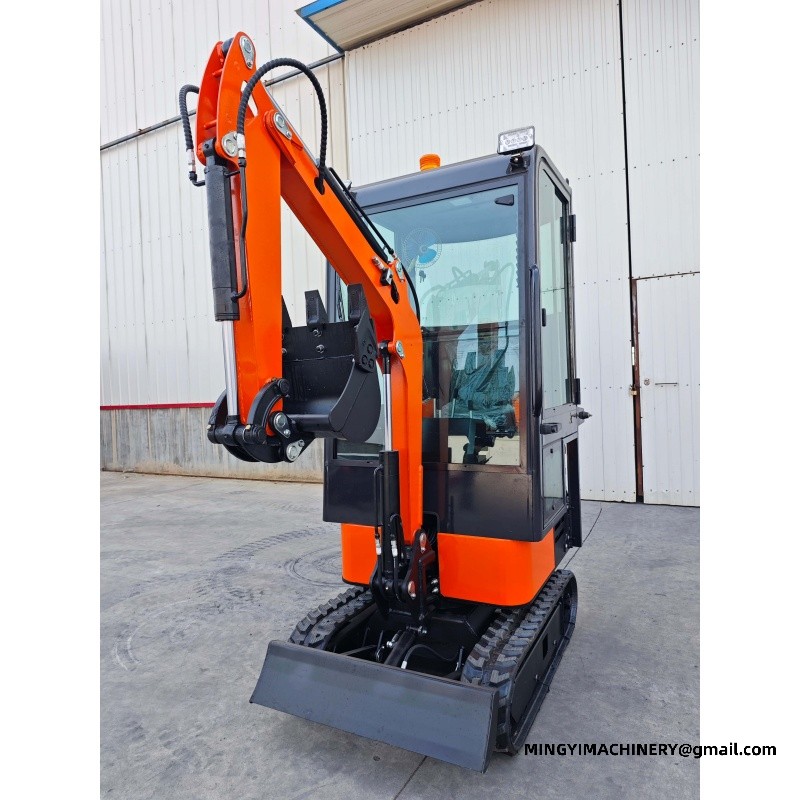
The engine sits in a compact crawler carrier, with the undercarriage, the boom and the cab form chosen to suit the work it will do.
YANMAR machines in landscaping and farm work
These carriers are used in gardens, orchards, greenhouses and on small building sites, where the machine has to work close to buildings without disturbing the surroundings.
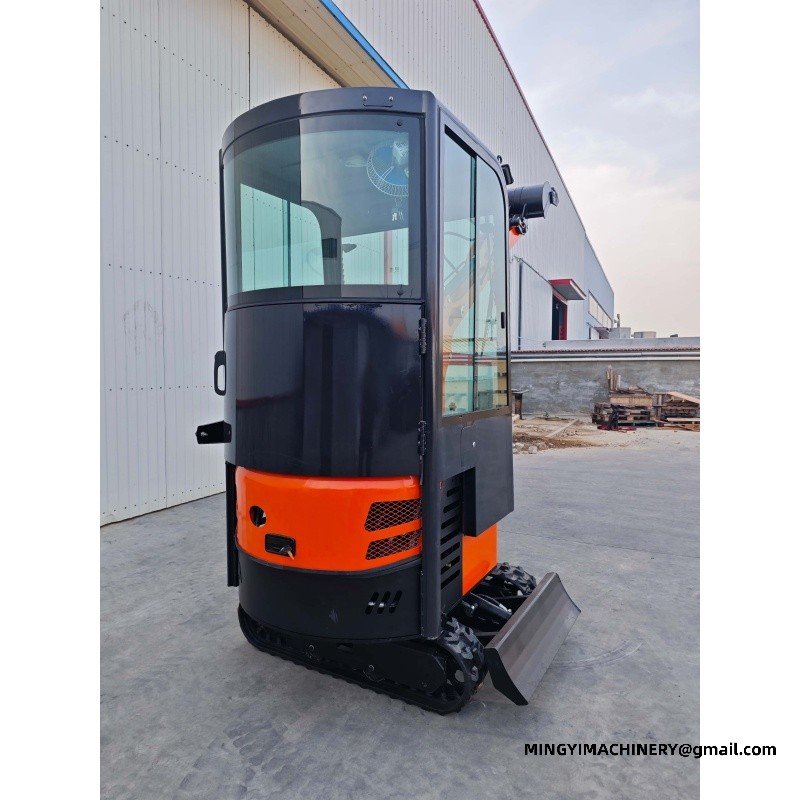
Rubber tracks protect turf and paving, and steel tracks with rubber blocks give grip on soft ground. Attachments such as an auger, a tiller or a breaker hammer are agreed with the order.
The engine, track type, cab form and attachment list are recorded together on the order, and the machine is supplied with spare parts and service information.
OEM and fleet customisation of mini excavator with yanmar engine Distributors and rental fleets usually need the machine to look like theirs. Paint, decals, seat colour and attachment branding can be specified on the excavator at build time rather than applied after import. Documentation can be prepared to suit the importer. Manuals, parts books and decal sets for this class of machine can be supplied with the buyer's own branding where the order size justifies it. Landscaping and ground care with mini excavator with yanmar engine Landscape contractors use the unit in daily use for planting holes, pond excavation, grading and retaining work. The machine is light enough to cross finished lawn and narrow enough to work between established trees. On soft landscape work the surface is the constraint. A machine of this size on rubber tracks crosses turf without stripping it, which is why the same jobs are not given to a wheeled machine. Canopy or enclosed cab on a mini excavator with yanmar engine A canopy keeps the machine light and the operator aware of the surroundings, which suits short jobs in warm weather. A fully enclosed cab is specified where rain, dust or cold are part of the working year, and it can be added to the equipment on site as a retrofit rather than only at build time. Enclosure also changes noise and dust exposure. A sealed cab on the machine itself keeps dust out on dry sites and lets the machine work through weather that would otherwise stop a canopy machine for the day. Attachments that turn mini excavator with yanmar engine into several machines The base machine is a carrier; the tool on the end of the arm decides the task. The model in question fitted with a toothed bucket digs, and the same machine with a breaker, an auger or a grab does work that would otherwise need a second unit on site. Attachment lists are best written before delivery. Specifying the machine in that duty with the tools the job list needs avoids the work and delay of adding hydraulics later, and a quick coupler makes the swap a few minutes instead of a workshop job. Quick coupler practice on mini excavator with yanmar engine A quick coupler is the single option that changes how a machine is used day to day. Fitted to the unit on the job, it turns an attachment change from a two-person workshop job into a task the operator does alone in minutes. Couplers are specified early because they affect the arm and the hydraulic kit. Adding one to a machine built for the work after delivery means new pins, new hoses and a fitment session; adding it at build time is a line on the sheet. Noise, dust and working near occupied buildings Work near housing or occupied premises brings constraints that open sites do not. Start times, exhaust condition and how often the equipment in service needs to reverse are the practical limits that neighbours notice. Dust control is often part of the same conversation. Water, timing and work sequence reduce what leaves the site, and agreeing them in advance keeps the excavator working rather than stopped after a complaint. Lifting and material handling with this class of machine Lifting with a machine built to dig needs a plan. The load, the radius and the ground under the machine of this size all matter, and the safe figure is the one on the chart rather than the one that looks possible. Stability changes with reach. A load the unit in daily use handles close in becomes a different proposition at full extension, so the working radius belongs in the plan before the lift rather than during it. Boom configuration for the equipment on site Extended and offset boom configurations change reach and working range. The machine itself with a longer arm reaches further but lifts less at full extension, so the specification is set against the deepest and furthest point on the job list. Detachable boom sections are used where transport length matters. The model in question that has to travel on a standard trailer can be built so the arm comes off for the road and goes back on at the site. Municipal and public works with the machine in that duty Drainage repair, tree planting, footway reconstruction and cemetery work are all within the range of the unit on the job. The jobs are small individually and continuous across the year. Noise and surface protection matter on public work. A machine built for the work on rubber tracks across paving, with a sealed cab for the operator, suits the conditions better than a larger tracked machine. Working the equipment in service through the seasons Weather decides which days are productive. Rain turns some ground unusable and cold changes how the excavator starts and warms up, so planning the wet months around maintenance is more useful than planning around output. Seasonal planning smooths the workload. Machines that are busy for a few months and idle for the rest benefit from a service slot in the quiet period, and this class of machine prepared in the off-season starts the busy months reliably. Running the unit in daily use in a rental fleet Rental fleets buy for utilisation, not for a single job. A machine of this size with a quick coupler and a common attachment standard is hired more often because it suits more of the calls that come in. The specification that rents best is usually the simplest one to explain at the counter. The equipment on site with rubber tracks, a canopy and a coupler covers the majority of weekend and short-term hires. Matching the machine itself to ground conditions Hard and abrasive ground reverses the specification. On rock, demolition rubble or sharp gravel, steel tracks with rubber blocks on the model in question survive conditions that cut a rubber belt quickly. Mixed sites are common and argue for a compromise specification. Most buyers choose rubber for the machine in that duty and accept the wear, unless the majority of the work is on material that will damage it. Specification data for the unit on the job Buyers comparing a machine built for the work usually start from four numbers - weight, digging depth, reach and transport width - because those are the ones that decide whether the machine can be delivered and whether it can do the job once it is there. Figures are factory figures and are confirmed on the build sheet for the equipment in service. Where a job sits between two models, the larger machine usually takes less time than the smaller one spends on rework. The practical way to specify is to write the job list first: the narrowest access, the deepest trench, the heaviest tool and the surfaces the machine must cross. The excavator is then matched to those four numbers. Useful information to send with an enquiry includes working width, required digging depth, ground conditions and the attachment set. Those four items let the factory specify this class of machine that fits rather than a generic build.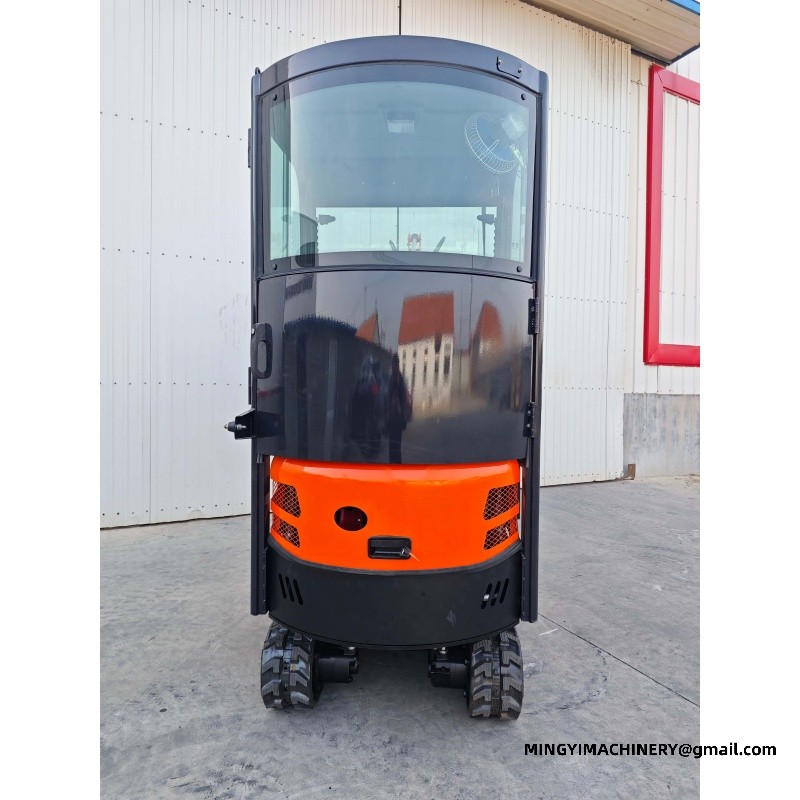
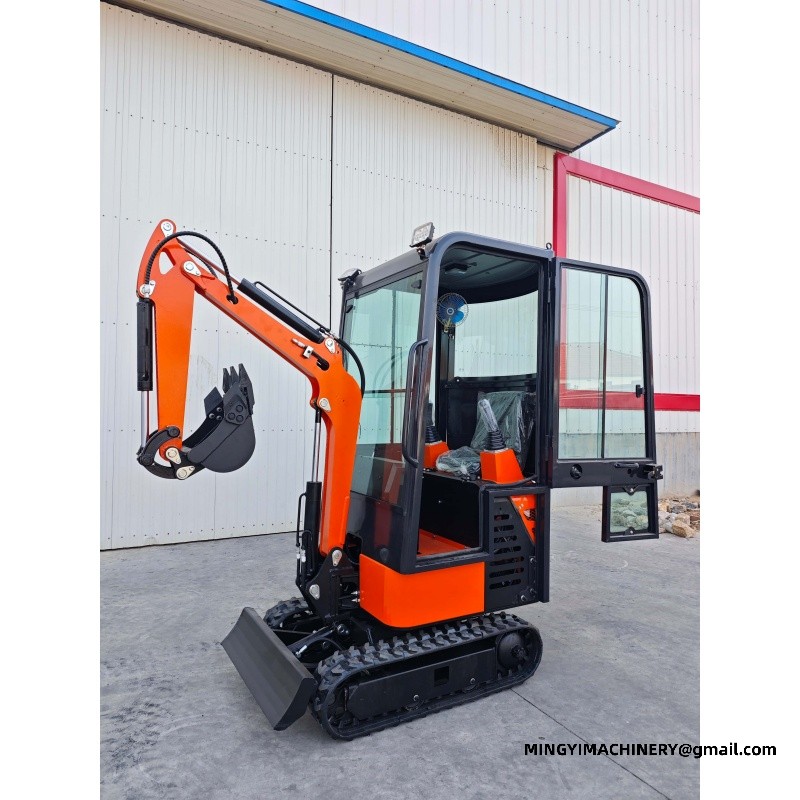
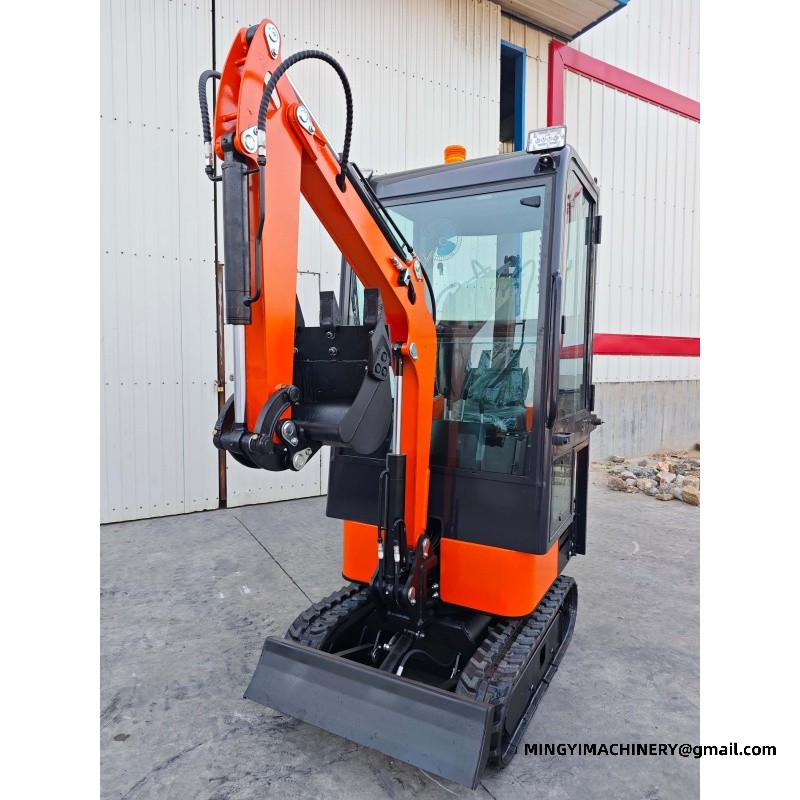
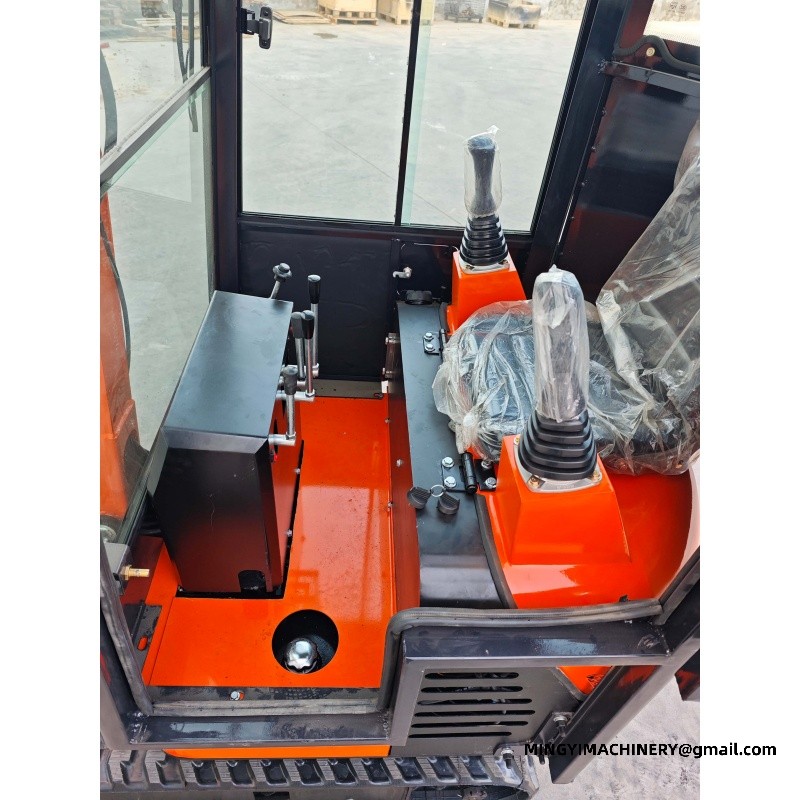
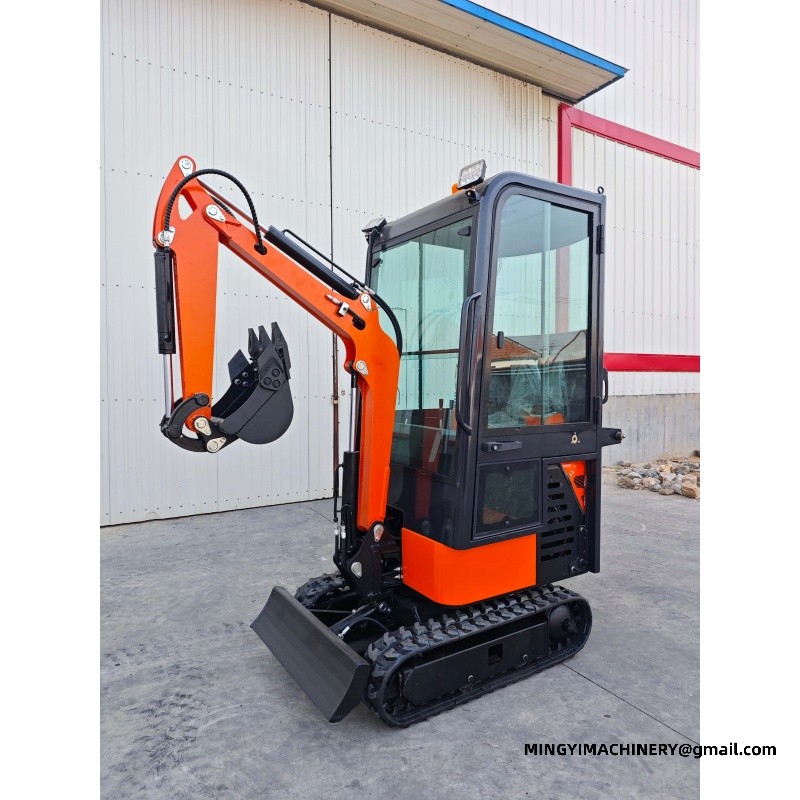
Reference specification — mini excavator range 15W 30-2W 09L 15L Operating weight 1400 kg (3086.47 lb) 2700 kg (5952.48 lb) 1100 kg (2425.08 lb) 1400 kg (3086.47 lb) Transport size (L×W×H) 2200 × 930 × 2250 mm 3000 × 1100 × 2700 mm 2300 × 720 × 1870 mm 2200 × 930 × 2250 mm Max digging depth 1630 mm (64.17 in) 2200 mm (86.61 in) 1400 mm (55.12 in) 1700 mm (66.93 in) Max digging height 2750 mm (108.27 in) 3000 mm (118.11 in) 2800 mm (110.24 in) 2750 mm (108.27 in) Max dumping height 1960 mm (77.17 in) 2000 mm (78.74 in) 1880 mm (74.02 in) 1960 mm (77.17 in) Max digging radius 2900 mm (114.17 in) 3800 mm (149.61 in) 2490 mm (98.03 in) 2900 mm (114.17 in) Max digging distance 2100 mm (82.68 in) 3050 mm (120.08 in) 2000 mm (78.74 in) 2300 mm (90.55 in) Minimum turning radius 1300 mm (51.18 in) 1750 mm (68.9 in) 1400 mm (55.12 in) 1450 mm (57.09 in) Travel speed 3 km/h (1.86 mph) 7 km/h (4.35 mph) 3 km/h (1.86 mph) 3 km/h (1.86 mph) Gradeability 30° 30° 30° 30° Fuel consumption 1-1.3 L/h (0.264—0.343 gal) 2-3 L/h (0.528—0.793 gal) 1-1.3 L/h (0.264—0.343 gal) 1-1.3 L/h (0.264—0.343 gal) Fuel tank capacity 10 L (2.64 gal) 16 L (4.23 gal) 8 L (2.11 gal) 10 L (2.64 gal) Hydraulic oil tank 16 L (4.23 gal) 20 L (5.28 gal) 16 L (4.23 gal) 16 L (4.23 gal) Dozer blade lift height 180 mm (7.09 in) 230 mm (9.06 in) 180 mm (7.09 in) 180 mm (7.09 in) Dozer blade drop depth 210 mm (8.27 in) 280 mm (11.02 in) 210 mm (8.27 in) 210 mm (8.27 in)
Q. Who chooses the unit in daily use?
A. On a compact excavator the engine shapes more than output - it sets the noise, the fuel burn and how easily a local workshop can keep the machine running. Engine pages exist because buyers compare them first: the rest of the specification follows the engine decision. Read a machine of this size together with the engine, track and attachment pages: jobs around Yanmar engine are decided by how those choices line up, not by any single number on the sheet.
Q. Can the engine be replaced later?
A. Yes, and the replacement-engine pages cover the practical side: mounts, hydraulics and cooling have to line up with the new unit. Send the model and the running hours by email or LINE and the factory confirms which engines drop into which machines without cutting the frame.
Q. How do I get a specification?
A. Send the model, the destination and the attachment list by email or LINE - the channels listed just below this section. The reply covers the specification, lead time, packing and freight in one document, with the Yanmar engine build sheet attached.
A second operator for the equipment on site
Shared machines need shared habits. Two operators on the machine itself should do the same daily checks in the same order, because the check that one person skips is the check that eventually matters.
Reading the early symptoms on the model in question
Temperature and pressure are the two things worth watching. The machine in that duty that runs hotter than it used to, or whose pressure has drifted, is reporting a problem that is still simple to fix.
E-mail : sales@mingycn.com
LINE ( ID ): mingyicn
Working alongside other plant with mini excavator with yanmar engine
Most site incidents between machines are about sequencing rather than about skill, meaning who is in the arc, who is loading whom and who moves next.
Exclusion zones drawn on the ground work better than zones described in a meeting, and they are re-drawn when the job phase changes.
Where two machines share a bench or a stockpile, the newer operator is paired with the experienced one for the first shift.
Related pages
low emission mini excavator · emission-compliant mini excavator · Wheel Loader for Agriculture: Silage, Grain and Yard Work · Mini Excavators









