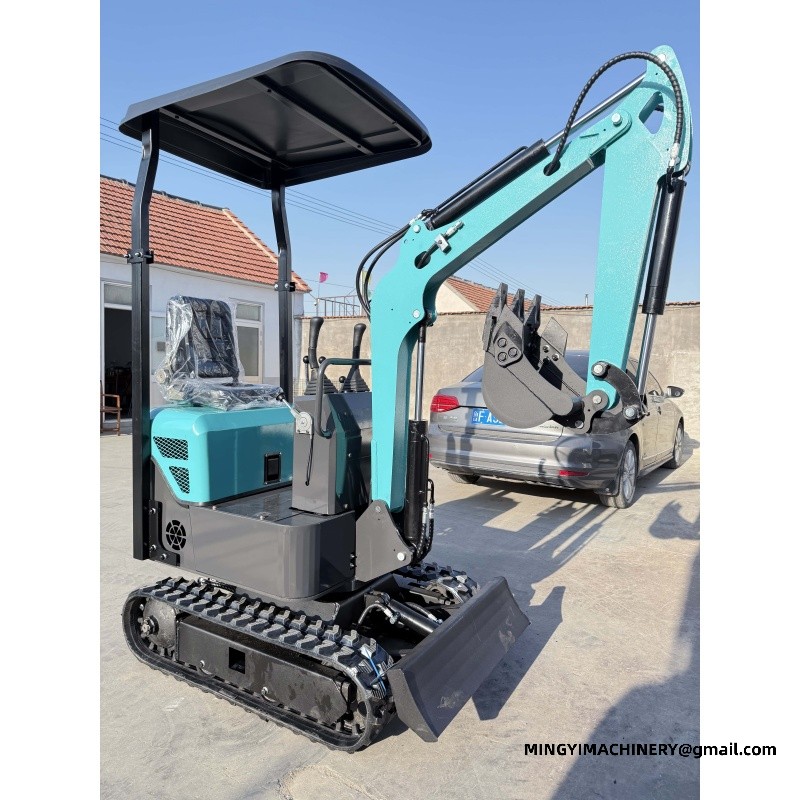
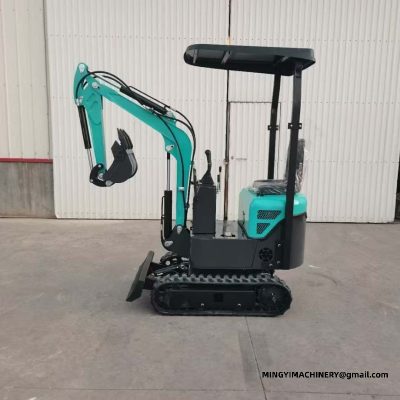
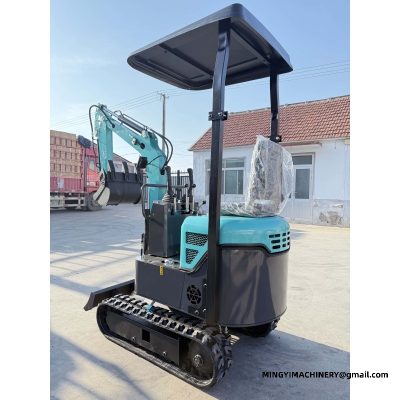
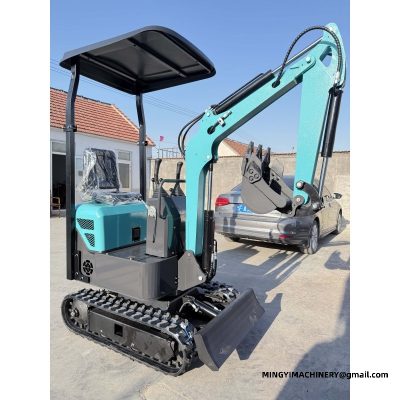
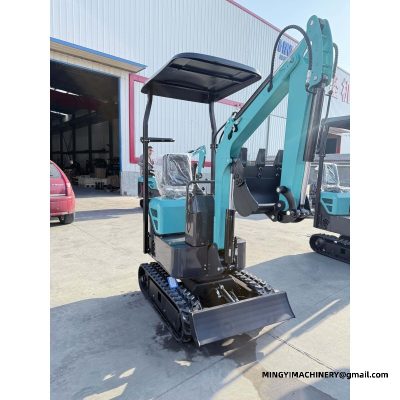
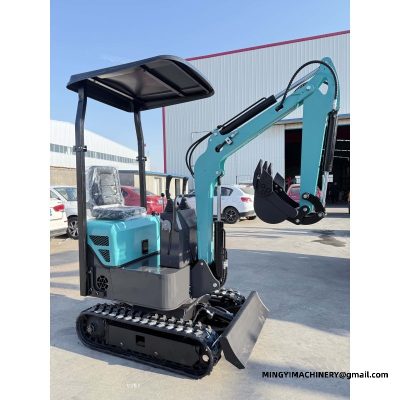
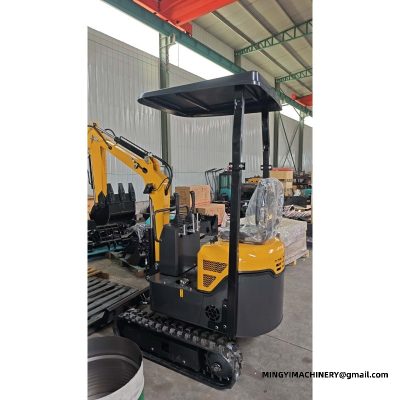
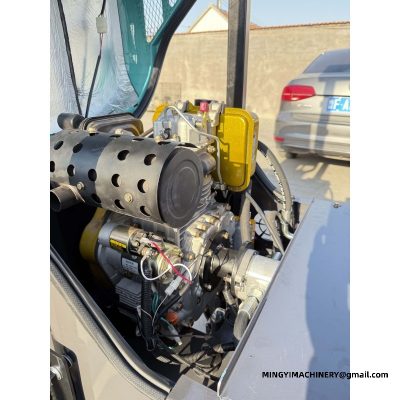
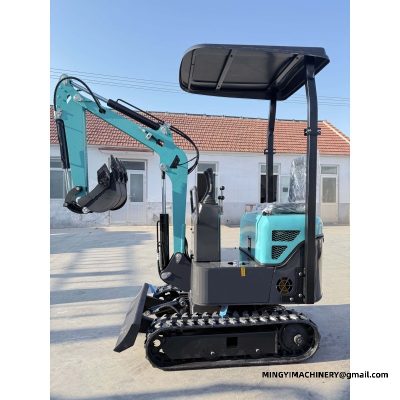
On many sites the machine cannot stand square to the cut. A wall runs down one side, a fence line crosses the route, or the trench has to bend around a corner, and the operator has to keep the tracks clear of the excavation while still digging to line.
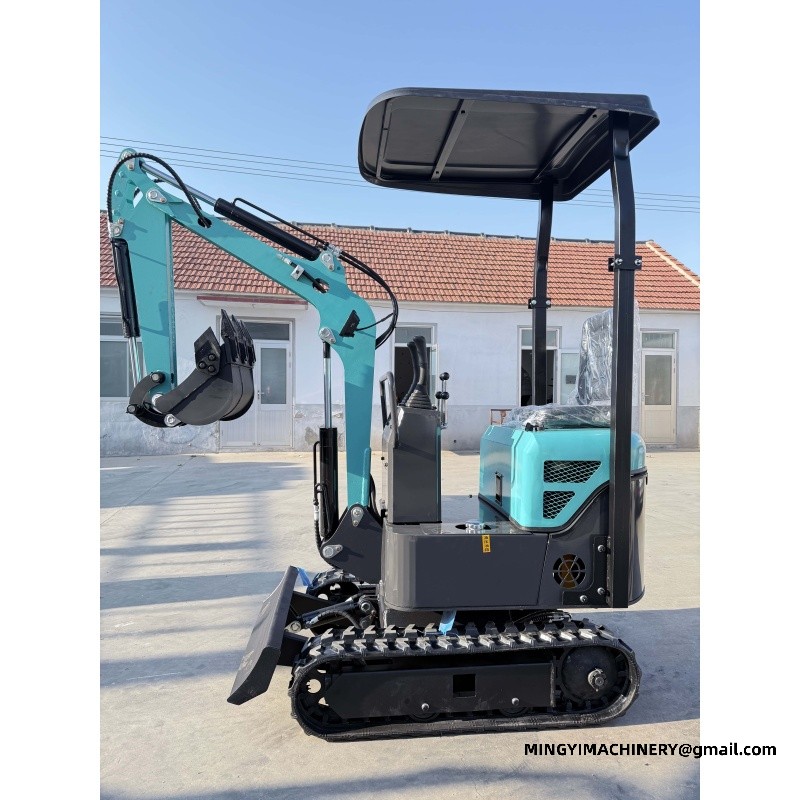
An offset boom solves that problem by allowing the arm to swing sideways relative to the machine's centreline. MINGYI builds compact excavators with offset boom geometry to order, with the boom arrangement fixed at the specification stage.
Digging close to walls, kerbs and boundaries
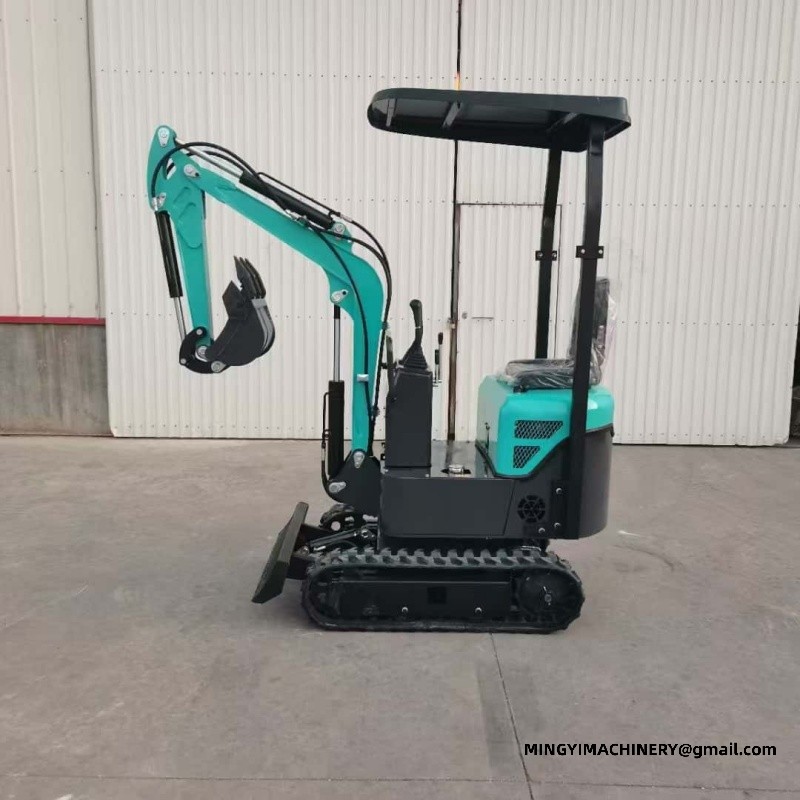
With the boom offset, the machine can cut a trench directly alongside a wall while the tracks remain on sound ground away from the edge. The operator no longer has to approach the line at an angle and correct afterwards.
The same geometry is useful on corner work. The cut can be swung through a change of direction without moving the machine, which keeps the trench wall intact where it turns and reduces trimming.
Offset geometry and operator feel
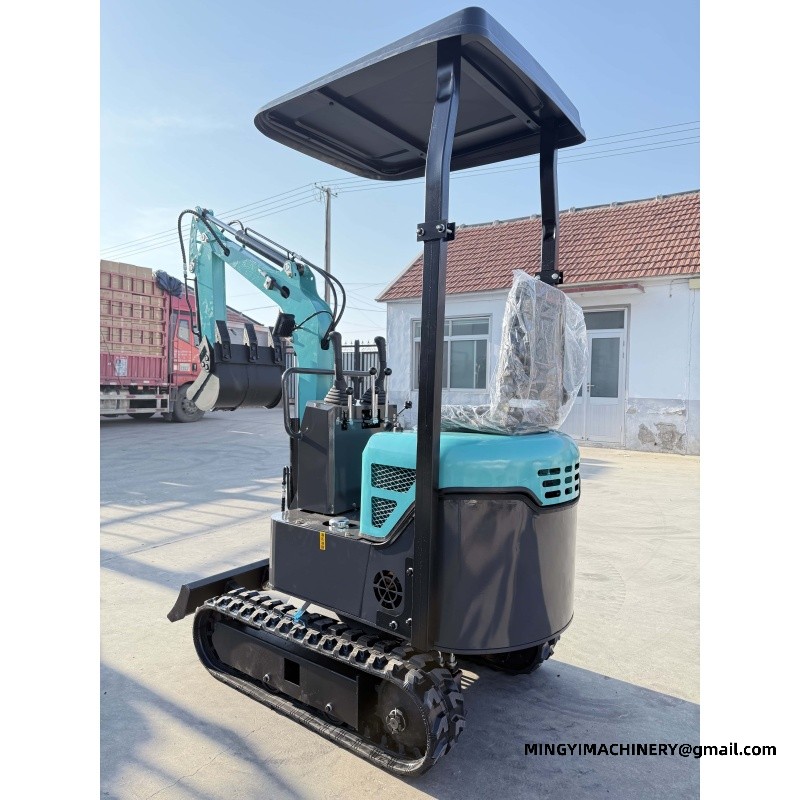
An offset boom changes the load path through the machine, so the operator has to keep the swing within sensible limits when the arm is loaded to one side. Working in short, level passes gives better results than reaching out at full extension.
For maintenance and transport, the boom returns to the centre position, which keeps the machine within its normal width. Track choice, cab or canopy and the attachment set are decided together with the boom arrangement when the order is placed.
The offset boom is a small change to the front of the machine that removes a large amount of repositioning in daily work. For contractors trenching along walls and boundaries, it is often the difference between a straight cut and a tidied-up one.
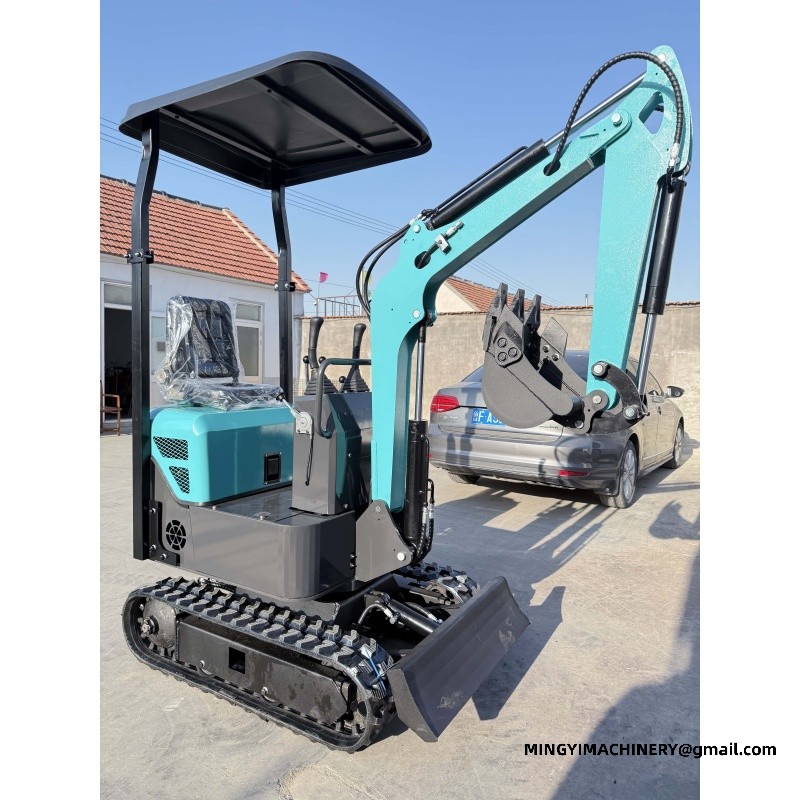
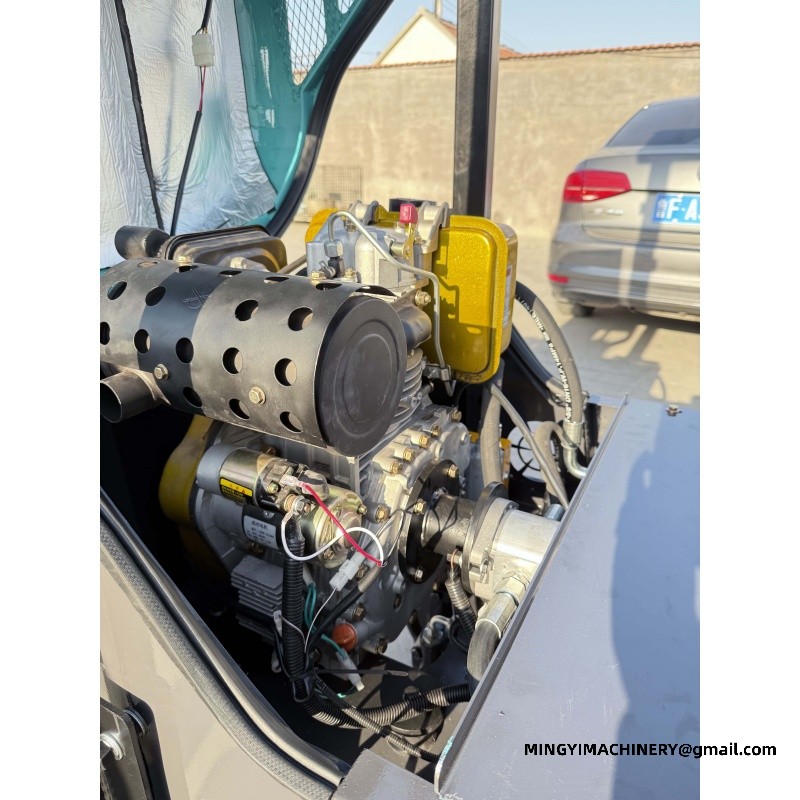
Specifying offset boom digger for kerbs and walls against a job list Buyers who skip this step either over-buy or under-buy. The excavator specified only from machine size tends to arrive without the coupler, the circuits or the track type the work actually needs. Useful information to send with an enquiry includes working width, required digging depth, ground conditions and the attachment set. Those four items let the factory specify this class of machine that fits rather than a generic build. Engine options behind offset boom digger for kerbs and walls Power unit selection is settled against the service network the buyer already uses. MINGYI offers Kubota D722, Kubota D902, YANMAR, Changchai, Laidong, Runtong, YARMAX, Youpu 2V80 and Youpu 195, so a fleet running one brand of engine can keep the same filters, the same parts supplier and the same mechanic. Engine choice is also an emissions and documentation question for some markets. Listing the available units with the unit in daily use enquiry lets the factory confirm what can be supplied and documented for the destination country. Daily checks and maintenance on offset boom digger for kerbs and walls Daily maintenance on a machine of this size is a short list: engine oil level, coolant, track tension, hydraulic oil level and a look at the hoses. Ten minutes at the start of the shift prevents most of the failures that stop a machine. Greasing is the second item. The slew ring, the boom and arm pins and the bucket linkage on the equipment on site take grease daily in dusty work, and the intervals shorten further when the machine is used in water or mud. Quick coupler practice on offset boom digger for kerbs and walls A quick coupler is the single option that changes how a machine is used day to day. Fitted to the machine itself, it turns an attachment change from a two-person workshop job into a task the operator does alone in minutes. Couplers are specified early because they affect the arm and the hydraulic kit. Adding one to the model in question after delivery means new pins, new hoses and a fitment session; adding it at build time is a line on the sheet. Matching offset boom digger for kerbs and walls to ground conditions Hard and abrasive ground reverses the specification. On rock, demolition rubble or sharp gravel, steel tracks with rubber blocks on the machine in that duty survive conditions that cut a rubber belt quickly. Mixed sites are common and argue for a compromise specification. Most buyers choose rubber for the unit on the job and accept the wear, unless the majority of the work is on material that will damage it. Getting offset boom digger for kerbs and walls through a narrow gap Access decides the machine before output does. With a machine built for the work the limiting dimension is usually the widest point on the way in, so measuring the gate, the corridor and the turning space first saves a wasted delivery and a second visit. Contractors who buy the equipment in service normally have one job in mind that nothing else reaches. The purchase order follows the access measurement, not the other way round, and the build sheet is then settled around it. Orchard, vineyard and farm use of the excavator Ditching, fertilising and drainage on farmland suit this class of machine because the work is spread over a large area in short bursts. The machine travels behind a pickup and works where it stops. Farms also use the unit in daily use for general maintenance - clearing a watercourse, repairing a track, loading a spreader. One carrier with a few attachments covers most of the jobs that would otherwise wait for a contractor. Working on slopes and uneven ground with a machine of this size Ground that looks level often is not. The equipment on site crossing a filled trench, a soft edge or a hidden void behaves differently from one on undisturbed ground, and those are the places worth walking before driving. Planning the direction of travel helps. Working so that the machine itself is stable under load and not required to turn on a slope is a decision made before the job starts, not a correction made during it. Hiring versus owning the model in question The choice follows the hours. Work that fills a few weeks a year is usually better hired, while the machine in that duty that would be on site most weeks starts to justify ownership once the transport and booking time is counted. Ownership brings obligations that hiring does not. Storage, servicing, insurance and an operator are the items to set against the hire rate before deciding which way the unit on the job should be supplied. Working a machine built for the work through the seasons Weather decides which days are productive. Rain turns some ground unusable and cold changes how the equipment in service starts and warms up, so planning the wet months around maintenance is more useful than planning around output. Seasonal planning smooths the workload. Machines that are busy for a few months and idle for the rest benefit from a service slot in the quiet period, and the excavator prepared in the off-season starts the busy months reliably. Specification data for this class of machine The figures below are the factory figures for the models most often matched to the unit in daily use. They are the numbers to check against the site: the depth the work needs, the reach from one position, and the width of the narrowest point on the route in. Every value shown is as built for a machine of this size; options such as cab, side swing or a telescopic undercarriage change the transport dimensions and are confirmed at order stage. Interior demolition is an access and a weight question. The equipment on site that fits through a doorway and works on a suspended floor does jobs that would otherwise be done by hand or by a larger machine that cannot enter. Dust, debris clearance and floor loading all argue for a compact machine indoors. The machine itself spreads its weight over a wider track footprint than a wheeled machine of similar capacity.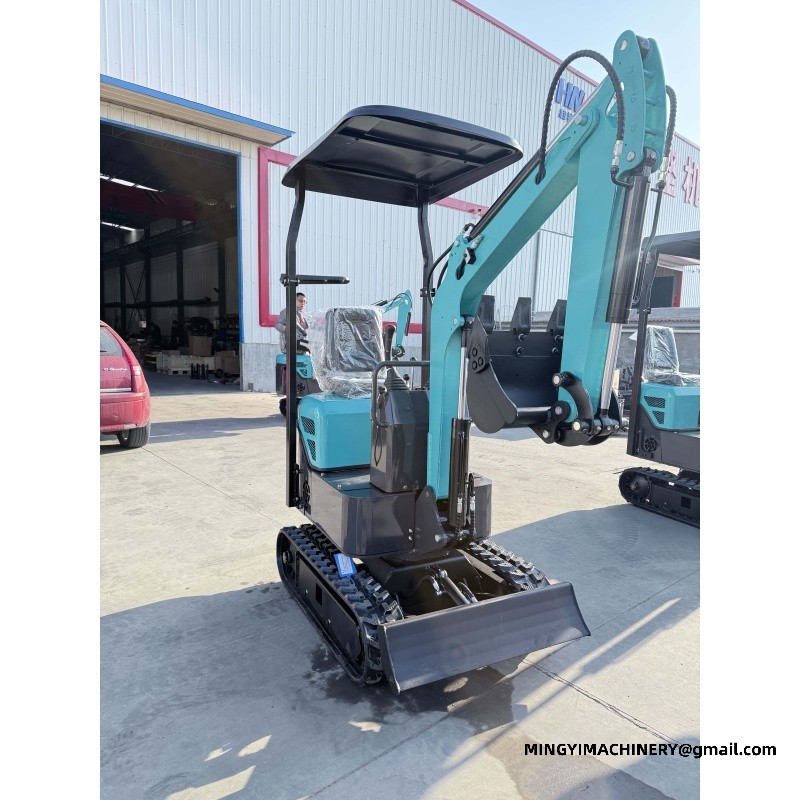
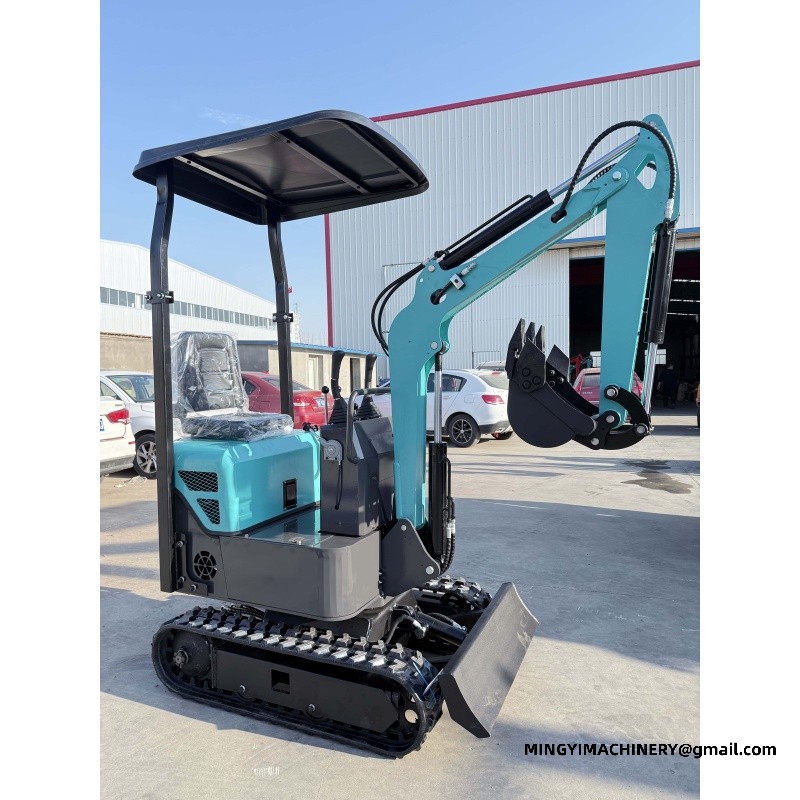
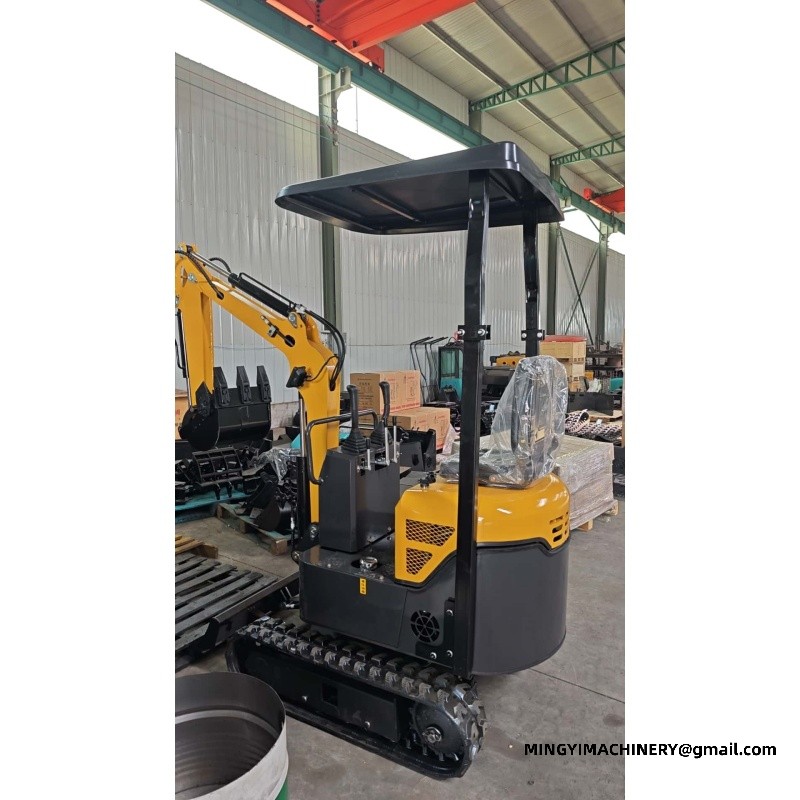
Reference specification — mini excavator range 12W 13W 30-2W 25L Operating weight 1200 kg (2645.55 lb) 1300 kg (2866.01 lb) 2700 kg (5952.48 lb) 2200 kg (4850.17 lb) Transport size (L×W×H) 2200 × 930 × 2250 mm 2200 × 930 × 2250 mm 3000 × 1100 × 2700 mm 3000 × 1300 × 2700 mm Max digging depth 1630 mm (64.17 in) 1630 mm (64.17 in) 2200 mm (86.61 in) 2300 mm (90.55 in) Max digging height 2750 mm (108.27 in) 2750 mm (108.27 in) 3000 mm (118.11 in) 3100 mm (122.05 in) Max dumping height 1960 mm (77.17 in) 1960 mm (77.17 in) 2000 mm (78.74 in) 2050 mm (80.71 in) Max digging radius 2900 mm (114.17 in) 2900 mm (114.17 in) 3800 mm (149.61 in) 3900 mm (153.54 in) Max digging distance 2100 mm (82.68 in) 2100 mm (82.68 in) 3050 mm (120.08 in) 3100 mm (125.05 in) Minimum turning radius 1300 mm (51.18 in) 1300 mm (51.18 in) 1750 mm (68.9 in) 1800 mm (70.87 in) Travel speed 3 km/h (1.86 mph) 3 km/h (1.86 mph) 7 km/h (4.35 mph) 7 km/h (4.35 mph) Gradeability 30° 30° 30° 30° Fuel consumption 1-1.3 L/h (0.264—0.343 gal) 1-1.3 L/h (0.264—0.343 gal) 2-3 L/h (0.528—0.793 gal) 2-3 L/h (0.528—0.793 gal) Fuel tank capacity 10 L (2.64 gal) 10 L (2.64 gal) 16 L (4.23 gal) 16 L (4.23 gal) Hydraulic oil tank 16 L (4.23 gal) 16 L (4.23 gal) 20 L (5.28 gal) 18 L (4.76 gal) Dozer blade lift height 180 mm (7.09 in) 180 mm (7.09 in) 230 mm (9.06 in) 230 mm (9.06 in) Dozer blade drop depth 210 mm (8.27 in) 210 mm (8.27 in) 280 mm (11.02 in) 280 mm (11.02 in)
Q. What are the model in question?
A. Boom geometry is the difference between repositioning the machine ten times an hour and digging through from one stable stance. Reach without width is the compact excavator trick: the boom crosses the obstacle while the tracks stay on firm ground. The machine in that duty is one of the pages buyers land on when comparing machines for kerbs and walls, and the factory treats it as a specification conversation rather than a catalogue line.
Q. Which boom suits working along walls and kerbs?
A. An offset or swing boom keeps the carrier square to the trench while the stick tracks the line - no repositioning, no leaning the machine at the structure. For straight runs beside fences and foundations it is the difference between a clean day and a slow one.
Q. Does MINGYI supply attachments with the machine?
A. Yes - buckets, breakers, augers, rakes and the rest of the working set ship with the carrier, matched to the hydraulic flow and the coupler. For kerbs and walls the package is confirmed on the build sheet, so machine and tools arrive together and start work together.
Moving the unit on the job between sites
A machine that works on one site still has to reach the next. The overall dimensions and the operating weight of a machine built for the work decide what trailer or truck is needed, and that decision belongs before the job is booked.
Cold weather and winter care for the equipment in service
Winter is hard on rubber and on seals as much as on the engine. Parking the excavator under cover, keeping the tracks or tyres off standing water and checking the hoses for cracking are all part of the season.
E-mail : sales@mingycn.com
LINE ( ID ): mingyicn
Common operator mistakes with offset boom digger for kerbs and walls
Most early damage comes from three habits, namely working with the wrong attachment angle, carrying loads too high and skipping the walk-around.
Filling the tank at the end of the shift rather than the start reduces condensation in the tank overnight.
Leaving the machine idling for long periods adds hours without adding output, and it is the easiest waste to remove.
Electrical system and battery care on offset boom digger for kerbs and walls
Battery condition follows the charging system, so the belt, the connections and the electrolyte are checked together rather than separately.
Related pages
swing boom trenching mini excavator · short tail swing mini excavator · China Wheel Loader Factory Supplier: Specs and Order Process · Mini Excavators









