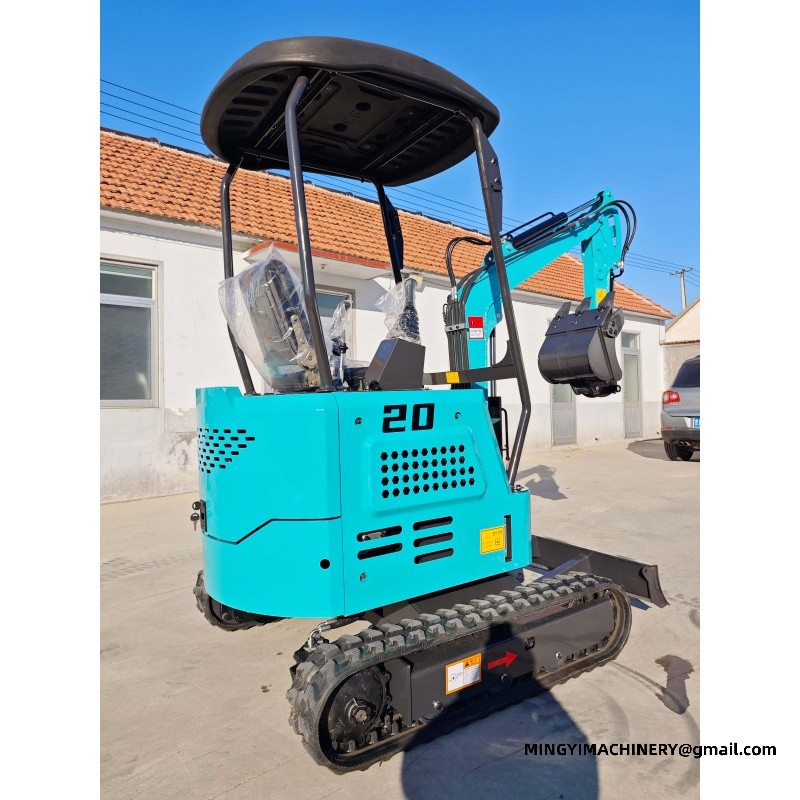
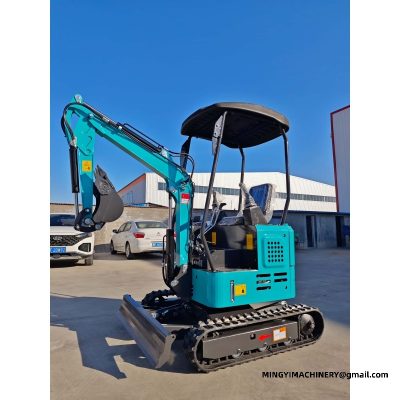
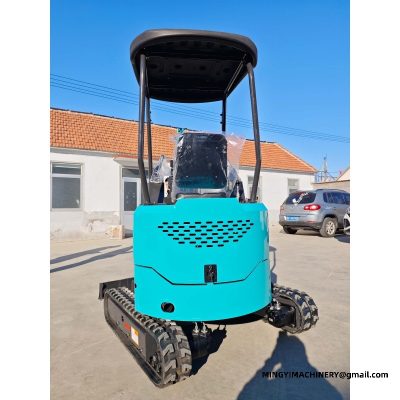
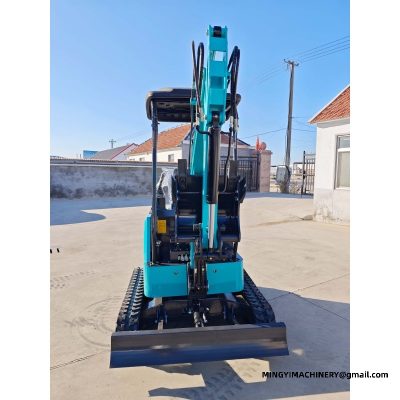
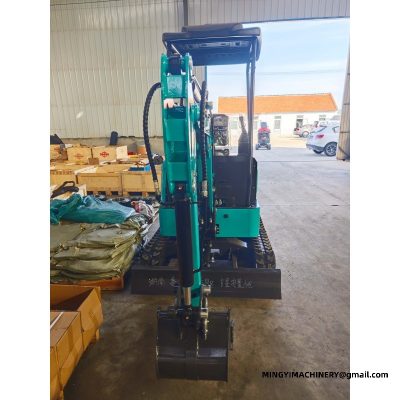
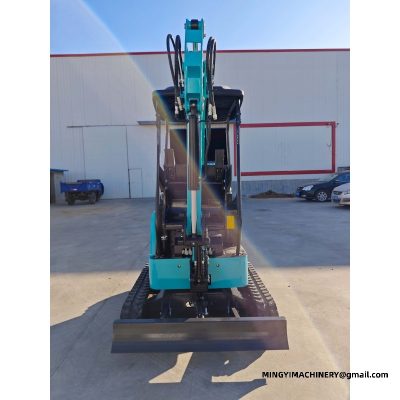
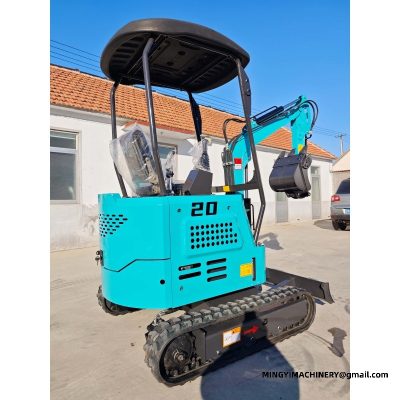
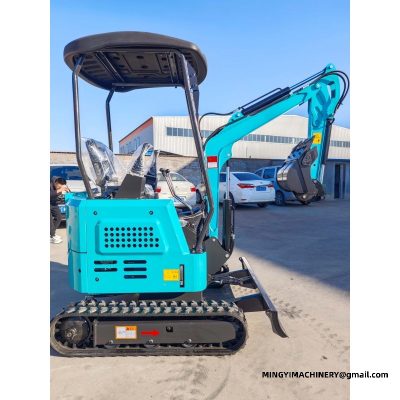
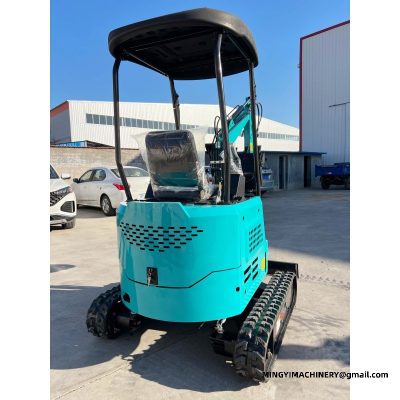
A mini excavator earns its keep only while it is working, so the day to day maintenance routine matters as much as the specification. MINGYI supplies compact excavators with the parts and information owners need to keep the unit in condition between jobs.
Most of the care is simple and regular: checking fluids, inspecting the undercarriage and keeping the attachment mounting and hydraulic lines sound.
Daily and weekly checks on a compact excavator
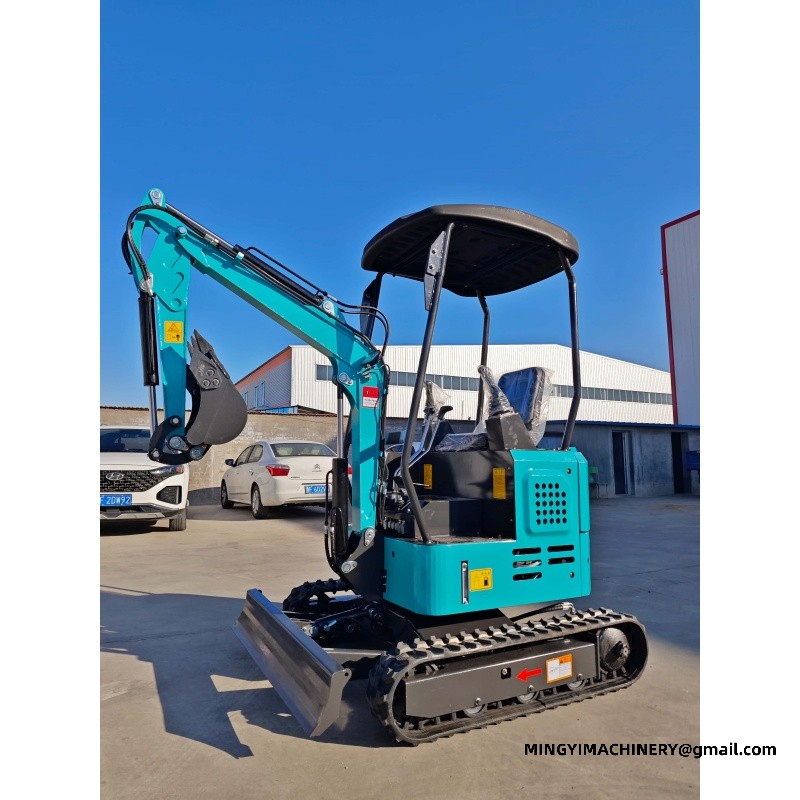
Before a shift the operator checks engine oil, coolant, hydraulic fluid and fuel, and looks over the machine for leaks or loose fittings. Tracks are inspected for damage, and the rubber blocks on steel tracks for wear or missing pads.
After work, a quick clean of the undercarriage and the cooling areas keeps mud and dust from building up. A short record of each check helps spot a part that is wearing before it fails on site.
Wear parts and service information
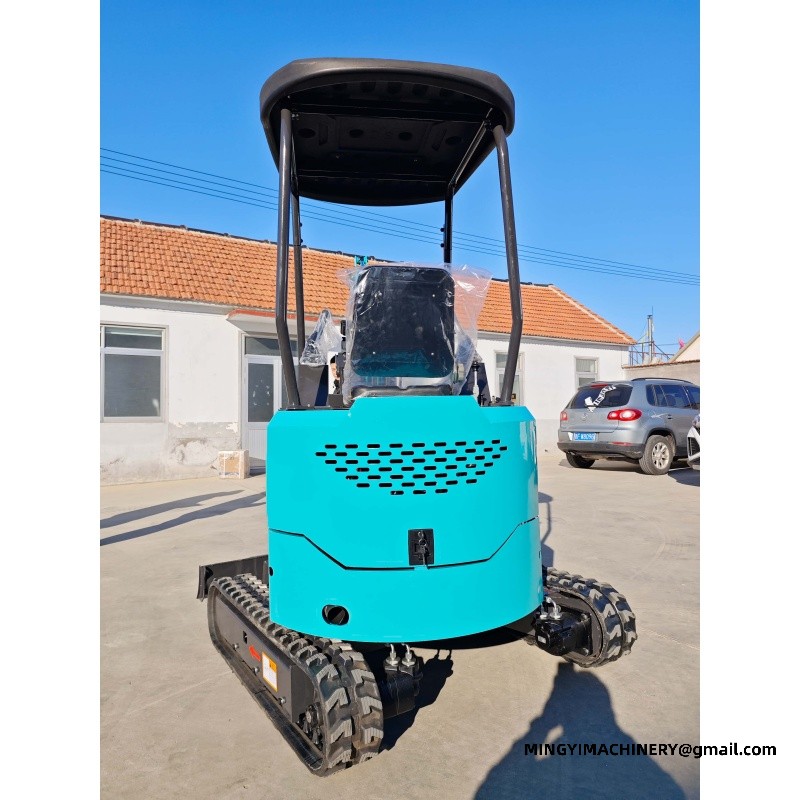
The parts that wear first on a compact excavator are the bucket teeth, the track components and the attachment cutting edges, so these are the items to keep in stock. Replacement parts are matched to the configuration recorded against the machine.
Where a machine works in abrasive or stony ground, the undercarriage and teeth need more frequent attention. The service information delivered with the unit sets out the checks and intervals for the engine and hydraulics.
Owners planning maintenance should note the configuration of their machine, contact MINGYI for the parts that wear, and keep to a regular check routine suited to the ground the excavator works in.
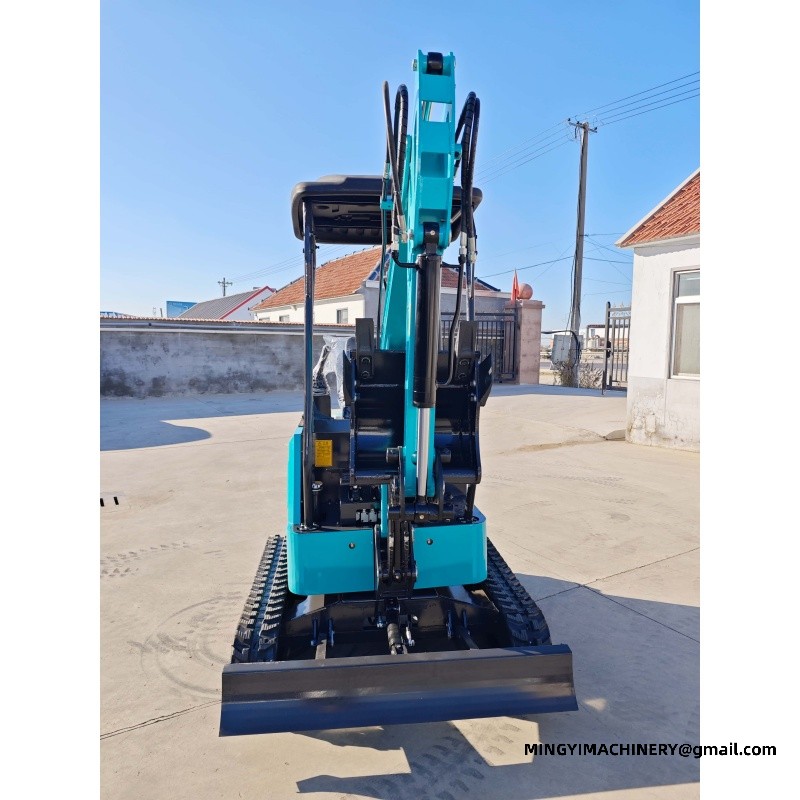
Parts, service and support for mini excavator maintenance and service Support after delivery is a parts question. Wearing items for the excavator - filters, belts, track components, bucket teeth and pins - are the items a buyer should plan to hold before the first service interval. Engine parts availability usually drives the engine choice. This class of machine built with an engine the local network already carries is serviced from stock rather than from an international order. Trailering and moving mini excavator maintenance and service Transport weight and width decide whether a machine needs a specialist haulier. The unit in daily use sized to travel on a standard plant trailer behind a suitable vehicle moves with the crew rather than on a scheduled low loader. Detachable components reduce transport length. A machine of this size built with a removable arm section or a folding step fits a shorter trailer and may avoid an oversize movement permit. Noise, dust and working near occupied buildings Work near housing or occupied premises brings constraints that open sites do not. Start times, exhaust condition and how often the equipment on site needs to reverse are the practical limits that neighbours notice. Dust control is often part of the same conversation. Water, timing and work sequence reduce what leaves the site, and agreeing them in advance keeps the machine itself working rather than stopped after a complaint. Working a mini excavator maintenance and service through the seasons Seasonal planning smooths the workload. Machines that are busy for a few months and idle for the rest benefit from a service slot in the quiet period, and the model in question prepared in the off-season starts the busy months reliably. Heat and dust are as limiting as rain. Air intake condition and cooling cleanliness decide how the machine in that duty behaves in a dry season, and both are checked in a minute rather than repaired later. What owners should plan for beyond the mini excavator maintenance and service The useful comparison is demand per working hour, not demand per machine. The unit on the job that works more hours a year spreads its standing takes over more output, which is why utilisation usually matters more than the invoice figure. Downtime is the hidden line item. A machine built for the work waiting on a part earns nothing while it stands, so parts availability and service access belong in the plan as much as fuel does. Interior and light demolition with mini excavator maintenance and service Breaking out a floor slab, a wall footing or a concrete step is routine work for the equipment in service with a breaker. The machine is small enough to work inside and heavy enough to run the tool at a practical rate. Dust, debris clearance and floor loading all argue for a compact machine indoors. The excavator spreads its weight over a wider track footprint than a wheeled machine of similar capacity. Working on slopes and uneven ground with this class of machine Slope work is a stability question before it is a traction question. Knowing the gradient the unit in daily use is rated for, and working across rather than straight up where the ground allows, removes most of the risk. Ground that looks level often is not. A machine of this size crossing a filled trench, a soft edge or a hidden void behaves differently from one on undisturbed ground, and those are the places worth walking before driving. Hiring versus owning the equipment on site The choice follows the hours. Work that fills a few weeks a year is usually better hired, while the machine itself that would be on site most weeks starts to justify ownership once the transport and booking time is counted. Ownership brings obligations that hiring does not. Storage, servicing, insurance and an operator are the items to set against the hire rate before deciding which way the model in question should be supplied. Specifying the machine in that duty against a job list The practical way to specify is to write the job list first: the narrowest access, the deepest trench, the heaviest tool and the surfaces the machine must cross. The unit on the job is then matched to those four numbers. Useful information to send with an enquiry includes working width, required digging depth, ground conditions and the attachment set. Those four items let the factory specify a machine built for the work that fits rather than a generic build. Working near live services with the equipment in service Digging near water, gas and cable is a precision job. The excavator is used here because the operator can work in short controlled cuts and because the machine can be positioned without driving over the run being exposed. Utility crews specify this class of machine with a narrow bucket and good visibility for exactly this reason: the machine has to stop at the service, not at the edge of the operator's view. Orchard, vineyard and farm use of the unit in daily use Ditching, fertilising and drainage on farmland suit a machine of this size because the work is spread over a large area in short bursts. The machine travels behind a pickup and works where it stops. Farms also use the equipment on site for general maintenance - clearing a watercourse, repairing a track, loading a spreader. One carrier with a few attachments covers most of the jobs that would otherwise wait for a contractor. Matching the machine itself to ground conditions Soft ground is a flotation problem, not a power problem. The model in question on wide rubber tracks crosses lawn, sand and cultivated soil that would stop a narrower machine or a wheeled unit of the same capacity. Hard and abrasive ground reverses the specification. On rock, demolition rubble or sharp gravel, steel tracks with rubber blocks on the machine in that duty survive conditions that cut a rubber belt quickly. Specification data for the unit on the job Buyers comparing a machine built for the work usually start from four numbers - weight, digging depth, reach and transport width - because those are the ones that decide whether the machine can be delivered and whether it can do the job once it is there. Every value shown is as built for the equipment in service; options such as cab, side swing or a telescopic undercarriage change the transport dimensions and are confirmed at order stage. Road repair generates short, interrupted jobs - a patch, a drainage connection, a kerb line. The excavator is economical here because it travels on a small trailer and starts working minutes after arriving. Patching and reinstatement favour a machine that can work in a lane closure. This class of machine occupies less road than a full-size excavator, which reduces the traffic management needed and the length of the closure.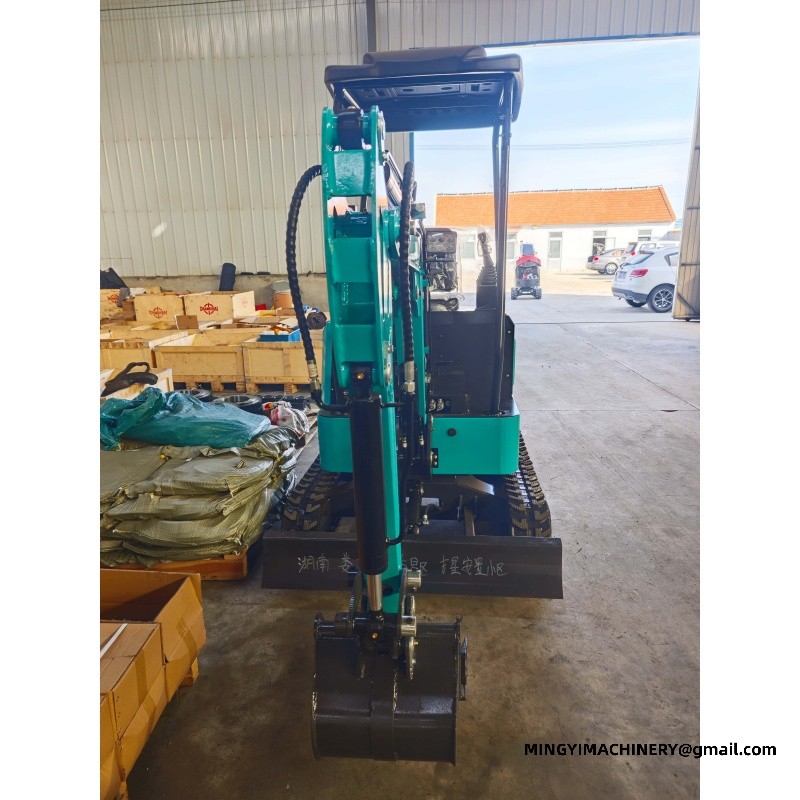
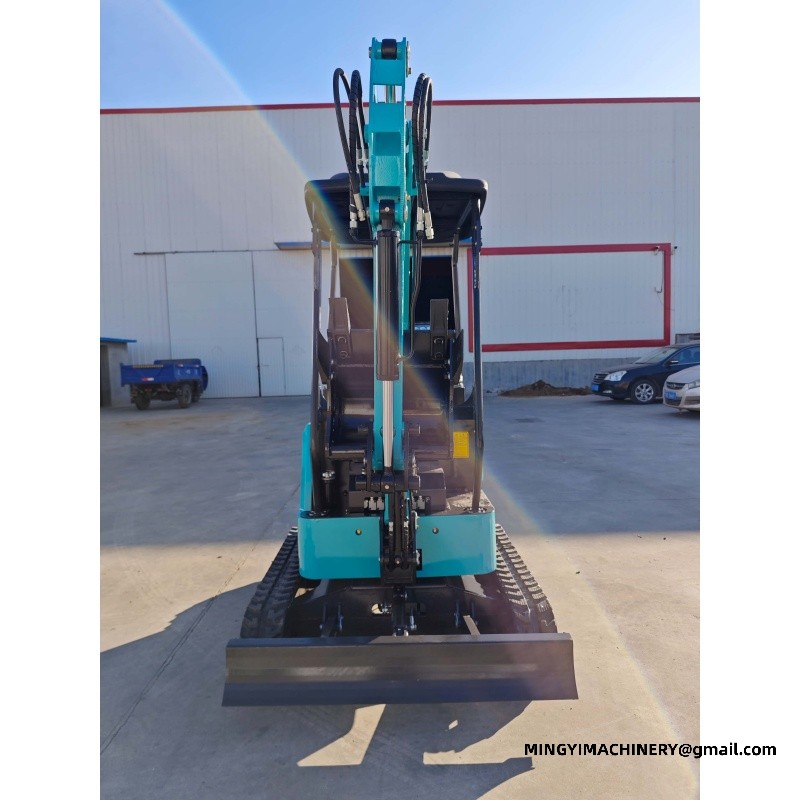
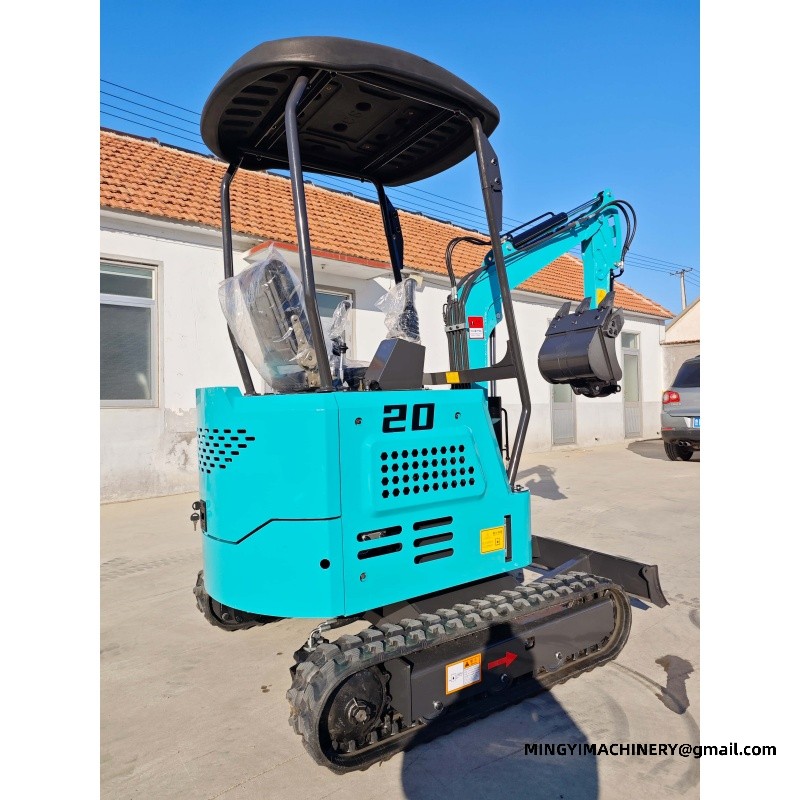
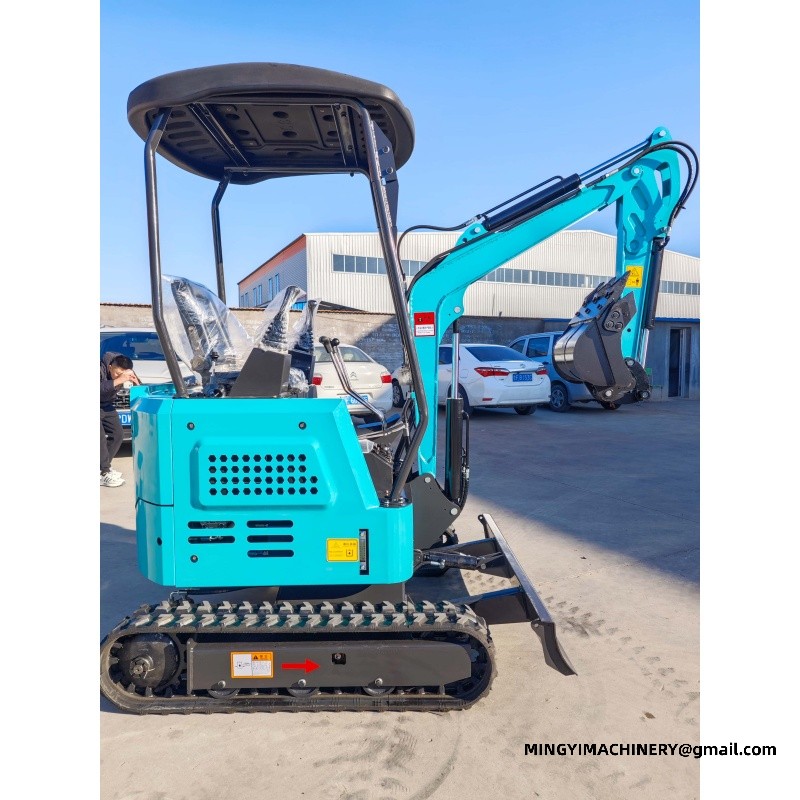
Reference specification — mini excavator range 20-1WL 30-2W 12L 15L Operating weight 1900 kg (4188.78 lb) 2700 kg (5952.48 lb) 1200 kg (2645.55 lb) 1400 kg (3086.47 lb) Transport size (L×W×H) 2550 × 1100 × 2200 mm 3000 × 1100 × 2700 mm 2200 × 930 × 2250 mm 2200 × 930 × 2250 mm Max digging depth 1800 mm (70.87 in) 2200 mm (86.61 in) 1700 mm (66.93 in) 1700 mm (66.93 in) Max digging height 2820 mm (111.02 in) 3000 mm (118.11 in) 2600 mm (102.36 in) 2750 mm (108.27 in) Max dumping height 2050 mm (80.71 in) 2000 mm (78.74 in) 1800 mm (70.87 in) 1960 mm (77.17 in) Max digging radius 3050 mm (120.08 in) 3800 mm (149.61 in) 2900 mm (114.17 in) 2900 mm (114.17 in) Max digging distance 2300 mm (90.55 in) 3050 mm (120.08 in) 2300 mm (90.55 in) 2300 mm (90.55 in) Minimum turning radius 1450 mm (57.09 in) 1750 mm (68.9 in) 1450 mm (57.09 in) 1450 mm (57.09 in) Travel speed 5 km/h (3.11 mph) 7 km/h (4.35 mph) 3 km/h (1.86 mph) 3 km/h (1.86 mph) Gradeability 30° 30° 30° 30° Fuel consumption 2-3 L/h (0.528—0.793 gal) 2-3 L/h (0.528—0.793 gal) 1-1.3 L/h (0.264—0.343 gal) 1-1.3 L/h (0.264—0.343 gal) Fuel tank capacity 16 L (4.23 gal) 16 L (4.23 gal) 10 L (2.64 gal) 10 L (2.64 gal) Hydraulic oil tank 18 L (4.76 gal) 20 L (5.28 gal) 16 L (4.23 gal) 16 L (4.23 gal) Dozer blade lift height 180 mm (7.09 in) 230 mm (9.06 in) 180 mm (7.09 in) 180 mm (7.09 in) Dozer blade drop depth 210 mm (8.27 in) 280 mm (11.02 in) 210 mm (8.27 in) 210 mm (8.27 in)
Q. How does the unit in daily use work?
A. Long ownership is decided after the sale - by how fast wear items arrive and how exactly they match the serial plate. The schedule lives in the manual, and the spare-part kits bundle a season of consumables into one box. Read a machine of this size together with the engine, track and attachment pages: jobs around maintenance service are decided by how those choices line up, not by any single number on the sheet.
Q. What does routine service cover?
A. Engine oil and filters, hydraulic checks, track tension, pins and bushes, and a walk-around for leaks and loose fasteners. The schedule is in the manual and the spare-part kits bundle the consumables per season.
Q. What about colours and branding?
A. OEM colours and decals are part of the build: private-label machines carry the buyer brand on the standard MINGYI platform, and the maintenance service order confirms colours, marks and documents before production starts.
Later additions and retrofits on the equipment on site
An added function should pay for itself quickly. Whether the machine itself gains a different bucket, a hydraulic service or a protection package, the test is the number of days a year it is actually used.
Wear items and spares worth holding for the model in question
A spares list should follow the duty cycle. The machine in that duty working every day in abrasive dust consumes filters and cutting edges far faster than the same machine used once a week, and the shelf should be stocked for the harder case.
Cold weather and winter care for the unit on the job
A cold start is easier when the machine is prepared the night before. The routine that keeps a machine built for the work working through winter is mostly a matter of fuel, battery and patience in the first ten minutes of the day.
E-mail : sales@mingycn.com
LINE ( ID ): mingyicn
Related pages
mini excavator parts and support · mini excavator spare part kits · Construction Equipment Loader: Sizing for Site and Yard Work · Mini Excavators









