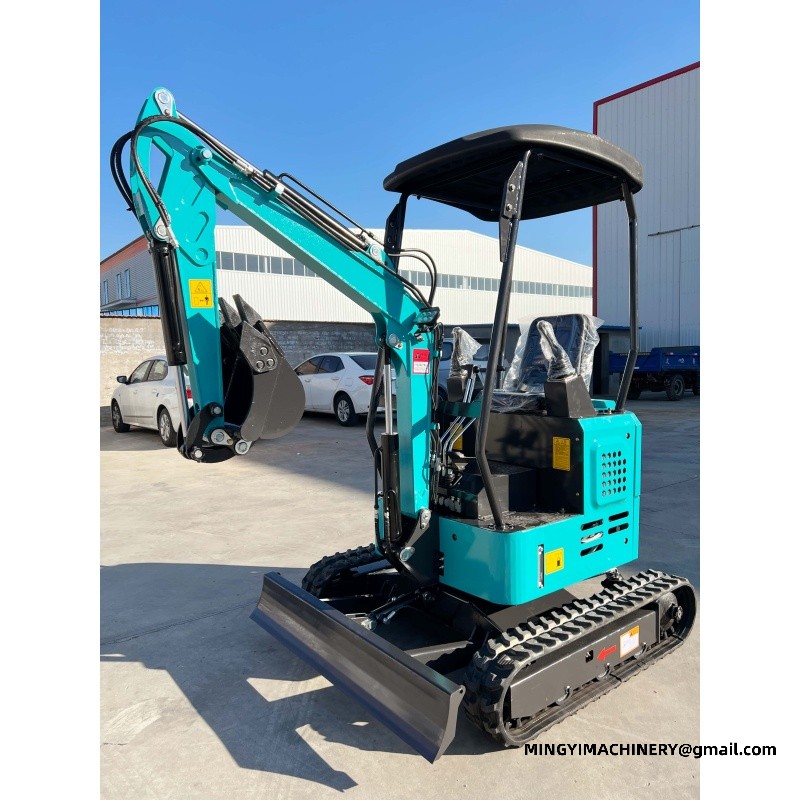
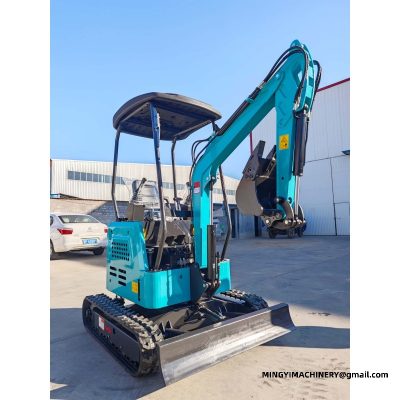
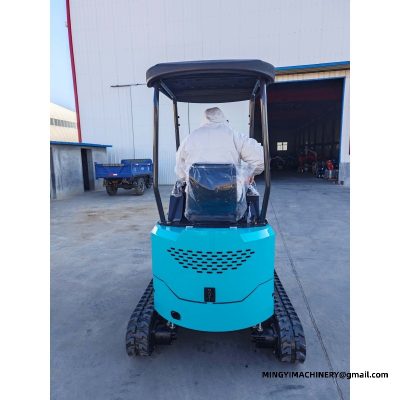
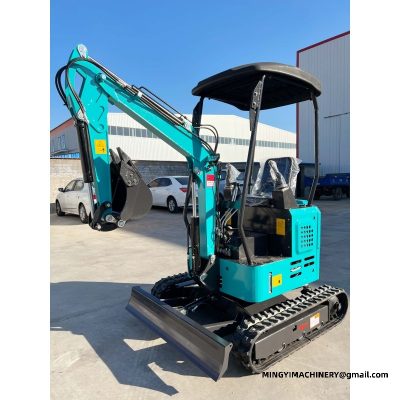
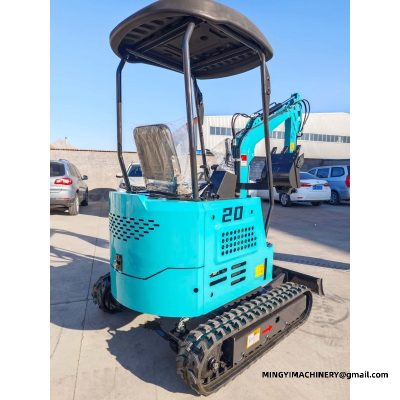
Downtime on a small excavator is rarely caused by a major failure. It is usually a hose, a filter, a pin or a worn track that stops the machine while a part is sourced and shipped.
MINGYI records the specification of each machine against its order, which is what makes a spare part enquiry straightforward later. Common wear items can be supplied with the machine so a buyer starts with the right components on the shelf.
Spare parts supply for mini excavators
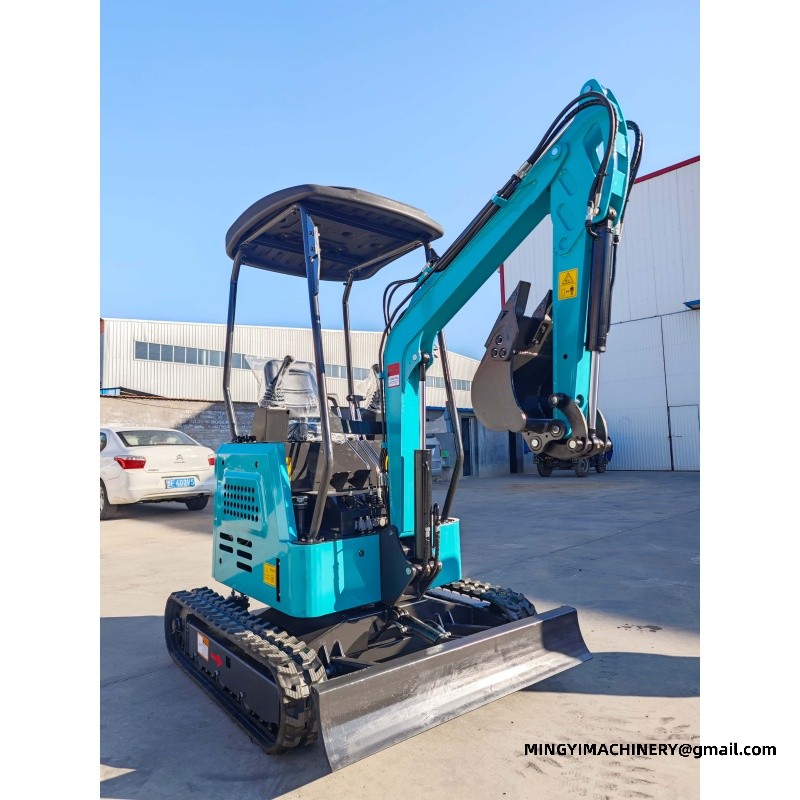
A parts enquiry is answered from the build record. Because engine, undercarriage and attachment set were fixed at the ordering stage and recorded against the unit, the correct filter, hose or pin can be identified without guesswork.
Buyers running several machines often hold a shared spares kit. When the carriers in a fleet were built to the same sheet, one set of wear items covers the whole group and the workshop carries less stock.
Wear parts and how they are recorded
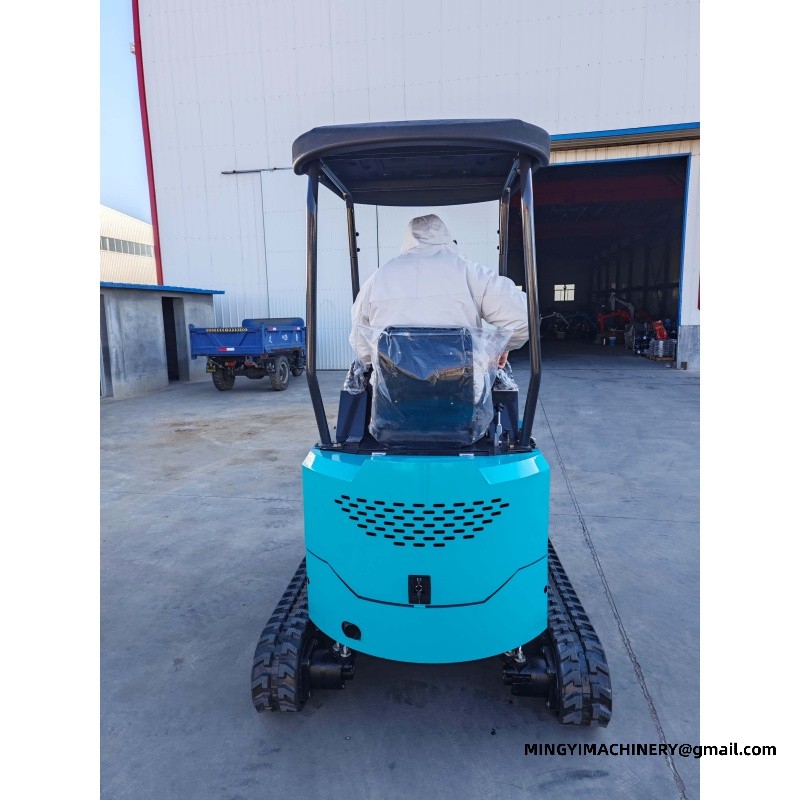
The parts that wear fastest on a compact excavator are predictable: track rubber, bucket teeth, cutting edges and hydraulic hoses. Knowing which of these a site consumes quickly lets a buyer stock sensibly rather than generously.
Attachments add their own wear points, from breaker chisels to auger teeth and grab pins. These are listed against the machine in the same record, so replacement parts match the attachments actually supplied with the unit.
For a working machine the value of a parts supply is measured in hours recovered, not in the size of the catalogue. A documented build and a sensible spares kit keep a small excavator earning rather than waiting.
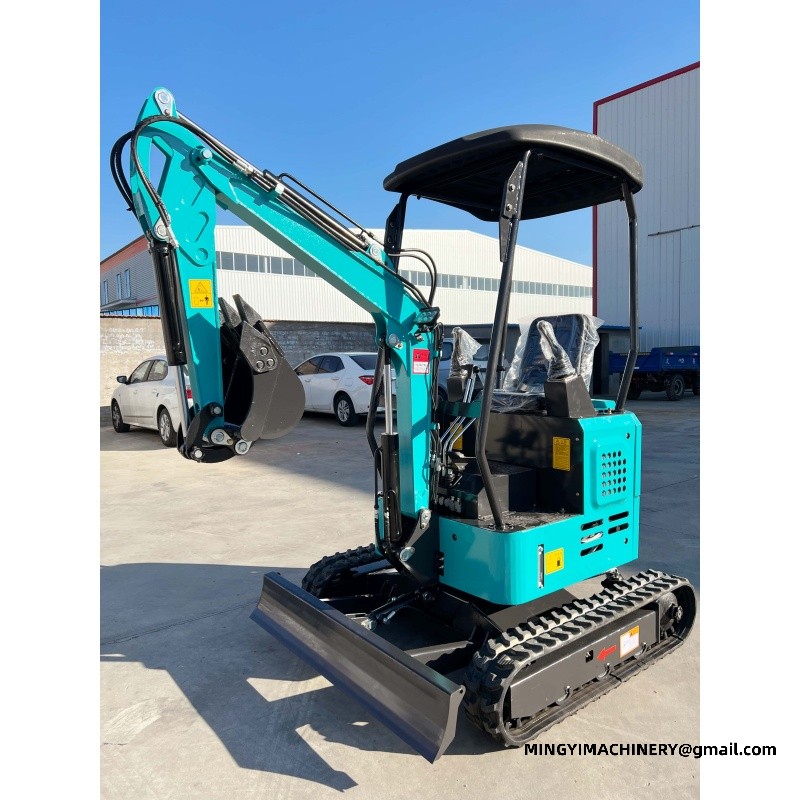
Hydraulic circuits on a mini excavator spare part kits Auxiliary hydraulic lines are what let a machine drive a tool rather than only a bucket. The excavator specified with the right circuits and flow runs a breaker or an auger without an add-on power pack bolted to the frame. Flow and pressure are matched to the tool, not to the machine size. Asking for the attachment list first means this class of machine leaves the factory with circuits that suit the heaviest tool the buyer intends to run. Working a mini excavator spare part kits through the seasons Weather decides which days are productive. Rain turns some ground unusable and cold changes how the unit in daily use starts and warms up, so planning the wet months around maintenance is more useful than planning around output. Heat and dust are as limiting as rain. Air intake condition and cooling cleanliness decide how a machine of this size behaves in a dry season, and both are checked in a minute rather than repaired later. Working near live services with mini excavator spare part kits Digging near water, gas and cable is a precision job. The equipment on site is used here because the operator can work in short controlled cuts and because the machine can be positioned without driving over the run being exposed. The risk on utility work is not machine power but machine placement. The machine itself that fits the working width leaves the surrounding ground undisturbed, which keeps the trench stable and the reinstatement small. Trenching work with mini excavator spare part kits Service trenches are the most common reason the model in question is hired. Water, sewage, cable and gas runs are narrow, shallow and often close to existing services, which is exactly the work a full-size machine cannot do safely. Trench quality depends on the bucket width and the operator, not on machine size. The machine in that duty with a narrow bucket and a swing boom cuts a clean run along a boundary without disturbing the ground either side of it. Acceptance checks when a mini excavator spare part kits arrives Delivery day is the best time to find a problem. Checking the specification against the order, the fluid levels, the fasteners and any transport damage while the machine built for the work is still on the trailer is faster than claiming later. Documentation should arrive with the machine. Parts list, service schedule and any certificates for the unit on the job are what the workshop needs later, and they are much easier to obtain at delivery than in month six. Running mini excavator spare part kits in a rental fleet Rental fleets buy for utilisation, not for a single job. The equipment in service with a quick coupler and a common attachment standard is hired more often because it suits more of the calls that come in. Fleet buyers also weigh transport. The excavator that a customer can tow on a normal licence and a standard trailer is a hire that does not need a delivery truck, which changes how often it goes out. Attachments that turn this class of machine into several machines The base machine is a carrier; the tool on the end of the arm decides the task. The unit in daily use fitted with a toothed bucket digs, and the same machine with a breaker, an auger or a grab does work that would otherwise need a second unit on site. Most of the daily variety on a machine of this size comes from the attachment rack rather than from the machine itself. Bucket, breaker, auger, ripper, rake and grab cover the large majority of the work a contractor will see. Operator technique for the equipment on site Output on a compact machine comes from placement rather than power. An experienced operator keeps the machine itself working inside the swing arc, positions once and digs a full run instead of repositioning for every bucket. The second habit is tool discipline. Running the model in question with the right bucket width for the trench means less spoil, less reinstatement and a cleaner job than a wide bucket and a lot of trimming. Hiring versus owning the machine in that duty Availability is part of the decision. Owning the unit on the job means it is there on the day the ground is ready; hiring means competing for the same machine at the same time as everyone else in the season. Ownership brings obligations that hiring does not. Storage, servicing, insurance and an operator are the items to set against the hire rate before deciding which way a machine built for the work should be supplied. Canopy or enclosed cab on the equipment in service A canopy keeps the machine light and the operator aware of the surroundings, which suits short jobs in warm weather. A fully enclosed cab is specified where rain, dust or cold are part of the working year, and it can be added to the excavator as a retrofit rather than only at build time. The cab decision follows the climate and the hours. Operators working a full shift in this class of machine benefit from a sealed cab with wipers and heating; operators stepping on and off every few minutes usually prefer the canopy for the visibility and the quick exit. OEM and fleet customisation of the unit in daily use Distributors and rental fleets usually need the machine to look like theirs. Paint, decals, seat colour and attachment branding can be specified on a machine of this size at build time rather than applied after import. Customisation also covers the specification sheet. A fleet buyer may want every equipment on site delivered with the same coupler, the same engine and the same tool kit so training and parts stock stay simple. Specification data for the machine itself The figures below are the factory figures for the models most often matched to the model in question. They are the numbers to check against the site: the depth the work needs, the reach from one position, and the width of the narrowest point on the route in. Every value shown is as built for the machine in that duty; options such as cab, side swing or a telescopic undercarriage change the transport dimensions and are confirmed at order stage. Ground that looks level often is not. The unit on the job crossing a filled trench, a soft edge or a hidden void behaves differently from one on undisturbed ground, and those are the places worth walking before driving. Planning the direction of travel helps. Working so that the a machine built for the work is stable under load and not required to turn on a slope is a decision made before the job starts, not a correction made during it.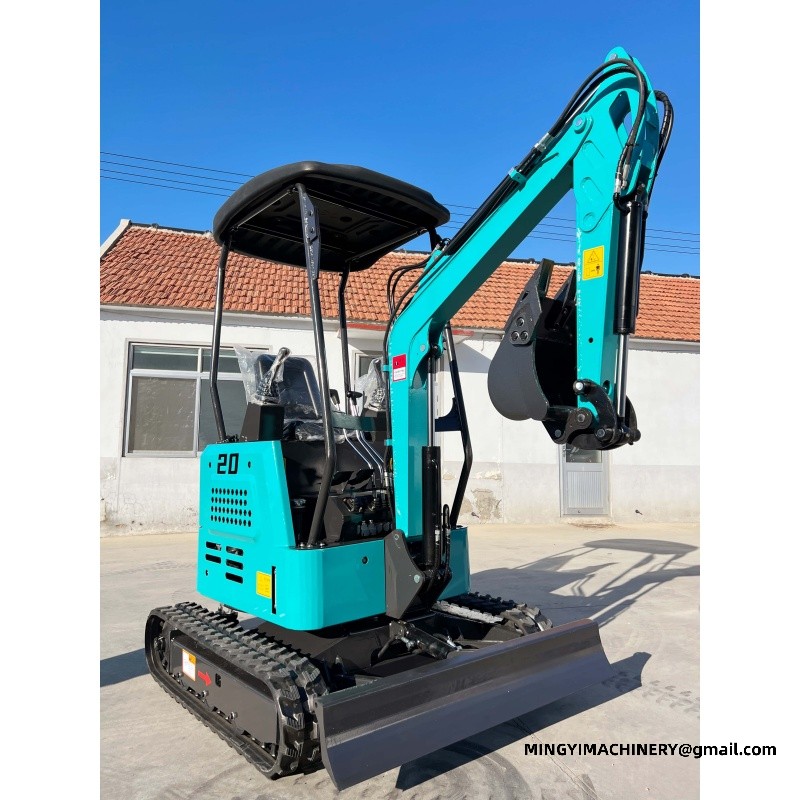
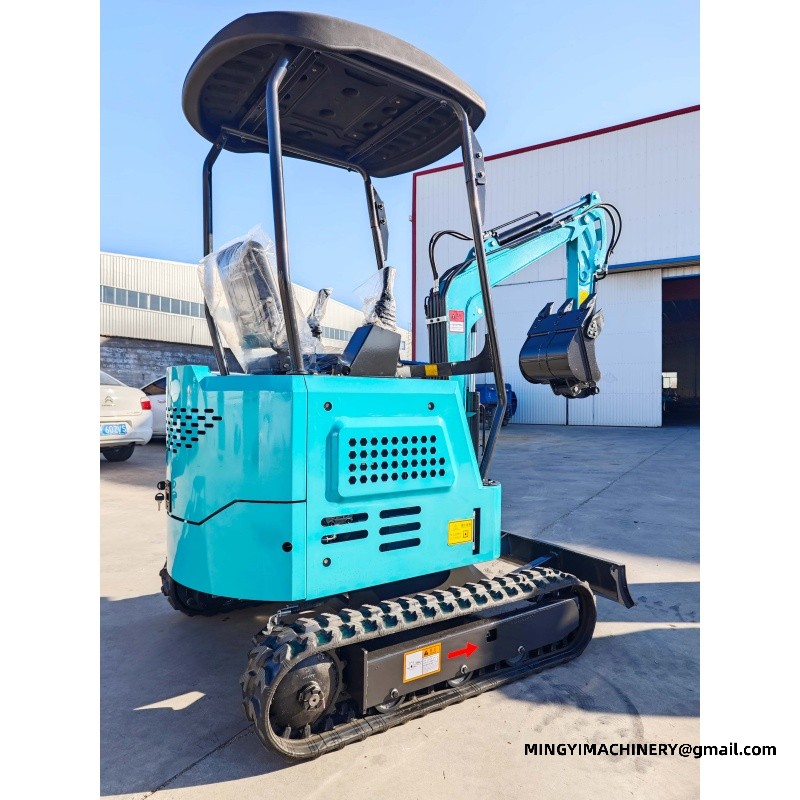
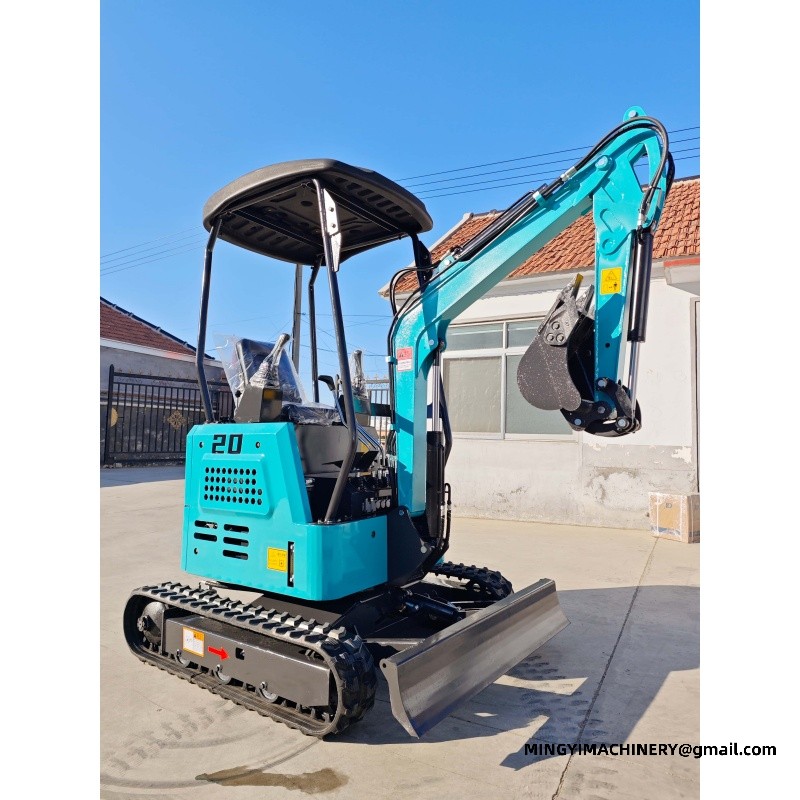
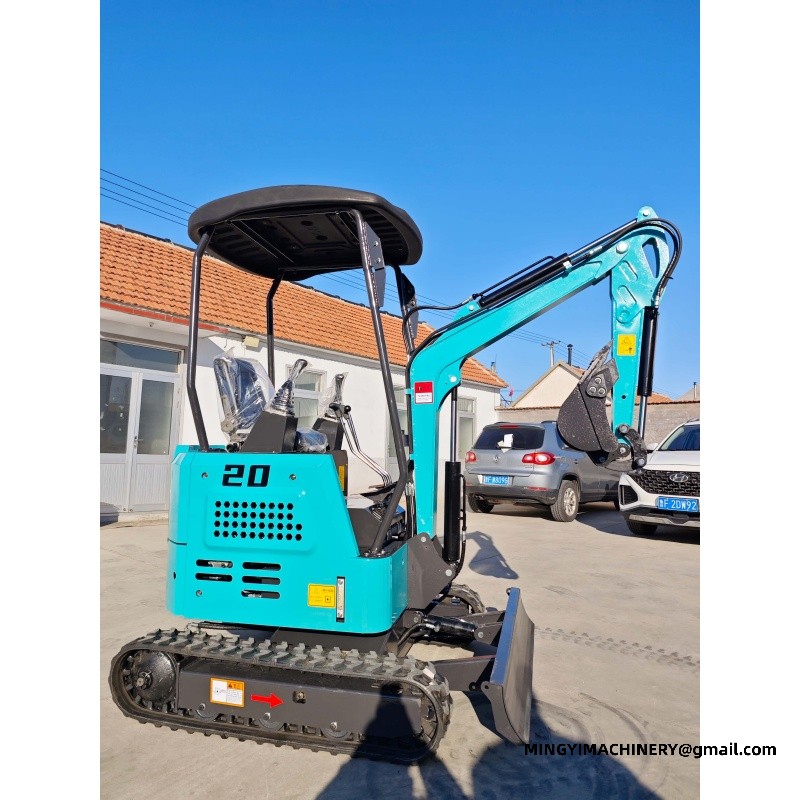
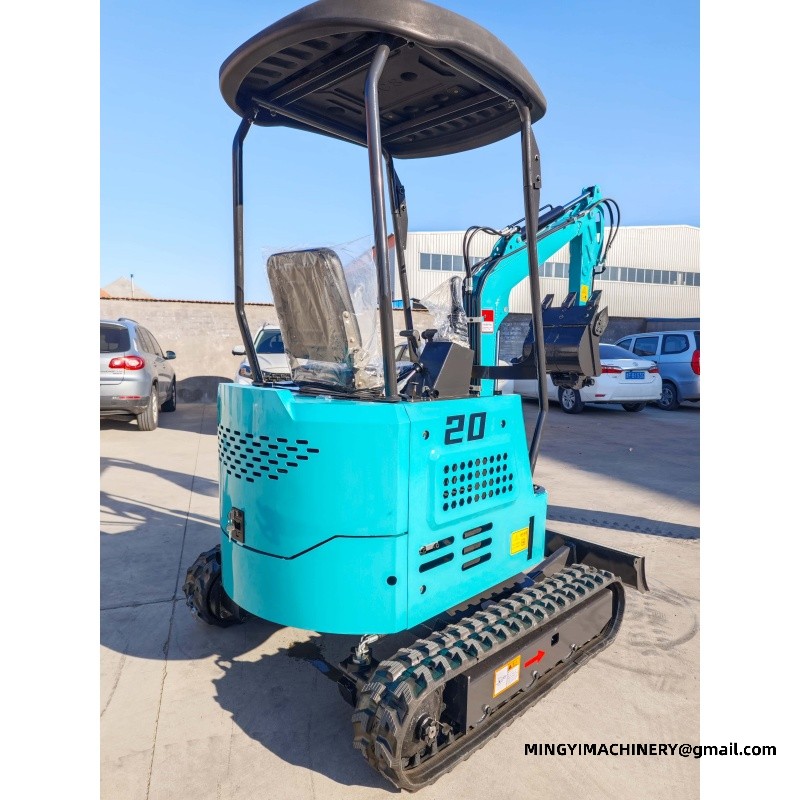
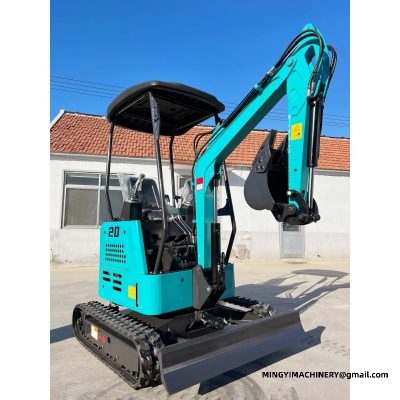
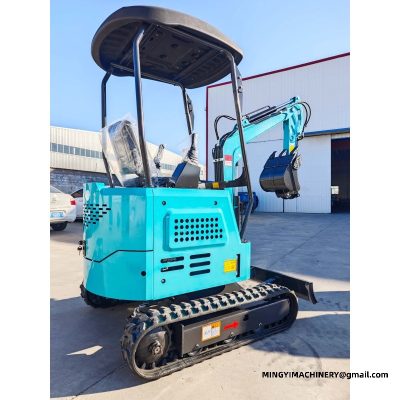
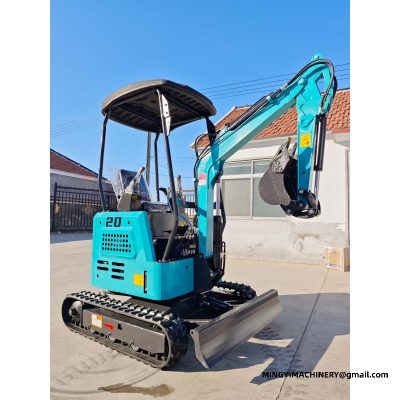
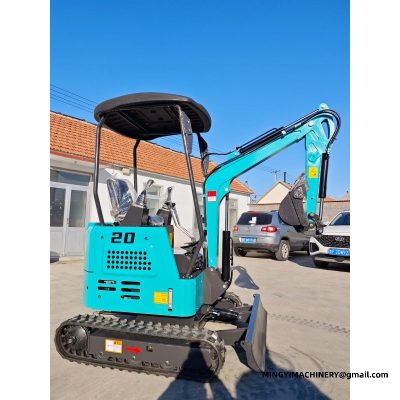
Reference specification — mini excavator range 20-1W 30-2W 12L 20-2L Operating weight 1800 kg (3968.32 lb) 2700 kg (5952.48 lb) 1200 kg (2645.55 lb) 1900 kg (4188.78 lb) Transport size (L×W×H) 2550 × 1100 × 2200 mm 3000 × 1100 × 2700 mm 2200 × 930 × 2250 mm 2600 × 1300 × 2344 mm Max digging depth 1800 mm (70.87 in) 2200 mm (86.61 in) 1700 mm (66.93 in) 2100 mm (82.68 in) Max digging height 2820 mm (111.02 in) 3000 mm (118.11 in) 2600 mm (102.36 in) 2880 mm (113.39 in) Max dumping height 2050 mm (80.71 in) 2000 mm (78.74 in) 1800 mm (70.87 in) 2100 mm (82.68 in) Max digging radius 3050 mm (120.08 in) 3800 mm (149.61 in) 2900 mm (114.17 in) 3215 mm (126.57 in) Max digging distance 2300 mm (90.55 in) 3050 mm (120.08 in) 2300 mm (90.55 in) 2460 mm (96.85 in) Minimum turning radius 1450 mm (57.09 in) 1750 mm (68.9 in) 1450 mm (57.09 in) 1587 mm (62.48 in) Travel speed 5 km/h (3.11 mph) 7 km/h (4.35 mph) 3 km/h (1.86 mph) 5 km/h (3.11 mph) Gradeability 30° 30° 30° 30° Fuel consumption 2-3 L/h (0.528—0.793 gal) 2-3 L/h (0.528—0.793 gal) 1-1.3 L/h (0.264—0.343 gal) 2-3 L/h (0.528—0.793 gal) Fuel tank capacity 16 L (4.23 gal) 16 L (4.23 gal) 10 L (2.64 gal) 16 L (4.23 gal) Hydraulic oil tank 18 L (4.76 gal) 20 L (5.28 gal) 16 L (4.23 gal) 18 L (4.76 gal) Dozer blade lift height 180 mm (7.09 in) 230 mm (9.06 in) 180 mm (7.09 in) 180 mm (7.09 in) Dozer blade drop depth 210 mm (8.27 in) 280 mm (11.02 in) 210 mm (8.27 in) 210 mm (8.27 in)
Q. Who uses the equipment in service?
A. Support turns a machine purchase into a working relationship rather than a one-time transaction. Email or LINE with the model and serial plate is the fastest route to an exact specification. MINGYI builds the 08, 12 and 18 models covering the 0.8 to 6 tonne class, and the excavator is where that range meets spare part kits.
Q. What does routine service cover?
A. Engine oil and filters, hydraulic checks, track tension, pins and bushes, and a walk-around for leaks and loose fasteners. The schedule is in the manual and the spare-part kits bundle the consumables per season.
Q. What support follows the sale?
A. Spare-part kits, wear items and service documentation ship with the programme, and the parts team works from the serial plate to match components exactly. Warranty and support terms for the spare part kits order are confirmed in writing before the machine leaves.
Keeping a service record for this class of machine
Patterns show up in the record before they show up in the machine. Rising oil consumption or a filter that keeps blocking on the unit in daily use is obvious on paper long before it becomes a failure on site.
Commissioning a machine of this size on site
The machine should be introduced to the site as well as the operator. Walking the route the equipment on site will take, noting the soft spots and the turns, prevents the kind of first-day incident that has nothing to do with the machine.
Reading the early symptoms on the machine itself
The symptom is usually not at the fault. A hydraulic function that has become sluggish on the model in question may point to a filter, a relief setting or a pump, and starting with the simple checks avoids the wrong guess.
E-mail : sales@mingycn.com
LINE ( ID ): mingyicn
Related pages
two tonne mini excavator for landscaping · mini excavator in the 1 to 3.5 tonne class · Loader Machine Supplier: Model Mix, Spares and Shipping Plans · Mini Excavators









