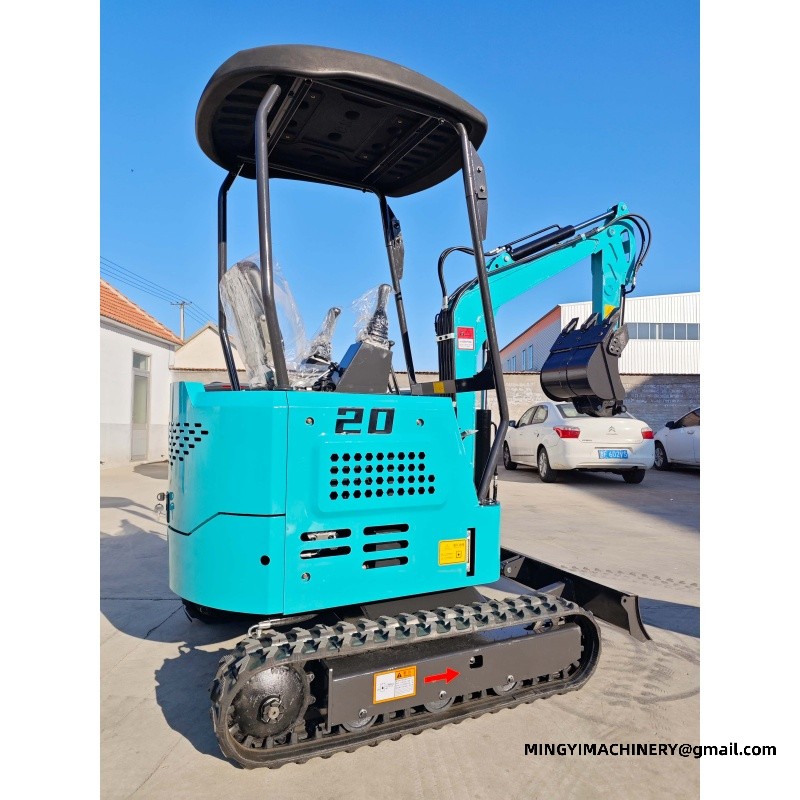
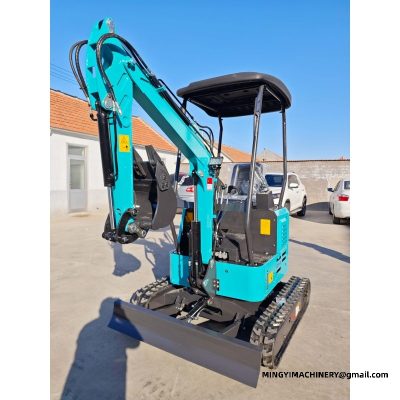
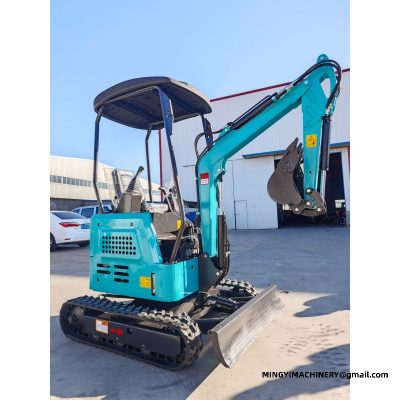
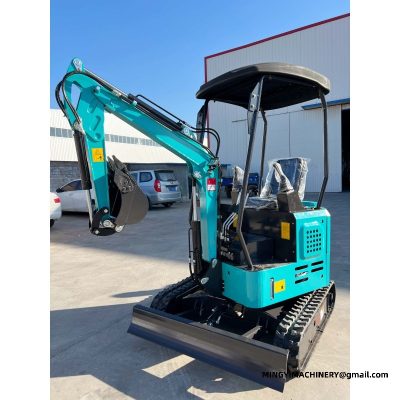
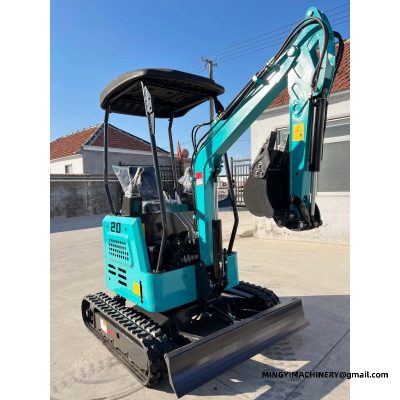
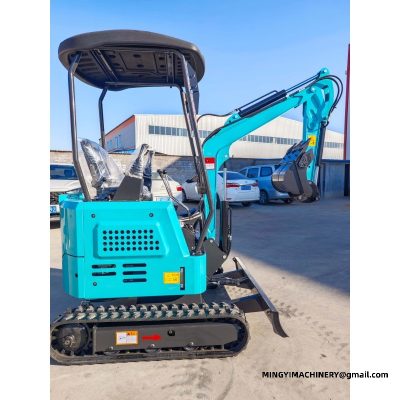
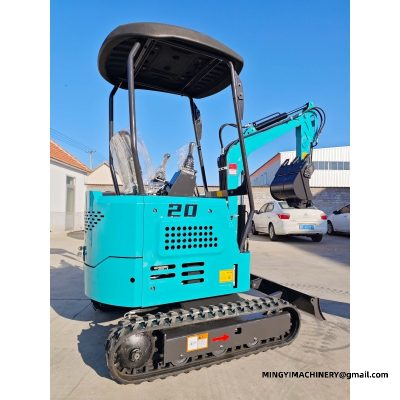
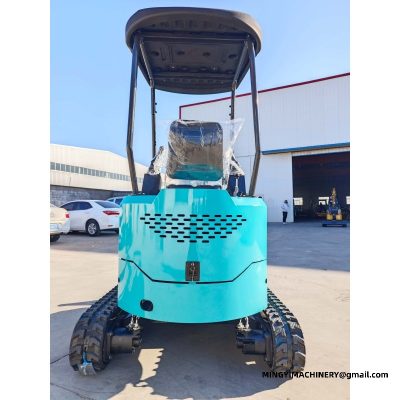
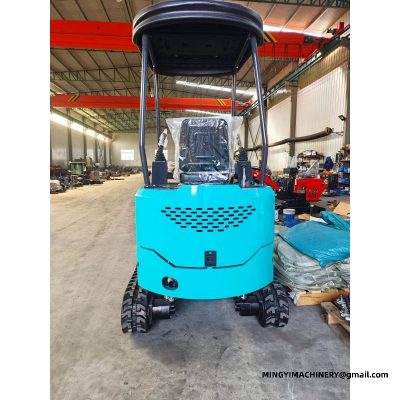
A diesel engine remains the working choice for a compact excavator used hard away from a power supply. Refuelling is straightforward on any site, and the operator is not tied to a cable or a charging point during a long shift.
MINGYI mini crawler excavators are offered with diesel power and a range of engine options selected at ordering. The engine is matched to the machine class so that the carrier has the output its attachments expect.
Diesel power for compact excavator work
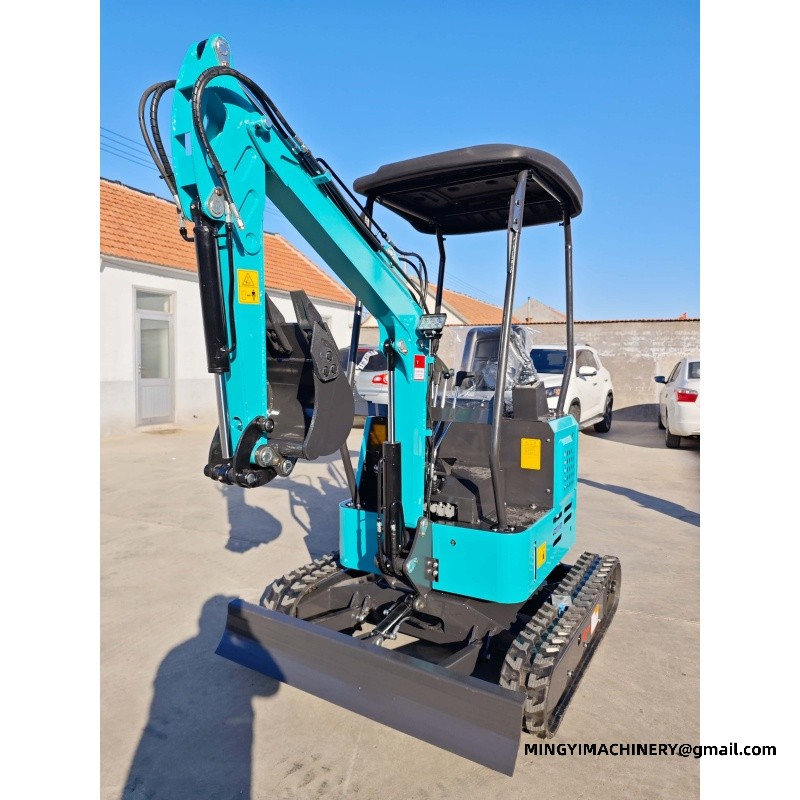
On a site with no mains power, a diesel carrier can run all day without a charging break. That suits groundworks, trenching and breaking, where the machine is running under load for long stretches rather than idling.
Diesel also keeps a small machine independent of the trailer and generator that battery charging would require. For export buyers, that simplicity is often the deciding factor in a procurement round.
Diesel engine options matched to the machine
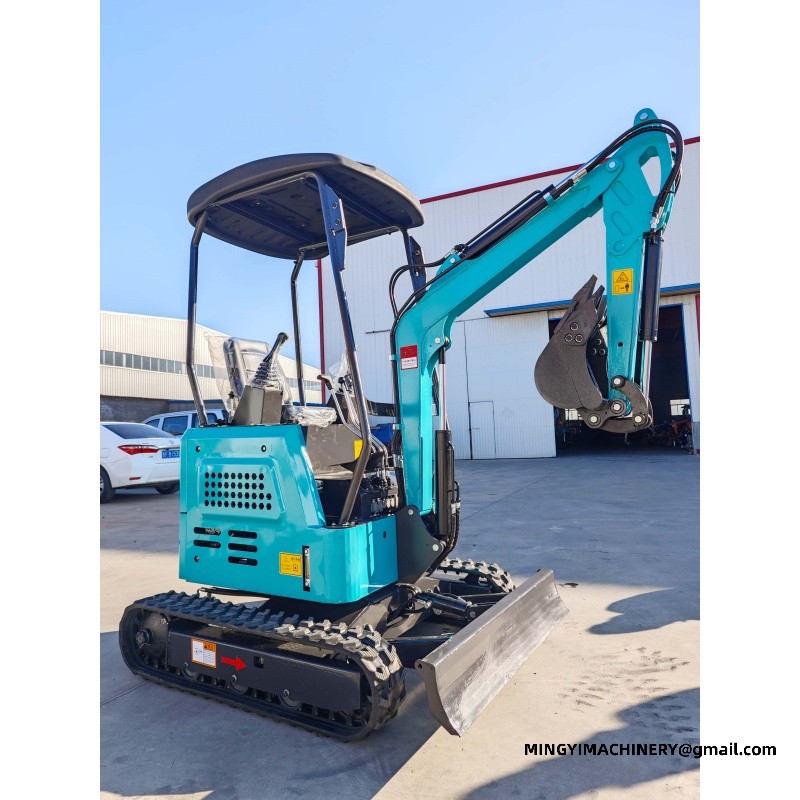
MINGYI builds units around engines including the Kubota D722, Kubota D902, YANMAR and the Changchai, Laidong, Runtong, YARMAX, Youpu 2V80 and Youpu 195 ranges. The choice is fixed when the machine is ordered.
Each engine is paired with the hydraulic system of the carrier, so the working output is defined by the specification rather than added later. Service information for the fitted engine is supplied with the unit.
Engine, cab form and attachment list are the items to fix when ordering a diesel machine. Agreeing them at the outset means the carrier is assembled around the buyer's own working conditions.
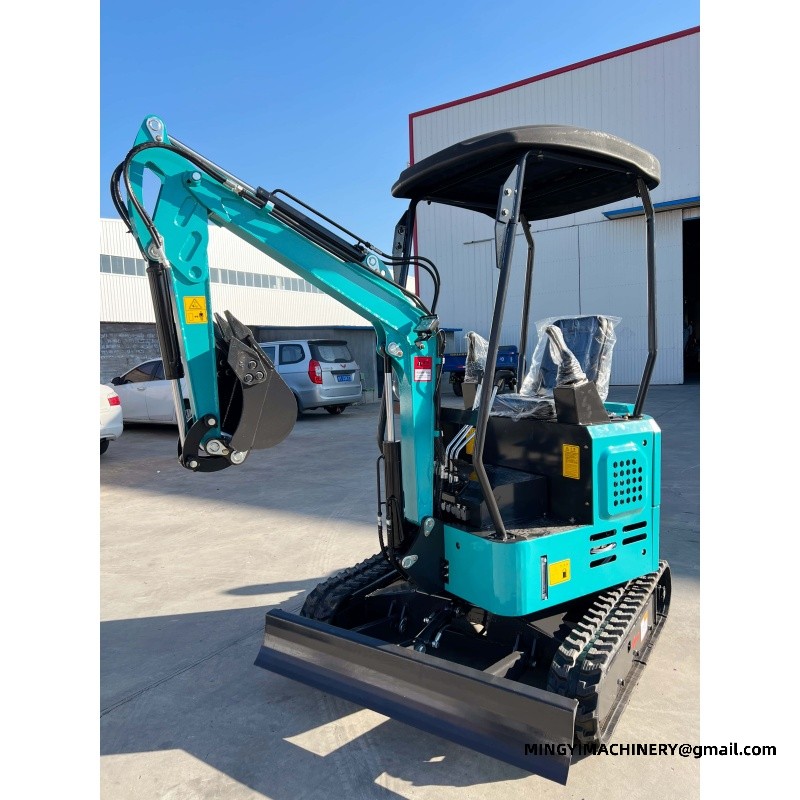
Working a diesel mini excavator for long shifts through the seasons Weather decides which days are productive. Rain turns some ground unusable and cold changes how the excavator starts and warms up, so planning the wet months around maintenance is more useful than planning around output. Heat and dust are as limiting as rain. Air intake condition and cooling cleanliness decide how this class of machine behaves in a dry season, and both are checked in a minute rather than repaired later. Interior and light demolition with diesel mini excavator for long shifts Interior demolition is an access and a weight question. The unit in daily use that fits through a doorway and works on a suspended floor does jobs that would otherwise be done by hand or by a larger machine that cannot enter. Breaking out a floor slab, a wall footing or a concrete step is routine work for a machine of this size with a breaker. The machine is small enough to work inside and heavy enough to run the tool at a practical rate. Working near live services with diesel mini excavator for long shifts The risk on utility work is not machine power but machine placement. The equipment on site that fits the working width leaves the surrounding ground undisturbed, which keeps the trench stable and the reinstatement small. Utility crews specify the machine itself with a narrow bucket and good visibility for exactly this reason: the machine has to stop at the service, not at the edge of the operator's view. Operator technique for diesel mini excavator for long shifts Output on a compact machine comes from placement rather than power. An experienced operator keeps the model in question working inside the swing arc, positions once and digs a full run instead of repositioning for every bucket. Stability is the third. The machine in that duty working across the tracks rather than over the corners keeps the machine steady and the undercarriage loaded evenly, which shows up as track life at the end of the season. Orchard, vineyard and farm use of diesel mini excavator for long shifts Orchard and vineyard work is carried out between rows. The unit on the job with a narrow chassis and a swing boom works down the row without damaging the trees, which is the reason a full-size machine is not used at all. Farms also use a machine built for the work for general maintenance - clearing a watercourse, repairing a track, loading a spreader. One carrier with a few attachments covers most of the jobs that would otherwise wait for a contractor. Daily checks and maintenance on diesel mini excavator for long shifts Daily maintenance on the equipment in service is a short list: engine oil level, coolant, track tension, hydraulic oil level and a look at the hoses. Ten minutes at the start of the shift prevents most of the failures that stop a machine. Greasing is the second item. The slew ring, the boom and arm pins and the bucket linkage on the excavator take grease daily in dusty work, and the intervals shorten further when the machine is used in water or mud. Working on slopes and uneven ground with this class of machine Slope work is a stability question before it is a traction question. Knowing the gradient the unit in daily use is rated for, and working across rather than straight up where the ground allows, removes most of the risk. Planning the direction of travel helps. Working so that the a machine of this size is stable under load and not required to turn on a slope is a decision made before the job starts, not a correction made during it. Canopy or enclosed cab on the equipment on site A canopy keeps the machine light and the operator aware of the surroundings, which suits short jobs in warm weather. A fully enclosed cab is specified where rain, dust or cold are part of the working year, and it can be added to the machine itself as a retrofit rather than only at build time. The cab decision follows the climate and the hours. Operators working a full shift in the model in question benefit from a sealed cab with wipers and heating; operators stepping on and off every few minutes usually prefer the canopy for the visibility and the quick exit. Parts, service and support for the machine in that duty Support after delivery is a parts question. Wearing items for the unit on the job - filters, belts, track components, bucket teeth and pins - are the items a buyer should plan to hold before the first service interval. Remote support is handled by video. A machine built for the work fault can often be diagnosed on a walk-around call with the panel open, which is faster than waiting for a visit and avoids shipping a part that is not needed. Municipal and public works with the equipment in service Municipal crews work on streets, footpaths and parks where the public is present. The excavator is specified because it occupies little space, works inside a small exclusion zone and can be moved on a standard trailer. Noise and surface protection matter on public work. This class of machine on rubber tracks across paving, with a sealed cab for the operator, suits the conditions better than a larger tracked machine. Trenching work with the unit in daily use Service trenches are the most common reason a machine of this size is hired. Water, sewage, cable and gas runs are narrow, shallow and often close to existing services, which is exactly the work a full-size machine cannot do safely. Trench quality depends on the bucket width and the operator, not on machine size. The equipment on site with a narrow bucket and a swing boom cuts a clean run along a boundary without disturbing the ground either side of it. Specification data for the machine itself The figures below are the factory figures for the models most often matched to the model in question. They are the numbers to check against the site: the depth the work needs, the reach from one position, and the width of the narrowest point on the route in. These are the reference figures for the machine in that duty. MINGYI confirms the final build sheet, including engine and attachment choices, against the destination and the job list before production. Road repair generates short, interrupted jobs - a patch, a drainage connection, a kerb line. The unit on the job is economical here because it travels on a small trailer and starts working minutes after arriving. Patching and reinstatement favour a machine that can work in a lane closure. A machine built for the work occupies less road than a full-size excavator, which reduces the traffic management needed and the length of the closure.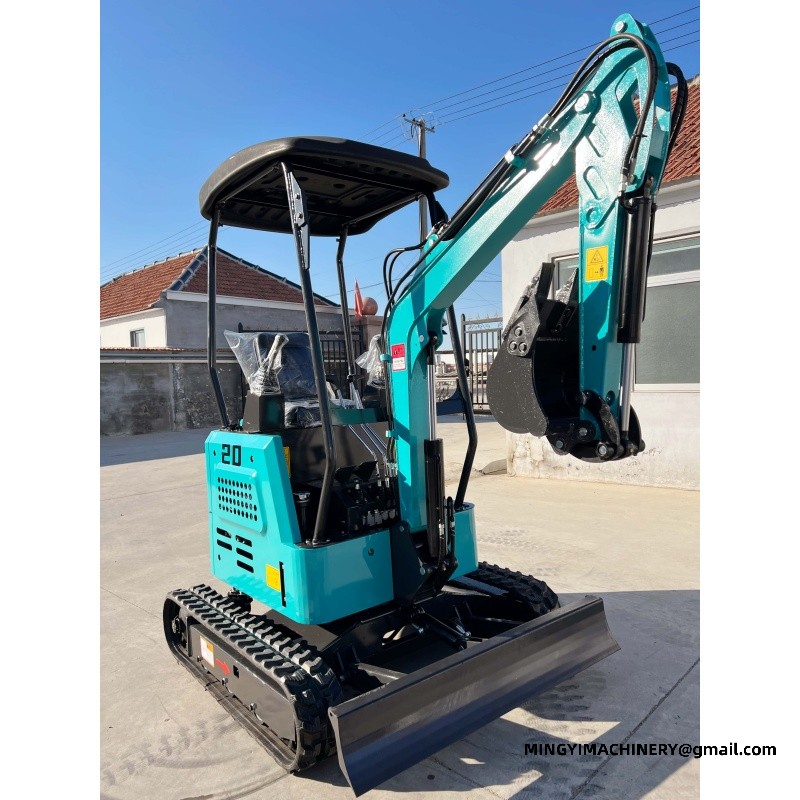
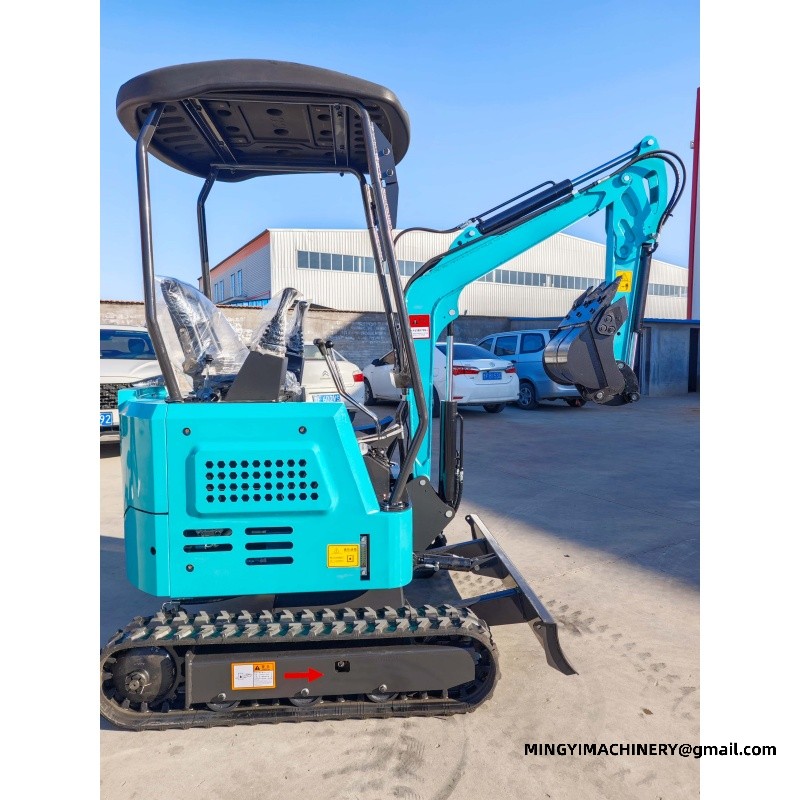
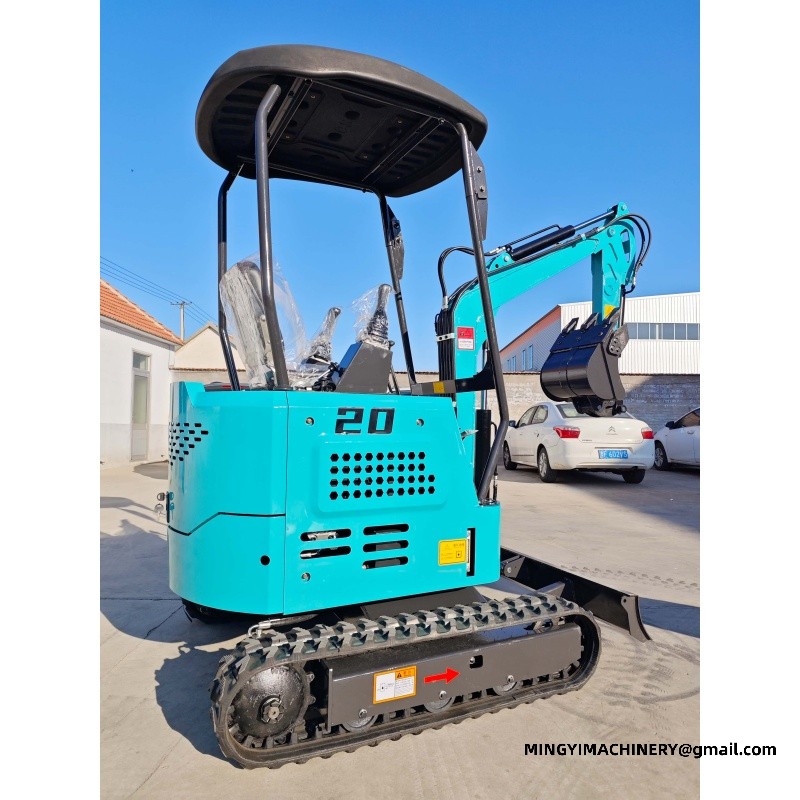
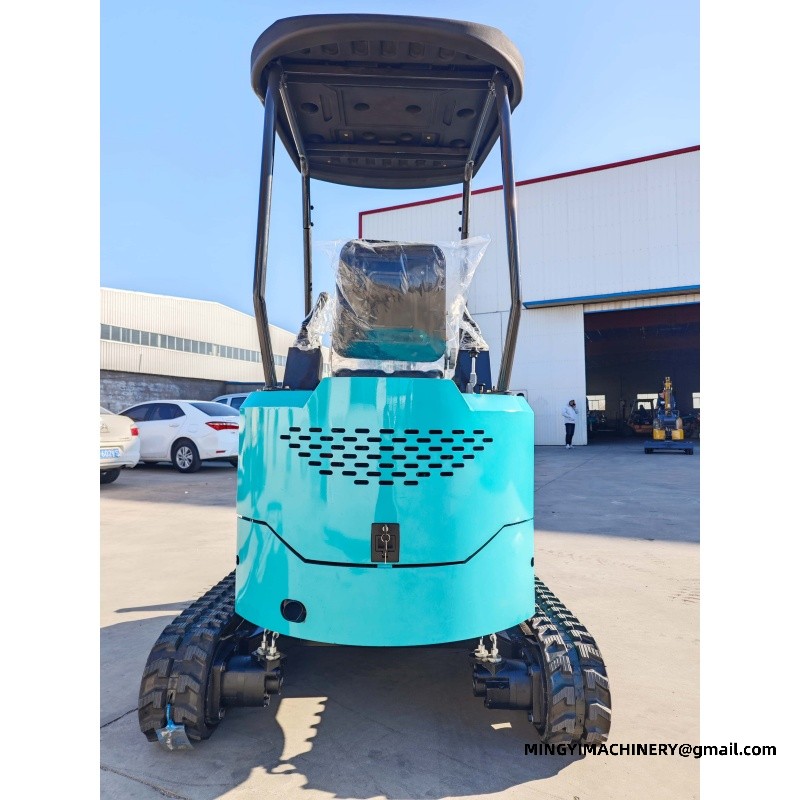
Reference specification — mini excavator range 09W 12W 12L 25L Operating weight 1100 kg (2425.08 lb) 1200 kg (2645.55 lb) 1200 kg (2645.55 lb) 2200 kg (4850.17 lb) Transport size (L×W×H) 1800 × 750 × 1970 mm 2200 × 930 × 2250 mm 2200 × 930 × 2250 mm 3000 × 1300 × 2700 mm Max digging depth 1250 mm (49.21 in) 1630 mm (64.17 in) 1700 mm (66.93 in) 2300 mm (90.55 in) Max digging height 2800 mm (110.24 in) 2750 mm (108.27 in) 2600 mm (102.36 in) 3100 mm (122.05 in) Max dumping height 1700 mm (66.93 in) 1960 mm (77.17 in) 1800 mm (70.87 in) 2050 mm (80.71 in) Max digging radius 2570 mm (101.18 in) 2900 mm (114.17 in) 2900 mm (114.17 in) 3900 mm (153.54 in) Max digging distance 1869 mm (73.58 in) 2100 mm (82.68 in) 2300 mm (90.55 in) 3100 mm (125.05 in) Minimum turning radius 1000 mm (39.37 in) 1300 mm (51.18 in) 1450 mm (57.09 in) 1800 mm (70.87 in) Travel speed 3 km/h (1.86 mph) 3 km/h (1.86 mph) 3 km/h (1.86 mph) 7 km/h (4.35 mph) Gradeability 30° 30° 30° 30° Fuel consumption 1-1.3 L/h (0.264—0.343 gal) 1-1.3 L/h (0.264—0.343 gal) 1-1.3 L/h (0.264—0.343 gal) 2-3 L/h (0.528—0.793 gal) Fuel tank capacity 8 L (2.11 gal) 10 L (2.64 gal) 10 L (2.64 gal) 16 L (4.23 gal) Hydraulic oil tank 16 L (4.23 gal) 16 L (4.23 gal) 16 L (4.23 gal) 18 L (4.76 gal) Dozer blade lift height 180 mm (7.09 in) 180 mm (7.09 in) 180 mm (7.09 in) 230 mm (9.06 in) Dozer blade drop depth 210 mm (8.27 in) 210 mm (8.27 in) 210 mm (8.27 in) 280 mm (11.02 in)
Q. What are the equipment in service?
A. The engine is the part of a mini excavator that sets the duty cycle: steady torque for long shifts, simple service for short property jobs. Across the 0.8 to 6 tonne class MINGYI builds as the 08, 12 and 18 models, the engine is a choice rather than a fixed fit. Read the excavator together with the engine, track and attachment pages: jobs around long shifts are decided by how those choices line up, not by any single number on the sheet.
Q. Can the engine be replaced later?
A. Yes, and the replacement-engine pages cover the practical side: mounts, hydraulics and cooling have to line up with the new unit. Send the model and the running hours by email or LINE and the factory confirms which engines drop into which machines without cutting the frame.
Q. Can I see the machine before it ships?
A. Inspection is arranged at the factory, in person or by a scheduled video walk-around - the same session covers paint, decals and attachment fitment for the long shifts specification, so the machine inspected is the machine that ships.
Cold weather and winter care for this class of machine
Winter is hard on rubber and on seals as much as on the engine. Parking the unit in daily use under cover, keeping the tracks or tyres off standing water and checking the hoses for cracking are all part of the season.
Commissioning a machine of this size on site
Commissioning is where the specification meets the ground. The settings chosen for the equipment on site are confirmed against the actual site, and the working pattern is adjusted before the machine is asked for a full day.
E-mail : sales@mingycn.com
LINE ( ID ): mingyicn
Working alongside other plant with diesel mini excavator for long shifts
Most site incidents between machines are about sequencing rather than about skill, meaning who is in the arc, who is loading whom and who moves next.
Exclusion zones drawn on the ground work better than zones described in a meeting, and they are re-drawn when the job phase changes.
Related pages
canopy mini excavator for low headroom · cabin mini excavator for year round work · Heavy Duty Wheel Loader: Hinge Plates and Cross-Member Steel · Mini Excavators









