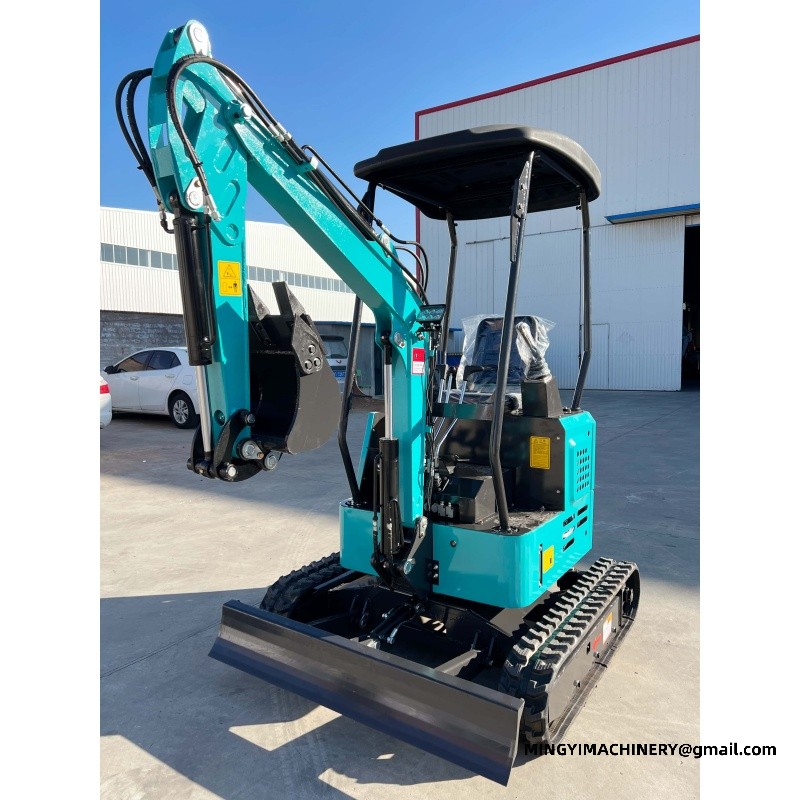
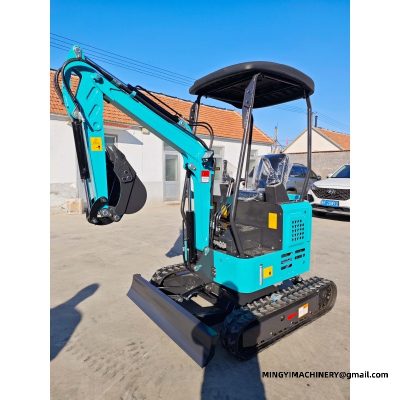
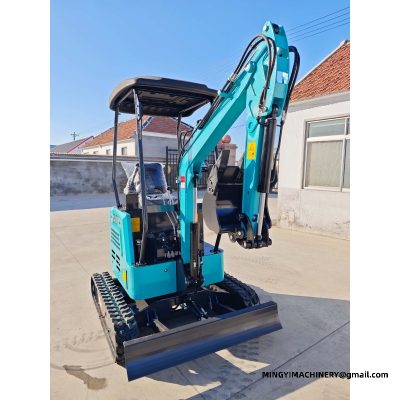
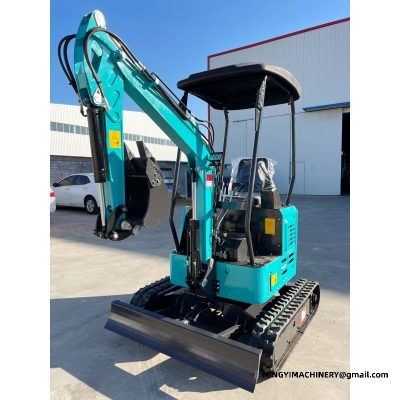
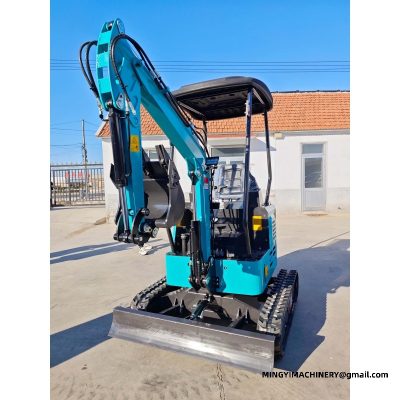
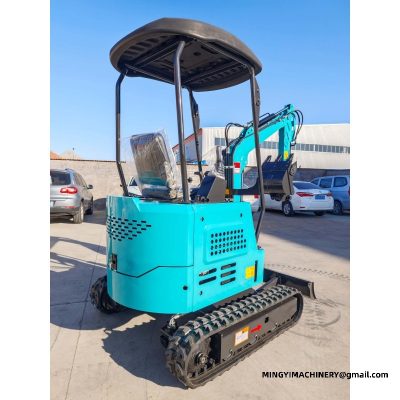
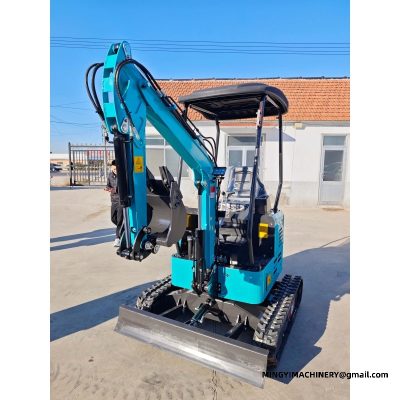
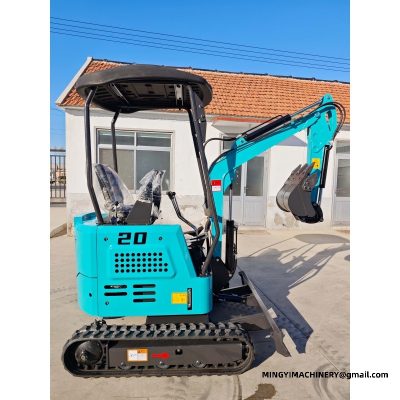
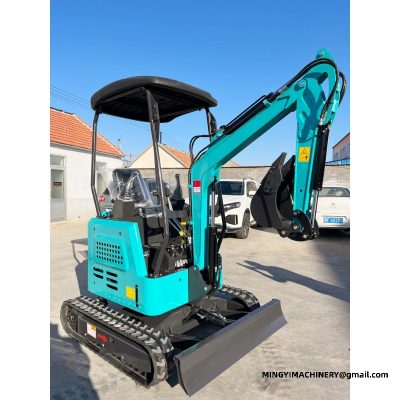
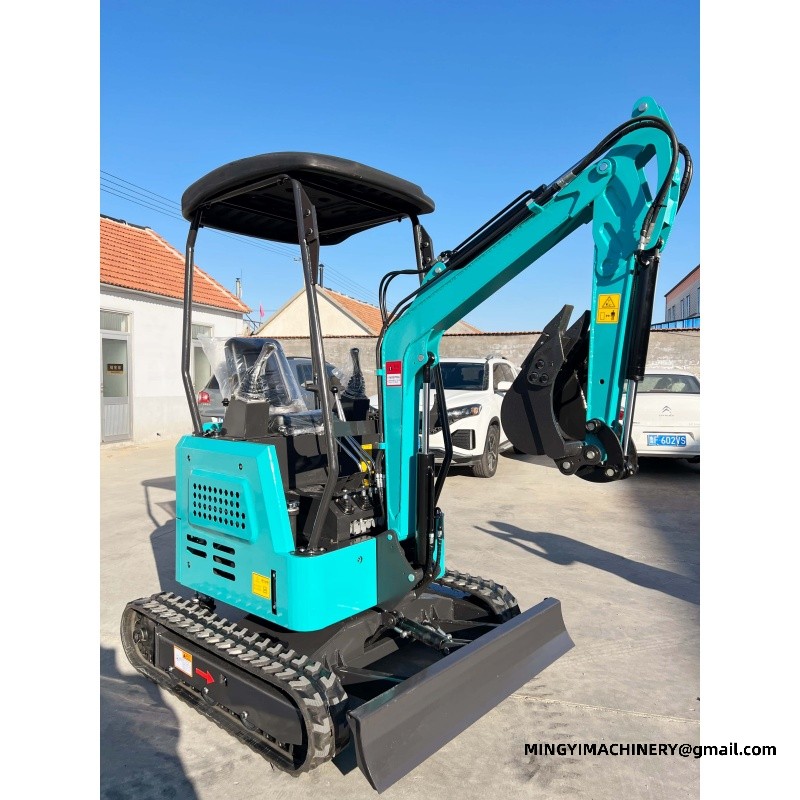
A cabin changes how a compact excavator is used through the year. An operator who would stop work in rain or cold on an open canopy machine can keep going in an enclosed cab, which extends the working season for a contractor.
MINGYI builds mini crawler excavators in both canopy and cab formats, so the choice is made at the ordering stage to match the climate and the kind of site the machine will work.
What a mini excavator cabin changes on site
A cabin does more than keep the weather out. It gives the operator a controlled place to work, keeps dust off the controls and provides somewhere to mount the instruments and switches that a contractor expects on a machine used all day.
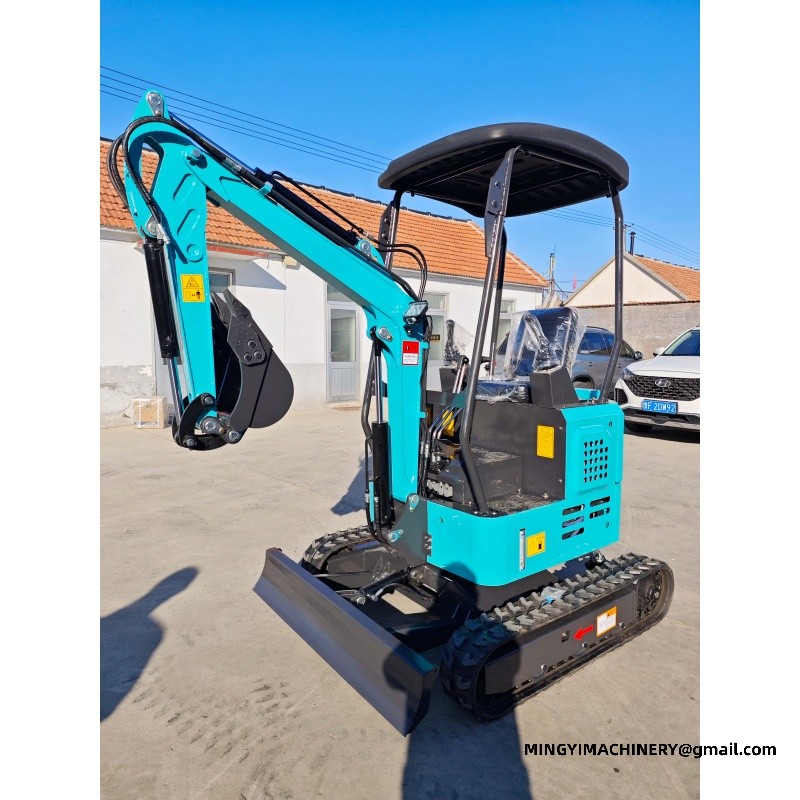
The trade-off is height and access. A cab machine is taller than a canopy unit, which matters where the excavator has to pass under a low doorway or travel on a trailer with a tight limit.
Cab layout and daily access
For an operator the cab is judged on how easy it is to get in and out and how much can be seen from the seat. Good glazing and a sensible door position let the operator watch the bucket and the trench edge without leaving the machine.
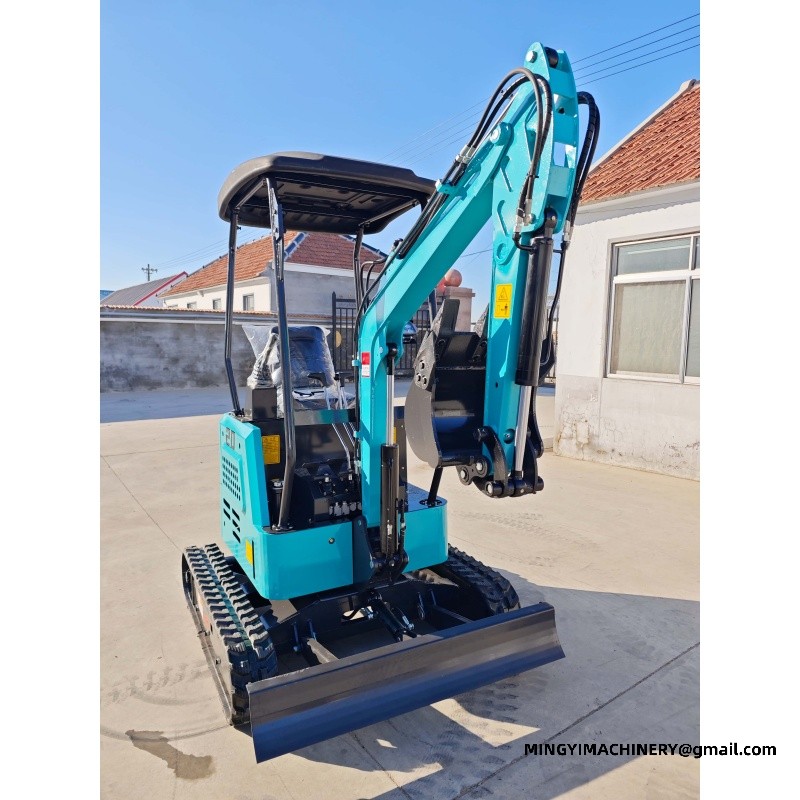
MINGYI sets the cab layout to the controls fitted, so a machine going out with a hydraulic quick coupler or a tilting bucket has the levers within reach without the operator looking away from the work.
Choosing a cab is a decision about the climate and the working season as much as about comfort. Where a machine runs through cold or wet months, the enclosed format keeps an operator productive and the job on schedule.
Orchard, vineyard and farm use of cabin mini excavator for year round work Ditching, fertilising and drainage on farmland suit the excavator because the work is spread over a large area in short bursts. The machine travels behind a pickup and works where it stops. Farms also use this class of machine for general maintenance - clearing a watercourse, repairing a track, loading a spreader. One carrier with a few attachments covers most of the jobs that would otherwise wait for a contractor. Daily checks and maintenance on cabin mini excavator for year round work Daily maintenance on the unit in daily use is a short list: engine oil level, coolant, track tension, hydraulic oil level and a look at the hoses. Ten minutes at the start of the shift prevents most of the failures that stop a machine. Track tension is the item most often neglected. A machine of this size run with slack tracks wears the undercarriage and can throw a track on a turn; run too tight, the same components wear from the other direction. Acceptance checks when a cabin mini excavator for year round work arrives Delivery day is the best time to find a problem. Checking the specification against the order, the fluid levels, the fasteners and any transport damage while the machine itself is still on the trailer is faster than claiming later. A function check before the machine goes to work is worth the hour. Running through the controls, the travel and the attachment circuit on the equipment on site confirms it is set up as specified and ready for the site. Export packing and shipping of cabin mini excavator for year round work Machines leave the factory prepared for container or flat rack shipment. The model in question is normally shipped with the attachment set and the spare parts list agreed in advance so the container is planned once. Export documentation, decals and paint are settled before packing. Asking for them with the machine in that duty order avoids a second handling session and keeps the machine on the booked vessel. OEM and fleet customisation of cabin mini excavator for year round work Distributors and rental fleets usually need the machine to look like theirs. Paint, decals, seat colour and attachment branding can be specified on the unit on the job at build time rather than applied after import. Documentation can be prepared to suit the importer. Manuals, parts books and decal sets for a machine built for the work can be supplied with the buyer's own branding where the order size justifies it. Trenching work with cabin mini excavator for year round work Service trenches are the most common reason the equipment in service is hired. Water, sewage, cable and gas runs are narrow, shallow and often close to existing services, which is exactly the work a full-size machine cannot do safely. Depth control matters more on service work than speed. The excavator working beside live services is chosen because it can be placed precisely and stopped instantly, which is what the job actually requires. Quick coupler practice on this class of machine A quick coupler is the single option that changes how a machine is used day to day. Fitted to the unit in daily use, it turns an attachment change from a two-person workshop job into a task the operator does alone in minutes. Couplers are specified early because they affect the arm and the hydraulic kit. Adding one to a machine of this size after delivery means new pins, new hoses and a fitment session; adding it at build time is a line on the sheet. Hiring versus owning the equipment on site The choice follows the hours. Work that fills a few weeks a year is usually better hired, while the machine itself that would be on site most weeks starts to justify ownership once the transport and booking time is counted. Ownership brings obligations that hiring does not. Storage, servicing, insurance and an operator are the items to set against the hire rate before deciding which way the model in question should be supplied. Matching the machine in that duty to ground conditions Soft ground is a flotation problem, not a power problem. The unit on the job on wide rubber tracks crosses lawn, sand and cultivated soil that would stop a narrower machine or a wheeled unit of the same capacity. Hard and abrasive ground reverses the specification. On rock, demolition rubble or sharp gravel, steel tracks with rubber blocks on a machine built for the work survive conditions that cut a rubber belt quickly. Noise, dust and working near occupied buildings Enclosure and machine condition both reduce noise. The equipment in service with intact panels, sound mounts and a maintained exhaust is measurably quieter than the same machine with loose guards, and the difference matters on restricted sites. Dust control is often part of the same conversation. Water, timing and work sequence reduce what leaves the site, and agreeing them in advance keeps the excavator working rather than stopped after a complaint. Parts, service and support for this class of machine Support after delivery is a parts question. Wearing items for the unit in daily use - filters, belts, track components, bucket teeth and pins - are the items a buyer should plan to hold before the first service interval. Engine parts availability usually drives the engine choice. A machine of this size built with an engine the local network already carries is serviced from stock rather than from an international order. Specification data for the equipment on site Where the machine itself is being specified for a job list, the table below gives the factory figures that matter most: what the machine weighs, how deep and how far it works, and what it measures on a trailer. These are the reference figures for the model in question. MINGYI confirms the final build sheet, including engine and attachment choices, against the destination and the job list before production. Lifting with a machine built to dig needs a plan. The load, the radius and the ground under the unit on the job all matter, and the safe figure is the one on the chart rather than the one that looks possible. Ground condition under the machine is part of every lift. Soft or uneven support is the common factor in handling incidents, and checking it takes less time than recovering the machine in that duty that has settled.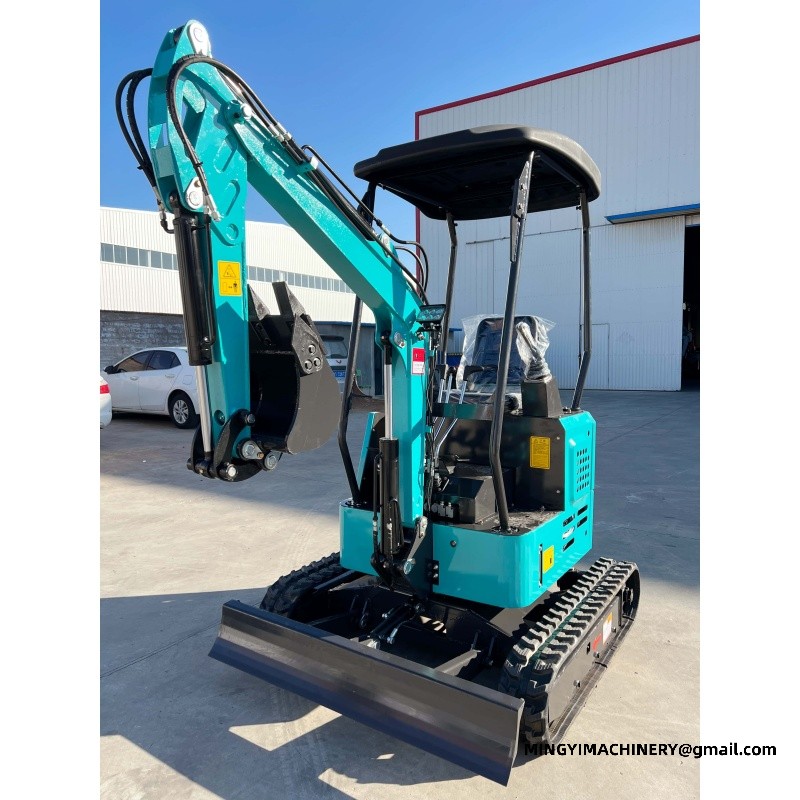
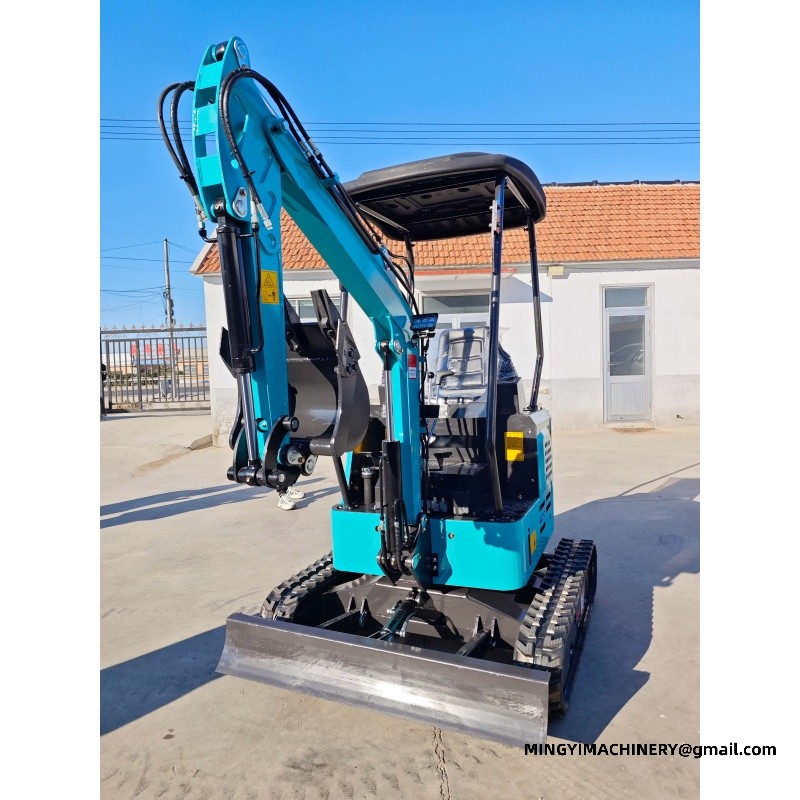
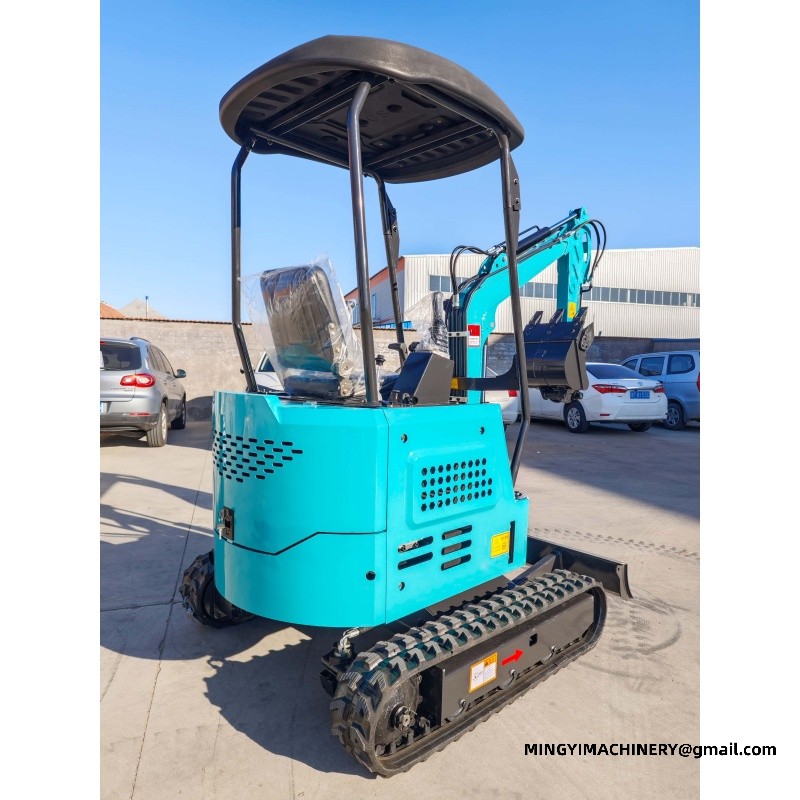
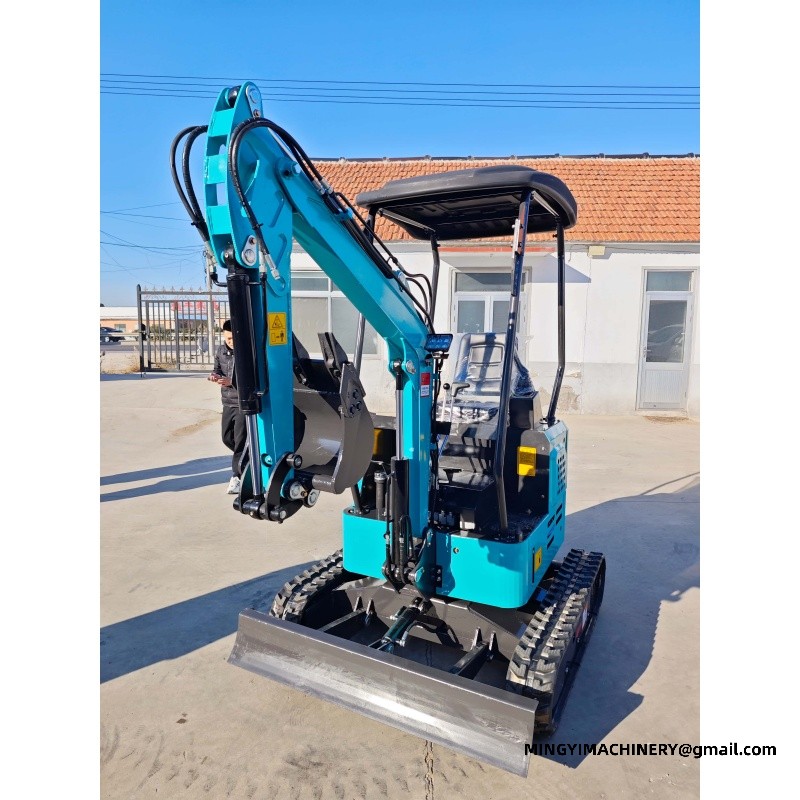
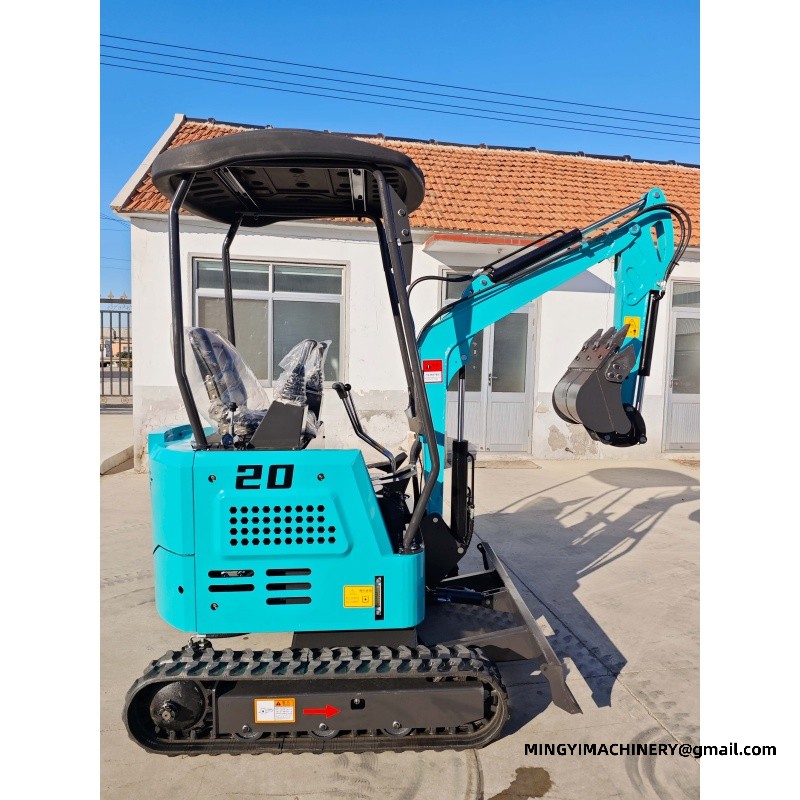
Reference specification — mini excavator range 12W 20-1WL 25L 30-2L Operating weight 1200 kg (2645.55 lb) 1900 kg (4188.78 lb) 2200 kg (4850.17 lb) 2400 kg (5291 lb) Transport size (L×W×H) 2200 × 930 × 2250 mm 2550 × 1100 × 2200 mm 3000 × 1300 × 2700 mm 2800 × 1500 × 2500 mm Max digging depth 1630 mm (64.17 in) 1800 mm (70.87 in) 2300 mm (90.55 in) 2200 mm (86.61 in) Max digging height 2750 mm (108.27 in) 2820 mm (111.02 in) 3100 mm (122.05 in) 2900 mm (114.17 in) Max dumping height 1960 mm (77.17 in) 2050 mm (80.71 in) 2050 mm (80.71 in) 2100 mm (82.68 in) Max digging radius 2900 mm (114.17 in) 3050 mm (120.08 in) 3900 mm (153.54 in) 3330 mm (131.1 in) Max digging distance 2100 mm (82.68 in) 2300 mm (90.55 in) 3100 mm (125.05 in) 2700 mm (106.3 in) Minimum turning radius 1300 mm (51.18 in) 1450 mm (57.09 in) 1800 mm (70.87 in) 1555 mm (61.22 in) Travel speed 3 km/h (1.86 mph) 5 km/h (3.11 mph) 7 km/h (4.35 mph) 7 km/h (4.35 mph) Gradeability 30° 30° 30° 30° Fuel consumption 1-1.3 L/h (0.264—0.343 gal) 2-3 L/h (0.528—0.793 gal) 2-3 L/h (0.528—0.793 gal) 2-3 L/h (0.528—0.793 gal) Fuel tank capacity 10 L (2.64 gal) 16 L (4.23 gal) 16 L (4.23 gal) 16 L (4.23 gal) Hydraulic oil tank 16 L (4.23 gal) 18 L (4.76 gal) 18 L (4.76 gal) 18 L (4.76 gal) Dozer blade lift height 180 mm (7.09 in) 180 mm (7.09 in) 230 mm (9.06 in) 230 mm (9.06 in) Dozer blade drop depth 210 mm (8.27 in) 210 mm (8.27 in) 280 mm (11.02 in) 280 mm (11.02 in)
Q. Who chooses a machine built for the work?
A. The operator environment sets the shift: a canopy keeps the machine light and low for indoor and warm-climate work, a cab adds glass, heat and air for year-round duty. Suspension seats and sensible control layout decide how the operator feels at hour eight, which decides how the work looks. MINGYI builds the 08, 12 and 18 models covering the 0.8 to 6 tonne class, and the equipment in service is where that range meets year round work.
Q. Canopy or cab - how do I choose?
A. Headroom and climate decide: the canopy keeps the machine light and low for indoor and warm-climate work, the cab adds glass, heat and air for year-round shifts. Both run the same hydraulics, so nothing is lost either way.
Q. What about colours and branding?
A. OEM colours and decals are part of the build: private-label machines carry the buyer brand on the standard MINGYI platform, and the year round work order confirms colours, marks and documents before production starts.
Hot, humid and dusty conditions around the excavator
Tropical operation is a specification question as much as a maintenance one. The cooling capacity, the sealing and the corrosion protection fitted to this class of machine are what make the difference once the ambient temperature rises.
Planning the season around the unit in daily use
Downtime is simplest when it is planned. Booking the service for a machine of this size in the quiet part of the season takes nothing from the schedule, while the same work in the busy weeks gives up a day of output every time.
E-mail : sales@mingycn.com
LINE ( ID ): mingyicn
Water, mud and recovery planning for cabin mini excavator for year round work
A stuck machine is usually recovered badly, and a rated recovery point, a proper sling and a second machine with enough capacity keep a delay from becoming a repair.
Greasing before and after wet work pushes water out of the pins, and it is the single habit most worth keeping through a muddy season.
Planning the exit route before entering soft ground takes less time than planning the recovery afterwards.
Lifting, tie-down and transport securing of cabin mini excavator for year round work
The rated capacity of the crane and the slings is checked against the shipping weight of the machine rather than its working weight.
Related pages
zero tail swing digger for narrow lanes · offset boom digger for wall work · Front Wheel Loader: Reading Boom, Hinge and Axle Specifications · Mini Excavators









