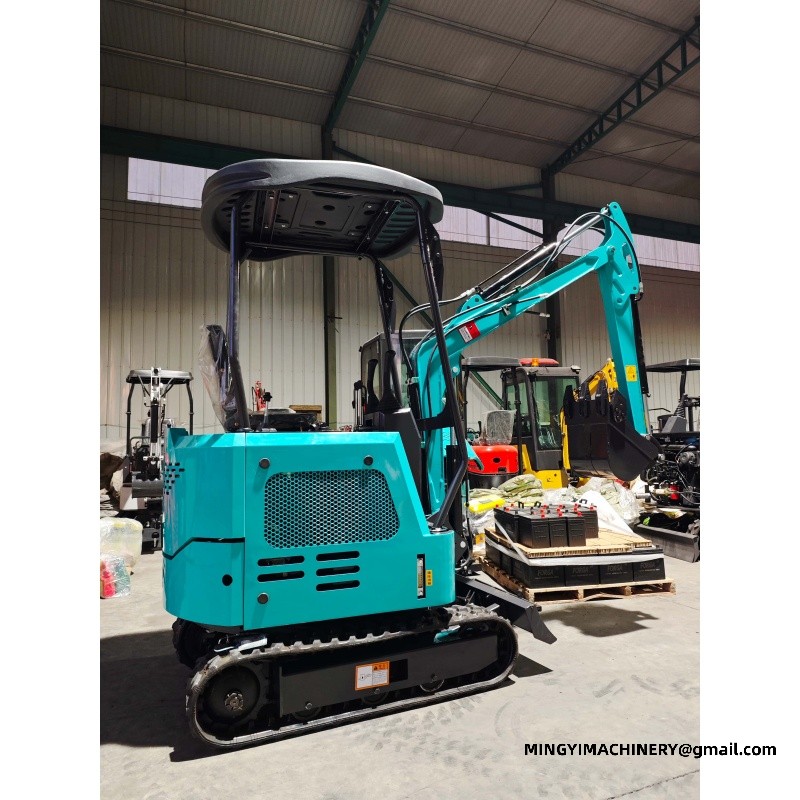
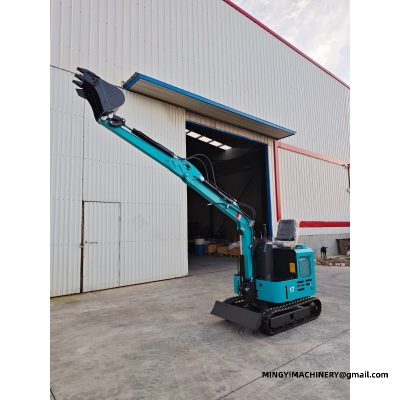
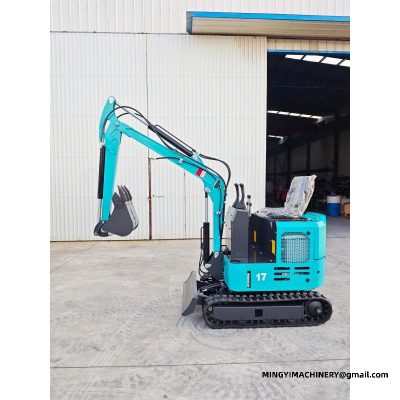
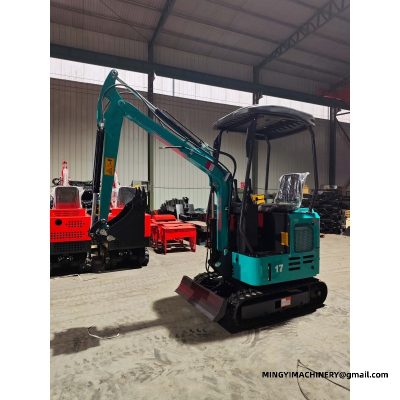
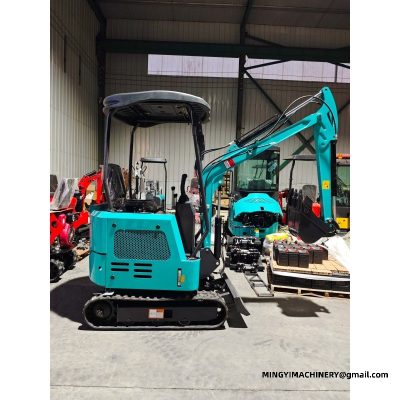
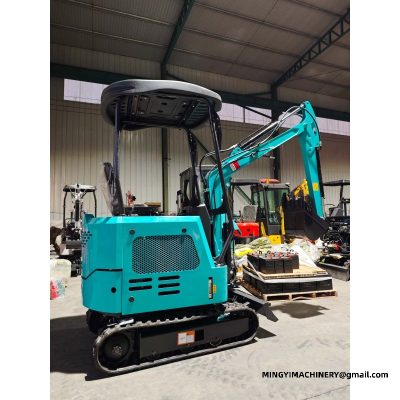
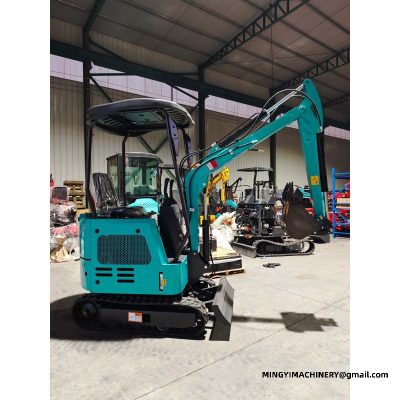
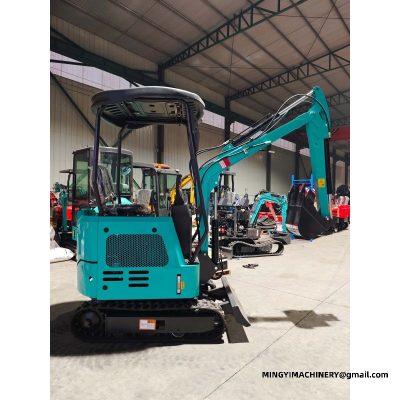
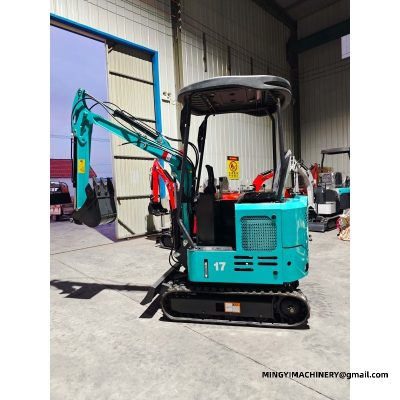
Green space work rewards finishing quality as much as raw digging force. MINGYI offers a landscaping attachment set for its compact excavators covering grass rakes, lawn and flail mowers, hedge pruners, soil looseners and tilting buckets.
These tools turn one mini excavator into a maintenance unit for parks, estates, roadside verges and private grounds. The machine digs, grades and clears while the mower and pruner heads keep planted areas trimmed.
Landscaping tools in daily green project work
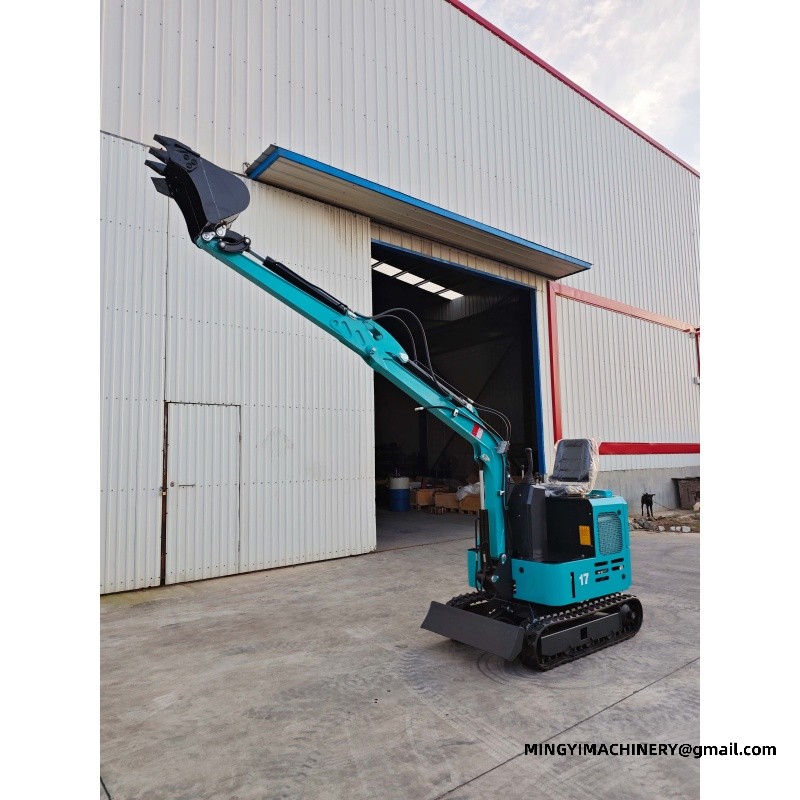
A grass rake mounted on the dipper collects cut material and windrow debris in one pass, which shortens cleanup after mowing or storm damage. The flail mower head copes with tall, woody growth that would stall a lighter machine.
For shaping work, the tilting bucket grades soil, mulch and gravel around planting beds and along paths, and the soil loosener prepares beds before replanting. Hedge pruners and the grabber clear cut branches from beds and ditches without manual hauling.
Specifying green space tools when ordering
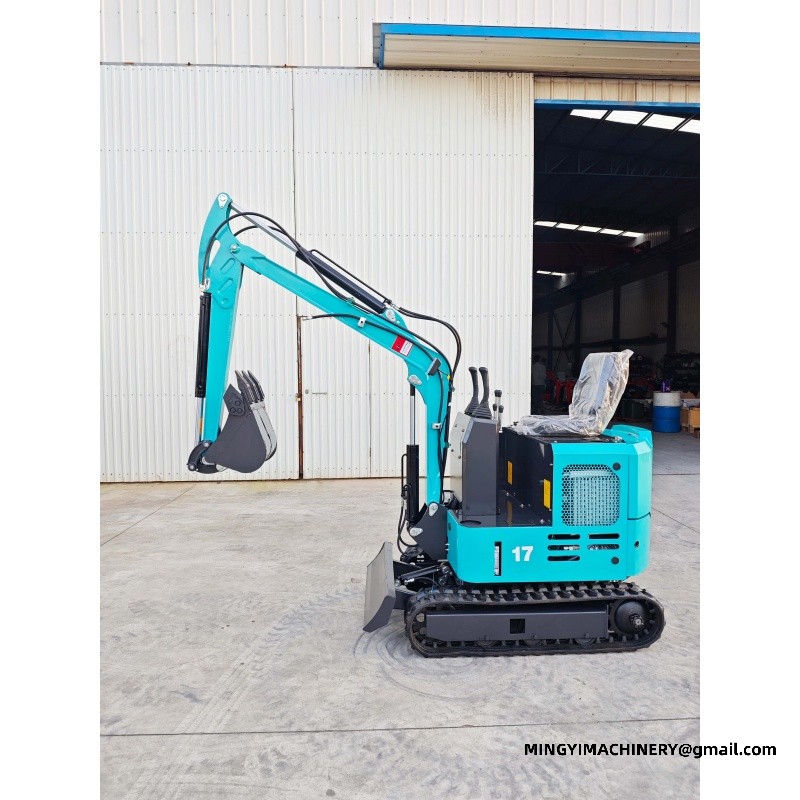
Width is the detail buyers should settle first, since a rake that suits an estate track may be too wide for gated garden paths. MINGYI takes the required working width and carrier model at the ordering stage.
Hoselines for the mower and pruner heads are routed to the carrier configuration recorded with the order, and spare blades, flails and pins come with the service information package. Buyers state their typical vegetation when ordering.
A mini excavator with the right landscaping heads replaces several single-purpose machines on a green maintenance round. MINGYI can go through the site list with the buyer and pick the attachments that cover mowing, raking and bed preparation on one carrier.
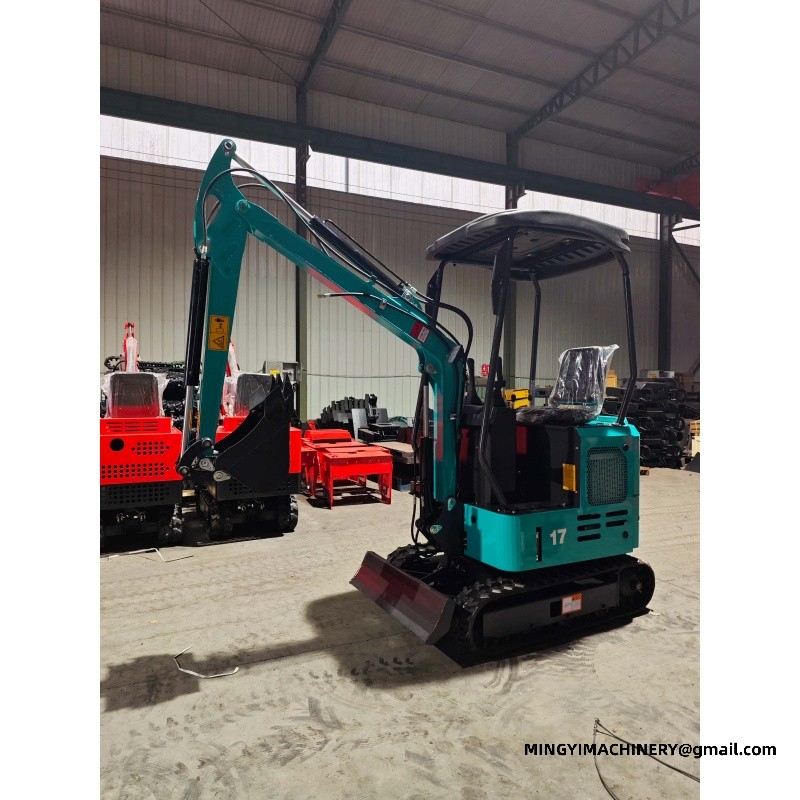
Specifying excavator attachments for landscaping against a job list The practical way to specify is to write the job list first: the narrowest access, the deepest trench, the heaviest tool and the surfaces the machine must cross. The excavator is then matched to those four numbers. Useful information to send with an enquiry includes working width, required digging depth, ground conditions and the attachment set. Those four items let the factory specify this class of machine that fits rather than a generic build. Working a excavator attachments for landscaping in confined spaces Confined sites are decided by dimensions. Overall width, tail swing and the space needed to work the arm are what let the unit in daily use operate inside a building, between walls or in a courtyard. Clearance above matters as much as around. Door heights, pipework and overhead services set the limit for a machine of this size indoors, and measuring them first avoids a machine that arrives and cannot be used. OEM and fleet customisation of excavator attachments for landscaping Distributors and rental fleets usually need the machine to look like theirs. Paint, decals, seat colour and attachment branding can be specified on the equipment on site at build time rather than applied after import. Customisation also covers the specification sheet. A fleet buyer may want every machine itself delivered with the same coupler, the same engine and the same tool kit so training and parts stock stay simple. Lifting and material handling with a excavator attachments for landscaping Lifting with a machine built to dig needs a plan. The load, the radius and the ground under the machine in that duty all matter, and the safe figure is the one on the chart rather than the one that looks possible. Stability changes with reach. A load the model in question handles close in becomes a different proposition at full extension, so the working radius belongs in the plan before the lift rather than during it. Track choice for excavator attachments for landscaping Undercarriage selection is a ground question, not a preference question. The unit on the job running on finished paving needs rubber; the same machine on demolition rubble or rock wears rubber quickly, so steel with rubber blocks becomes the better answer over a full season. Track type changes what the machine can cross and what it leaves behind. Buyers specify rubber for lawns, driveways and municipal work, and steel with rubber blocks for sites where sharp material would cut a rubber belt in a week. Hiring versus owning a excavator attachments for landscaping Availability is part of the decision. Owning a machine built for the work means it is there on the day the ground is ready; hiring means competing for the same machine at the same time as everyone else in the season. Ownership brings obligations that hiring does not. Storage, servicing, insurance and an operator are the items to set against the hire rate before deciding which way the equipment in service should be supplied. Attachments that turn the excavator into several machines The base machine is a carrier; the tool on the end of the arm decides the task. This class of machine fitted with a toothed bucket digs, and the same machine with a breaker, an auger or a grab does work that would otherwise need a second unit on site. Most of the daily variety on the unit in daily use comes from the attachment rack rather than from the machine itself. Bucket, breaker, auger, ripper, rake and grab cover the large majority of the work a contractor will see. Municipal and public works with a machine of this size Drainage repair, tree planting, footway reconstruction and cemetery work are all within the range of the equipment on site. The jobs are small individually and continuous across the year. Noise and surface protection matter on public work. The machine itself on rubber tracks across paving, with a sealed cab for the operator, suits the conditions better than a larger tracked machine. Road and paving work for the model in question Road repair generates short, interrupted jobs - a patch, a drainage connection, a kerb line. The machine in that duty is economical here because it travels on a small trailer and starts working minutes after arriving. Patching and reinstatement favour a machine that can work in a lane closure. The unit on the job occupies less road than a full-size excavator, which reduces the traffic management needed and the length of the closure. What owners should plan for beyond the machine built for the work The useful comparison is demand per working hour, not demand per machine. The equipment in service that works more hours a year spreads its standing takes over more output, which is why utilisation usually matters more than the invoice figure. Downtime is the hidden line item. The excavator waiting on a part earns nothing while it stands, so parts availability and service access belong in the plan as much as fuel does. Running this class of machine in a rental fleet Rental fleets buy for utilisation, not for a single job. The unit in daily use with a quick coupler and a common attachment standard is hired more often because it suits more of the calls that come in. Fleet buyers also weigh transport. A machine of this size that a customer can tow on a normal licence and a standard trailer is a hire that does not need a delivery truck, which changes how often it goes out. Export packing and shipping of the equipment on site Machines leave the factory prepared for container or flat rack shipment. The machine itself is normally shipped with the attachment set and the spare parts list agreed in advance so the container is planned once. Buyers who import regularly plan the spare parts with the machine. The model in question ordered with a wearing-parts kit arrives ready to work rather than ready to wait for the first service interval. Specification data for the machine in that duty Where the unit on the job is being specified for a job list, the table below gives the factory figures that matter most: what the machine weighs, how deep and how far it works, and what it measures on a trailer. These are the reference figures for a machine built for the work. MINGYI confirms the final build sheet, including engine and attachment choices, against the destination and the job list before production. Loading practice matters as much as the numbers. The equipment in service is driven up ramps under its own power with the boom lowered and the tracks aligned, and secured at the points the manufacturer specifies. Detachable components reduce transport length. The excavator built with a removable arm section or a folding step fits a shorter trailer and may avoid an oversize movement permit.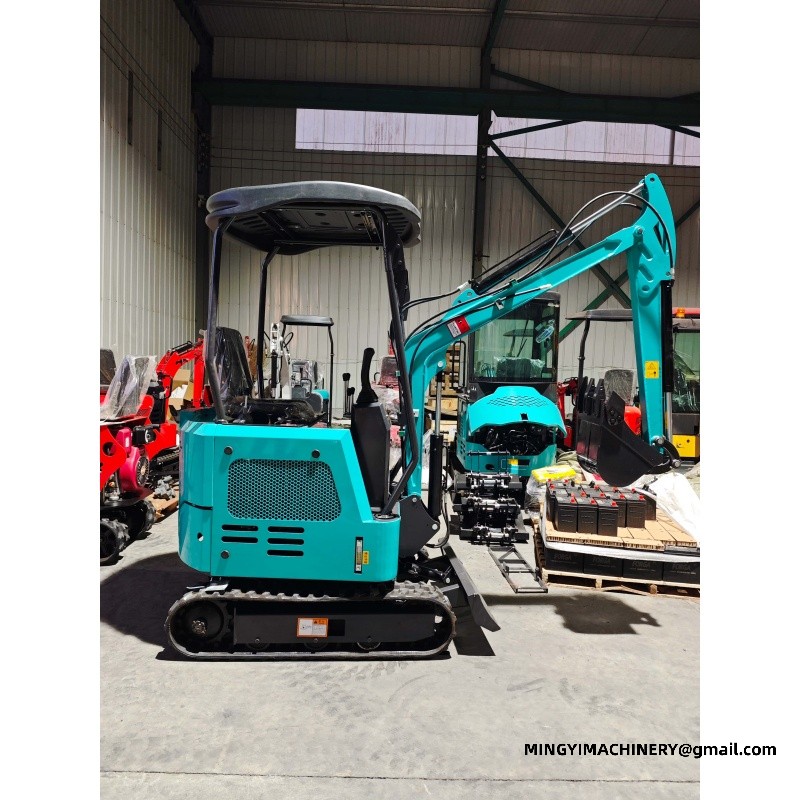
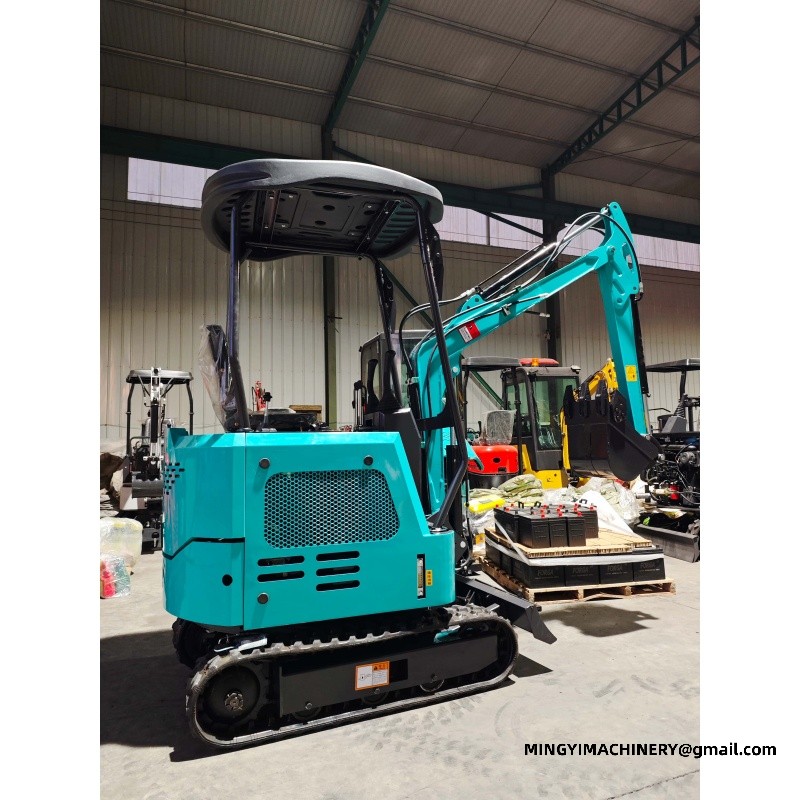
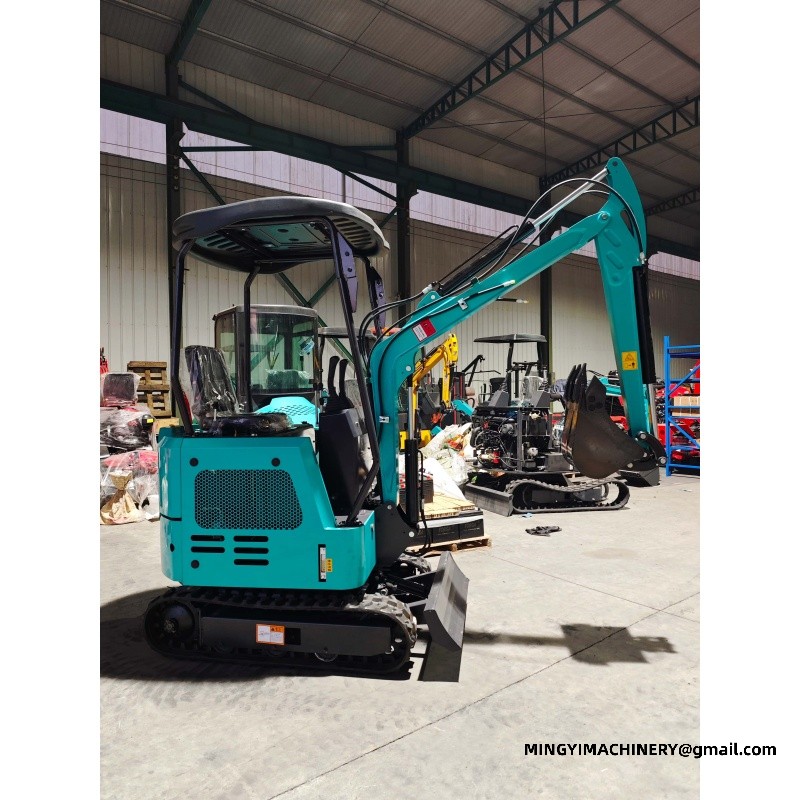
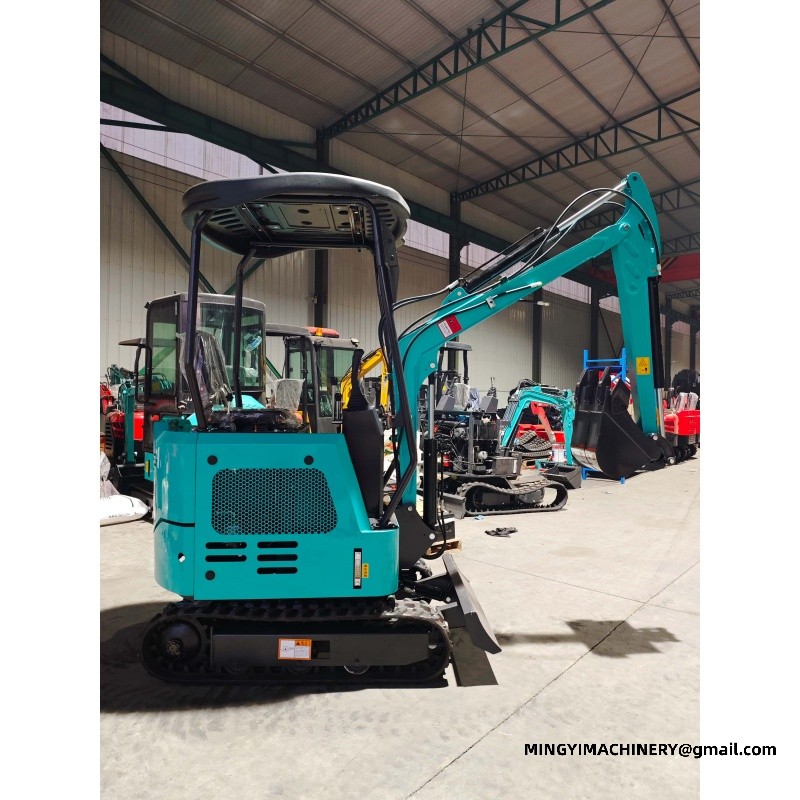
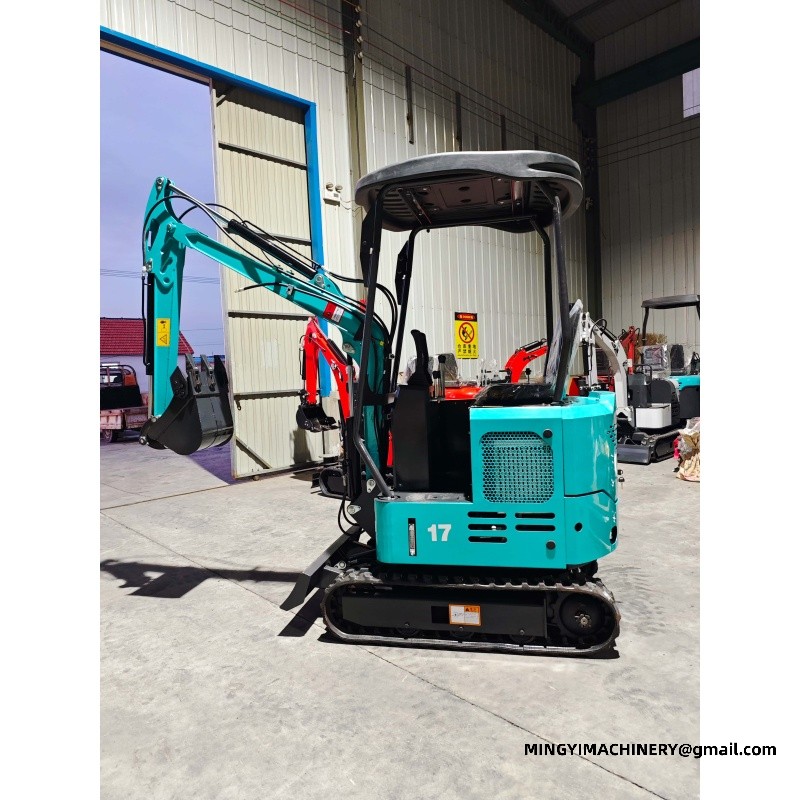
Reference specification — mini excavator range 13W 20-1WL 30-2W 25L Operating weight 1300 kg (2866.01 lb) 1900 kg (4188.78 lb) 2700 kg (5952.48 lb) 2200 kg (4850.17 lb) Transport size (L×W×H) 2200 × 930 × 2250 mm 2550 × 1100 × 2200 mm 3000 × 1100 × 2700 mm 3000 × 1300 × 2700 mm Max digging depth 1630 mm (64.17 in) 1800 mm (70.87 in) 2200 mm (86.61 in) 2300 mm (90.55 in) Max digging height 2750 mm (108.27 in) 2820 mm (111.02 in) 3000 mm (118.11 in) 3100 mm (122.05 in) Max dumping height 1960 mm (77.17 in) 2050 mm (80.71 in) 2000 mm (78.74 in) 2050 mm (80.71 in) Max digging radius 2900 mm (114.17 in) 3050 mm (120.08 in) 3800 mm (149.61 in) 3900 mm (153.54 in) Max digging distance 2100 mm (82.68 in) 2300 mm (90.55 in) 3050 mm (120.08 in) 3100 mm (125.05 in) Minimum turning radius 1300 mm (51.18 in) 1450 mm (57.09 in) 1750 mm (68.9 in) 1800 mm (70.87 in) Travel speed 3 km/h (1.86 mph) 5 km/h (3.11 mph) 7 km/h (4.35 mph) 7 km/h (4.35 mph) Gradeability 30° 30° 30° 30° Fuel consumption 1-1.3 L/h (0.264—0.343 gal) 2-3 L/h (0.528—0.793 gal) 2-3 L/h (0.528—0.793 gal) 2-3 L/h (0.528—0.793 gal) Fuel tank capacity 10 L (2.64 gal) 16 L (4.23 gal) 16 L (4.23 gal) 16 L (4.23 gal) Hydraulic oil tank 16 L (4.23 gal) 18 L (4.76 gal) 20 L (5.28 gal) 18 L (4.76 gal) Dozer blade lift height 180 mm (7.09 in) 180 mm (7.09 in) 230 mm (9.06 in) 230 mm (9.06 in) Dozer blade drop depth 210 mm (8.27 in) 210 mm (8.27 in) 280 mm (11.02 in) 280 mm (11.02 in)
Q. Who chooses this class of machine?
A. An attachment widens the range of jobs a single compact excavator can specification and win, which is why the working set matters as much as the base machine. The quick coupler makes the changeover a minute job at the trench edge, and mechanical tools need no hydraulic lines at all. Read the unit in daily use together with the engine, track and attachment pages: jobs around landscaping are decided by how those choices line up, not by any single number on the sheet.
Q. How is the attachment fitted and swapped?
A. Through the quick coupler on the dipper: seat the tool, lock it, plug the hydraulics where the design needs them. Mechanical attachments need no lines at all, so a bucket-to-rake change is a minute job at the trench edge.
Q. What about colours and branding?
A. OEM colours and decals are part of the build: private-label machines carry the buyer brand on the standard MINGYI platform, and the landscaping order confirms colours, marks and documents before production starts.
Fuel, oil and fluid quality for a machine of this size
Most engine trouble starts with what went into the tank. Clean fuel, stored properly and filtered before it reaches the equipment on site, prevents more downtime than any other single habit an owner can adopt.
Handover and getting familiar with the machine itself
A good handover covers the awkward cases, not just the easy ones. Starting the model in question on a slope, turning in a confined space and recovering from soft ground are the situations an operator should meet first with someone beside them.
Storage and long idle periods for the machine in that duty
The battery and the fuel are the first things to suffer in storage. Preparing the unit on the job properly at the start of the idle period avoids the flat battery and the contaminated tank that greet an unprepared machine.
E-mail : sales@mingycn.com
LINE ( ID ): mingyicn
Related pages
mini excavator for fencing posts · mini excavator with hydraulic breaker · Wheel Loader for Agriculture: Gate Widths, Sheds and Wagons · Mini Excavators









