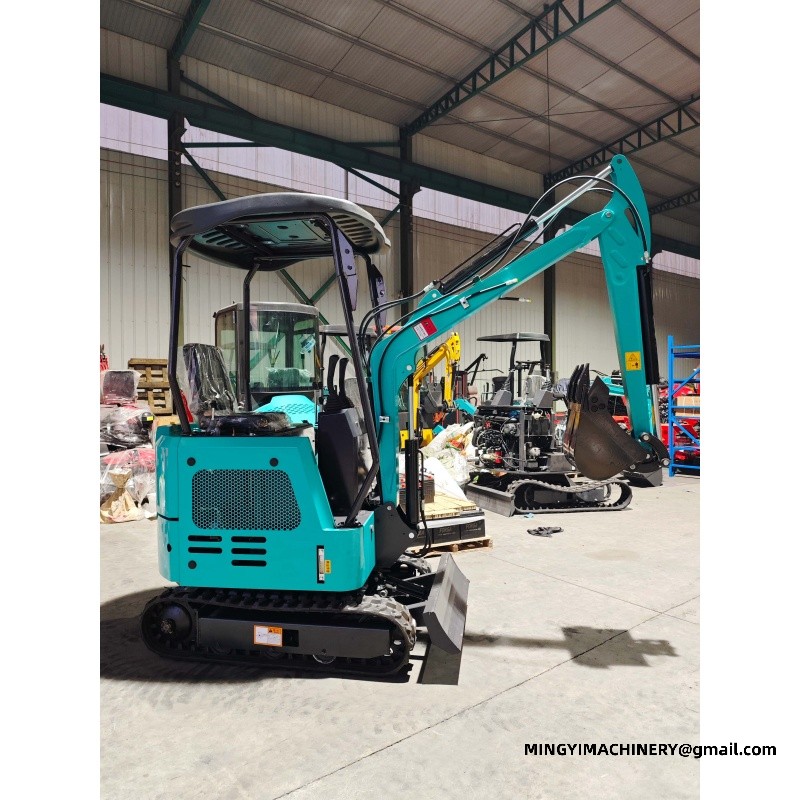
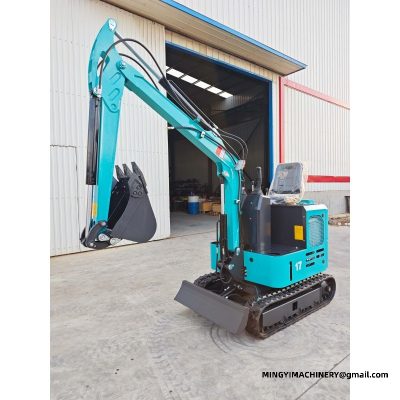
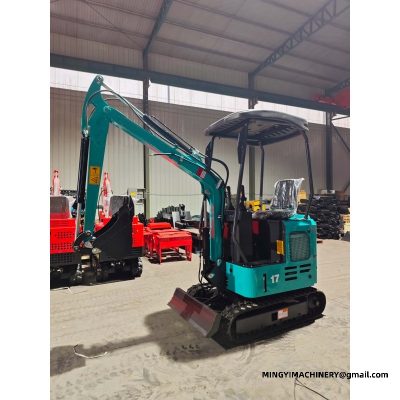
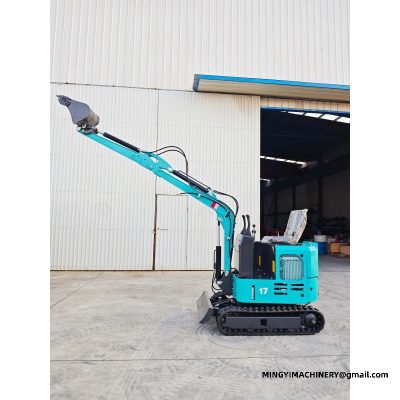
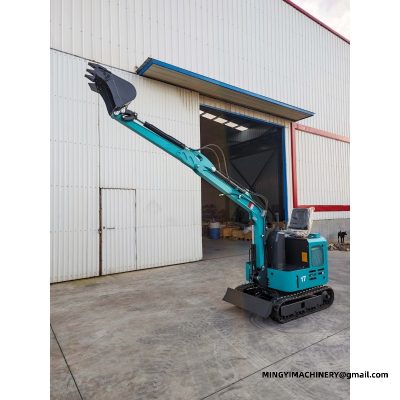
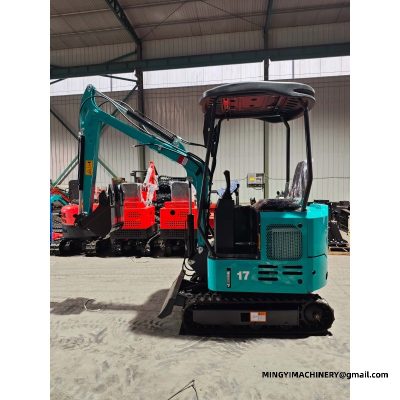
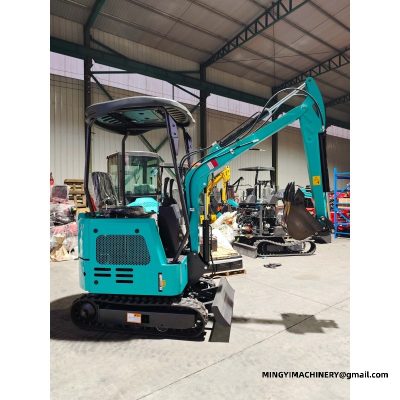
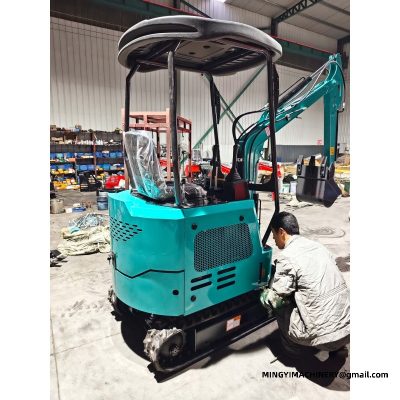
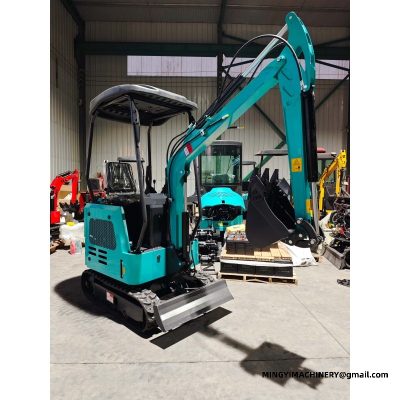
A fencing contract is judged by how straight the line runs and how quickly the posts go in. Both depend on the machine boring clean, vertical holes at even spacing.
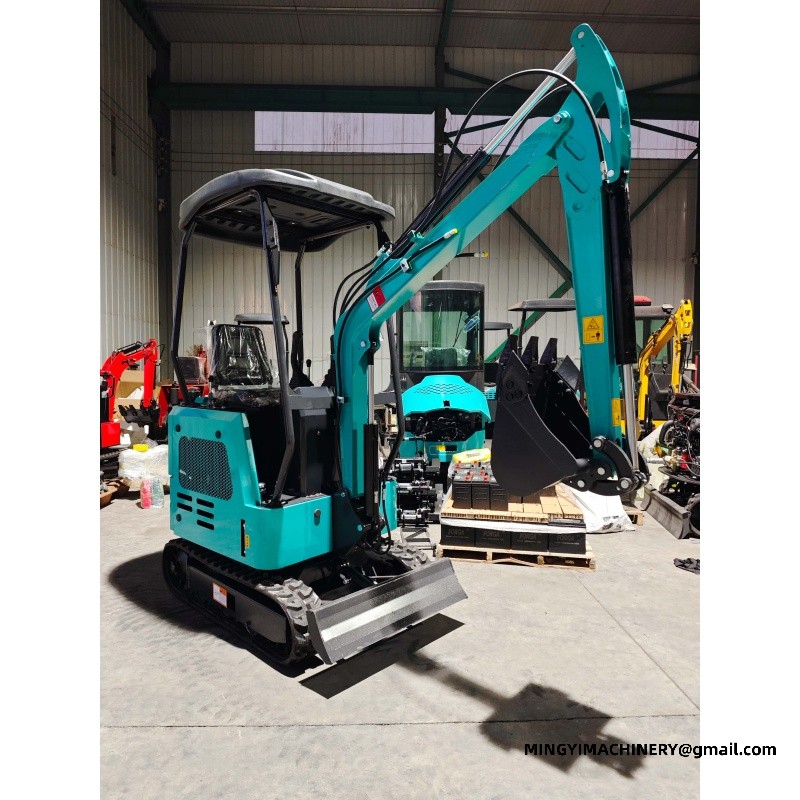
A compact excavator with an auger does that work from a single position at each post. The operator lines up the boom, bores to depth and lifts out with the spoil held on the flights.
Boring straight, evenly spaced fence posts
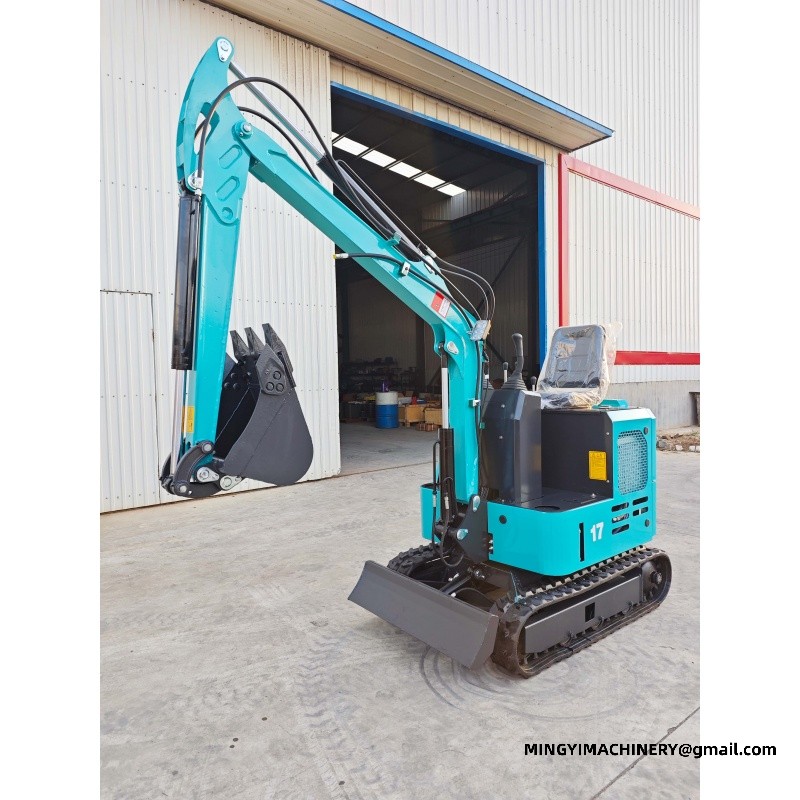
Fence lines often cross ground a truck cannot reach, and they frequently follow a boundary rather than a road. A narrow crawler carrier fits along the line and works over grass without cutting it up.
The operator can set the mast against a sight line and repeat the same depth at every post, which keeps the wire tension even and reduces callbacks after the fence is stretched.
Working fence lines across fields and boundaries
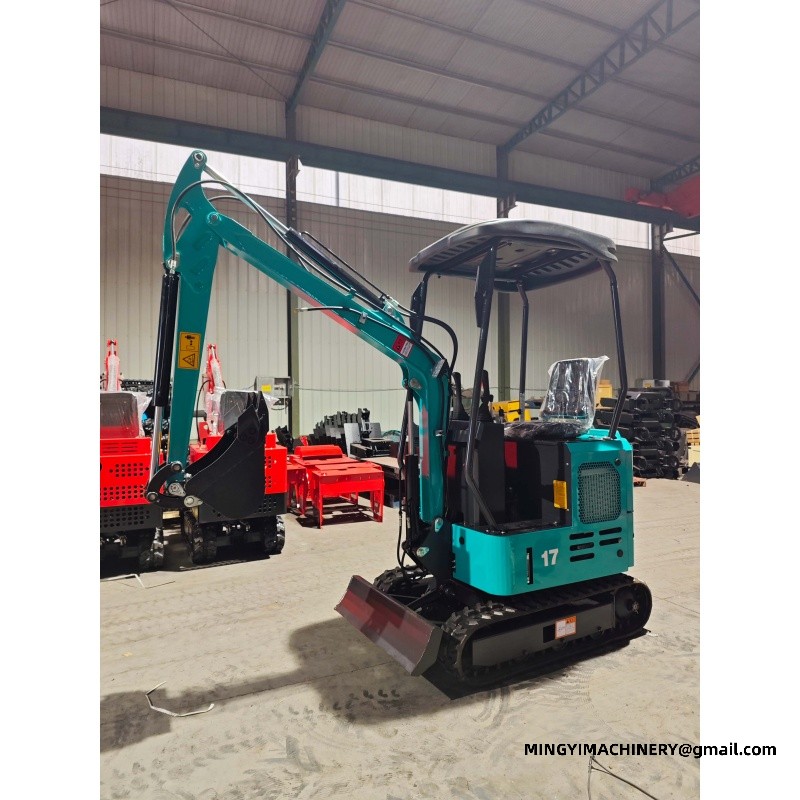
On long runs the machine moves forward one post at a time, and the spoil is left in a neat ring at each hole rather than spread along the line. That keeps the finished ground tidy for the client.
Where the ground is stony, a smaller flight is used first and the hole is cleared before the post goes in. Steel tracks with rubber blocks give grip on wet pasture without rutting it.
Fence contractors typically specify the auger size, the track type and the dipper length together, since the reach of the boom decides how far the machine can work from one track position.
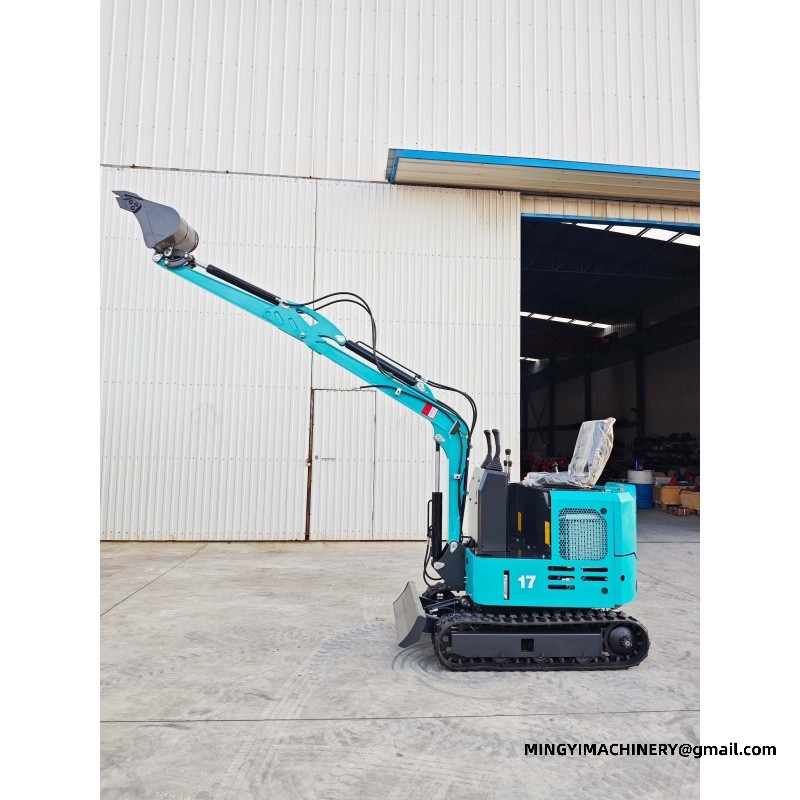
Working a mini excavator for fencing posts through the seasons Seasonal planning smooths the workload. Machines that are busy for a few months and idle for the rest benefit from a service slot in the quiet period, and the excavator prepared in the off-season starts the busy months reliably. Heat and dust are as limiting as rain. Air intake condition and cooling cleanliness decide how this class of machine behaves in a dry season, and both are checked in a minute rather than repaired later. Landscaping and ground care with mini excavator for fencing posts Landscape contractors use the unit in daily use for planting holes, pond excavation, grading and retaining work. The machine is light enough to cross finished lawn and narrow enough to work between established trees. Grass cutting heads, rakes and tillers extend a machine of this size into ground care. The same carrier that digs a border in spring can cut and clear the same area later in the season. Noise, dust and working near occupied buildings Work near housing or occupied premises brings constraints that open sites do not. Start times, exhaust condition and how often the equipment on site needs to reverse are the practical limits that neighbours notice. Dust control is often part of the same conversation. Water, timing and work sequence reduce what leaves the site, and agreeing them in advance keeps the machine itself working rather than stopped after a complaint. Getting mini excavator for fencing posts through a narrow gap The first question on most job lists is whether the machine can reach the work at all. The model in question is chosen against the narrowest point on the route - a garden gate, a doorway, a gap between two walls - because a machine that arrives and then cannot pass loses a day, not an hour. Contractors who buy the machine in that duty normally have one job in mind that nothing else reaches. The purchase order follows the access measurement, not the other way round, and the build sheet is then settled around it. OEM and fleet customisation of mini excavator for fencing posts Distributors and rental fleets usually need the machine to look like theirs. Paint, decals, seat colour and attachment branding can be specified on the unit on the job at build time rather than applied after import. Documentation can be prepared to suit the importer. Manuals, parts books and decal sets for a machine built for the work can be supplied with the buyer's own branding where the order size justifies it. Engine options behind mini excavator for fencing posts Power unit selection is settled against the service network the buyer already uses. MINGYI offers Kubota D722, Kubota D902, YANMAR, Changchai, Laidong, Runtong, YARMAX, Youpu 2V80 and Youpu 195, so a fleet running one brand of engine can keep the same filters, the same parts supplier and the same mechanic. Engine choice is also an emissions and documentation question for some markets. Listing the available units with the equipment in service enquiry lets the factory confirm what can be supplied and documented for the destination country. Hiring versus owning the excavator The choice follows the hours. Work that fills a few weeks a year is usually better hired, while this class of machine that would be on site most weeks starts to justify ownership once the transport and booking time is counted. Ownership brings obligations that hiring does not. Storage, servicing, insurance and an operator are the items to set against the hire rate before deciding which way the unit in daily use should be supplied. Operator technique for a machine of this size The second habit is tool discipline. Running the equipment on site with the right bucket width for the trench means less spoil, less reinstatement and a cleaner job than a wide bucket and a lot of trimming. Stability is the third. The machine itself working across the tracks rather than over the corners keeps the machine steady and the undercarriage loaded evenly, which shows up as track life at the end of the season. Working the model in question in confined spaces Confined sites are decided by dimensions. Overall width, tail swing and the space needed to work the arm are what let the machine in that duty operate inside a building, between walls or in a courtyard. Ventilation is the other indoor constraint. Running the unit on the job inside a closed structure needs air movement, and that is a planning item rather than something to discover after the first hour. Parts, service and support for a machine built for the work Support after delivery is a parts question. Wearing items for the equipment in service - filters, belts, track components, bucket teeth and pins - are the items a buyer should plan to hold before the first service interval. Engine parts availability usually drives the engine choice. The excavator built with an engine the local network already carries is serviced from stock rather than from an international order. Matching this class of machine to ground conditions Hard and abrasive ground reverses the specification. On rock, demolition rubble or sharp gravel, steel tracks with rubber blocks on the unit in daily use survive conditions that cut a rubber belt quickly. Mixed sites are common and argue for a compromise specification. Most buyers choose rubber for a machine of this size and accept the wear, unless the majority of the work is on material that will damage it. Trenching work with the equipment on site Service trenches are the most common reason the machine itself is hired. Water, sewage, cable and gas runs are narrow, shallow and often close to existing services, which is exactly the work a full-size machine cannot do safely. Depth control matters more on service work than speed. The model in question working beside live services is chosen because it can be placed precisely and stopped instantly, which is what the job actually requires. Specification data for the machine in that duty The figures below are the factory figures for the models most often matched to the unit on the job. They are the numbers to check against the site: the depth the work needs, the reach from one position, and the width of the narrowest point on the route in. Figures are factory figures and are confirmed on the build sheet for a machine built for the work. Where a job sits between two models, the larger machine usually takes less time than the smaller one spends on rework. The base machine is a carrier; the tool on the end of the arm decides the task. The equipment in service fitted with a toothed bucket digs, and the same machine with a breaker, an auger or a grab does work that would otherwise need a second unit on site. Attachment lists are best written before delivery. Specifying the excavator with the tools the job list needs avoids the work and delay of adding hydraulics later, and a quick coupler makes the swap a few minutes instead of a workshop job.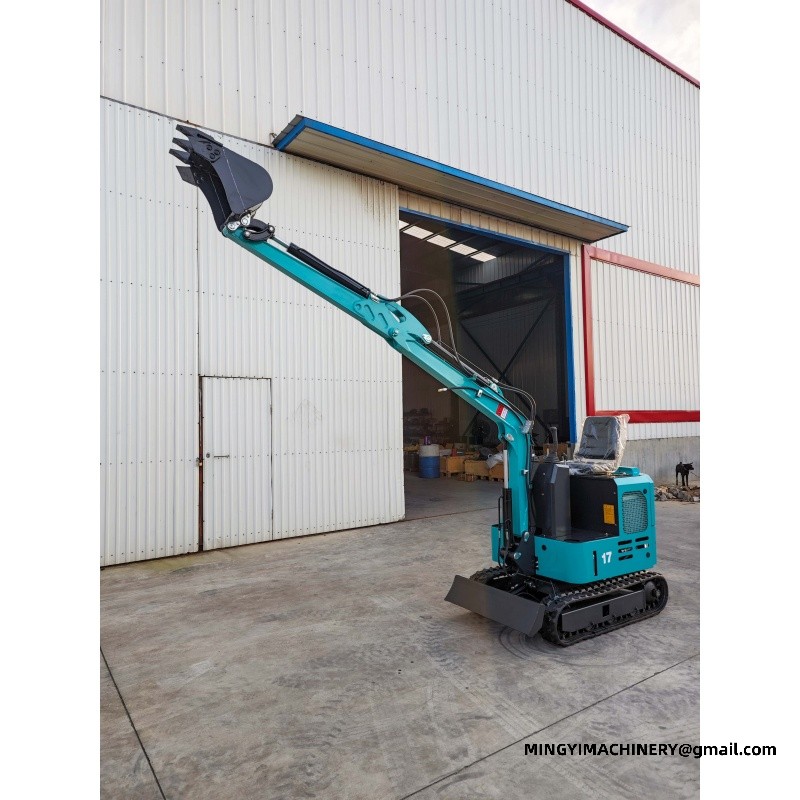
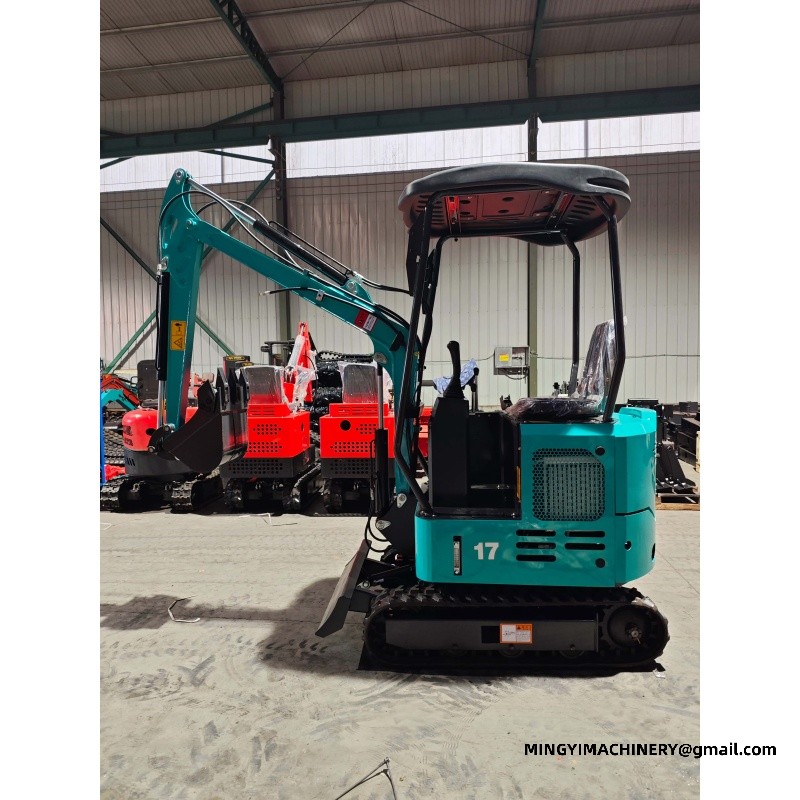
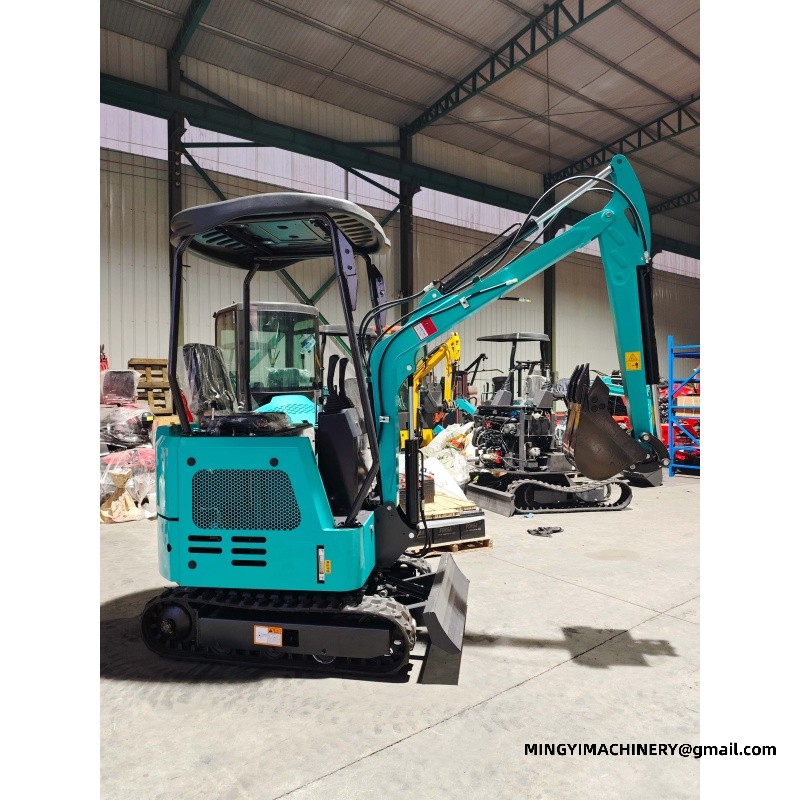
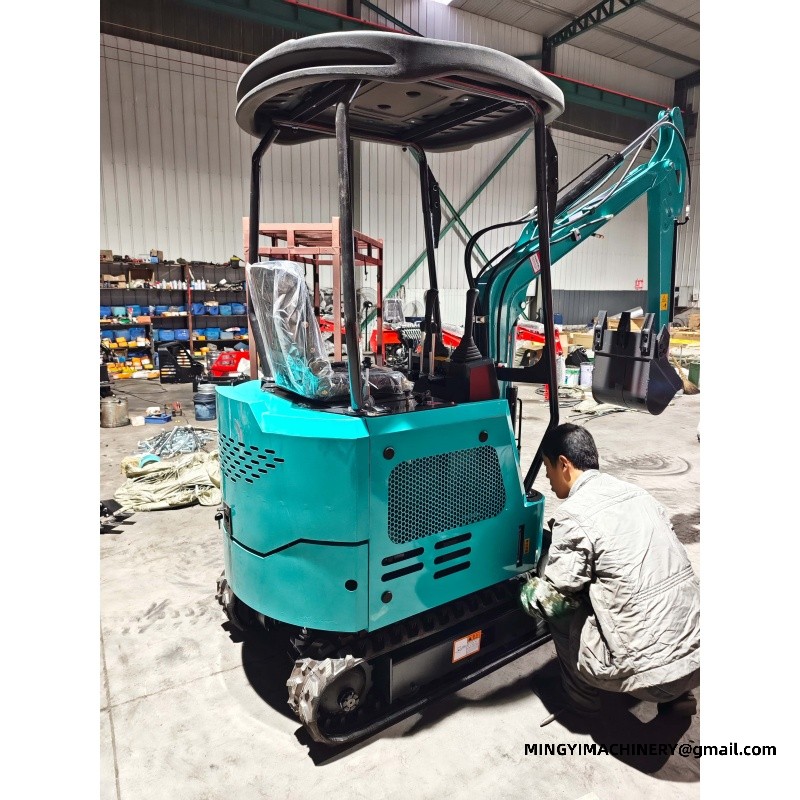
Reference specification — mini excavator range 20-1WL 20-3W 12L 25L Operating weight 1900 kg (4188.78 lb) 1900 kg (4188.78 lb) 1200 kg (2645.55 lb) 2200 kg (4850.17 lb) Transport size (L×W×H) 2550 × 1100 × 2200 mm 2550 × 1100 × 2200 mm 2200 × 930 × 2250 mm 3000 × 1300 × 2700 mm Max digging depth 1800 mm (70.87 in) 1800 mm (70.87 in) 1700 mm (66.93 in) 2300 mm (90.55 in) Max digging height 2820 mm (111.02 in) 2820 mm (111.02 in) 2600 mm (102.36 in) 3100 mm (122.05 in) Max dumping height 2050 mm (80.71 in) 2050 mm (80.71 in) 1800 mm (70.87 in) 2050 mm (80.71 in) Max digging radius 3050 mm (120.08 in) 3050 mm (120.08 in) 2900 mm (114.17 in) 3900 mm (153.54 in) Max digging distance 2300 mm (90.55 in) 2300 mm (90.55 in) 2300 mm (90.55 in) 3100 mm (125.05 in) Minimum turning radius 1450 mm (57.09 in) 1450 mm (57.09 in) 1450 mm (57.09 in) 1800 mm (70.87 in) Travel speed 5 km/h (3.11 mph) 5 km/h (3.11 mph) 3 km/h (1.86 mph) 7 km/h (4.35 mph) Gradeability 30° 30° 30° 30° Fuel consumption 2-3 L/h (0.528—0.793 gal) 2-3 L/h (0.528—0.793 gal) 1-1.3 L/h (0.264—0.343 gal) 2-3 L/h (0.528—0.793 gal) Fuel tank capacity 16 L (4.23 gal) 16 L (4.23 gal) 10 L (2.64 gal) 16 L (4.23 gal) Hydraulic oil tank 18 L (4.76 gal) 18 L (4.76 gal) 16 L (4.23 gal) 18 L (4.76 gal) Dozer blade lift height 180 mm (7.09 in) 180 mm (7.09 in) 180 mm (7.09 in) 230 mm (9.06 in) Dozer blade drop depth 210 mm (8.27 in) 210 mm (8.27 in) 210 mm (8.27 in) 280 mm (11.02 in)
Q. What are the class of machine?
A. Compact excavators win work by being there: small enough to reach the job, strong enough to finish it. Trenching on Monday, loading and grading through the week, fence posts and drainage to finish - the attachment set specifications the work. MINGYI builds the 08, 12 and 18 models covering the 0.8 to 6 tonne class, and the unit in daily use is where that range meets fencing posts.
Q. What can I expect from a compact excavator in a normal week?
A. Trenching one day, loading and grading the next, fence posts and drainage through the rest - one machine, one trailer, one operator, and the attachment set specifications the work.
Q. Does MINGYI supply attachments with the machine?
A. Yes - buckets, breakers, augers, rakes and the rest of the working set ship with the carrier, matched to the hydraulic flow and the coupler. For fencing posts the package is confirmed on the build sheet, so machine and tools arrive together and start work together.
Wear items and spares worth holding for a machine of this size
A spares list should follow the duty cycle. The equipment on site working every day in abrasive dust consumes filters and cutting edges far faster than the same machine used once a week, and the shelf should be stocked for the harder case.
Commissioning the machine itself on site
Transport shakes things loose. A short check of the model in question after the crate is opened, covering the same points the pre-delivery inspection covered, is the most useful insurance available on delivery day.
E-mail : sales@mingycn.com
LINE ( ID ): mingyicn
Water, mud and recovery planning for mini excavator for fencing posts
Water is the enemy of bearings, electrical connectors and anything that is supposed to be sealed, and it rarely announces where it got in.
Wading to the hub, the track frame or the axle line is a limit rather than a target, and it is printed in the manual for a reason.
Related pages
mini excavator with hydraulic breaker · mini excavator with trenching bucket · Wheel Loader for Construction Site: Board Heights and Turn Space · Mini Excavators









