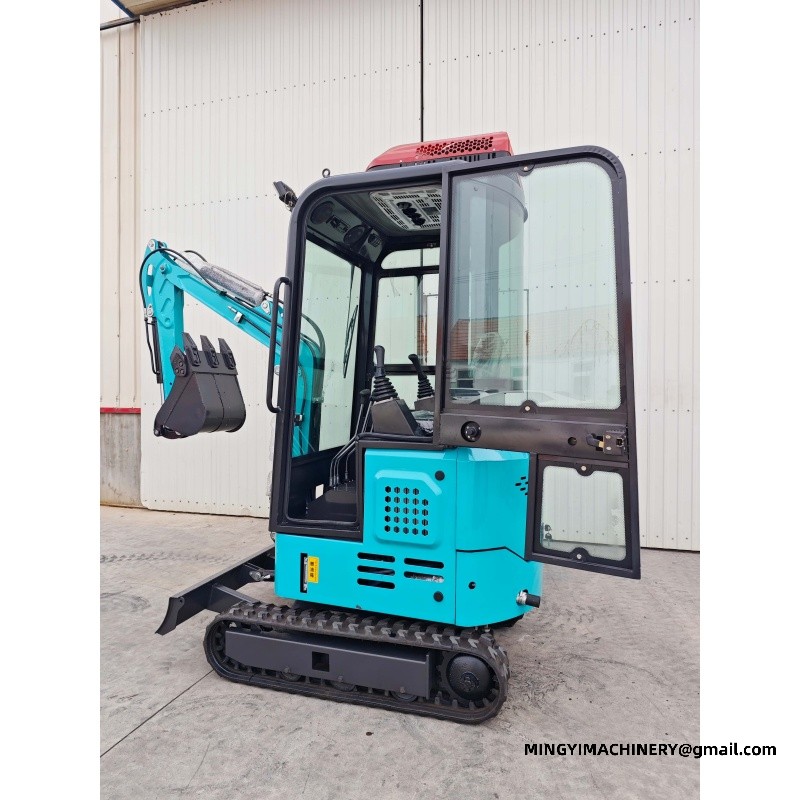
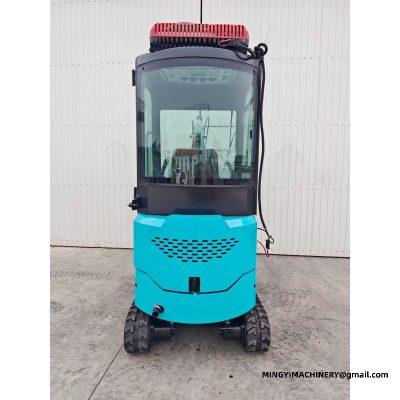
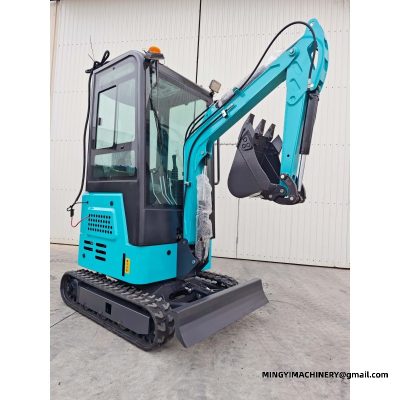
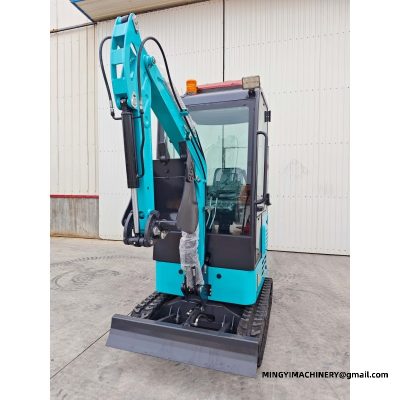
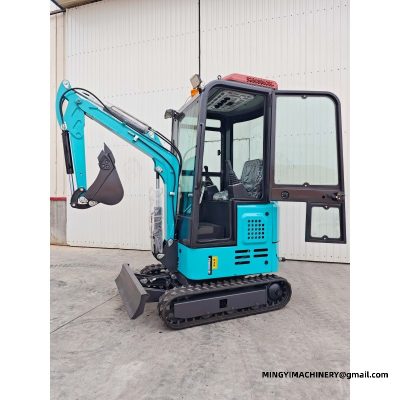
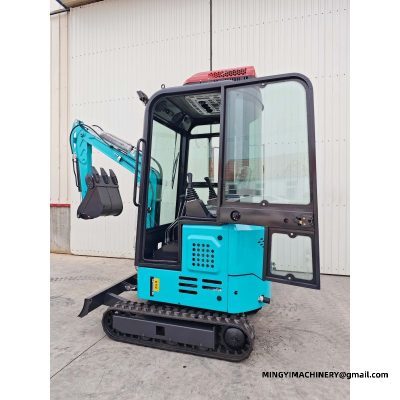
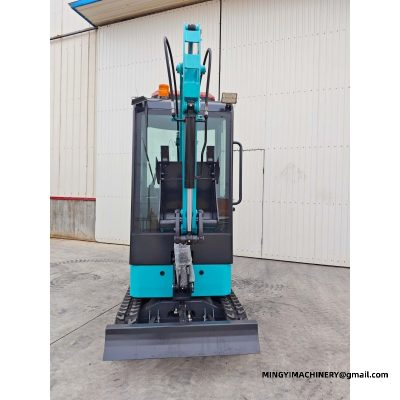
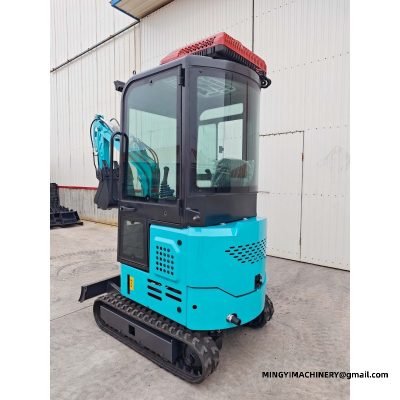
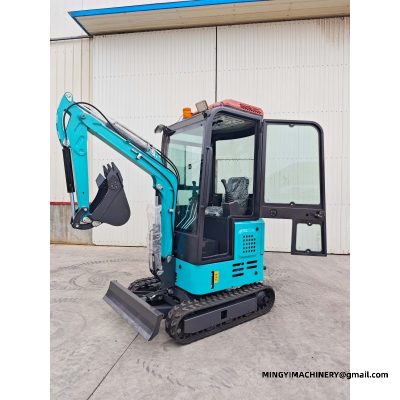
What a compact excavator looks like on site says something about how it was specified. A machine photographed at work shows the tracks, the attachments and the setup that were chosen for that job.
MINGYI keeps job site records for its mini crawler excavators so that a buyer considering the same configuration can see how the machine was set up and what it was doing.
What a job site photo should show
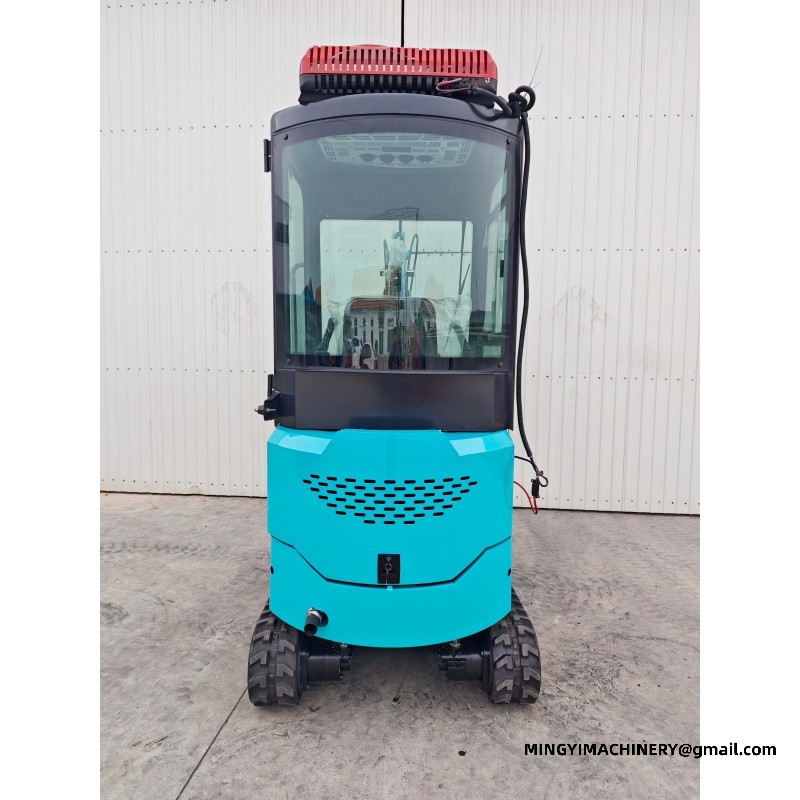
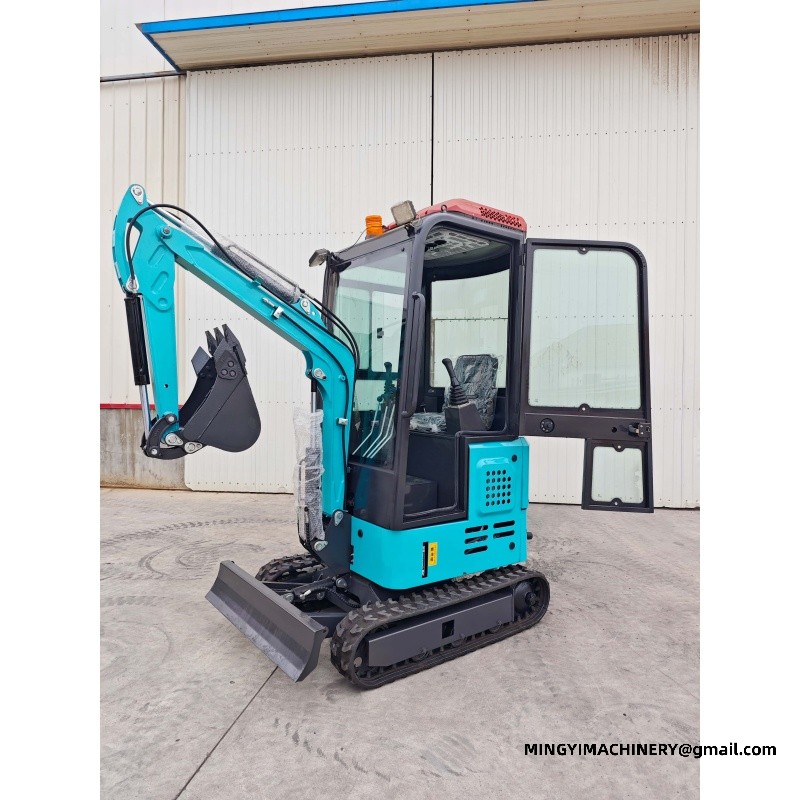
A useful site photo does more than record the machine. It shows the ground the excavator is standing on, the attachment on the arm and the way the unit is positioned for the work, which together explain why a particular configuration was chosen.
For a buyer those details are more informative than a studio image. Seeing a mini excavator on rubber tracks in a paved yard, or on steel tracks with rubber blocks in demolition, connects the specification to the job it was meant for.
Recording machine setup on site
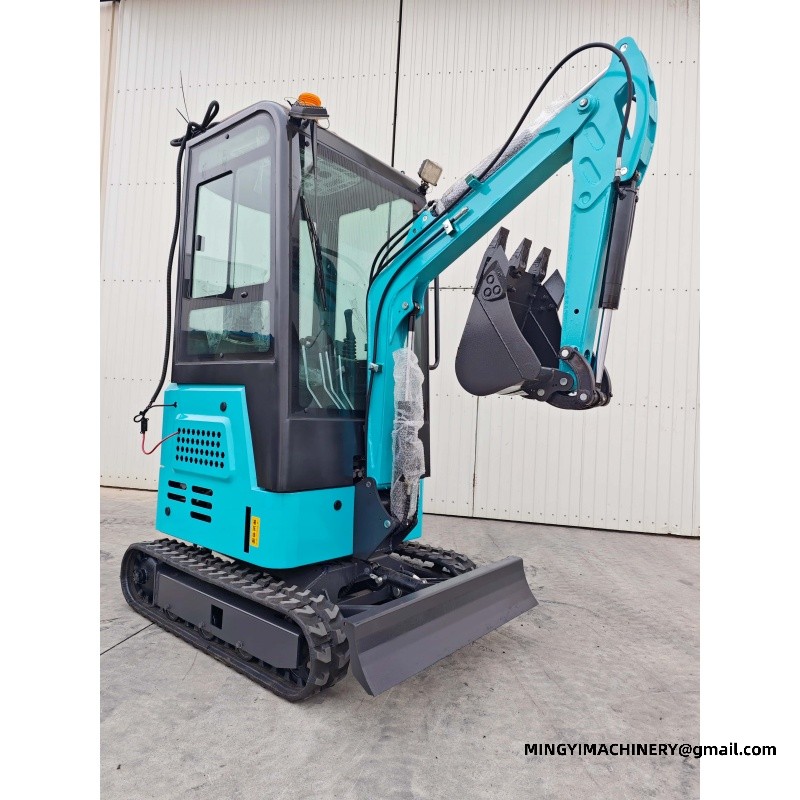
Recording the setup also helps the owner. Noting which attachment was fitted and how the machine was working turns a set of photos into a reference that can be used when the same job comes up again.
MINGYI keeps the specification of each machine against its order, so a site record can be matched to the build sheet. That link makes it easier to answer questions about a machine already in the field.
A job site record is a practical document, not a picture for a brochure. It shows how a mini excavator was set up for a task, and it gives the next buyer a clearer idea of what the same configuration can do.
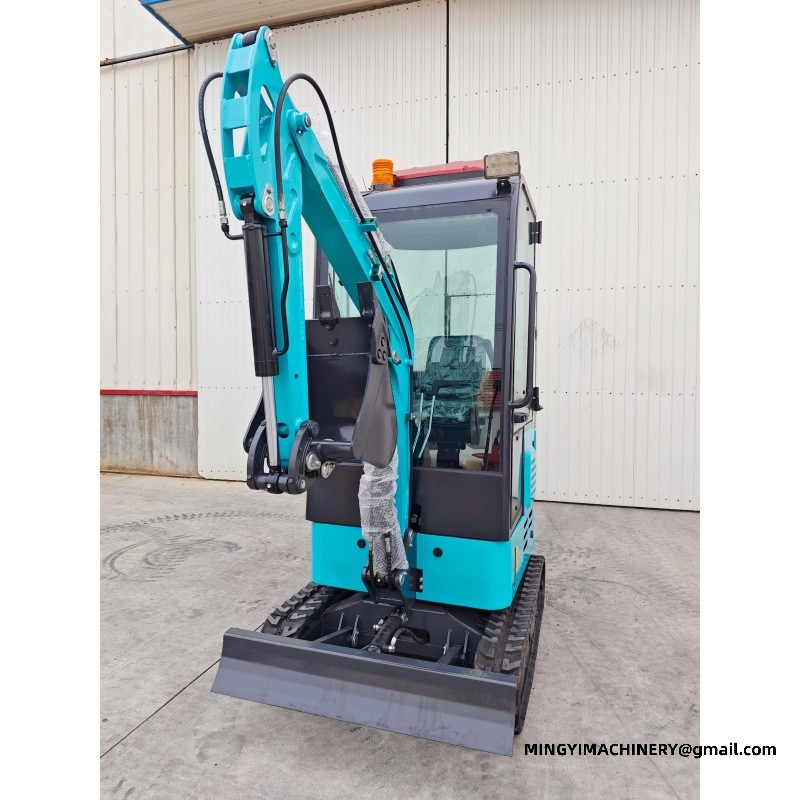
Specifying mini excavator setup on site against a job list The practical way to specify is to write the job list first: the narrowest access, the deepest trench, the heaviest tool and the surfaces the machine must cross. The excavator is then matched to those four numbers. Buyers who skip this step either over-buy or under-buy. This class of machine specified only from machine size tends to arrive without the coupler, the circuits or the track type the work actually needs. Hydraulic circuits on a mini excavator setup on site Auxiliary hydraulic lines are what let a machine drive a tool rather than only a bucket. The unit in daily use specified with the right circuits and flow runs a breaker or an auger without an add-on power pack bolted to the frame. Flow and pressure are matched to the tool, not to the machine size. Asking for the attachment list first means a machine of this size leaves the factory with circuits that suit the heaviest tool the buyer intends to run. Trailering and moving mini excavator setup on site Transport weight and width decide whether a machine needs a specialist haulier. The equipment on site sized to travel on a standard plant trailer behind a suitable vehicle moves with the crew rather than on a scheduled low loader. Loading practice matters as much as the numbers. The machine itself is driven up ramps under its own power with the boom lowered and the tracks aligned, and secured at the points the manufacturer specifies. Acceptance checks when a mini excavator setup on site arrives Delivery day is the best time to find a problem. Checking the specification against the order, the fluid levels, the fasteners and any transport damage while the machine in that duty is still on the trailer is faster than claiming later. A function check before the machine goes to work is worth the hour. Running through the controls, the travel and the attachment circuit on the model in question confirms it is set up as specified and ready for the site. Lifting and material handling with a mini excavator setup on site Stability changes with reach. A load the unit on the job handles close in becomes a different proposition at full extension, so the working radius belongs in the plan before the lift rather than during it. Ground condition under the machine is part of every lift. Soft or uneven support is the common factor in handling incidents, and checking it takes less time than recovering a machine built for the work that has settled. Interior and light demolition with mini excavator setup on site Interior demolition is an access and a weight question. The equipment in service that fits through a doorway and works on a suspended floor does jobs that would otherwise be done by hand or by a larger machine that cannot enter. Breaking out a floor slab, a wall footing or a concrete step is routine work for the excavator with a breaker. The machine is small enough to work inside and heavy enough to run the tool at a practical rate. Attachments that turn this class of machine into several machines Attachment lists are best written before delivery. Specifying the unit in daily use with the tools the job list needs avoids the work and delay of adding hydraulics later, and a quick coupler makes the swap a few minutes instead of a workshop job. Most of the daily variety on a machine of this size comes from the attachment rack rather than from the machine itself. Bucket, breaker, auger, ripper, rake and grab cover the large majority of the work a contractor will see. Matching the equipment on site to ground conditions Soft ground is a flotation problem, not a power problem. The machine itself on wide rubber tracks crosses lawn, sand and cultivated soil that would stop a narrower machine or a wheeled unit of the same capacity. Hard and abrasive ground reverses the specification. On rock, demolition rubble or sharp gravel, steel tracks with rubber blocks on the model in question survive conditions that cut a rubber belt quickly. Export packing and shipping of the machine in that duty Machines leave the factory prepared for container or flat rack shipment. The unit on the job is normally shipped with the attachment set and the spare parts list agreed in advance so the container is planned once. Export documentation, decals and paint are settled before packing. Asking for them with the a machine built for the work order avoids a second handling session and keeps the machine on the booked vessel. Trenching work with the equipment in service Service trenches are the most common reason the excavator is hired. Water, sewage, cable and gas runs are narrow, shallow and often close to existing services, which is exactly the work a full-size machine cannot do safely. Trench quality depends on the bucket width and the operator, not on machine size. This class of machine with a narrow bucket and a swing boom cuts a clean run along a boundary without disturbing the ground either side of it. Landscaping and ground care with the unit in daily use Landscape contractors use a machine of this size for planting holes, pond excavation, grading and retaining work. The machine is light enough to cross finished lawn and narrow enough to work between established trees. On soft landscape work the surface is the constraint. The equipment on site on rubber tracks crosses turf without stripping it, which is why the same jobs are not given to a wheeled machine. Noise, dust and working near occupied buildings Enclosure and machine condition both reduce noise. The machine itself with intact panels, sound mounts and a maintained exhaust is measurably quieter than the same machine with loose guards, and the difference matters on restricted sites. Dust control is often part of the same conversation. Water, timing and work sequence reduce what leaves the site, and agreeing them in advance keeps the model in question working rather than stopped after a complaint. Specification data for the machine in that duty Buyers comparing the unit on the job usually start from four numbers - weight, digging depth, reach and transport width - because those are the ones that decide whether the machine can be delivered and whether it can do the job once it is there. Every value shown is as built for a machine built for the work; options such as cab, side swing or a telescopic undercarriage change the transport dimensions and are confirmed at order stage. Output on a compact machine comes from placement rather than power. An experienced operator keeps the equipment in service working inside the swing arc, positions once and digs a full run instead of repositioning for every bucket. The second habit is tool discipline. Running the excavator with the right bucket width for the trench means less spoil, less reinstatement and a cleaner job than a wide bucket and a lot of trimming.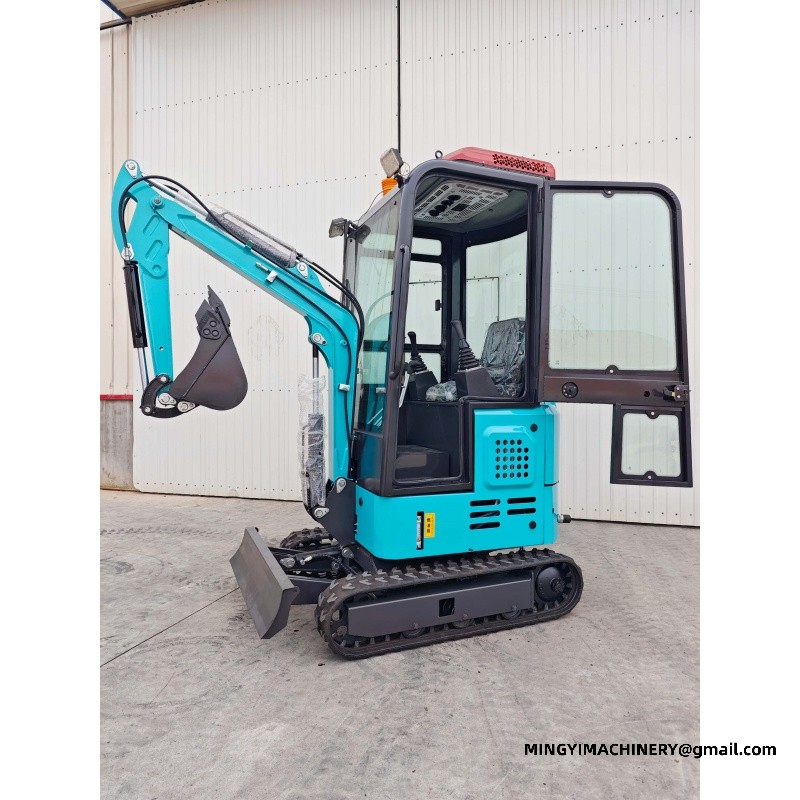
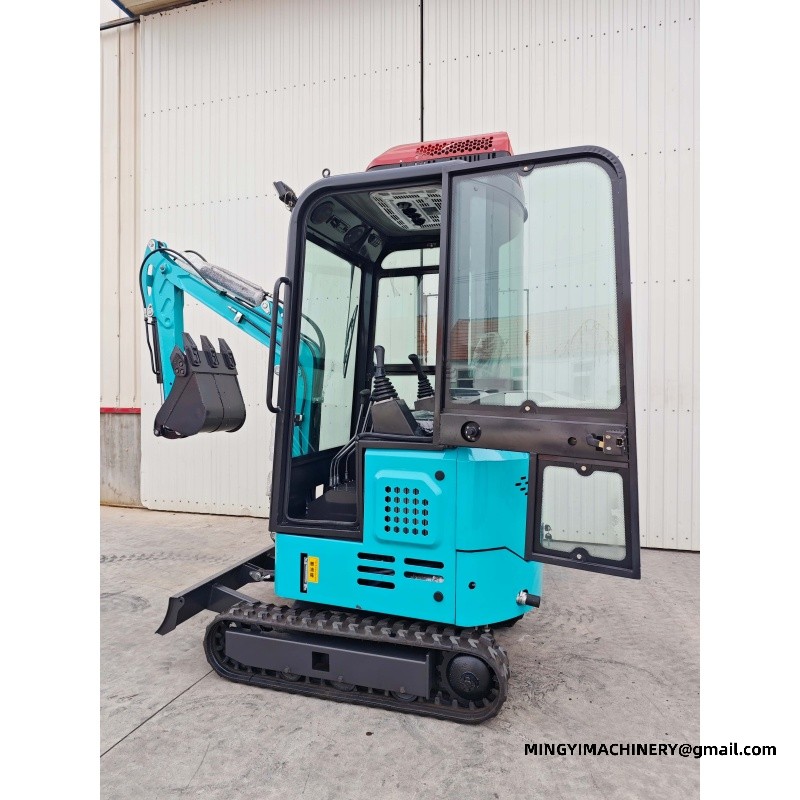
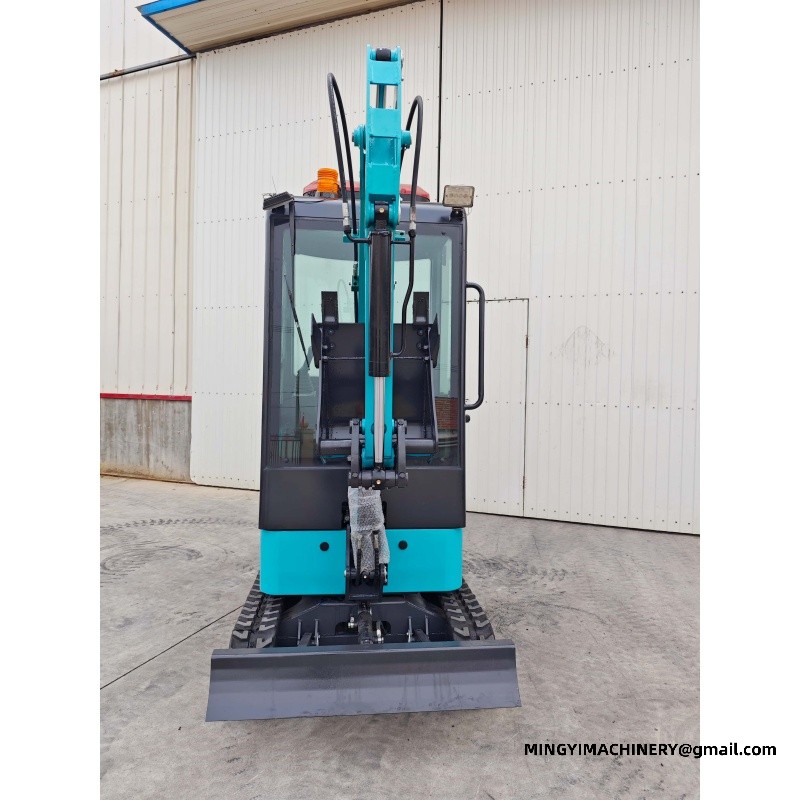
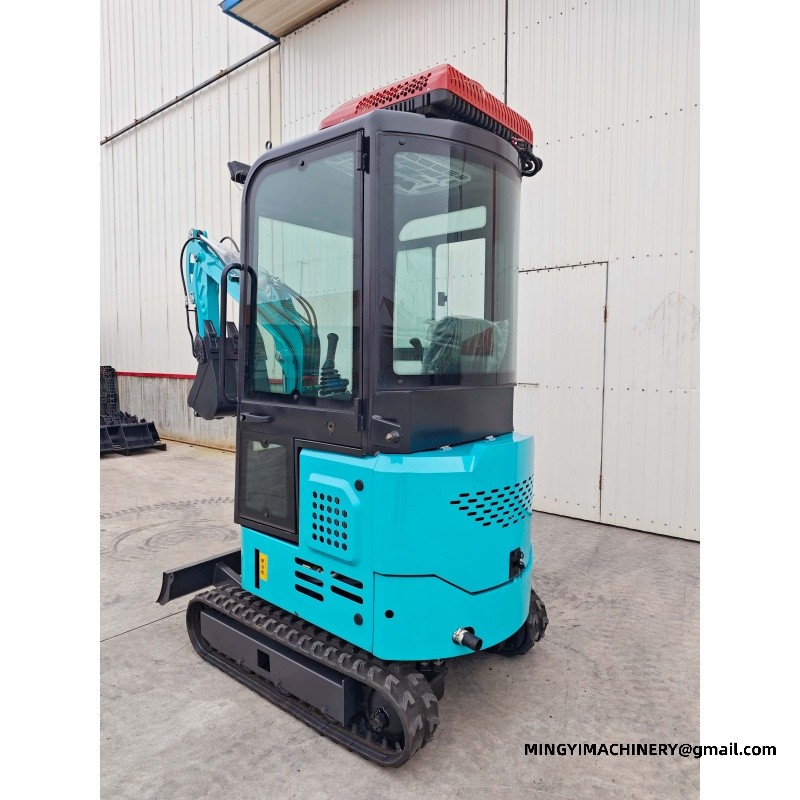
Reference specification — mini excavator range 15W 30-1W 30-2W 25L Operating weight 1400 kg (3086.47 lb) 2900 kg (6393.41 lb) 2700 kg (5952.48 lb) 2200 kg (4850.17 lb) Transport size (L×W×H) 2200 × 930 × 2250 mm 3000 × 1250 × 2780 mm 3000 × 1100 × 2700 mm 3000 × 1300 × 2700 mm Max digging depth 1630 mm (64.17 in) 2200 mm (86.61 in) 2200 mm (86.61 in) 2300 mm (90.55 in) Max digging height 2750 mm (108.27 in) 3400 mm (133.86 in) 3000 mm (118.11 in) 3100 mm (122.05 in) Max dumping height 1960 mm (77.17 in) 2400 mm (94.49 in) 2000 mm (78.74 in) 2050 mm (80.71 in) Max digging radius 2900 mm (114.17 in) 4000 mm (157.48 in) 3800 mm (149.61 in) 3900 mm (153.54 in) Max digging distance 2100 mm (82.68 in) 2800 mm (110.24 in) 3050 mm (120.08 in) 3100 mm (125.05 in) Minimum turning radius 1300 mm (51.18 in) 2000 mm (78.74 in) 1750 mm (68.9 in) 1800 mm (70.87 in) Travel speed 3 km/h (1.86 mph) 5 km/h (3.11 mph) 7 km/h (4.35 mph) 7 km/h (4.35 mph) Gradeability 30° 30° 30° 30° Fuel consumption 1-1.3 L/h (0.264—0.343 gal) 2-3 L/h (0.528—0.793 gal) 2-3 L/h (0.528—0.793 gal) 2-3 L/h (0.528—0.793 gal) Fuel tank capacity 10 L (2.64 gal) 16 L (4.23 gal) 16 L (4.23 gal) 16 L (4.23 gal) Hydraulic oil tank 16 L (4.23 gal) 20 L (5.28 gal) 20 L (5.28 gal) 18 L (4.76 gal) Dozer blade lift height 180 mm (7.09 in) 420 mm (16.54 in) 230 mm (9.06 in) 230 mm (9.06 in) Dozer blade drop depth 210 mm (8.27 in) 210 mm (8.27 in) 280 mm (11.02 in) 280 mm (11.02 in)
Q. What is this class of machine?
A. Compact excavators win work by being there: small enough to reach the job, strong enough to finish it. Trenching on Monday, loading and grading through the week, fence posts and drainage to finish - the attachment set specifications the work. MINGYI builds the 08, 12 and 18 models covering the 0.8 to 6 tonne class, and the unit in daily use is where that range meets setup on site.
Q. Where does the compact class stop making sense?
A. When the jobs need full-size reach or mass digging for weeks on end - within its envelope, though, the compact machine holds a work rate that surprises first-time buyers.
Q. What support follows the sale?
A. Spare-part kits, wear items and service documentation ship with the programme, and the parts team works from the serial plate to match components exactly. Warranty and support terms for the setup on site order are confirmed in writing before the machine leaves.
Pre-delivery inspection before a machine of this size leaves the shop
A machine should be inspected while it is still on our floor rather than after it lands. For the equipment on site that means the engine is run to temperature, the hydraulics are cycled through full travel, and every function is checked against the build sheet before the crate is closed.
Storage and long idle periods for the machine itself
Standing still is harder on a machine than working. Preparing the model in question for a long idle period means clean fluids, a charged battery and protection for the exposed surfaces, because neglect is not the same as rest.
E-mail : sales@mingycn.com
LINE ( ID ): mingyicn
Related pages
mini excavator for small renovation jobs · mini excavator built to oem specification · Wheel Loader Fork Attachment: Matching Forks to the Boom Section · Mini Excavators









