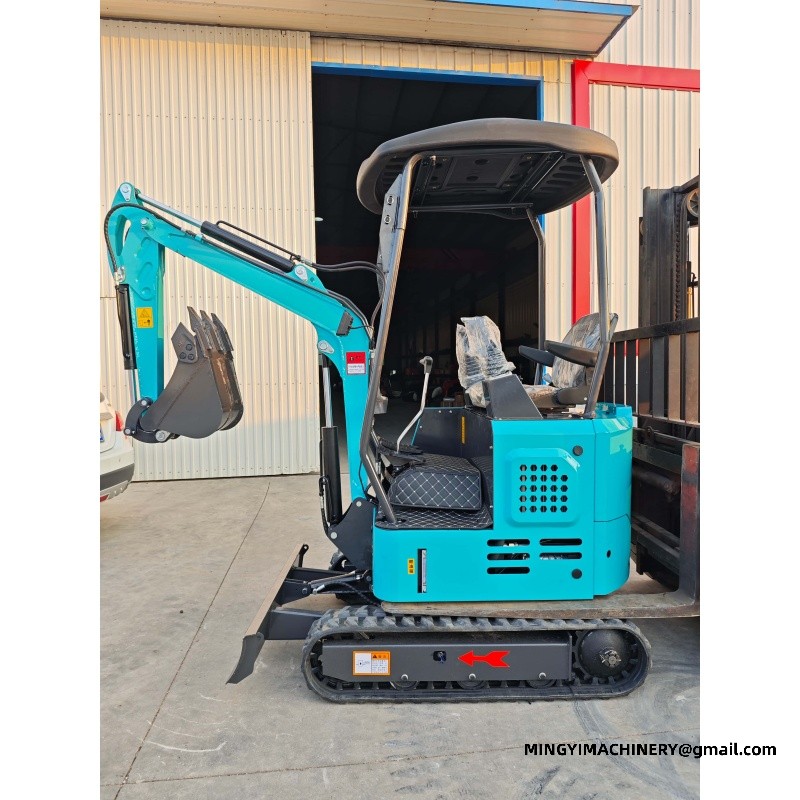
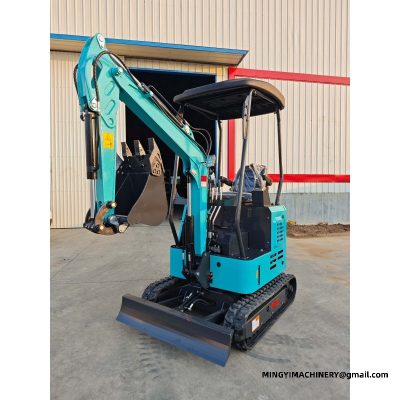
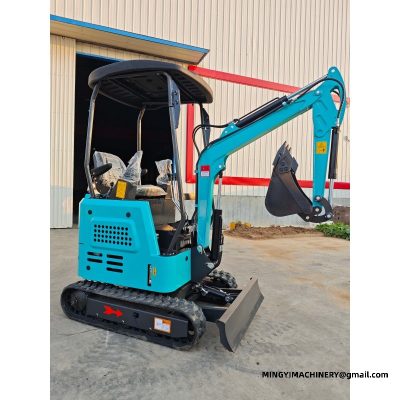
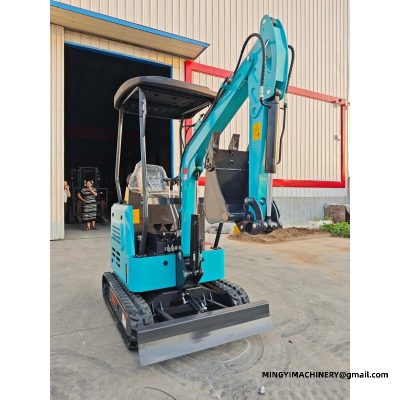
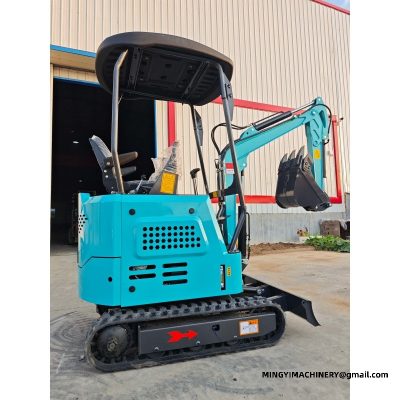
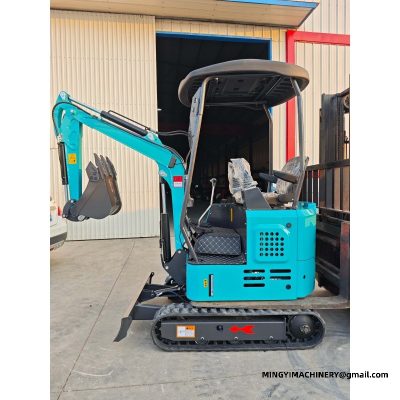
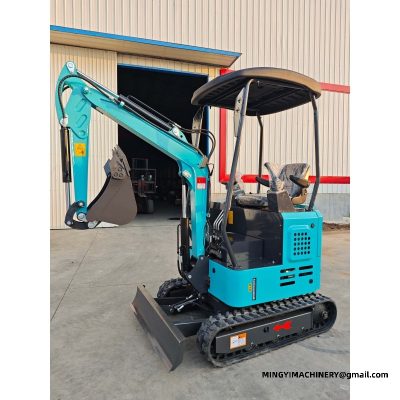
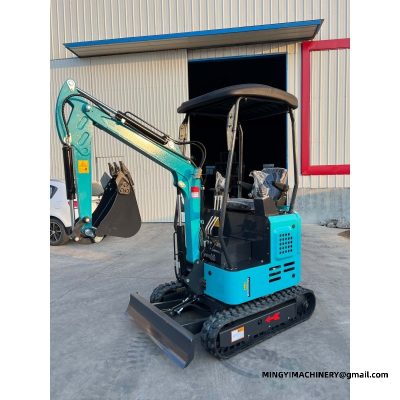
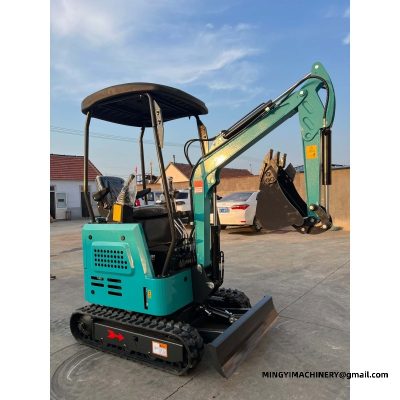
Pipeline and utility trenches differ from general trenching because the line is usually surveyed in advance and the machine has to follow it closely. The excavator opens a channel of a set width and depth, often in a corridor that already holds other services.
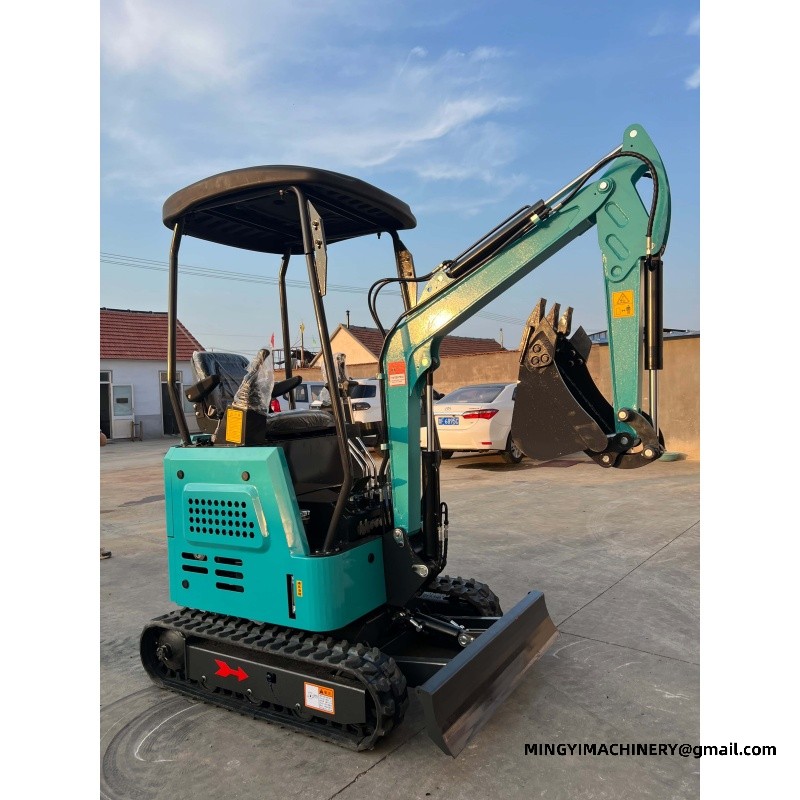
MINGYI mini excavators are used on these runs where the ground permits a compact machine, particularly on distribution lines, site services and cable routes rather than large trunk mains.
Digging a pipeline trench to a set line
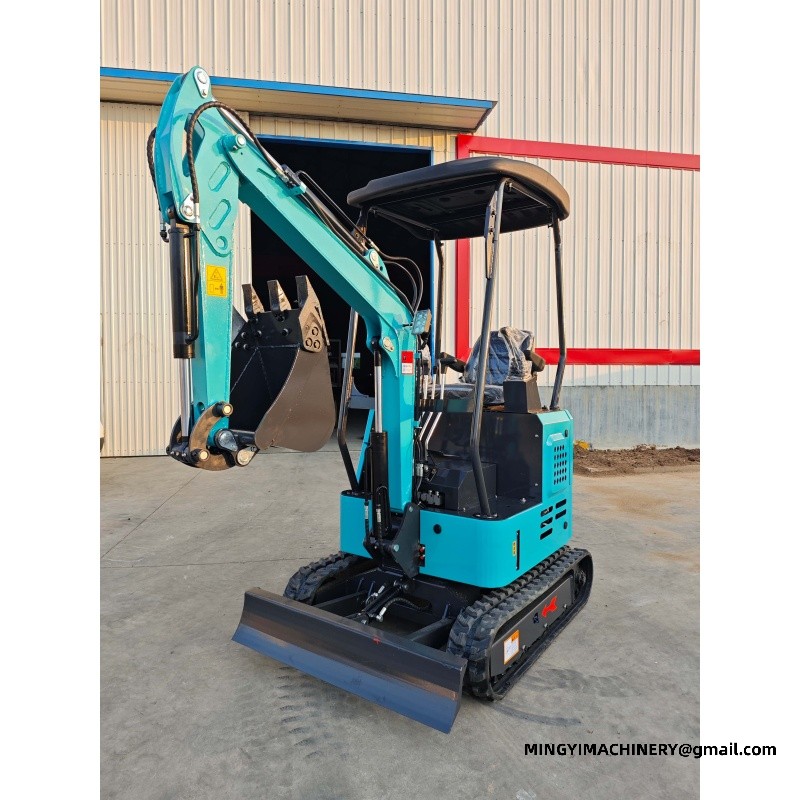
Depth and width are controlled by the bucket and by the operator's feel for the dig, so a machine with precise hydraulic control is more useful than a larger, heavier unit. A narrow bucket keeps the volume of spoil down and the trench walls straighter.
Because the route often passes close to existing pipes, cables or foundations, a compact machine with a swing boom can work beside the line and reach across without tracking over the open trench.
Ground conditions on utility routes
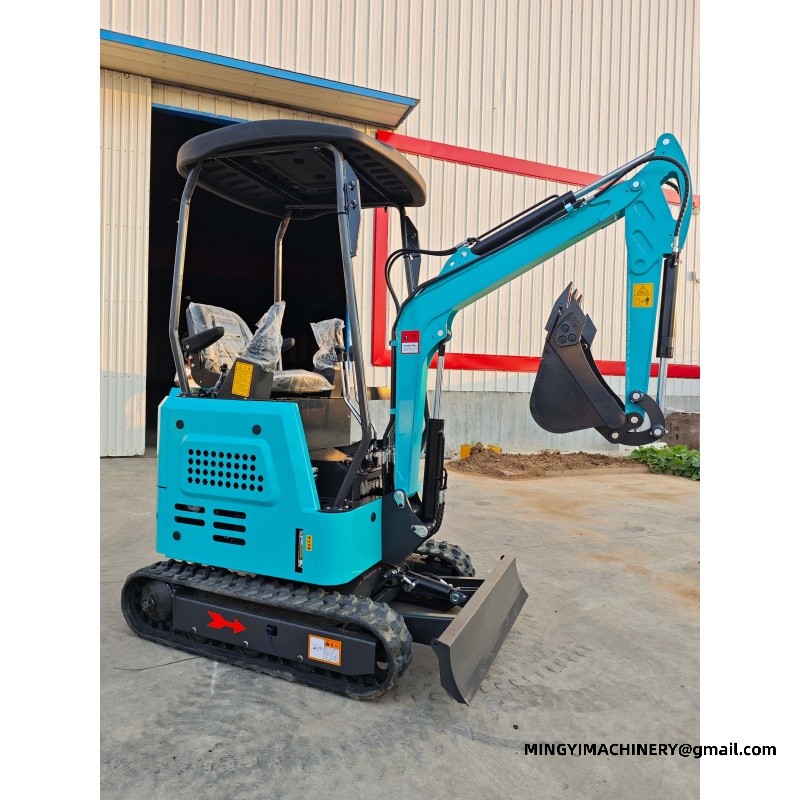
Pipeline routes cross lawns, verges, road edges and open ground, so the track choice varies along the job. Rubber tracks suit reinstatement work on finished surfaces, while steel tracks with rubber blocks are used where the going is rougher.
Where the route is long, the ability to reposition quickly and to load spoil to one side keeps the run moving. Attachments such as a breaker hammer are added when the line meets rock or old concrete.
To specify a machine for pipeline trenches, a buyer should describe the trench width and depth, the length of the run and the ground along it, and MINGYI will match the model and tracks to that route.
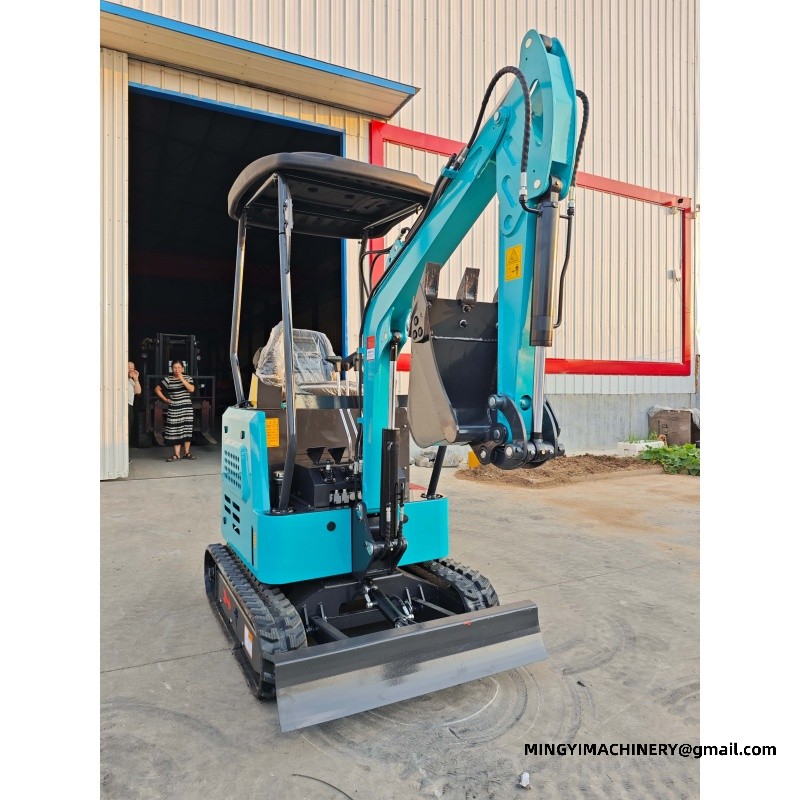
Acceptance checks when a mini excavator for pipeline trenches arrives Delivery day is the best time to find a problem. Checking the specification against the order, the fluid levels, the fasteners and any transport damage while the class of machine is still on the trailer is faster than claiming later. Documentation should arrive with the machine. Parts list, service schedule and any certificates for the excavator are what the workshop needs later, and they are much easier to obtain at delivery than in month six. Track choice for mini excavator for pipeline trenches Undercarriage selection is a ground question, not a preference question. The unit in daily use running on finished paving needs rubber; the same machine on demolition rubble or rock wears rubber quickly, so steel with rubber blocks becomes the better answer over a full season. Track type changes what the machine can cross and what it leaves behind. Buyers specify rubber for lawns, driveways and municipal work, and steel with rubber blocks for sites where sharp material would cut a rubber belt in a week. Canopy or enclosed cab on a mini excavator for pipeline trenches The cab decision follows the climate and the hours. Operators working a full shift in a machine of this size benefit from a sealed cab with wipers and heating; operators stepping on and off every few minutes usually prefer the canopy for the visibility and the quick exit. Enclosure also changes noise and dust exposure. A sealed cab on the equipment on site keeps dust out on dry sites and lets the machine work through weather that would otherwise stop a canopy machine for the day. Trenching work with mini excavator for pipeline trenches Trench quality depends on the bucket width and the operator, not on machine size. The machine itself with a narrow bucket and a swing boom cuts a clean run along a boundary without disturbing the ground either side of it. Depth control matters more on service work than speed. The model in question working beside live services is chosen because it can be placed precisely and stopped instantly, which is what the job actually requires. Road and paving work for mini excavator for pipeline trenches Road repair generates short, interrupted jobs - a patch, a drainage connection, a kerb line. The machine in that duty is economical here because it travels on a small trailer and starts working minutes after arriving. Breaking out a failed slab and backfilling the same hole in one visit is normal work for the unit on the job. The breaker and the bucket come off the same coupler, so the road is reopened the same day. Hydraulic circuits on a mini excavator for pipeline trenches Auxiliary hydraulic lines are what let a machine drive a tool rather than only a bucket. A machine built for the work specified with the right circuits and flow runs a breaker or an auger without an add-on power pack bolted to the frame. Flow and pressure are matched to the tool, not to the machine size. Asking for the attachment list first means the equipment in service leaves the factory with circuits that suit the heaviest tool the buyer intends to run. What owners should plan for beyond the excavator Purchase decision is the visible part of the effort. Fuel, filters, tracks or tyres, the operator and the transport between sites are the items that decide what this class of machine actually demands over a few seasons, and they are worth listing before the order. The useful comparison is demand per working hour, not demand per machine. The unit in daily use that works more hours a year spreads its standing takes over more output, which is why utilisation usually matters more than the invoice figure. Lifting and material handling with a machine of this size Stability changes with reach. A load the equipment on site handles close in becomes a different proposition at full extension, so the working radius belongs in the plan before the lift rather than during it. Ground condition under the machine is part of every lift. Soft or uneven support is the common factor in handling incidents, and checking it takes less time than recovering the machine itself that has settled. Boom configuration for the model in question A swing boom lets the machine dig parallel to its tracks without repositioning, which is what makes trenching beside a wall or a fence practical. On the machine in that duty this is often the option that decides whether a job is possible at all. Detachable boom sections are used where transport length matters. The unit on the job that has to travel on a standard trailer can be built so the arm comes off for the road and goes back on at the site. Specifying a machine built for the work against a job list The practical way to specify is to write the job list first: the narrowest access, the deepest trench, the heaviest tool and the surfaces the machine must cross. The equipment in service is then matched to those four numbers. Buyers who skip this step either over-buy or under-buy. The excavator specified only from machine size tends to arrive without the coupler, the circuits or the track type the work actually needs. Export packing and shipping of this class of machine Machines leave the factory prepared for container or flat rack shipment. The unit in daily use is normally shipped with the attachment set and the spare parts list agreed in advance so the container is planned once. Buyers who import regularly plan the spare parts with the machine. A machine of this size ordered with a wearing-parts kit arrives ready to work rather than ready to wait for the first service interval. Specification data for the equipment on site Where the machine itself is being specified for a job list, the table below gives the factory figures that matter most: what the machine weighs, how deep and how far it works, and what it measures on a trailer. These are the reference figures for the model in question. MINGYI confirms the final build sheet, including engine and attachment choices, against the destination and the job list before production. Availability is part of the decision. Owning the machine in that duty means it is there on the day the ground is ready; hiring means competing for the same machine at the same time as everyone else in the season. Ownership brings obligations that hiring does not. Storage, servicing, insurance and an operator are the items to set against the hire rate before deciding which way the unit on the job should be supplied.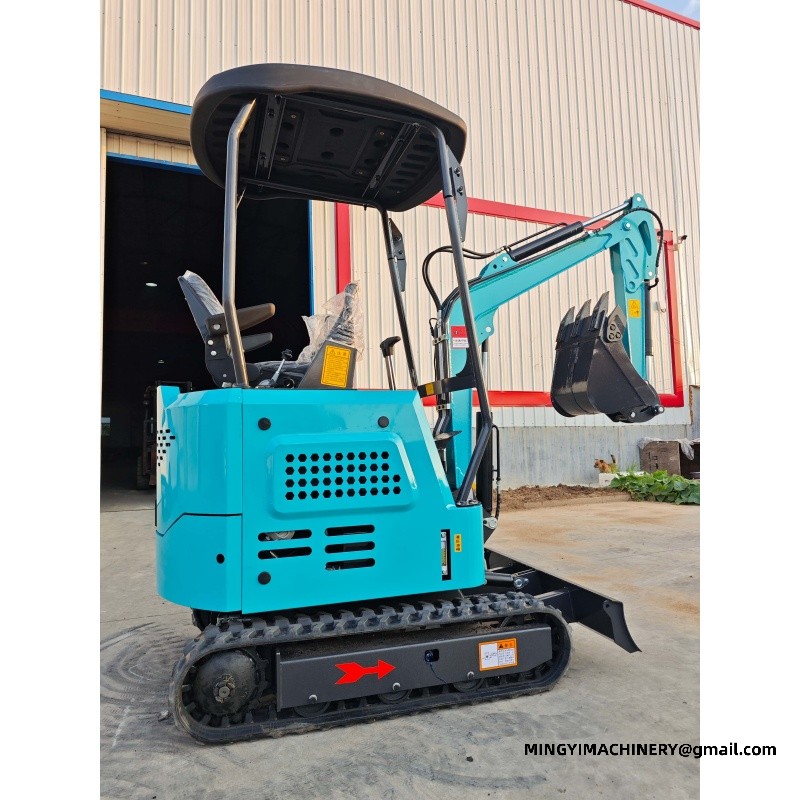
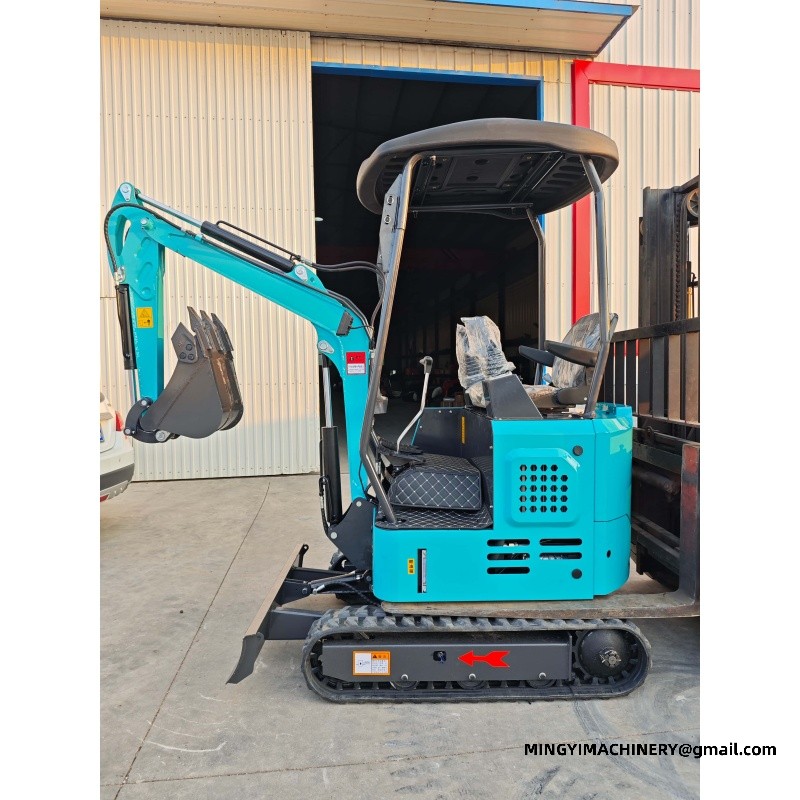
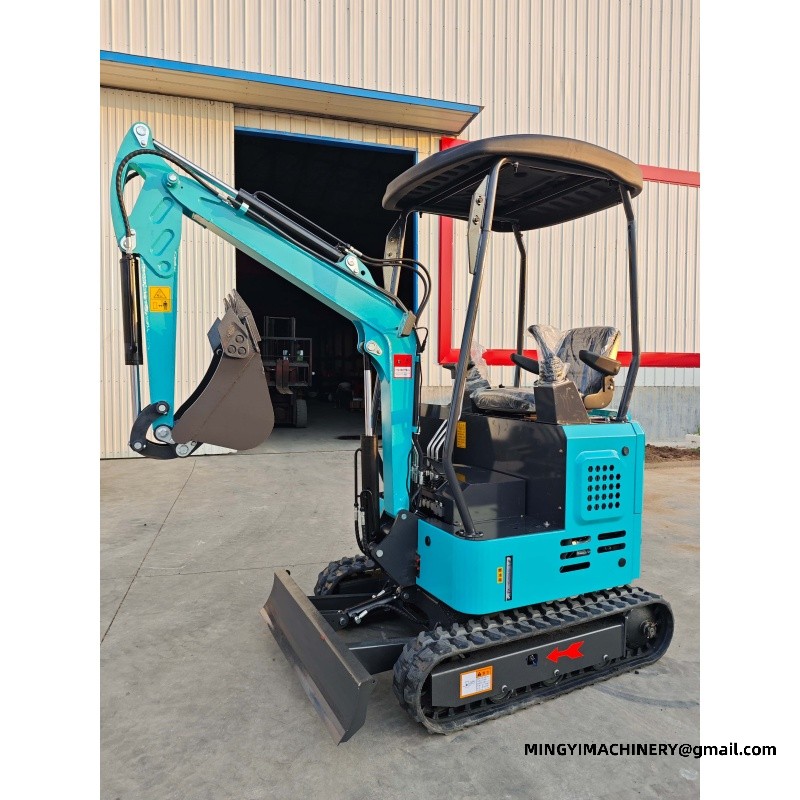
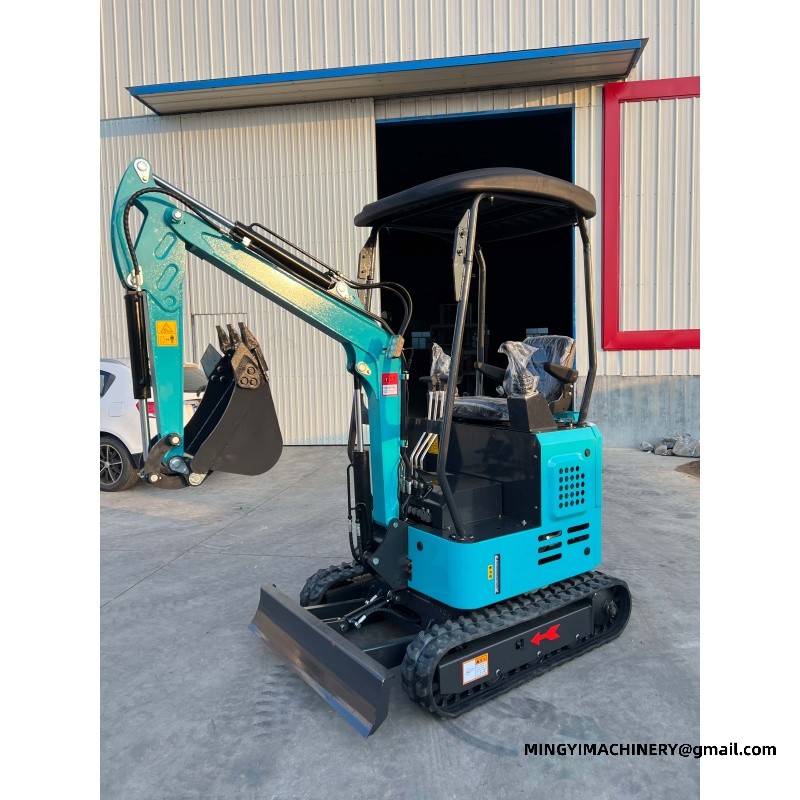
Reference specification — mini excavator range 12W 20-1WL 15L 30-2L Operating weight 1200 kg (2645.55 lb) 1900 kg (4188.78 lb) 1400 kg (3086.47 lb) 2400 kg (5291 lb) Transport size (L×W×H) 2200 × 930 × 2250 mm 2550 × 1100 × 2200 mm 2200 × 930 × 2250 mm 2800 × 1500 × 2500 mm Max digging depth 1630 mm (64.17 in) 1800 mm (70.87 in) 1700 mm (66.93 in) 2200 mm (86.61 in) Max digging height 2750 mm (108.27 in) 2820 mm (111.02 in) 2750 mm (108.27 in) 2900 mm (114.17 in) Max dumping height 1960 mm (77.17 in) 2050 mm (80.71 in) 1960 mm (77.17 in) 2100 mm (82.68 in) Max digging radius 2900 mm (114.17 in) 3050 mm (120.08 in) 2900 mm (114.17 in) 3330 mm (131.1 in) Max digging distance 2100 mm (82.68 in) 2300 mm (90.55 in) 2300 mm (90.55 in) 2700 mm (106.3 in) Minimum turning radius 1300 mm (51.18 in) 1450 mm (57.09 in) 1450 mm (57.09 in) 1555 mm (61.22 in) Travel speed 3 km/h (1.86 mph) 5 km/h (3.11 mph) 3 km/h (1.86 mph) 7 km/h (4.35 mph) Gradeability 30° 30° 30° 30° Fuel consumption 1-1.3 L/h (0.264—0.343 gal) 2-3 L/h (0.528—0.793 gal) 1-1.3 L/h (0.264—0.343 gal) 2-3 L/h (0.528—0.793 gal) Fuel tank capacity 10 L (2.64 gal) 16 L (4.23 gal) 10 L (2.64 gal) 16 L (4.23 gal) Hydraulic oil tank 16 L (4.23 gal) 18 L (4.76 gal) 16 L (4.23 gal) 18 L (4.76 gal) Dozer blade lift height 180 mm (7.09 in) 180 mm (7.09 in) 180 mm (7.09 in) 230 mm (9.06 in) Dozer blade drop depth 210 mm (8.27 in) 210 mm (8.27 in) 210 mm (8.27 in) 280 mm (11.02 in)
Q. Who uses the machine built for the work?
A. Most compact excavator hours are spent in the ground for services and drainage, and the whole job is matching the machine to exactly that work. Working back along the line keeps spoil clear and the sightline open, which is how the trench stays straight without marking every metre. The equipment in service is one of the pages buyers land on when comparing machines for pipeline trenches, and the factory treats it as a specification conversation rather than a catalogue line.
Q. Which bucket digs a clean trench?
A. A narrow trenching bucket matched to the pipe or cable, with teeth only when the ground is hard. MINGYI specifications bucket widths with the machine, so the trench and the tool arrive matched instead of guessed.
Q. Does MINGYI supply attachments with the machine?
A. Yes - buckets, breakers, augers, rakes and the rest of the working set ship with the carrier, matched to the hydraulic flow and the coupler. For pipeline trenches the package is confirmed on the build sheet, so machine and tools arrive together and start work together.
Packing, loading and shipment of the excavator
How a machine travels decides how it starts on arrival. Securing this class of machine against movement, protecting the exposed cylinders and keeping the battery and fluids in the right state for the voyage all belong to the packing list.
Cold weather and winter care for the unit in daily use
Winter is hard on rubber and on seals as much as on the engine. Parking a machine of this size under cover, keeping the tracks or tyres off standing water and checking the hoses for cracking are all part of the season.
Commissioning the equipment on site on site
Commissioning is where the specification meets the ground. The settings chosen for the machine itself are confirmed against the actual site, and the working pattern is adjusted before the machine is asked for a full day.
E-mail : sales@mingycn.com
LINE ( ID ): mingyicn
Related pages
mini excavator for footing excavation · mini excavator for planting and grading · Wheel Loader Manufacturer: Five Figures to Ask For · Mini Excavators









