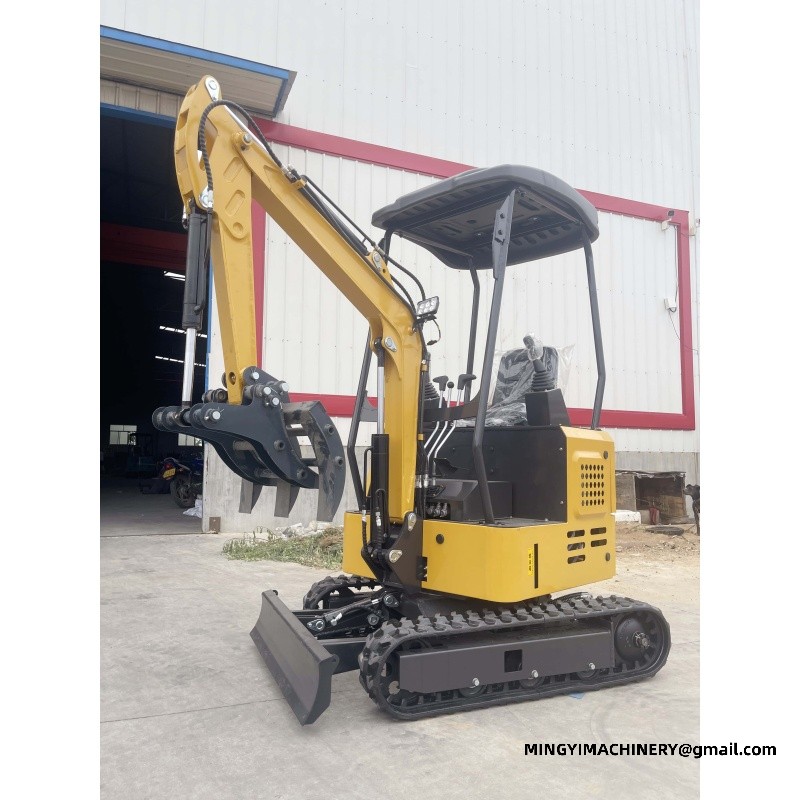
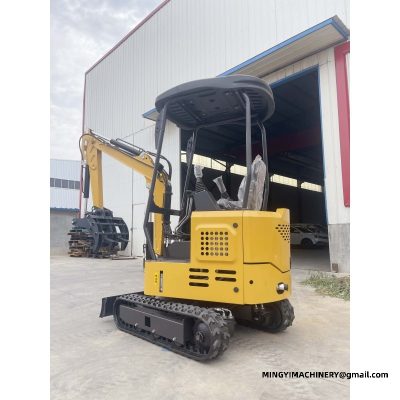
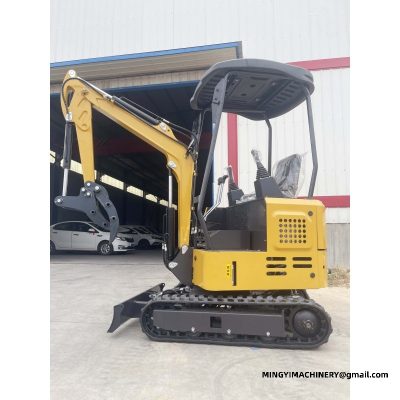
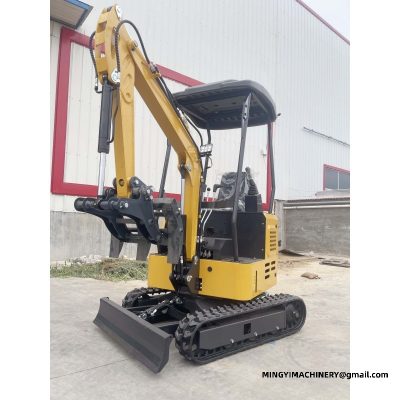
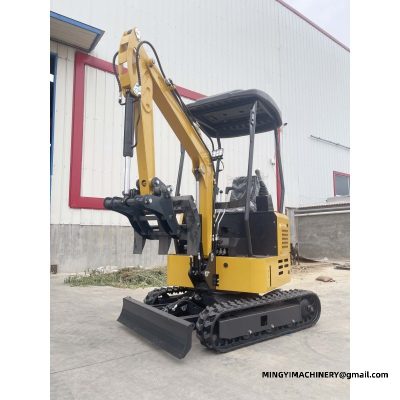
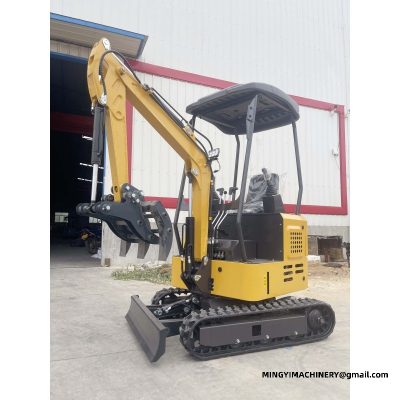
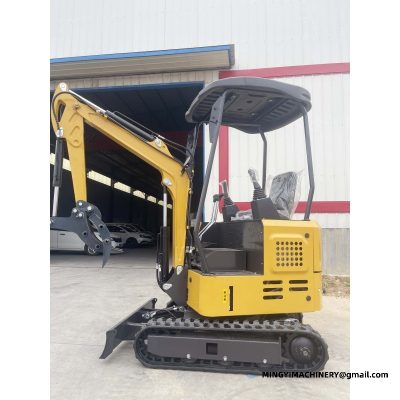
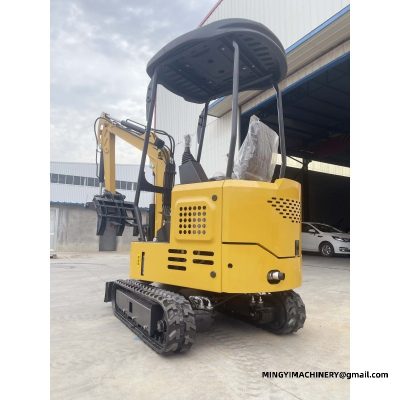
Municipal winter maintenance is measured by how fast a route is reopened. Footpaths, bus stops and housing estate roads all need clearing, and a compact carrier can service them while the larger fleet works the main carriageways.
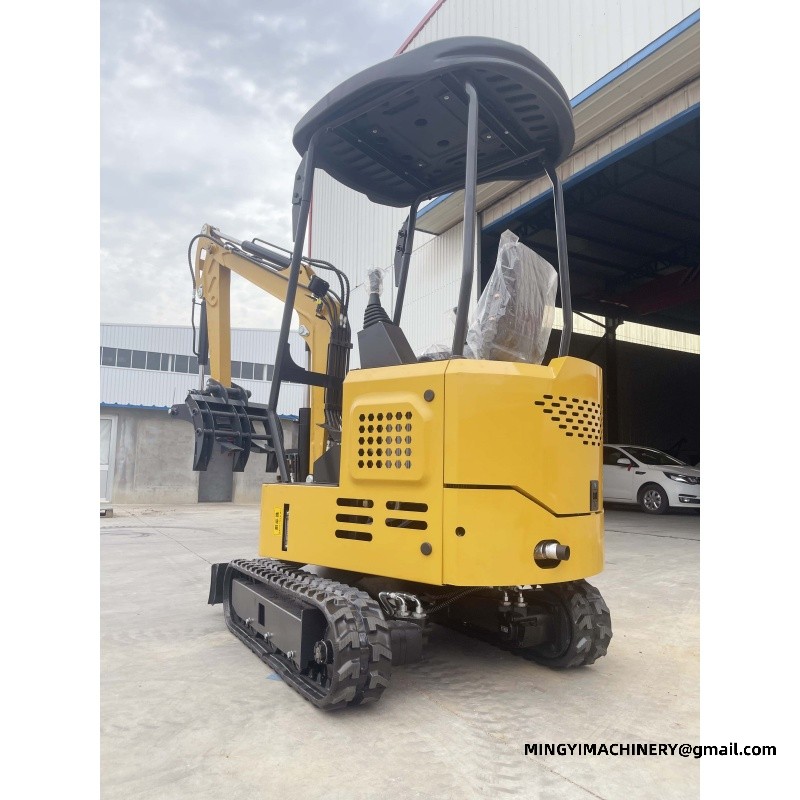
MINGYI mini crawler excavators suit that secondary role because they are built to order. A council or its contractor can specify the attachments and cab that match the season's task and the operator's routine.
Where a compact machine fits a winter maintenance plan
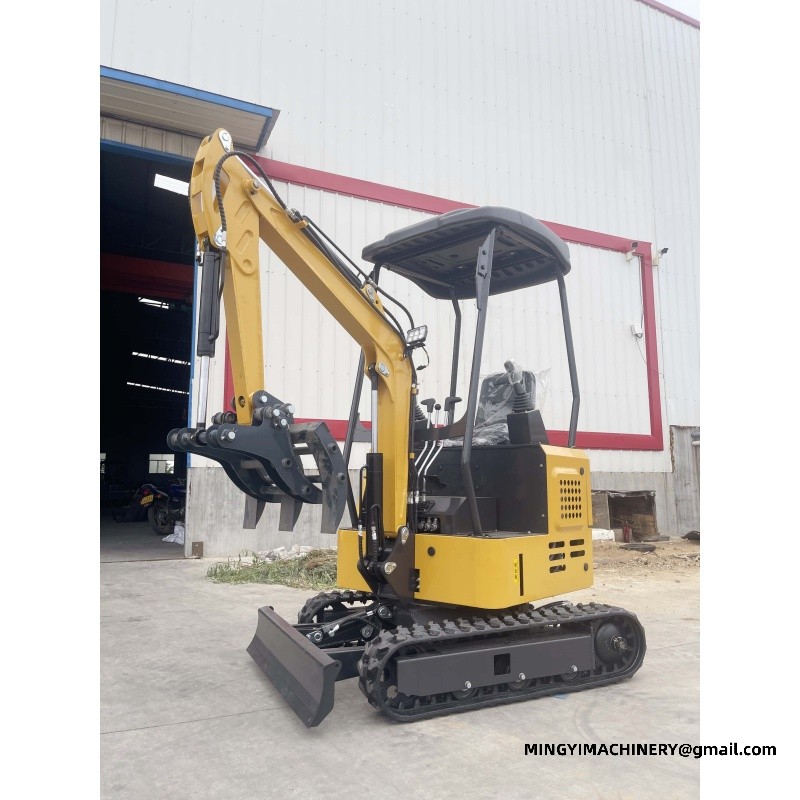
The main roads are usually handled by purpose-built sweepers and ploughs. The smaller areas, from car park entrances to pedestrian links, are where a mini excavator adds capacity without a second specialised machine.
Because it can also dig, the carrier stays useful the rest of the year for verge repairs, drainage and footpath renewal. That dual use is what makes the purchase easier to justify across a plan year.
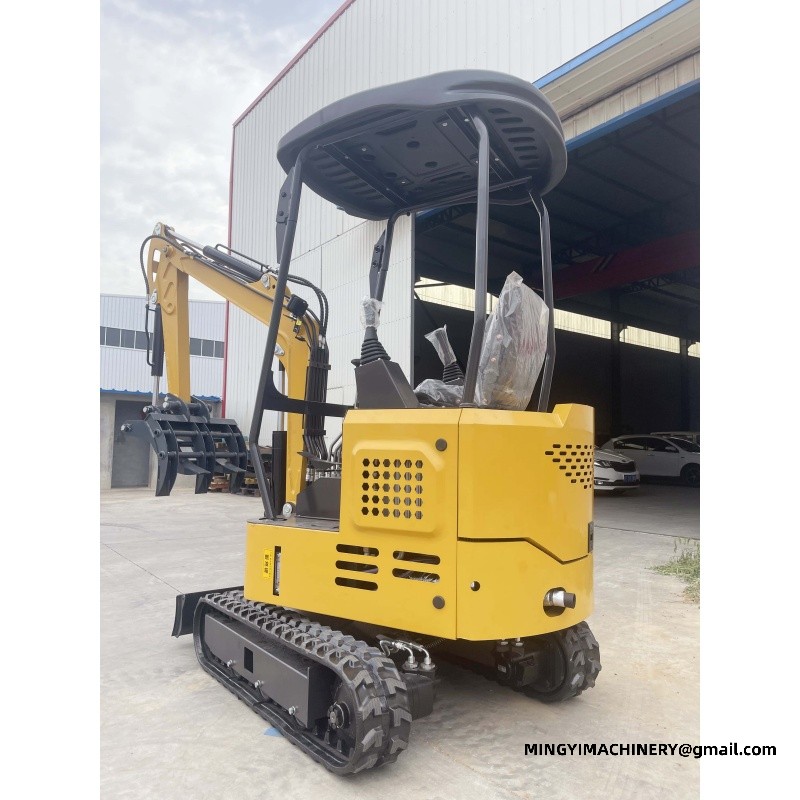
Specifying a municipal snow unit
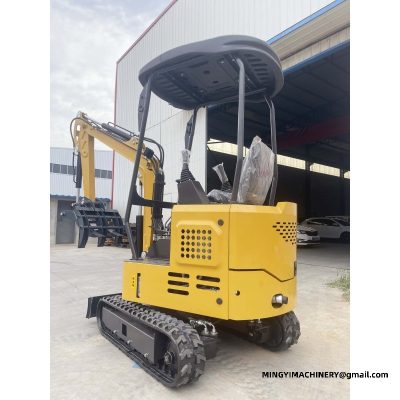
An enclosed cab keeps the operator out of wind and spray on long shifts, while a canopy suits short clearances in milder conditions. The choice is recorded with the order and does not change the machine's working ability.
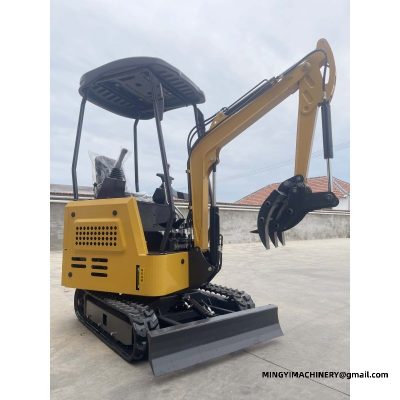
Attachments for snow work are matched to the coupler at ordering. A bucket clears bulk snow from a yard, and a front fork handles pallets or equipment that must move while a site is closed.
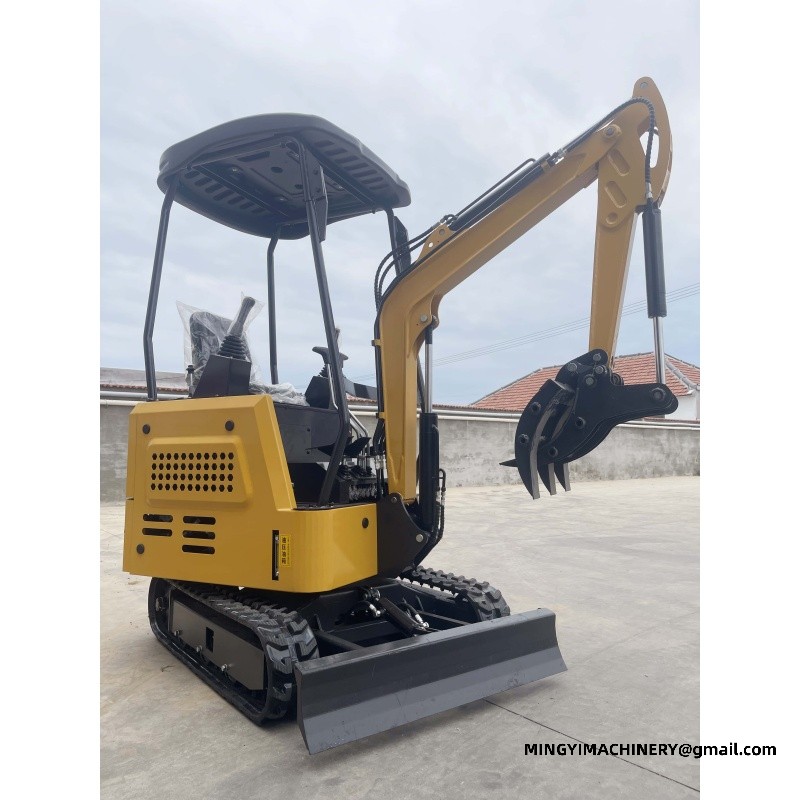
Cab, attachment and track type should be confirmed before a municipal winter order is placed. Getting those three right at the start is what lets the machine slot into an existing maintenance routine.
Interior and light demolition with mini excavator for municipal snow clearing Breaking out a floor slab, a wall footing or a concrete step is routine work for the excavator with a breaker. The machine is small enough to work inside and heavy enough to run the tool at a practical rate. Dust, debris clearance and floor loading all argue for a compact machine indoors. This class of machine spreads its weight over a wider track footprint than a wheeled machine of similar capacity. Landscaping and ground care with mini excavator for municipal snow clearing Grass cutting heads, rakes and tillers extend the unit in daily use into ground care. The same carrier that digs a border in spring can cut and clear the same area later in the season. On soft landscape work the surface is the constraint. A machine of this size on rubber tracks crosses turf without stripping it, which is why the same jobs are not given to a wheeled machine. Export packing and shipping of mini excavator for municipal snow clearing Export documentation, decals and paint are settled before packing. Asking for them with the machine itself order avoids a second handling session and keeps the machine on the booked vessel. Buyers who import regularly plan the spare parts with the machine. The equipment on site ordered with a wearing-parts kit arrives ready to work rather than ready to wait for the first service interval. Boom configuration for mini excavator for municipal snow clearing Extended and offset boom configurations change reach and working range. The model in question with a longer arm reaches further but lifts less at full extension, so the specification is set against the deepest and furthest point on the job list. Detachable boom sections are used where transport length matters. The machine in that duty that has to travel on a standard trailer can be built so the arm comes off for the road and goes back on at the site. What owners should plan for beyond the mini excavator for municipal snow clearing The useful comparison is demand per working hour, not demand per machine. The unit on the job that works more hours a year spreads its standing takes over more output, which is why utilisation usually matters more than the invoice figure. Downtime is the hidden line item. A machine built for the work waiting on a part earns nothing while it stands, so parts availability and service access belong in the plan as much as fuel does. Running mini excavator for municipal snow clearing in a rental fleet Rental fleets buy for utilisation, not for a single job. The equipment in service with a quick coupler and a common attachment standard is hired more often because it suits more of the calls that come in. Fleet buyers also weigh transport. The excavator that a customer can tow on a normal licence and a standard trailer is a hire that does not need a delivery truck, which changes how often it goes out. Attachments that turn this class of machine into several machines The base machine is a carrier; the tool on the end of the arm decides the task. The unit in daily use fitted with a toothed bucket digs, and the same machine with a breaker, an auger or a grab does work that would otherwise need a second unit on site. Attachment lists are best written before delivery. Specifying a machine of this size with the tools the job list needs avoids the work and delay of adding hydraulics later, and a quick coupler makes the swap a few minutes instead of a workshop job. Matching the equipment on site to ground conditions Soft ground is a flotation problem, not a power problem. The machine itself on wide rubber tracks crosses lawn, sand and cultivated soil that would stop a narrower machine or a wheeled unit of the same capacity. Mixed sites are common and argue for a compromise specification. Most buyers choose rubber for the model in question and accept the wear, unless the majority of the work is on material that will damage it. Trenching work with the machine in that duty Service trenches are the most common reason the unit on the job is hired. Water, sewage, cable and gas runs are narrow, shallow and often close to existing services, which is exactly the work a full-size machine cannot do safely. Trench quality depends on the bucket width and the operator, not on machine size. A machine built for the work with a narrow bucket and a swing boom cuts a clean run along a boundary without disturbing the ground either side of it. Working the equipment in service in confined spaces Confined sites are decided by dimensions. Overall width, tail swing and the space needed to work the arm are what let the excavator operate inside a building, between walls or in a courtyard. Ventilation is the other indoor constraint. Running this class of machine inside a closed structure needs air movement, and that is a planning item rather than something to discover after the first hour. Working the unit in daily use through the seasons Weather decides which days are productive. Rain turns some ground unusable and cold changes how a machine of this size starts and warms up, so planning the wet months around maintenance is more useful than planning around output. Heat and dust are as limiting as rain. Air intake condition and cooling cleanliness decide how the equipment on site behaves in a dry season, and both are checked in a minute rather than repaired later. Specification data for the machine itself Where the model in question is being specified for a job list, the table below gives the factory figures that matter most: what the machine weighs, how deep and how far it works, and what it measures on a trailer. Figures are factory figures and are confirmed on the build sheet for the machine in that duty. Where a job sits between two models, the larger machine usually takes less time than the smaller one spends on rework. Undercarriage selection is a ground question, not a preference question. The unit on the job running on finished paving needs rubber; the same machine on demolition rubble or rock wears rubber quickly, so steel with rubber blocks becomes the better answer over a full season. Track type changes what the machine can cross and what it leaves behind. Buyers specify rubber for lawns, driveways and municipal work, and steel with rubber blocks for sites where sharp material would cut a rubber belt in a week.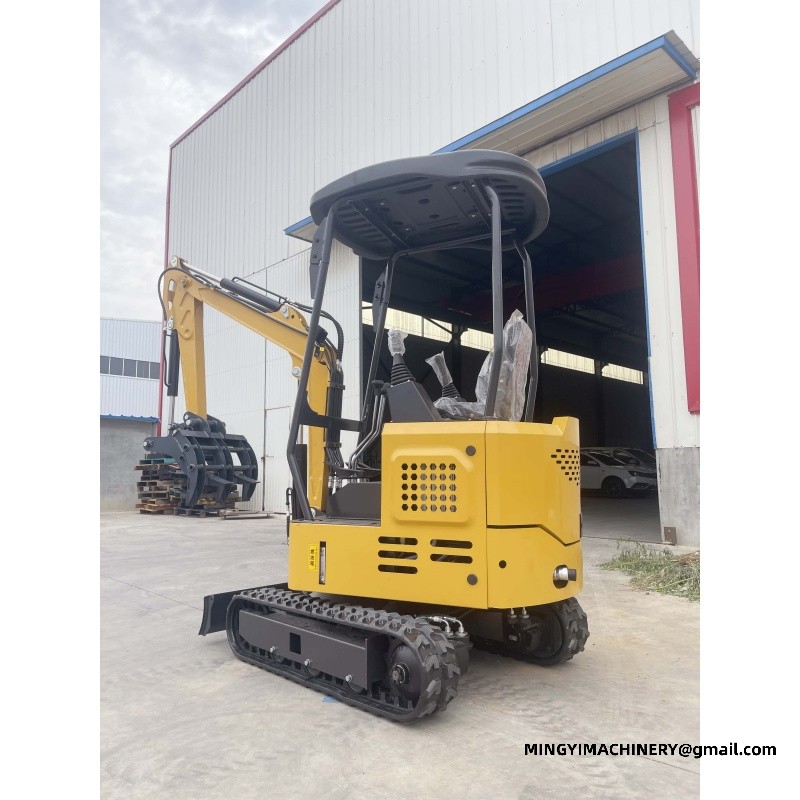
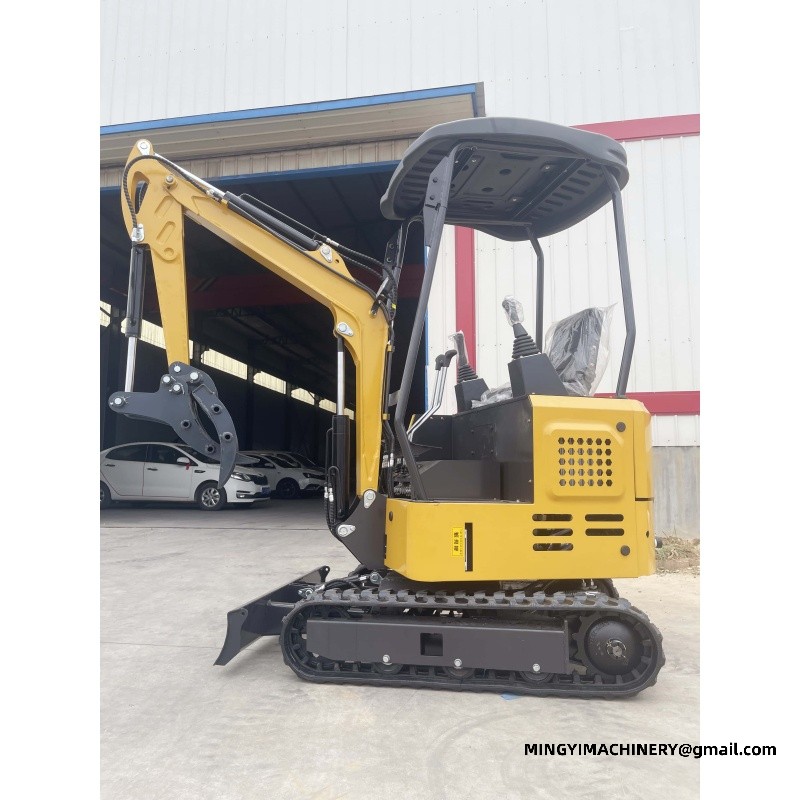
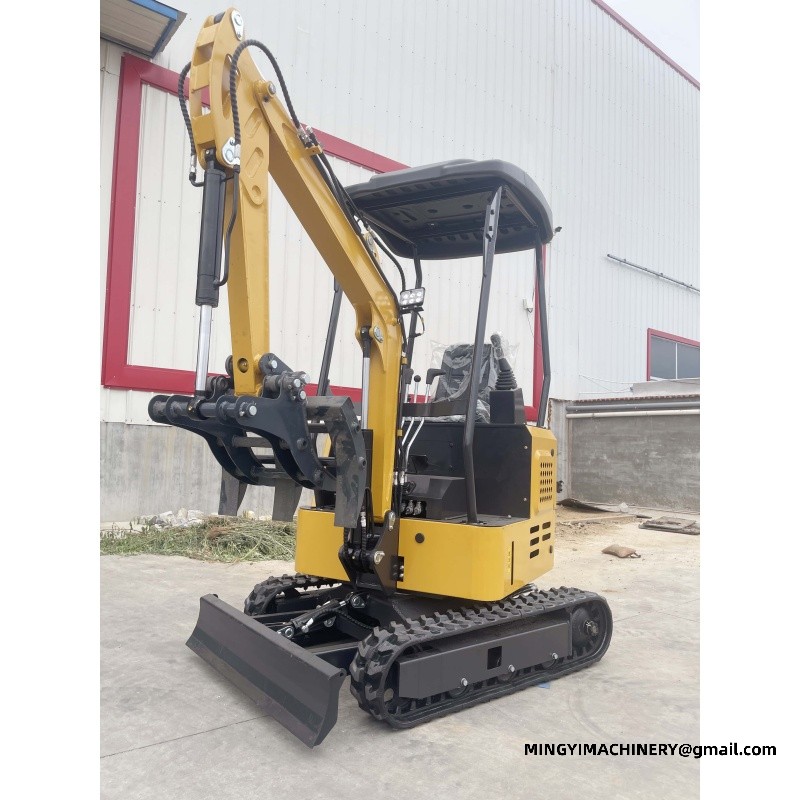
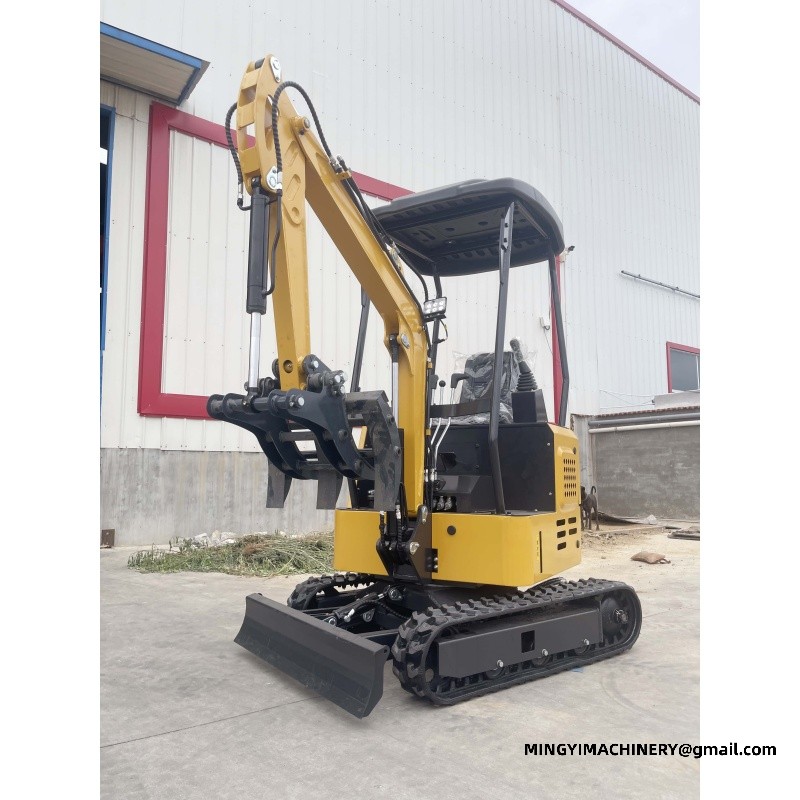
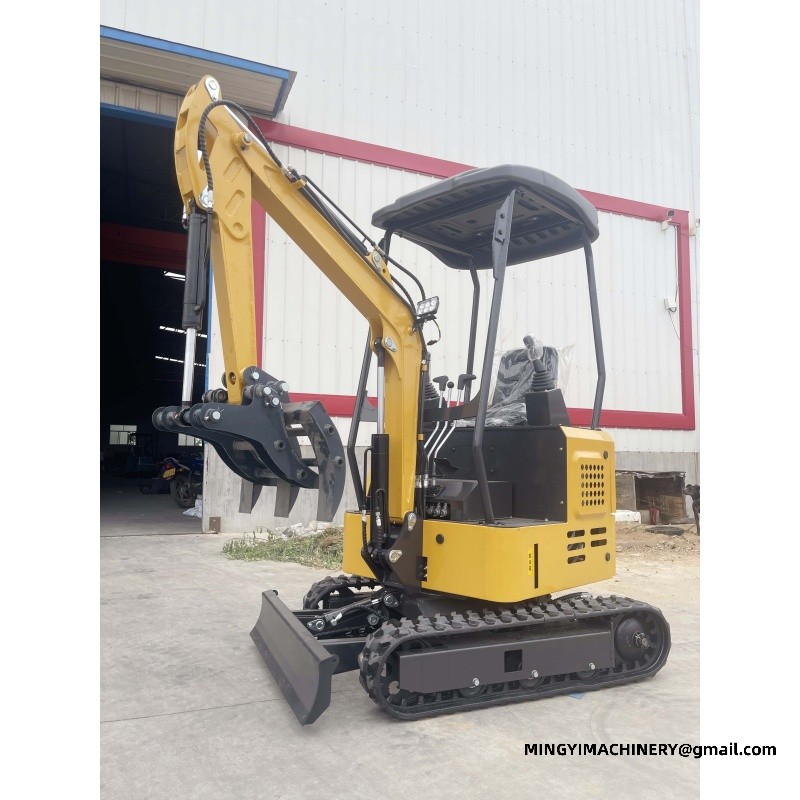
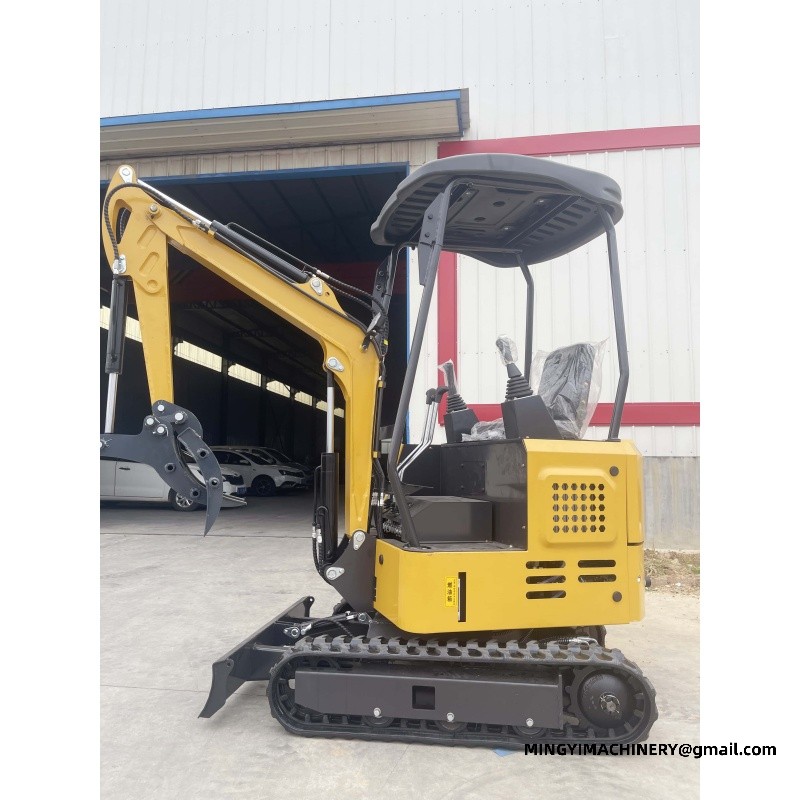
Reference specification — mini excavator range 13W 30-1W 20-2L 25L Operating weight 1300 kg (2866.01 lb) 2900 kg (6393.41 lb) 1900 kg (4188.78 lb) 2200 kg (4850.17 lb) Transport size (L×W×H) 2200 × 930 × 2250 mm 3000 × 1250 × 2780 mm 2600 × 1300 × 2344 mm 3000 × 1300 × 2700 mm Max digging depth 1630 mm (64.17 in) 2200 mm (86.61 in) 2100 mm (82.68 in) 2300 mm (90.55 in) Max digging height 2750 mm (108.27 in) 3400 mm (133.86 in) 2880 mm (113.39 in) 3100 mm (122.05 in) Max dumping height 1960 mm (77.17 in) 2400 mm (94.49 in) 2100 mm (82.68 in) 2050 mm (80.71 in) Max digging radius 2900 mm (114.17 in) 4000 mm (157.48 in) 3215 mm (126.57 in) 3900 mm (153.54 in) Max digging distance 2100 mm (82.68 in) 2800 mm (110.24 in) 2460 mm (96.85 in) 3100 mm (125.05 in) Minimum turning radius 1300 mm (51.18 in) 2000 mm (78.74 in) 1587 mm (62.48 in) 1800 mm (70.87 in) Travel speed 3 km/h (1.86 mph) 5 km/h (3.11 mph) 5 km/h (3.11 mph) 7 km/h (4.35 mph) Gradeability 30° 30° 30° 30° Fuel consumption 1-1.3 L/h (0.264—0.343 gal) 2-3 L/h (0.528—0.793 gal) 2-3 L/h (0.528—0.793 gal) 2-3 L/h (0.528—0.793 gal) Fuel tank capacity 10 L (2.64 gal) 16 L (4.23 gal) 16 L (4.23 gal) 16 L (4.23 gal) Hydraulic oil tank 16 L (4.23 gal) 20 L (5.28 gal) 18 L (4.76 gal) 18 L (4.76 gal) Dozer blade lift height 180 mm (7.09 in) 420 mm (16.54 in) 180 mm (7.09 in) 230 mm (9.06 in) Dozer blade drop depth 210 mm (8.27 in) 210 mm (8.27 in) 210 mm (8.27 in) 280 mm (11.02 in)
Q. Who chooses a machine built for the work?
A. Roadside and municipal jobs are small in size and large in number: kerbs, gutters, retaining walls, reinstatement after utility work. The quick coupler and a planned trailer keep the crew self-sufficient, with no traffic management beyond cones. The equipment in service is one of the pages buyers land on when comparing machines for municipal snow clearing, and the factory treats it as a specification conversation rather than a catalogue line.
Q. Can it handle foundations and retaining walls?
A. Footing trenches, drainage behind the wall and placement of blocks are all compact-class work; read the page with the attachment list and the build covers the job end to end.
Q. What support follows the sale?
A. Spare-part kits, wear items and service documentation ship with the programme, and the parts team works from the serial plate to match components exactly. Warranty and support terms for the municipal snow clearing order are confirmed in writing before the machine leaves.
Wear items and spares worth holding for the excavator
Wear items are predictable once the machine has settled in. After the first service interval the pattern on this class of machine is visible, and the parts that were replaced become the parts that are kept.
Commissioning the unit in daily use on site
Transport shakes things loose. A short check of a machine of this size after the crate is opened, covering the same points the pre-delivery inspection covered, is the most useful insurance available on delivery day.
Keeping a service record for the equipment on site
A written record is worth more than a good memory. Dates, hours and the parts fitted on the machine itself turn a guess about the next service into a fact, and they are the first thing a buyer asks to see.
E-mail : sales@mingycn.com
LINE ( ID ): mingyicn
Visibility and blind spots around mini excavator for municipal snow clearing
A machine working in a yard with people on foot needs a rule about who moves first, agreed before the shift rather than during it.
Reverse alarms and beacons fail quietly, and testing them takes a minute whenever the machine changes site.
Dust, low sun and rain all shorten sight lines, and the sensible response is to slow the cycle rather than to work on memory.
Related pages
indoor demolition mini excavator · mini excavator diesel engine options · Heavy Duty Wheel Loader: Frame Steel, Cylinders and Cooling · Mini Excavators









