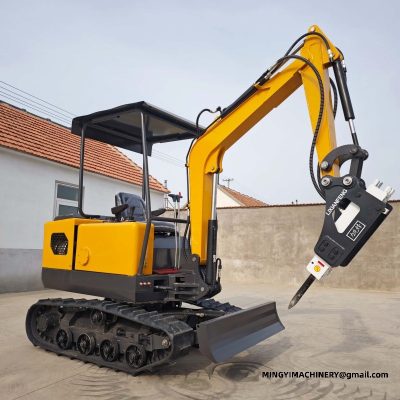
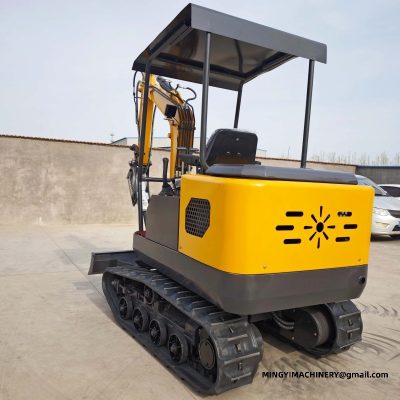
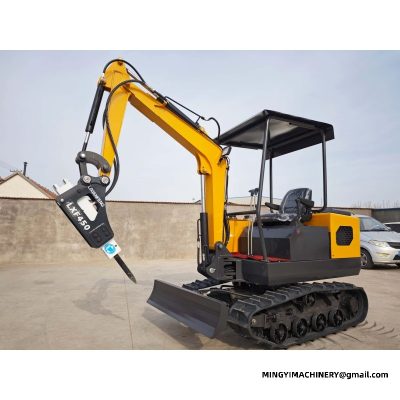
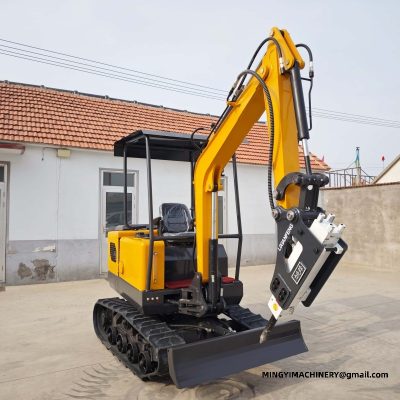
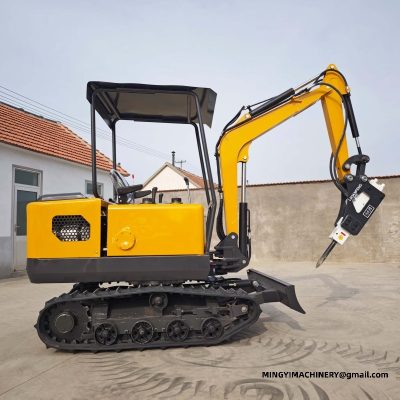
Engine emission compliance for a mini excavator is settled in the ordering office, not on the shipping dock. At MINGYI the engine option and its emission configuration are agreed against the destination market before production begins, and the arrangement is recorded against each machine built.
This page explains that process for buyers who need their fleet's engine configuration documented and consistent: what is fixed at ordering, what is recorded at machine level, and what the buyer should bring to the conversation.
Fixing the engine configuration at ordering
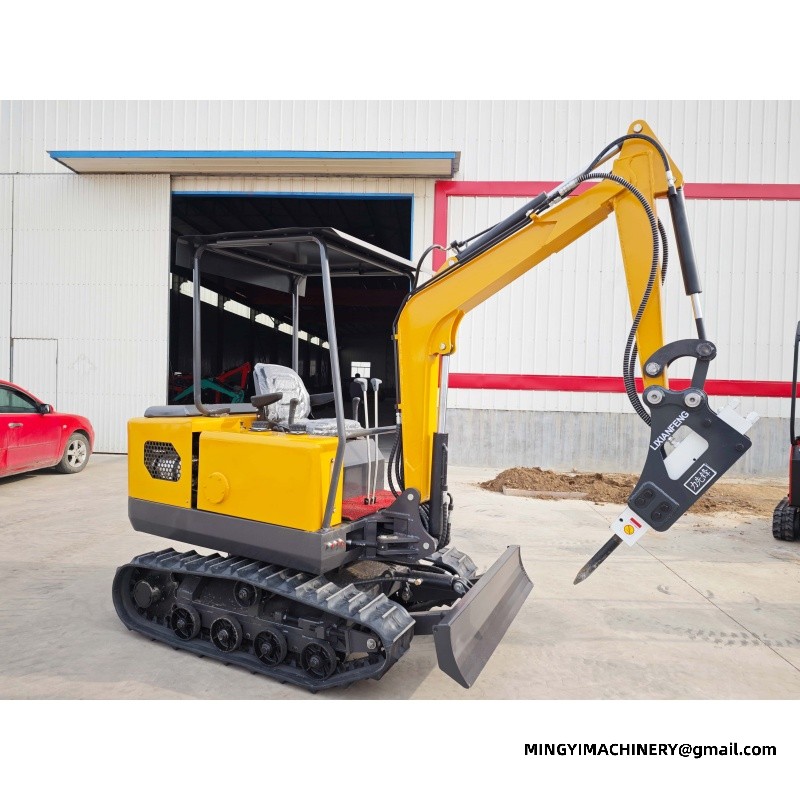
The destination market comes first: where the machines will be registered and worked sets what their engines must satisfy. From there the sales engineer and the buyer agree the engine option, among the available Kubota, YANMAR and other units, with its emission arrangement written into the order.
Leaving this until after production is the lengthy way to learn the process matters, because a machine's engine configuration cannot be assumed from its class, only from its order sheet.
Records that follow each machine
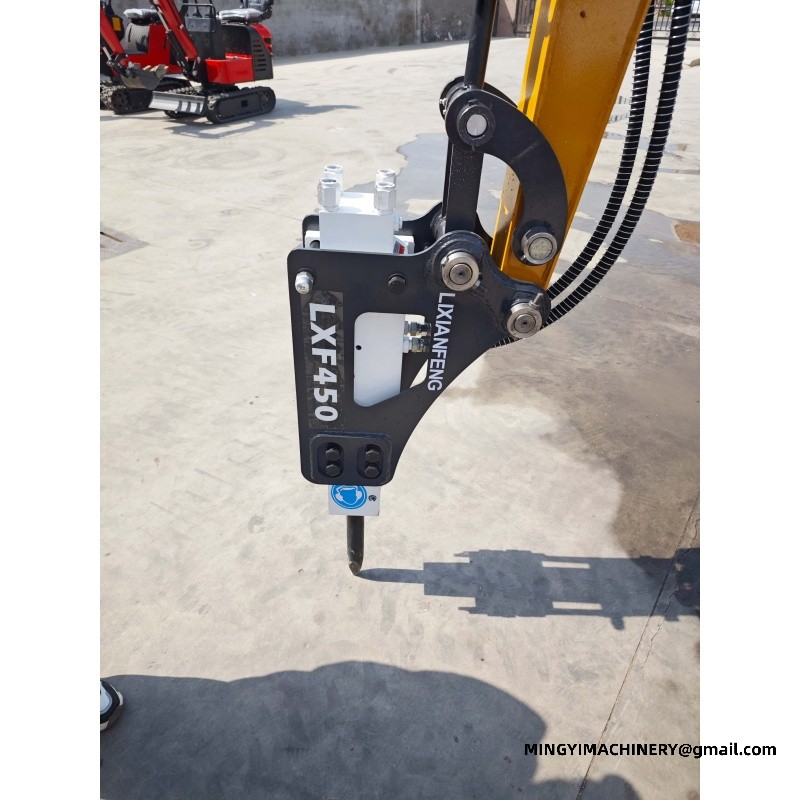
Once agreed, the configuration is recorded against the machine's build record, and the unit is produced and checked against it. The finished machine ships with spare parts and service information for the fitted engine, keeping paperwork and hardware aligned.
For fleet buyers the record supports consistency: repeat orders referencing the same configuration arrive as the same machine, so one parts list and one service routine cover the whole fleet.
Emission compliance is an ordering discipline, and it protects the buyer's registration and resale position in the destination market. Settle the engine lines first, and the rest of the order follows cleanly.
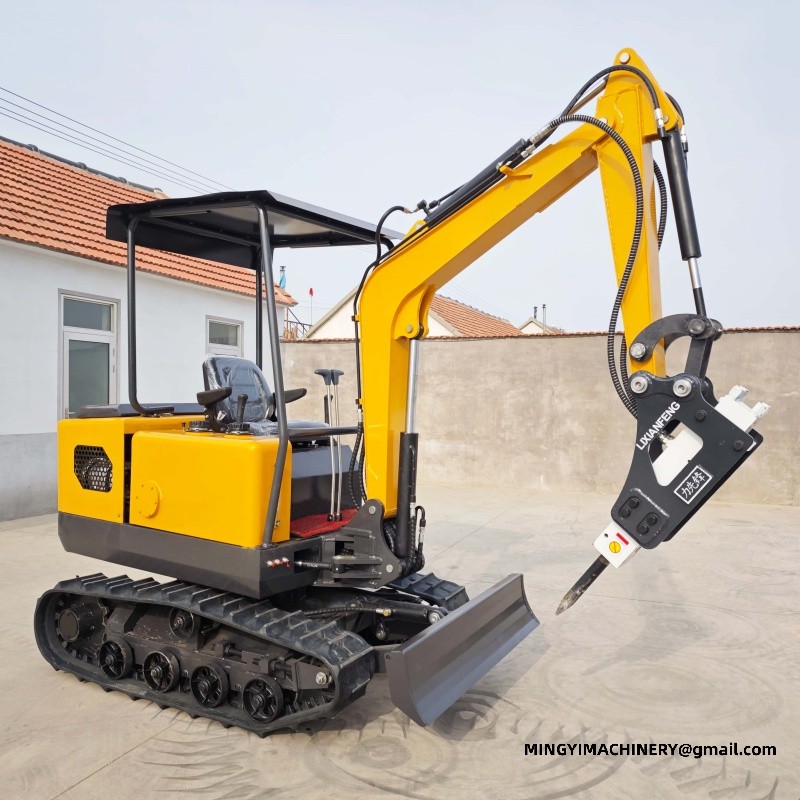
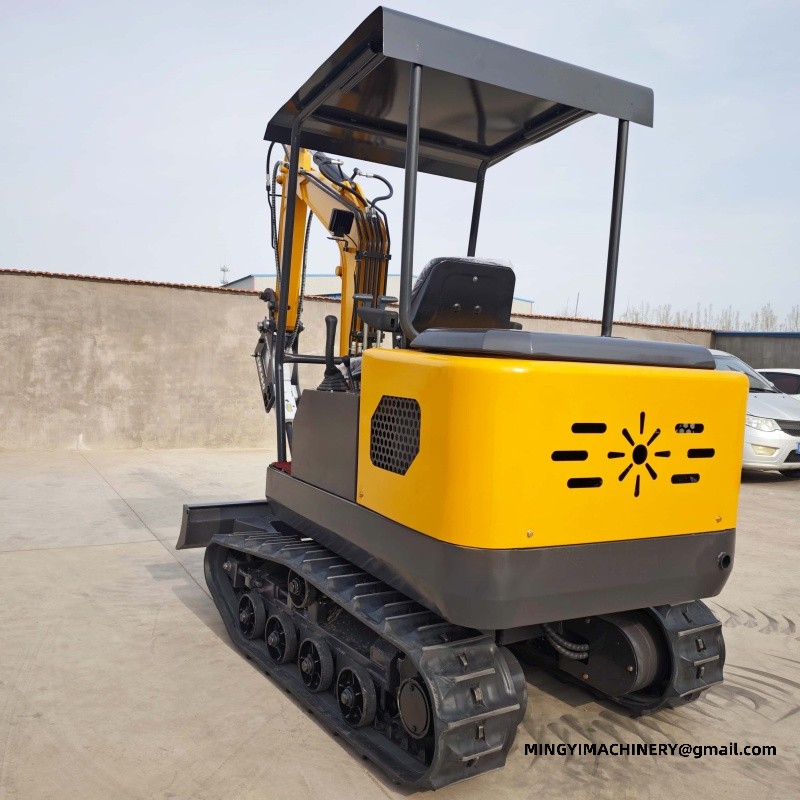
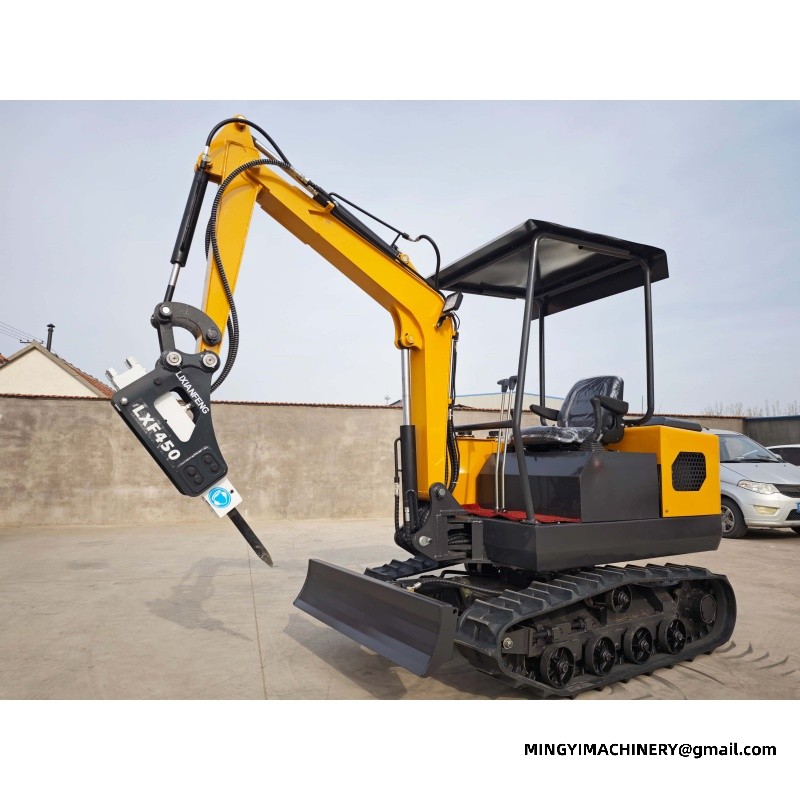
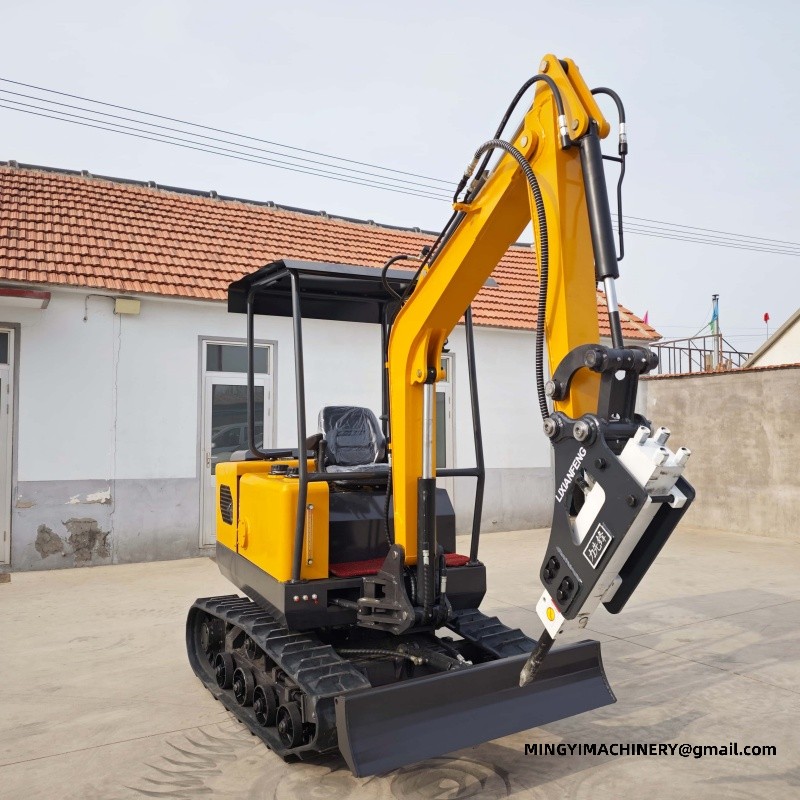
Quick coupler practice on mini excavator engine emission compliance Couplers are specified early because they affect the arm and the hydraulic kit. Adding one to the excavator after delivery means new pins, new hoses and a fitment session; adding it at build time is a line on the sheet. For a fleet that shares attachments between machines, a common coupler standard matters more than the coupler brand. This class of machine that picks up the same tools as the larger machines keeps the rack usable across the yard. Hiring versus owning a mini excavator engine emission compliance The choice follows the hours. Work that fills a few weeks a year is usually better hired, while the unit in daily use that would be on site most weeks starts to justify ownership once the transport and booking time is counted. Availability is part of the decision. Owning a machine of this size means it is there on the day the ground is ready; hiring means competing for the same machine at the same time as everyone else in the season. Matching mini excavator engine emission compliance to ground conditions Soft ground is a flotation problem, not a power problem. The equipment on site on wide rubber tracks crosses lawn, sand and cultivated soil that would stop a narrower machine or a wheeled unit of the same capacity. Hard and abrasive ground reverses the specification. On rock, demolition rubble or sharp gravel, steel tracks with rubber blocks on the machine itself survive conditions that cut a rubber belt quickly. Working on slopes and uneven ground with mini excavator engine emission compliance Ground that looks level often is not. The model in question crossing a filled trench, a soft edge or a hidden void behaves differently from one on undisturbed ground, and those are the places worth walking before driving. Planning the direction of travel helps. Working so that the machine in that duty is stable under load and not required to turn on a slope is a decision made before the job starts, not a correction made during it. Specifying mini excavator engine emission compliance against a job list Buyers who skip this step either over-buy or under-buy. The unit on the job specified only from machine size tends to arrive without the coupler, the circuits or the track type the work actually needs. Useful information to send with an enquiry includes working width, required digging depth, ground conditions and the attachment set. Those four items let the factory specify a machine built for the work that fits rather than a generic build. Working a mini excavator engine emission compliance in confined spaces Clearance above matters as much as around. Door heights, pipework and overhead services set the limit for the equipment in service indoors, and measuring them first avoids a machine that arrives and cannot be used. Ventilation is the other indoor constraint. Running the excavator inside a closed structure needs air movement, and that is a planning item rather than something to discover after the first hour. Hydraulic circuits on this class of machine Flow and pressure are matched to the tool, not to the machine size. Asking for the attachment list first means the unit in daily use leaves the factory with circuits that suit the heaviest tool the buyer intends to run. Hydraulic specification is easier to settle at build time than to correct later. A machine of this size delivered without auxiliary lines can still dig, but every additional tool becomes a retrofit project. Engine options behind the equipment on site Two buyers can order the same the model in question and receive different engines. The decision is rarely about peak power; it is about which parts counter is closest to the site and which engine the local mechanic already knows. Engine choice is also an emissions and documentation question for some markets. Listing the available units with the machine itself enquiry lets the factory confirm what can be supplied and documented for the destination country. Attachments that turn the machine in that duty into several machines Attachment lists are best written before delivery. Specifying the unit on the job with the tools the job list needs avoids the work and delay of adding hydraulics later, and a quick coupler makes the swap a few minutes instead of a workshop job. Most of the daily variety on a machine built for the work comes from the attachment rack rather than from the machine itself. Bucket, breaker, auger, ripper, rake and grab cover the large majority of the work a contractor will see. Working near live services with the equipment in service Digging near water, gas and cable is a precision job. The excavator is used here because the operator can work in short controlled cuts and because the machine can be positioned without driving over the run being exposed. The risk on utility work is not machine power but machine placement. This class of machine that fits the working width leaves the surrounding ground undisturbed, which keeps the trench stable and the reinstatement small. Export packing and shipping of the unit in daily use Machines leave the factory prepared for container or flat rack shipment. A machine of this size is normally shipped with the attachment set and the spare parts list agreed in advance so the container is planned once. Buyers who import regularly plan the spare parts with the machine. The equipment on site ordered with a wearing-parts kit arrives ready to work rather than ready to wait for the first service interval. What owners should plan for beyond the machine itself Purchase decision is the visible part of the effort. Fuel, filters, tracks or tyres, the operator and the transport between sites are the items that decide what the model in question actually demands over a few seasons, and they are worth listing before the order. Downtime is the hidden line item. The machine in that duty waiting on a part earns nothing while it stands, so parts availability and service access belong in the plan as much as fuel does. Specification data for the unit on the job Where a machine built for the work is being specified for a job list, the table below gives the factory figures that matter most: what the machine weighs, how deep and how far it works, and what it measures on a trailer. Figures are factory figures and are confirmed on the build sheet for the equipment in service. Where a job sits between two models, the larger machine usually takes less time than the smaller one spends on rework. Road repair generates short, interrupted jobs - a patch, a drainage connection, a kerb line. The excavator is economical here because it travels on a small trailer and starts working minutes after arriving. Breaking out a failed slab and backfilling the same hole in one visit is normal work for this class of machine. The breaker and the bucket come off the same coupler, so the road is reopened the same day.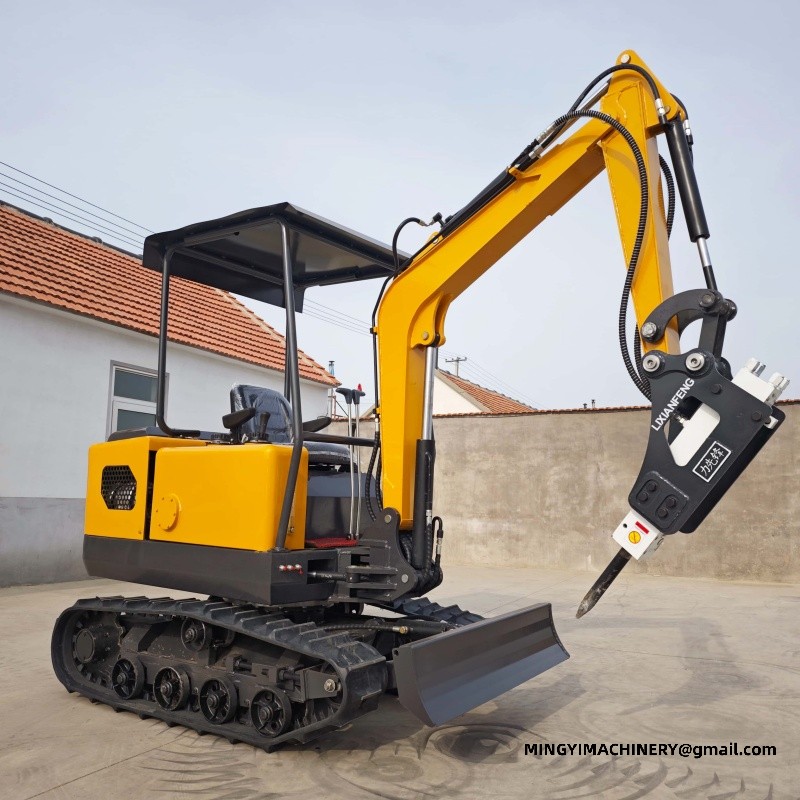
Reference specification — mini excavator range 09W 20-1WL 20-3W 30-2W Operating weight 1100 kg (2425.08 lb) 1900 kg (4188.78 lb) 1900 kg (4188.78 lb) 2700 kg (5952.48 lb) Transport size (L×W×H) 1800 × 750 × 1970 mm 2550 × 1100 × 2200 mm 2550 × 1100 × 2200 mm 3000 × 1100 × 2700 mm Max digging depth 1250 mm (49.21 in) 1800 mm (70.87 in) 1800 mm (70.87 in) 2200 mm (86.61 in) Max digging height 2800 mm (110.24 in) 2820 mm (111.02 in) 2820 mm (111.02 in) 3000 mm (118.11 in) Max dumping height 1700 mm (66.93 in) 2050 mm (80.71 in) 2050 mm (80.71 in) 2000 mm (78.74 in) Max digging radius 2570 mm (101.18 in) 3050 mm (120.08 in) 3050 mm (120.08 in) 3800 mm (149.61 in) Max digging distance 1869 mm (73.58 in) 2300 mm (90.55 in) 2300 mm (90.55 in) 3050 mm (120.08 in) Minimum turning radius 1000 mm (39.37 in) 1450 mm (57.09 in) 1450 mm (57.09 in) 1750 mm (68.9 in) Travel speed 3 km/h (1.86 mph) 5 km/h (3.11 mph) 5 km/h (3.11 mph) 7 km/h (4.35 mph) Gradeability 30° 30° 30° 30° Fuel consumption 1-1.3 L/h (0.264—0.343 gal) 2-3 L/h (0.528—0.793 gal) 2-3 L/h (0.528—0.793 gal) 2-3 L/h (0.528—0.793 gal) Fuel tank capacity 8 L (2.11 gal) 16 L (4.23 gal) 16 L (4.23 gal) 16 L (4.23 gal) Hydraulic oil tank 16 L (4.23 gal) 18 L (4.76 gal) 18 L (4.76 gal) 20 L (5.28 gal) Dozer blade lift height 180 mm (7.09 in) 180 mm (7.09 in) 180 mm (7.09 in) 230 mm (9.06 in) Dozer blade drop depth 210 mm (8.27 in) 210 mm (8.27 in) 210 mm (8.27 in) 280 mm (11.02 in)
Q. What does the unit in daily use involve?
A. The engine is the part of a mini excavator that sets the duty cycle: steady torque for long shifts, simple service for short property jobs. Engine pages exist because buyers compare them first: the rest of the specification follows the engine decision. For engine emission compliance applications the practical route is to send the job list to the factory and let the build sheet answer it - which is exactly what this page invites.
Q. Can the engine be replaced later?
A. Yes, and the replacement-engine pages cover the practical side: mounts, hydraulics and cooling have to line up with the new unit. Send the model and the running hours by email or LINE and the factory confirms which engines drop into which machines without cutting the frame.
Q. How do I get a specification?
A. Send the model, the destination and the attachment list by email or LINE - the channels listed just below this section. The reply covers the specification, lead time, packing and freight in one document, with the engine emission compliance build sheet attached.
Later additions and retrofits on a machine of this size
Most additions are easier to plan than to add. Hydraulic services, mounting brackets and electrical capacity on the equipment on site are build items, and deciding them at the specification stage is far easier than doing it later.
Storage and long idle periods for the machine itself
The battery and the fuel are the first things to suffer in storage. Preparing the model in question properly at the start of the idle period avoids the flat battery and the contaminated tank that greet an unprepared machine.
E-mail : sales@mingycn.com
LINE ( ID ): mingyicn
Related pages
trenching attachments for mini diggers · mini excavator with hydraulic auger · Loader Machine for Construction: 0.4 m3 or 0.65 m3 Bucket · Mini Excavators









