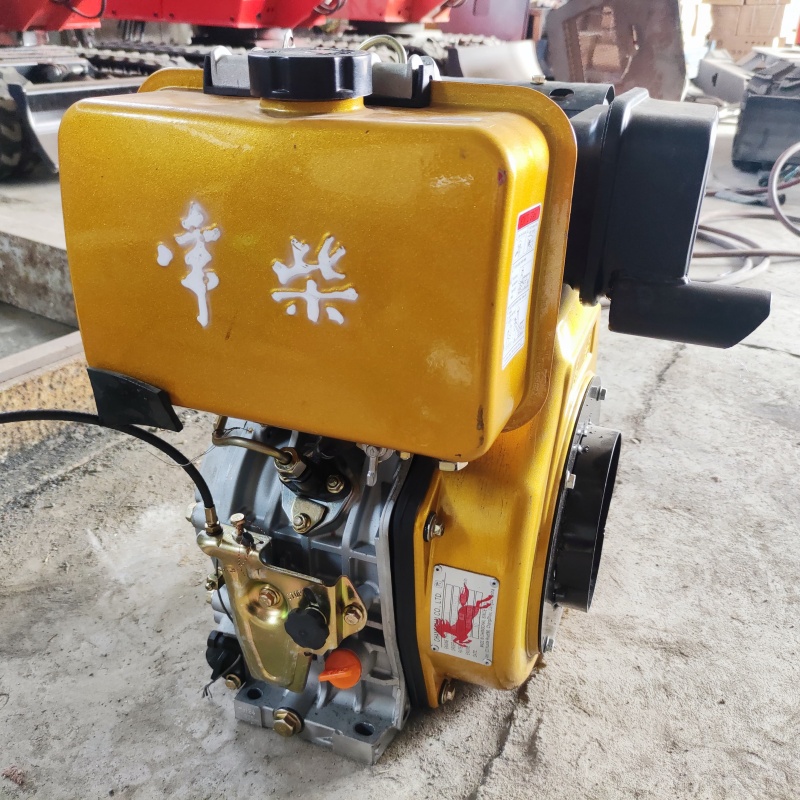
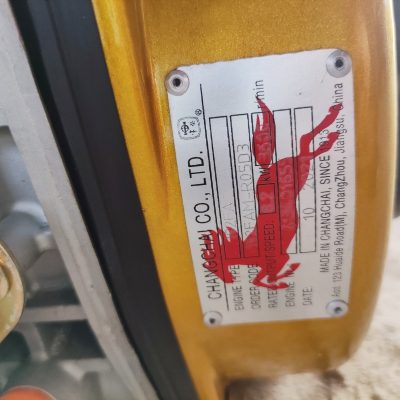
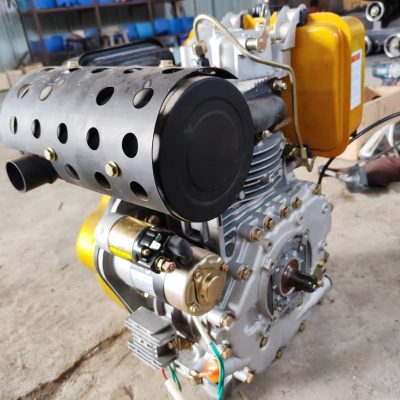
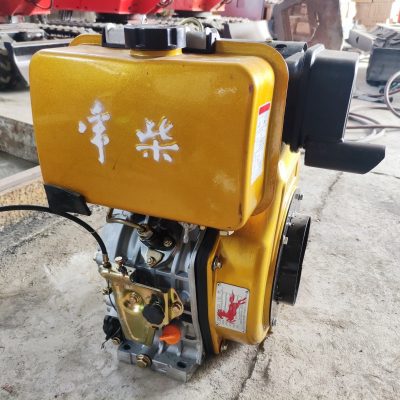
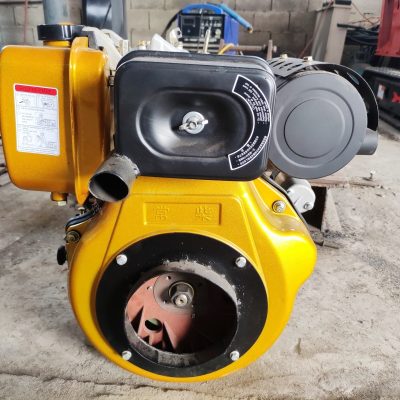
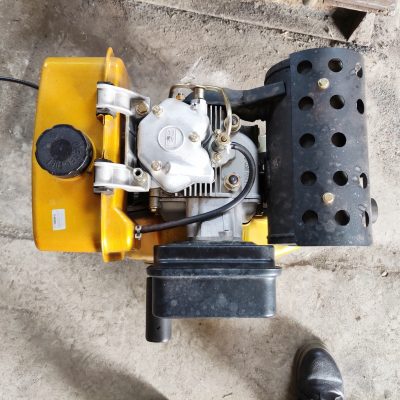
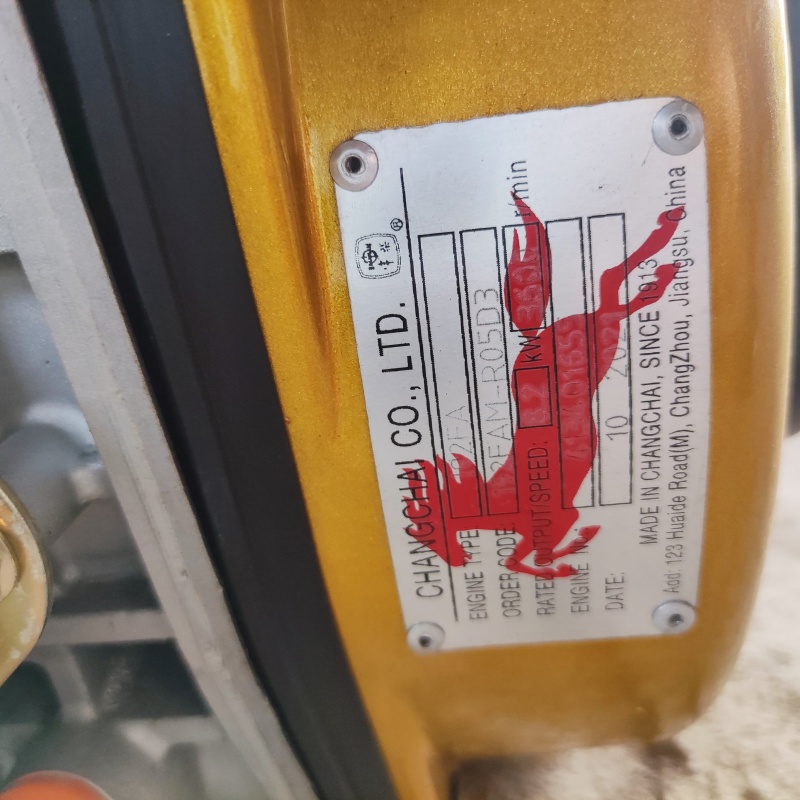
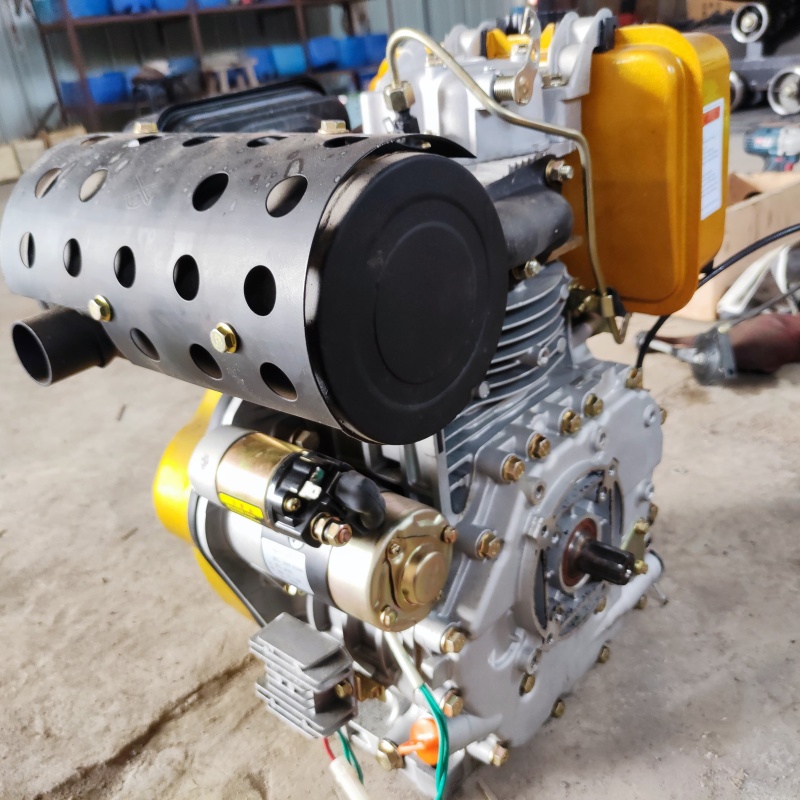
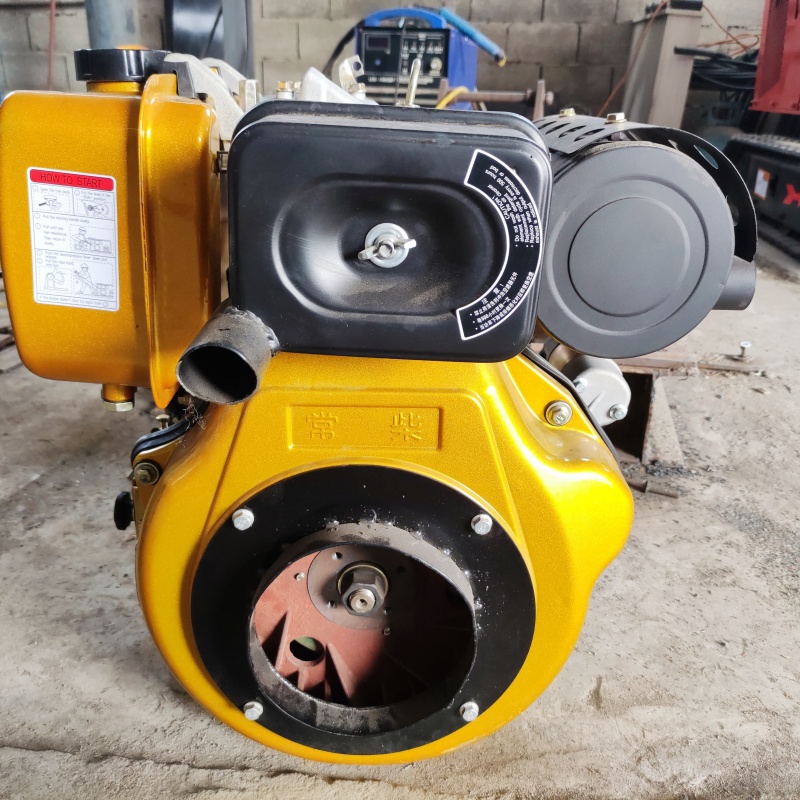
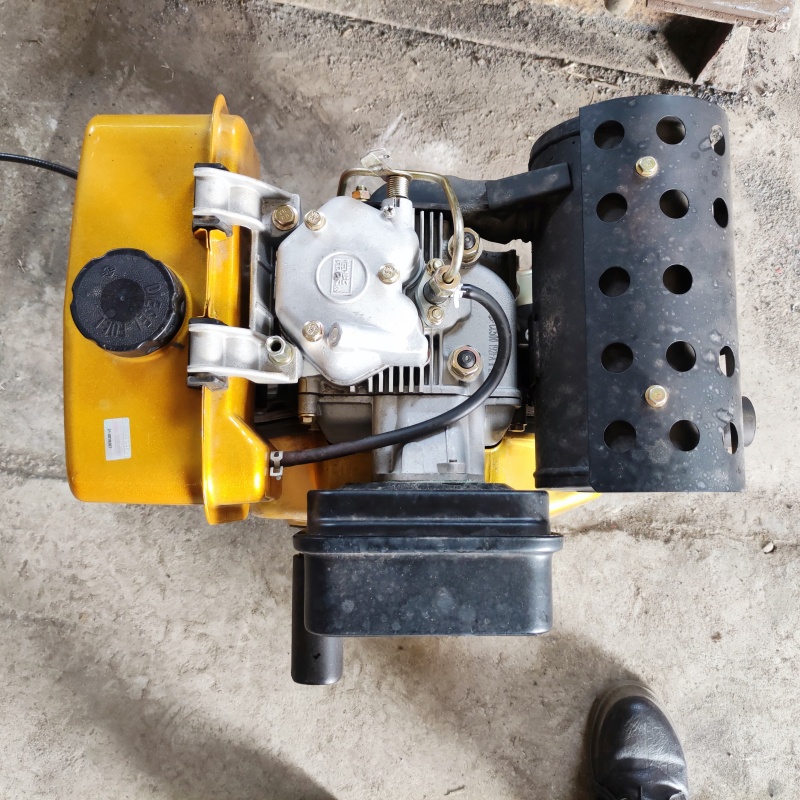
Many export buyers ask for a machine with a Changchai engine, and MINGYI offers exactly that configuration. Changchai is an established Chinese engine manufacturer whose diesel units are widely used in compact construction equipment, and parts availability through general channels is one of the reasons buyers specify it.
The Changchai installation suits the middle of the 0.8 to 6 tonnes range, where its torque characteristics match the digging and travelling duty of the class. This page explains where the engine option fits and what to confirm when ordering a machine with it.
The Changchai option in the range
Engine choice is agreed at the ordering stage, alongside Kubota and YANMAR units at the higher outputs and Laidong, Runtong or Youpu installations where a simpler build serves the work. A buyer who already runs Changchai powered equipment can keep a common spares and service pattern across the fleet.
For duty cycles dominated by steady trenching and loading rather than heavy breaker work, the Changchai engine is a practical selection. Buyers planning sustained hammer operation should discuss the hydraulic demands of the attachment with the factory at the same time.
Ordering and supporting the machine
When the order is placed, the engine installation is recorded against the machine together with the track type, cab arrangement and attachment list. This record is what later parts orders reference, which keeps servicing straightforward in the field.
The machine ships with the service information for the installed engine and a spare parts package. Buyers who service their own plant should state this at the ordering stage so the documentation and spares match their workshop practice.
Confirm the class of machine you need and the duty it faces, and the Changchai engine option can be set within that build. Mingyi Machinery prepares each unit for export and packs it to arrive ready for work.
Running changchai engine mini excavator in a rental fleet Rental fleets buy for utilisation, not for a single job. The excavator with a quick coupler and a common attachment standard is hired more often because it suits more of the calls that come in. Fleet buyers also weigh transport. This class of machine that a customer can tow on a normal licence and a standard trailer is a hire that does not need a delivery truck, which changes how often it goes out. Hiring versus owning a changchai engine mini excavator The choice follows the hours. Work that fills a few weeks a year is usually better hired, while the unit in daily use that would be on site most weeks starts to justify ownership once the transport and booking time is counted. Ownership brings obligations that hiring does not. Storage, servicing, insurance and an operator are the items to set against the hire rate before deciding which way a machine of this size should be supplied. Working a changchai engine mini excavator through the seasons Weather decides which days are productive. Rain turns some ground unusable and cold changes how the equipment on site starts and warms up, so planning the wet months around maintenance is more useful than planning around output. Heat and dust are as limiting as rain. Air intake condition and cooling cleanliness decide how the machine itself behaves in a dry season, and both are checked in a minute rather than repaired later. Working near live services with changchai engine mini excavator The risk on utility work is not machine power but machine placement. The model in question that fits the working width leaves the surrounding ground undisturbed, which keeps the trench stable and the reinstatement small. Utility crews specify the machine in that duty with a narrow bucket and good visibility for exactly this reason: the machine has to stop at the service, not at the edge of the operator's view. Road and paving work for changchai engine mini excavator Road repair generates short, interrupted jobs - a patch, a drainage connection, a kerb line. The unit on the job is economical here because it travels on a small trailer and starts working minutes after arriving. Breaking out a failed slab and backfilling the same hole in one visit is normal work for a machine built for the work. The breaker and the bucket come off the same coupler, so the road is reopened the same day. Specifying changchai engine mini excavator against a job list The practical way to specify is to write the job list first: the narrowest access, the deepest trench, the heaviest tool and the surfaces the machine must cross. The equipment in service is then matched to those four numbers. Buyers who skip this step either over-buy or under-buy. The excavator specified only from machine size tends to arrive without the coupler, the circuits or the track type the work actually needs. Noise, dust and working near occupied buildings Work near housing or occupied premises brings constraints that open sites do not. Start times, exhaust condition and how often this class of machine needs to reverse are the practical limits that neighbours notice. Enclosure and machine condition both reduce noise. The unit in daily use with intact panels, sound mounts and a maintained exhaust is measurably quieter than the same machine with loose guards, and the difference matters on restricted sites. Engine options behind a machine of this size Two buyers can order the same the machine itself and receive different engines. The decision is rarely about peak power; it is about which parts counter is closest to the site and which engine the local mechanic already knows. Engine choice is also an emissions and documentation question for some markets. Listing the available units with the equipment on site enquiry lets the factory confirm what can be supplied and documented for the destination country. OEM and fleet customisation of the model in question Distributors and rental fleets usually need the machine to look like theirs. Paint, decals, seat colour and attachment branding can be specified on the machine in that duty at build time rather than applied after import. Customisation also covers the specification sheet. A fleet buyer may want every unit on the job delivered with the same coupler, the same engine and the same tool kit so training and parts stock stay simple. Daily checks and maintenance on a machine built for the work Daily maintenance on the equipment in service is a short list: engine oil level, coolant, track tension, hydraulic oil level and a look at the hoses. Ten minutes at the start of the shift prevents most of the failures that stop a machine. Greasing is the second item. The slew ring, the boom and arm pins and the bucket linkage on the excavator take grease daily in dusty work, and the intervals shorten further when the machine is used in water or mud. Boom configuration for this class of machine A swing boom lets the machine dig parallel to its tracks without repositioning, which is what makes trenching beside a wall or a fence practical. On the unit in daily use this is often the option that decides whether a job is possible at all. Detachable boom sections are used where transport length matters. A machine of this size that has to travel on a standard trailer can be built so the arm comes off for the road and goes back on at the site. Getting the equipment on site through a narrow gap The first question on most job lists is whether the machine can reach the work at all. The machine itself is chosen against the narrowest point on the route - a garden gate, a doorway, a gap between two walls - because a machine that arrives and then cannot pass loses a day, not an hour. Contractors who buy the model in question normally have one job in mind that nothing else reaches. The purchase order follows the access measurement, not the other way round, and the build sheet is then settled around it. Acceptance checks when the machine in that duty arrives A function check before the machine goes to work is worth the hour. Running through the controls, the travel and the attachment circuit on the unit on the job confirms it is set up as specified and ready for the site. Specification data for a machine built for the work Where the equipment in service is being specified for a job list, the table below gives the factory figures that matter most: what the machine weighs, how deep and how far it works, and what it measures on a trailer. Figures are factory figures and are confirmed on the build sheet for the excavator. Where a job sits between two models, the larger machine usually takes less time than the smaller one spends on rework. Delivery day is the best time to find a problem. Checking the specification against the order, the fluid levels, the fasteners and any transport damage while the unit in daily use is still on the trailer is faster than claiming later. Documentation should arrive with the machine. Parts list, service schedule and any certificates for this class of machine are what the workshop needs later, and they are much easier to obtain at delivery than in month six.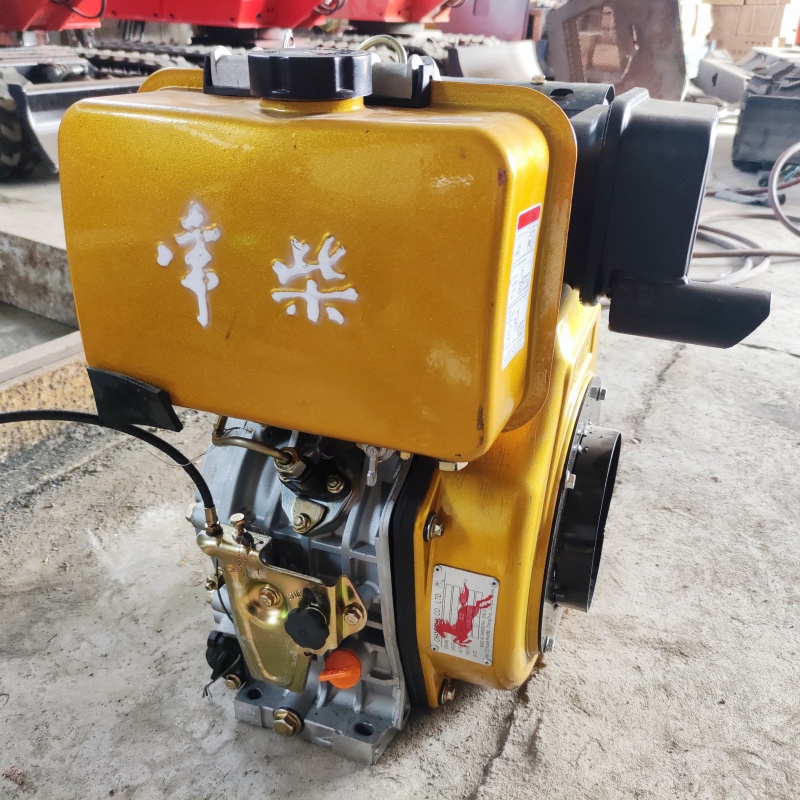
Reference specification — mini excavator range 30-1W 15L 20-2L 30-2L Operating weight 2900 kg (6393.41 lb) 1400 kg (3086.47 lb) 1900 kg (4188.78 lb) 2400 kg (5291 lb) Transport size (L×W×H) 3000 × 1250 × 2780 mm 2200 × 930 × 2250 mm 2600 × 1300 × 2344 mm 2800 × 1500 × 2500 mm Max digging depth 2200 mm (86.61 in) 1700 mm (66.93 in) 2100 mm (82.68 in) 2200 mm (86.61 in) Max digging height 3400 mm (133.86 in) 2750 mm (108.27 in) 2880 mm (113.39 in) 2900 mm (114.17 in) Max dumping height 2400 mm (94.49 in) 1960 mm (77.17 in) 2100 mm (82.68 in) 2100 mm (82.68 in) Max digging radius 4000 mm (157.48 in) 2900 mm (114.17 in) 3215 mm (126.57 in) 3330 mm (131.1 in) Max digging distance 2800 mm (110.24 in) 2300 mm (90.55 in) 2460 mm (96.85 in) 2700 mm (106.3 in) Minimum turning radius 2000 mm (78.74 in) 1450 mm (57.09 in) 1587 mm (62.48 in) 1555 mm (61.22 in) Travel speed 5 km/h (3.11 mph) 3 km/h (1.86 mph) 5 km/h (3.11 mph) 7 km/h (4.35 mph) Gradeability 30° 30° 30° 30° Fuel consumption 2-3 L/h (0.528—0.793 gal) 1-1.3 L/h (0.264—0.343 gal) 2-3 L/h (0.528—0.793 gal) 2-3 L/h (0.528—0.793 gal) Fuel tank capacity 16 L (4.23 gal) 10 L (2.64 gal) 16 L (4.23 gal) 16 L (4.23 gal) Hydraulic oil tank 20 L (5.28 gal) 16 L (4.23 gal) 18 L (4.76 gal) 18 L (4.76 gal) Dozer blade lift height 420 mm (16.54 in) 180 mm (7.09 in) 180 mm (7.09 in) 230 mm (9.06 in) Dozer blade drop depth 210 mm (8.27 in) 210 mm (8.27 in) 210 mm (8.27 in) 280 mm (11.02 in)
Q. What is a machine of this size used for?
A. The engine is the part of a mini excavator that sets the duty cycle: steady torque for long shifts, simple service for short property jobs. Engine pages exist because buyers compare them first: the rest of the specification follows the engine decision. MINGYI builds the 08, 12 and 18 models covering the 0.8 to 6 tonne class, and the equipment on site is where that range meets Changchai engine.
Q. Can the engine be replaced later?
A. Yes, and the replacement-engine pages cover the practical side: mounts, hydraulics and cooling have to line up with the new unit. Send the model and the running hours by email or LINE and the factory confirms which engines drop into which machines without cutting the frame.
Q. What about colours and branding?
A. OEM colours and decals are part of the build: private-label machines carry the buyer brand on the standard MINGYI platform, and the Changchai engine order confirms colours, marks and documents before production starts.
Hot, humid and dusty conditions around the machine itself
Dust is the enemy of every rotating joint. Keeping the radiator and the air intake of the model in question clean, and cleaning them before they are blocked rather than after, is what separates a machine that lasts from one that overheats.
Planning the season around the machine in that duty
Seasonal work rewards a machine that can change duty. Through the year the unit on the job may move from one task to another, and the attachment list should be chosen for the whole year rather than for the first job.
E-mail : sales@mingycn.com
LINE ( ID ): mingyicn
Related pages
mini excavator with kubota d722 engine · small excavator with kubota d902 engine · Heavy Duty Wheel Loader: Cross-Members, Hinge Steel and Duty · Mini Excavators









