In the compact class the engine does more than provide power: it sets the noise level, the fuel consumption and the way the machine responds when the operator is making fine movements. That is why engine choice is treated as part of the specification.
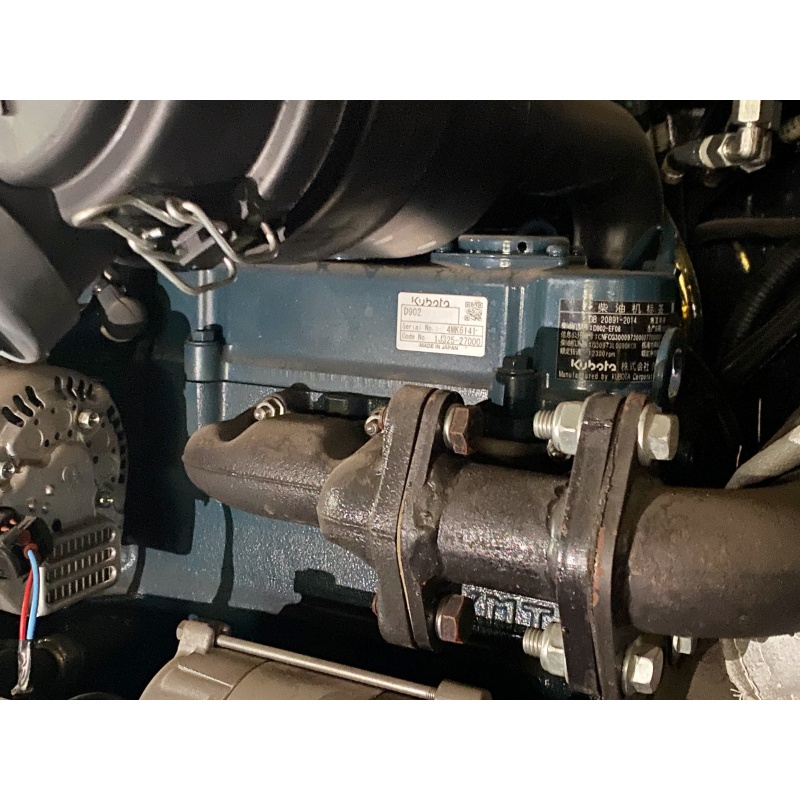
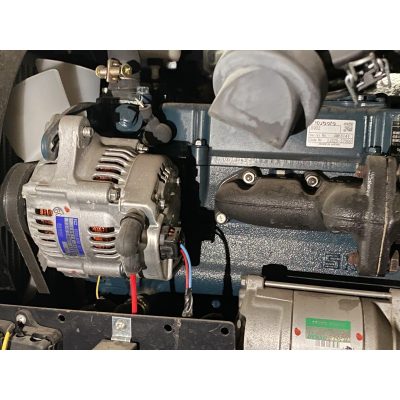
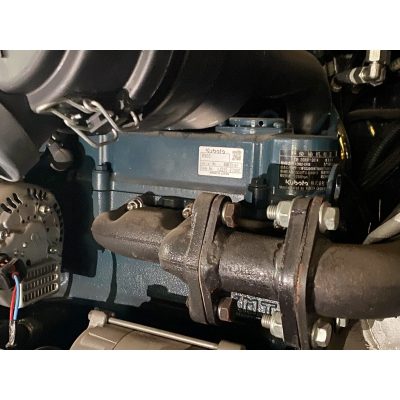
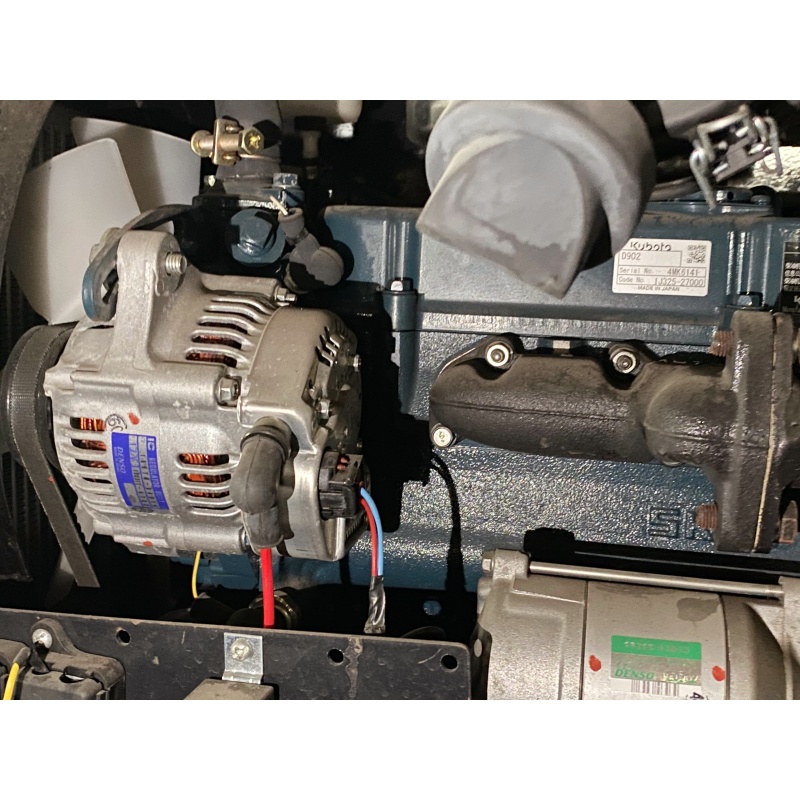
The Kubota D902 is one of the engines fitted to MINGYI small excavators, and it suits the lighter end of the 0.8 to 6 tonnes range. Machines are built to order, so the engine option can be fixed at the same time as the track type and attachments.
Matching the D902 to compact duties
A three-cylinder unit of this kind is used in machines that spend their time on trenching, small footings, garden work and light breaking. Its size suits a hydraulic circuit that has to drive both travel and a moderate attachment load at the same time.
For the operator the practical points are steady torque under load and predictable response at low speed, both of which matter when the bucket is being feathered to grade a surface rather than to move bulk material.
Engine options across the small excavator range
Not every buyer wants the same power unit. MINGYI also builds machines with the Kubota D722, with YANMAR and with Changchai, Laidong, Runtong, YARMAX, Youpu 2V80 or Youpu 195 engines, depending on the market and the duty.
Each engine is recorded against the machine when it is built, so the correct filters, belts and service information are supplied with the unit. Spare parts are provided with the excavator rather than sourced separately after delivery.
For a buyer, the engine is better treated as one line in the specification rather than a decision made in isolation. A small excavator ordered with the power unit that matches its duties, its climate and its service network will give fewer surprises in daily use.
Hydraulic circuits on a small excavator with kubota d902 engine Auxiliary hydraulic lines are what let a machine drive a tool rather than only a bucket. The excavator specified with the right circuits and flow runs a breaker or an auger without an add-on power pack bolted to the frame. Hydraulic specification is easier to settle at build time than to correct later. This class of machine delivered without auxiliary lines can still dig, but every additional tool becomes a retrofit project. Trenching work with small excavator with kubota d902 engine Service trenches are the most common reason the unit in daily use is hired. Water, sewage, cable and gas runs are narrow, shallow and often close to existing services, which is exactly the work a full-size machine cannot do safely. Depth control matters more on service work than speed. A machine of this size working beside live services is chosen because it can be placed precisely and stopped instantly, which is what the job actually requires. Daily checks and maintenance on small excavator with kubota d902 engine Daily maintenance on the equipment on site is a short list: engine oil level, coolant, track tension, hydraulic oil level and a look at the hoses. Ten minutes at the start of the shift prevents most of the failures that stop a machine. Track tension is the item most often neglected. The machine itself run with slack tracks wears the undercarriage and can throw a track on a turn; run too tight, the same components wear from the other direction. Export packing and shipping of small excavator with kubota d902 engine Machines leave the factory prepared for container or flat rack shipment. The model in question is normally shipped with the attachment set and the spare parts list agreed in advance so the container is planned once. Export documentation, decals and paint are settled before packing. Asking for them with the machine in that duty order avoids a second handling session and keeps the machine on the booked vessel. Noise, dust and working near occupied buildings Enclosure and machine condition both reduce noise. The unit on the job with intact panels, sound mounts and a maintained exhaust is measurably quieter than the same machine with loose guards, and the difference matters on restricted sites. Dust control is often part of the same conversation. Water, timing and work sequence reduce what leaves the site, and agreeing them in advance keeps a machine built for the work working rather than stopped after a complaint. Working on slopes and uneven ground with small excavator with kubota d902 engine Ground that looks level often is not. The equipment in service crossing a filled trench, a soft edge or a hidden void behaves differently from one on undisturbed ground, and those are the places worth walking before driving. Planning the direction of travel helps. Working so that the excavator is stable under load and not required to turn on a slope is a decision made before the job starts, not a correction made during it. Track choice for this class of machine Rubber tracks suit paved and landscaped ground because they spread the machine weight and leave the surface intact. Steel tracks with rubber blocks are specified where the ground is rougher or the working day is longer, and the choice can be made per machine rather than accepted as a factory default. Track type changes what the machine can cross and what it leaves behind. Buyers specify rubber for lawns, driveways and municipal work, and steel with rubber blocks for sites where sharp material would cut a rubber belt in a week. Working the unit in daily use in confined spaces Confined sites are decided by dimensions. Overall width, tail swing and the space needed to work the arm are what let a machine of this size operate inside a building, between walls or in a courtyard. Ventilation is the other indoor constraint. Running the equipment on site inside a closed structure needs air movement, and that is a planning item rather than something to discover after the first hour. Attachments that turn the machine itself into several machines Attachment lists are best written before delivery. Specifying the model in question with the tools the job list needs avoids the work and delay of adding hydraulics later, and a quick coupler makes the swap a few minutes instead of a workshop job. Most of the daily variety on the machine in that duty comes from the attachment rack rather than from the machine itself. Bucket, breaker, auger, ripper, rake and grab cover the large majority of the work a contractor will see. Lifting and material handling with the unit on the job Lifting with a machine built to dig needs a plan. The load, the radius and the ground under the equipment in service all matter, and the safe figure is the one on the chart rather than the one that looks possible. Ground condition under the machine is part of every lift. Soft or uneven support is the common factor in handling incidents, and checking it takes less time than recovering a machine built for the work that has settled. Municipal and public works with the excavator Drainage repair, tree planting, footway reconstruction and cemetery work are all within the range of this class of machine. The jobs are small individually and continuous across the year. Noise and surface protection matter on public work. The unit in daily use on rubber tracks across paving, with a sealed cab for the operator, suits the conditions better than a larger tracked machine. Acceptance checks when a machine of this size arrives Delivery day is the best time to find a problem. Checking the specification against the order, the fluid levels, the fasteners and any transport damage while the machine itself is still on the trailer is faster than claiming later. A function check before the machine goes to work is worth the hour. Running through the controls, the travel and the attachment circuit on the equipment on site confirms it is set up as specified and ready for the site. Getting the model in question through a narrow gap The first question on most job lists is whether the machine can reach the work at all. The machine in that duty is chosen against the narrowest point on the route - a garden gate, a doorway, a gap between two walls - because a machine that arrives and then cannot pass loses a day, not an hour. Specification data for the unit on the job Buyers comparing a machine built for the work usually start from four numbers - weight, digging depth, reach and transport width - because those are the ones that decide whether the machine can be delivered and whether it can do the job once it is there. Figures are factory figures and are confirmed on the build sheet for the equipment in service. Where a job sits between two models, the larger machine usually takes less time than the smaller one spends on rework. Access decides the machine before output does. With the excavator the limiting dimension is usually the widest point on the way in, so measuring the gate, the corridor and the turning space first saves a wasted delivery and a second visit. Contractors who buy this class of machine normally have one job in mind that nothing else reaches. The purchase order follows the access measurement, not the other way round, and the build sheet is then settled around it.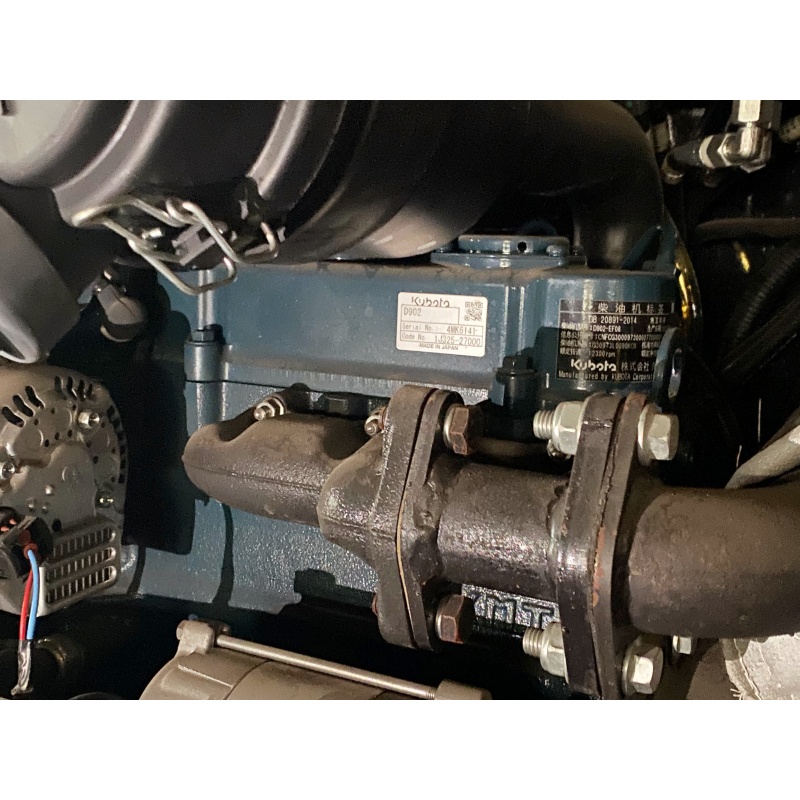
Reference specification — mini excavator range 09W 12W 20-1WL 30-1W Operating weight 1100 kg (2425.08 lb) 1200 kg (2645.55 lb) 1900 kg (4188.78 lb) 2900 kg (6393.41 lb) Transport size (L×W×H) 1800 × 750 × 1970 mm 2200 × 930 × 2250 mm 2550 × 1100 × 2200 mm 3000 × 1250 × 2780 mm Max digging depth 1250 mm (49.21 in) 1630 mm (64.17 in) 1800 mm (70.87 in) 2200 mm (86.61 in) Max digging height 2800 mm (110.24 in) 2750 mm (108.27 in) 2820 mm (111.02 in) 3400 mm (133.86 in) Max dumping height 1700 mm (66.93 in) 1960 mm (77.17 in) 2050 mm (80.71 in) 2400 mm (94.49 in) Max digging radius 2570 mm (101.18 in) 2900 mm (114.17 in) 3050 mm (120.08 in) 4000 mm (157.48 in) Max digging distance 1869 mm (73.58 in) 2100 mm (82.68 in) 2300 mm (90.55 in) 2800 mm (110.24 in) Minimum turning radius 1000 mm (39.37 in) 1300 mm (51.18 in) 1450 mm (57.09 in) 2000 mm (78.74 in) Travel speed 3 km/h (1.86 mph) 3 km/h (1.86 mph) 5 km/h (3.11 mph) 5 km/h (3.11 mph) Gradeability 30° 30° 30° 30° Fuel consumption 1-1.3 L/h (0.264—0.343 gal) 1-1.3 L/h (0.264—0.343 gal) 2-3 L/h (0.528—0.793 gal) 2-3 L/h (0.528—0.793 gal) Fuel tank capacity 8 L (2.11 gal) 10 L (2.64 gal) 16 L (4.23 gal) 16 L (4.23 gal) Hydraulic oil tank 16 L (4.23 gal) 16 L (4.23 gal) 18 L (4.76 gal) 20 L (5.28 gal) Dozer blade lift height 180 mm (7.09 in) 180 mm (7.09 in) 180 mm (7.09 in) 420 mm (16.54 in) Dozer blade drop depth 210 mm (8.27 in) 210 mm (8.27 in) 210 mm (8.27 in) 210 mm (8.27 in)
Q. What is the unit in daily use?
A. On a compact excavator the engine shapes more than output - it sets the noise, the fuel burn and how easily a local workshop can keep the machine running. Engine pages exist because buyers compare them first: the rest of the specification follows the engine decision. A machine of this size is one of the pages buyers land on when comparing machines for Kubota d902 engine, and the factory treats it as a specification conversation rather than a catalogue line.
Q. What keeps an engine healthy on a compact digger?
A. Clean fuel and honest service intervals. Compact machines run at high load in dusty places, so filters and oil do the heavy lifting - follow the manual schedule and watch the air filter on dry sites, and the engine outlives the rest of the machine.
Q. Can I see the machine before it ships?
A. Inspection is arranged at the factory, in person or by a scheduled video walk-around - the same session covers paint, decals and attachment fitment for the Kubota d902 engine specification, so the machine inspected is the machine that ships.
E-mail : sales@mingycn.com
LINE ( ID ): mingyicn
Related pages
small excavator replacement engines · laidong engine for mini excavators · Mining Wheel Loader: Cooling, Traction and Frame Specification · Mini Excavators









