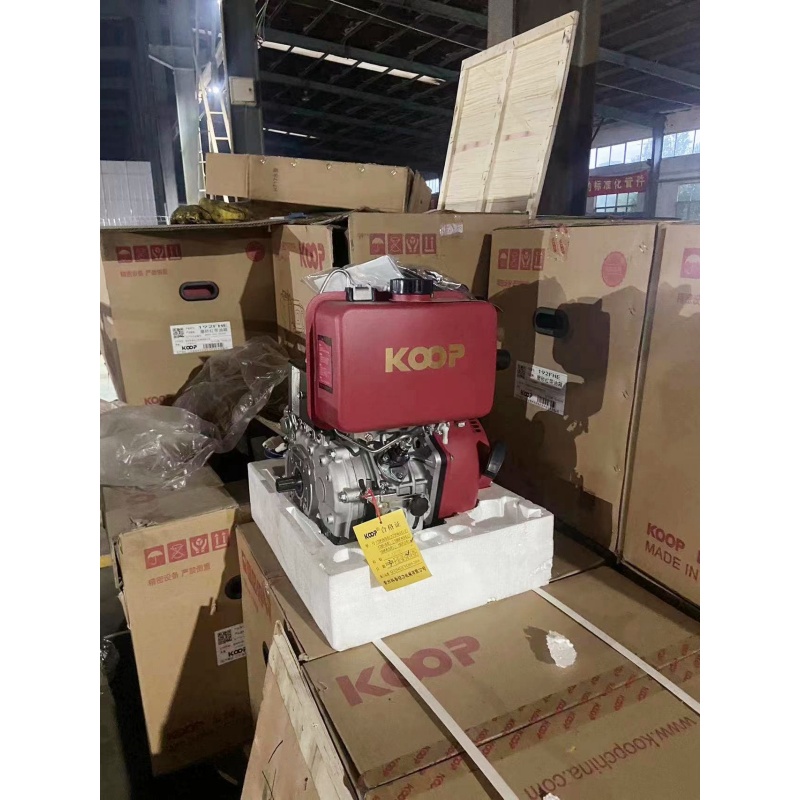
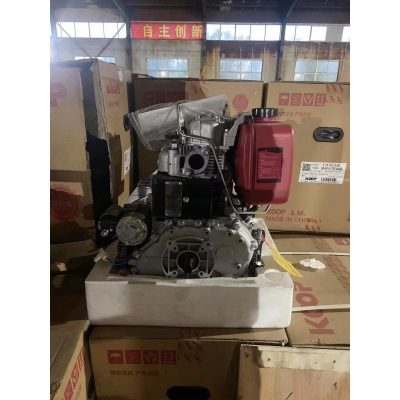
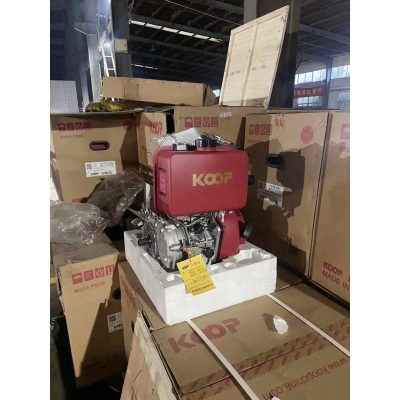
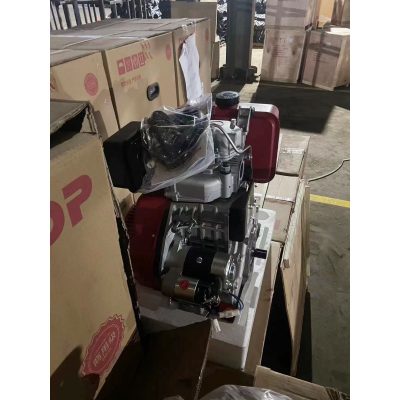
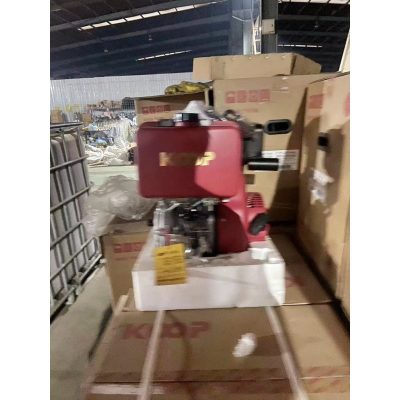
An excavator that is otherwise sound can be idled by a failed engine. Owners of compact machines often look for a replacement power unit rather than a new excavator, especially where the undercarriage, hydraulics and structure are still in good order. Supplying the correct engine becomes the whole job.
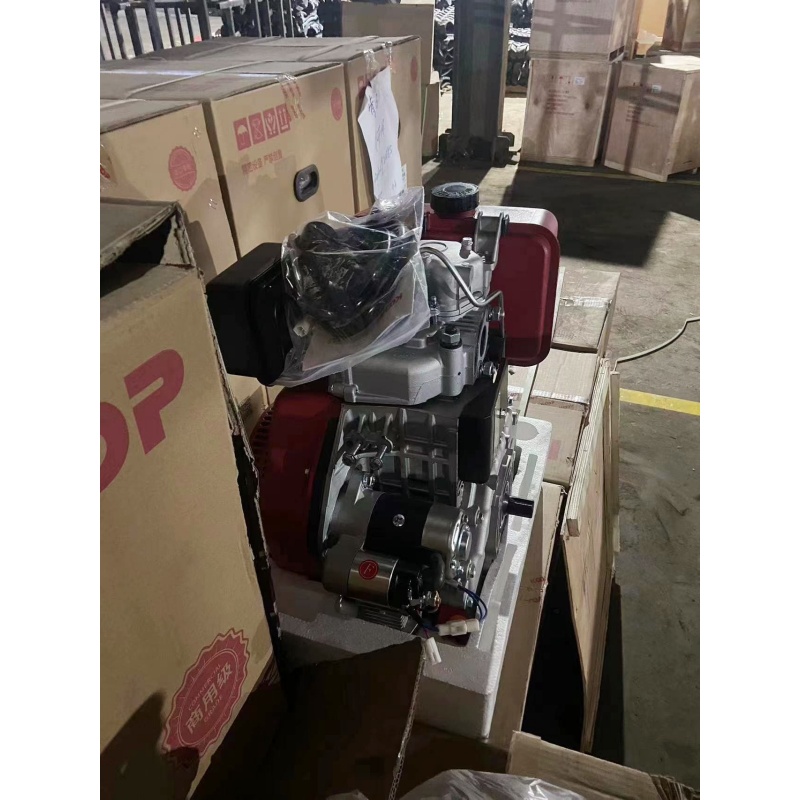
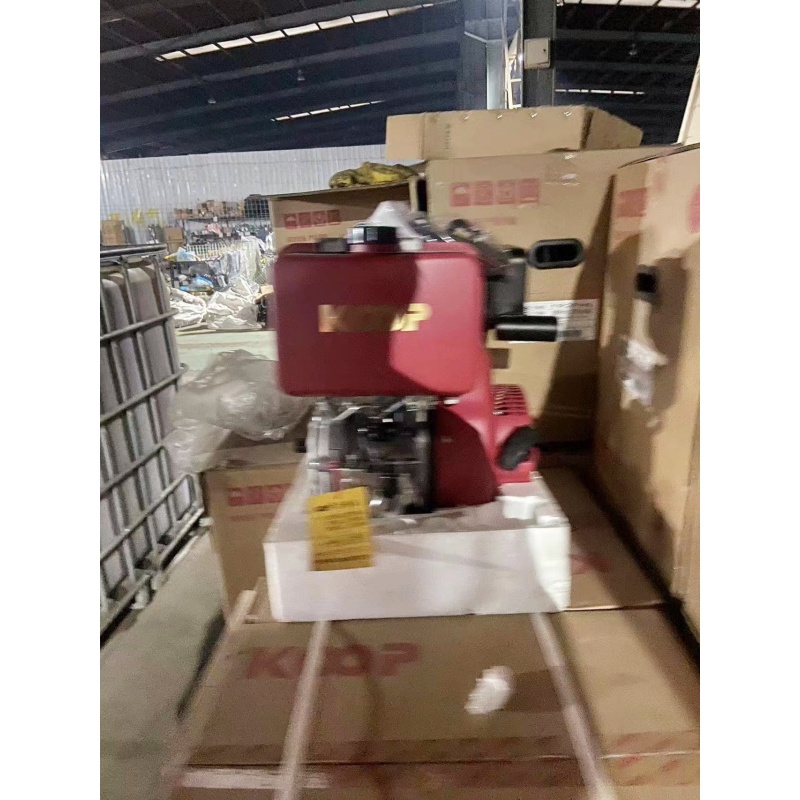
MINGYI supplies engines used in its compact excavators, including the Kubota D722 and D902, YANMAR, Changchai, Laidong, Runtong, YARMAX, Youpu 2V80 and Youpu 195 units. Availability is confirmed against the model being repaired.
Engine options matched to the machine
Compact excavators are powered by small diesel engines, and the correct unit depends on the model it sits in, the hydraulic pump it drives and the mounting points on the frame. Matching these three points is what makes a replacement fit.
Different machines in the same range can use different engines, so the model and the original engine are both needed to confirm a replacement. Buyers should record these details from the machine plate before ordering.
Ordering a replacement engine by application
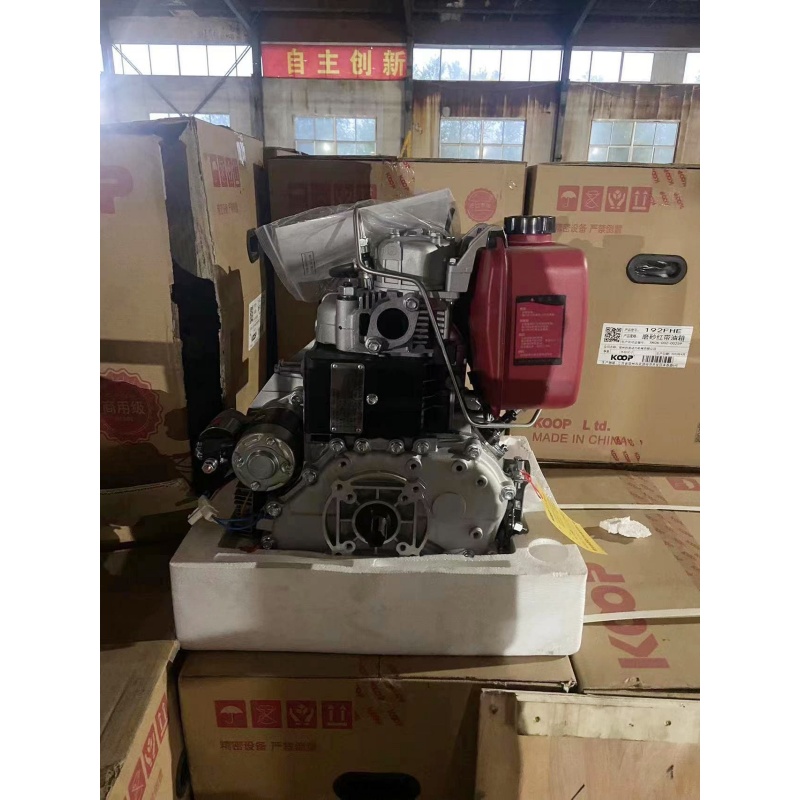
The safest route is to order against the excavator model and the serial details recorded on the machine. That links the engine to the frame, the pump coupling and the exhaust arrangement already fitted.
Installation also involves cooling, fuel and wiring connections, so the buyer should confirm what is included with the engine and what is reused from the old unit. Spare parts and service information are supplied with the machine order.
Replacing an engine takes less than replacing a compact excavator when the rest of the machine is sound. MINGYI supplies the engines used in its models, matched to the unit being repaired.
Working a small excavator replacement engines through the seasons Weather decides which days are productive. Rain turns some ground unusable and cold changes how the excavator starts and warms up, so planning the wet months around maintenance is more useful than planning around output. Seasonal planning smooths the workload. Machines that are busy for a few months and idle for the rest benefit from a service slot in the quiet period, and this class of machine prepared in the off-season starts the busy months reliably. Municipal and public works with small excavator replacement engines Municipal crews work on streets, footpaths and parks where the public is present. The unit in daily use is specified because it occupies little space, works inside a small exclusion zone and can be moved on a standard trailer. Drainage repair, tree planting, footway reconstruction and cemetery work are all within the range of a machine of this size. The jobs are small individually and continuous across the year. Interior and light demolition with small excavator replacement engines Interior demolition is an access and a weight question. The equipment on site that fits through a doorway and works on a suspended floor does jobs that would otherwise be done by hand or by a larger machine that cannot enter. Dust, debris clearance and floor loading all argue for a compact machine indoors. The machine itself spreads its weight over a wider track footprint than a wheeled machine of similar capacity. Boom configuration for small excavator replacement engines A swing boom lets the machine dig parallel to its tracks without repositioning, which is what makes trenching beside a wall or a fence practical. On the model in question this is often the option that decides whether a job is possible at all. Extended and offset boom configurations change reach and working range. The machine in that duty with a longer arm reaches further but lifts less at full extension, so the specification is set against the deepest and furthest point on the job list. Hiring versus owning a small excavator replacement engines The choice follows the hours. Work that fills a few weeks a year is usually better hired, while the unit on the job that would be on site most weeks starts to justify ownership once the transport and booking time is counted. Availability is part of the decision. Owning a machine built for the work means it is there on the day the ground is ready; hiring means competing for the same machine at the same time as everyone else in the season. Canopy or enclosed cab on a small excavator replacement engines The cab decision follows the climate and the hours. Operators working a full shift in the equipment in service benefit from a sealed cab with wipers and heating; operators stepping on and off every few minutes usually prefer the canopy for the visibility and the quick exit. Enclosure also changes noise and dust exposure. A sealed cab on the excavator keeps dust out on dry sites and lets the machine work through weather that would otherwise stop a canopy machine for the day. Matching this class of machine to ground conditions Soft ground is a flotation problem, not a power problem. The unit in daily use on wide rubber tracks crosses lawn, sand and cultivated soil that would stop a narrower machine or a wheeled unit of the same capacity. Hard and abrasive ground reverses the specification. On rock, demolition rubble or sharp gravel, steel tracks with rubber blocks on a machine of this size survive conditions that cut a rubber belt quickly. Road and paving work for the equipment on site Patching and reinstatement favour a machine that can work in a lane closure. The machine itself occupies less road than a full-size excavator, which reduces the traffic management needed and the length of the closure. Breaking out a failed slab and backfilling the same hole in one visit is normal work for the model in question. The breaker and the bucket come off the same coupler, so the road is reopened the same day. Orchard, vineyard and farm use of the machine in that duty Ditching, fertilising and drainage on farmland suit the unit on the job because the work is spread over a large area in short bursts. The machine travels behind a pickup and works where it stops. Farms also use a machine built for the work for general maintenance - clearing a watercourse, repairing a track, loading a spreader. One carrier with a few attachments covers most of the jobs that would otherwise wait for a contractor. Running the equipment in service in a rental fleet The specification that rents best is usually the simplest one to explain at the counter. The excavator with rubber tracks, a canopy and a coupler covers the majority of weekend and short-term hires. Fleet buyers also weigh transport. This class of machine that a customer can tow on a normal licence and a standard trailer is a hire that does not need a delivery truck, which changes how often it goes out. Landscaping and ground care with the unit in daily use Landscape contractors use a machine of this size for planting holes, pond excavation, grading and retaining work. The machine is light enough to cross finished lawn and narrow enough to work between established trees. On soft landscape work the surface is the constraint. The equipment on site on rubber tracks crosses turf without stripping it, which is why the same jobs are not given to a wheeled machine. Trailering and moving the machine itself Transport weight and width decide whether a machine needs a specialist haulier. The model in question sized to travel on a standard plant trailer behind a suitable vehicle moves with the crew rather than on a scheduled low loader. Loading practice matters as much as the numbers. The machine in that duty is driven up ramps under its own power with the boom lowered and the tracks aligned, and secured at the points the manufacturer specifies. Hydraulic circuits on the unit on the job Flow and pressure are matched to the tool, not to the machine size. Asking for the attachment list first means a machine built for the work leaves the factory with circuits that suit the heaviest tool the buyer intends to run. Hydraulic specification is easier to settle at build time than to correct later. The equipment in service delivered without auxiliary lines can still dig, but every additional tool becomes a retrofit project. Trenching work with the excavator Service trenches are the most common reason this class of machine is hired. Water, sewage, cable and gas runs are narrow, shallow and often close to existing services, which is exactly the work a full-size machine cannot do safely. Specification data for the unit in daily use Where a machine of this size is being specified for a job list, the table below gives the factory figures that matter most: what the machine weighs, how deep and how far it works, and what it measures on a trailer. Figures are factory figures and are confirmed on the build sheet for the equipment on site. Where a job sits between two models, the larger machine usually takes less time than the smaller one spends on rework. Trench quality depends on the bucket width and the operator, not on machine size. The machine itself with a narrow bucket and a swing boom cuts a clean run along a boundary without disturbing the ground either side of it. Depth control matters more on service work than speed. The model in question working beside live services is chosen because it can be placed precisely and stopped instantly, which is what the job actually requires.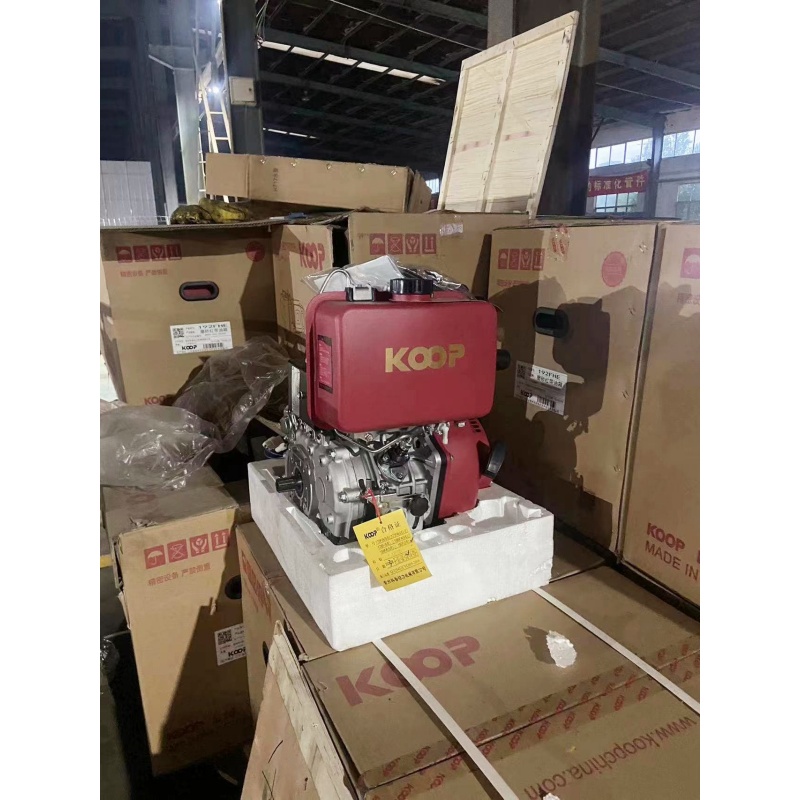
Reference specification — mini excavator range 12W 20-1W 30-2W 25L Operating weight 1200 kg (2645.55 lb) 1800 kg (3968.32 lb) 2700 kg (5952.48 lb) 2200 kg (4850.17 lb) Transport size (L×W×H) 2200 × 930 × 2250 mm 2550 × 1100 × 2200 mm 3000 × 1100 × 2700 mm 3000 × 1300 × 2700 mm Max digging depth 1630 mm (64.17 in) 1800 mm (70.87 in) 2200 mm (86.61 in) 2300 mm (90.55 in) Max digging height 2750 mm (108.27 in) 2820 mm (111.02 in) 3000 mm (118.11 in) 3100 mm (122.05 in) Max dumping height 1960 mm (77.17 in) 2050 mm (80.71 in) 2000 mm (78.74 in) 2050 mm (80.71 in) Max digging radius 2900 mm (114.17 in) 3050 mm (120.08 in) 3800 mm (149.61 in) 3900 mm (153.54 in) Max digging distance 2100 mm (82.68 in) 2300 mm (90.55 in) 3050 mm (120.08 in) 3100 mm (125.05 in) Minimum turning radius 1300 mm (51.18 in) 1450 mm (57.09 in) 1750 mm (68.9 in) 1800 mm (70.87 in) Travel speed 3 km/h (1.86 mph) 5 km/h (3.11 mph) 7 km/h (4.35 mph) 7 km/h (4.35 mph) Gradeability 30° 30° 30° 30° Fuel consumption 1-1.3 L/h (0.264—0.343 gal) 2-3 L/h (0.528—0.793 gal) 2-3 L/h (0.528—0.793 gal) 2-3 L/h (0.528—0.793 gal) Fuel tank capacity 10 L (2.64 gal) 16 L (4.23 gal) 16 L (4.23 gal) 16 L (4.23 gal) Hydraulic oil tank 16 L (4.23 gal) 18 L (4.76 gal) 20 L (5.28 gal) 18 L (4.76 gal) Dozer blade lift height 180 mm (7.09 in) 180 mm (7.09 in) 230 mm (9.06 in) 230 mm (9.06 in) Dozer blade drop depth 210 mm (8.27 in) 210 mm (8.27 in) 280 mm (11.02 in) 280 mm (11.02 in)
Q. Who uses the machine in that duty?
A. The engine is the part of a mini excavator that sets the duty cycle: steady torque for long shifts, simple service for short property jobs. Across the 0.8 to 6 tonne class MINGYI builds as the 08, 12 and 18 models, the engine is a choice rather than a fixed fit. The unit on the job is one of the pages buyers land on when comparing machines for replacement engines, and the factory treats it as a specification conversation rather than a catalogue line.
Q. Can the engine be replaced later?
A. Yes, and the replacement-engine pages cover the practical side: mounts, hydraulics and cooling have to line up with the new unit. Send the model and the running hours by email or LINE and the factory confirms which engines drop into which machines without cutting the frame.
Q. Can I see the machine before it ships?
A. Inspection is arranged at the factory, in person or by a scheduled video walk-around - the same session covers paint, decals and attachment fitment for the replacement engines specification, so the machine inspected is the machine that ships.
Wear items and spares worth holding for a machine built for the work
Wear items are predictable once the machine has settled in. After the first service interval the pattern on the equipment in service is visible, and the parts that were replaced become the parts that are kept.
Cold weather and winter care for the excavator
Cold exposes weak batteries, thick oil and water in the fuel. Preparing this class of machine for winter means the right grade of oil, a battery in good condition and fuel that will not wax in the tank overnight.
E-mail : sales@mingycn.com
LINE ( ID ): mingyicn
Related pages
laidong engine for mini excavators · runtong engine small excavator · Agricultural Wheel Loader: Access, Attachments and Light Builds · Mini Excavators









