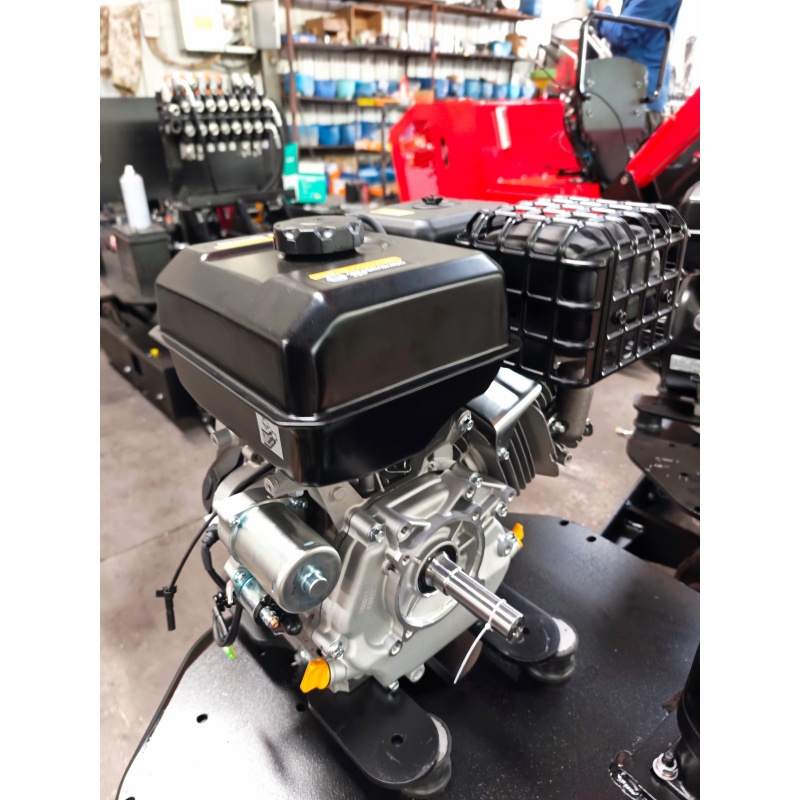
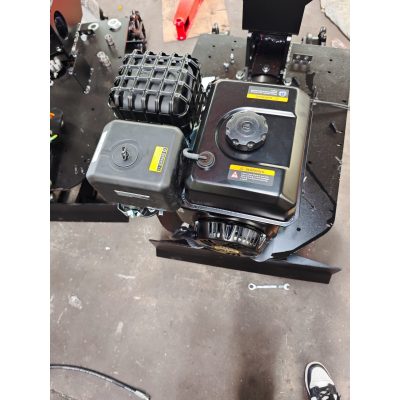
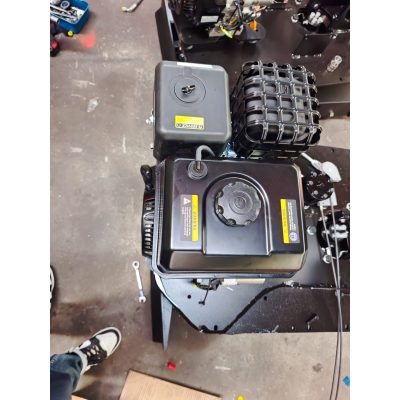
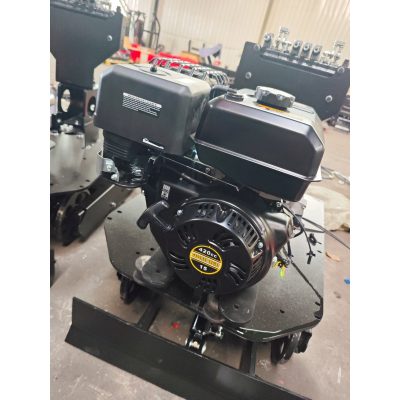
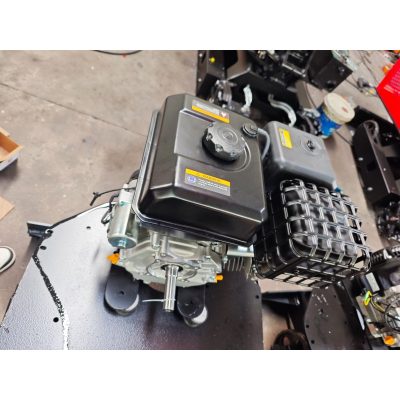
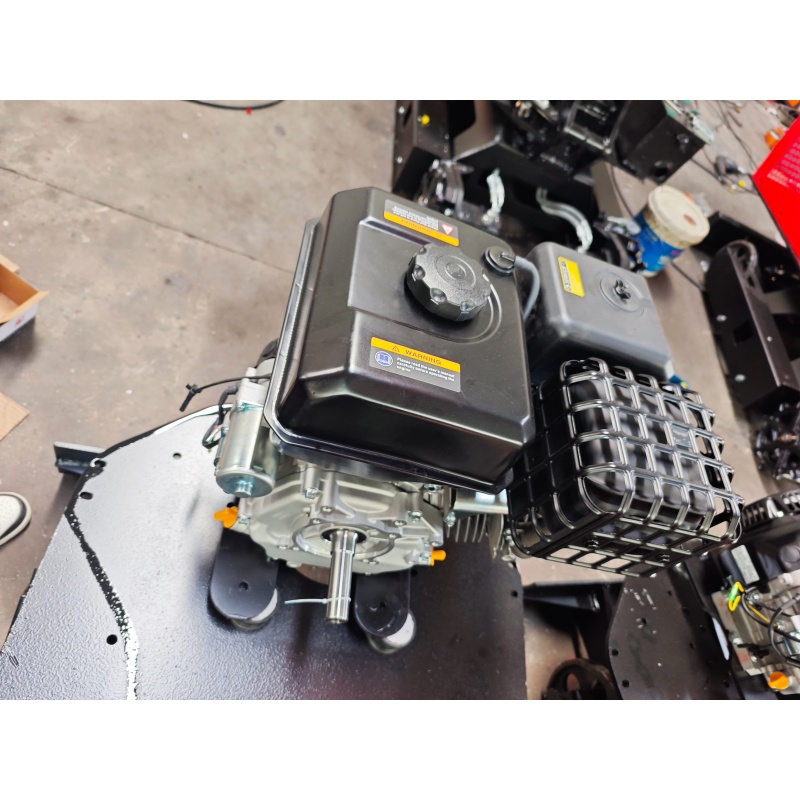
Engine choice on a small excavator is mainly a parts and service decision, especially for export buyers far from the factory. MINGYI offers small excavators with Runtong diesel engines as one of the engine options across the compact range.
The Runtong units are matched to the hydraulic package of the carrier, so the machine delivers steady digging force and reliable auxiliary flow for attachments. Buyers specify this engine at the ordering stage and the configuration is recorded against the machine.
Where the Runtong engine option fits
Runtong engines sit alongside options such as Kubota D722, Kubota D902, YANMAR, Changchai, Laidong and YARMAX units in the MINGYI engine list. The choice usually comes down to which brand the buyer's local parts network supports most easily.
For routine duty like farm digging, landscaping and light utility work, the engine is matched to the machine class rather than specified by power figures alone. The pairing is confirmed with the buyer so the hydraulic output suits the attachments planned.
Ordering and supporting the engine choice
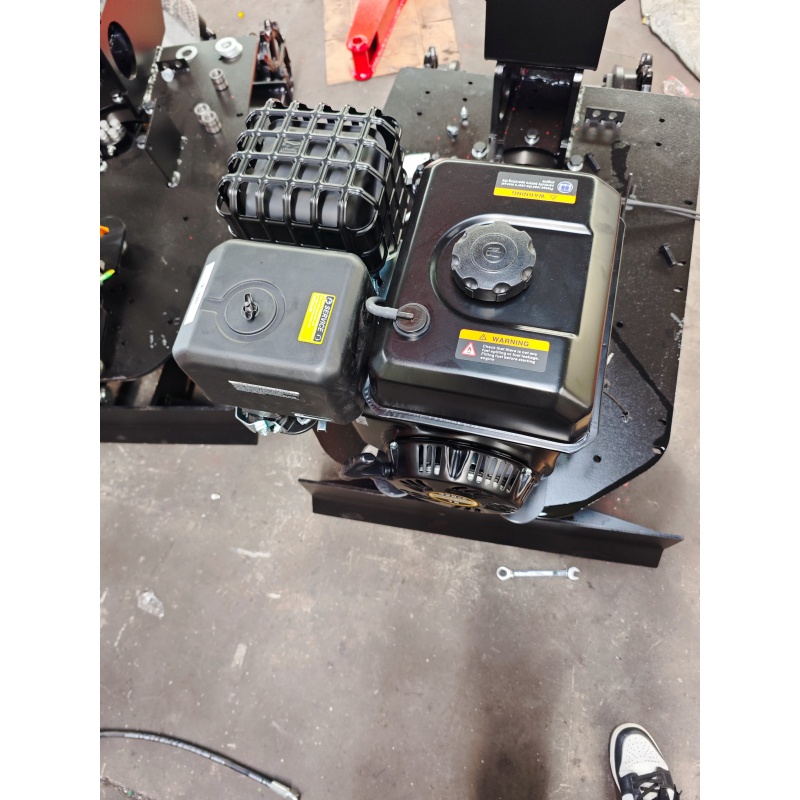
The engine, along with the track type and cabin layout, is fixed at the ordering stage and the build sheet is recorded against the machine. Filters and routine spares can be ordered with the excavator so the first service cycle is covered.
Service information for the engine travels with the machine, covering the routine items a workshop needs. Buyers should state their local parts situation when choosing, since a supported engine brand keeps the machine in work.
The excavator is a sensible choice where the buyer's parts channel handles that brand well. MINGYI confirms the engine selection against the duty cycle and attachment plan before the machine goes into build.
Acceptance checks when a runtong engine small excavator arrives A function check before the machine goes to work is worth the hour. Running through the controls, the travel and the attachment circuit on this class of machine confirms it is set up as specified and ready for the site. Documentation should arrive with the machine. Parts list, service schedule and any certificates for the unit in daily use are what the workshop needs later, and they are much easier to obtain at delivery than in month six. Daily checks and maintenance on runtong engine small excavator Daily maintenance on a machine of this size is a short list: engine oil level, coolant, track tension, hydraulic oil level and a look at the hoses. Ten minutes at the start of the shift prevents most of the failures that stop a machine. Greasing is the second item. The slew ring, the boom and arm pins and the bucket linkage on the equipment on site take grease daily in dusty work, and the intervals shorten further when the machine is used in water or mud. Running runtong engine small excavator in a rental fleet Rental fleets buy for utilisation, not for a single job. The machine itself with a quick coupler and a common attachment standard is hired more often because it suits more of the calls that come in. Fleet buyers also weigh transport. The model in question that a customer can tow on a normal licence and a standard trailer is a hire that does not need a delivery truck, which changes how often it goes out. Hydraulic circuits on a runtong engine small excavator Auxiliary hydraulic lines are what let a machine drive a tool rather than only a bucket. The machine in that duty specified with the right circuits and flow runs a breaker or an auger without an add-on power pack bolted to the frame. Flow and pressure are matched to the tool, not to the machine size. Asking for the attachment list first means the unit on the job leaves the factory with circuits that suit the heaviest tool the buyer intends to run. Boom configuration for runtong engine small excavator A swing boom lets the machine dig parallel to its tracks without repositioning, which is what makes trenching beside a wall or a fence practical. On a machine built for the work this is often the option that decides whether a job is possible at all. Detachable boom sections are used where transport length matters. The equipment in service that has to travel on a standard trailer can be built so the arm comes off for the road and goes back on at the site. Working near live services with runtong engine small excavator The risk on utility work is not machine power but machine placement. The excavator that fits the working width leaves the surrounding ground undisturbed, which keeps the trench stable and the reinstatement small. Utility crews specify this class of machine with a narrow bucket and good visibility for exactly this reason: the machine has to stop at the service, not at the edge of the operator's view. Working the unit in daily use through the seasons Seasonal planning smooths the workload. Machines that are busy for a few months and idle for the rest benefit from a service slot in the quiet period, and a machine of this size prepared in the off-season starts the busy months reliably. Heat and dust are as limiting as rain. Air intake condition and cooling cleanliness decide how the equipment on site behaves in a dry season, and both are checked in a minute rather than repaired later. OEM and fleet customisation of the machine itself Distributors and rental fleets usually need the machine to look like theirs. Paint, decals, seat colour and attachment branding can be specified on the model in question at build time rather than applied after import. Documentation can be prepared to suit the importer. Manuals, parts books and decal sets for the machine in that duty can be supplied with the buyer's own branding where the order size justifies it. Getting the unit on the job through a narrow gap The first question on most job lists is whether the machine can reach the work at all. A machine built for the work is chosen against the narrowest point on the route - a garden gate, a doorway, a gap between two walls - because a machine that arrives and then cannot pass loses a day, not an hour. Access decides the machine before output does. With the equipment in service the limiting dimension is usually the widest point on the way in, so measuring the gate, the corridor and the turning space first saves a wasted delivery and a second visit. Export packing and shipping of the excavator Export documentation, decals and paint are settled before packing. Asking for them with the unit in daily use order avoids a second handling session and keeps the machine on the booked vessel. Buyers who import regularly plan the spare parts with the machine. This class of machine ordered with a wearing-parts kit arrives ready to work rather than ready to wait for the first service interval. Working on slopes and uneven ground with a machine of this size Slope work is a stability question before it is a traction question. Knowing the gradient the equipment on site is rated for, and working across rather than straight up where the ground allows, removes most of the risk. Ground that looks level often is not. The machine itself crossing a filled trench, a soft edge or a hidden void behaves differently from one on undisturbed ground, and those are the places worth walking before driving. Municipal and public works with the model in question Municipal crews work on streets, footpaths and parks where the public is present. The machine in that duty is specified because it occupies little space, works inside a small exclusion zone and can be moved on a standard trailer. Noise and surface protection matter on public work. The unit on the job on rubber tracks across paving, with a sealed cab for the operator, suits the conditions better than a larger tracked machine. Matching a machine built for the work to ground conditions The working surface should be surveyed before the equipment in service is specified. A machine that is stable on compacted gravel can be unusable on the same site after rain, and the difference shows up as lost days rather than as a fault. Specification data for the excavator Buyers comparing this class of machine usually start from four numbers - weight, digging depth, reach and transport width - because those are the ones that decide whether the machine can be delivered and whether it can do the job once it is there. Every value shown is as built for the unit in daily use; options such as cab, side swing or a telescopic undercarriage change the transport dimensions and are confirmed at order stage. Soft ground is a flotation problem, not a power problem. A machine of this size on wide rubber tracks crosses lawn, sand and cultivated soil that would stop a narrower machine or a wheeled unit of the same capacity. Mixed sites are common and argue for a compromise specification. Most buyers choose rubber for the equipment on site and accept the wear, unless the majority of the work is on material that will damage it.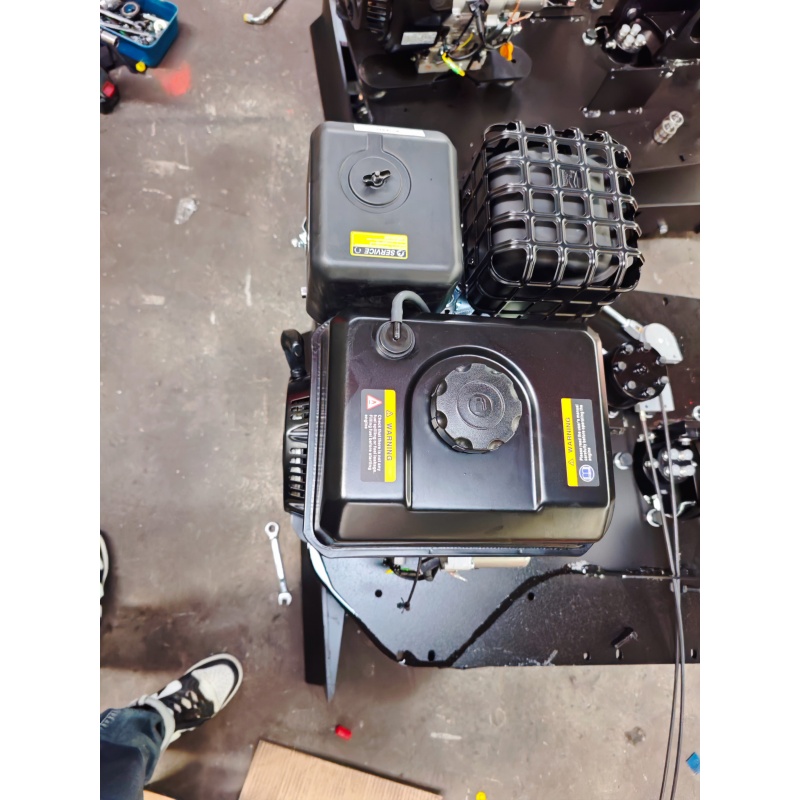
Reference specification — mini excavator range 20-1W 30-1W 09L 30-2L Operating weight 1800 kg (3968.32 lb) 2900 kg (6393.41 lb) 1100 kg (2425.08 lb) 2400 kg (5291 lb) Transport size (L×W×H) 2550 × 1100 × 2200 mm 3000 × 1250 × 2780 mm 2300 × 720 × 1870 mm 2800 × 1500 × 2500 mm Max digging depth 1800 mm (70.87 in) 2200 mm (86.61 in) 1400 mm (55.12 in) 2200 mm (86.61 in) Max digging height 2820 mm (111.02 in) 3400 mm (133.86 in) 2800 mm (110.24 in) 2900 mm (114.17 in) Max dumping height 2050 mm (80.71 in) 2400 mm (94.49 in) 1880 mm (74.02 in) 2100 mm (82.68 in) Max digging radius 3050 mm (120.08 in) 4000 mm (157.48 in) 2490 mm (98.03 in) 3330 mm (131.1 in) Max digging distance 2300 mm (90.55 in) 2800 mm (110.24 in) 2000 mm (78.74 in) 2700 mm (106.3 in) Minimum turning radius 1450 mm (57.09 in) 2000 mm (78.74 in) 1400 mm (55.12 in) 1555 mm (61.22 in) Travel speed 5 km/h (3.11 mph) 5 km/h (3.11 mph) 3 km/h (1.86 mph) 7 km/h (4.35 mph) Gradeability 30° 30° 30° 30° Fuel consumption 2-3 L/h (0.528—0.793 gal) 2-3 L/h (0.528—0.793 gal) 1-1.3 L/h (0.264—0.343 gal) 2-3 L/h (0.528—0.793 gal) Fuel tank capacity 16 L (4.23 gal) 16 L (4.23 gal) 8 L (2.11 gal) 16 L (4.23 gal) Hydraulic oil tank 18 L (4.76 gal) 20 L (5.28 gal) 16 L (4.23 gal) 18 L (4.76 gal) Dozer blade lift height 180 mm (7.09 in) 420 mm (16.54 in) 180 mm (7.09 in) 230 mm (9.06 in) Dozer blade drop depth 210 mm (8.27 in) 210 mm (8.27 in) 210 mm (8.27 in) 280 mm (11.02 in)
Q. What is the machine itself used for?
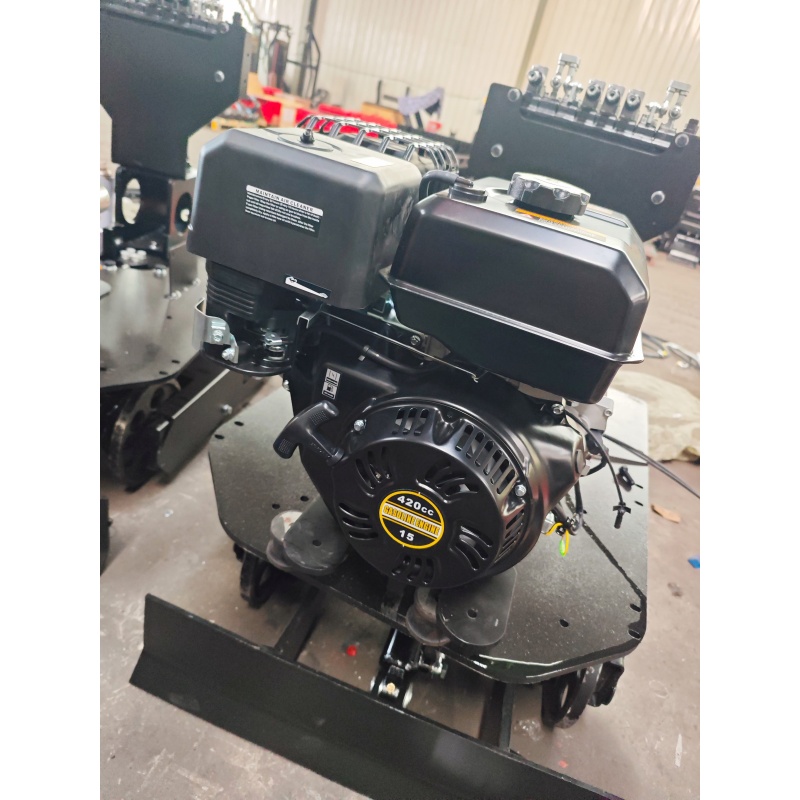
A. The engine decides how a compact digger behaves all day: the power curve, the service intervals and the way it holds revs when the hydraulics load up. Engine pages exist because buyers compare them first: the rest of the specification follows the engine decision. The model in question is one of the pages buyers land on when comparing machines for Runtong engine, and the factory treats it as a specification conversation rather than a catalogue line.
Q. How do I choose between the engine options?
A. Start from parts and service, not from the brochure. An engine your local market can filter, bleed and rebuild beats a paper advantage, and emission rules at the work site settle the rest. MINGYI matches the engine to the model and the market it will work in.
Q. Can I see the machine before it ships?
A. Inspection is arranged at the factory, in person or by a scheduled video walk-around - the same session covers paint, decals and attachment fitment for the Runtong engine specification, so the machine inspected is the machine that ships.
Wear items and spares worth holding for the machine in that duty
Holding spares is about downtime rather than the shelf itself. The question for the unit on the job is not how large the part is but how long the machine sits while it is found, and a small shelf answers that better than a fast courier.
Packing, loading and shipment of a machine built for the work
The paperwork matters as much as the packing. Serial numbers, dimensions and weights recorded for the equipment in service at loading are the same figures the destination needs, and a mismatch here loses more days than the voyage itself.
E-mail : sales@mingycn.com
LINE ( ID ): mingyicn
Related pages
small excavator yarmax engine · small excavator yarmax diesel engine · Bucket Loader Machine: Matching Bucket Volume to Material Weight · Mini Excavators









