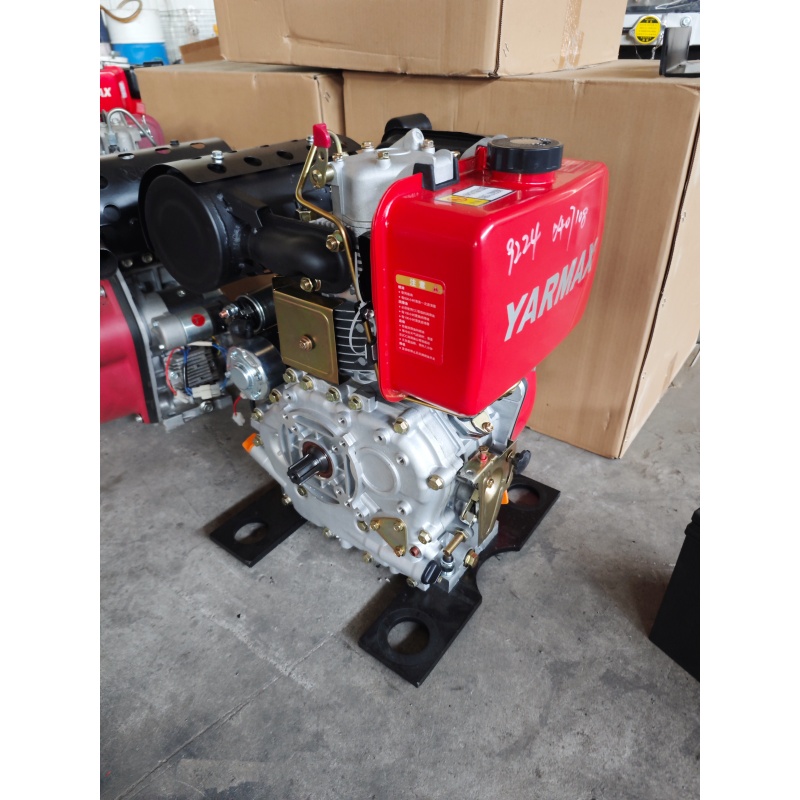
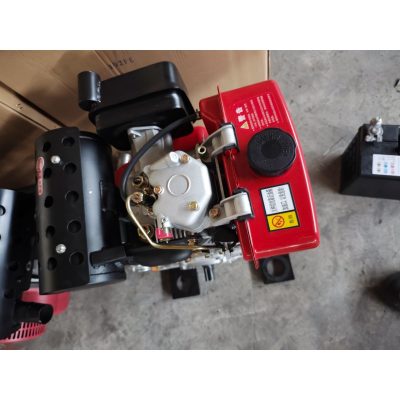
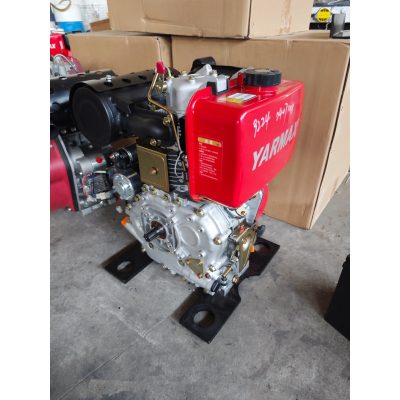
Engine choice is one of the few decisions on a compact excavator that a buyer makes once and lives with for the whole life of the machine. The small excavator offered by MINGYI can be built with a YARMAX diesel where that is the preferred option for the market being served.
YARMAX units are used widely in compact installations, and they suit the duty cycle of small site work, where the engine runs under load for a few minutes and then idles while the machine repositions. The engine is matched to the hydraulics so control stays responsive.
Why engine selection matters on a small excavator
The engine has to hold a steady speed while the hydraulics demand flow for a breaker or a tiller, then settle to a low idle when the machine moves. A unit tuned for that pattern feels calm to operate and is easier to control near obstructions.
Service support is the other half of the decision. Some buyers specify YARMAX because parts and skilled attention are already available in their region, while others prefer Kubota D902 or YANMAR for the same reason.
Matching a YARMAX engine to the machine
The engine is specified against the size of the machine and the attachments it will drive. A unit running a hydraulic breaker for long periods is configured differently from one that mainly digs with a bucket and loads spoil.
Because MINGYI builds to order, the engine, hydraulic setting and attachment list are recorded together against the machine. That record is what a buyer's own workshop needs when the unit eventually requires attention.
A YARMAX engine is a valid choice for buyers who want a straightforward industrial diesel in a compact crawler excavator, provided the hydraulics are matched to it. Naming the engine at the order keeps the build consistent across a fleet.
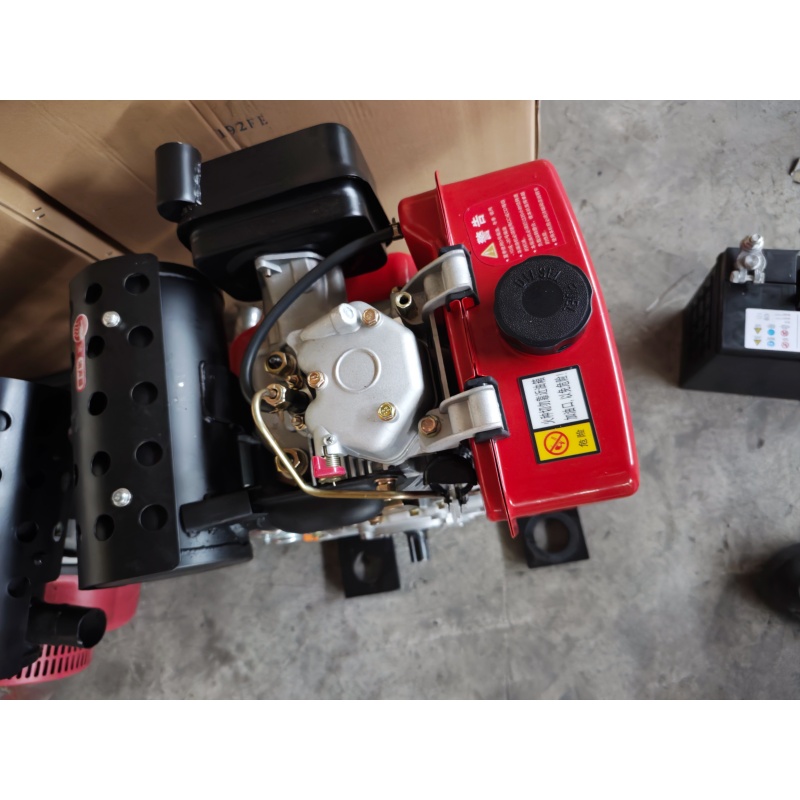
Parts, service and support for small excavator yarmax engine Support after delivery is a parts question. Wearing items for the excavator - filters, belts, track components, bucket teeth and pins - are the items a buyer should plan to hold before the first service interval. Engine parts availability usually drives the engine choice. This class of machine built with an engine the local network already carries is serviced from stock rather than from an international order. Working near live services with small excavator yarmax engine Digging near water, gas and cable is a precision job. The unit in daily use is used here because the operator can work in short controlled cuts and because the machine can be positioned without driving over the run being exposed. Utility crews specify a machine of this size with a narrow bucket and good visibility for exactly this reason: the machine has to stop at the service, not at the edge of the operator's view. Road and paving work for small excavator yarmax engine Road repair generates short, interrupted jobs - a patch, a drainage connection, a kerb line. The equipment on site is economical here because it travels on a small trailer and starts working minutes after arriving. Patching and reinstatement favour a machine that can work in a lane closure. The machine itself occupies less road than a full-size excavator, which reduces the traffic management needed and the length of the closure. Running small excavator yarmax engine in a rental fleet Rental fleets buy for utilisation, not for a single job. The model in question with a quick coupler and a common attachment standard is hired more often because it suits more of the calls that come in. The specification that rents best is usually the simplest one to explain at the counter. The machine in that duty with rubber tracks, a canopy and a coupler covers the majority of weekend and short-term hires. Canopy or enclosed cab on a small excavator yarmax engine A canopy keeps the machine light and the operator aware of the surroundings, which suits short jobs in warm weather. A fully enclosed cab is specified where rain, dust or cold are part of the working year, and it can be added to the unit on the job as a retrofit rather than only at build time. Enclosure also changes noise and dust exposure. A sealed cab on a machine built for the work keeps dust out on dry sites and lets the machine work through weather that would otherwise stop a canopy machine for the day. Municipal and public works with small excavator yarmax engine Drainage repair, tree planting, footway reconstruction and cemetery work are all within the range of the equipment in service. The jobs are small individually and continuous across the year. Noise and surface protection matter on public work. The excavator on rubber tracks across paving, with a sealed cab for the operator, suits the conditions better than a larger tracked machine. Hydraulic circuits on this class of machine Auxiliary hydraulic lines are what let a machine drive a tool rather than only a bucket. The unit in daily use specified with the right circuits and flow runs a breaker or an auger without an add-on power pack bolted to the frame. Hydraulic specification is easier to settle at build time than to correct later. A machine of this size delivered without auxiliary lines can still dig, but every additional tool becomes a retrofit project. Interior and light demolition with the equipment on site Breaking out a floor slab, a wall footing or a concrete step is routine work for the machine itself with a breaker. The machine is small enough to work inside and heavy enough to run the tool at a practical rate. Dust, debris clearance and floor loading all argue for a compact machine indoors. The model in question spreads its weight over a wider track footprint than a wheeled machine of similar capacity. Engine options behind the machine in that duty Power unit selection is settled against the service network the buyer already uses. MINGYI offers Kubota D722, Kubota D902, YANMAR, Changchai, Laidong, Runtong, YARMAX, Youpu 2V80 and Youpu 195, so a fleet running one brand of engine can keep the same filters, the same parts supplier and the same mechanic. Engine choice is also an emissions and documentation question for some markets. Listing the available units with the unit on the job enquiry lets the factory confirm what can be supplied and documented for the destination country. Trailering and moving a machine built for the work Transport weight and width decide whether a machine needs a specialist haulier. The equipment in service sized to travel on a standard plant trailer behind a suitable vehicle moves with the crew rather than on a scheduled low loader. Detachable components reduce transport length. The excavator built with a removable arm section or a folding step fits a shorter trailer and may avoid an oversize movement permit. Quick coupler practice on this class of machine A quick coupler is the single option that changes how a machine is used day to day. Fitted to the unit in daily use, it turns an attachment change from a two-person workshop job into a task the operator does alone in minutes. Couplers are specified early because they affect the arm and the hydraulic kit. Adding one to a machine of this size after delivery means new pins, new hoses and a fitment session; adding it at build time is a line on the sheet. Orchard, vineyard and farm use of the equipment on site Orchard and vineyard work is carried out between rows. The machine itself with a narrow chassis and a swing boom works down the row without damaging the trees, which is the reason a full-size machine is not used at all. Farms also use the model in question for general maintenance - clearing a watercourse, repairing a track, loading a spreader. One carrier with a few attachments covers most of the jobs that would otherwise wait for a contractor. Working the machine in that duty in confined spaces Confined sites are decided by dimensions. Overall width, tail swing and the space needed to work the arm are what let the unit on the job operate inside a building, between walls or in a courtyard. Ventilation is the other indoor constraint. Running a machine built for the work inside a closed structure needs air movement, and that is a planning item rather than something to discover after the first hour. Specification data for the equipment in service Where the excavator is being specified for a job list, the table below gives the factory figures that matter most: what the machine weighs, how deep and how far it works, and what it measures on a trailer. Every value shown is as built for this class of machine; options such as cab, side swing or a telescopic undercarriage change the transport dimensions and are confirmed at order stage. The second habit is tool discipline. Running the unit in daily use with the right bucket width for the trench means less spoil, less reinstatement and a cleaner job than a wide bucket and a lot of trimming. Stability is the third. A machine of this size working across the tracks rather than over the corners keeps the machine steady and the undercarriage loaded evenly, which shows up as track life at the end of the season.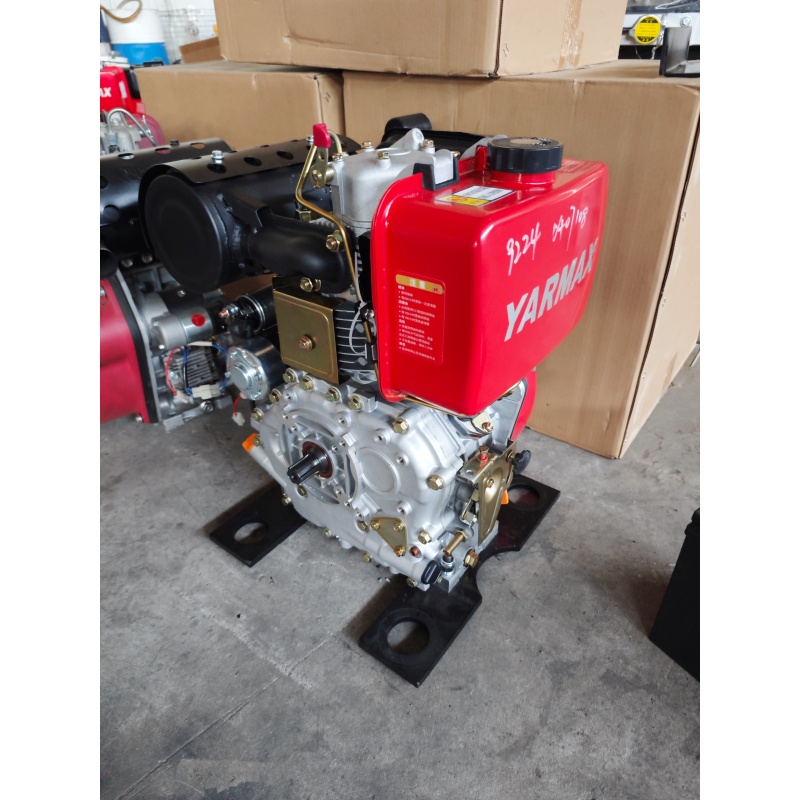
Reference specification — mini excavator range 09W 30-1W 12L 30-2L Operating weight 1100 kg (2425.08 lb) 2900 kg (6393.41 lb) 1200 kg (2645.55 lb) 2400 kg (5291 lb) Transport size (L×W×H) 1800 × 750 × 1970 mm 3000 × 1250 × 2780 mm 2200 × 930 × 2250 mm 2800 × 1500 × 2500 mm Max digging depth 1250 mm (49.21 in) 2200 mm (86.61 in) 1700 mm (66.93 in) 2200 mm (86.61 in) Max digging height 2800 mm (110.24 in) 3400 mm (133.86 in) 2600 mm (102.36 in) 2900 mm (114.17 in) Max dumping height 1700 mm (66.93 in) 2400 mm (94.49 in) 1800 mm (70.87 in) 2100 mm (82.68 in) Max digging radius 2570 mm (101.18 in) 4000 mm (157.48 in) 2900 mm (114.17 in) 3330 mm (131.1 in) Max digging distance 1869 mm (73.58 in) 2800 mm (110.24 in) 2300 mm (90.55 in) 2700 mm (106.3 in) Minimum turning radius 1000 mm (39.37 in) 2000 mm (78.74 in) 1450 mm (57.09 in) 1555 mm (61.22 in) Travel speed 3 km/h (1.86 mph) 5 km/h (3.11 mph) 3 km/h (1.86 mph) 7 km/h (4.35 mph) Gradeability 30° 30° 30° 30° Fuel consumption 1-1.3 L/h (0.264—0.343 gal) 2-3 L/h (0.528—0.793 gal) 1-1.3 L/h (0.264—0.343 gal) 2-3 L/h (0.528—0.793 gal) Fuel tank capacity 8 L (2.11 gal) 16 L (4.23 gal) 10 L (2.64 gal) 16 L (4.23 gal) Hydraulic oil tank 16 L (4.23 gal) 20 L (5.28 gal) 16 L (4.23 gal) 18 L (4.76 gal) Dozer blade lift height 180 mm (7.09 in) 420 mm (16.54 in) 180 mm (7.09 in) 230 mm (9.06 in) Dozer blade drop depth 210 mm (8.27 in) 210 mm (8.27 in) 210 mm (8.27 in) 280 mm (11.02 in)
Q. Who chooses the equipment on site?
A. On a compact excavator the engine shapes more than output - it sets the noise, the fuel burn and how easily a local workshop can keep the machine running. Engine pages exist because buyers compare them first: the rest of the specification follows the engine decision. For Yarmax engine applications the practical route is to send the job list to the factory and let the build sheet answer it - which is exactly what this page invites.
Q. How do I choose between the engine options?
A. Start from parts and service, not from the brochure. An engine your local market can filter, bleed and rebuild beats a paper advantage, and emission rules at the work site settle the rest. MINGYI matches the engine to the model and the market it will work in.
Q. How do I get a specification?
A. Send the model, the destination and the attachment list by email or LINE - the channels listed just below this section. The reply covers the specification, lead time, packing and freight in one document, with the Yarmax engine build sheet attached.
A second operator for the machine itself
Different operators suit different work. The person who is quickest with the model in question on open ground is not always the one who is safest in a confined space, and having both available is a genuine advantage.
Documents that travel with the machine in that duty
A clear parts book saves more time than any other document. When the unit on the job needs a replacement, the illustration and the part number are what turn a phone call into a shipment instead of a description.
E-mail : sales@mingycn.com
LINE ( ID ): mingyicn
Related pages
small excavator yarmax diesel engine · yanmar diesel mini excavator · Construction Equipment Loader: Sizing for Site and Yard Work · Mini Excavators









