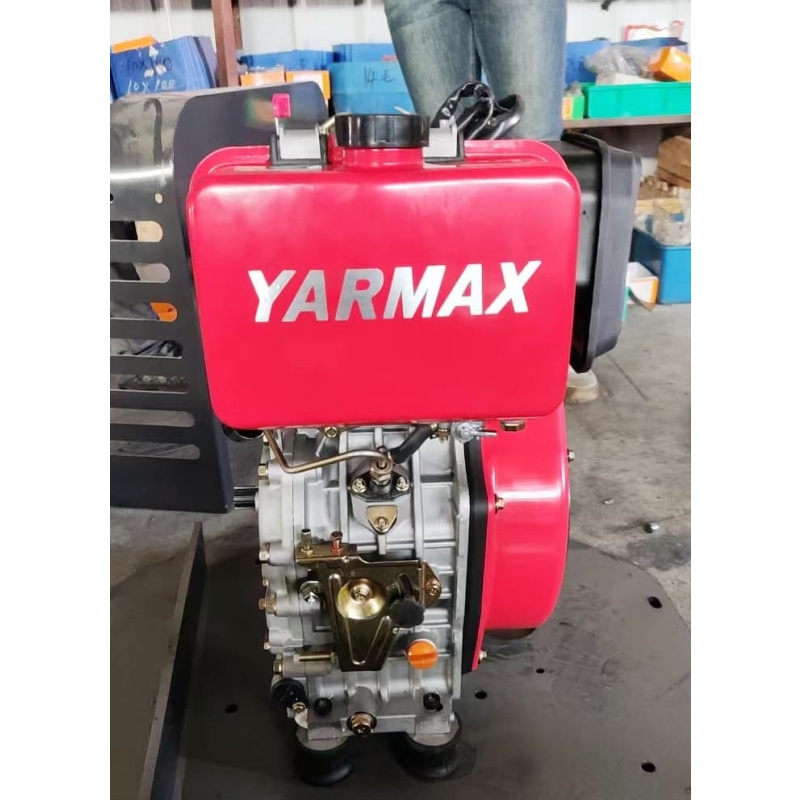
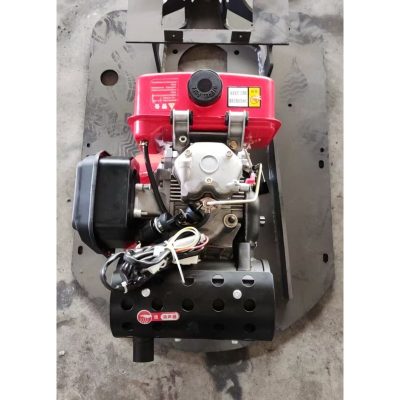
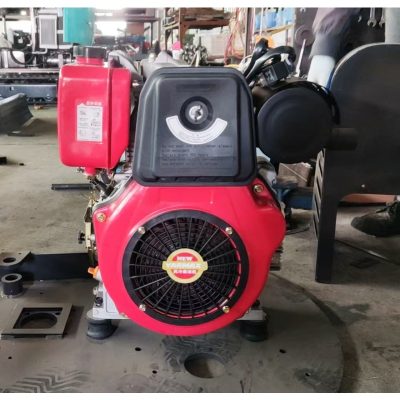
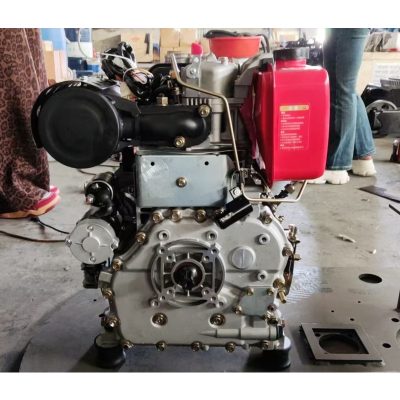
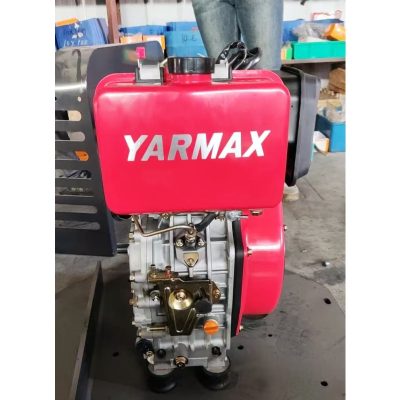
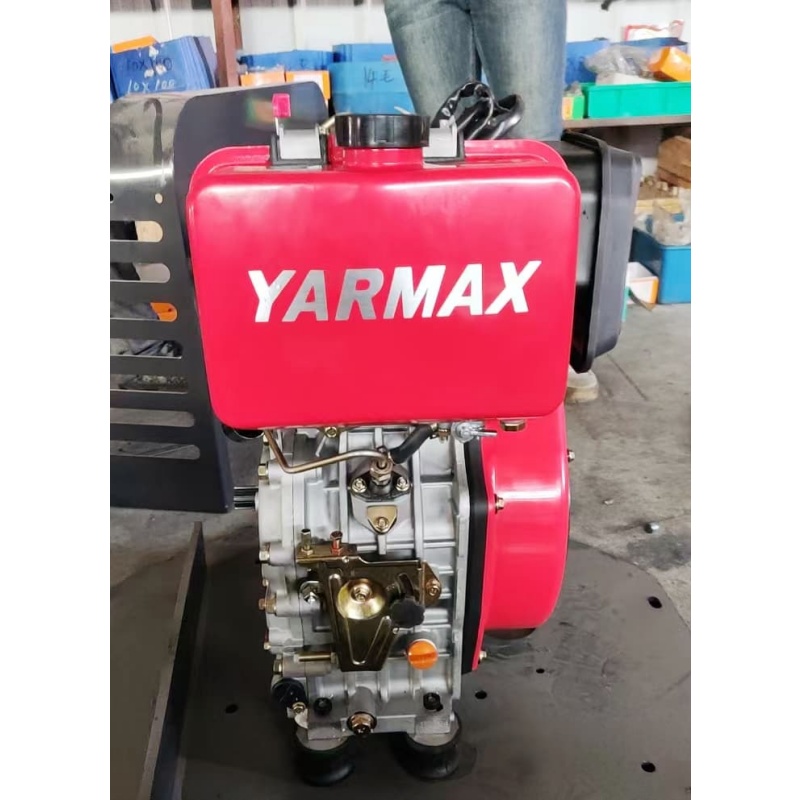
The engine decides how a small excavator starts, sounds, drinks fuel and behaves under load, so it is one of the first choices a buyer makes. MINGYI fits the YARMAX diesel engine to small excavators where a simple, serviceable power unit suits the work.
Engine selection is settled at the ordering stage along with the tracks and attachments, because the pump and hydraulic setup are matched to the power unit that drives them.
Why the YARMAX diesel suits a small excavator
A compact excavator runs at varying load as the operator digs, lifts and travels, so the engine has to hold speed and respond without stalling. A diesel unit of this class gives the torque needed for digging while keeping fuel use modest over a working day.
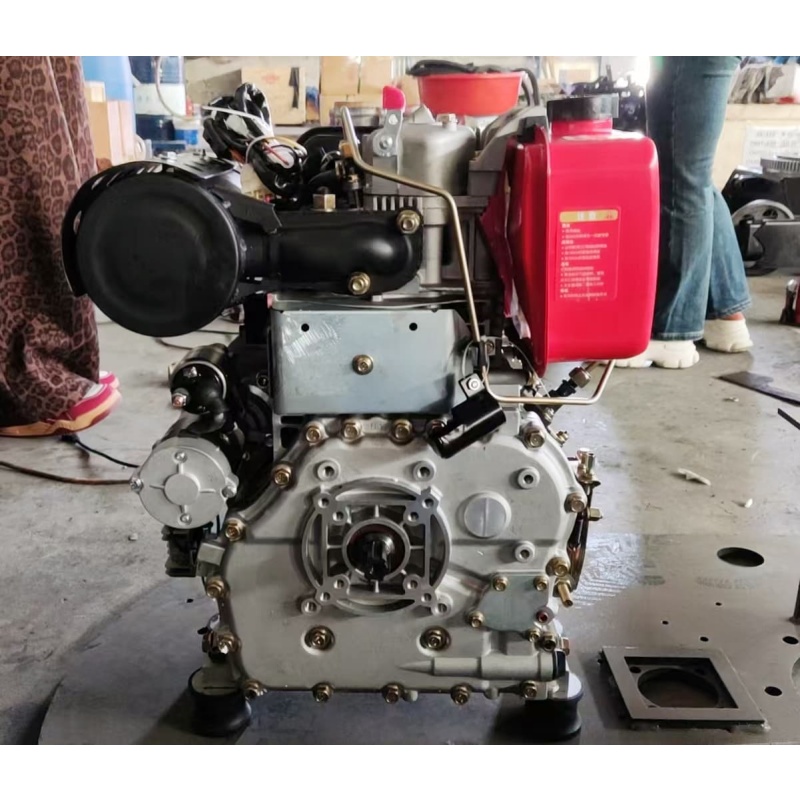
The engine also has to be easy to look after in a market far from the factory, which is why a widely used diesel unit with straightforward servicing is chosen. Spare parts and service information travel with the machine.
Matching engine choice to the machine
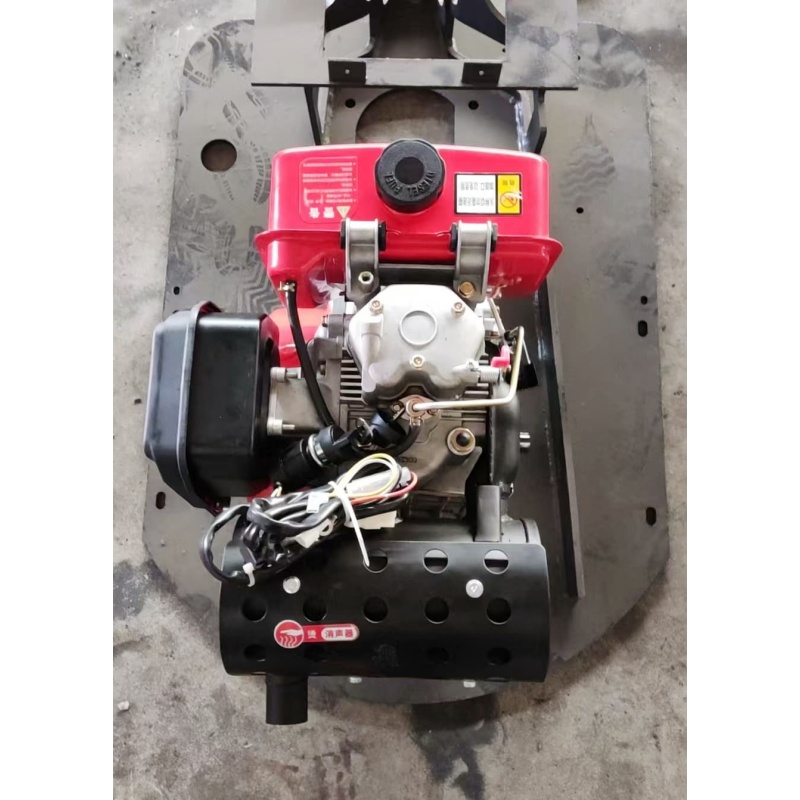
Buyers who work in cold or hot conditions, or at altitude, should raise that with the factory, since it affects how the engine is set up. The engine choice is recorded against the machine so parts and settings follow the unit.
Other diesel options are offered across the range, including Kubota D722, Kubota D902, YANMAR, Changchai, Laidong, Runtong, Youpu 2V80 and Youpu 195, so the power unit can be matched to the market and the job.
A buyer specifying an engine should describe the climate, the duty cycle and the fuel and parts available locally, and MINGYI will confirm which diesel option fits the machine.
Lifting and material handling with a small excavator yarmax diesel engine Lifting with a machine built to dig needs a plan. The load, the radius and the ground under the class of machine all matter, and the safe figure is the one on the chart rather than the one that looks possible. Stability changes with reach. A load the excavator handles close in becomes a different proposition at full extension, so the working radius belongs in the plan before the lift rather than during it. Parts, service and support for small excavator yarmax diesel engine Engine parts availability usually drives the engine choice. The unit in daily use built with an engine the local network already carries is serviced from stock rather than from an international order. Remote support is handled by video. A machine of this size fault can often be diagnosed on a walk-around call with the panel open, which is faster than waiting for a visit and avoids shipping a part that is not needed. Matching small excavator yarmax diesel engine to ground conditions Hard and abrasive ground reverses the specification. On rock, demolition rubble or sharp gravel, steel tracks with rubber blocks on the equipment on site survive conditions that cut a rubber belt quickly. Mixed sites are common and argue for a compromise specification. Most buyers choose rubber for the machine itself and accept the wear, unless the majority of the work is on material that will damage it. What owners should plan for beyond the small excavator yarmax diesel engine Purchase decision is the visible part of the effort. Fuel, filters, tracks or tyres, the operator and the transport between sites are the items that decide what the model in question actually demands over a few seasons, and they are worth listing before the order. Downtime is the hidden line item. The machine in that duty waiting on a part earns nothing while it stands, so parts availability and service access belong in the plan as much as fuel does. OEM and fleet customisation of small excavator yarmax diesel engine Customisation also covers the specification sheet. A fleet buyer may want every machine built for the work delivered with the same coupler, the same engine and the same tool kit so training and parts stock stay simple. Documentation can be prepared to suit the importer. Manuals, parts books and decal sets for the unit on the job can be supplied with the buyer's own branding where the order size justifies it. Getting small excavator yarmax diesel engine through a narrow gap The first question on most job lists is whether the machine can reach the work at all. The equipment in service is chosen against the narrowest point on the route - a garden gate, a doorway, a gap between two walls - because a machine that arrives and then cannot pass loses a day, not an hour. Contractors who buy the excavator normally have one job in mind that nothing else reaches. The purchase order follows the access measurement, not the other way round, and the build sheet is then settled around it. Interior and light demolition with this class of machine Interior demolition is an access and a weight question. The unit in daily use that fits through a doorway and works on a suspended floor does jobs that would otherwise be done by hand or by a larger machine that cannot enter. Dust, debris clearance and floor loading all argue for a compact machine indoors. A machine of this size spreads its weight over a wider track footprint than a wheeled machine of similar capacity. Municipal and public works with the equipment on site Municipal crews work on streets, footpaths and parks where the public is present. The machine itself is specified because it occupies little space, works inside a small exclusion zone and can be moved on a standard trailer. Drainage repair, tree planting, footway reconstruction and cemetery work are all within the range of the model in question. The jobs are small individually and continuous across the year. Noise, dust and working near occupied buildings Enclosure and machine condition both reduce noise. The machine in that duty with intact panels, sound mounts and a maintained exhaust is measurably quieter than the same machine with loose guards, and the difference matters on restricted sites. Dust control is often part of the same conversation. Water, timing and work sequence reduce what leaves the site, and agreeing them in advance keeps the unit on the job working rather than stopped after a complaint. Attachments that turn a machine built for the work into several machines Attachment lists are best written before delivery. Specifying the equipment in service with the tools the job list needs avoids the work and delay of adding hydraulics later, and a quick coupler makes the swap a few minutes instead of a workshop job. Most of the daily variety on the excavator comes from the attachment rack rather than from the machine itself. Bucket, breaker, auger, ripper, rake and grab cover the large majority of the work a contractor will see. Hiring versus owning this class of machine The choice follows the hours. Work that fills a few weeks a year is usually better hired, while the unit in daily use that would be on site most weeks starts to justify ownership once the transport and booking time is counted. Availability is part of the decision. Owning a machine of this size means it is there on the day the ground is ready; hiring means competing for the same machine at the same time as everyone else in the season. Specification data for the equipment on site The figures below are the factory figures for the models most often matched to the machine itself. They are the numbers to check against the site: the depth the work needs, the reach from one position, and the width of the narrowest point on the route in. Every value shown is as built for the model in question; options such as cab, side swing or a telescopic undercarriage change the transport dimensions and are confirmed at order stage. Machines leave the factory prepared for container or flat rack shipment. The machine in that duty is normally shipped with the attachment set and the spare parts list agreed in advance so the container is planned once. Export documentation, decals and paint are settled before packing. Asking for them with the unit on the job order avoids a second handling session and keeps the machine on the booked vessel.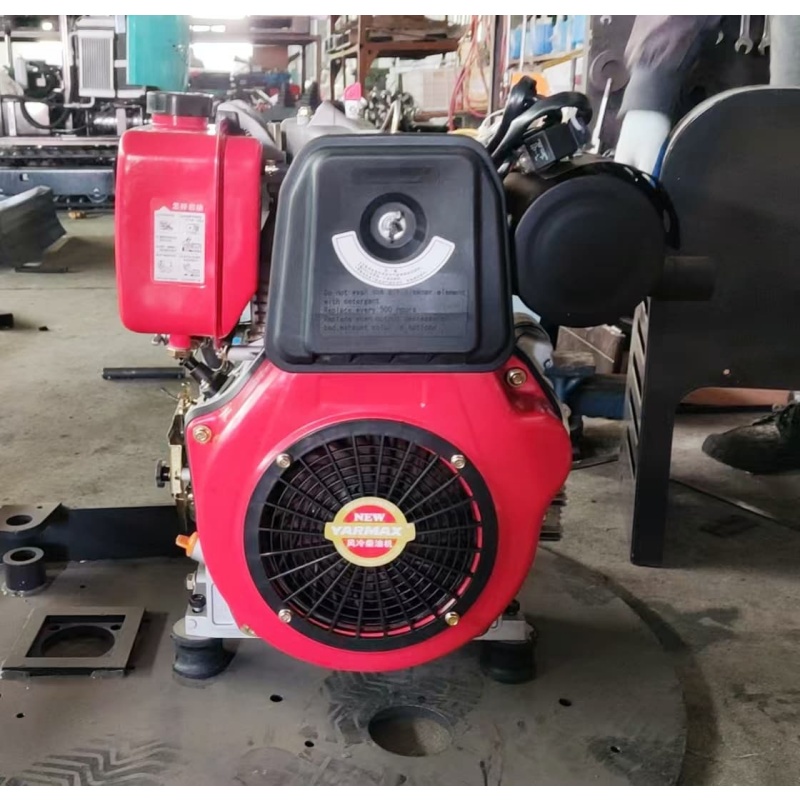
Reference specification — mini excavator range 20-1W 20-3W 30-1W 15L Operating weight 1800 kg (3968.32 lb) 1900 kg (4188.78 lb) 2900 kg (6393.41 lb) 1400 kg (3086.47 lb) Transport size (L×W×H) 2550 × 1100 × 2200 mm 2550 × 1100 × 2200 mm 3000 × 1250 × 2780 mm 2200 × 930 × 2250 mm Max digging depth 1800 mm (70.87 in) 1800 mm (70.87 in) 2200 mm (86.61 in) 1700 mm (66.93 in) Max digging height 2820 mm (111.02 in) 2820 mm (111.02 in) 3400 mm (133.86 in) 2750 mm (108.27 in) Max dumping height 2050 mm (80.71 in) 2050 mm (80.71 in) 2400 mm (94.49 in) 1960 mm (77.17 in) Max digging radius 3050 mm (120.08 in) 3050 mm (120.08 in) 4000 mm (157.48 in) 2900 mm (114.17 in) Max digging distance 2300 mm (90.55 in) 2300 mm (90.55 in) 2800 mm (110.24 in) 2300 mm (90.55 in) Minimum turning radius 1450 mm (57.09 in) 1450 mm (57.09 in) 2000 mm (78.74 in) 1450 mm (57.09 in) Travel speed 5 km/h (3.11 mph) 5 km/h (3.11 mph) 5 km/h (3.11 mph) 3 km/h (1.86 mph) Gradeability 30° 30° 30° 30° Fuel consumption 2-3 L/h (0.528—0.793 gal) 2-3 L/h (0.528—0.793 gal) 2-3 L/h (0.528—0.793 gal) 1-1.3 L/h (0.264—0.343 gal) Fuel tank capacity 16 L (4.23 gal) 16 L (4.23 gal) 16 L (4.23 gal) 10 L (2.64 gal) Hydraulic oil tank 18 L (4.76 gal) 18 L (4.76 gal) 20 L (5.28 gal) 16 L (4.23 gal) Dozer blade lift height 180 mm (7.09 in) 180 mm (7.09 in) 420 mm (16.54 in) 180 mm (7.09 in) Dozer blade drop depth 210 mm (8.27 in) 210 mm (8.27 in) 210 mm (8.27 in) 210 mm (8.27 in)
Q. What is a machine built for the work?
A. On a compact excavator the engine shapes more than output - it sets the noise, the fuel burn and how easily a local workshop can keep the machine running. MINGYI assembles several engine options across the 08, 12 and 18 models so the machine can be matched to local fuel, parts supply and emission rules. MINGYI builds the 08, 12 and 18 models covering the 0.8 to 6 tonne class, and the equipment in service is where that range meets Yarmax diesel engine.
Q. How do I choose between the engine options?
A. Start from parts and service, not from the brochure. An engine your local market can filter, bleed and rebuild beats a paper advantage, and emission rules at the work site settle the rest. MINGYI matches the engine to the model and the market it will work in.
Q. How do I get a specification?
A. Send the model, the destination and the attachment list by email or LINE - the channels listed just below this section. The reply covers the specification, lead time, packing and freight in one document, with the Yarmax diesel engine build sheet attached.
A second operator for the excavator
A machine that only one person can use is a single point of failure. Training a second operator on this class of machine takes a day and removes the dependency that otherwise governs holidays, illness and busy weeks.
Moving the unit in daily use between sites
Securing the load is not optional. Lashing a machine of this size at the points intended for it, checking the tension before the vehicle moves and rechecking after the first kilometres is standard practice rather than extra care.
Fuel, oil and fluid quality for the equipment on site
Contamination is easier to prevent than to cure. Keeping the filler caps sealed, the funnels clean and the containers closed around the machine itself is unglamorous work that shows up as reliability later.
E-mail : sales@mingycn.com
LINE ( ID ): mingyicn
Wear limits and replacement points on small excavator yarmax diesel engine
Measuring at the same place each time turns a guess into a trend, and a trend is what tells a workshop when to order.
Uneven wear usually points at alignment, pressure or a driving habit rather than at the part itself.
Related pages
yanmar diesel mini excavator · small excavator with youpu 2v80 engine · Earthmoving Wheel Loader: Boom Geometry and Breakout Behaviour · Mini Excavators









