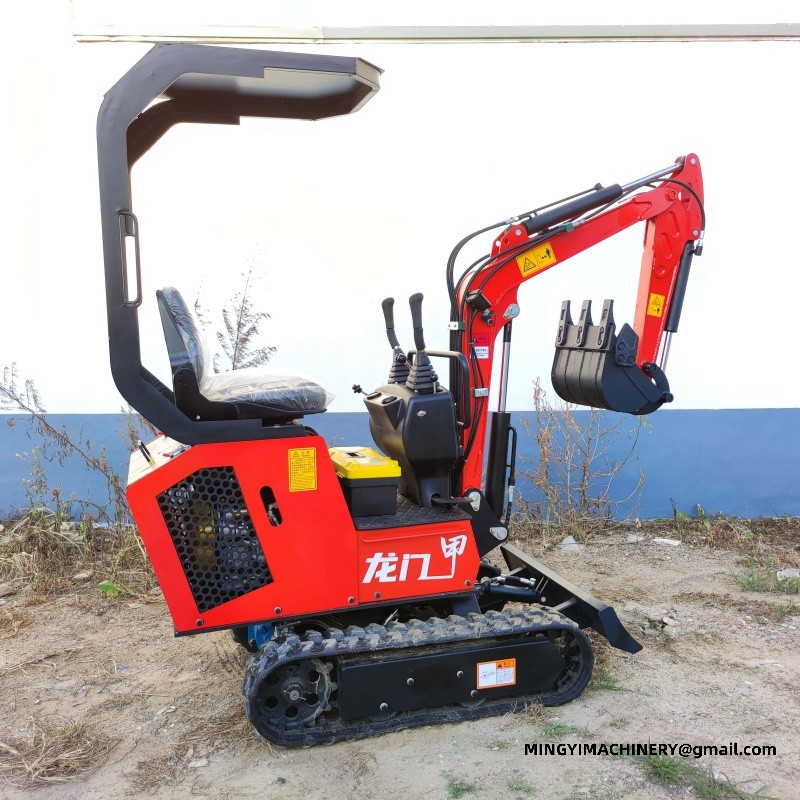
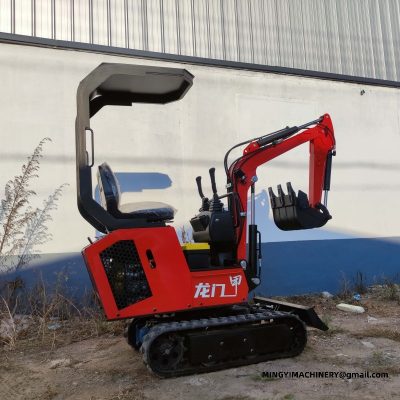
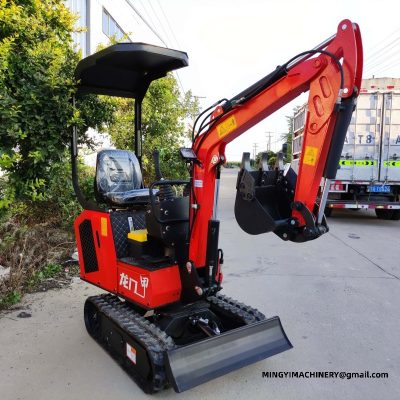
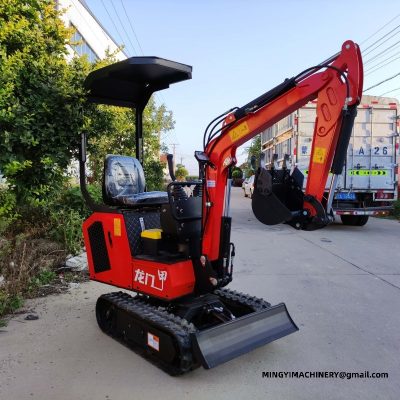
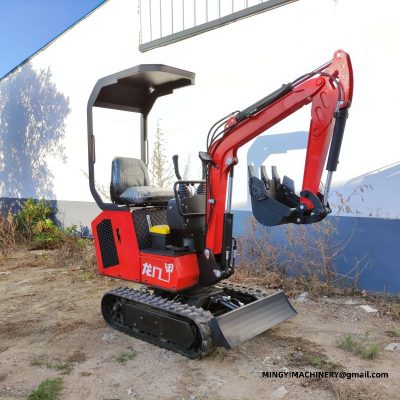
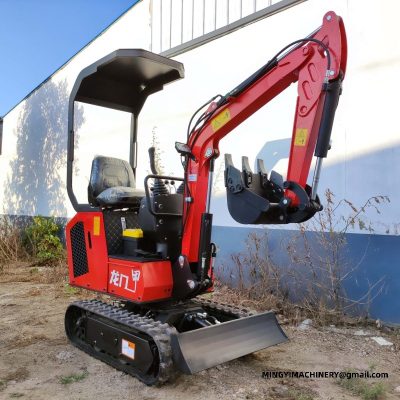
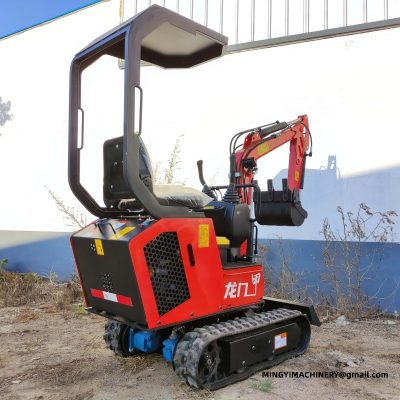
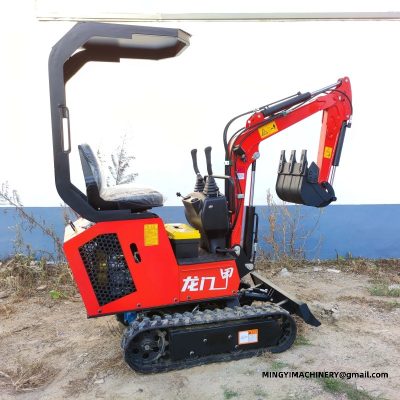
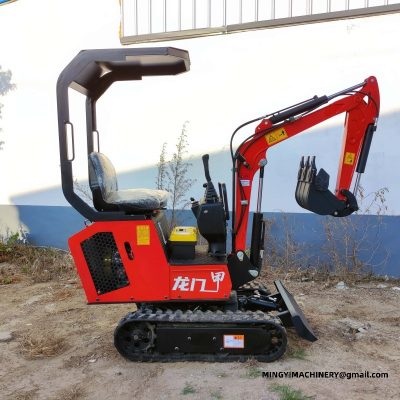
Sourcing compact excavators from a supplier is largely a matter of confirming what is being bought before the order is placed. A machine is built to order, so the specification, the attachment set and the documentation should all be settled in advance.
MINGYI supplies compact crawler excavators across the 0.8 to 6 tonnes band and builds them against the buyer's requirements. Buyers dealing with a supplier for the first time usually want to know how the machine is specified, packed and supported.
What to confirm when sourcing mini excavators
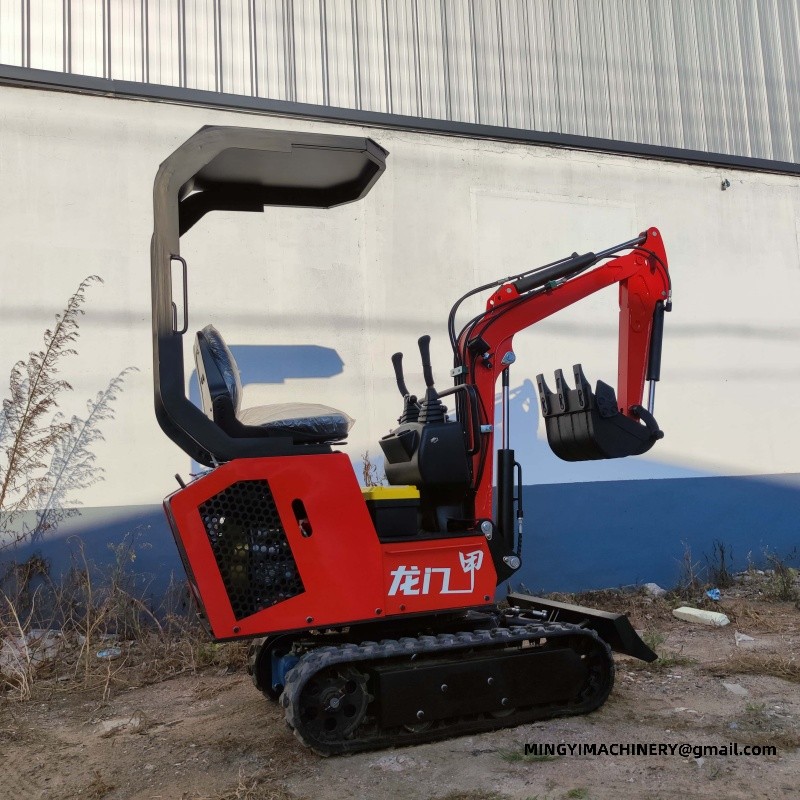
The first questions are practical: which size class, which engine option, which track type and which attachments. Each answer changes the machine, and each is easier to settle before the build begins than to alter afterwards.
The second group concerns support. A buyer should know how the machine will be documented, what spares are supplied with it, and how a repeat order will be matched to the first.
Working with a compact excavator supplier
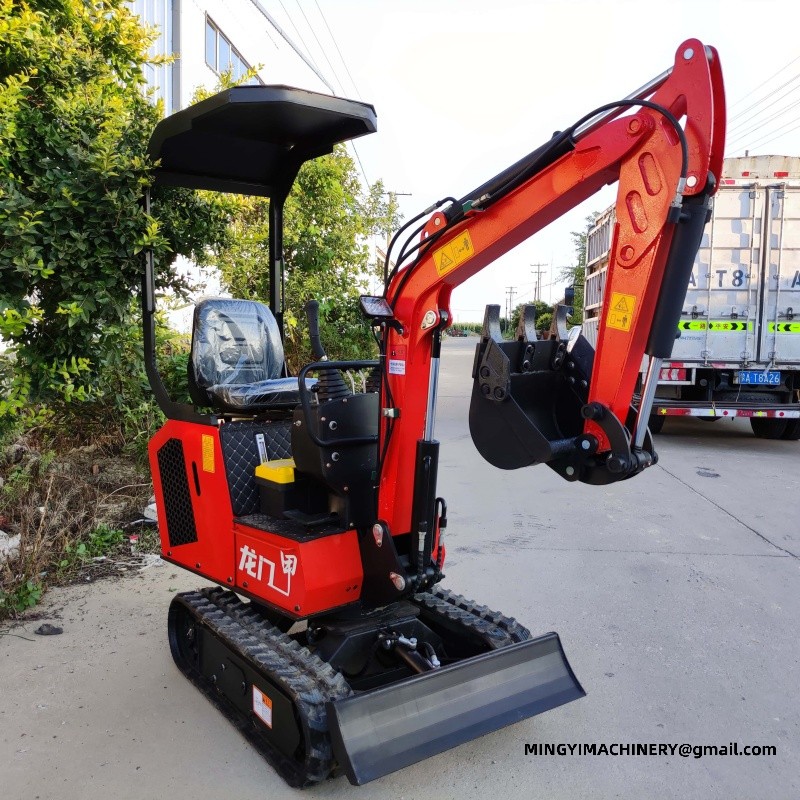
A supplier who builds to order can match a machine to a specific market rather than an average one. That matters where climate, ground conditions or local service support make one engine or track type clearly preferable to another.
Consistency across a fleet is the other benefit. Where a buyer orders several units to one specification, the build record for each machine should read the same, so any unit can be serviced to the same standard.
Choosing a mini excavator supplier is about the specification and the support rather than the sales material. A supplier who documents each build and answers the practical questions plainly gives a buyer a machine that fits the market it is sold into.
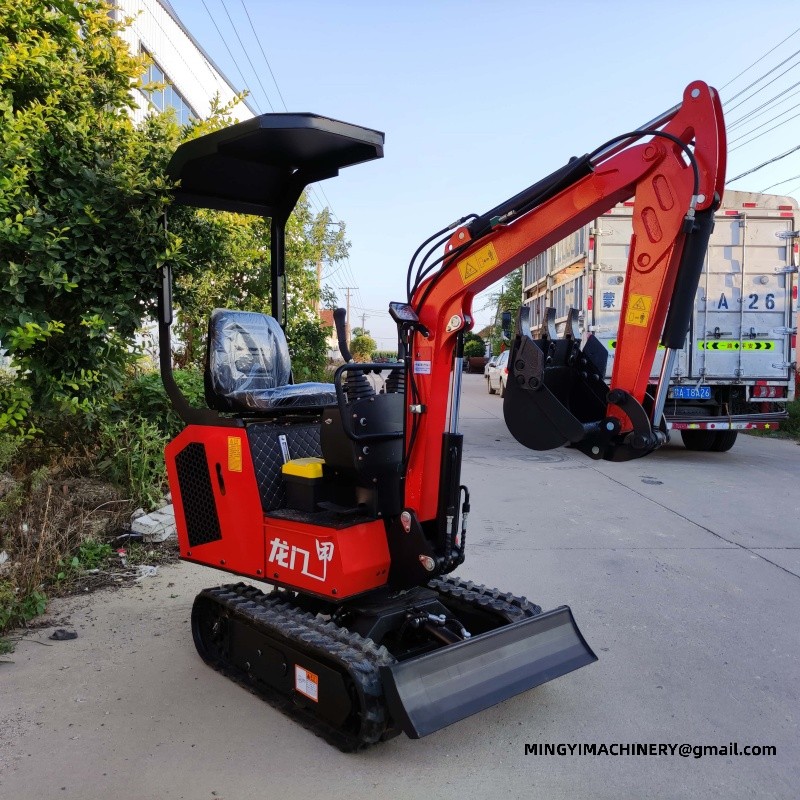
Landscaping and ground care with sourcing a mini excavator from china Grass cutting heads, rakes and tillers extend the excavator into ground care. The same carrier that digs a border in spring can cut and clear the same area later in the season. On soft landscape work the surface is the constraint. This class of machine on rubber tracks crosses turf without stripping it, which is why the same jobs are not given to a wheeled machine. Export packing and shipping of sourcing a mini excavator from china Machines leave the factory prepared for container or flat rack shipment. The unit in daily use is normally shipped with the attachment set and the spare parts list agreed in advance so the container is planned once. Buyers who import regularly plan the spare parts with the machine. A machine of this size ordered with a wearing-parts kit arrives ready to work rather than ready to wait for the first service interval. Acceptance checks when a sourcing a mini excavator from china arrives Delivery day is the best time to find a problem. Checking the specification against the order, the fluid levels, the fasteners and any transport damage while the machine itself is still on the trailer is faster than claiming later. Documentation should arrive with the machine. Parts list, service schedule and any certificates for the equipment on site are what the workshop needs later, and they are much easier to obtain at delivery than in month six. Specifying sourcing a mini excavator from china against a job list The practical way to specify is to write the job list first: the narrowest access, the deepest trench, the heaviest tool and the surfaces the machine must cross. The model in question is then matched to those four numbers. Buyers who skip this step either over-buy or under-buy. The machine in that duty specified only from machine size tends to arrive without the coupler, the circuits or the track type the work actually needs. Canopy or enclosed cab on a sourcing a mini excavator from china A canopy keeps the machine light and the operator aware of the surroundings, which suits short jobs in warm weather. A fully enclosed cab is specified where rain, dust or cold are part of the working year, and it can be added to the unit on the job as a retrofit rather than only at build time. The cab decision follows the climate and the hours. Operators working a full shift in a machine built for the work benefit from a sealed cab with wipers and heating; operators stepping on and off every few minutes usually prefer the canopy for the visibility and the quick exit. Working on slopes and uneven ground with sourcing a mini excavator from china Slope work is a stability question before it is a traction question. Knowing the gradient the equipment in service is rated for, and working across rather than straight up where the ground allows, removes most of the risk. Planning the direction of travel helps. Working so that the excavator is stable under load and not required to turn on a slope is a decision made before the job starts, not a correction made during it. Engine options behind this class of machine Two buyers can order the same a machine of this size and receive different engines. The decision is rarely about peak power; it is about which parts counter is closest to the site and which engine the local mechanic already knows. Engine choice is also an emissions and documentation question for some markets. Listing the available units with the unit in daily use enquiry lets the factory confirm what can be supplied and documented for the destination country. Trailering and moving the equipment on site Loading practice matters as much as the numbers. The machine itself is driven up ramps under its own power with the boom lowered and the tracks aligned, and secured at the points the manufacturer specifies. Detachable components reduce transport length. The model in question built with a removable arm section or a folding step fits a shorter trailer and may avoid an oversize movement permit. Municipal and public works with the machine in that duty Municipal crews work on streets, footpaths and parks where the public is present. The unit on the job is specified because it occupies little space, works inside a small exclusion zone and can be moved on a standard trailer. Noise and surface protection matter on public work. A machine built for the work on rubber tracks across paving, with a sealed cab for the operator, suits the conditions better than a larger tracked machine. OEM and fleet customisation of the equipment in service Distributors and rental fleets usually need the machine to look like theirs. Paint, decals, seat colour and attachment branding can be specified on the excavator at build time rather than applied after import. Customisation also covers the specification sheet. A fleet buyer may want every this class of machine delivered with the same coupler, the same engine and the same tool kit so training and parts stock stay simple. Hiring versus owning the unit in daily use Availability is part of the decision. Owning a machine of this size means it is there on the day the ground is ready; hiring means competing for the same machine at the same time as everyone else in the season. Ownership brings obligations that hiring does not. Storage, servicing, insurance and an operator are the items to set against the hire rate before deciding which way the equipment on site should be supplied. Specification data for the machine itself Buyers comparing the model in question usually start from four numbers - weight, digging depth, reach and transport width - because those are the ones that decide whether the machine can be delivered and whether it can do the job once it is there. Figures are factory figures and are confirmed on the build sheet for the machine in that duty. Where a job sits between two models, the larger machine usually takes less time than the smaller one spends on rework. Interior demolition is an access and a weight question. The unit on the job that fits through a doorway and works on a suspended floor does jobs that would otherwise be done by hand or by a larger machine that cannot enter. Breaking out a floor slab, a wall footing or a concrete step is routine work for a machine built for the work with a breaker. The machine is small enough to work inside and heavy enough to run the tool at a practical rate.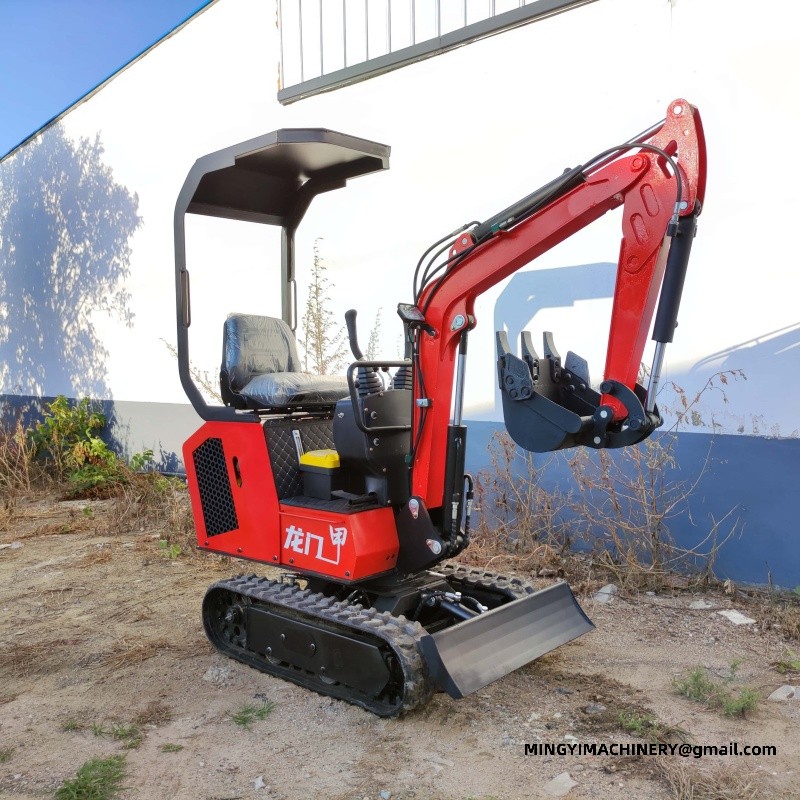
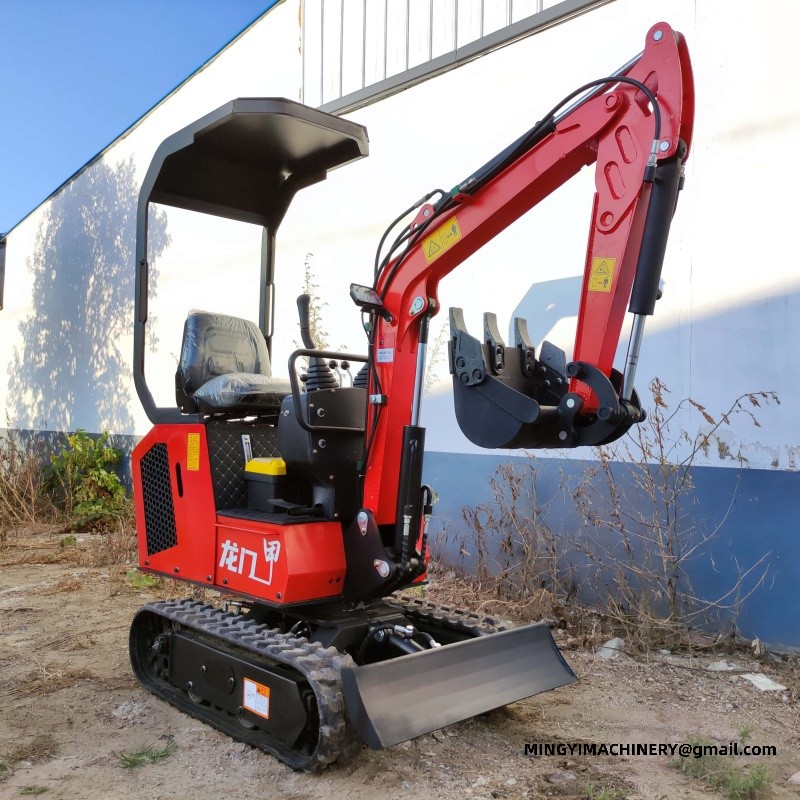
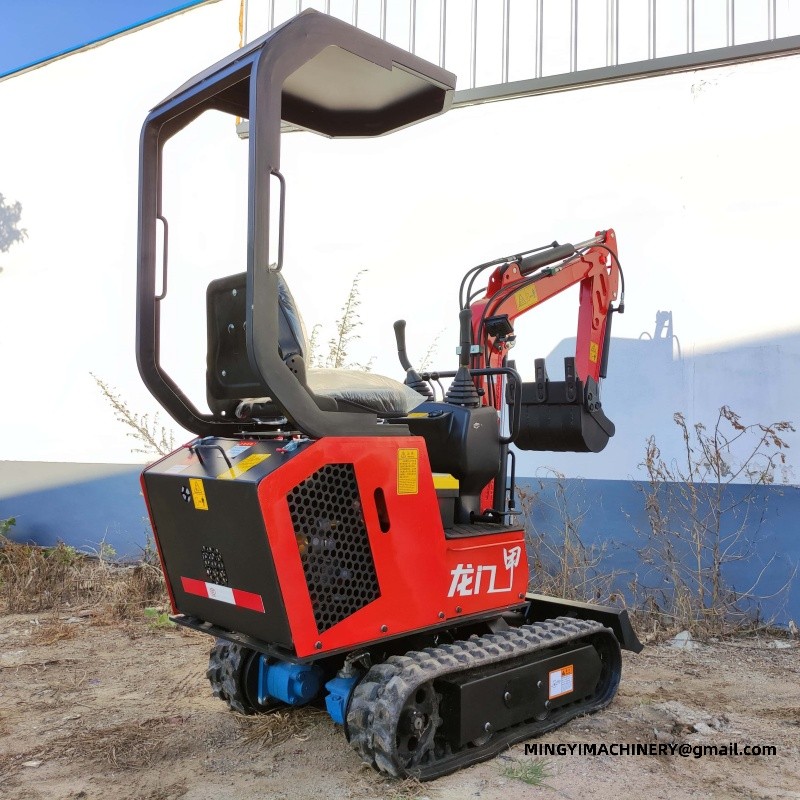
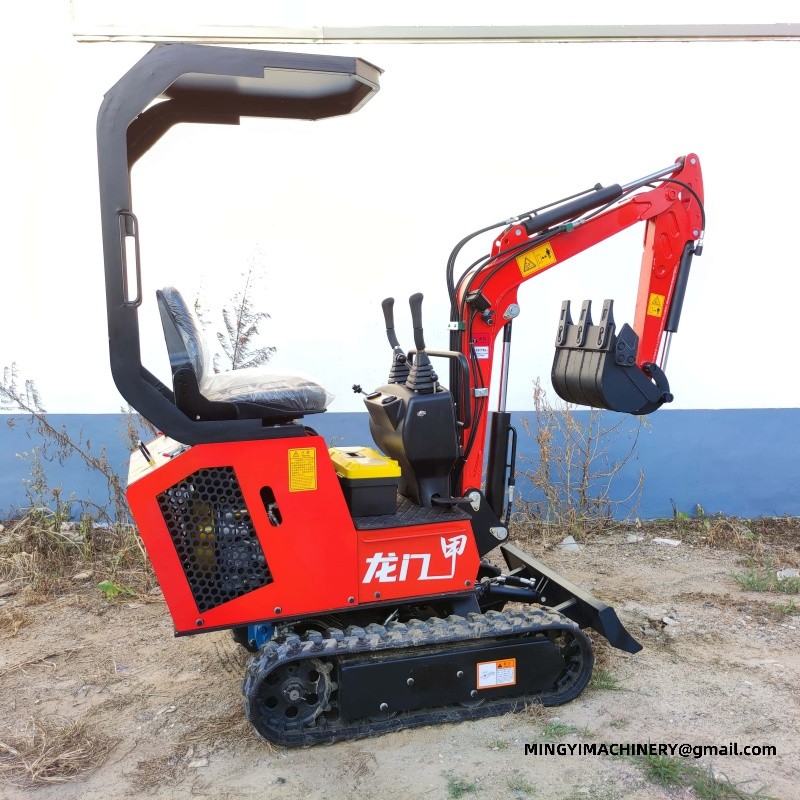
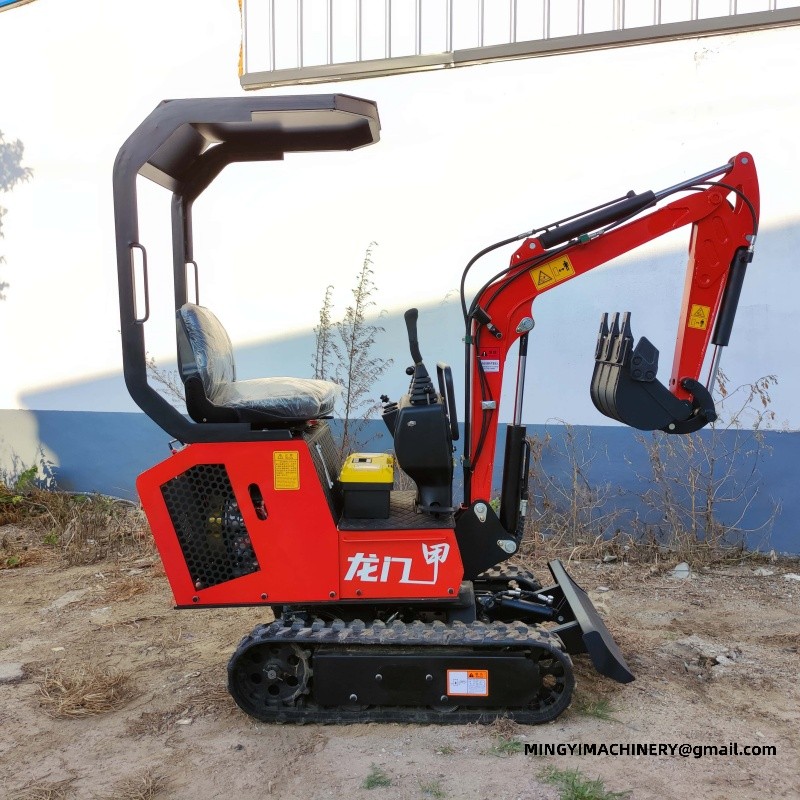
Reference specification — mini excavator range 30-1W 30-2W 20-2L 30-2L Operating weight 2900 kg (6393.41 lb) 2700 kg (5952.48 lb) 1900 kg (4188.78 lb) 2400 kg (5291 lb) Transport size (L×W×H) 3000 × 1250 × 2780 mm 3000 × 1100 × 2700 mm 2600 × 1300 × 2344 mm 2800 × 1500 × 2500 mm Max digging depth 2200 mm (86.61 in) 2200 mm (86.61 in) 2100 mm (82.68 in) 2200 mm (86.61 in) Max digging height 3400 mm (133.86 in) 3000 mm (118.11 in) 2880 mm (113.39 in) 2900 mm (114.17 in) Max dumping height 2400 mm (94.49 in) 2000 mm (78.74 in) 2100 mm (82.68 in) 2100 mm (82.68 in) Max digging radius 4000 mm (157.48 in) 3800 mm (149.61 in) 3215 mm (126.57 in) 3330 mm (131.1 in) Max digging distance 2800 mm (110.24 in) 3050 mm (120.08 in) 2460 mm (96.85 in) 2700 mm (106.3 in) Minimum turning radius 2000 mm (78.74 in) 1750 mm (68.9 in) 1587 mm (62.48 in) 1555 mm (61.22 in) Travel speed 5 km/h (3.11 mph) 7 km/h (4.35 mph) 5 km/h (3.11 mph) 7 km/h (4.35 mph) Gradeability 30° 30° 30° 30° Fuel consumption 2-3 L/h (0.528—0.793 gal) 2-3 L/h (0.528—0.793 gal) 2-3 L/h (0.528—0.793 gal) 2-3 L/h (0.528—0.793 gal) Fuel tank capacity 16 L (4.23 gal) 16 L (4.23 gal) 16 L (4.23 gal) 16 L (4.23 gal) Hydraulic oil tank 20 L (5.28 gal) 20 L (5.28 gal) 18 L (4.76 gal) 18 L (4.76 gal) Dozer blade lift height 420 mm (16.54 in) 230 mm (9.06 in) 180 mm (7.09 in) 230 mm (9.06 in) Dozer blade drop depth 210 mm (8.27 in) 280 mm (11.02 in) 210 mm (8.27 in) 280 mm (11.02 in)
Q. How does the equipment in service work?
A. Dealer, importer and fleet buyers judge a factory by what follows the machine - packing, documentation, parts - and the programme sets out how that works. OEM and ODM build options cover colour, decals, engine choice, cab layout and attachment packages, confirmed on the build sheet before production. For sourcing a applications the practical route is to send the job list to the factory and let the build sheet answer it - which is exactly what this page invites.
Q. How are machines packed and shipped?
A. Complete units travel in containers on timber cradles; CKD packing parts the machine for volume. Documents, marks and routing follow the order, and the destination port decides the packing plan.
Q. Does MINGYI supply attachments with the machine?
A. Yes - buckets, breakers, augers, rakes and the rest of the working set ship with the carrier, matched to the hydraulic flow and the coupler. For sourcing a the package is confirmed on the build sheet, so machine and tools arrive together and start work together.
Moving the excavator between sites
Securing the load is not optional. Lashing this class of machine at the points intended for it, checking the tension before the vehicle moves and rechecking after the first kilometres is standard practice rather than extra care.
Hot, humid and dusty conditions around the unit in daily use
Tropical operation is a specification question as much as a maintenance one. The cooling capacity, the sealing and the corrosion protection fitted to a machine of this size are what make the difference once the ambient temperature rises.
E-mail : sales@mingycn.com
LINE ( ID ): mingyicn
Slope working and stability with sourcing a mini excavator from china
Turning on a side slope is where most instability starts, so the route and the turning points are chosen before the first load is moved.
Ground that looks firm after a dry week can carry a different load after rain, and that difference is worth a walk-over each morning.
Working up and down the fall line rather than across it keeps the load predictable, and where that is impossible the load is reduced.
Related pages
mini excavator export supply · mini excavator factory direct supply · Heavy Duty Wheel Loader: Cross-Members, Hinge Steel and Duty · Mini Excavators









