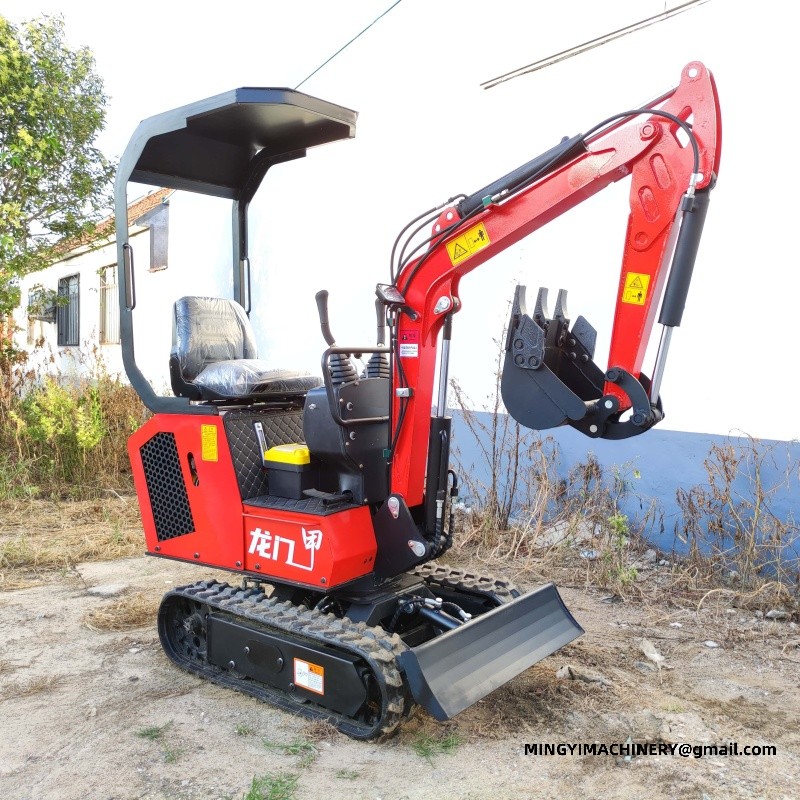
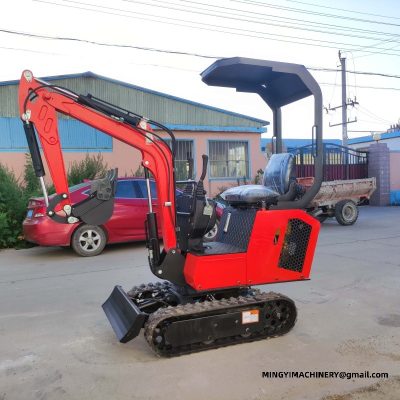
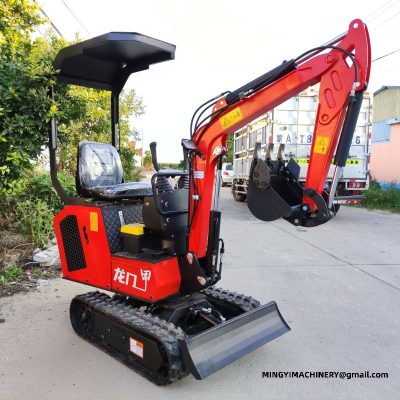
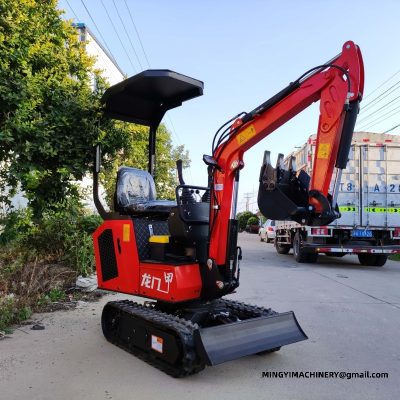
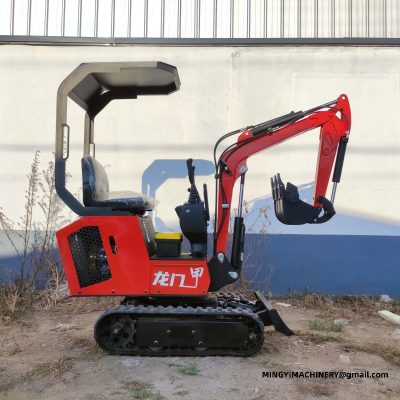
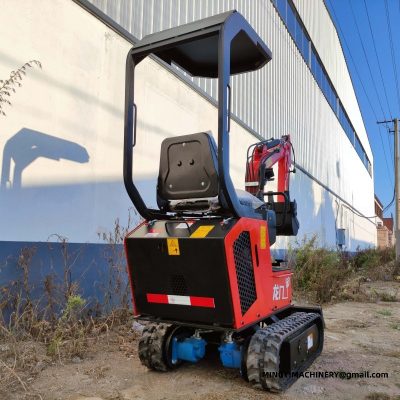
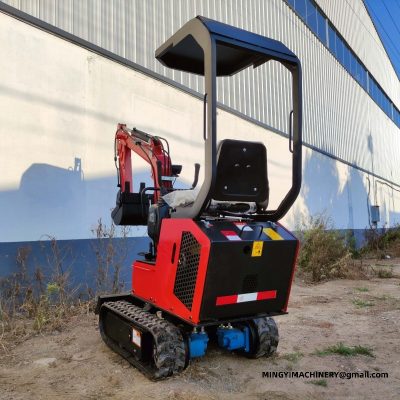
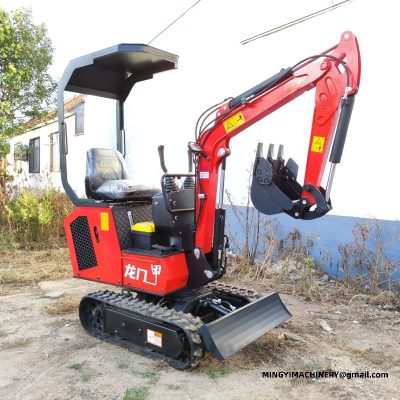
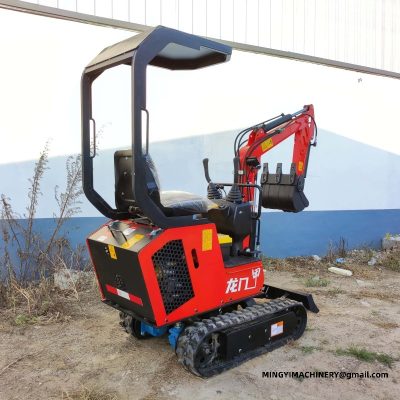
Export supply is the part of the order that begins once the machine is finished. For compact crawler excavators this means preparing units so they cross water without damage and reach the buyer in a state that can be put to work after a short inspection.
MINGYI ships mini excavators in the 0.8 to 6 tonnes class and treats the loading plan as part of the build, because the way a machine is packed and braced affects what the buyer unpacks.
Preparing mini excavators for sea freight
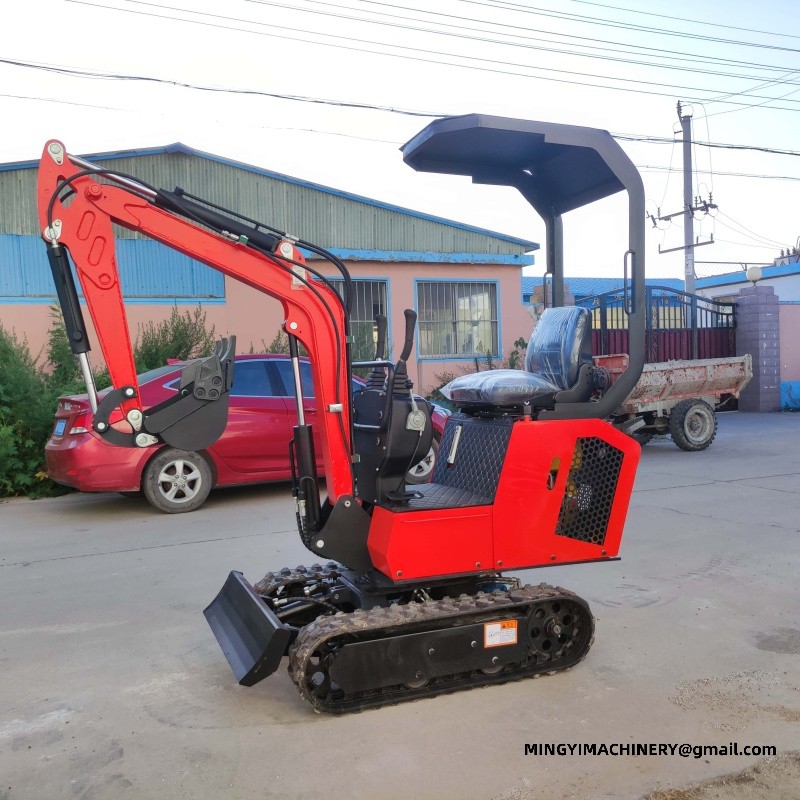
A machine that spends weeks in a container needs protection on the points that corrode or bend first. Exposed hydraulic rods, control levers and painted edges are the places where transit marks appear, and they are the ones worth covering before loading.
Bracing matters as much as covering. A unit that shifts inside the container can arrive with a bent step or a damaged panel, and the effort of that damage lands on the importer rather than on the sea.
Documents and handover for export supply
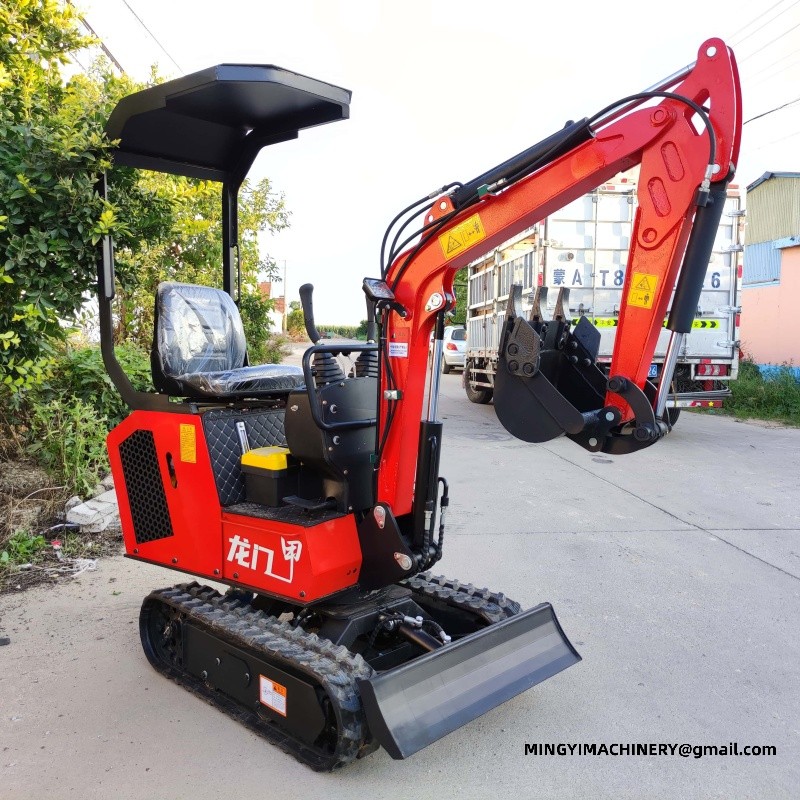
The paperwork that travels with an export machine has to describe the unit that is actually in the container. Model, specification and attachment list should match the build record, so a customs or dealer check does not turn into a dispute.
Handover is easier when the buyer receives the same specification sheet that was used in the workshop. With that document a dealer can prepare the machine for retail without guessing what was fitted at the factory.
Reliable export supply comes down to consistency between what was built, what was packed and what the documents say. MINGYI keeps those three in line so that the first thing a buyer does with a new machine is work with it.
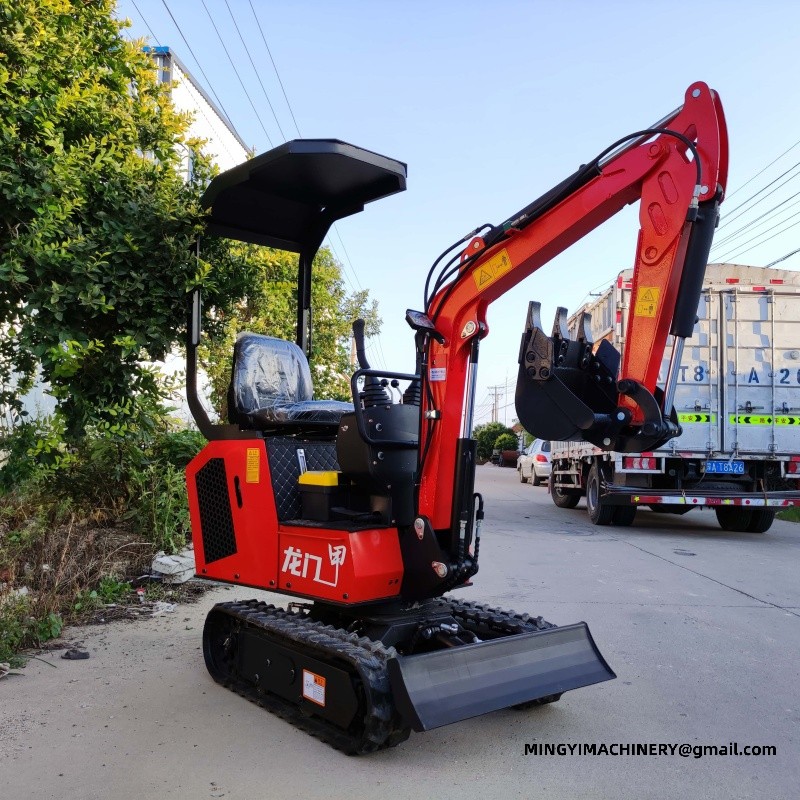
Daily checks and maintenance on mini excavator export supply Daily maintenance on the excavator is a short list: engine oil level, coolant, track tension, hydraulic oil level and a look at the hoses. Ten minutes at the start of the shift prevents most of the failures that stop a machine. Greasing is the second item. The slew ring, the boom and arm pins and the bucket linkage on this class of machine take grease daily in dusty work, and the intervals shorten further when the machine is used in water or mud. Working on slopes and uneven ground with mini excavator export supply Slope work is a stability question before it is a traction question. Knowing the gradient the unit in daily use is rated for, and working across rather than straight up where the ground allows, removes most of the risk. Ground that looks level often is not. A machine of this size crossing a filled trench, a soft edge or a hidden void behaves differently from one on undisturbed ground, and those are the places worth walking before driving. Matching mini excavator export supply to ground conditions Soft ground is a flotation problem, not a power problem. The equipment on site on wide rubber tracks crosses lawn, sand and cultivated soil that would stop a narrower machine or a wheeled unit of the same capacity. Mixed sites are common and argue for a compromise specification. Most buyers choose rubber for the machine itself and accept the wear, unless the majority of the work is on material that will damage it. Operator technique for mini excavator export supply Output on a compact machine comes from placement rather than power. An experienced operator keeps the model in question working inside the swing arc, positions once and digs a full run instead of repositioning for every bucket. Stability is the third. The machine in that duty working across the tracks rather than over the corners keeps the machine steady and the undercarriage loaded evenly, which shows up as track life at the end of the season. Quick coupler practice on mini excavator export supply A quick coupler is the single option that changes how a machine is used day to day. Fitted to the unit on the job, it turns an attachment change from a two-person workshop job into a task the operator does alone in minutes. Couplers are specified early because they affect the arm and the hydraulic kit. Adding one to a machine built for the work after delivery means new pins, new hoses and a fitment session; adding it at build time is a line on the sheet. Parts, service and support for mini excavator export supply Support after delivery is a parts question. Wearing items for the equipment in service - filters, belts, track components, bucket teeth and pins - are the items a buyer should plan to hold before the first service interval. Remote support is handled by video. The excavator fault can often be diagnosed on a walk-around call with the panel open, which is faster than waiting for a visit and avoids shipping a part that is not needed. Boom configuration for this class of machine A swing boom lets the machine dig parallel to its tracks without repositioning, which is what makes trenching beside a wall or a fence practical. On the unit in daily use this is often the option that decides whether a job is possible at all. Detachable boom sections are used where transport length matters. A machine of this size that has to travel on a standard trailer can be built so the arm comes off for the road and goes back on at the site. Working near live services with the equipment on site Digging near water, gas and cable is a precision job. The machine itself is used here because the operator can work in short controlled cuts and because the machine can be positioned without driving over the run being exposed. Utility crews specify the model in question with a narrow bucket and good visibility for exactly this reason: the machine has to stop at the service, not at the edge of the operator's view. Getting the machine in that duty through a narrow gap The first question on most job lists is whether the machine can reach the work at all. The unit on the job is chosen against the narrowest point on the route - a garden gate, a doorway, a gap between two walls - because a machine that arrives and then cannot pass loses a day, not an hour. Access decides the machine before output does. With a machine built for the work the limiting dimension is usually the widest point on the way in, so measuring the gate, the corridor and the turning space first saves a wasted delivery and a second visit. Hydraulic circuits on the equipment in service Auxiliary hydraulic lines are what let a machine drive a tool rather than only a bucket. The excavator specified with the right circuits and flow runs a breaker or an auger without an add-on power pack bolted to the frame. Flow and pressure are matched to the tool, not to the machine size. Asking for the attachment list first means this class of machine leaves the factory with circuits that suit the heaviest tool the buyer intends to run. Working the unit in daily use in confined spaces Confined sites are decided by dimensions. Overall width, tail swing and the space needed to work the arm are what let a machine of this size operate inside a building, between walls or in a courtyard. Clearance above matters as much as around. Door heights, pipework and overhead services set the limit for the equipment on site indoors, and measuring them first avoids a machine that arrives and cannot be used. Specification data for the machine itself Where the model in question is being specified for a job list, the table below gives the factory figures that matter most: what the machine weighs, how deep and how far it works, and what it measures on a trailer. Figures are factory figures and are confirmed on the build sheet for the machine in that duty. Where a job sits between two models, the larger machine usually takes less time than the smaller one spends on rework. The practical way to specify is to write the job list first: the narrowest access, the deepest trench, the heaviest tool and the surfaces the machine must cross. The unit on the job is then matched to those four numbers. Useful information to send with an enquiry includes working width, required digging depth, ground conditions and the attachment set. Those four items let the factory specify a machine built for the work that fits rather than a generic build.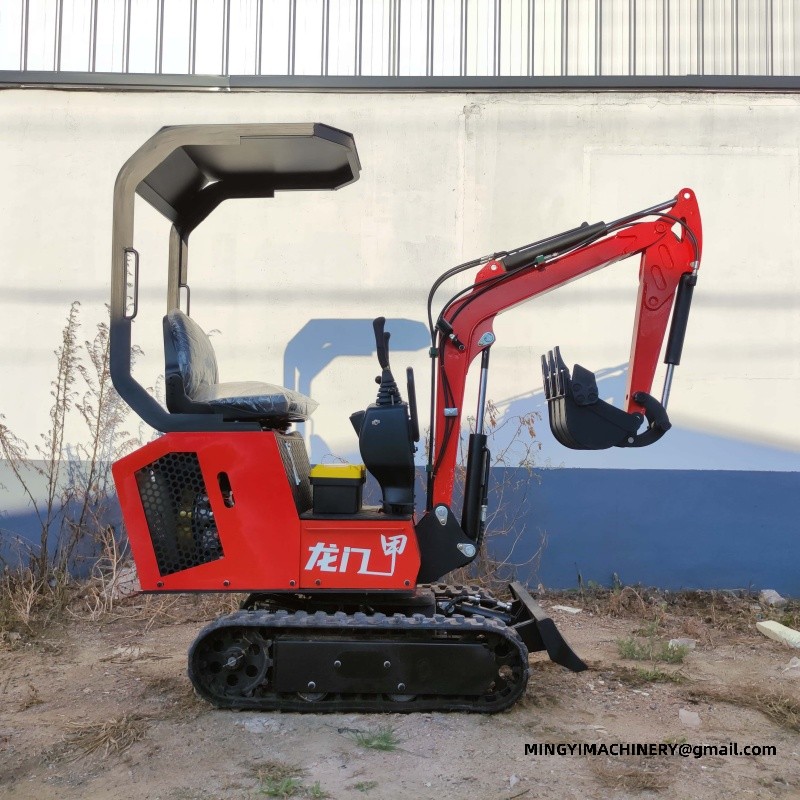
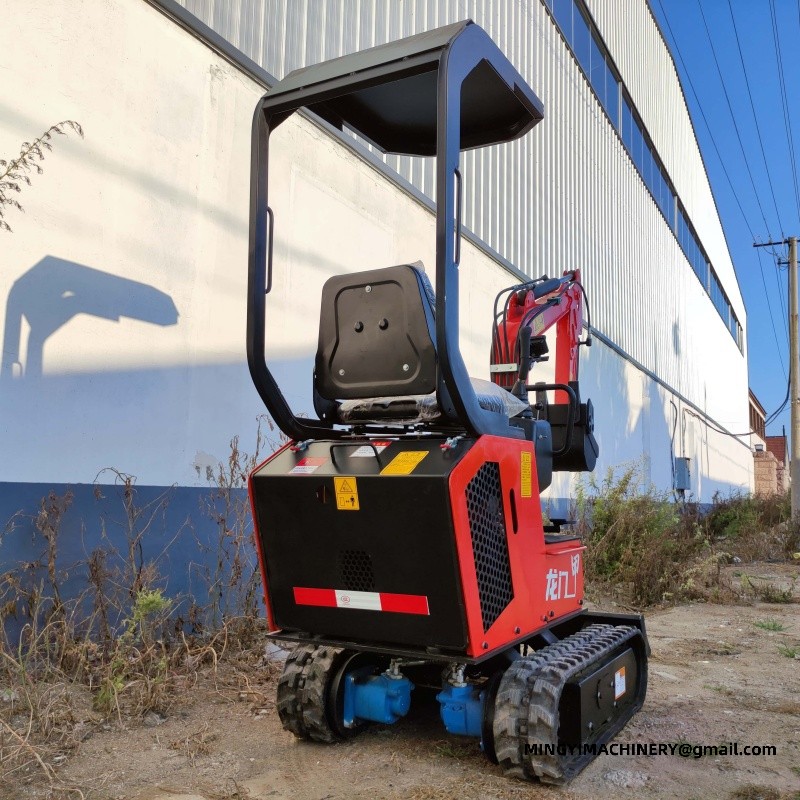
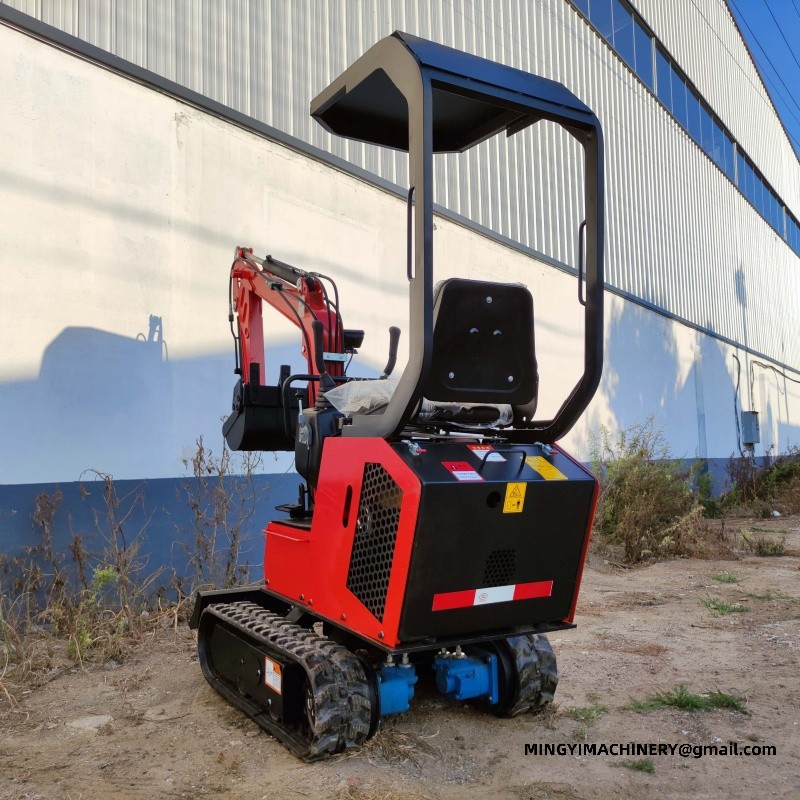
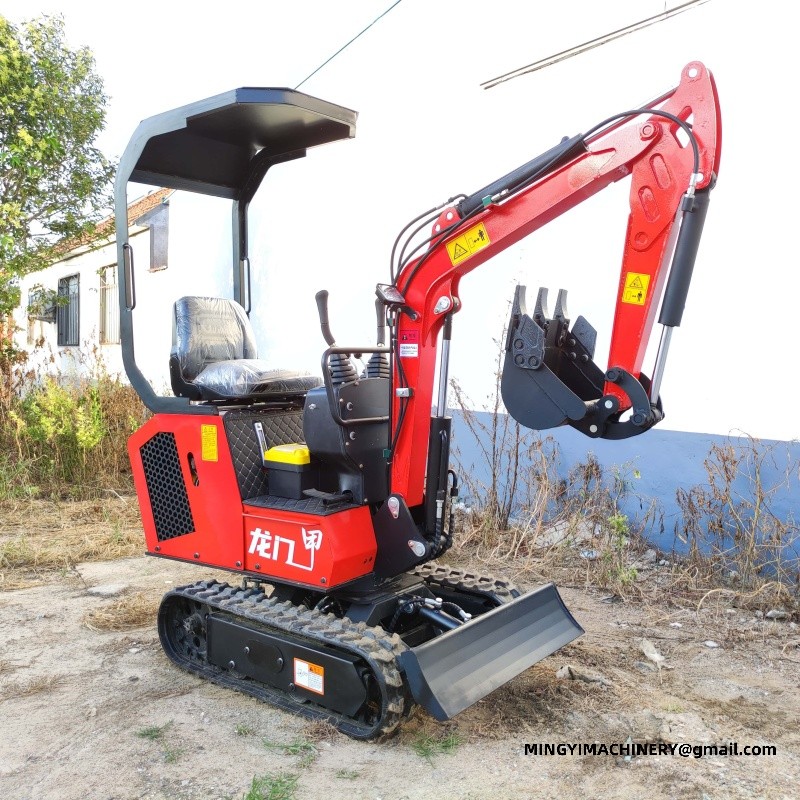
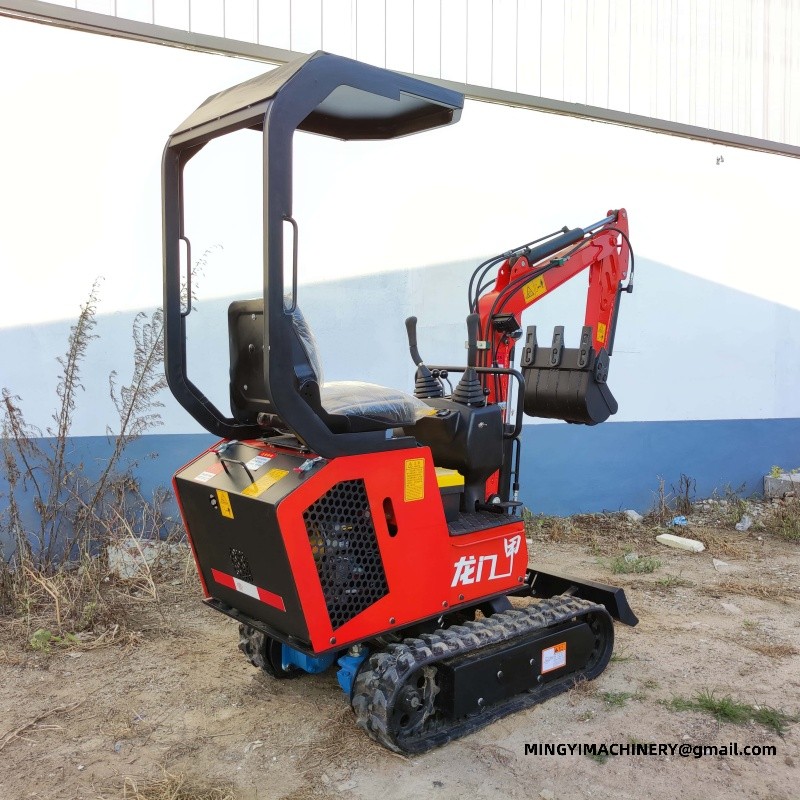
Reference specification — mini excavator range 13W 20-1W 20-1WL 20-2L Operating weight 1300 kg (2866.01 lb) 1800 kg (3968.32 lb) 1900 kg (4188.78 lb) 1900 kg (4188.78 lb) Transport size (L×W×H) 2200 × 930 × 2250 mm 2550 × 1100 × 2200 mm 2550 × 1100 × 2200 mm 2600 × 1300 × 2344 mm Max digging depth 1630 mm (64.17 in) 1800 mm (70.87 in) 1800 mm (70.87 in) 2100 mm (82.68 in) Max digging height 2750 mm (108.27 in) 2820 mm (111.02 in) 2820 mm (111.02 in) 2880 mm (113.39 in) Max dumping height 1960 mm (77.17 in) 2050 mm (80.71 in) 2050 mm (80.71 in) 2100 mm (82.68 in) Max digging radius 2900 mm (114.17 in) 3050 mm (120.08 in) 3050 mm (120.08 in) 3215 mm (126.57 in) Max digging distance 2100 mm (82.68 in) 2300 mm (90.55 in) 2300 mm (90.55 in) 2460 mm (96.85 in) Minimum turning radius 1300 mm (51.18 in) 1450 mm (57.09 in) 1450 mm (57.09 in) 1587 mm (62.48 in) Travel speed 3 km/h (1.86 mph) 5 km/h (3.11 mph) 5 km/h (3.11 mph) 5 km/h (3.11 mph) Gradeability 30° 30° 30° 30° Fuel consumption 1-1.3 L/h (0.264—0.343 gal) 2-3 L/h (0.528—0.793 gal) 2-3 L/h (0.528—0.793 gal) 2-3 L/h (0.528—0.793 gal) Fuel tank capacity 10 L (2.64 gal) 16 L (4.23 gal) 16 L (4.23 gal) 16 L (4.23 gal) Hydraulic oil tank 16 L (4.23 gal) 18 L (4.76 gal) 18 L (4.76 gal) 18 L (4.76 gal) Dozer blade lift height 180 mm (7.09 in) 180 mm (7.09 in) 180 mm (7.09 in) 180 mm (7.09 in) Dozer blade drop depth 210 mm (8.27 in) 210 mm (8.27 in) 210 mm (8.27 in) 210 mm (8.27 in)
Q. What does the equipment in service involve?
A. Export supply is a programme, not a transaction: build specification, packing, documents and parts support have to line up before the machine sails. OEM and ODM build options cover colour, decals, engine choice, cab layout and attachment packages, confirmed on the build sheet before production. Read the excavator together with the engine, track and attachment pages: jobs around general site are decided by how those choices line up, not by any single number on the sheet.
Q. How are machines packed and shipped?
A. Complete units travel in containers on timber cradles; CKD packing parts the machine for volume. Documents, marks and routing follow the order, and the destination port decides the packing plan.
Q. Does MINGYI supply attachments with the machine?
A. Yes - buckets, breakers, augers, rakes and the rest of the working set ship with the carrier, matched to the hydraulic flow and the coupler. For general site the package is confirmed on the build sheet, so machine and tools arrive together and start work together.
Commissioning this class of machine on site
Commissioning is where the specification meets the ground. The settings chosen for the unit in daily use are confirmed against the actual site, and the working pattern is adjusted before the machine is asked for a full day.
Wear items and spares worth holding for a machine of this size
Wear items are predictable once the machine has settled in. After the first service interval the pattern on the equipment on site is visible, and the parts that were replaced become the parts that are kept.
Later additions and retrofits on the machine itself
An added function should pay for itself quickly. Whether the model in question gains a different bucket, a hydraulic service or a protection package, the test is the number of days a year it is actually used.
E-mail : sales@mingycn.com
LINE ( ID ): mingyicn
Related pages
mini excavator factory direct supply · mini excavator built for export · Construction Wheel Loader: Truck Board Heights and Cycle Work · Mini Excavators









