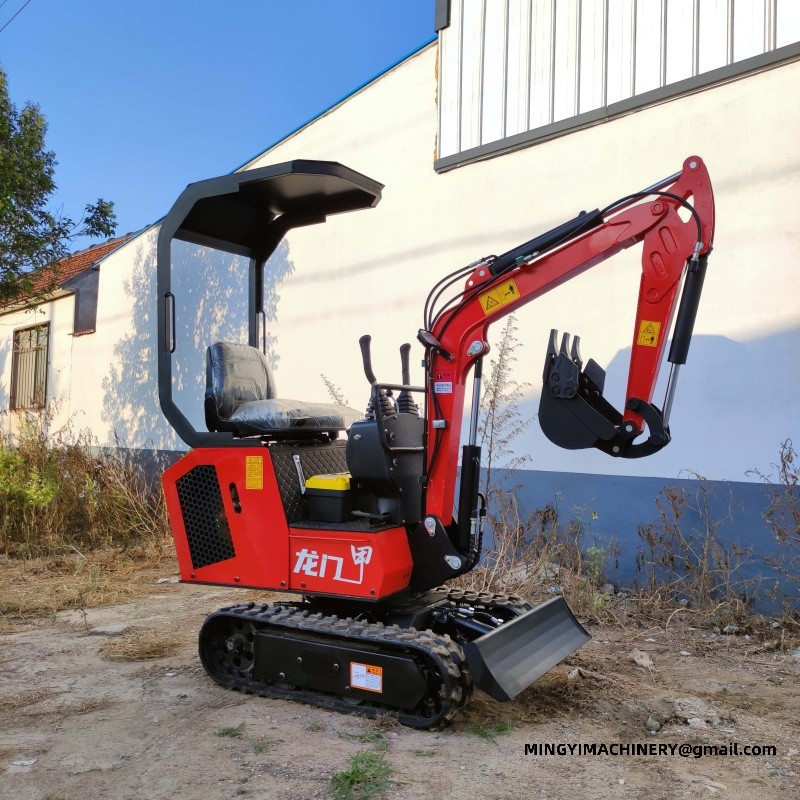
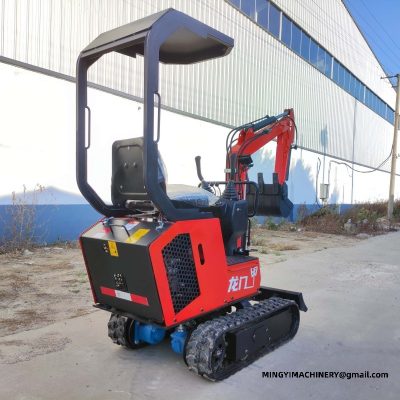
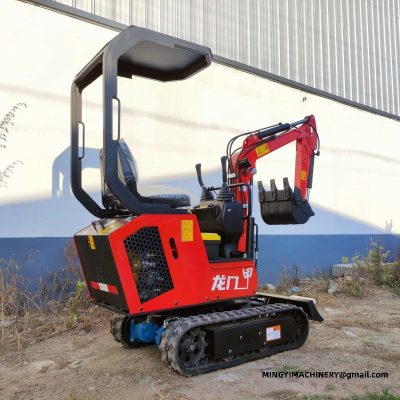
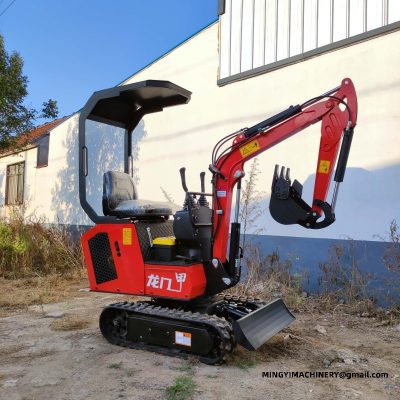
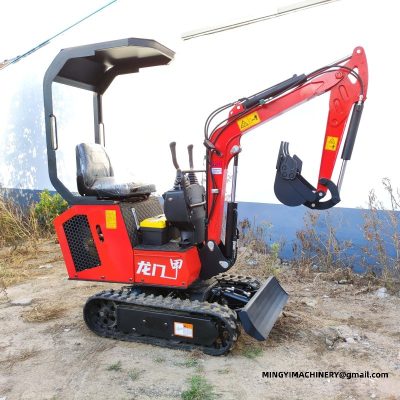
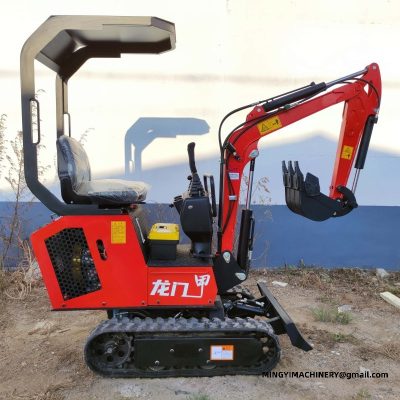
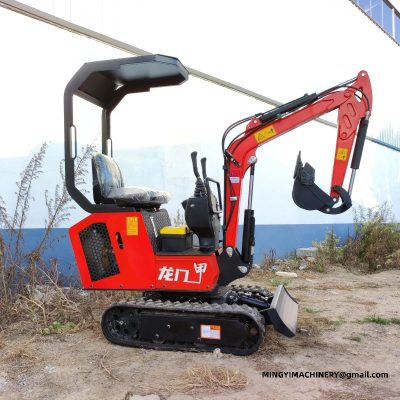
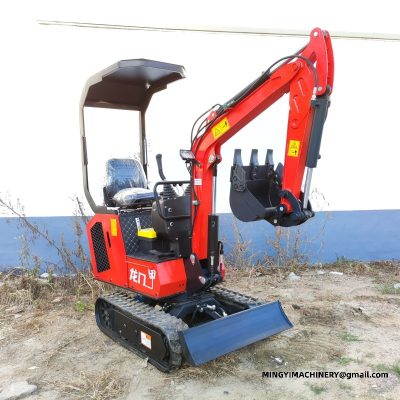
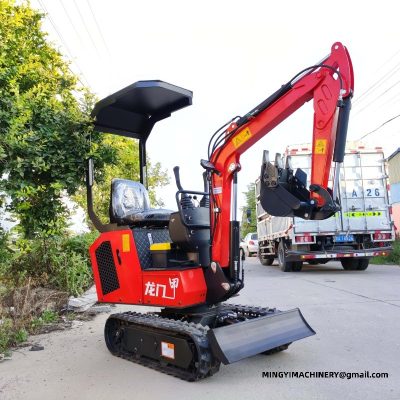
Buying a mini excavator from China is straightforward when the manufacturer builds to order and ships with the spares to match. MINGYI manufactures compact crawler excavators for export, in classes from 0.8 to 6 tonnes, specified unit by unit for the buyer's market.
Export buyers judge a supplier on what arrives and what follows it: the machine's condition after freight, the clarity of its records, and how easily parts can be reordered. The build and supply process is arranged around those three points.
Built to order for export markets
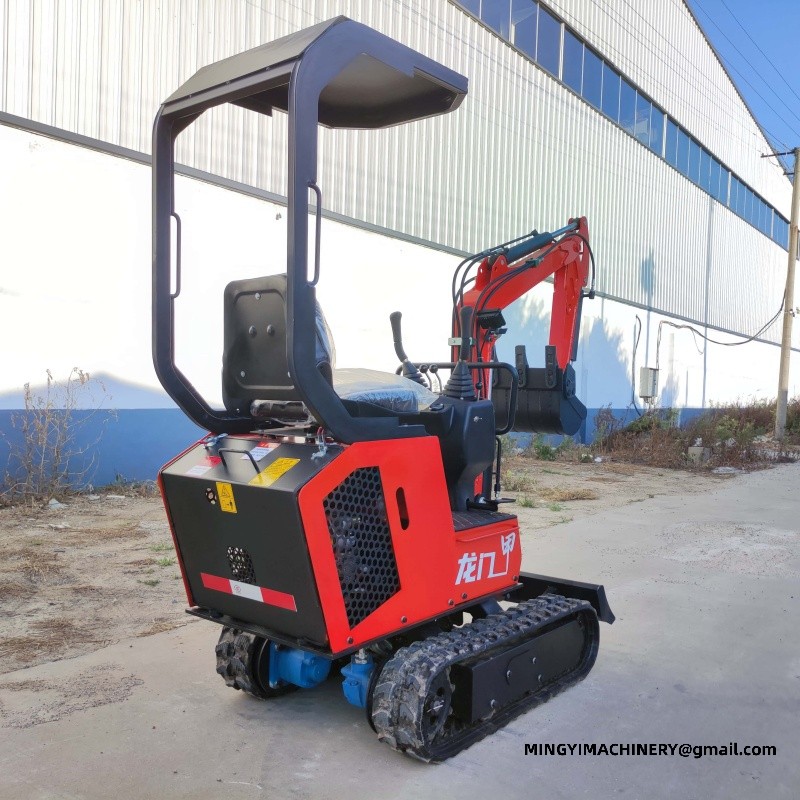
Every machine is specified at the ordering stage: engine, tracks, cab, boom arrangement and attachment set are agreed with the buyer and recorded against the machine. The record stays with the unit, so later parts requests are answered against the exact build.
Engines within the range include Kubota D722, Kubota D902, YANMAR, Changchai, Laidong and Runtong, letting the buyer match the power unit to the service network at the destination. Tracks are chosen as rubber or steel tracks with rubber blocks to suit the ground the machine will work.
What an export buyer should settle first
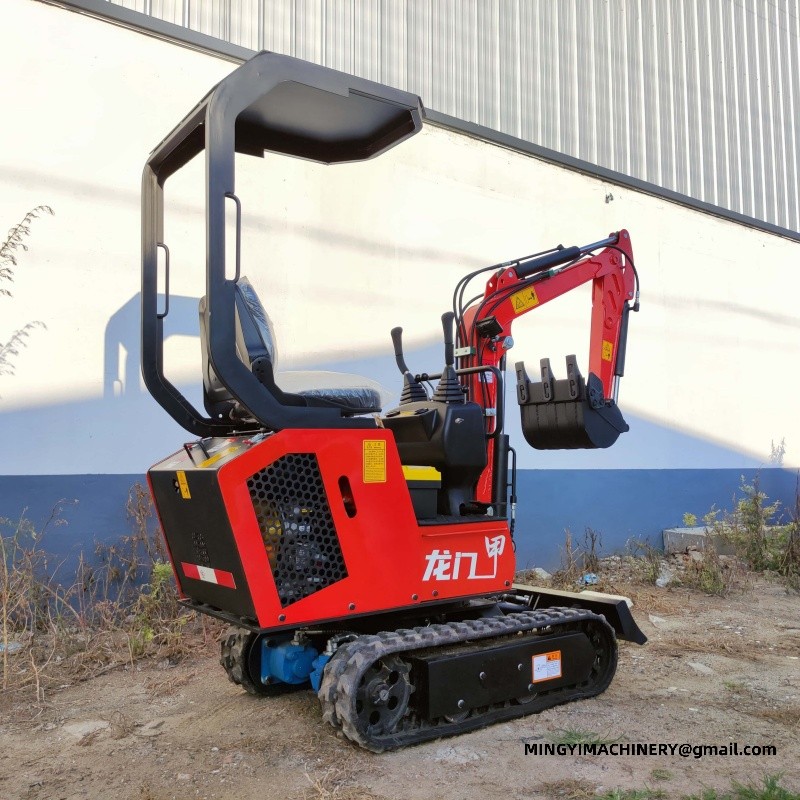
The specification conversation should cover the class needed, the access limits of the typical site, and the attachments that must run on the carrier from day one, and where several units are ordered, the class mix and packing plan are agreed at the same time.
Spares planning belongs in the first order, not the first breakdown: filters, wear parts and service items are supplied with the machine along with its service information. State the destination port and packing preferences early so the shipment is arranged around them.
An exported machine succeeds on preparation that happened before it was built. MINGYI works through specification, spares and shipping with each buyer, so the unit that arrives is the machine the end user needed.
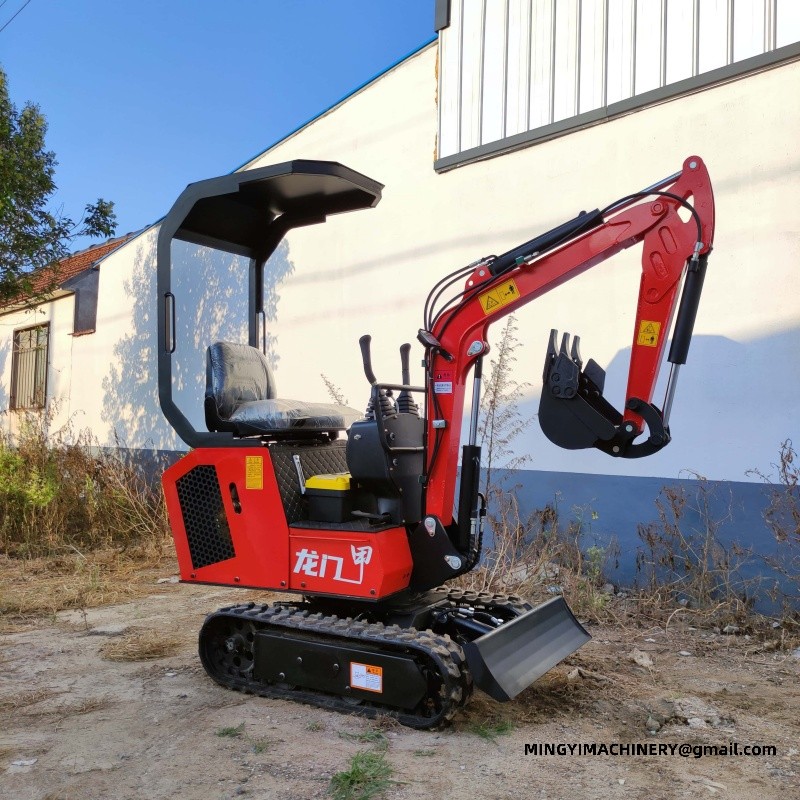
What owners should plan for beyond the mini excavator built for export Purchase decision is the visible part of the effort. Fuel, filters, tracks or tyres, the operator and the transport between sites are the items that decide what the excavator actually demands over a few seasons, and they are worth listing before the order. Downtime is the hidden line item. This class of machine waiting on a part earns nothing while it stands, so parts availability and service access belong in the plan as much as fuel does. Track choice for mini excavator built for export Rubber tracks suit paved and landscaped ground because they spread the machine weight and leave the surface intact. Steel tracks with rubber blocks are specified where the ground is rougher or the working day is longer, and the choice can be made per machine rather than accepted as a factory default. Track type changes what the machine can cross and what it leaves behind. Buyers specify rubber for lawns, driveways and municipal work, and steel with rubber blocks for sites where sharp material would cut a rubber belt in a week. Canopy or enclosed cab on a mini excavator built for export The cab decision follows the climate and the hours. Operators working a full shift in the unit in daily use benefit from a sealed cab with wipers and heating; operators stepping on and off every few minutes usually prefer the canopy for the visibility and the quick exit. Enclosure also changes noise and dust exposure. A sealed cab on a machine of this size keeps dust out on dry sites and lets the machine work through weather that would otherwise stop a canopy machine for the day. Quick coupler practice on mini excavator built for export Couplers are specified early because they affect the arm and the hydraulic kit. Adding one to the equipment on site after delivery means new pins, new hoses and a fitment session; adding it at build time is a line on the sheet. For a fleet that shares attachments between machines, a common coupler standard matters more than the coupler brand. The machine itself that picks up the same tools as the larger machines keeps the rack usable across the yard. Municipal and public works with mini excavator built for export Drainage repair, tree planting, footway reconstruction and cemetery work are all within the range of the model in question. The jobs are small individually and continuous across the year. Noise and surface protection matter on public work. The machine in that duty on rubber tracks across paving, with a sealed cab for the operator, suits the conditions better than a larger tracked machine. Running mini excavator built for export in a rental fleet The specification that rents best is usually the simplest one to explain at the counter. The unit on the job with rubber tracks, a canopy and a coupler covers the majority of weekend and short-term hires. Fleet buyers also weigh transport. A machine built for the work that a customer can tow on a normal licence and a standard trailer is a hire that does not need a delivery truck, which changes how often it goes out. Matching the equipment in service to ground conditions Soft ground is a flotation problem, not a power problem. The excavator on wide rubber tracks crosses lawn, sand and cultivated soil that would stop a narrower machine or a wheeled unit of the same capacity. Hard and abrasive ground reverses the specification. On rock, demolition rubble or sharp gravel, steel tracks with rubber blocks on this class of machine survive conditions that cut a rubber belt quickly. Specifying the unit in daily use against a job list Buyers who skip this step either over-buy or under-buy. A machine of this size specified only from machine size tends to arrive without the coupler, the circuits or the track type the work actually needs. Useful information to send with an enquiry includes working width, required digging depth, ground conditions and the attachment set. Those four items let the factory specify the equipment on site that fits rather than a generic build. Working near live services with the machine itself Digging near water, gas and cable is a precision job. The model in question is used here because the operator can work in short controlled cuts and because the machine can be positioned without driving over the run being exposed. The risk on utility work is not machine power but machine placement. The machine in that duty that fits the working width leaves the surrounding ground undisturbed, which keeps the trench stable and the reinstatement small. Operator technique for the unit on the job The second habit is tool discipline. Running a machine built for the work with the right bucket width for the trench means less spoil, less reinstatement and a cleaner job than a wide bucket and a lot of trimming. Stability is the third. The equipment in service working across the tracks rather than over the corners keeps the machine steady and the undercarriage loaded evenly, which shows up as track life at the end of the season. Orchard, vineyard and farm use of the excavator Orchard and vineyard work is carried out between rows. This class of machine with a narrow chassis and a swing boom works down the row without damaging the trees, which is the reason a full-size machine is not used at all. Farms also use the unit in daily use for general maintenance - clearing a watercourse, repairing a track, loading a spreader. One carrier with a few attachments covers most of the jobs that would otherwise wait for a contractor. Specification data for a machine of this size Buyers comparing the equipment on site usually start from four numbers - weight, digging depth, reach and transport width - because those are the ones that decide whether the machine can be delivered and whether it can do the job once it is there. Every value shown is as built for the machine itself; options such as cab, side swing or a telescopic undercarriage change the transport dimensions and are confirmed at order stage. Customisation also covers the specification sheet. A fleet buyer may want every machine in that duty delivered with the same coupler, the same engine and the same tool kit so training and parts stock stay simple. Documentation can be prepared to suit the importer. Manuals, parts books and decal sets for the model in question can be supplied with the buyer's own branding where the order size justifies it.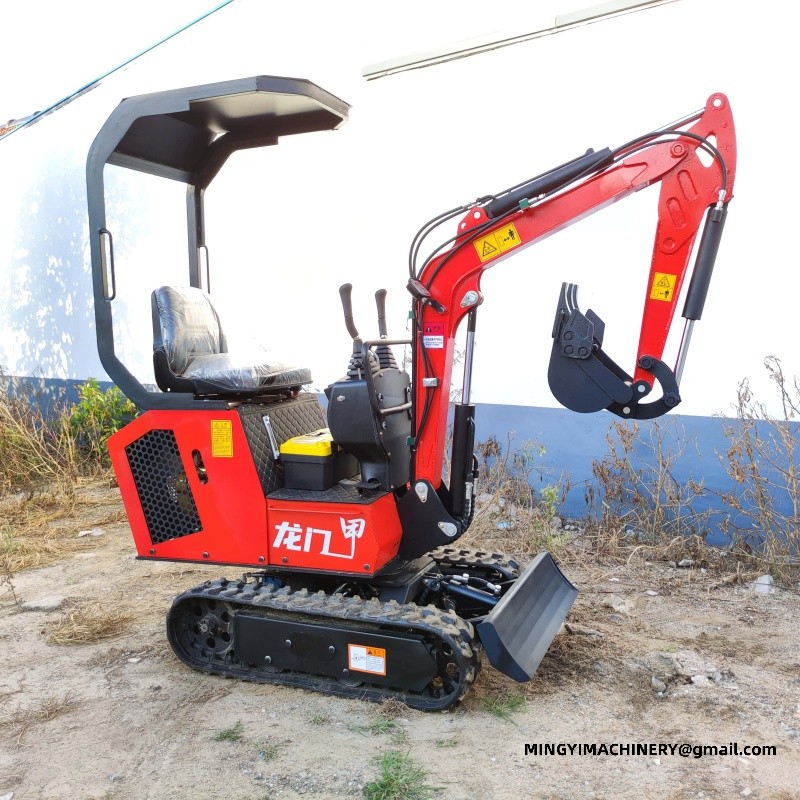
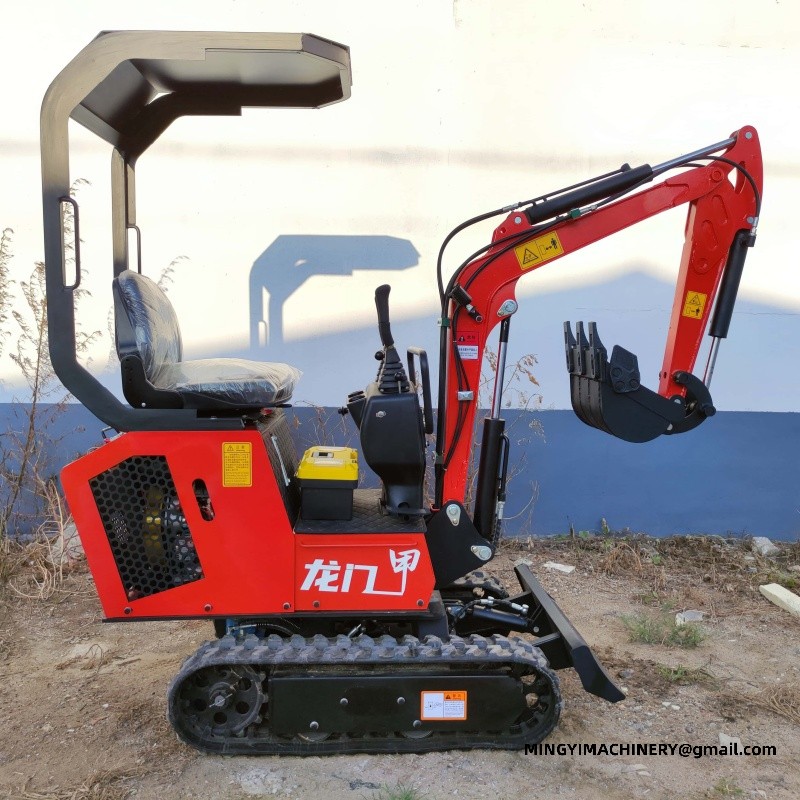
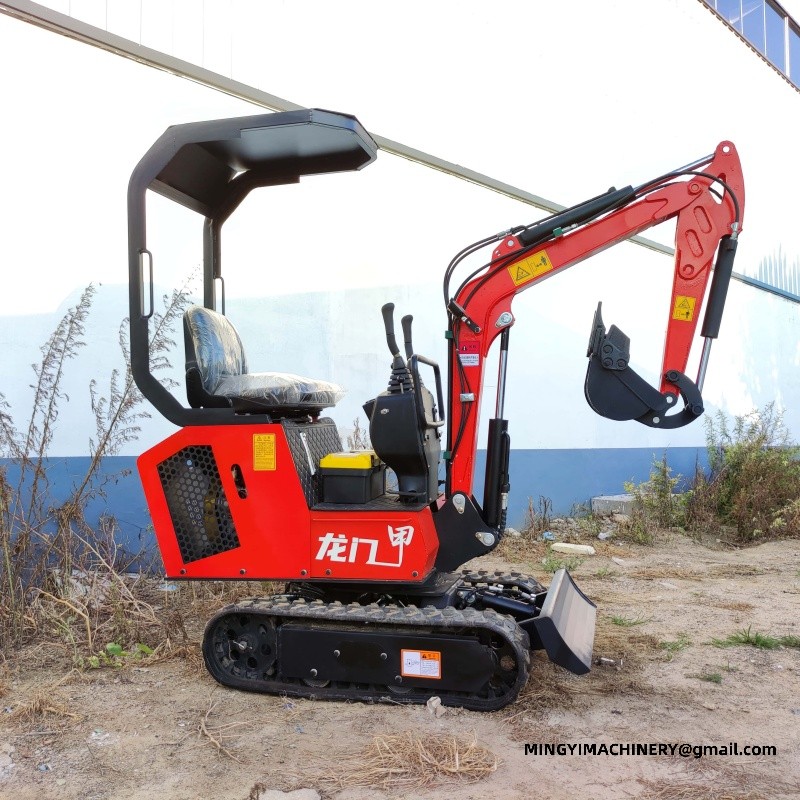
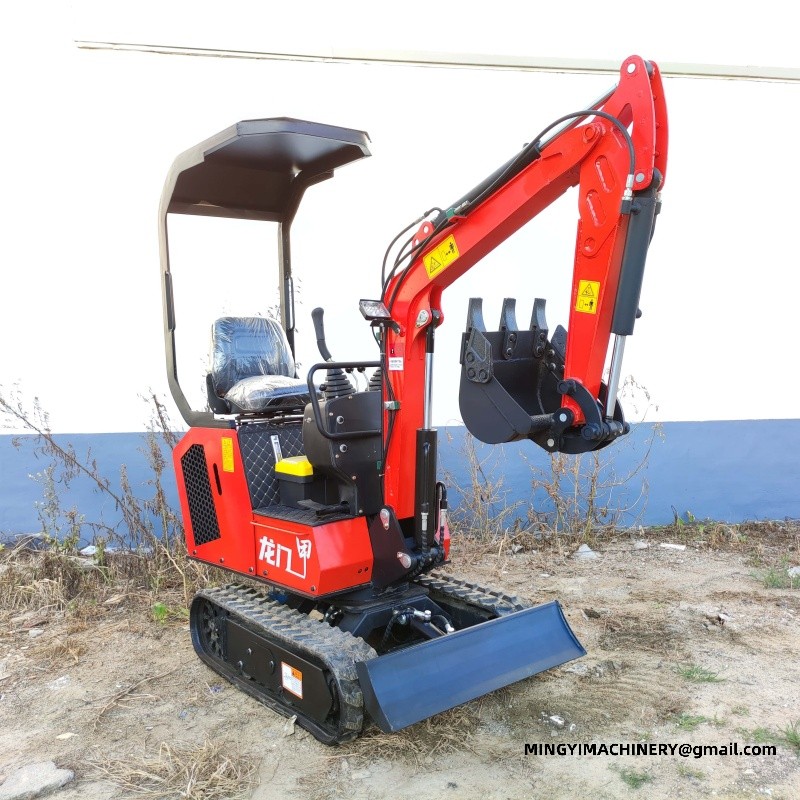
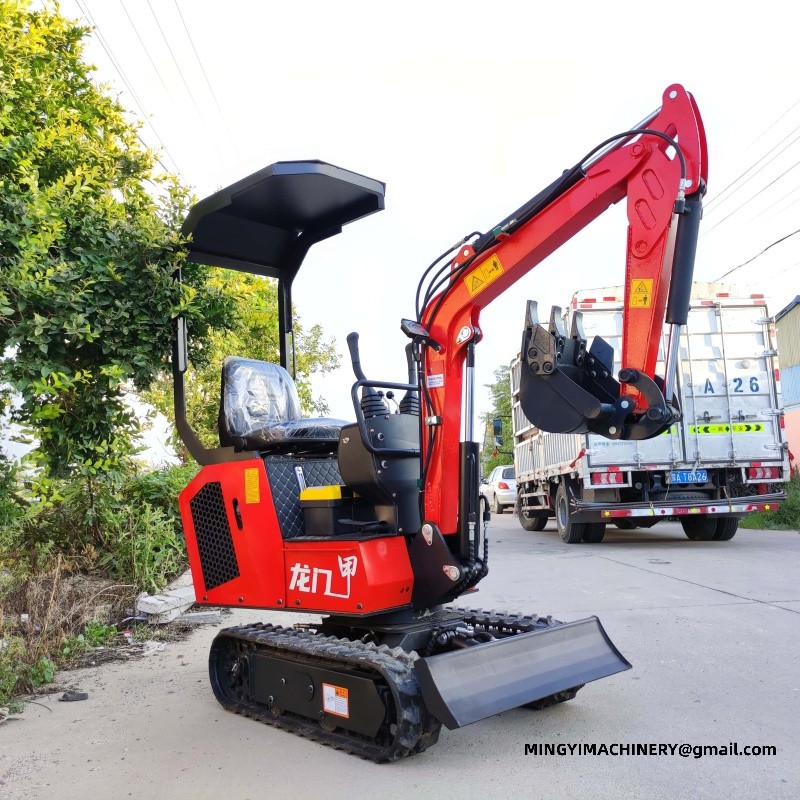
Reference specification — mini excavator range 12W 13W 30-2W 15L Operating weight 1200 kg (2645.55 lb) 1300 kg (2866.01 lb) 2700 kg (5952.48 lb) 1400 kg (3086.47 lb) Transport size (L×W×H) 2200 × 930 × 2250 mm 2200 × 930 × 2250 mm 3000 × 1100 × 2700 mm 2200 × 930 × 2250 mm Max digging depth 1630 mm (64.17 in) 1630 mm (64.17 in) 2200 mm (86.61 in) 1700 mm (66.93 in) Max digging height 2750 mm (108.27 in) 2750 mm (108.27 in) 3000 mm (118.11 in) 2750 mm (108.27 in) Max dumping height 1960 mm (77.17 in) 1960 mm (77.17 in) 2000 mm (78.74 in) 1960 mm (77.17 in) Max digging radius 2900 mm (114.17 in) 2900 mm (114.17 in) 3800 mm (149.61 in) 2900 mm (114.17 in) Max digging distance 2100 mm (82.68 in) 2100 mm (82.68 in) 3050 mm (120.08 in) 2300 mm (90.55 in) Minimum turning radius 1300 mm (51.18 in) 1300 mm (51.18 in) 1750 mm (68.9 in) 1450 mm (57.09 in) Travel speed 3 km/h (1.86 mph) 3 km/h (1.86 mph) 7 km/h (4.35 mph) 3 km/h (1.86 mph) Gradeability 30° 30° 30° 30° Fuel consumption 1-1.3 L/h (0.264—0.343 gal) 1-1.3 L/h (0.264—0.343 gal) 2-3 L/h (0.528—0.793 gal) 1-1.3 L/h (0.264—0.343 gal) Fuel tank capacity 10 L (2.64 gal) 10 L (2.64 gal) 16 L (4.23 gal) 10 L (2.64 gal) Hydraulic oil tank 16 L (4.23 gal) 16 L (4.23 gal) 20 L (5.28 gal) 16 L (4.23 gal) Dozer blade lift height 180 mm (7.09 in) 180 mm (7.09 in) 230 mm (9.06 in) 180 mm (7.09 in) Dozer blade drop depth 210 mm (8.27 in) 210 mm (8.27 in) 280 mm (11.02 in) 210 mm (8.27 in)
Q. What is the unit on the job?
A. Buying from the factory shortens the chain between the production line and the working machine, and that is the whole idea of factory-direct supply. Complete units travel in containers on timber cradles, and CKD packing parts the machine down for volume shipments. For export applications the practical route is to send the job list to the factory and let the build sheet answer it - which is exactly what this page invites.
Q. How do I start an order?
A. Send the models, quantities and destination by email or LINE. The factory replies with lead time, packing and freight terms in one specification, and documentation and inspection are arranged at the same time so the shipment and the paperwork travel together.
Q. Can I see the machine before it ships?
A. Inspection is arranged at the factory, in person or by a scheduled video walk-around - the same session covers paint, decals and attachment fitment for the export specification, so the machine inspected is the machine that ships.
Later additions and retrofits on a machine built for the work
Retrofitting is limited by the base machine. Before anything is added to the equipment in service the hydraulic flow, the mounting interface and the stability allowance have to be checked, because those limits are what decide what is sensible.
Storage and long idle periods for the excavator
Standing still is harder on a machine than working. Preparing this class of machine for a long idle period means clean fluids, a charged battery and protection for the exposed surfaces, because neglect is not the same as rest.
Pre-delivery inspection before the unit in daily use leaves the shop
The last hour before packing is the best time to find a fault. Running a machine of this size through its full working cycle, checking for leaks under load and confirming that the controls match the specification avoids a conversation across time zones later.
E-mail : sales@mingycn.com
LINE ( ID ): mingyicn
Related pages
oem mini excavator supply · mini excavator wholesale supply · Agricultural Wheel Loader: Access, Attachments and Light Builds · Mini Excavators









