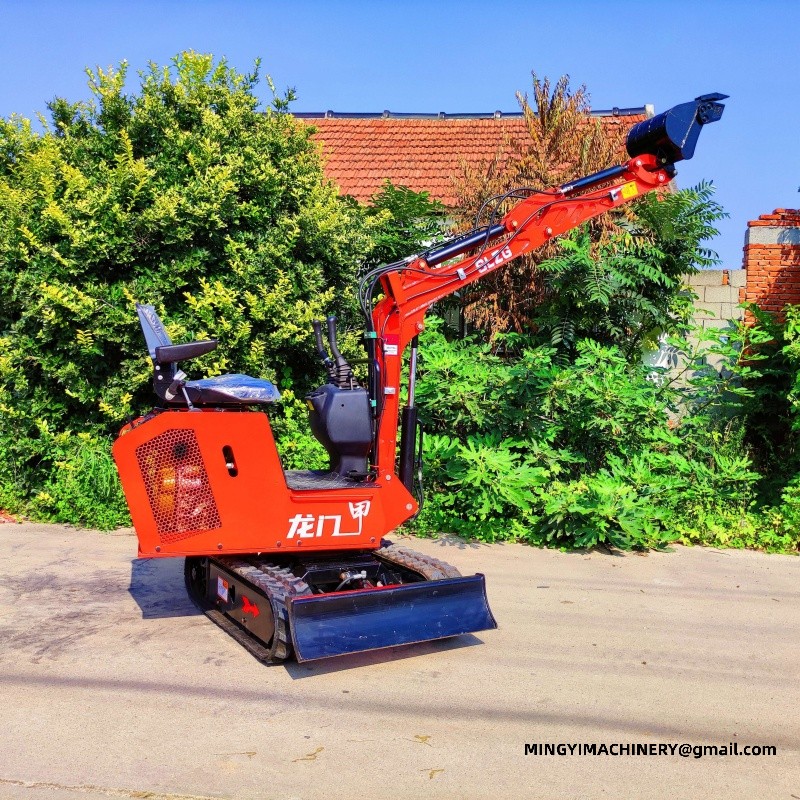
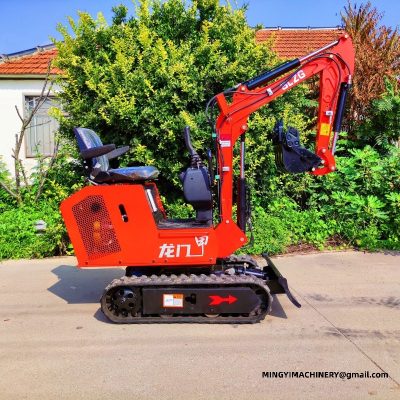
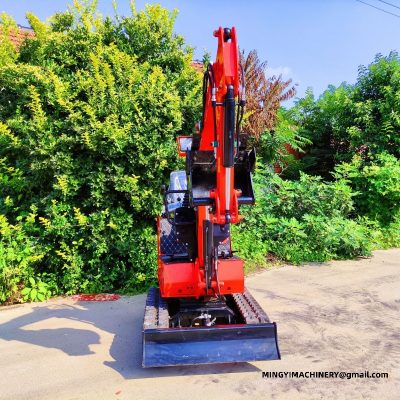
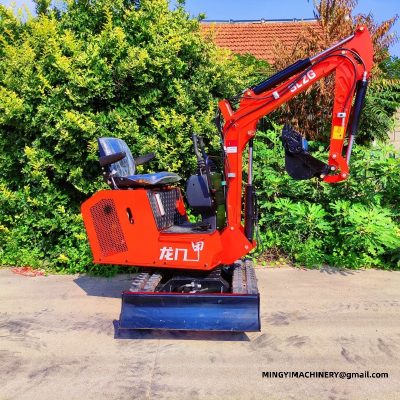
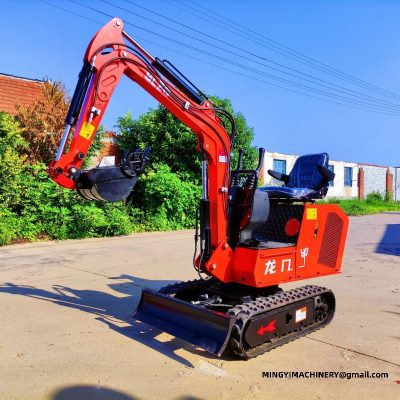
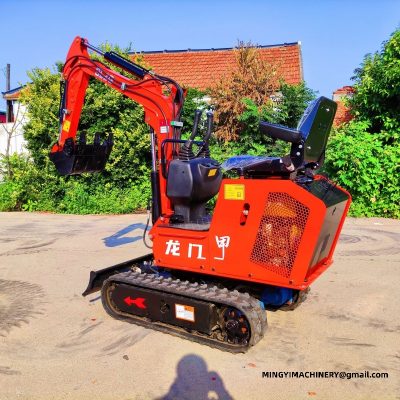
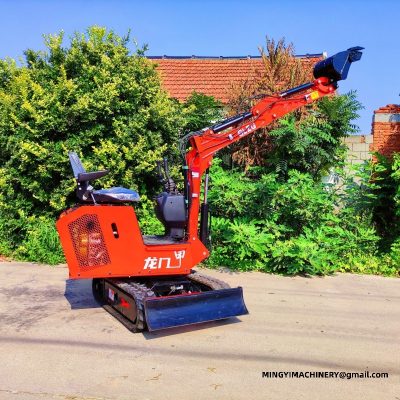
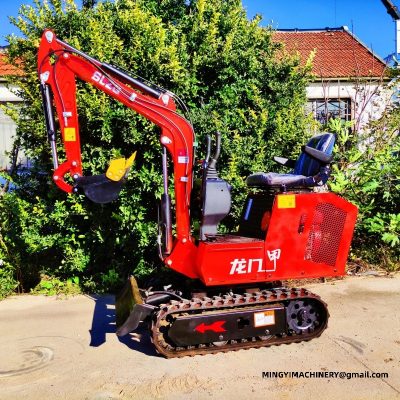
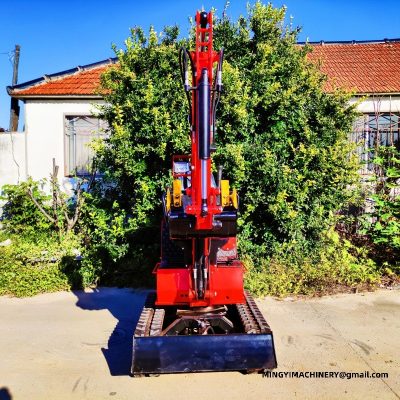
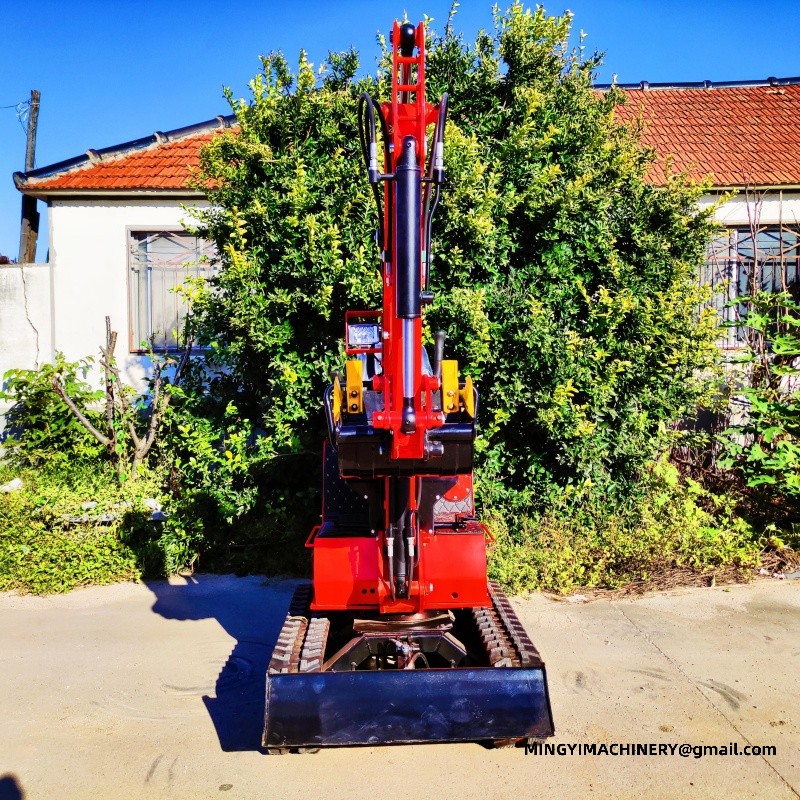
The MINGYI the excavator covers the compact excavator classes from 0.8 to 6 tonnes, all built to order for export. This page is the overview of that range: how the classes divide the work, and where a buyer should start when choosing between them.
Every machine in the range shares the same principle: the class, engine, undercarriage and attachments are selected for the buyer workload at the ordering stage, and the specification is recorded against the build.
How the classes divide the work
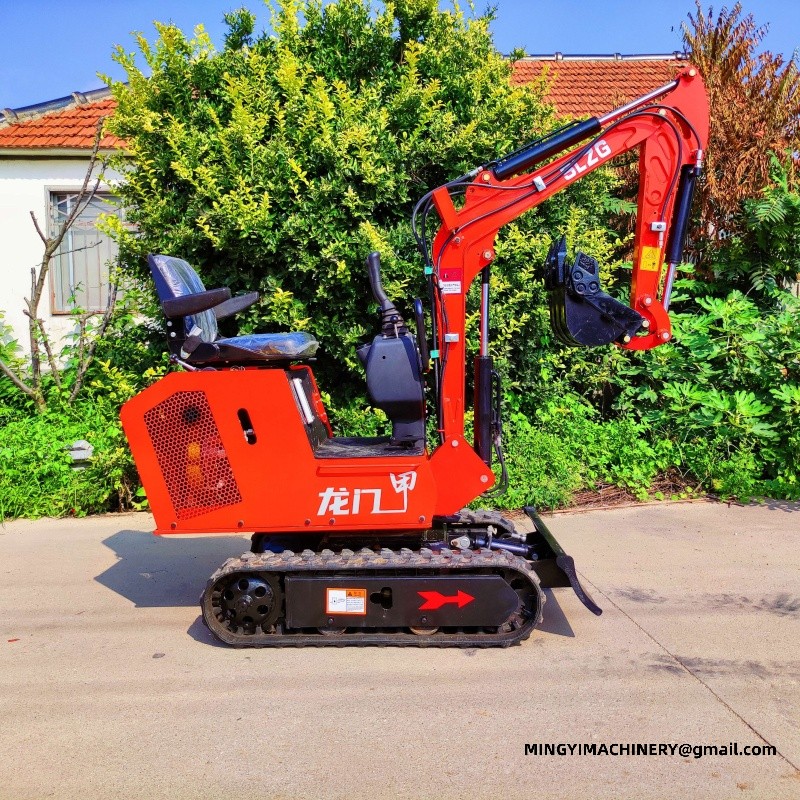
At the lower end, the smallest machines including the 08 series pass through gates and doorways and handle grounds maintenance, access work and light digging. The middle classes around the 12 series carry general contracting: trenching, footings, drainage and light demolition within the 1 to 3.5 tonnes band.
Above them, the larger machines up to 6 tonnes take bigger buckets, heavier breaker hammers and the extended dipper work that needs reach. The class choice is usually settled by the width of the narrowest access point and the mode of transport between sites.
Common ground across the range
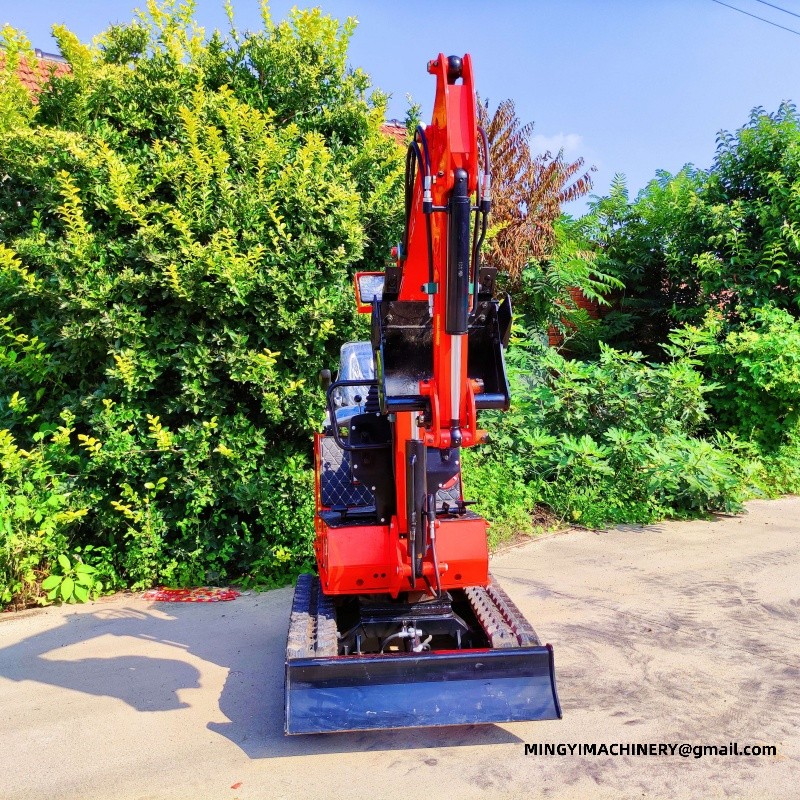
Every class offers rubber tracks or steel tracks with rubber blocks, canopy or enclosed cab, and the option of a swing boom and retractable undercarriage where access demands it. The attachment list runs from breaker hammers and augers to tilting buckets, shell buckets, grabbers and compaction wheels.
Engine installations include Kubota D722, Kubota D902 and YANMAR units in the compact classes, with Changchai, Laidong, Runtong, YARMAX and Youpu options across the range. The pairing of engine to machine class is part of the ordering conversation.
Start from the jobs you need done and the access you have, and the range narrows quickly to one class and one configuration. Mingyi Machinery supplies each digger with spare parts and service documentation, and holds the build record for repeat orders.
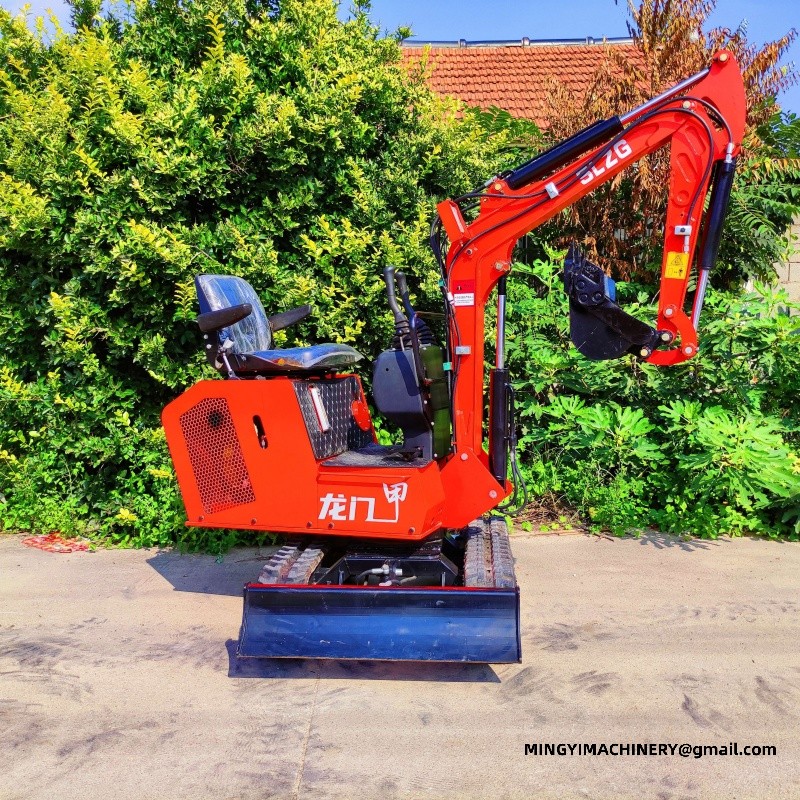
Orchard, vineyard and farm use of small digger range Orchard and vineyard work is carried out between rows. This class of machine with a narrow chassis and a swing boom works down the row without damaging the trees, which is the reason a full-size machine is not used at all. Ditching, fertilising and drainage on farmland suit the unit in daily use because the work is spread over a large area in short bursts. The machine travels behind a pickup and works where it stops. Operator technique for small digger range Output on a compact machine comes from placement rather than power. An experienced operator keeps a machine of this size working inside the swing arc, positions once and digs a full run instead of repositioning for every bucket. Stability is the third. The equipment on site working across the tracks rather than over the corners keeps the machine steady and the undercarriage loaded evenly, which shows up as track life at the end of the season. Attachments that turn small digger range into several machines The base machine is a carrier; the tool on the end of the arm decides the task. The machine itself fitted with a toothed bucket digs, and the same machine with a breaker, an auger or a grab does work that would otherwise need a second unit on site. Most of the daily variety on the model in question comes from the attachment rack rather than from the machine itself. Bucket, breaker, auger, ripper, rake and grab cover the large majority of the work a contractor will see. Trailering and moving small digger range Loading practice matters as much as the numbers. The machine in that duty is driven up ramps under its own power with the boom lowered and the tracks aligned, and secured at the points the manufacturer specifies. Detachable components reduce transport length. The unit on the job built with a removable arm section or a folding step fits a shorter trailer and may avoid an oversize movement permit. Interior and light demolition with small digger range Interior demolition is an access and a weight question. A machine built for the work that fits through a doorway and works on a suspended floor does jobs that would otherwise be done by hand or by a larger machine that cannot enter. Breaking out a floor slab, a wall footing or a concrete step is routine work for the equipment in service with a breaker. The machine is small enough to work inside and heavy enough to run the tool at a practical rate. Quick coupler practice on small digger range A quick coupler is the single option that changes how a machine is used day to day. Fitted to the excavator, it turns an attachment change from a two-person workshop job into a task the operator does alone in minutes. For a fleet that shares attachments between machines, a common coupler standard matters more than the coupler brand. This class of machine that picks up the same tools as the larger machines keeps the rack usable across the yard. Track choice for the unit in daily use Undercarriage selection is a ground question, not a preference question. A machine of this size running on finished paving needs rubber; the same machine on demolition rubble or rock wears rubber quickly, so steel with rubber blocks becomes the better answer over a full season. Track type changes what the machine can cross and what it leaves behind. Buyers specify rubber for lawns, driveways and municipal work, and steel with rubber blocks for sites where sharp material would cut a rubber belt in a week. Matching the equipment on site to ground conditions Soft ground is a flotation problem, not a power problem. The machine itself on wide rubber tracks crosses lawn, sand and cultivated soil that would stop a narrower machine or a wheeled unit of the same capacity. Mixed sites are common and argue for a compromise specification. Most buyers choose rubber for the model in question and accept the wear, unless the majority of the work is on material that will damage it. Hiring versus owning the machine in that duty Availability is part of the decision. Owning the unit on the job means it is there on the day the ground is ready; hiring means competing for the same machine at the same time as everyone else in the season. Ownership brings obligations that hiring does not. Storage, servicing, insurance and an operator are the items to set against the hire rate before deciding which way a machine built for the work should be supplied. Engine options behind the equipment in service Two buyers can order the same this class of machine and receive different engines. The decision is rarely about peak power; it is about which parts counter is closest to the site and which engine the local mechanic already knows. Engine choice is also an emissions and documentation question for some markets. Listing the available units with the excavator enquiry lets the factory confirm what can be supplied and documented for the destination country. Daily checks and maintenance on the unit in daily use Track tension is the item most often neglected. A machine of this size run with slack tracks wears the undercarriage and can throw a track on a turn; run too tight, the same components wear from the other direction. Greasing is the second item. The slew ring, the boom and arm pins and the bucket linkage on the equipment on site take grease daily in dusty work, and the intervals shorten further when the machine is used in water or mud. Working the machine itself through the seasons Weather decides which days are productive. Rain turns some ground unusable and cold changes how the model in question starts and warms up, so planning the wet months around maintenance is more useful than planning around output. Heat and dust are as limiting as rain. Air intake condition and cooling cleanliness decide how the machine in that duty behaves in a dry season, and both are checked in a minute rather than repaired later. Specification data for the unit on the job The figures below are the factory figures for the models most often matched to a machine built for the work. They are the numbers to check against the site: the depth the work needs, the reach from one position, and the width of the narrowest point on the route in. These are the reference figures for the equipment in service. MINGYI confirms the final build sheet, including engine and attachment choices, against the destination and the job list before production. Machines leave the factory prepared for container or flat rack shipment. The excavator is normally shipped with the attachment set and the spare parts list agreed in advance so the container is planned once. Buyers who import regularly plan the spare parts with the machine. This class of machine ordered with a wearing-parts kit arrives ready to work rather than ready to wait for the first service interval.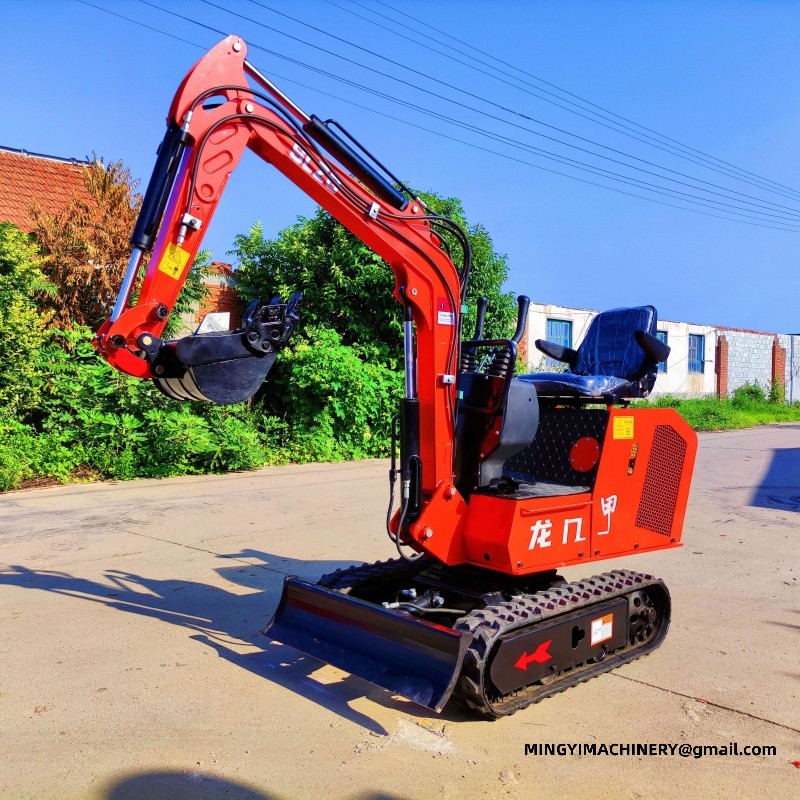
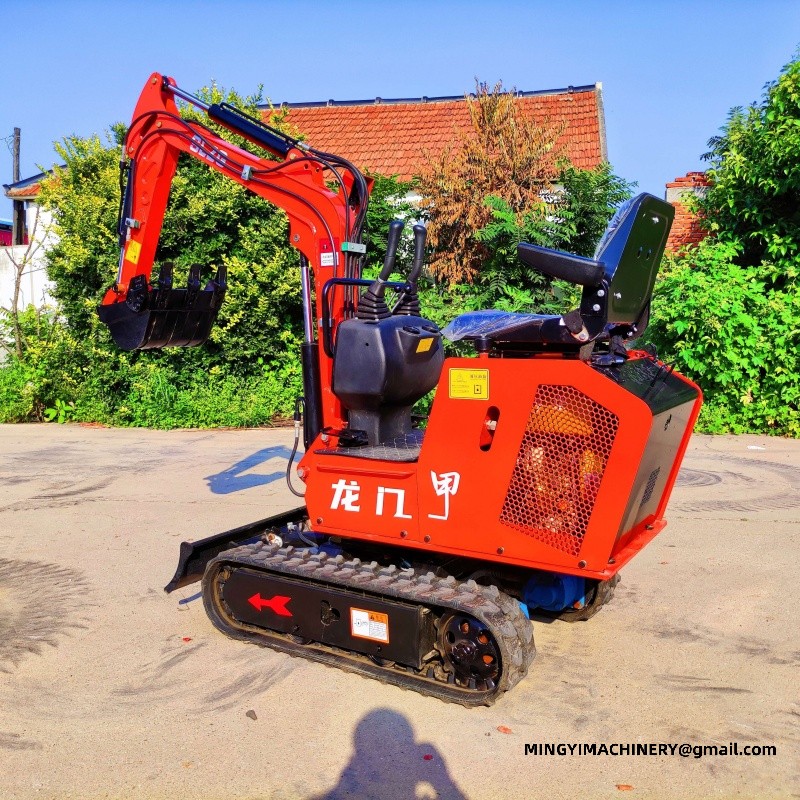
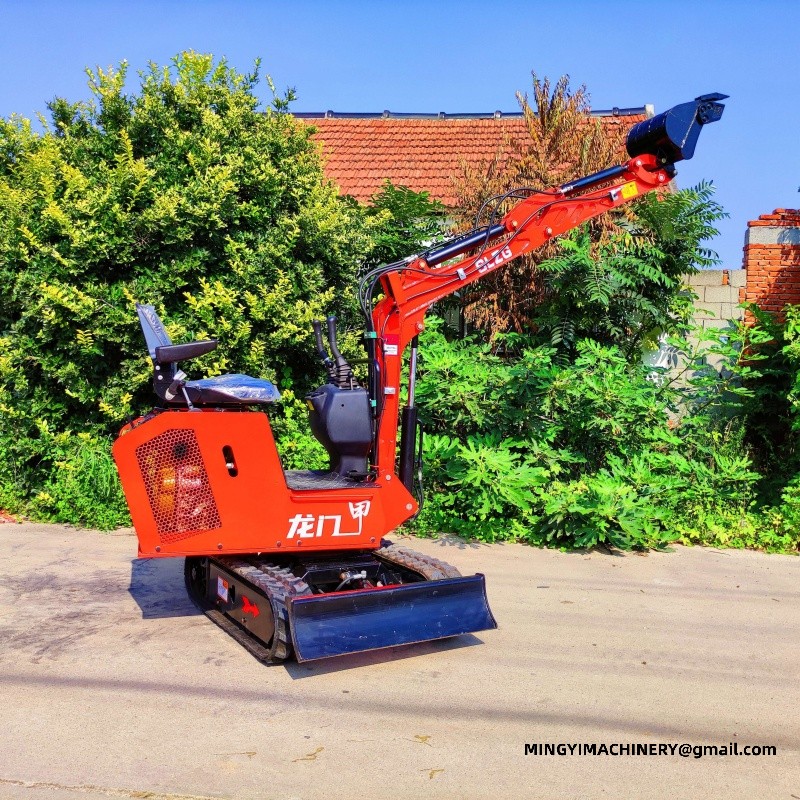
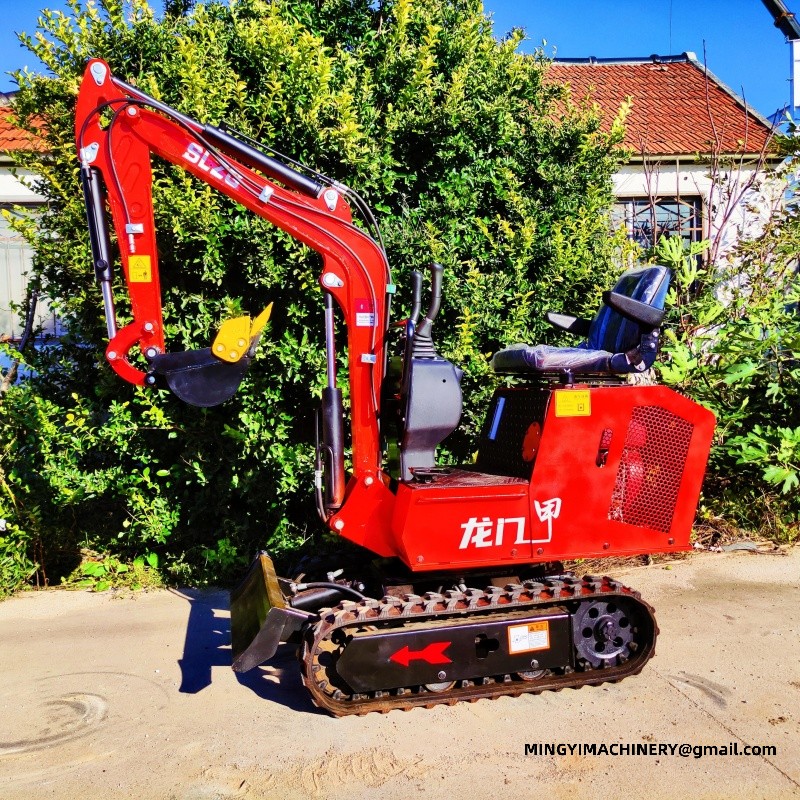
Reference specification — mini excavator range 13W 15W 12L 30-2L Operating weight 1300 kg (2866.01 lb) 1400 kg (3086.47 lb) 1200 kg (2645.55 lb) 2400 kg (5291 lb) Transport size (L×W×H) 2200 × 930 × 2250 mm 2200 × 930 × 2250 mm 2200 × 930 × 2250 mm 2800 × 1500 × 2500 mm Max digging depth 1630 mm (64.17 in) 1630 mm (64.17 in) 1700 mm (66.93 in) 2200 mm (86.61 in) Max digging height 2750 mm (108.27 in) 2750 mm (108.27 in) 2600 mm (102.36 in) 2900 mm (114.17 in) Max dumping height 1960 mm (77.17 in) 1960 mm (77.17 in) 1800 mm (70.87 in) 2100 mm (82.68 in) Max digging radius 2900 mm (114.17 in) 2900 mm (114.17 in) 2900 mm (114.17 in) 3330 mm (131.1 in) Max digging distance 2100 mm (82.68 in) 2100 mm (82.68 in) 2300 mm (90.55 in) 2700 mm (106.3 in) Minimum turning radius 1300 mm (51.18 in) 1300 mm (51.18 in) 1450 mm (57.09 in) 1555 mm (61.22 in) Travel speed 3 km/h (1.86 mph) 3 km/h (1.86 mph) 3 km/h (1.86 mph) 7 km/h (4.35 mph) Gradeability 30° 30° 30° 30° Fuel consumption 1-1.3 L/h (0.264—0.343 gal) 1-1.3 L/h (0.264—0.343 gal) 1-1.3 L/h (0.264—0.343 gal) 2-3 L/h (0.528—0.793 gal) Fuel tank capacity 10 L (2.64 gal) 10 L (2.64 gal) 10 L (2.64 gal) 16 L (4.23 gal) Hydraulic oil tank 16 L (4.23 gal) 16 L (4.23 gal) 16 L (4.23 gal) 18 L (4.76 gal) Dozer blade lift height 180 mm (7.09 in) 180 mm (7.09 in) 180 mm (7.09 in) 230 mm (9.06 in) Dozer blade drop depth 210 mm (8.27 in) 210 mm (8.27 in) 210 mm (8.27 in) 280 mm (11.02 in)
Q. What does the unit in daily use involve?
A. Inside the 0.8 to 6 tonne class MINGYI builds as the 08, 12 and 18 models lives most of the site, farm and rental work in the world. Tracks, cabs and attachments are common across the range, so the size decision is mostly about where the machine must fit and what it must lift. For general site applications the practical route is to send the job list to the factory and let the build sheet answer it - which is exactly what this page invites.
Q. What changes between the size classes?
A. Reach, lift and stability grow with the class; doorways and trailer weight limits close. The smallest classes trade reach for access, the largest trade access for full-size work rates, and tracks, cabs and attachments stay common across the range.
Q. What about colours and branding?
A. OEM colours and decals are part of the build: private-label machines carry the buyer brand on the standard MINGYI platform, and the general site order confirms colours, marks and documents before production starts.
Keeping a service record for a machine of this size
A written record is worth more than a good memory. Dates, hours and the parts fitted on the equipment on site turn a guess about the next service into a fact, and they are the first thing a buyer asks to see.
Pre-delivery inspection before the machine itself leaves the shop
The last hour before packing is the best time to find a fault. Running the model in question through its full working cycle, checking for leaks under load and confirming that the controls match the specification avoids a conversation across time zones later.
E-mail : sales@mingycn.com
LINE ( ID ): mingyicn
Related pages
mini excavator for basement work · mini excavator for lawn preparation · Wheel Loader Supplier: Choosing Builds for Your Market · Mini Excavators









