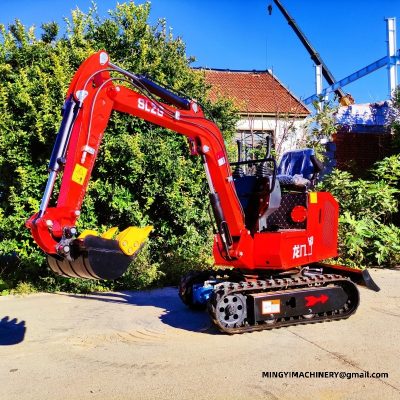
A basement is dug as a box, and every part of the box has to be cut to the same intention: a level floor, walls that stand vertically, and no over-dig at the toe of the excavation. Getting there means working downwards in a controlled sequence.
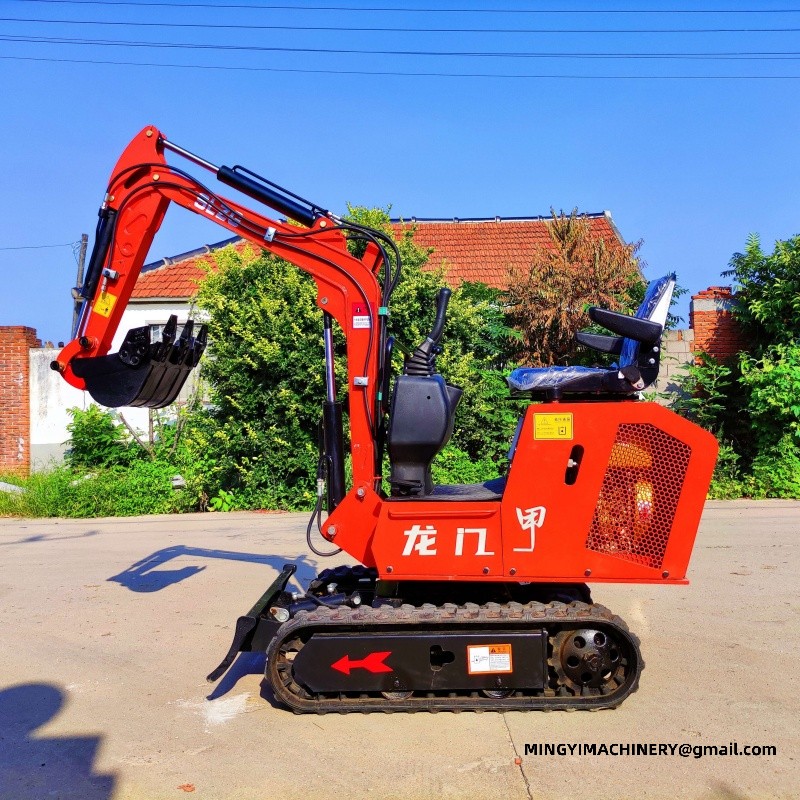
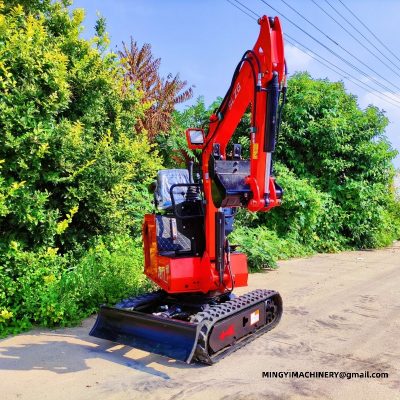
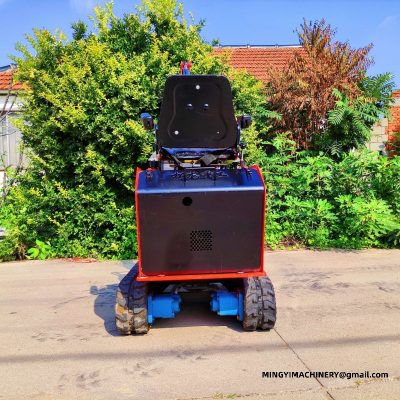
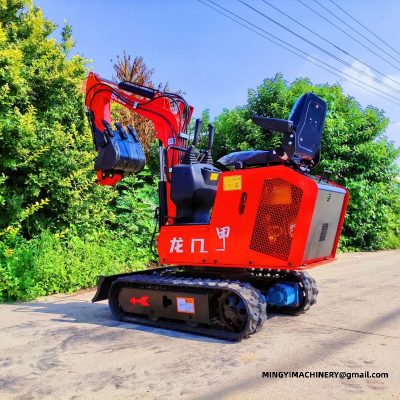
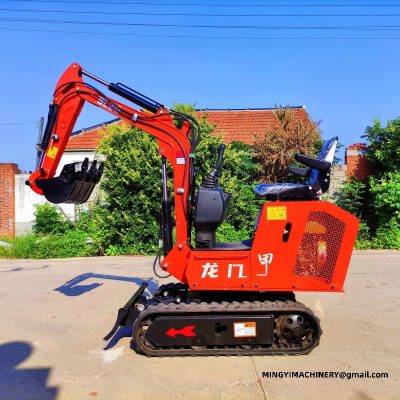
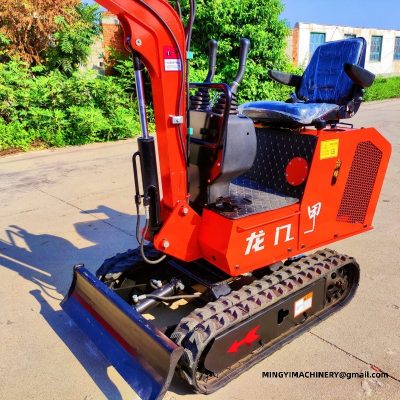
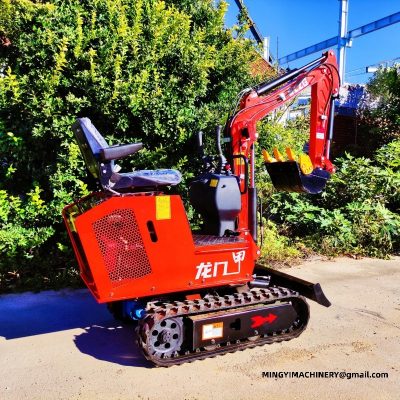
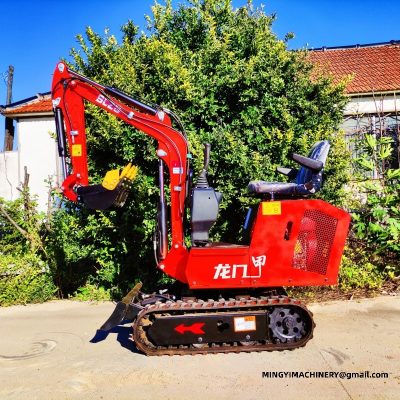
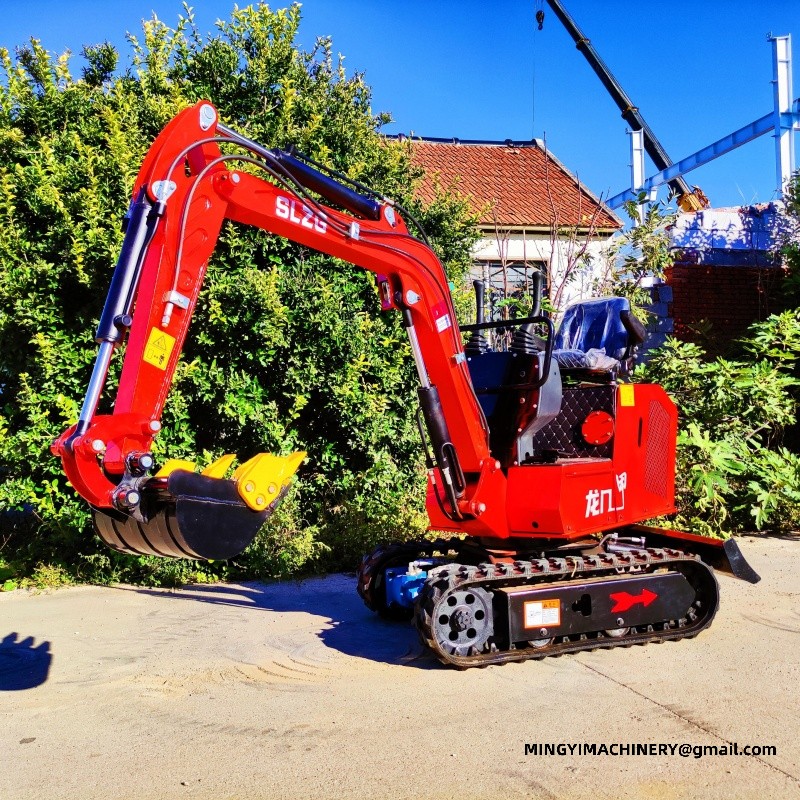
For single houses and extensions this work is normally done with a compact crawler excavator. MINGYI assembles these machines to order, and the boom arrangement, dipper length and bucket set are chosen to suit the depth and the access on site.
Excavating and trimming a basement box
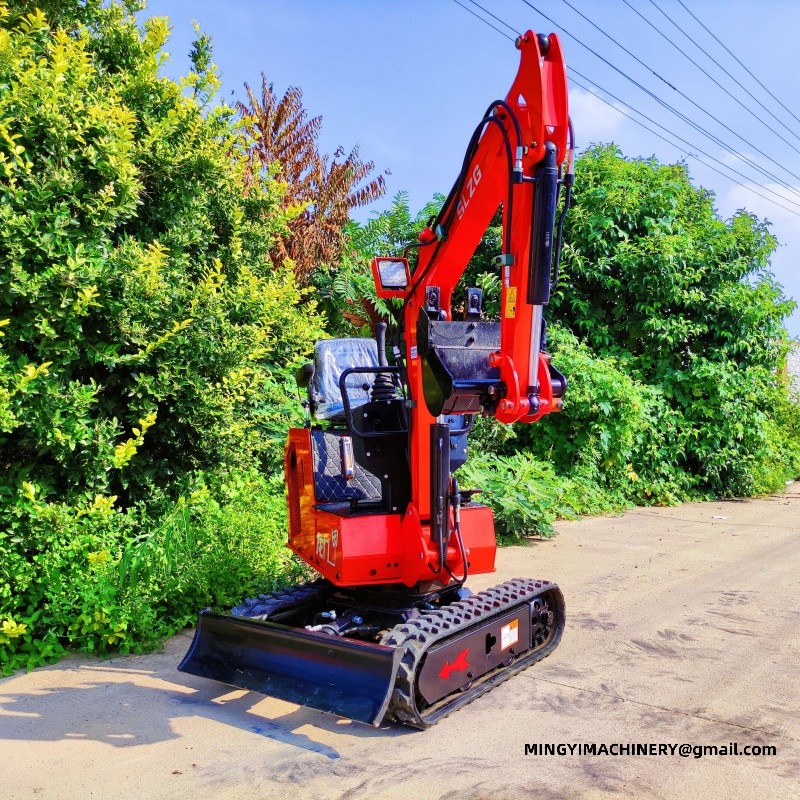
The machine takes the bulk out first and leaves an allowance along the wall line, which is trimmed in a second, slower pass. That two-stage method keeps the faces plumb and avoids the undercutting that causes wall collapses later on.
As depth increases the operator keeps the spoil heap back from the edge of the excavation. An extended dipper helps the machine reach the floor of the box while the tracks stay on sound ground at the top.
Access, spoil removal and dewatering trenches
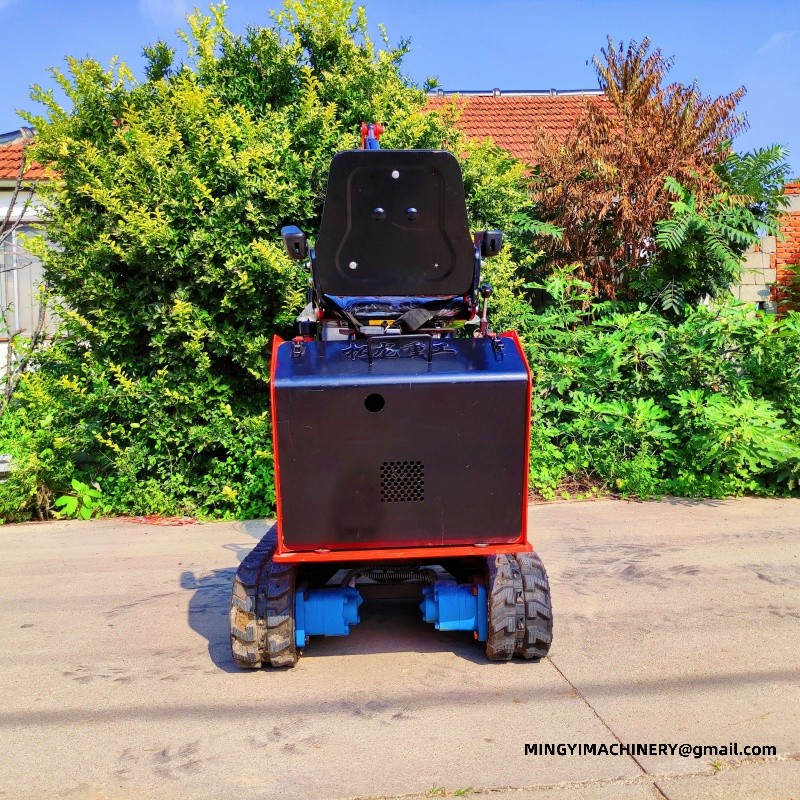
Spoil usually has to leave by the same ramp the machine used to enter, so the haul route is planned before digging starts. A short tail swing is valuable here, because the machine can turn at the bottom of a narrow ramp without its rear overhanging the wall.
A sump or dewatering trench is cut at the low corner and kept clear as work continues. A narrow bucket and a quick coupler allow that trench to be cut, cleaned and left open without disturbing the main excavation.
Basement work is a sequence rather than a single excavation, and the machine has to remain usable at every stage of it. A compact excavator chosen for depth, reach and turning room will cut the box cleanly and stay on the ramp it came down.
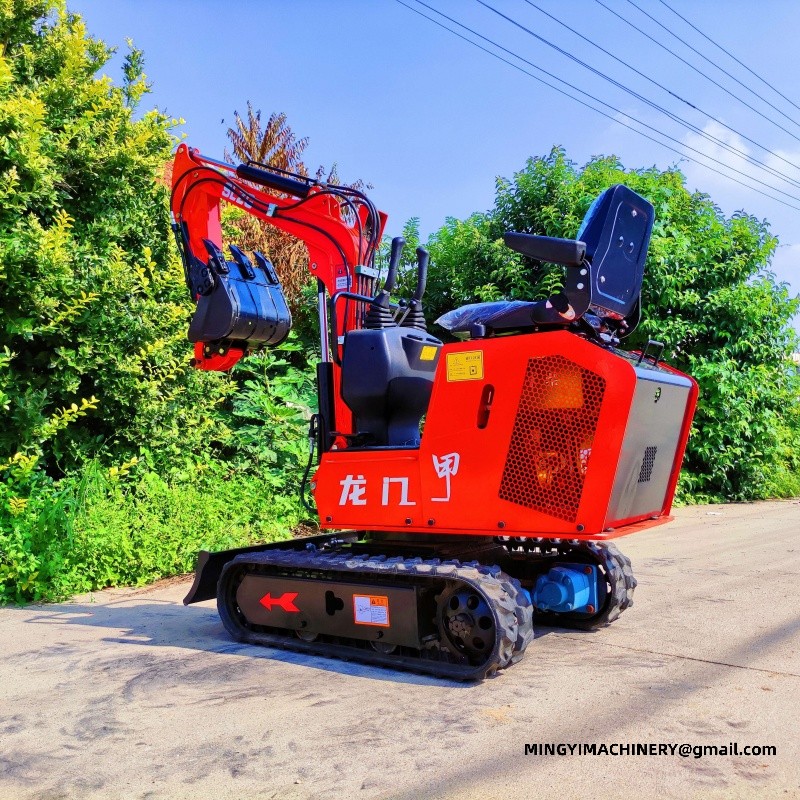
Lifting and material handling with a mini excavator for basement work Lifting with a machine built to dig needs a plan. The load, the radius and the ground under the class of machine all matter, and the safe figure is the one on the chart rather than the one that looks possible. Stability changes with reach. A load the excavator handles close in becomes a different proposition at full extension, so the working radius belongs in the plan before the lift rather than during it. Working on slopes and uneven ground with mini excavator for basement work Slope work is a stability question before it is a traction question. Knowing the gradient the unit in daily use is rated for, and working across rather than straight up where the ground allows, removes most of the risk. Ground that looks level often is not. A machine of this size crossing a filled trench, a soft edge or a hidden void behaves differently from one on undisturbed ground, and those are the places worth walking before driving. Landscaping and ground care with mini excavator for basement work Grass cutting heads, rakes and tillers extend the equipment on site into ground care. The same carrier that digs a border in spring can cut and clear the same area later in the season. On soft landscape work the surface is the constraint. The machine itself on rubber tracks crosses turf without stripping it, which is why the same jobs are not given to a wheeled machine. Matching mini excavator for basement work to ground conditions Hard and abrasive ground reverses the specification. On rock, demolition rubble or sharp gravel, steel tracks with rubber blocks on the model in question survive conditions that cut a rubber belt quickly. Mixed sites are common and argue for a compromise specification. Most buyers choose rubber for the machine in that duty and accept the wear, unless the majority of the work is on material that will damage it. Acceptance checks when a mini excavator for basement work arrives A function check before the machine goes to work is worth the hour. Running through the controls, the travel and the attachment circuit on the unit on the job confirms it is set up as specified and ready for the site. Documentation should arrive with the machine. Parts list, service schedule and any certificates for a machine built for the work are what the workshop needs later, and they are much easier to obtain at delivery than in month six. Working a mini excavator for basement work in confined spaces Confined sites are decided by dimensions. Overall width, tail swing and the space needed to work the arm are what let the equipment in service operate inside a building, between walls or in a courtyard. Ventilation is the other indoor constraint. Running the excavator inside a closed structure needs air movement, and that is a planning item rather than something to discover after the first hour. OEM and fleet customisation of this class of machine Distributors and rental fleets usually need the machine to look like theirs. Paint, decals, seat colour and attachment branding can be specified on the unit in daily use at build time rather than applied after import. Documentation can be prepared to suit the importer. Manuals, parts books and decal sets for a machine of this size can be supplied with the buyer's own branding where the order size justifies it. Running the equipment on site in a rental fleet Rental fleets buy for utilisation, not for a single job. The machine itself with a quick coupler and a common attachment standard is hired more often because it suits more of the calls that come in. Fleet buyers also weigh transport. The model in question that a customer can tow on a normal licence and a standard trailer is a hire that does not need a delivery truck, which changes how often it goes out. Track choice for the machine in that duty Rubber tracks suit paved and landscaped ground because they spread the machine weight and leave the surface intact. Steel tracks with rubber blocks are specified where the ground is rougher or the working day is longer, and the choice can be made per machine rather than accepted as a factory default. Undercarriage selection is a ground question, not a preference question. The unit on the job running on finished paving needs rubber; the same machine on demolition rubble or rock wears rubber quickly, so steel with rubber blocks becomes the better answer over a full season. Quick coupler practice on a machine built for the work A quick coupler is the single option that changes how a machine is used day to day. Fitted to the equipment in service, it turns an attachment change from a two-person workshop job into a task the operator does alone in minutes. Couplers are specified early because they affect the arm and the hydraulic kit. Adding one to the excavator after delivery means new pins, new hoses and a fitment session; adding it at build time is a line on the sheet. Working near live services with this class of machine Digging near water, gas and cable is a precision job. The unit in daily use is used here because the operator can work in short controlled cuts and because the machine can be positioned without driving over the run being exposed. Utility crews specify a machine of this size with a narrow bucket and good visibility for exactly this reason: the machine has to stop at the service, not at the edge of the operator's view. Specification data for the equipment on site Buyers comparing the machine itself usually start from four numbers - weight, digging depth, reach and transport width - because those are the ones that decide whether the machine can be delivered and whether it can do the job once it is there. These are the reference figures for the model in question. MINGYI confirms the final build sheet, including engine and attachment choices, against the destination and the job list before production. Service trenches are the most common reason the machine in that duty is hired. Water, sewage, cable and gas runs are narrow, shallow and often close to existing services, which is exactly the work a full-size machine cannot do safely. Depth control matters more on service work than speed. The unit on the job working beside live services is chosen because it can be placed precisely and stopped instantly, which is what the job actually requires.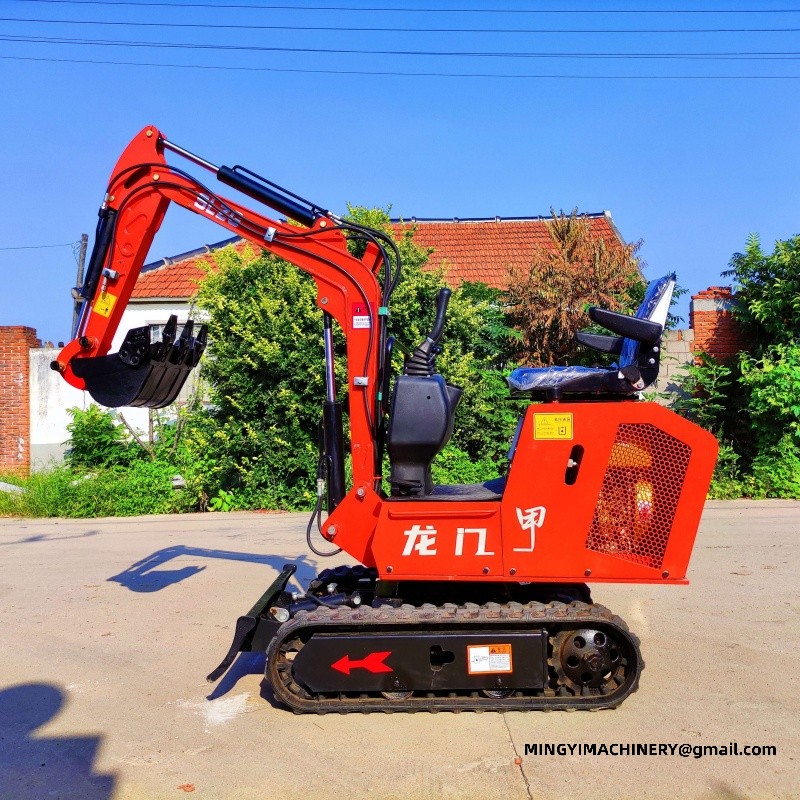
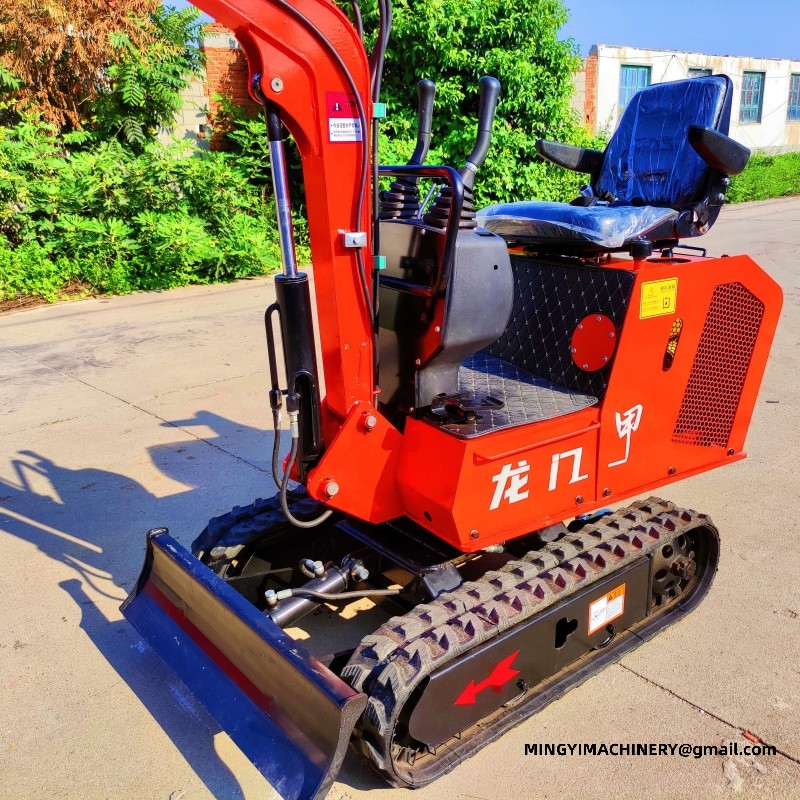
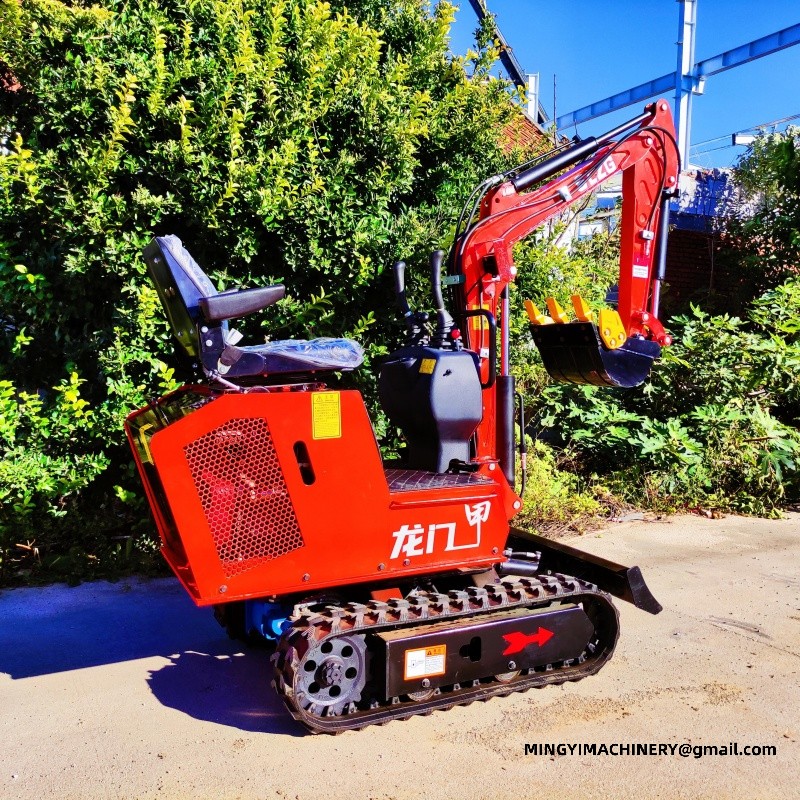
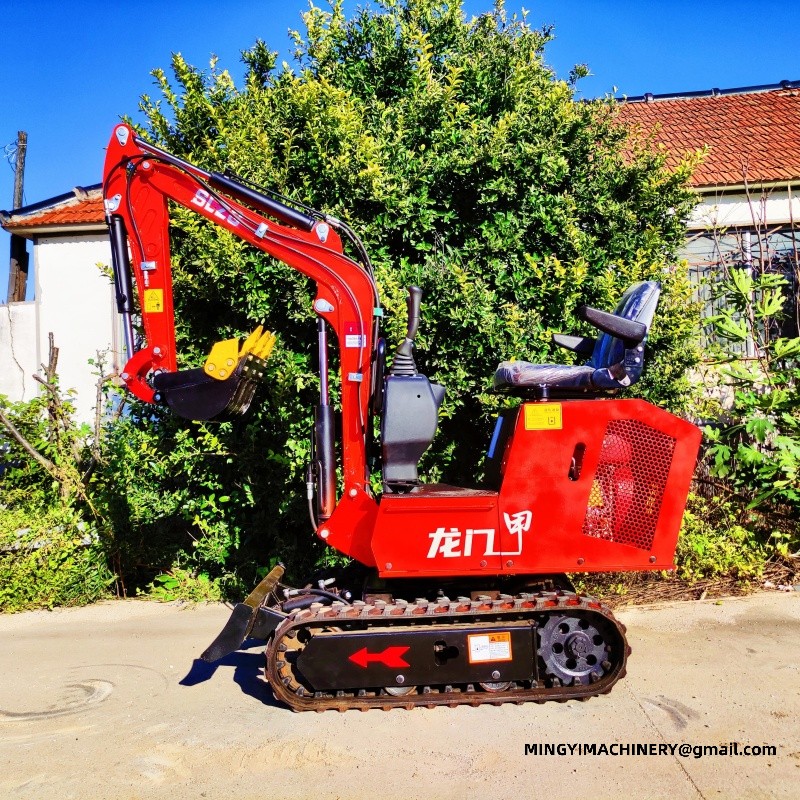
Reference specification — mini excavator range 09W 13W 30-1W 20-2L Operating weight 1100 kg (2425.08 lb) 1300 kg (2866.01 lb) 2900 kg (6393.41 lb) 1900 kg (4188.78 lb) Transport size (L×W×H) 1800 × 750 × 1970 mm 2200 × 930 × 2250 mm 3000 × 1250 × 2780 mm 2600 × 1300 × 2344 mm Max digging depth 1250 mm (49.21 in) 1630 mm (64.17 in) 2200 mm (86.61 in) 2100 mm (82.68 in) Max digging height 2800 mm (110.24 in) 2750 mm (108.27 in) 3400 mm (133.86 in) 2880 mm (113.39 in) Max dumping height 1700 mm (66.93 in) 1960 mm (77.17 in) 2400 mm (94.49 in) 2100 mm (82.68 in) Max digging radius 2570 mm (101.18 in) 2900 mm (114.17 in) 4000 mm (157.48 in) 3215 mm (126.57 in) Max digging distance 1869 mm (73.58 in) 2100 mm (82.68 in) 2800 mm (110.24 in) 2460 mm (96.85 in) Minimum turning radius 1000 mm (39.37 in) 1300 mm (51.18 in) 2000 mm (78.74 in) 1587 mm (62.48 in) Travel speed 3 km/h (1.86 mph) 3 km/h (1.86 mph) 5 km/h (3.11 mph) 5 km/h (3.11 mph) Gradeability 30° 30° 30° 30° Fuel consumption 1-1.3 L/h (0.264—0.343 gal) 1-1.3 L/h (0.264—0.343 gal) 2-3 L/h (0.528—0.793 gal) 2-3 L/h (0.528—0.793 gal) Fuel tank capacity 8 L (2.11 gal) 10 L (2.64 gal) 16 L (4.23 gal) 16 L (4.23 gal) Hydraulic oil tank 16 L (4.23 gal) 16 L (4.23 gal) 20 L (5.28 gal) 18 L (4.76 gal) Dozer blade lift height 180 mm (7.09 in) 180 mm (7.09 in) 420 mm (16.54 in) 180 mm (7.09 in) Dozer blade drop depth 210 mm (8.27 in) 210 mm (8.27 in) 210 mm (8.27 in) 210 mm (8.27 in)
Q. What is a machine built for the work?
A. The whole point of the smallest classes is presence - a digging machine that reaches work nothing bigger can enter. Inside a basement or behind a boundary the machine digs footings, breaks floors and grades the sub-base at rates hand work cannot touch. Read the equipment in service together with the engine, track and attachment pages: jobs around basement work are decided by how those choices line up, not by any single number on the sheet.
Q. Is a micro machine still worth buying?
A. If the work is behind a single gate or down a stairwell, yes - it is the only machine that reaches the job at all. Pair it with the attachment set and it specifications like a bigger machine on small sites.
Q. What about colours and branding?
A. OEM colours and decals are part of the build: private-label machines carry the buyer brand on the standard MINGYI platform, and the basement work order confirms colours, marks and documents before production starts.
Handover and getting familiar with the excavator
The first day with a new machine sets the pattern for the next five years. Handover for this class of machine covers the control layout, the daily check points and the limits the operator needs to know before the first real load is lifted or carried.
Reading the early symptoms on the unit in daily use
Temperature and pressure are the two things worth watching. A machine of this size that runs hotter than it used to, or whose pressure has drifted, is reporting a problem that is still simple to fix.
Documents that travel with the equipment on site
Keeping the documents together is part of ownership. The manual, the service record and the build sheet for the machine itself belong in one folder, and the machine is easier to sell later when that folder is complete.
E-mail : sales@mingycn.com
LINE ( ID ): mingyicn
Related pages
mini excavator for lawn preparation · mini excavator for farm drainage ditching · Construction Wheel Loader: Dump Height Comes Before Capacity · Mini Excavators









