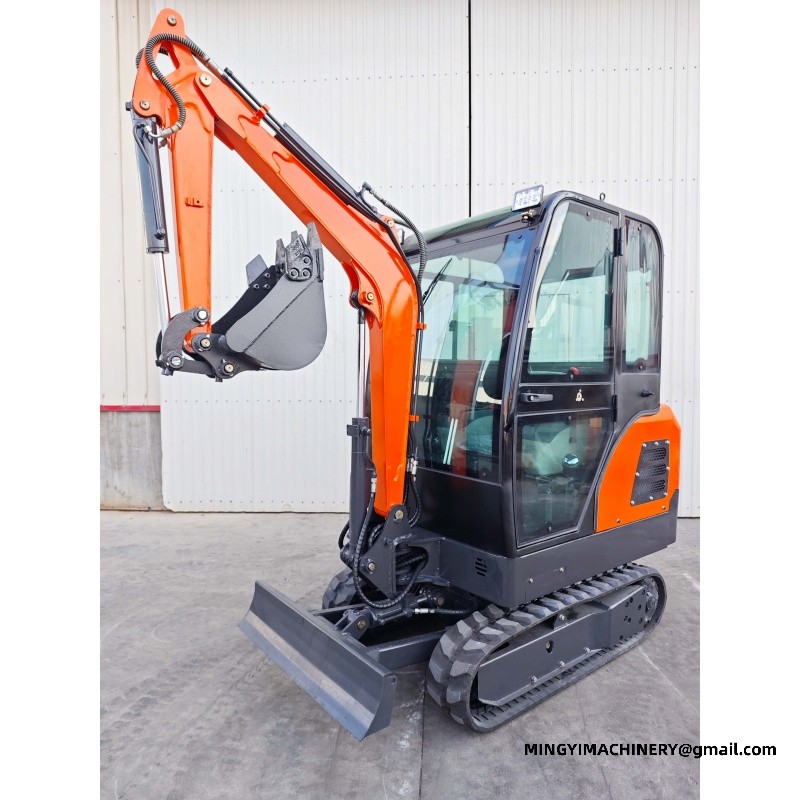
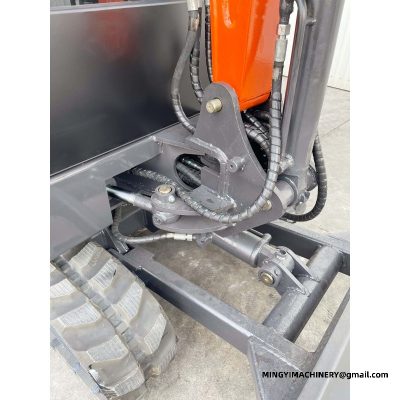
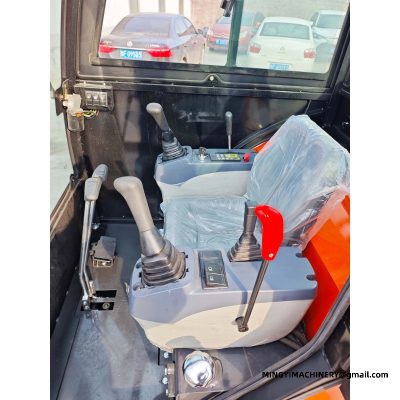
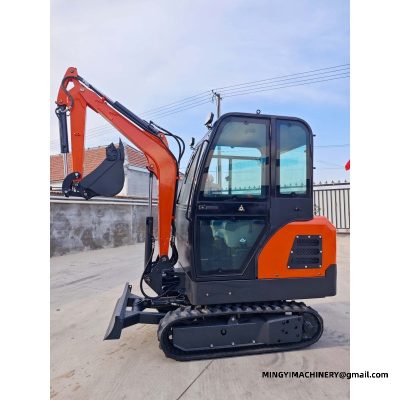
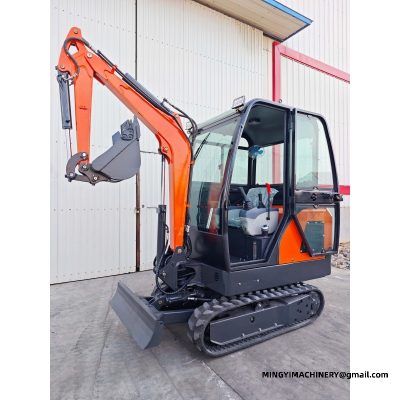
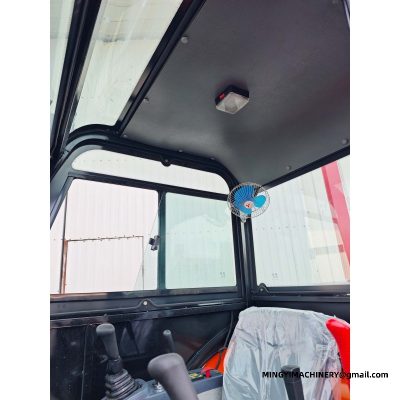
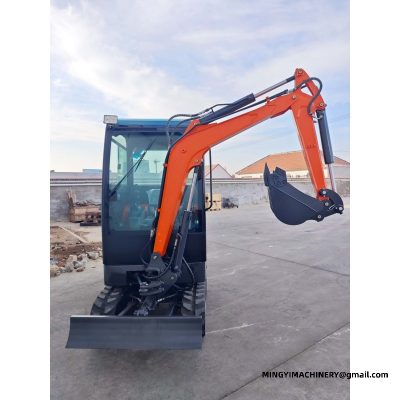
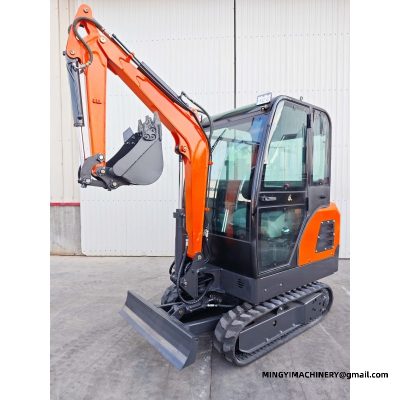
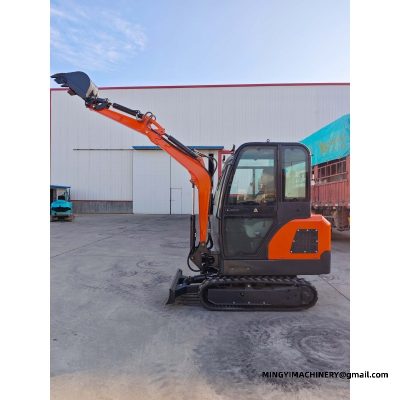
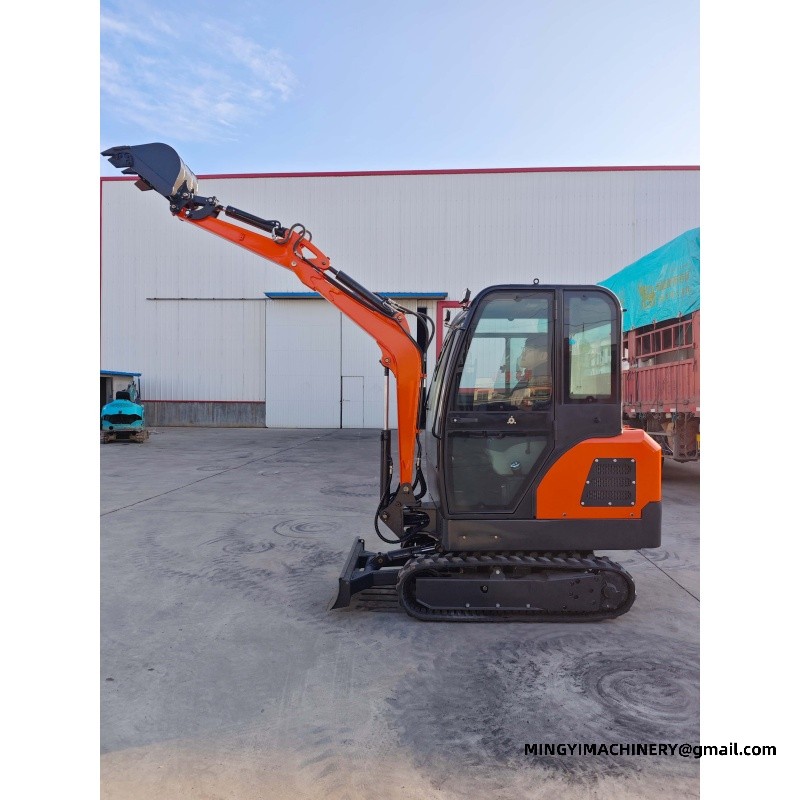
Water is what destroys a road from underneath. Keeping the ditches, culverts and drain runs beside the carriageway clear is routine work for highway crews, and it is work that a MINGYI mini excavator handles without the effort and disruption of sending a full sized machine onto the verge.
These machines are built to order for buyers who need one plant item that cleans ditches, clears culvert inlets and cuts new drainage runs in the same shift. The notes below cover what the machine does on drainage work and how it is configured before it leaves the factory.
Drainage work the machine handles
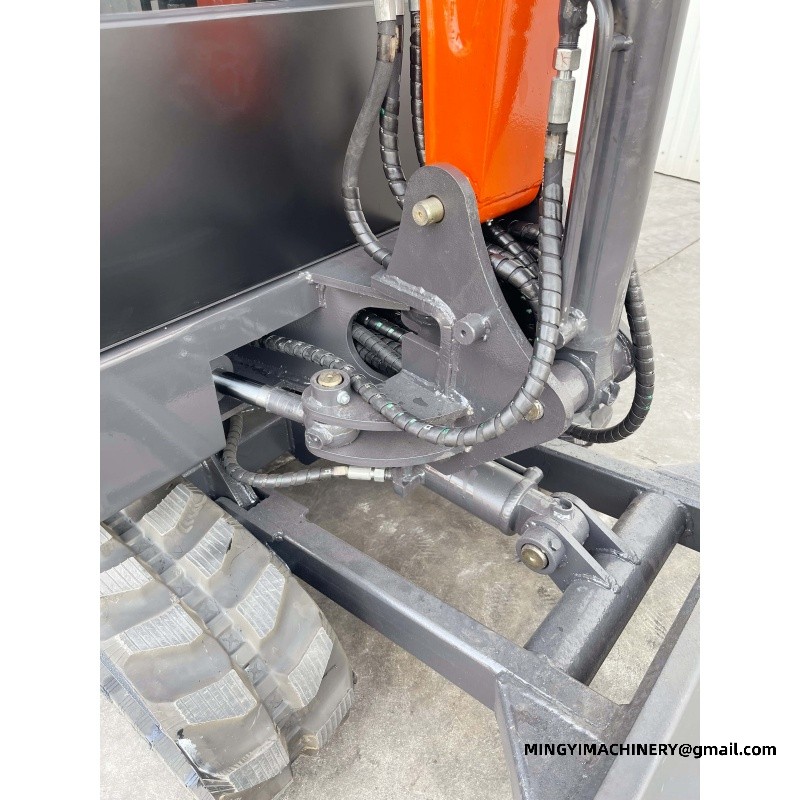
The core job is cleaning: pulling silt, vegetation and washed in debris from existing ditches so the water keeps moving away from the pavement. Beyond cleaning, the machine cuts new ditch lines through verge material, digs sump holes at culvert heads, and clears the sediment traps that collect at outlet structures.
A skeleton bucket is useful for draining work since it lets water pass through while retaining the silt, and a grass rake clears the lighter growth before digging starts. Culvert ends often need a breaker hammer where old headwalls have collapsed into the pipe.
Configuration for verge and ditch work
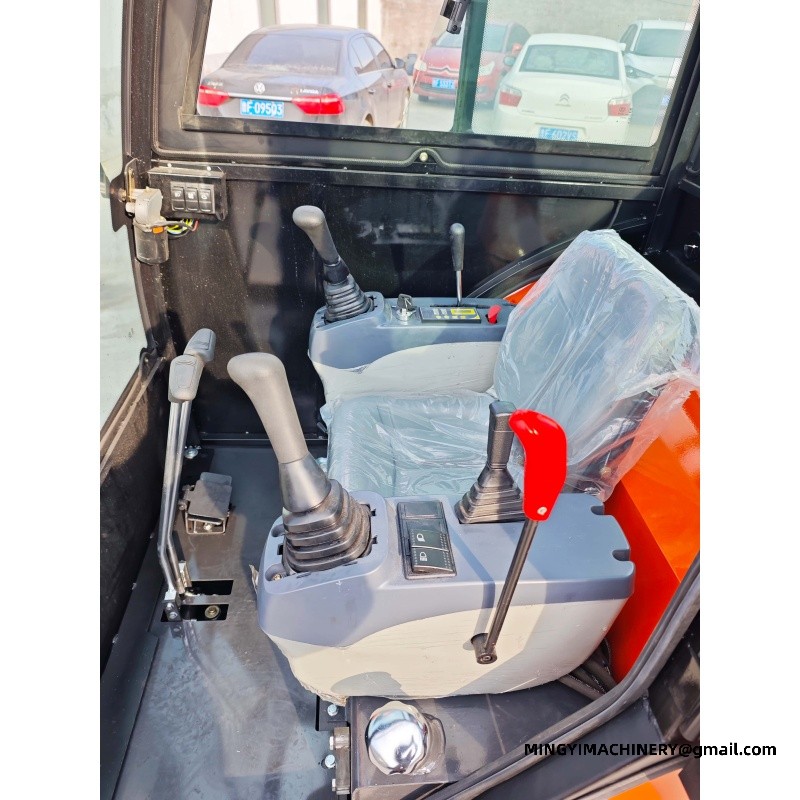
Verges are soft for much of the year, so track selection matters more than raw digging force. Steel tracks with rubber blocks give grip on wet grass and mud yet still let the machine cross tarmac drives and footpaths when moving between sites.
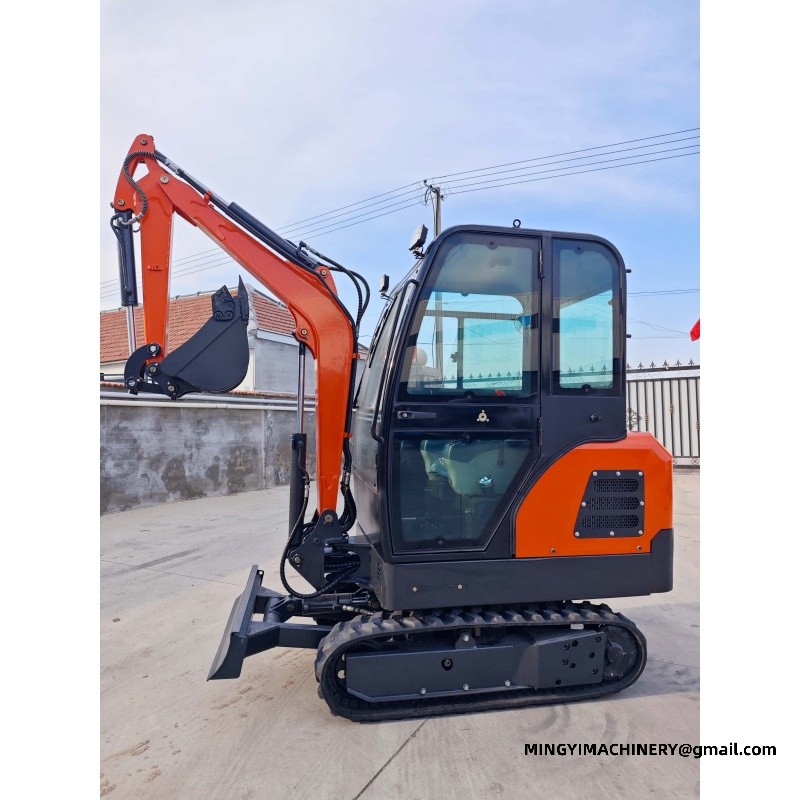
Where ditches run behind guardrails or close to fences, a swing boom reaches over the obstruction so the machine stays on firm ground. Engine choice, usually a Kubota or YANMAR unit in this class, can be confirmed alongside these options at the ordering stage.
Describe the drainage assets you maintain and the worst ground you expect, and the machine will be matched to both. Mingyi Machinery builds for export and packs each unit so it arrives ready for the ditch cleaning season rather than waiting on further parts.
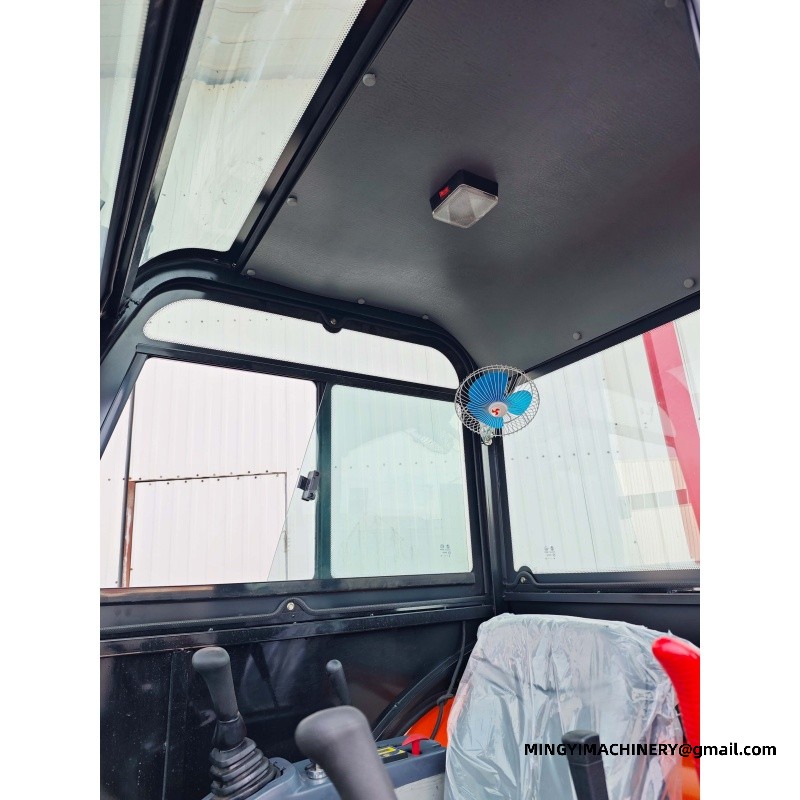
Export packing and shipping of mini excavator for roadside drainage Machines leave the factory prepared for container or flat rack shipment. The excavator is normally shipped with the attachment set and the spare parts list agreed in advance so the container is planned once. Export documentation, decals and paint are settled before packing. Asking for them with the This class of machine order avoids a second handling session and keeps the machine on the booked vessel. Boom configuration for mini excavator for roadside drainage A swing boom lets the machine dig parallel to its tracks without repositioning, which is what makes trenching beside a wall or a fence practical. On the unit in daily use this is often the option that decides whether a job is possible at all. Extended and offset boom configurations change reach and working range. A machine of this size with a longer arm reaches further but lifts less at full extension, so the specification is set against the deepest and furthest point on the job list. Noise, dust and working near occupied buildings Enclosure and machine condition both reduce noise. The equipment on site with intact panels, sound mounts and a maintained exhaust is measurably quieter than the same machine with loose guards, and the difference matters on restricted sites. Dust control is often part of the same conversation. Water, timing and work sequence reduce what leaves the site, and agreeing them in advance keeps the machine itself working rather than stopped after a complaint. Matching mini excavator for roadside drainage to ground conditions Soft ground is a flotation problem, not a power problem. The model in question on wide rubber tracks crosses lawn, sand and cultivated soil that would stop a narrower machine or a wheeled unit of the same capacity. Hard and abrasive ground reverses the specification. On rock, demolition rubble or sharp gravel, steel tracks with rubber blocks on the machine in that duty survive conditions that cut a rubber belt quickly. Quick coupler practice on mini excavator for roadside drainage Couplers are specified early because they affect the arm and the hydraulic kit. Adding one to the unit on the job after delivery means new pins, new hoses and a fitment session; adding it at build time is a line on the sheet. For a fleet that shares attachments between machines, a common coupler standard matters more than the coupler brand. A machine built for the work that picks up the same tools as the larger machines keeps the rack usable across the yard. Working near live services with mini excavator for roadside drainage Digging near water, gas and cable is a precision job. The equipment in service is used here because the operator can work in short controlled cuts and because the machine can be positioned without driving over the run being exposed. The risk on utility work is not machine power but machine placement. The excavator that fits the working width leaves the surrounding ground undisturbed, which keeps the trench stable and the reinstatement small. Road and paving work for this class of machine Patching and reinstatement favour a machine that can work in a lane closure. The unit in daily use occupies less road than a full-size excavator, which reduces the traffic management needed and the length of the closure. Breaking out a failed slab and backfilling the same hole in one visit is normal work for a machine of this size. The breaker and the bucket come off the same coupler, so the road is reopened the same day. Hydraulic circuits on the equipment on site Flow and pressure are matched to the tool, not to the machine size. Asking for the attachment list first means the machine itself leaves the factory with circuits that suit the heaviest tool the buyer intends to run. Hydraulic specification is easier to settle at build time than to correct later. The model in question delivered without auxiliary lines can still dig, but every additional tool becomes a retrofit project. Track choice for the machine in that duty Rubber tracks suit paved and landscaped ground because they spread the machine weight and leave the surface intact. Steel tracks with rubber blocks are specified where the ground is rougher or the working day is longer, and the choice can be made per machine rather than accepted as a factory default. Track type changes what the machine can cross and what it leaves behind. Buyers specify rubber for lawns, driveways and municipal work, and steel with rubber blocks for sites where sharp material would cut a rubber belt in a week. Engine options behind the unit on the job Power unit selection is settled against the service network the buyer already uses. MINGYI offers Kubota D722, Kubota D902, YANMAR, Changchai, Laidong, Runtong, YARMAX, Youpu 2V80 and Youpu 195, so a fleet running one brand of engine can keep the same filters, the same parts supplier and the same mechanic. Two buyers can order the same a machine built for the work and receive different engines. The decision is rarely about peak power; it is about which parts counter is closest to the site and which engine the local mechanic already knows. Running the equipment in service in a rental fleet The specification that rents best is usually the simplest one to explain at the counter. The excavator with rubber tracks, a canopy and a coupler covers the majority of weekend and short-term hires. Fleet buyers also weigh transport. This class of machine that a customer can tow on a normal licence and a standard trailer is a hire that does not need a delivery truck, which changes how often it goes out. Specification data for the unit in daily use Buyers comparing a machine of this size usually start from four numbers - weight, digging depth, reach and transport width - because those are the ones that decide whether the machine can be delivered and whether it can do the job once it is there. These are the reference figures for the equipment on site. MINGYI confirms the final build sheet, including engine and attachment choices, against the destination and the job list before production. Ditching, fertilising and drainage on farmland suit the machine itself because the work is spread over a large area in short bursts. The machine travels behind a pickup and works where it stops. Farms also use the model in question for general maintenance - clearing a watercourse, repairing a track, loading a spreader. One carrier with a few attachments covers most of the jobs that would otherwise wait for a contractor.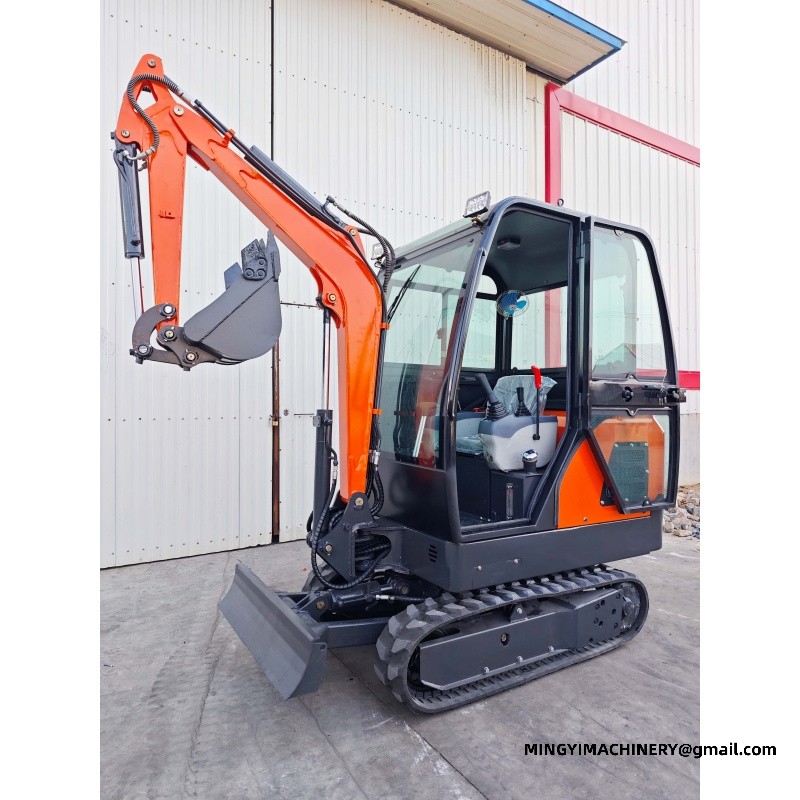
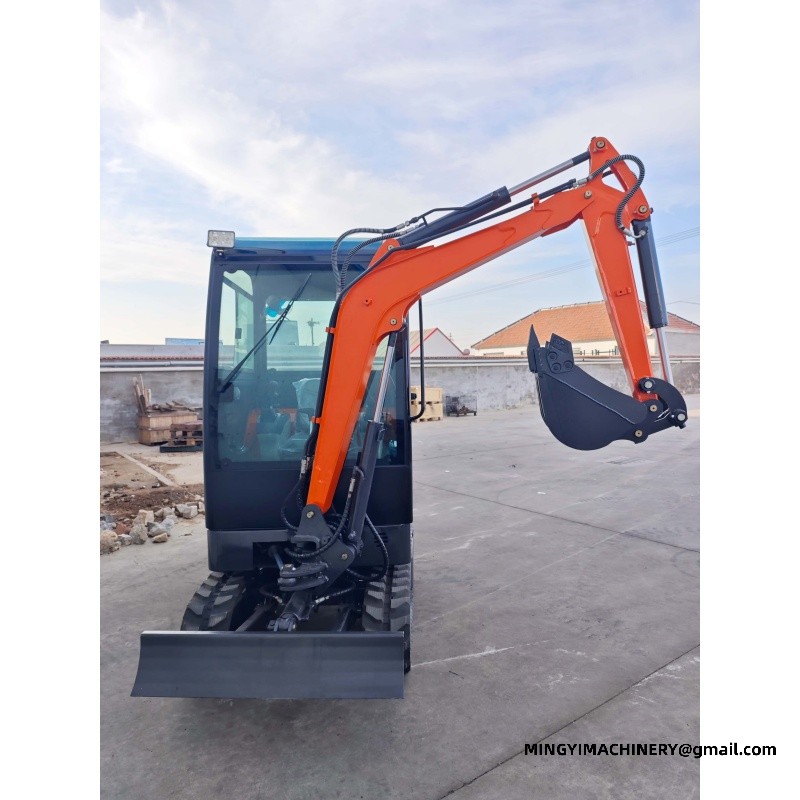
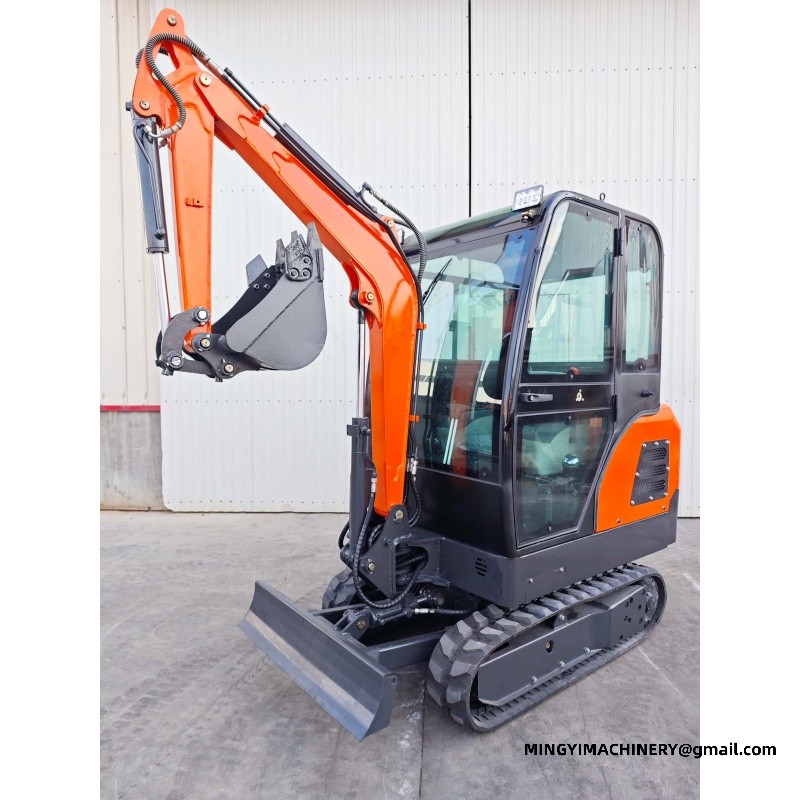
Reference specification — mini excavator range 20-1W 20-3W 30-1W 30-2W Operating weight 1800 kg (3968.32 lb) 1900 kg (4188.78 lb) 2900 kg (6393.41 lb) 2700 kg (5952.48 lb) Transport size (L×W×H) 2550 × 1100 × 2200 mm 2550 × 1100 × 2200 mm 3000 × 1250 × 2780 mm 3000 × 1100 × 2700 mm Max digging depth 1800 mm (70.87 in) 1800 mm (70.87 in) 2200 mm (86.61 in) 2200 mm (86.61 in) Max digging height 2820 mm (111.02 in) 2820 mm (111.02 in) 3400 mm (133.86 in) 3000 mm (118.11 in) Max dumping height 2050 mm (80.71 in) 2050 mm (80.71 in) 2400 mm (94.49 in) 2000 mm (78.74 in) Max digging radius 3050 mm (120.08 in) 3050 mm (120.08 in) 4000 mm (157.48 in) 3800 mm (149.61 in) Max digging distance 2300 mm (90.55 in) 2300 mm (90.55 in) 2800 mm (110.24 in) 3050 mm (120.08 in) Minimum turning radius 1450 mm (57.09 in) 1450 mm (57.09 in) 2000 mm (78.74 in) 1750 mm (68.9 in) Travel speed 5 km/h (3.11 mph) 5 km/h (3.11 mph) 5 km/h (3.11 mph) 7 km/h (4.35 mph) Gradeability 30° 30° 30° 30° Fuel consumption 2-3 L/h (0.528—0.793 gal) 2-3 L/h (0.528—0.793 gal) 2-3 L/h (0.528—0.793 gal) 2-3 L/h (0.528—0.793 gal) Fuel tank capacity 16 L (4.23 gal) 16 L (4.23 gal) 16 L (4.23 gal) 16 L (4.23 gal) Hydraulic oil tank 18 L (4.76 gal) 18 L (4.76 gal) 20 L (5.28 gal) 20 L (5.28 gal) Dozer blade lift height 180 mm (7.09 in) 180 mm (7.09 in) 420 mm (16.54 in) 230 mm (9.06 in) Dozer blade drop depth 210 mm (8.27 in) 210 mm (8.27 in) 210 mm (8.27 in) 280 mm (11.02 in)
Q. Who chooses the machine in that duty?
A. Trenching is the bread and butter of compact excavators: cable runs, pipe laying, drainage and service ducts all come down to a clean, straight cut at controlled depth. A bucket too wide pulls more spoil than the job needs and leaves a messy backfill; a bucket matched to the service keeps the cut clean. For roadside drainage applications the practical route is to send the job list to the factory and let the build sheet answer it - which is exactly what this page invites.
Q. Which bucket digs a clean trench?
A. A narrow trenching bucket matched to the pipe or cable, with teeth only when the ground is hard. MINGYI specifications bucket widths with the machine, so the trench and the tool arrive matched instead of guessed.
Q. Does MINGYI supply attachments with the machine?
A. Yes - buckets, breakers, augers, rakes and the rest of the working set ship with the carrier, matched to the hydraulic flow and the coupler. For roadside drainage the package is confirmed on the build sheet, so machine and tools arrive together and start work together.
Packing, loading and shipment of the unit on the job
Export packing is part of the machine, not an afterthought. A machine built for the work is blocked and braced inside the container so that it arrives in the same condition it left, and the load plan is decided by the dimensions rather than by what fits loosely.
Hot, humid and dusty conditions around the equipment in service
Dust is the enemy of every rotating joint. Keeping the radiator and the air intake of the excavator clean, and cleaning them before they are blocked rather than after, is what separates a machine that lasts from one that overheats.
E-mail : sales@mingycn.com
LINE ( ID ): mingyicn
Related pages
mini excavator for grounds maintenance · rubber tracked mini excavator · Hydraulic Wheel Loader Log Grapple: Circuit and Cylinders · Mini Excavators









