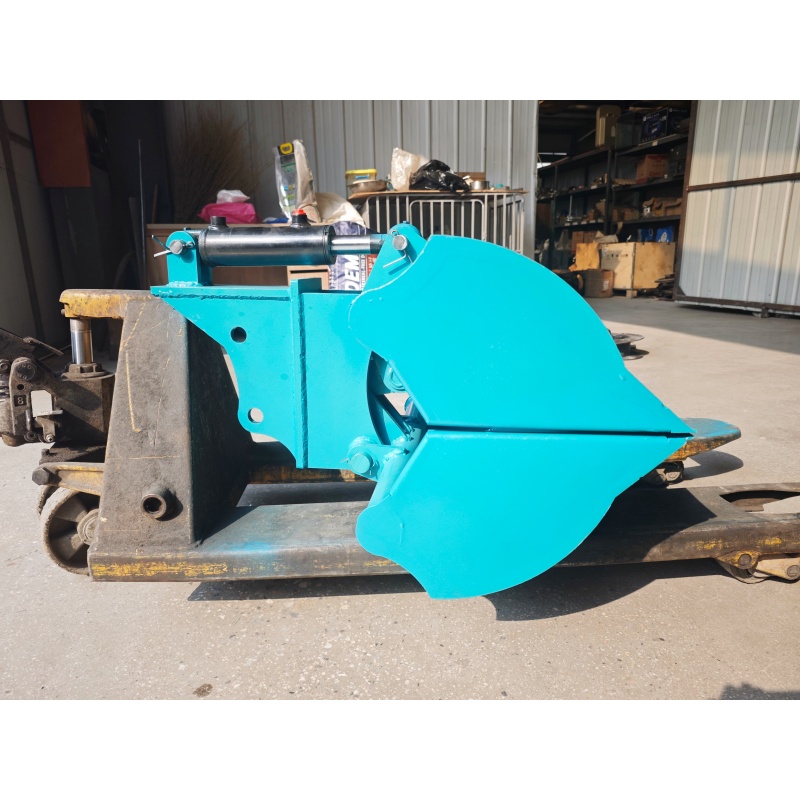
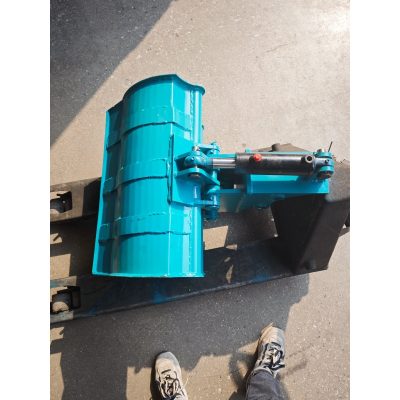
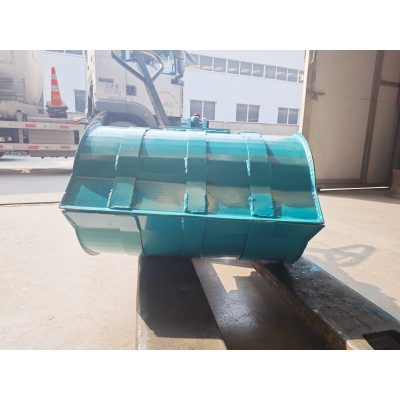
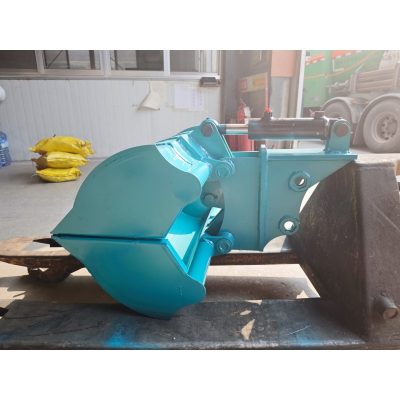
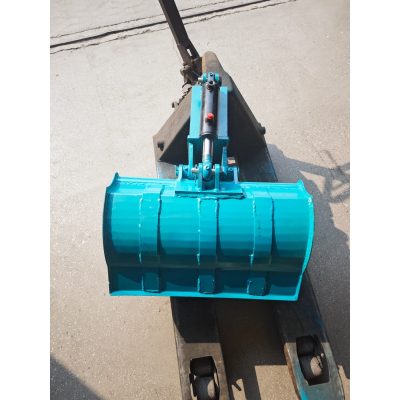
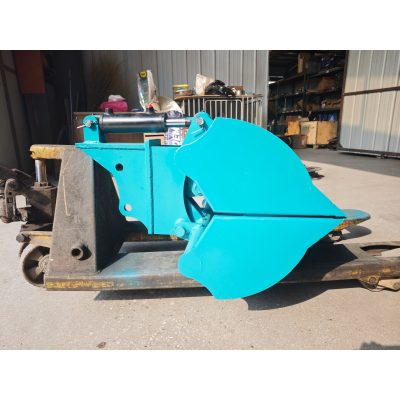
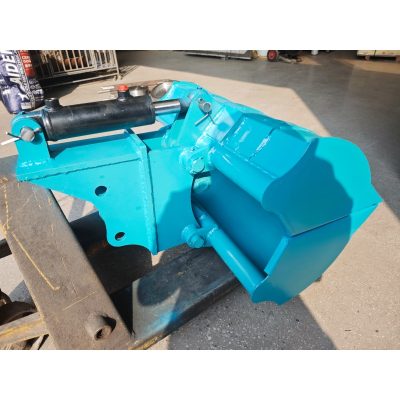
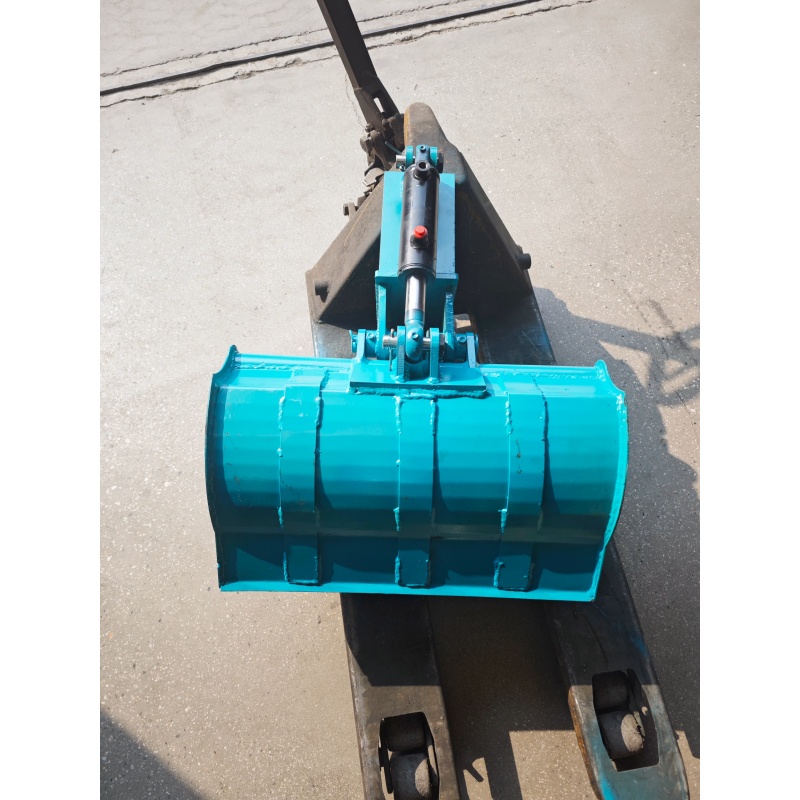
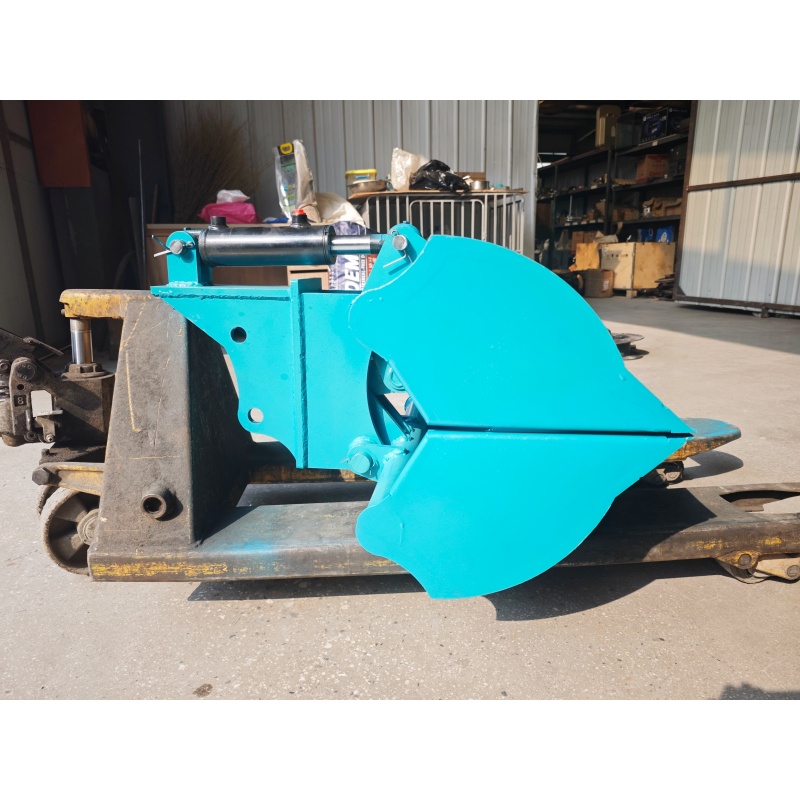
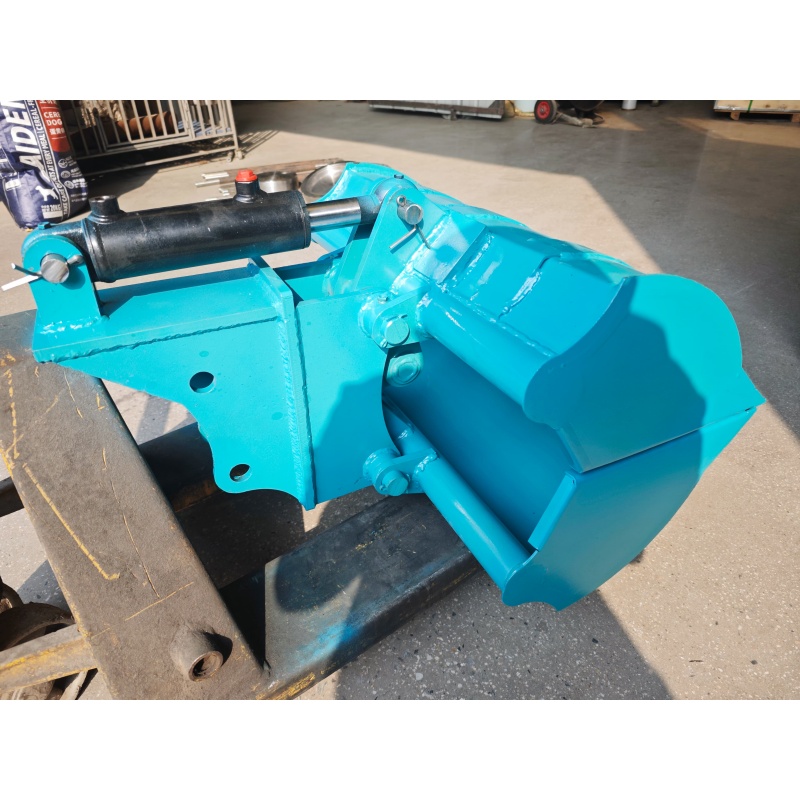
Loose material is awkward for a standard digging bucket, which tends to spill rather than scoop. A shell bucket is shaped to hold sand, gravel and similar loads on the way to the dumper, reducing the number of passes.
MINGYI supplies shell buckets for its mini crawler excavators, matched to the coupler and the machine class at ordering. The bucket can be fitted as a second attachment alongside the digging bucket.
Where a shell bucket earns its place
Sand, gravel, topsoil and loose site spoil are the materials a shell bucket handles well. Its deeper body and closing jaw keep the load in place, which cuts the spillage that a plain bucket allows on the swing.
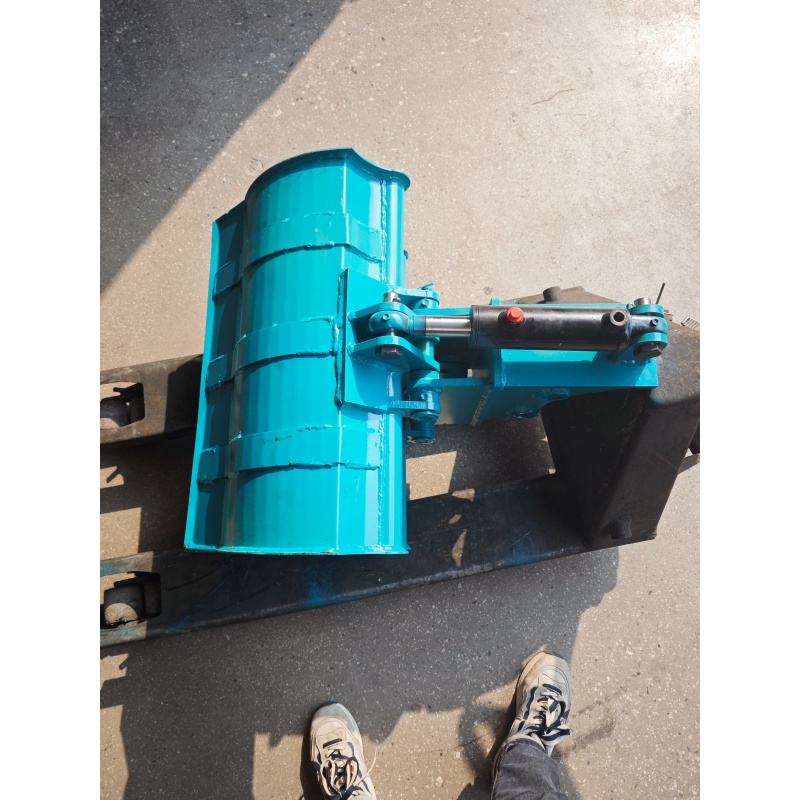
For work around drainage or foundations, placing loose material without losing half of it on the way makes the bucket useful for backfilling as well as for loading.
Pairing a shell bucket with the carrier
The bucket has to match the pin size and coupler used by the machine, so the fitting is confirmed at ordering. A hydraulic coupler lets the operator change between the shell bucket and a digging bucket from the seat.
Where several attachments are used, a quick coupler is the practical way to keep the range available on site. Shell, skeleton and digging buckets can then cover loading, screening and trenching on one carrier.
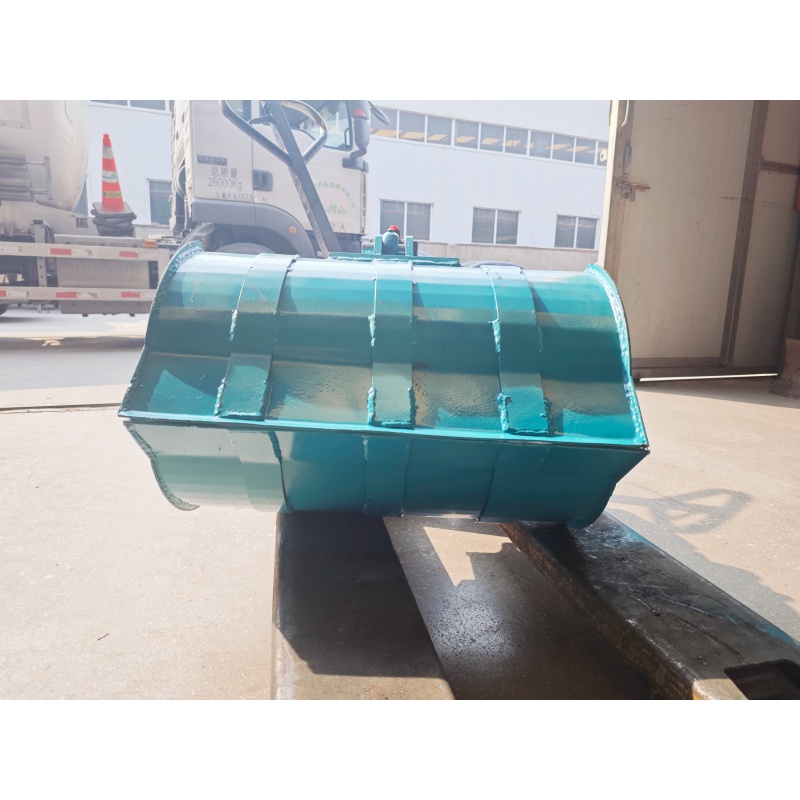
Bucket size, coupler and machine class should all be confirmed at the ordering stage. Settling them together is what keeps a shell bucket usable across the range of loose material a site produces.
Working a shell bucket for mini excavators through the seasons Weather decides which days are productive. Rain turns some ground unusable and cold changes how the excavator starts and warms up, so planning the wet months around maintenance is more useful than planning around output. Heat and dust are as limiting as rain. Air intake condition and cooling cleanliness decide how this class of machine behaves in a dry season, and both are checked in a minute rather than repaired later. Orchard, vineyard and farm use of shell bucket for mini excavators Ditching, fertilising and drainage on farmland suit the unit in daily use because the work is spread over a large area in short bursts. The machine travels behind a pickup and works where it stops. Farms also use a machine of this size for general maintenance - clearing a watercourse, repairing a track, loading a spreader. One carrier with a few attachments covers most of the jobs that would otherwise wait for a contractor. OEM and fleet customisation of shell bucket for mini excavators Customisation also covers the specification sheet. A fleet buyer may want every machine itself delivered with the same coupler, the same engine and the same tool kit so training and parts stock stay simple. Documentation can be prepared to suit the importer. Manuals, parts books and decal sets for the equipment on site can be supplied with the buyer's own branding where the order size justifies it. Getting shell bucket for mini excavators through a narrow gap The first question on most job lists is whether the machine can reach the work at all. The model in question is chosen against the narrowest point on the route - a garden gate, a doorway, a gap between two walls - because a machine that arrives and then cannot pass loses a day, not an hour. Access decides the machine before output does. With the machine in that duty the limiting dimension is usually the widest point on the way in, so measuring the gate, the corridor and the turning space first saves a wasted delivery and a second visit. Running shell bucket for mini excavators in a rental fleet The specification that rents best is usually the simplest one to explain at the counter. The unit on the job with rubber tracks, a canopy and a coupler covers the majority of weekend and short-term hires. Fleet buyers also weigh transport. A machine built for the work that a customer can tow on a normal licence and a standard trailer is a hire that does not need a delivery truck, which changes how often it goes out. Road and paving work for shell bucket for mini excavators Road repair generates short, interrupted jobs - a patch, a drainage connection, a kerb line. The equipment in service is economical here because it travels on a small trailer and starts working minutes after arriving. Breaking out a failed slab and backfilling the same hole in one visit is normal work for the excavator. The breaker and the bucket come off the same coupler, so the road is reopened the same day. Quick coupler practice on this class of machine Couplers are specified early because they affect the arm and the hydraulic kit. Adding one to the unit in daily use after delivery means new pins, new hoses and a fitment session; adding it at build time is a line on the sheet. For a fleet that shares attachments between machines, a common coupler standard matters more than the coupler brand. A machine of this size that picks up the same tools as the larger machines keeps the rack usable across the yard. Acceptance checks when the equipment on site arrives Delivery day is the best time to find a problem. Checking the specification against the order, the fluid levels, the fasteners and any transport damage while the model in question is still on the trailer is faster than claiming later. Documentation should arrive with the machine. Parts list, service schedule and any certificates for the machine itself are what the workshop needs later, and they are much easier to obtain at delivery than in month six. Canopy or enclosed cab on the machine in that duty The cab decision follows the climate and the hours. Operators working a full shift in the unit on the job benefit from a sealed cab with wipers and heating; operators stepping on and off every few minutes usually prefer the canopy for the visibility and the quick exit. Enclosure also changes noise and dust exposure. A sealed cab on a machine built for the work keeps dust out on dry sites and lets the machine work through weather that would otherwise stop a canopy machine for the day. Working near live services with the equipment in service Digging near water, gas and cable is a precision job. The excavator is used here because the operator can work in short controlled cuts and because the machine can be positioned without driving over the run being exposed. The risk on utility work is not machine power but machine placement. This class of machine that fits the working width leaves the surrounding ground undisturbed, which keeps the trench stable and the reinstatement small. Track choice for the unit in daily use Rubber tracks suit paved and landscaped ground because they spread the machine weight and leave the surface intact. Steel tracks with rubber blocks are specified where the ground is rougher or the working day is longer, and the choice can be made per machine rather than accepted as a factory default. Track type changes what the machine can cross and what it leaves behind. Buyers specify rubber for lawns, driveways and municipal work, and steel with rubber blocks for sites where sharp material would cut a rubber belt in a week. Matching a machine of this size to ground conditions Soft ground is a flotation problem, not a power problem. The equipment on site on wide rubber tracks crosses lawn, sand and cultivated soil that would stop a narrower machine or a wheeled unit of the same capacity. Hard and abrasive ground reverses the specification. On rock, demolition rubble or sharp gravel, steel tracks with rubber blocks on the machine itself survive conditions that cut a rubber belt quickly. Noise, dust and working near occupied buildings Work near housing or occupied premises brings constraints that open sites do not. Start times, exhaust condition and how often a Noise, dust and working near occupied buildings needs to reverse are the practical limits that neighbours notice. Specification data for the model in question The figures below are the factory figures for the models most often matched to the machine in that duty. They are the numbers to check against the site: the depth the work needs, the reach from one position, and the width of the narrowest point on the route in. These are the reference figures for the unit on the job. MINGYI confirms the final build sheet, including engine and attachment choices, against the destination and the job list before production. Enclosure and machine condition both reduce noise. A machine built for the work with intact panels, sound mounts and a maintained exhaust is measurably quieter than the same machine with loose guards, and the difference matters on restricted sites. Dust control is often part of the same conversation. Water, timing and work sequence reduce what leaves the site, and agreeing them in advance keeps the equipment in service working rather than stopped after a complaint.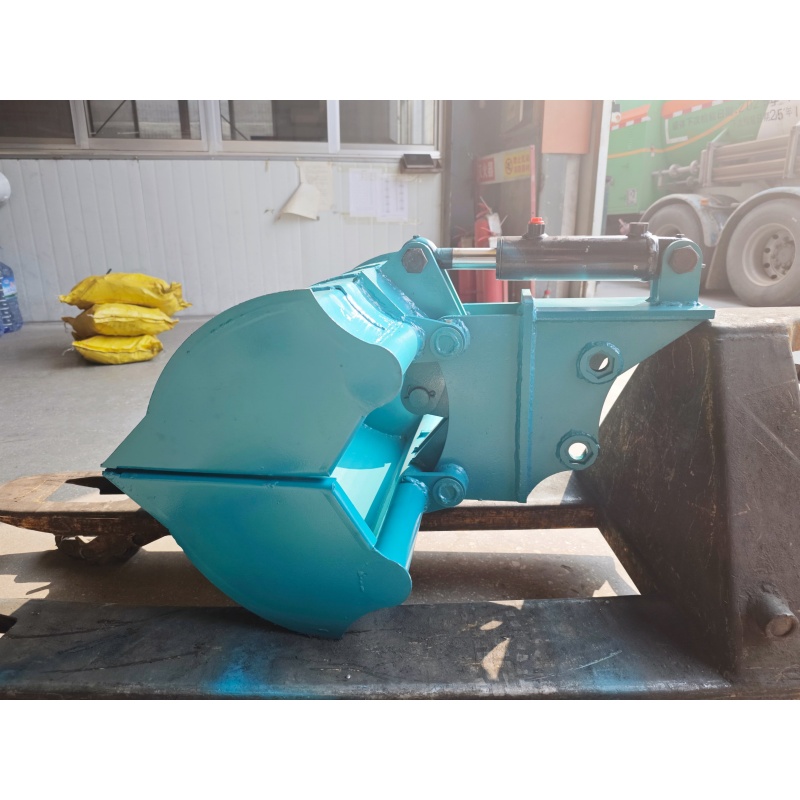
Reference specification — mini excavator range 12W 30-1W 12L 30-2L Operating weight 1200 kg (2645.55 lb) 2900 kg (6393.41 lb) 1200 kg (2645.55 lb) 2400 kg (5291 lb) Transport size (L×W×H) 2200 × 930 × 2250 mm 3000 × 1250 × 2780 mm 2200 × 930 × 2250 mm 2800 × 1500 × 2500 mm Max digging depth 1630 mm (64.17 in) 2200 mm (86.61 in) 1700 mm (66.93 in) 2200 mm (86.61 in) Max digging height 2750 mm (108.27 in) 3400 mm (133.86 in) 2600 mm (102.36 in) 2900 mm (114.17 in) Max dumping height 1960 mm (77.17 in) 2400 mm (94.49 in) 1800 mm (70.87 in) 2100 mm (82.68 in) Max digging radius 2900 mm (114.17 in) 4000 mm (157.48 in) 2900 mm (114.17 in) 3330 mm (131.1 in) Max digging distance 2100 mm (82.68 in) 2800 mm (110.24 in) 2300 mm (90.55 in) 2700 mm (106.3 in) Minimum turning radius 1300 mm (51.18 in) 2000 mm (78.74 in) 1450 mm (57.09 in) 1555 mm (61.22 in) Travel speed 3 km/h (1.86 mph) 5 km/h (3.11 mph) 3 km/h (1.86 mph) 7 km/h (4.35 mph) Gradeability 30° 30° 30° 30° Fuel consumption 1-1.3 L/h (0.264—0.343 gal) 2-3 L/h (0.528—0.793 gal) 1-1.3 L/h (0.264—0.343 gal) 2-3 L/h (0.528—0.793 gal) Fuel tank capacity 10 L (2.64 gal) 16 L (4.23 gal) 10 L (2.64 gal) 16 L (4.23 gal) Hydraulic oil tank 16 L (4.23 gal) 20 L (5.28 gal) 16 L (4.23 gal) 18 L (4.76 gal) Dozer blade lift height 180 mm (7.09 in) 420 mm (16.54 in) 180 mm (7.09 in) 230 mm (9.06 in) Dozer blade drop depth 210 mm (8.27 in) 210 mm (8.27 in) 210 mm (8.27 in) 280 mm (11.02 in)
Q. Who uses the excavator?
A. An attachment widens the range of jobs a single compact excavator can specification and win, which is why the working set matters as much as the base machine. The quick coupler makes the changeover a minute job at the trench edge, and mechanical tools need no hydraulic lines at all. This class of machine is one of the pages buyers land on when comparing machines for mini excavators, and the factory treats it as a specification conversation rather than a catalogue line.
Q. What does the attachment add to daily work?
A. Reach into jobs the bucket alone cannot specification: grading with a tilting bucket, clearing with a rake, drilling with an auger, lifting with a thumb. One carrier, several trades - the machine stays on site earning instead of waiting for a specialist.
Q. Which models does MINGYI build?
A. The 08, 12 and 18 models cover the 0.8 to 6 tonne class with engine, track, cab and attachment options across the range - dealer programmes can mix models in one shipment, and each mini excavators machine is confirmed on its own build sheet.
Later additions and retrofits on the unit in daily use
An added function should pay for itself quickly. Whether a machine of this size gains a different bucket, a hydraulic service or a protection package, the test is the number of days a year it is actually used.
Packing, loading and shipment of the equipment on site
Export packing is part of the machine, not an afterthought. The machine itself is blocked and braced inside the container so that it arrives in the same condition it left, and the load plan is decided by the dimensions rather than by what fits loosely.
E-mail : sales@mingycn.com
LINE ( ID ): mingyicn
Related pages
grass rake attachment for mini excavators · grass rake for mini excavators · Front End Loader Manufacturer: Boom, Hinge and Frame Records · Mini Excavators









