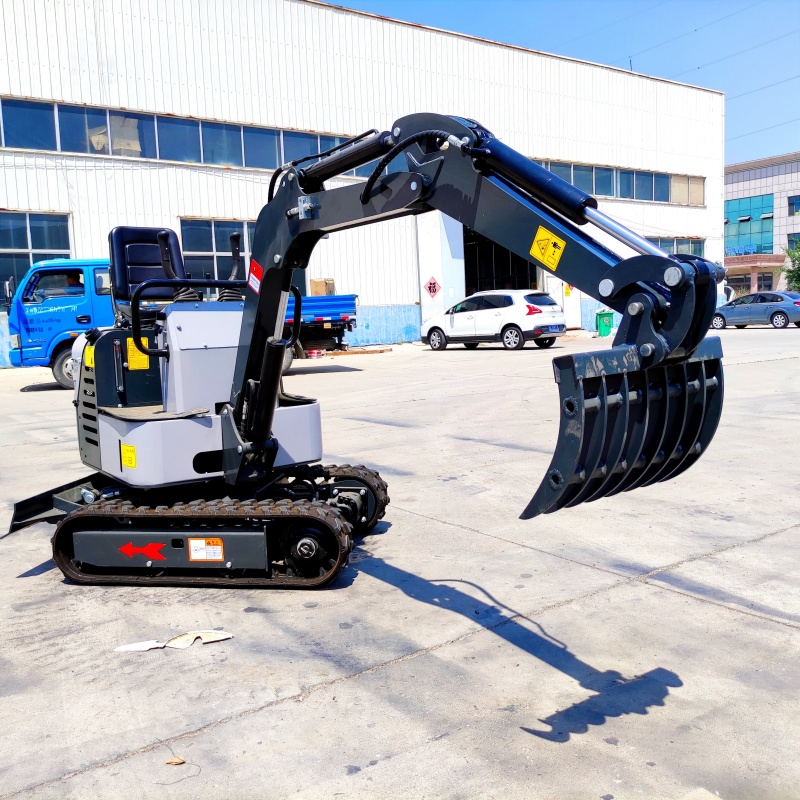
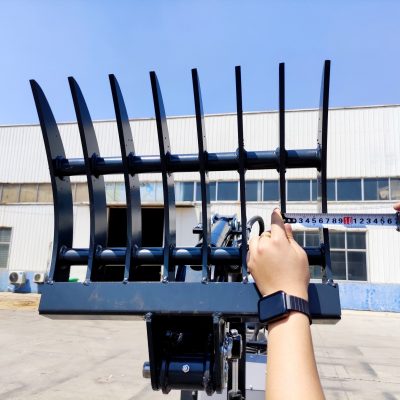
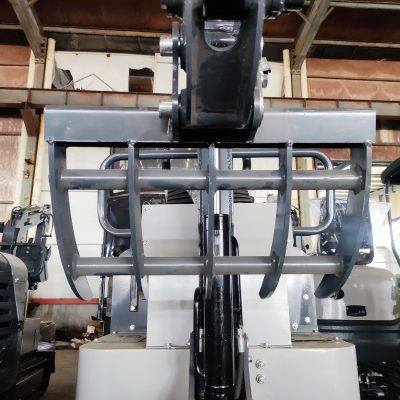
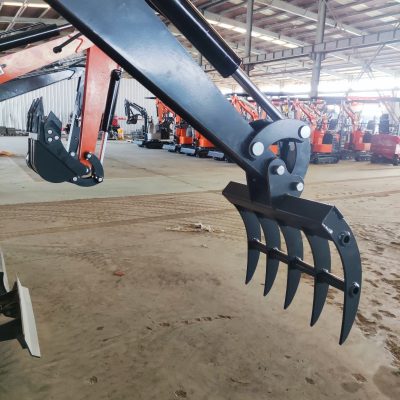
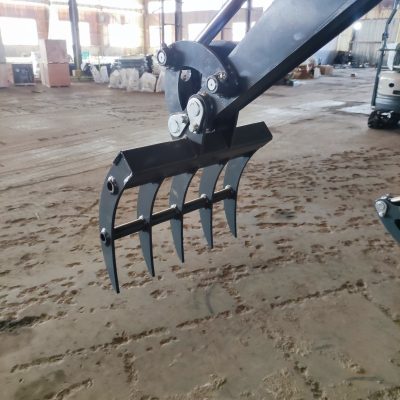
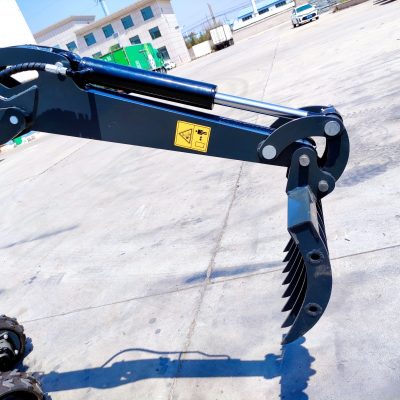
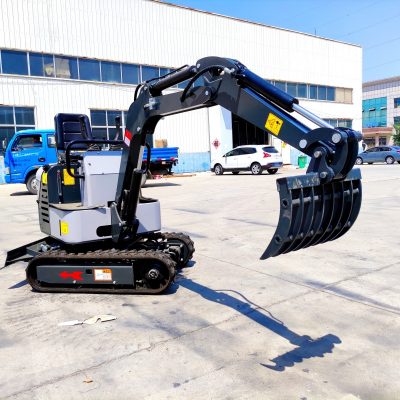
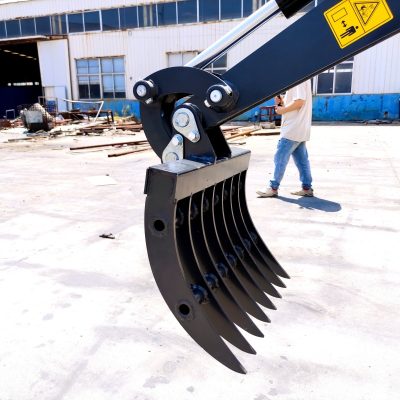
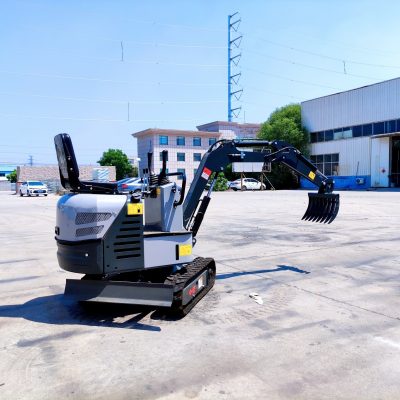
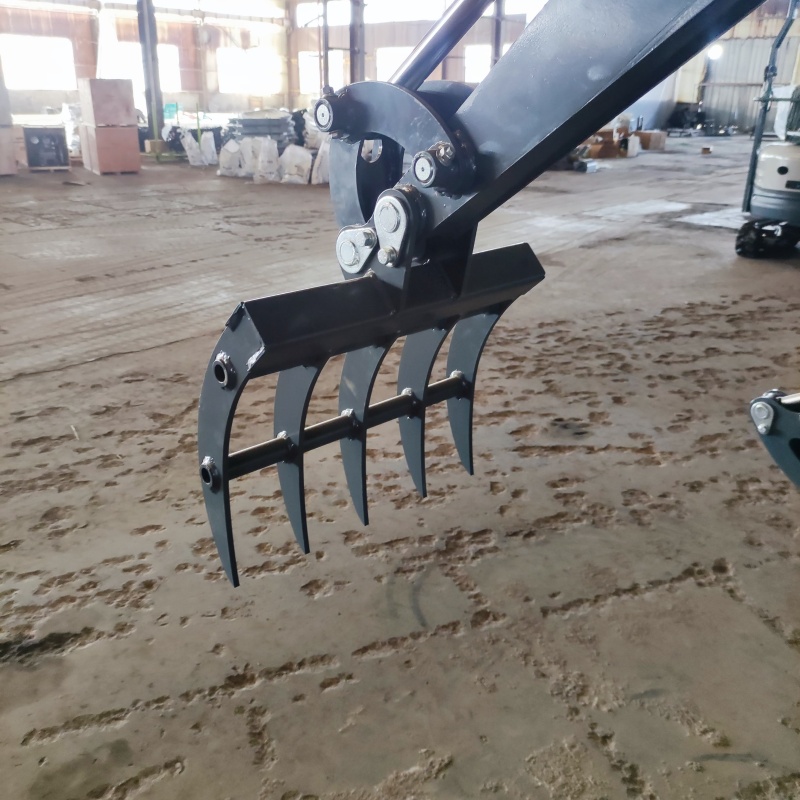
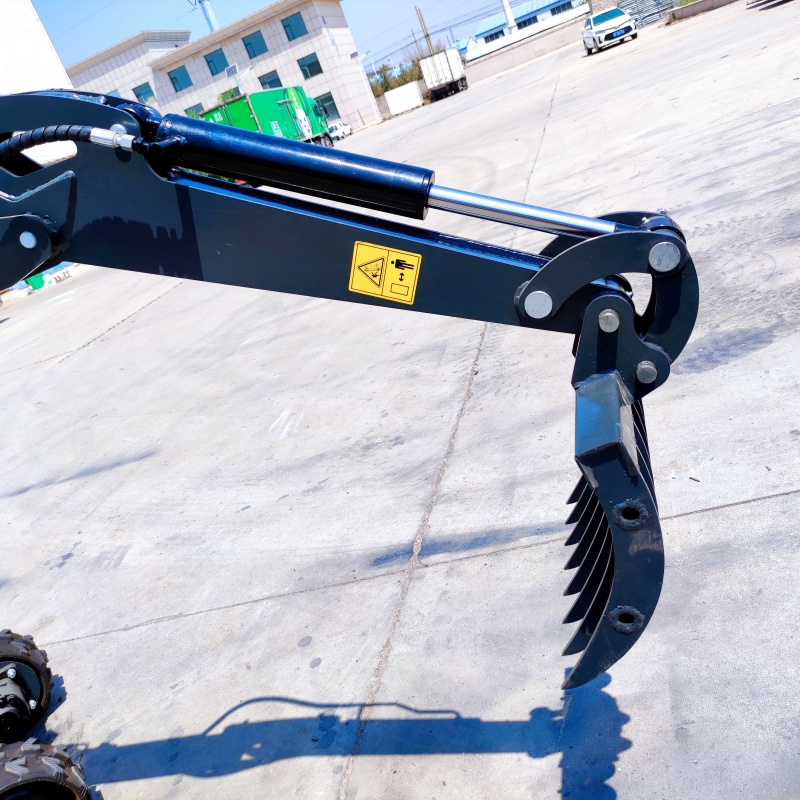
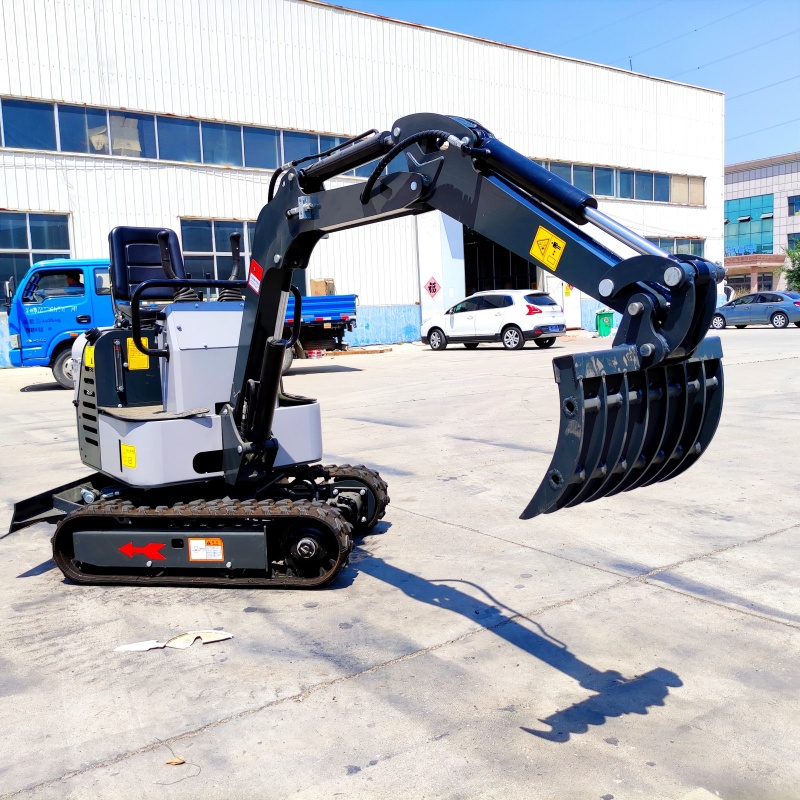
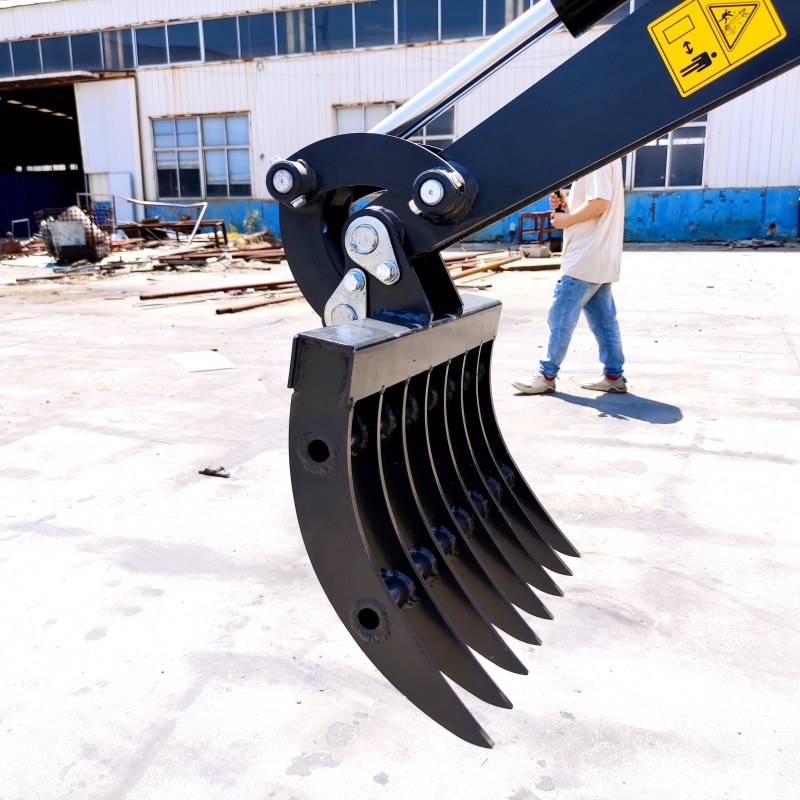
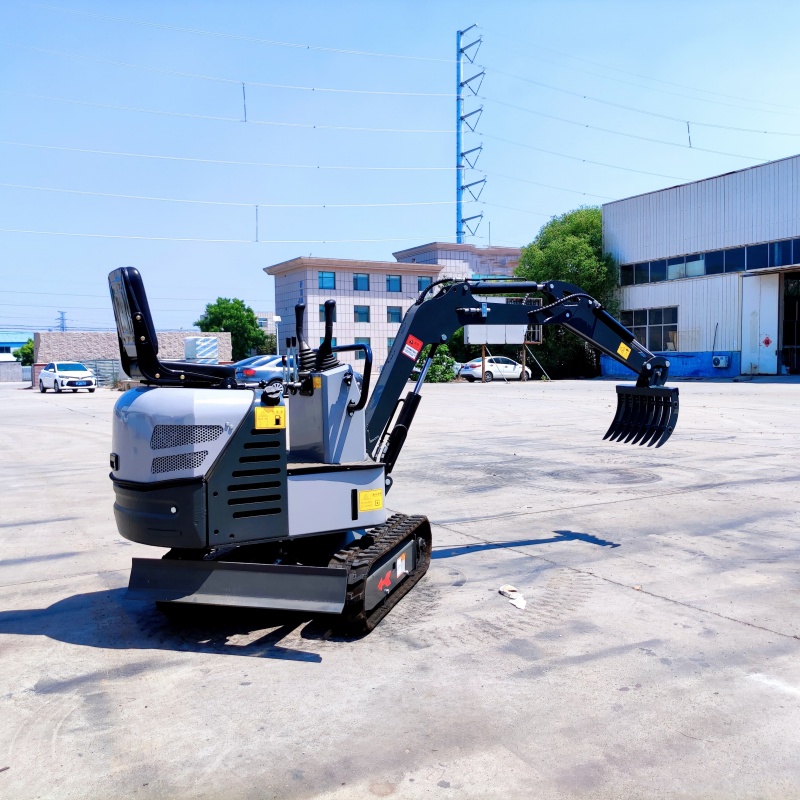
Grounds maintenance crews need two motions from one carrier: gather the debris, then work the soil for the next planting. MINGYI supplies the multi functional grass rake and rotary tiller attachments for its compact excavators, with sizes matched to the machine order.
The rake collects cut grass, leaves, windrow material and light stones, while the tiller breaks and levels soil for beds, verges and new lawn areas. Both mount through the quick coupler, so the change happens between tasks rather than between days.
This pairing is ordered for grounds maintenance rounds, and the working width is agreed with the buyer.
| Checkpoint | What to settle for this machine |
|---|---|
| Carrier machine | Compact excavators, with sizes matched to the machine order |
| Work it takes on | Rake collects cut grass, leaves, windrow material and light stones; tiller breaks and levels soil for beds, verges and new lawn |
| Ground and material | Beds, verges, lawn areas and estate drives |
| Mounting and hydraulics | Both heads mount through the quick coupler; hydraulic capacity, mounting interface and stability set the limits |
| Confirmed at order stage | Working width agreed at ordering, since a rake for estate drives differs from one for gated gardens |
| Handover and upkeep | Tine and blade wear parts supplied with the tool, along with service information for routine replacement |
Raking and tilling in one green project round
After mowing or a storm, the rake clears the surface in wide passes and leaves collected material in windrows for pickup. Around planted beds the same tool removes litter and debris without disturbing the plants, which hand raking cannot match for pace.
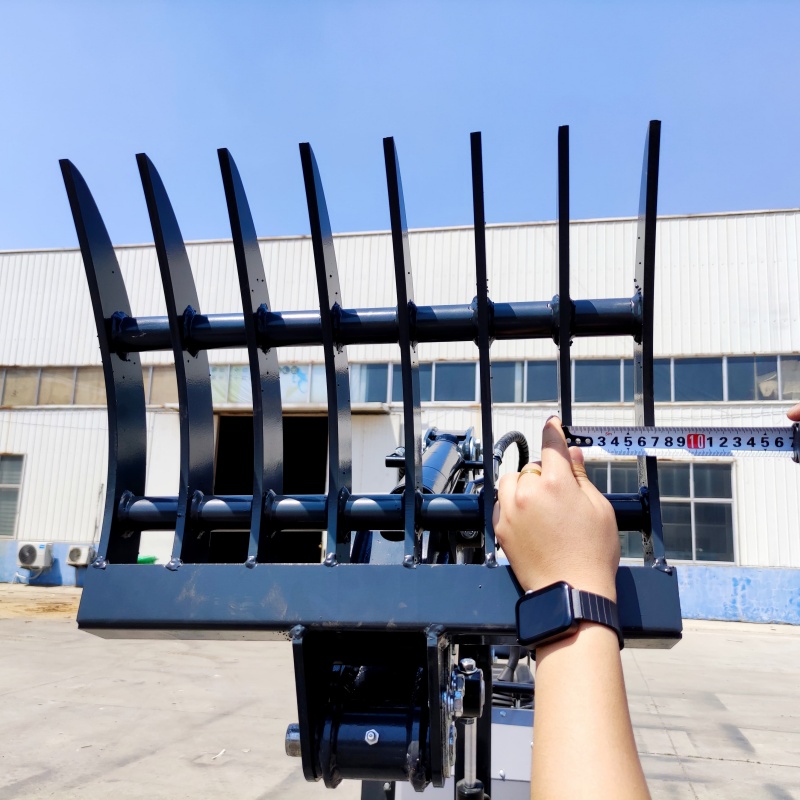
The rotary tiller then works the cleared ground to a planting finish, mixing in soil conditioners and breaking the crust that stops water reaching roots. For bed renovation and verge repair, this sequence replaces manual digging crews on the same round.
Customising the attachment size to the site
Working width is set with the buyer at the ordering stage, since a rake for estate drives differs from one for gated garden paths. The attachment frame is matched to the carrier model and the configuration is recorded against the machine.
Tine and blade wear parts come with the tool along with the service information for routine replacement. Buyers who describe their typical ground get a better matched working set.
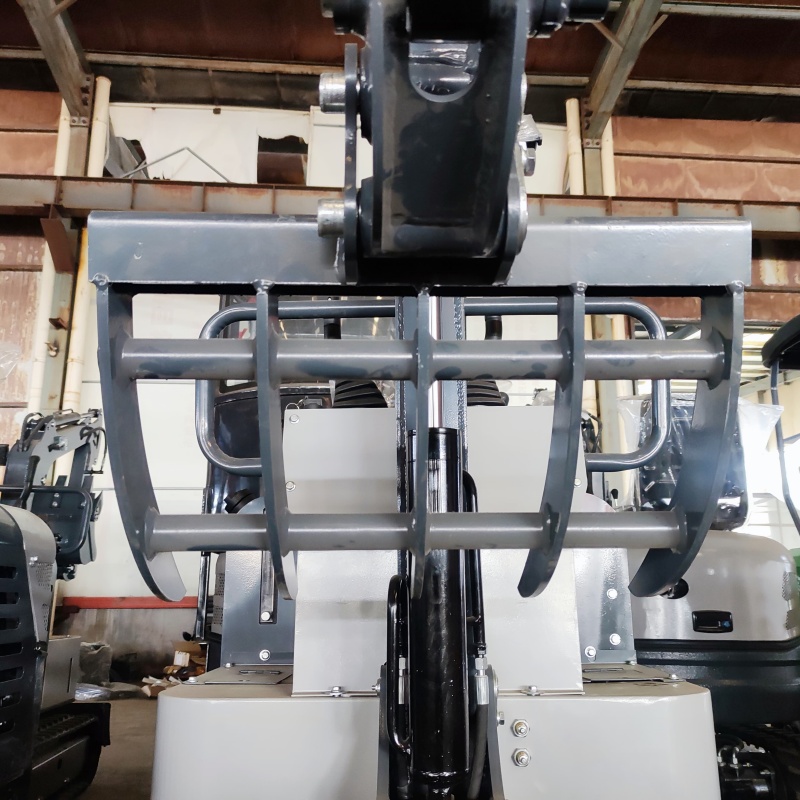
The rake and tiller pair turns a compact excavator into a grounds maintenance unit that clears and prepares in the same visit. MINGYI fixes the widths and carrier match with the buyer before the attachment order is finalised.
Upgrading and reconfiguring grass rake and tiller attachment Upgrades should be checked against the base machine. Hydraulic capacity, mounting interface and stability all limit what can reasonably be added to the excavator, and confirming those limits avoids an unsatisfactory result. The decision is economic as well as technical. Comparing the work of reconfiguring this class of machine against a different machine is a short calculation that usually gives a clear answer. Export packing and shipping of grass rake and tiller attachment Export orders add steps that domestic buyers never see. Packed dimensions, securing points, documentation and any dismantling required are all settled before the unit in daily use leaves the factory, and each one affects the freight booking. Container loading is a planning exercise. Confirming how a machine of this size is packed and how many units fit a container is what turns a per-unit freight estimate into a delivered figure the buyer can actually plan against. Engine and power options behind grass rake and tiller attachment Power unit choice is usually a parts question, not a performance one. Two buyers can order the same the machine itself and sensibly choose different engines, because the right answer depends on which brand the local workshop already supports. Matching the engine to the duty matters more than the peak rating. The equipment on site that spends its day at part load benefits from a different setup than one that works at full output, and the difference shows in fuel use over a season. Attachments and working tools for grass rake and tiller attachment Attachment decisions are best made before delivery. Specifying hydraulics and couplers at build time is simpler than adding them later, and it avoids the downtime of a workshop visit in the first month. Most owners find that the second attachment changes how often the machine is used. The model in question that was bought for one task often becomes the general machine on site once a second tool is available. Lighting and low light operation of grass rake and tiller attachment Visibility from the seat is different at night. Reflections, shadows and glare all hide detail, so the machine in that duty used after dark benefits from clean lenses, working wipers and a slower working pace. Planning helps more than extra lamps. Positioning the unit on the job so that the work is lit from the machine side, and keeping the route clear, does more for safety than adding light to a badly planned task. Fuel use and running demands of grass rake and tiller attachment Consumption is best measured over a full week rather than judged per hour. Idle time, repositioning and waiting for other trades are often the largest share of the fuel a machine built for the work burns on a site. Planning the work to reduce empty movement is free. Fewer repositioning cycles on the equipment in service means less fuel, less wear on the undercarriage or tyres and more of the shift spent on productive work. Load, ballast and stability on the excavator Stability follows the load and its position. Knowing the rated capacity of this class of machine at the working radius, rather than at its best case, is what keeps handling predictable and the machine upright. Ballast and attachment weight change the machine. Adding a heavy tool to the unit in daily use moves the centre of gravity, and the counterweight or configuration should be matched to the tool rather than assumed. Safe working practice around a machine of this size Slopes and edges deserve a separate check. The equipment on site that is stable on level ground behaves differently across a gradient, and the safe working angle is a number worth knowing rather than estimating. Personal protective equipment and a stop rule are simple controls. Agreeing before work starts that anyone can stop the job is the single measure that most often prevents a serious incident near the machine itself. Ordering, lead time and delivery of the model in question Lead time is part of the specification. Confirming build time, shipping method and what is included before ordering the machine in that duty prevents the common gap between when the machine is needed and when it can arrive. Delivery planning includes the receiving end. Knowing whether the unit on the job will be craned, driven or forked off, and whether the site can accept it, is settled before dispatch rather than on the day. Storage and downtime care for a machine built for the work Standing still is hard on machinery. The equipment in service left for weeks benefits from a clean, dry, covered space, a charged battery and a fuel system prepared for the layoff, and all three effort very little. Before-storage preparation prevents most return-to-work faults. Draining or treating fuel, protecting exposed rods and relieving pressure where the maker specifies it are the items worth an hour when the excavator is parked. Parts, service and support for this class of machine Parts availability usually decides the engine and the brand. A machine built around components the local network already carries is serviced from stock, which is the difference between a day lost and a week lost. Remote diagnosis shortens most faults. A walk-around on video with the panels open often identifies the cause on the unit in daily use without waiting for a visit, and avoids shipping a part that turns out not to be needed. Fitting a machine of this size into the wider site plan Machine productivity depends on what happens around it. Deliveries, other trades and the sequence of work decide how much of the shift the equipment on site spends actually working rather than waiting. Sequencing avoids rework. Doing the work in the order that suits the ground and the following trades keeps the machine itself productive and prevents finishing a task that then has to be opened up again.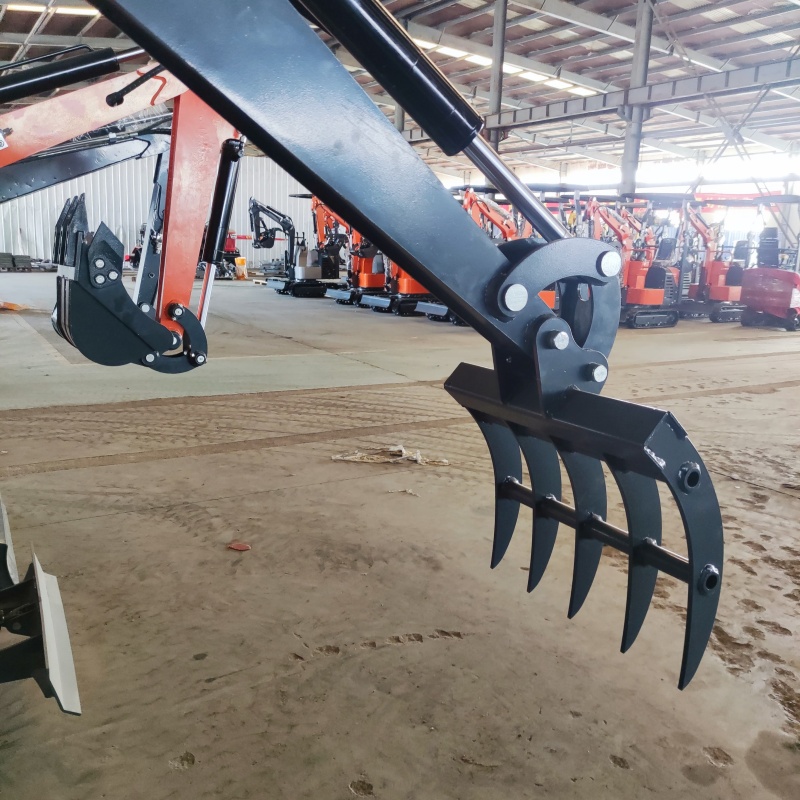
Q. What is the model in question?
A. An attachment widens the range of jobs a single compact excavator can specification and win, which is why the working set matters as much as the base machine. The quick coupler makes the changeover a minute job at the trench edge, and mechanical tools need no hydraulic lines at all. The machine in that duty is one of the pages buyers land on when comparing machines for grass rake tiller attachment, and the factory treats it as a specification conversation rather than a catalogue line.
Q. What does the attachment add to daily work?
A. Reach into jobs the bucket alone cannot specification: grading with a tilting bucket, clearing with a rake, drilling with an auger, lifting with a thumb. One carrier, several trades - the machine stays on site earning instead of waiting for a specialist.
Q. How do I get a specification?
A. Send the model, the destination and the attachment list by email or LINE - the channels listed just below this section. The reply covers the specification, lead time, packing and freight in one document, with the grass rake tiller attachment build sheet attached.
Packing, loading and shipment of the unit on the job
Container loading is a planning exercise. The overall dimensions and the operating weight of a machine built for the work decide whether it ships whole, partly disassembled or with the attachment removed, and that decision is made before the booking.
Later additions and retrofits on the equipment in service
Retrofitting is limited by the base machine. Before anything is added to the excavator the hydraulic flow, the mounting interface and the stability allowance have to be checked, because those limits are what decide what is sensible.
Wear items and spares worth holding for this class of machine
Holding spares is about downtime rather than the shelf itself. The question for the unit in daily use is not how large the part is but how long the machine sits while it is found, and a small shelf answers that better than a fast courier.
Documents that travel with a machine of this size
Documentation should match the machine that was actually built. The sheet supplied with the equipment on site records the configuration as delivered, because the generic catalogue description is not what the customer needs when ordering a part.
Keeping a service record for the machine itself
A written record is worth more than a good memory. Dates, hours and the parts fitted on the model in question turn a guess about the next service into a fact, and they are the first thing a buyer asks to see.
Planning the season around the machine in that duty
Seasonal work rewards a machine that can change duty. Through the year the unit on the job may move from one task to another, and the attachment list should be chosen for the whole year rather than for the first job.
Storage and long idle periods for a machine built for the work
The battery and the fuel are the first things to suffer in storage. Preparing the equipment in service properly at the start of the idle period avoids the flat battery and the contaminated tank that greet an unprepared machine.
A second operator for the excavator
Different operators suit different work. The person who is quickest with this class of machine on open ground is not always the one who is safest in a confined space, and having both available is a genuine advantage.
Fuel, oil and fluid quality for the unit in daily use
Most engine trouble starts with what went into the tank. Clean fuel, stored properly and filtered before it reaches a machine of this size, prevents more downtime than any other single habit an owner can adopt.
Handover and getting familiar with the equipment on site
The first day with a new machine sets the pattern for the next five years. Handover for the machine itself covers the control layout, the daily check points and the limits the operator needs to know before the first real load is lifted or carried.
Moving the model in question between sites
Securing the load is not optional. Lashing the machine in that duty at the points intended for it, checking the tension before the vehicle moves and rechecking after the first kilometres is standard practice rather than extra care.
E-mail : sales@mingycn.com
LINE ( ID ): mingyicn
Related pages
small excavator with steel tracks · mini excavator with steel tracks · Loader Machine for Construction: Specifying for Site Cycles · Mini Excavators









