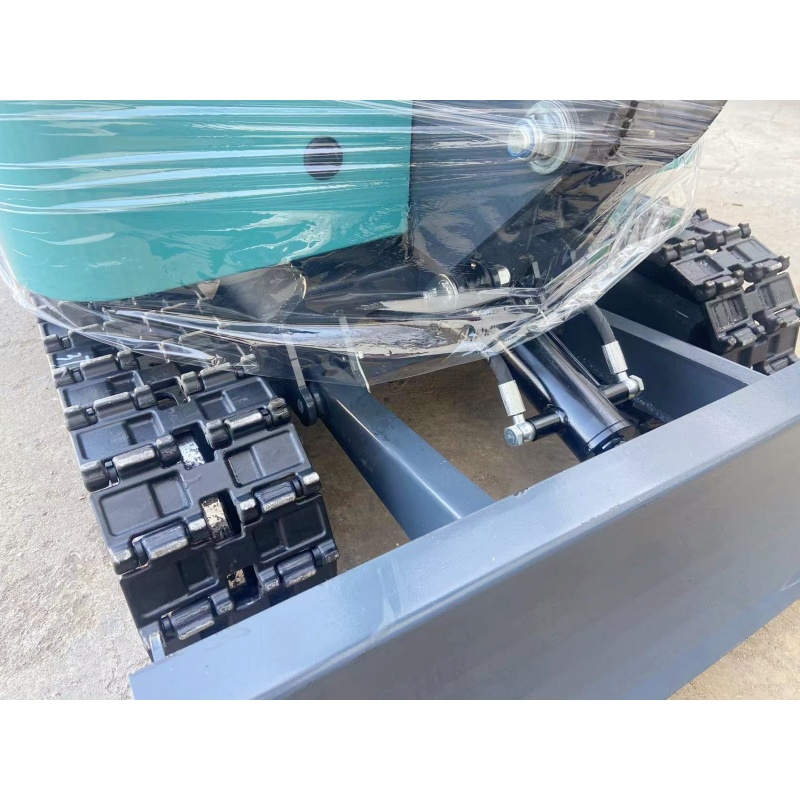
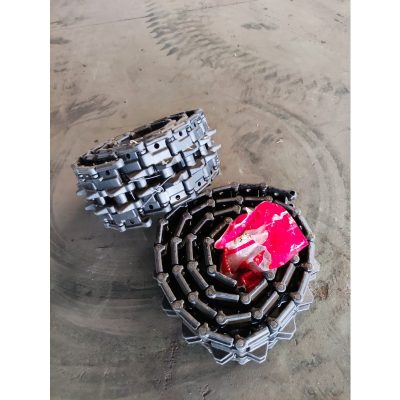
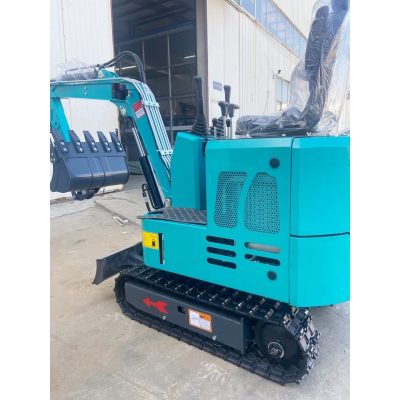
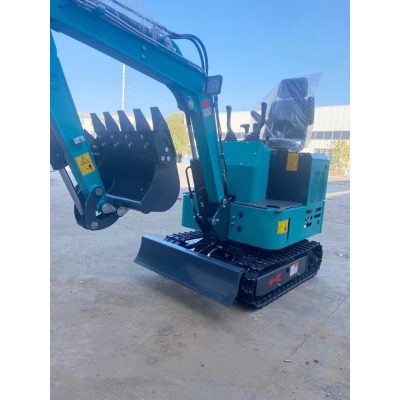
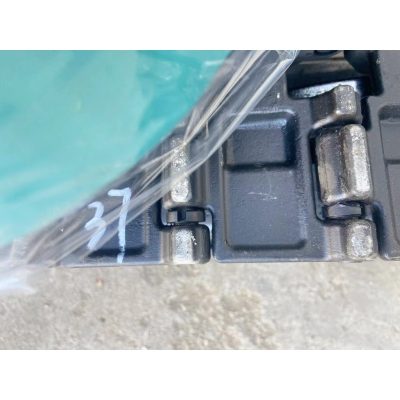
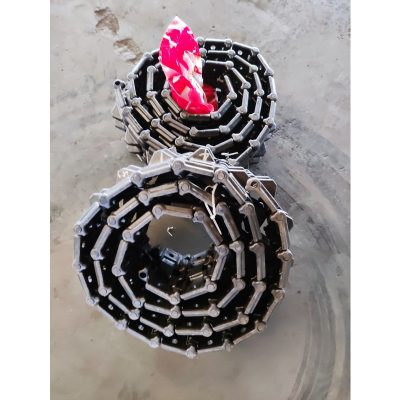
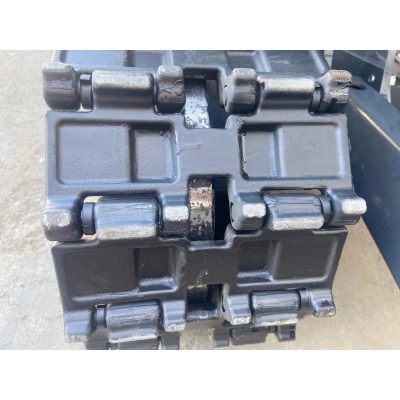
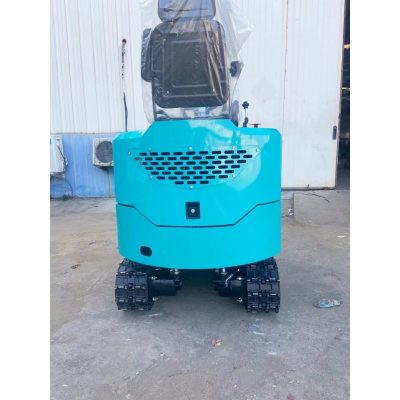
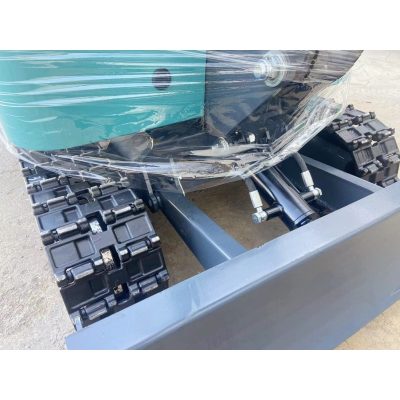
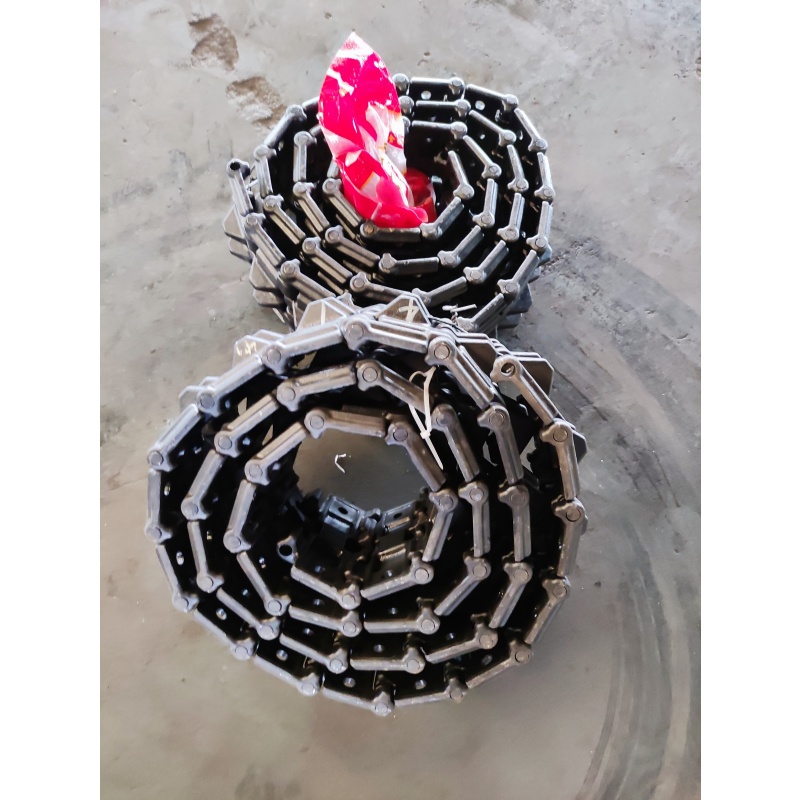
Track type is decided by the ground a machine will cross most often, not by the job it does. A small excavator on steel tracks is the usual answer where the site is rough, the surface wet, or the machine has to grip while working on a slope.
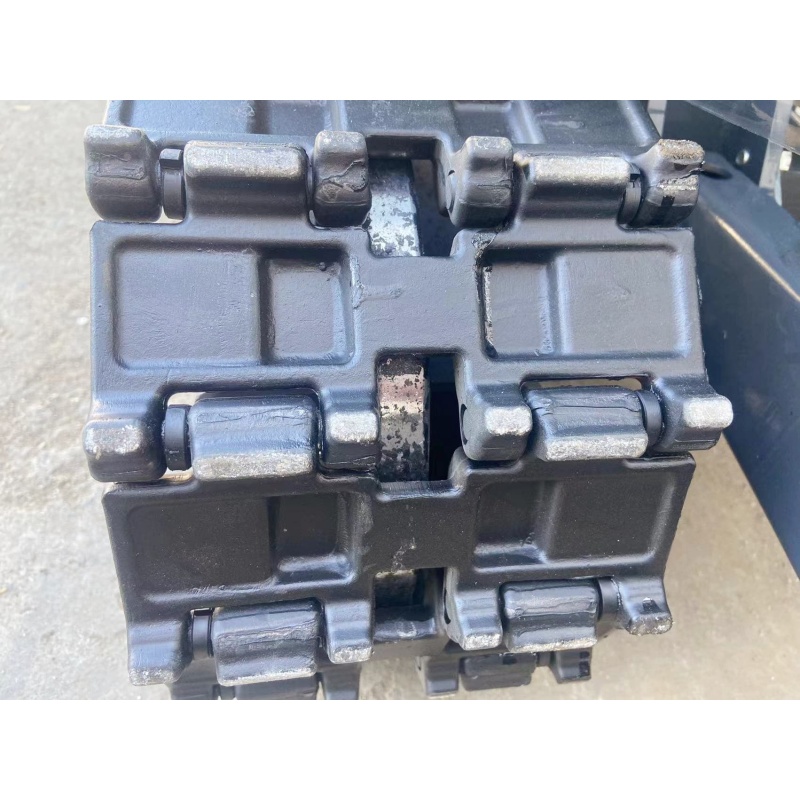
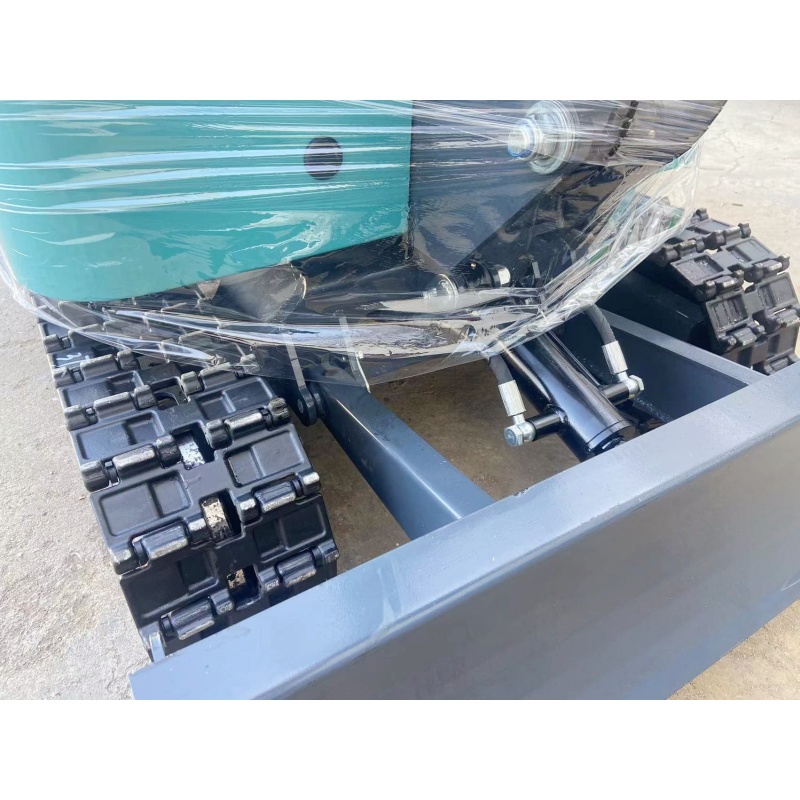
MINGYI fits steel tracks with rubber blocks, so the machine keeps the bite of steel on soft or loose ground while the pads limit damage when it tracks across a driveway or a paved lane. Rubber tracks remain the better choice where finished surfaces are the priority.
Where steel tracks suit a small excavator
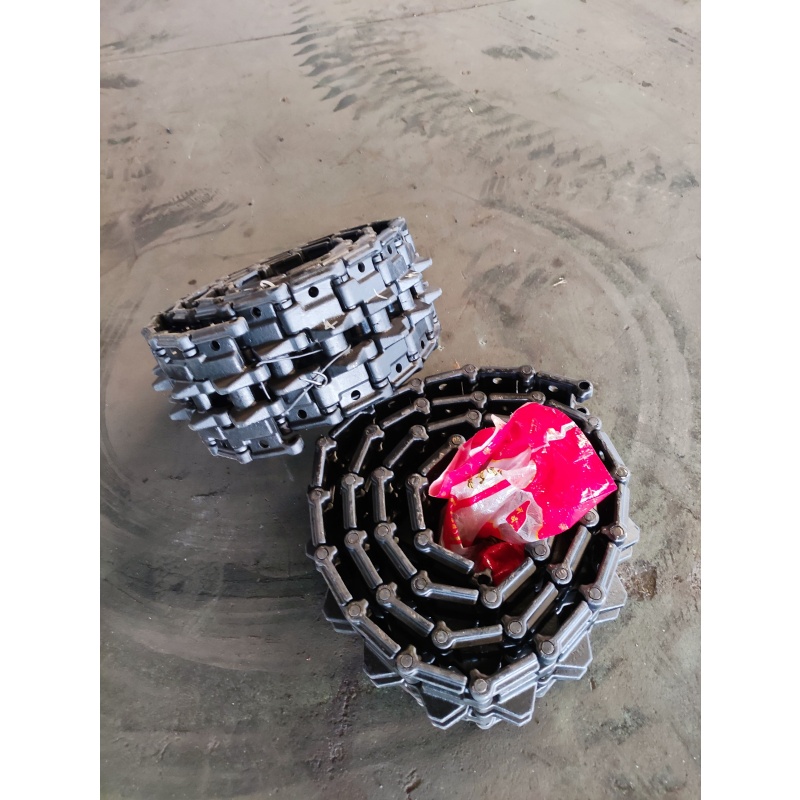
Steel tracks come into their own on farm work, forestry edges and building sites where the ground is uneven and grip is the limiting factor. The firmer footprint helps the machine stay level when it digs from a slope or lifts a loaded bucket to one side.
Quarry and demolition work also favours steel, since the links resist abrasion from stone and rubble. Rubber pads are fitted where the machine has to cross a road or a paved yard to reach the working area.
Steel tracks against rubber tracks on compact machines
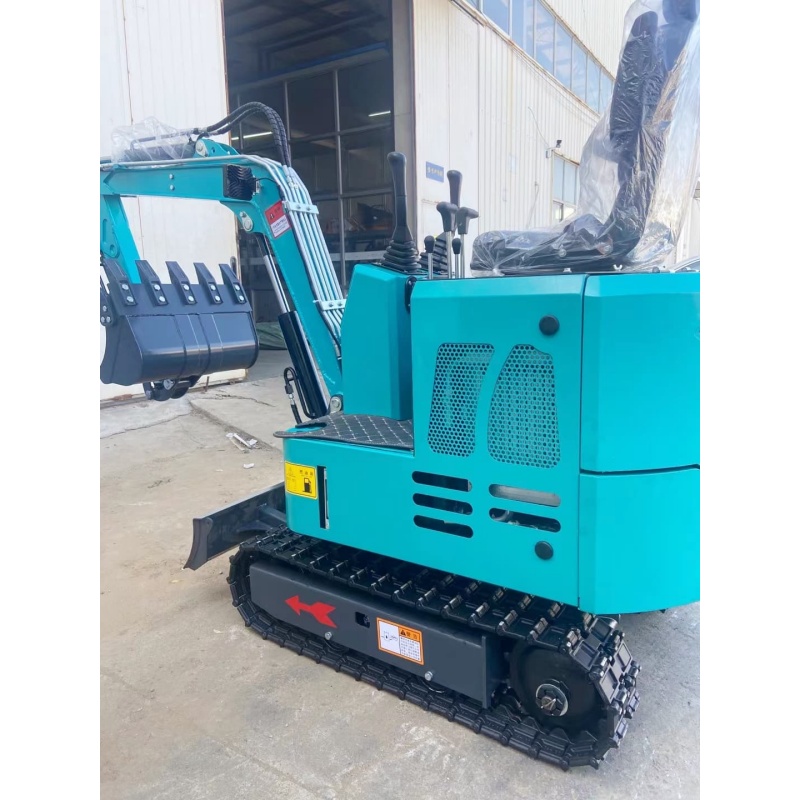
Rubber tracks are quieter, lighter and gentler on turf, paving and indoor floors. They are the default for landscaping and for renovation inside a building, where marking the surface would be a problem.
The decision is often a compromise where a machine has to do both. Buyers who cannot run two undercarriages usually choose steel tracks with rubber blocks and accept a firmer ride on soft ground in exchange for grip and durability.
For buyers working mainly on rough ground, steel tracks with rubber blocks give a small excavator the traction it needs without ruling out occasional work across a paved surface. The undercarriage is fixed at the order, so it should be chosen against the real working surface.
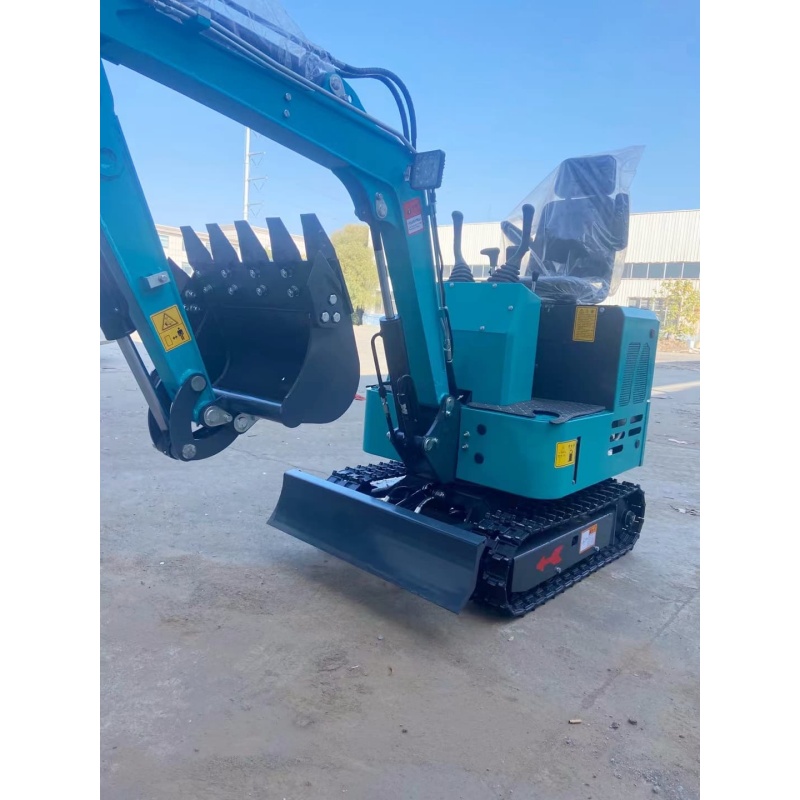
Getting small excavator with steel tracks through a narrow gap The first question on most job lists is whether the machine can reach the work at all. The excavator is chosen against the narrowest point on the route - a garden gate, a doorway, a gap between two walls - because a machine that arrives and then cannot pass loses a day, not an hour. Contractors who buy this class of machine normally have one job in mind that nothing else reaches. The purchase order follows the access measurement, not the other way round, and the build sheet is then settled around it. Trailering and moving small excavator with steel tracks Transport weight and width decide whether a machine needs a specialist haulier. The unit in daily use sized to travel on a standard plant trailer behind a suitable vehicle moves with the crew rather than on a scheduled low loader. Detachable components reduce transport length. A machine of this size built with a removable arm section or a folding step fits a shorter trailer and may avoid an oversize movement permit. Parts, service and support for small excavator with steel tracks Support after delivery is a parts question. Wearing items for the equipment on site - filters, belts, track components, bucket teeth and pins - are the items a buyer should plan to hold before the first service interval. Engine parts availability usually drives the engine choice. The machine itself built with an engine the local network already carries is serviced from stock rather than from an international order. Orchard, vineyard and farm use of small excavator with steel tracks Ditching, fertilising and drainage on farmland suit the model in question because the work is spread over a large area in short bursts. The machine travels behind a pickup and works where it stops. Farms also use the machine in that duty for general maintenance - clearing a watercourse, repairing a track, loading a spreader. One carrier with a few attachments covers most of the jobs that would otherwise wait for a contractor. Boom configuration for small excavator with steel tracks Extended and offset boom configurations change reach and working range. The unit on the job with a longer arm reaches further but lifts less at full extension, so the specification is set against the deepest and furthest point on the job list. Detachable boom sections are used where transport length matters. A machine built for the work that has to travel on a standard trailer can be built so the arm comes off for the road and goes back on at the site. Running small excavator with steel tracks in a rental fleet The specification that rents best is usually the simplest one to explain at the counter. The equipment in service with rubber tracks, a canopy and a coupler covers the majority of weekend and short-term hires. Fleet buyers also weigh transport. The excavator that a customer can tow on a normal licence and a standard trailer is a hire that does not need a delivery truck, which changes how often it goes out. Operator technique for this class of machine The second habit is tool discipline. Running the unit in daily use with the right bucket width for the trench means less spoil, less reinstatement and a cleaner job than a wide bucket and a lot of trimming. Stability is the third. A machine of this size working across the tracks rather than over the corners keeps the machine steady and the undercarriage loaded evenly, which shows up as track life at the end of the season. Matching the equipment on site to ground conditions Hard and abrasive ground reverses the specification. On rock, demolition rubble or sharp gravel, steel tracks with rubber blocks on the machine itself survive conditions that cut a rubber belt quickly. Mixed sites are common and argue for a compromise specification. Most buyers choose rubber for the model in question and accept the wear, unless the majority of the work is on material that will damage it. Quick coupler practice on the machine in that duty A quick coupler is the single option that changes how a machine is used day to day. Fitted to the unit on the job, it turns an attachment change from a two-person workshop job into a task the operator does alone in minutes. Couplers are specified early because they affect the arm and the hydraulic kit. Adding one to a machine built for the work after delivery means new pins, new hoses and a fitment session; adding it at build time is a line on the sheet. OEM and fleet customisation of the equipment in service Customisation also covers the specification sheet. A fleet buyer may want every this class of machine delivered with the same coupler, the same engine and the same tool kit so training and parts stock stay simple. Documentation can be prepared to suit the importer. Manuals, parts books and decal sets for the excavator can be supplied with the buyer's own branding where the order size justifies it. Interior and light demolition with the unit in daily use Breaking out a floor slab, a wall footing or a concrete step is routine work for a machine of this size with a breaker. The machine is small enough to work inside and heavy enough to run the tool at a practical rate. Dust, debris clearance and floor loading all argue for a compact machine indoors. The equipment on site spreads its weight over a wider track footprint than a wheeled machine of similar capacity. Working the machine itself in confined spaces Clearance above matters as much as around. Door heights, pipework and overhead services set the limit for the model in question indoors, and measuring them first avoids a machine that arrives and cannot be used. Specification data for the machine in that duty Where the unit on the job is being specified for a job list, the table below gives the factory figures that matter most: what the machine weighs, how deep and how far it works, and what it measures on a trailer. These are the reference figures for a machine built for the work. MINGYI confirms the final build sheet, including engine and attachment choices, against the destination and the job list before production. Confined sites are decided by dimensions. Overall width, tail swing and the space needed to work the arm are what let the equipment in service operate inside a building, between walls or in a courtyard. Ventilation is the other indoor constraint. Running the excavator inside a closed structure needs air movement, and that is a planning item rather than something to discover after the first hour.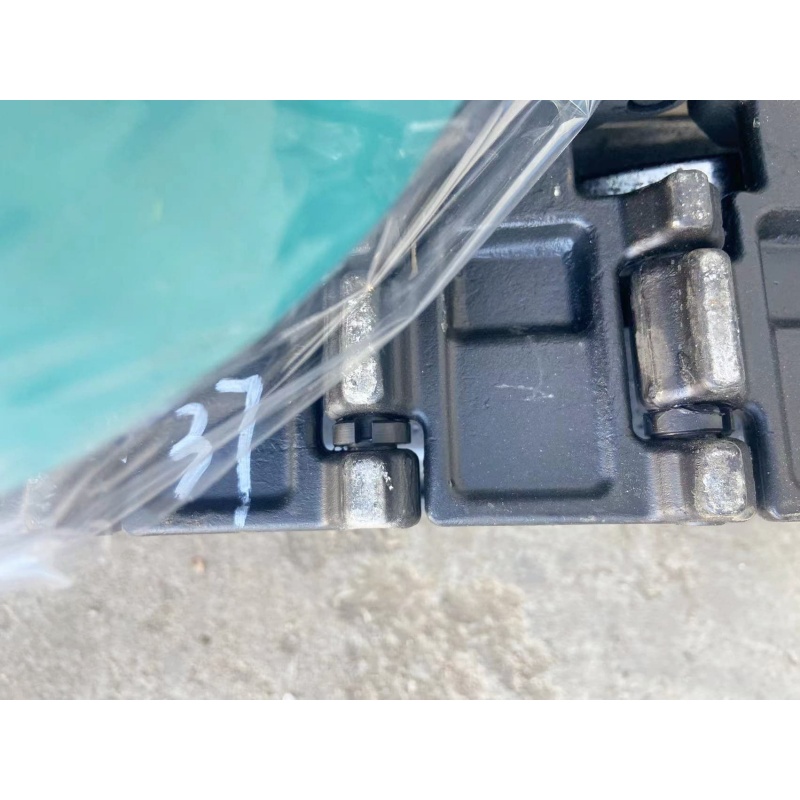
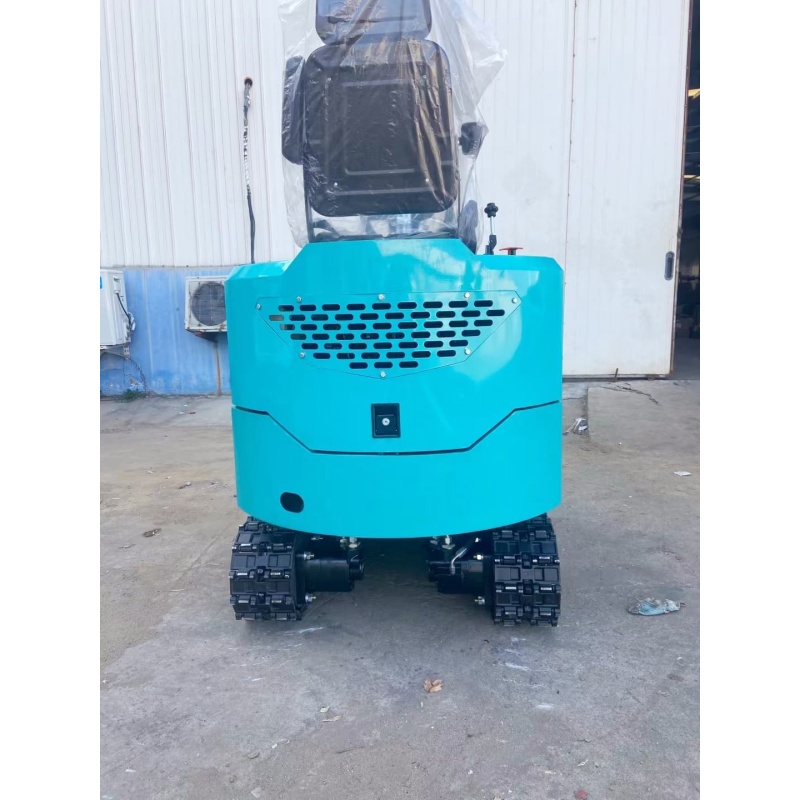
Reference specification — mini excavator range 15W 09L 12L 25L Operating weight 1400 kg (3086.47 lb) 1100 kg (2425.08 lb) 1200 kg (2645.55 lb) 2200 kg (4850.17 lb) Transport size (L×W×H) 2200 × 930 × 2250 mm 2300 × 720 × 1870 mm 2200 × 930 × 2250 mm 3000 × 1300 × 2700 mm Max digging depth 1630 mm (64.17 in) 1400 mm (55.12 in) 1700 mm (66.93 in) 2300 mm (90.55 in) Max digging height 2750 mm (108.27 in) 2800 mm (110.24 in) 2600 mm (102.36 in) 3100 mm (122.05 in) Max dumping height 1960 mm (77.17 in) 1880 mm (74.02 in) 1800 mm (70.87 in) 2050 mm (80.71 in) Max digging radius 2900 mm (114.17 in) 2490 mm (98.03 in) 2900 mm (114.17 in) 3900 mm (153.54 in) Max digging distance 2100 mm (82.68 in) 2000 mm (78.74 in) 2300 mm (90.55 in) 3100 mm (125.05 in) Minimum turning radius 1300 mm (51.18 in) 1400 mm (55.12 in) 1450 mm (57.09 in) 1800 mm (70.87 in) Travel speed 3 km/h (1.86 mph) 3 km/h (1.86 mph) 3 km/h (1.86 mph) 7 km/h (4.35 mph) Gradeability 30° 30° 30° 30° Fuel consumption 1-1.3 L/h (0.264—0.343 gal) 1-1.3 L/h (0.264—0.343 gal) 1-1.3 L/h (0.264—0.343 gal) 2-3 L/h (0.528—0.793 gal) Fuel tank capacity 10 L (2.64 gal) 8 L (2.11 gal) 10 L (2.64 gal) 16 L (4.23 gal) Hydraulic oil tank 16 L (4.23 gal) 16 L (4.23 gal) 16 L (4.23 gal) 18 L (4.76 gal) Dozer blade lift height 180 mm (7.09 in) 180 mm (7.09 in) 180 mm (7.09 in) 230 mm (9.06 in) Dozer blade drop depth 210 mm (8.27 in) 210 mm (8.27 in) 210 mm (8.27 in) 280 mm (11.02 in)
Q. Who uses the class of machine?
A. Track type sets ground pressure, grip and how the site looks when the machine leaves - the trade-off between rubber and steel is what the track decision comes down to. Tension checks and a walk-around for wrapped debris are the whole of daily track care, and they protect the part of the digger that is hardest to put right. For steel tracks applications the practical route is to send the job list to the factory and let the build sheet answer it - which is exactly what this page invites.
Q. Can I change track type after purchase?
A. Yes; conversion is a planned job rather than a swap, and the pages on steel track replacement and rubber-to-steel conversion describe what is involved. Confirm the machine model and the target ground with the factory and the parts arrive as a matched set.
Q. What about colours and branding?
A. OEM colours and decals are part of the build: private-label machines carry the buyer brand on the standard MINGYI platform, and the steel tracks order confirms colours, marks and documents before production starts.
Commissioning the unit in daily use on site
The machine should be introduced to the site as well as the operator. Walking the route a machine of this size will take, noting the soft spots and the turns, prevents the kind of first-day incident that has nothing to do with the machine.
Keeping a service record for the equipment on site
Service history also protects the warranty position. Evidence that the machine itself was maintained at the specified intervals and with the specified fluids settles questions that would otherwise be argued.
Packing, loading and shipment of the model in question
The paperwork matters as much as the packing. Serial numbers, dimensions and weights recorded for the machine in that duty at loading are the same figures the destination needs, and a mismatch here loses more days than the voyage itself.
E-mail : sales@mingycn.com
LINE ( ID ): mingyicn
Related pages
mini excavator with steel tracks · lawn mower attachment for excavators · Wheel Loader for Mining: Radiator Cores and Hub Reduction Axles · Mini Excavators









