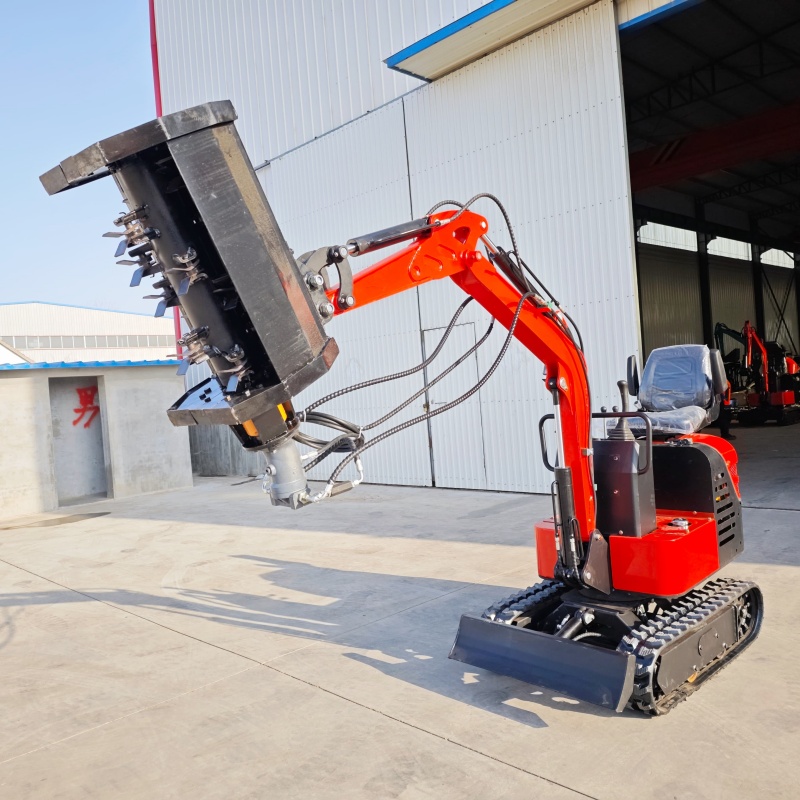
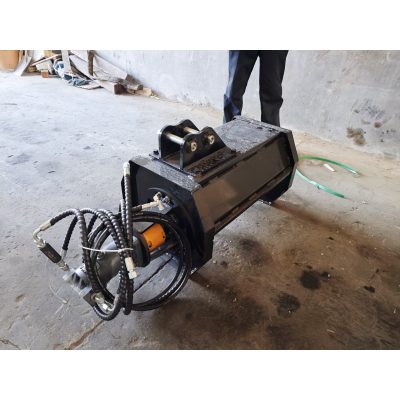
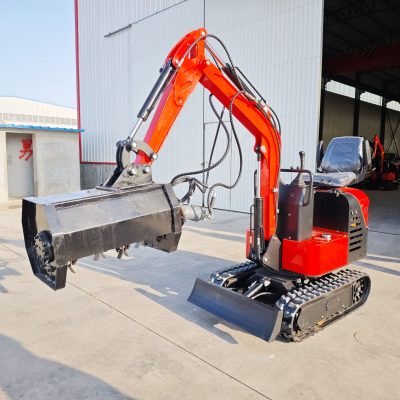
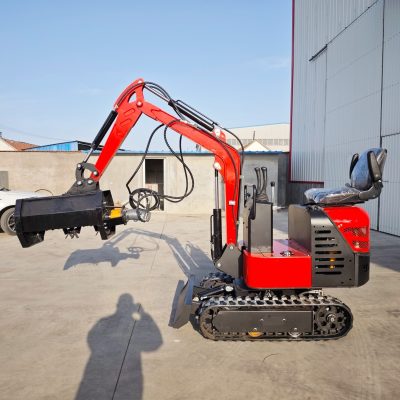
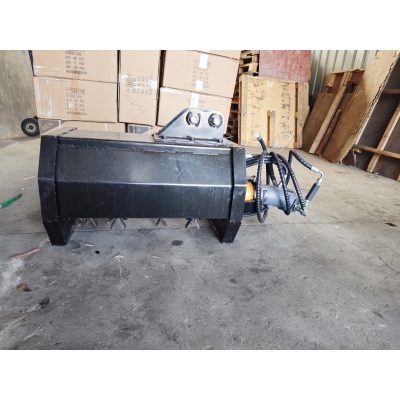
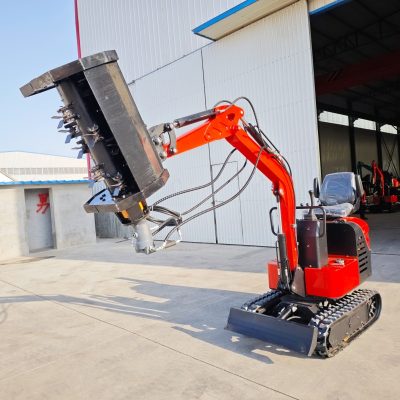
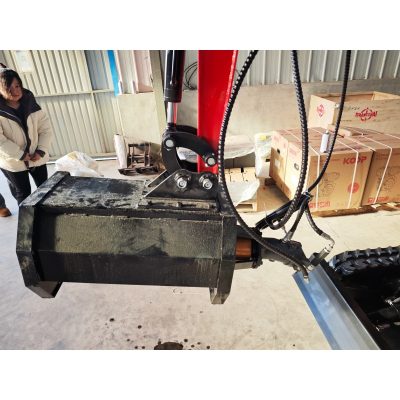
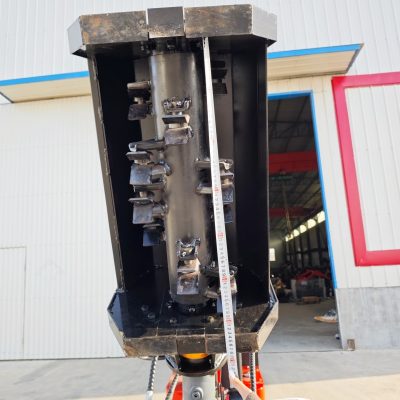
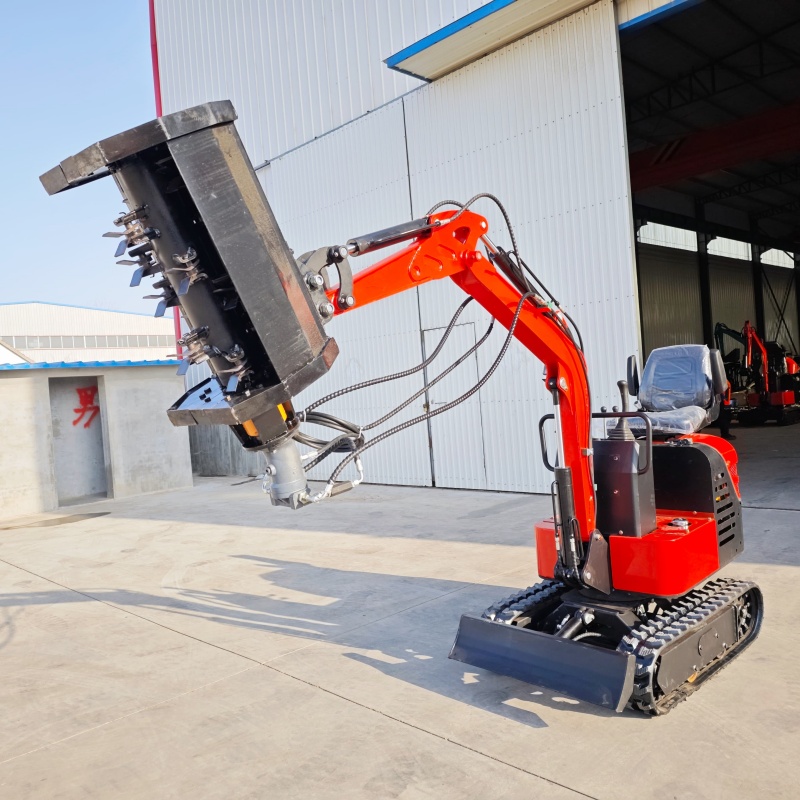
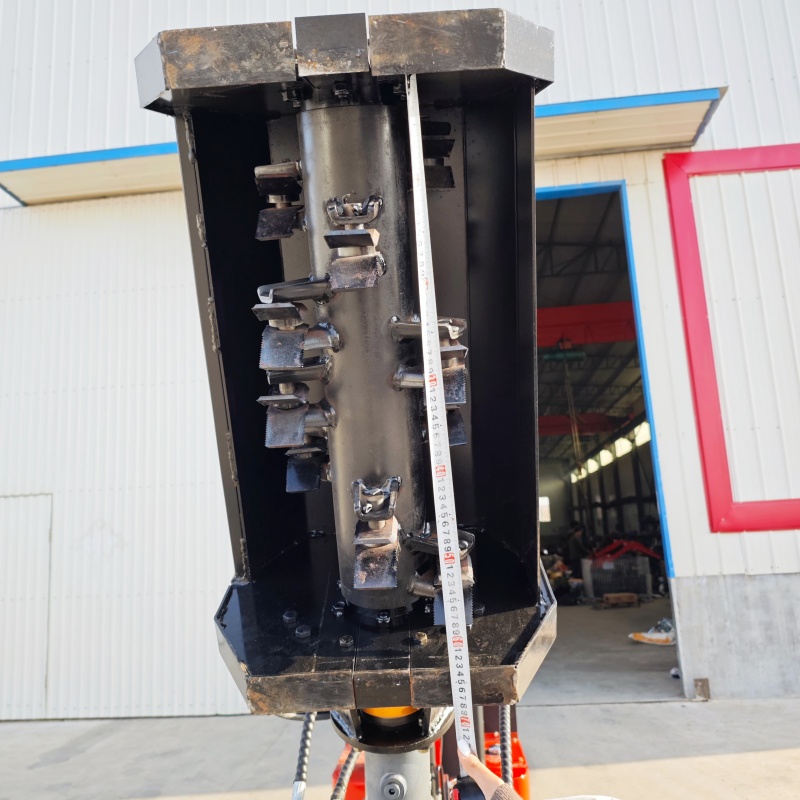
Grass grows where tractors cannot work: steep banks, ditch edges, pond surrounds and rough verges where a ride-on mower would be unsafe or stuck. Fitting a lawn mower attachment to an excavator turns the carrier's reach and stability into a mowing platform for these areas.
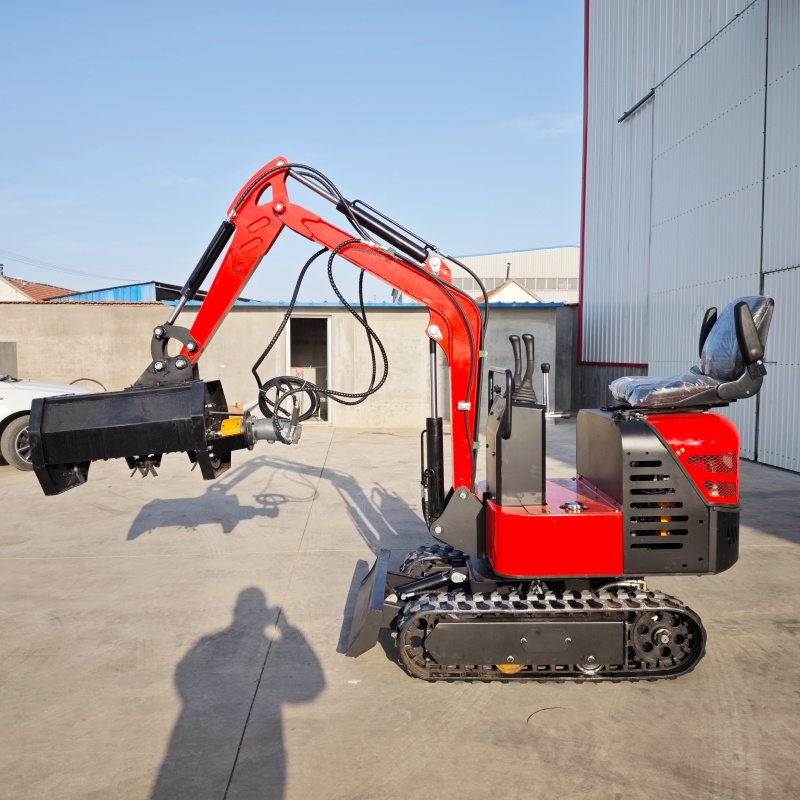
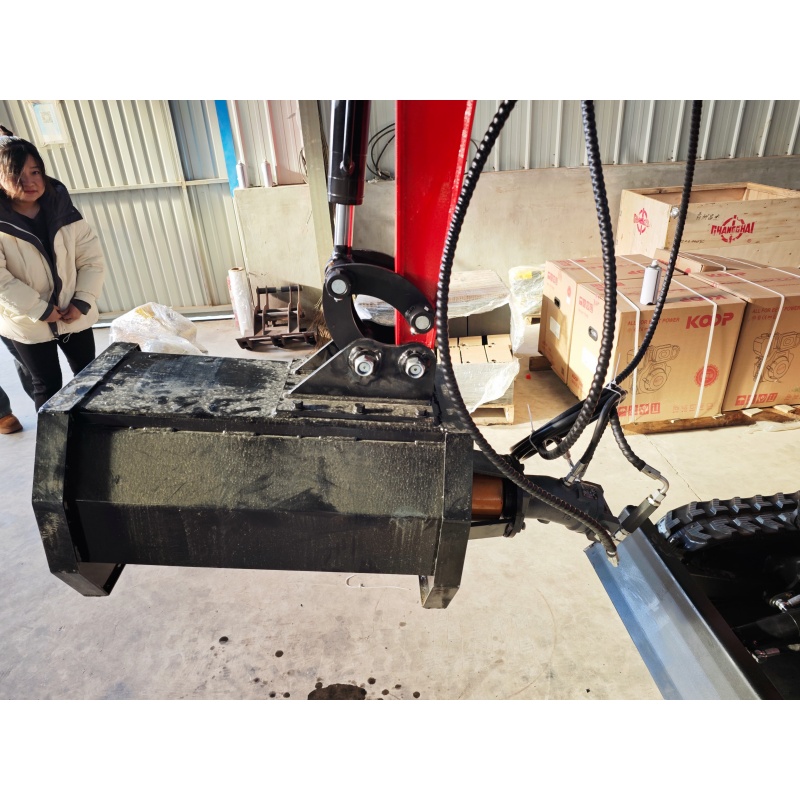
MINGYI supplies mower attachments matched to its mini excavators, ordered with the machine or added later against its recorded specification. The hydraulic circuit is set up for the implement at the ordering stage so the mower runs correctly.
Where excavator mowing makes sense
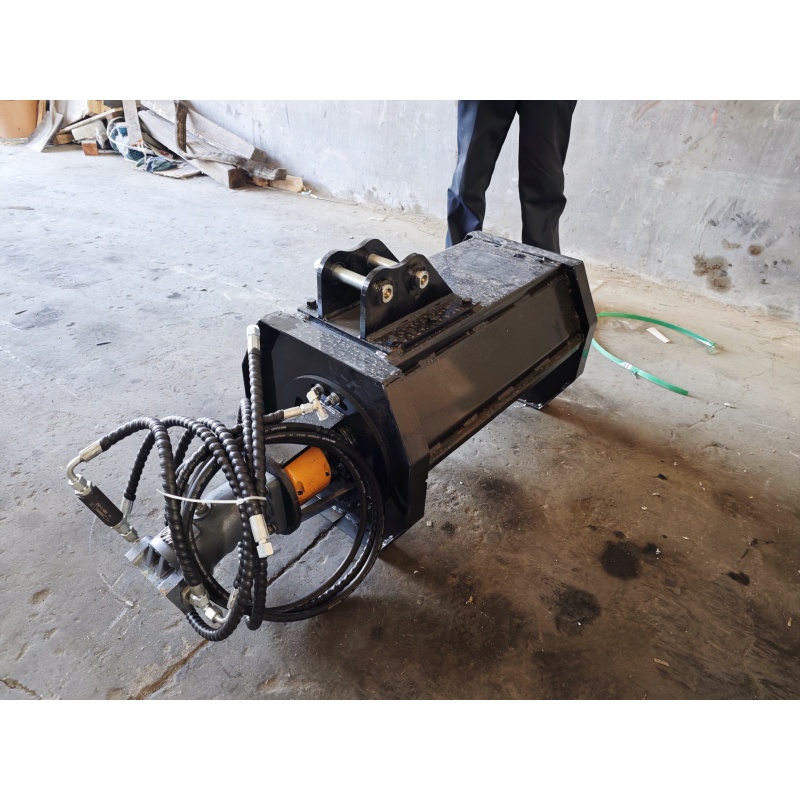
The attachment suits vegetation management along roadsides and ditch banks, around ponds and water channels, under fence lines and in orchard alleys. The carrier sits on stable ground while the mower works the slope or edge, keeping the operator level and the machine planted.
Reach is the working advantage: the arm cuts down into a ditch or across a fence line that a ground-driven mower would have to be manhandled around. Growth normally cut by strimmer becomes a machine job at a pace hand cutting cannot match.
Selecting and running the mower
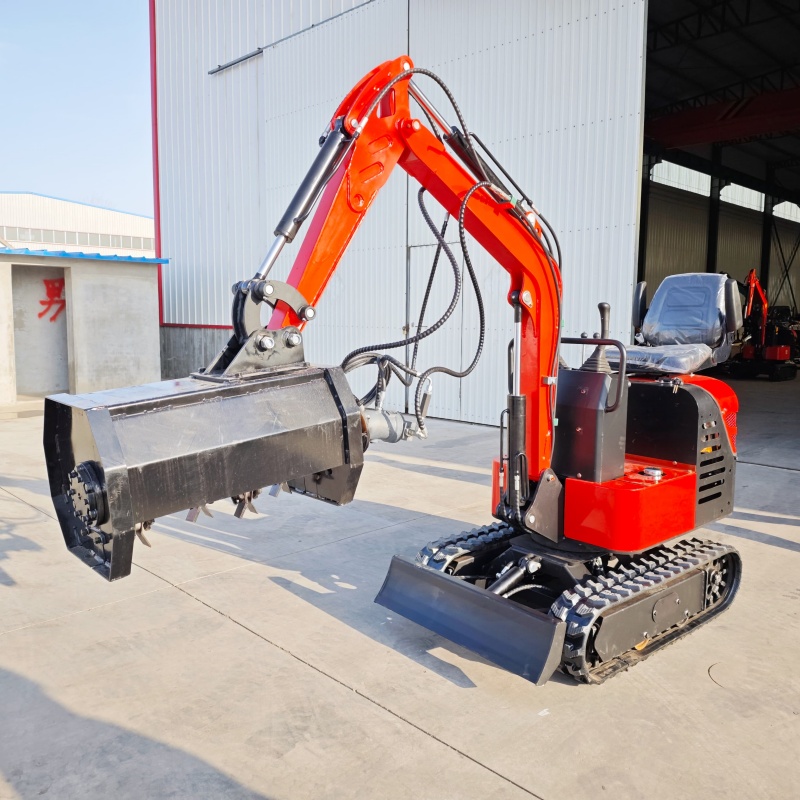
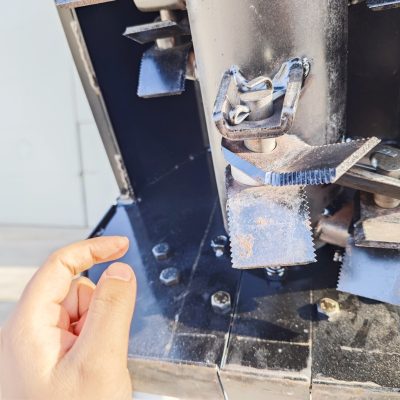
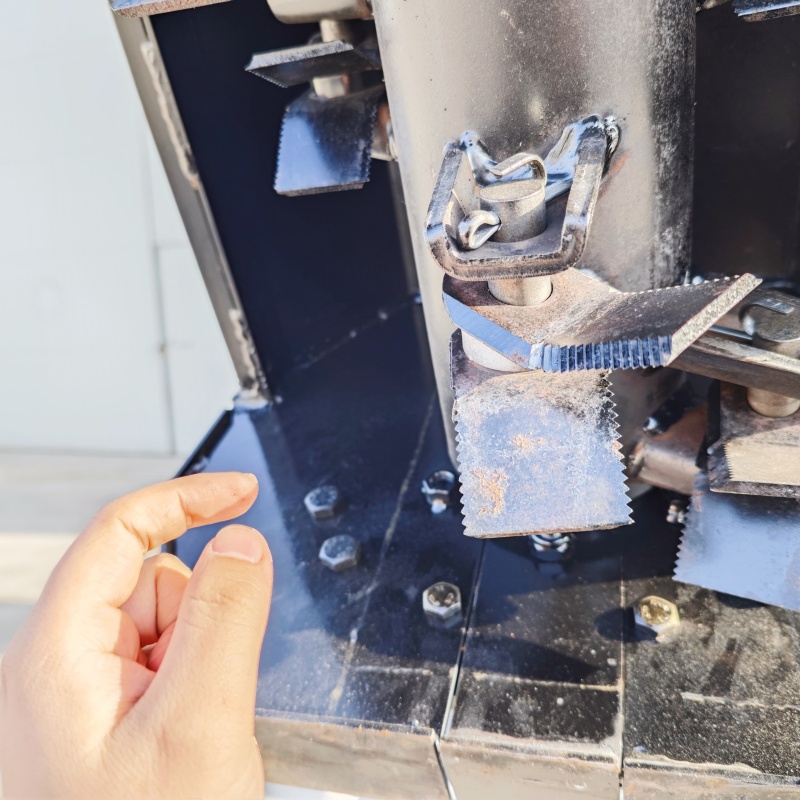
The mower is matched to the carrier's hydraulic flow, so the model of machine and its circuit details belong in the order. For heavier scrub and woody regrowth a flail mower is the tougher option, trading a rougher finish for material a plain mower would choke on.
Running demands sit in blades and hydraulics: spare blades ordered with the attachment avoid mid-season waits, and the mower is greased on the carrier's schedule. State the vegetation you cut so the attachment is matched to it.
Mowing from an excavator is about cutting where machines cannot otherwise reach. Describing your banks, ditches and rough areas lets MINGYI supply a mower matched to your carrier and the growth it faces.
Parts, service and support for lawn mower attachment for excavators Support after delivery is a parts question. Wearing items for the excavator - filters, belts, track components, bucket teeth and pins - are the items a buyer should plan to hold before the first service interval. Remote support is handled by video. This class of machine fault can often be diagnosed on a walk-around call with the panel open, which is faster than waiting for a visit and avoids shipping a part that is not needed. Canopy or enclosed cab on a lawn mower attachment for excavators The cab decision follows the climate and the hours. Operators working a full shift in the unit in daily use benefit from a sealed cab with wipers and heating; operators stepping on and off every few minutes usually prefer the canopy for the visibility and the quick exit. Enclosure also changes noise and dust exposure. A sealed cab on a machine of this size keeps dust out on dry sites and lets the machine work through weather that would otherwise stop a canopy machine for the day. Acceptance checks when a lawn mower attachment for excavators arrives Delivery day is the best time to find a problem. Checking the specification against the order, the fluid levels, the fasteners and any transport damage while the machine itself is still on the trailer is faster than claiming later. A function check before the machine goes to work is worth the hour. Running through the controls, the travel and the attachment circuit on the equipment on site confirms it is set up as specified and ready for the site. Trenching work with lawn mower attachment for excavators Service trenches are the most common reason the model in question is hired. Water, sewage, cable and gas runs are narrow, shallow and often close to existing services, which is exactly the work a full-size machine cannot do safely. Trench quality depends on the bucket width and the operator, not on machine size. The machine in that duty with a narrow bucket and a swing boom cuts a clean run along a boundary without disturbing the ground either side of it. Track choice for lawn mower attachment for excavators Rubber tracks suit paved and landscaped ground because they spread the machine weight and leave the surface intact. Steel tracks with rubber blocks are specified where the ground is rougher or the working day is longer, and the choice can be made per machine rather than accepted as a factory default. Track type changes what the machine can cross and what it leaves behind. Buyers specify rubber for lawns, driveways and municipal work, and steel with rubber blocks for sites where sharp material would cut a rubber belt in a week. Daily checks and maintenance on lawn mower attachment for excavators Track tension is the item most often neglected. The unit on the job run with slack tracks wears the undercarriage and can throw a track on a turn; run too tight, the same components wear from the other direction. Greasing is the second item. The slew ring, the boom and arm pins and the bucket linkage on a machine built for the work take grease daily in dusty work, and the intervals shorten further when the machine is used in water or mud. Specifying the equipment in service against a job list Buyers who skip this step either over-buy or under-buy. The excavator specified only from machine size tends to arrive without the coupler, the circuits or the track type the work actually needs. Useful information to send with an enquiry includes working width, required digging depth, ground conditions and the attachment set. Those four items let the factory specify this class of machine that fits rather than a generic build. Municipal and public works with the unit in daily use Municipal crews work on streets, footpaths and parks where the public is present. A machine of this size is specified because it occupies little space, works inside a small exclusion zone and can be moved on a standard trailer. Noise and surface protection matter on public work. The equipment on site on rubber tracks across paving, with a sealed cab for the operator, suits the conditions better than a larger tracked machine. Engine options behind the machine itself Two buyers can order the same the machine in that duty and receive different engines. The decision is rarely about peak power; it is about which parts counter is closest to the site and which engine the local mechanic already knows. Engine choice is also an emissions and documentation question for some markets. Listing the available units with the model in question enquiry lets the factory confirm what can be supplied and documented for the destination country. Trailering and moving the unit on the job Loading practice matters as much as the numbers. A machine built for the work is driven up ramps under its own power with the boom lowered and the tracks aligned, and secured at the points the manufacturer specifies. Detachable components reduce transport length. The equipment in service built with a removable arm section or a folding step fits a shorter trailer and may avoid an oversize movement permit. Attachments that turn the excavator into several machines The base machine is a carrier; the tool on the end of the arm decides the task. This class of machine fitted with a toothed bucket digs, and the same machine with a breaker, an auger or a grab does work that would otherwise need a second unit on site. Most of the daily variety on the unit in daily use comes from the attachment rack rather than from the machine itself. Bucket, breaker, auger, ripper, rake and grab cover the large majority of the work a contractor will see. Working a machine of this size in confined spaces Ventilation is the other indoor constraint. Running the equipment on site inside a closed structure needs air movement, and that is a planning item rather than something to discover after the first hour. Specification data for the machine itself Buyers comparing the model in question usually start from four numbers - weight, digging depth, reach and transport width - because those are the ones that decide whether the machine can be delivered and whether it can do the job once it is there. Figures are factory figures and are confirmed on the build sheet for the machine in that duty. Where a job sits between two models, the larger machine usually takes less time than the smaller one spends on rework. Confined sites are decided by dimensions. Overall width, tail swing and the space needed to work the arm are what let the unit on the job operate inside a building, between walls or in a courtyard. Clearance above matters as much as around. Door heights, pipework and overhead services set the limit for a machine built for the work indoors, and measuring them first avoids a machine that arrives and cannot be used.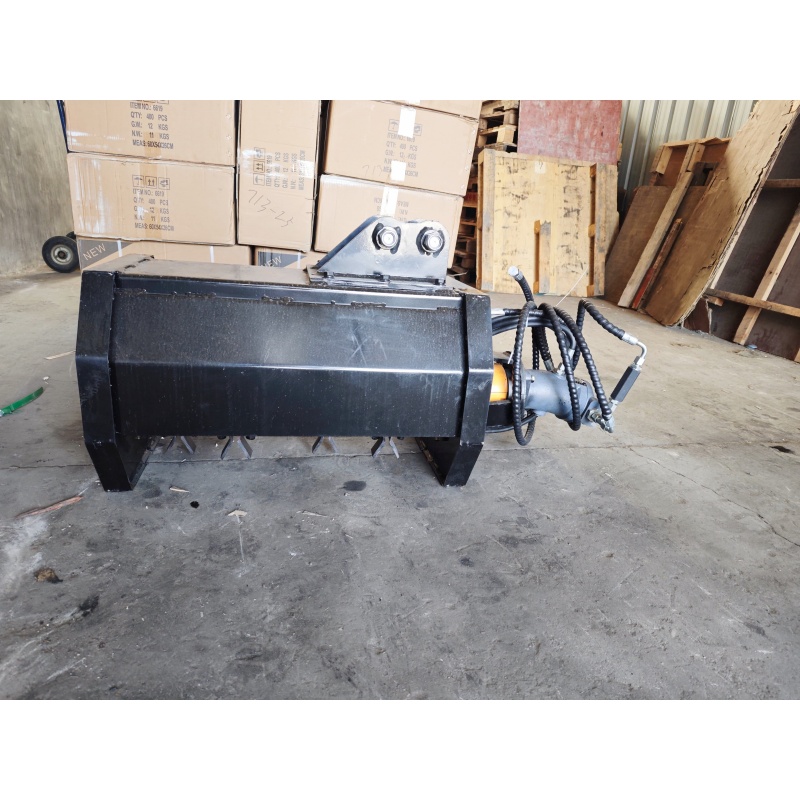
Reference specification — mini excavator range 09W 30-2W 20-2L 30-2L Operating weight 1100 kg (2425.08 lb) 2700 kg (5952.48 lb) 1900 kg (4188.78 lb) 2400 kg (5291 lb) Transport size (L×W×H) 1800 × 750 × 1970 mm 3000 × 1100 × 2700 mm 2600 × 1300 × 2344 mm 2800 × 1500 × 2500 mm Max digging depth 1250 mm (49.21 in) 2200 mm (86.61 in) 2100 mm (82.68 in) 2200 mm (86.61 in) Max digging height 2800 mm (110.24 in) 3000 mm (118.11 in) 2880 mm (113.39 in) 2900 mm (114.17 in) Max dumping height 1700 mm (66.93 in) 2000 mm (78.74 in) 2100 mm (82.68 in) 2100 mm (82.68 in) Max digging radius 2570 mm (101.18 in) 3800 mm (149.61 in) 3215 mm (126.57 in) 3330 mm (131.1 in) Max digging distance 1869 mm (73.58 in) 3050 mm (120.08 in) 2460 mm (96.85 in) 2700 mm (106.3 in) Minimum turning radius 1000 mm (39.37 in) 1750 mm (68.9 in) 1587 mm (62.48 in) 1555 mm (61.22 in) Travel speed 3 km/h (1.86 mph) 7 km/h (4.35 mph) 5 km/h (3.11 mph) 7 km/h (4.35 mph) Gradeability 30° 30° 30° 30° Fuel consumption 1-1.3 L/h (0.264—0.343 gal) 2-3 L/h (0.528—0.793 gal) 2-3 L/h (0.528—0.793 gal) 2-3 L/h (0.528—0.793 gal) Fuel tank capacity 8 L (2.11 gal) 16 L (4.23 gal) 16 L (4.23 gal) 16 L (4.23 gal) Hydraulic oil tank 16 L (4.23 gal) 20 L (5.28 gal) 18 L (4.76 gal) 18 L (4.76 gal) Dozer blade lift height 180 mm (7.09 in) 230 mm (9.06 in) 180 mm (7.09 in) 230 mm (9.06 in) Dozer blade drop depth 210 mm (8.27 in) 280 mm (11.02 in) 210 mm (8.27 in) 280 mm (11.02 in)
Q. What are the equipment in service?
A. The attachment story on a compact digger is about earning across trades: one carrier, one trailer, and a quick coupler that swaps tools in about a minute. The quick coupler makes the changeover a minute job at the trench edge, and mechanical tools need no hydraulic lines at all. The excavator is one of the pages buyers land on when comparing machines for excavators, and the factory treats it as a specification conversation rather than a catalogue line.
Q. What does the attachment add to daily work?
A. Reach into jobs the bucket alone cannot specification: grading with a tilting bucket, clearing with a rake, drilling with an auger, lifting with a thumb. One carrier, several trades - the machine stays on site earning instead of waiting for a specialist.
Q. Does MINGYI supply attachments with the machine?
A. Yes - buckets, breakers, augers, rakes and the rest of the working set ship with the carrier, matched to the hydraulic flow and the coupler. For excavators the package is confirmed on the build sheet, so machine and tools arrive together and start work together.
Planning the season around this class of machine
Workload is rarely even across the year, and the machine should be specified for the busy weeks. The unit in daily use sized only for the average month will be the limiting factor exactly when the work is worth the most.
Pre-delivery inspection before a machine of this size leaves the shop
A machine should be inspected while it is still on our floor rather than after it lands. For the equipment on site that means the engine is run to temperature, the hydraulics are cycled through full travel, and every function is checked against the build sheet before the crate is closed.
E-mail : sales@mingycn.com
LINE ( ID ): mingyicn
Related pages
mini excavator grass cutting head · mini excavator grass crushing mower · Wheel Loader for Construction Site: Board Heights and Turn Space · Mini Excavators









